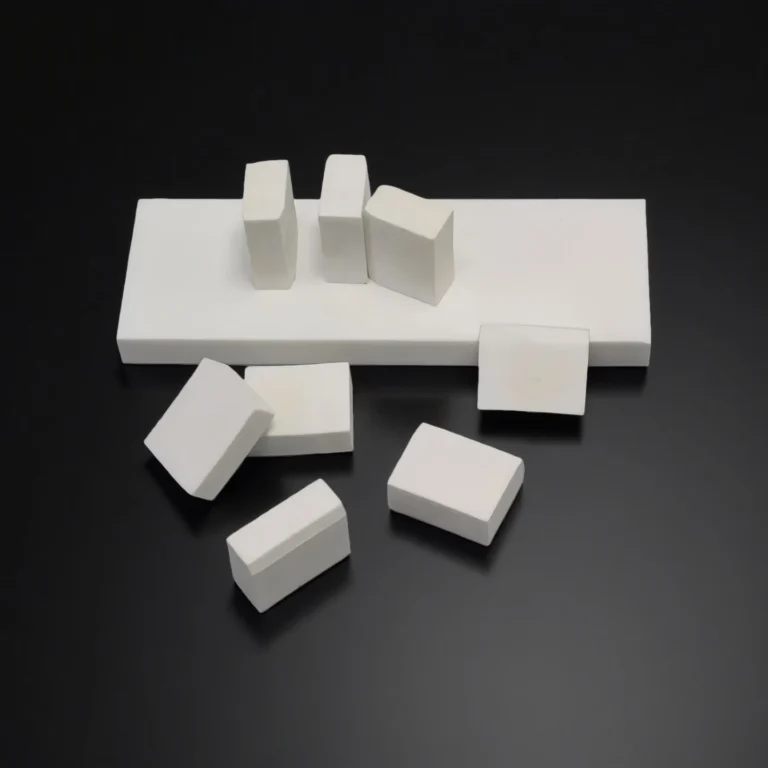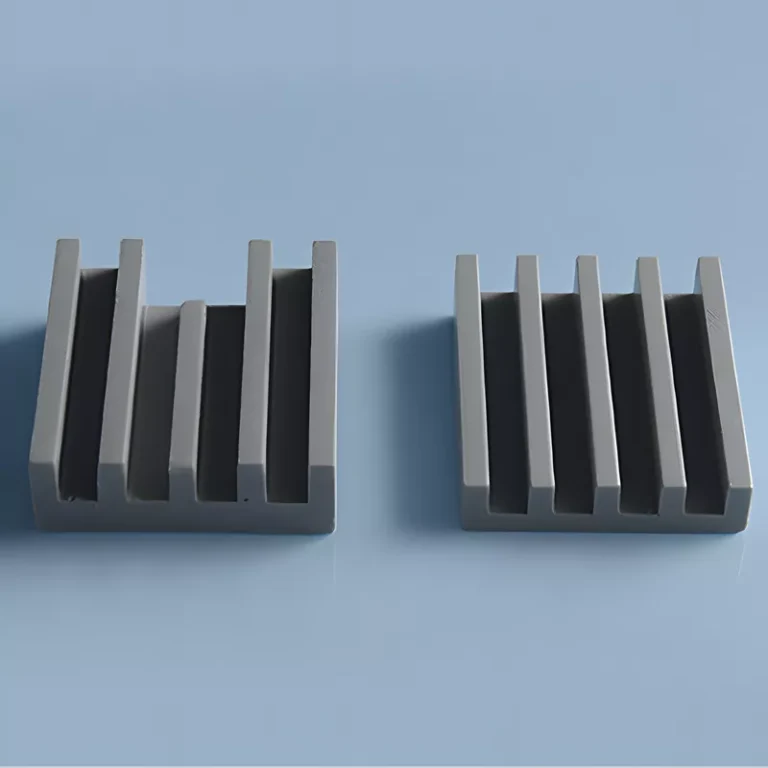
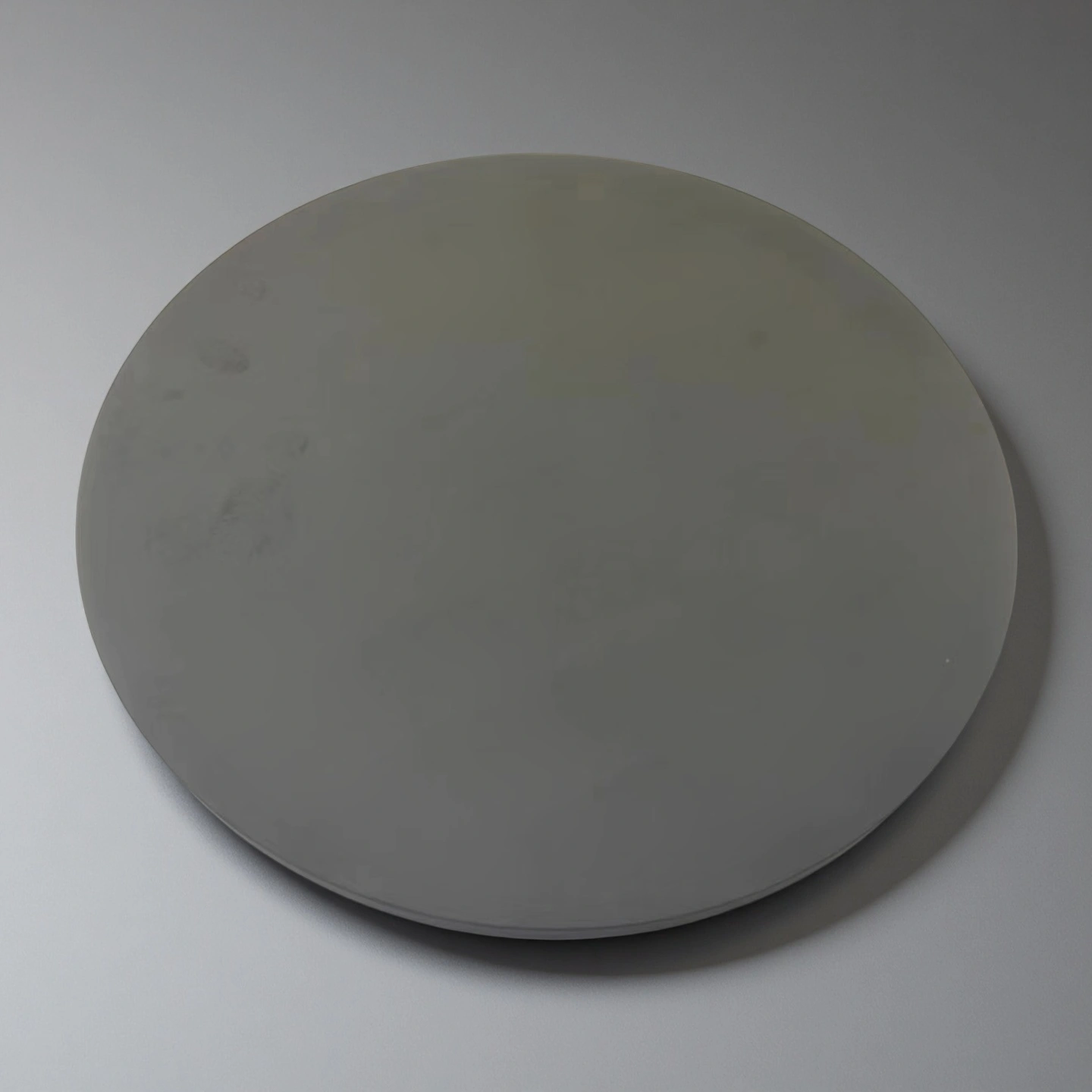
Hot Pressed Aluminum Nitride Plate for LED, UV LED and Laser Diode Submounts

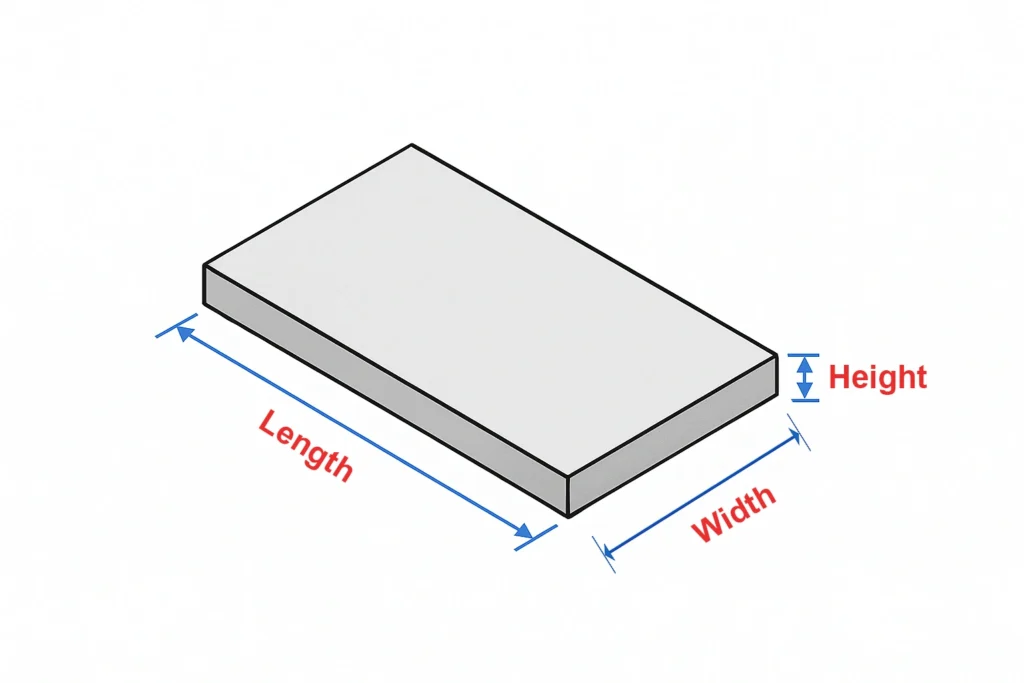
Hot pressed aluminum nitride plates are available in standard and custom rectangular or square formats with 0.5-500 mm thickness, machined to drawing with tailored length, width, flatness and edge details to match specific module footprints and assembly interfaces.

Catalogue No. AT-AIN-RY1001
Material Aluminum Nitride
Thermal Conductivity ≥170 W/m·K
Thermal Expansion Coefficient 4.5–5.0 ×10⁻⁶/K
Volume Resistivity ≥ 10¹² Ω·cm
24H Standard Dispatch
Small Batch Support OEM
Factory Direct
Expert Engineering Support

Hot Pressed Aluminum Nitride Plate is a dense, high-performance ceramic substrate used in thermal management and electrical insulation applications. With excellent thermal conductivity and low dielectric loss, it is widely used in power modules, laser systems, and high-temperature vacuum environments.

Hot-Pressed Aluminum Nitride Plate Benefits

  • High Thermal Conductivity in a Thick Plate Form
    Hot-pressed aluminum nitride plate provides 180–230 W/m·K thermal conductivity through 0.5–30 mm thickness, enabling efficient heat spreading for high power density modules that cannot rely on thin substrates alone.

  • High Density and Mechanical Robustness
    With 3.25–3.30 g/cm³ density and fine microstructure, the hot-pressed AlN plate supports clamping, bolting and power cycling loads without excessive warpage or cracking in typical power and RF assemblies.

  • Electrical Insulation with Low Dielectric Loss
    The hot-pressed aluminum nitride plate combines high volume resistivity with low dielectric loss, allowing thermal management and electrical isolation in the same component for power, RF and high voltage designs.

  • Stable Thermal Expansion for Power Cycling
    The thermal expansion of hot-pressed AlN plate is close to many semiconductor and package metals, helping to reduce thermomechanical stress and extend module life under repeated on-off power cycling.

  • Machinable to Complex Plate Geometries
    Hot pressed aluminum nitride plates can be ground, drilled and profiled into complex plate geometries with openings, recesses and alignment features that match power modules, vacuum chucks and heater layouts.

Hot Pressed Aluminium Nitride Ceramic Plate Properties

Property Content Unit Unit ALN-170 ALN-200 ALN-230
Basic Properties Color gray light yellow light yellow
Density g/cm³ 3.2-3.3 3.2-3.3 3.2-3.3
Surface Roughness μm 0.2-0.75 0.2-0.75 0.2-0.8
Camber length ‰ ≤3‰ ≤3‰ ≤3‰
Hardness HV 1100 1100 1100
Thermal Properties Max Operating Temperature °C 1100 1100 1100
Thermal Conductivity W/m·K 170-190 190-220 220-230
Coefficient of Thermal Expansion 10⁻⁶/K(20-400°c) 4-5 4-5 4-5
Coefficient of Thermal Expansion 10⁻⁶/K(400-800°c) 5-6 5-6 5-6
Mechanical Properties Flexural Strength MPa 300-400 350-450 400-500
Tensile Strength MPa 200-300 250-350 280-380
Compressive Strength MPa 2000-3000 2200-3200 2500-3500
Electrical properties Dielectric Constant at 1MHz 8-9 8-9 8-9
Dielectric strength KV/mm ≥15 ≥15 ≥15
Volume resistivity 20℃ Ω.cm ≥1014 ≥1014 ≥1014


Hot Pressed Aluminium Nitride Plate Specifications

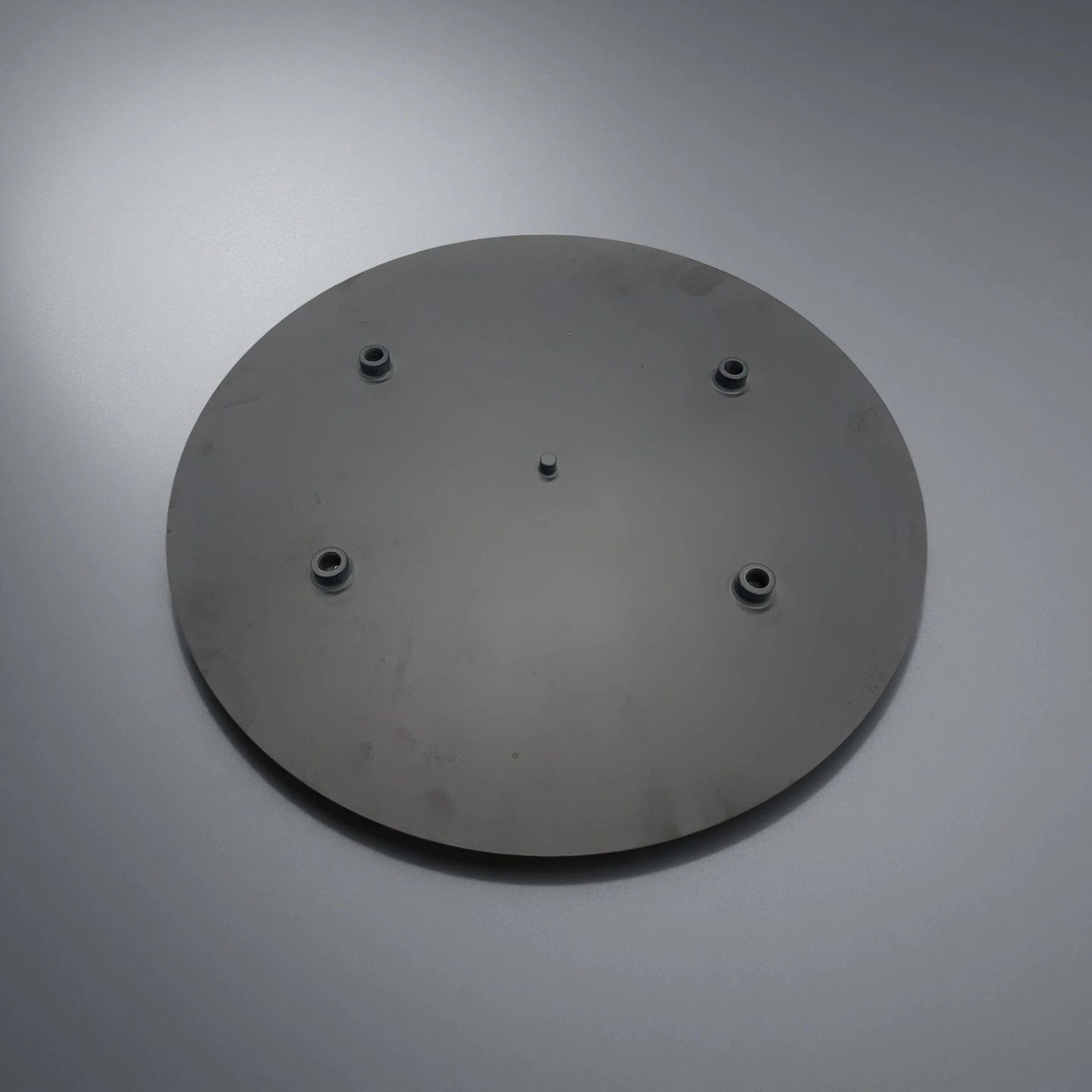
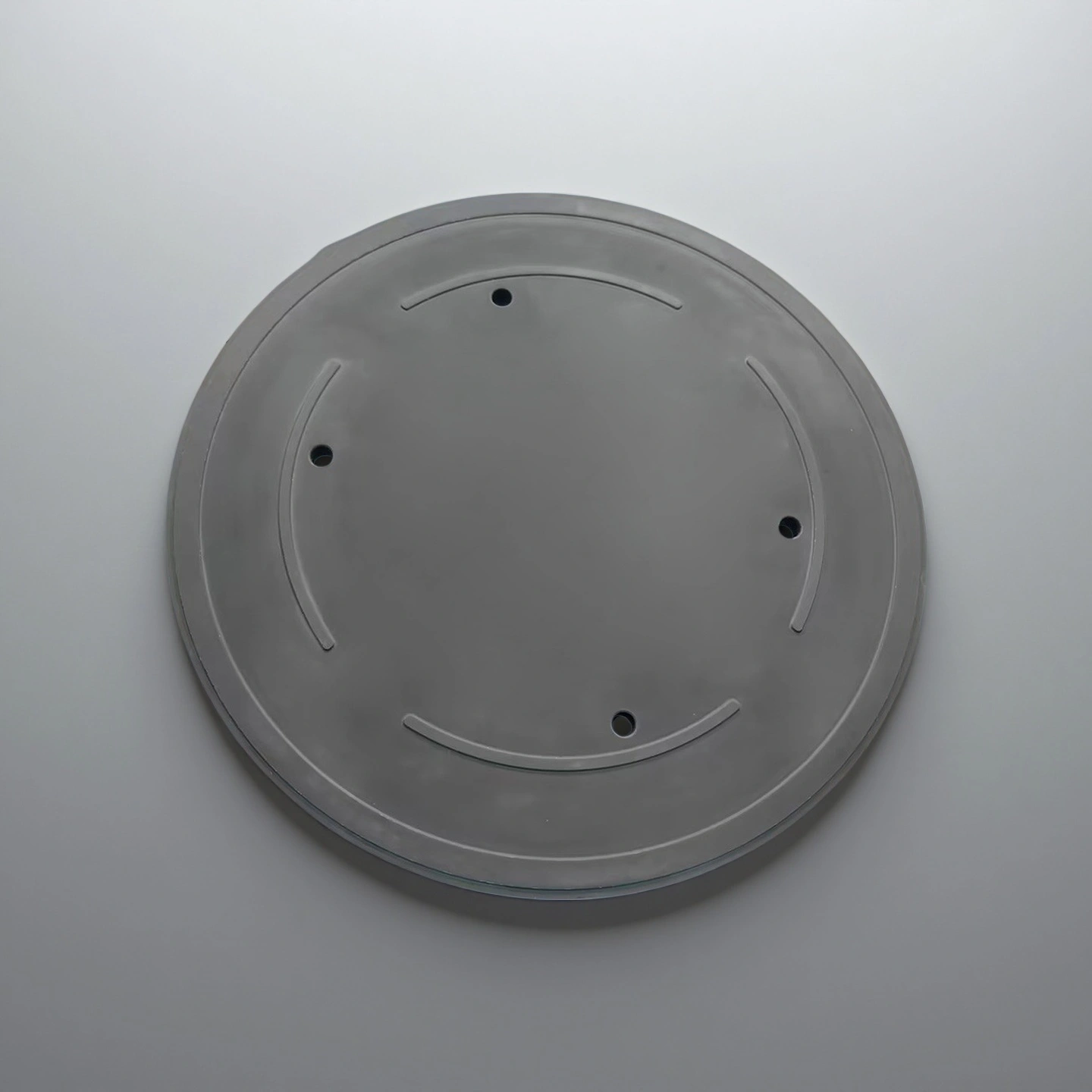
Type 1: Aluminum Nitride Plate Round
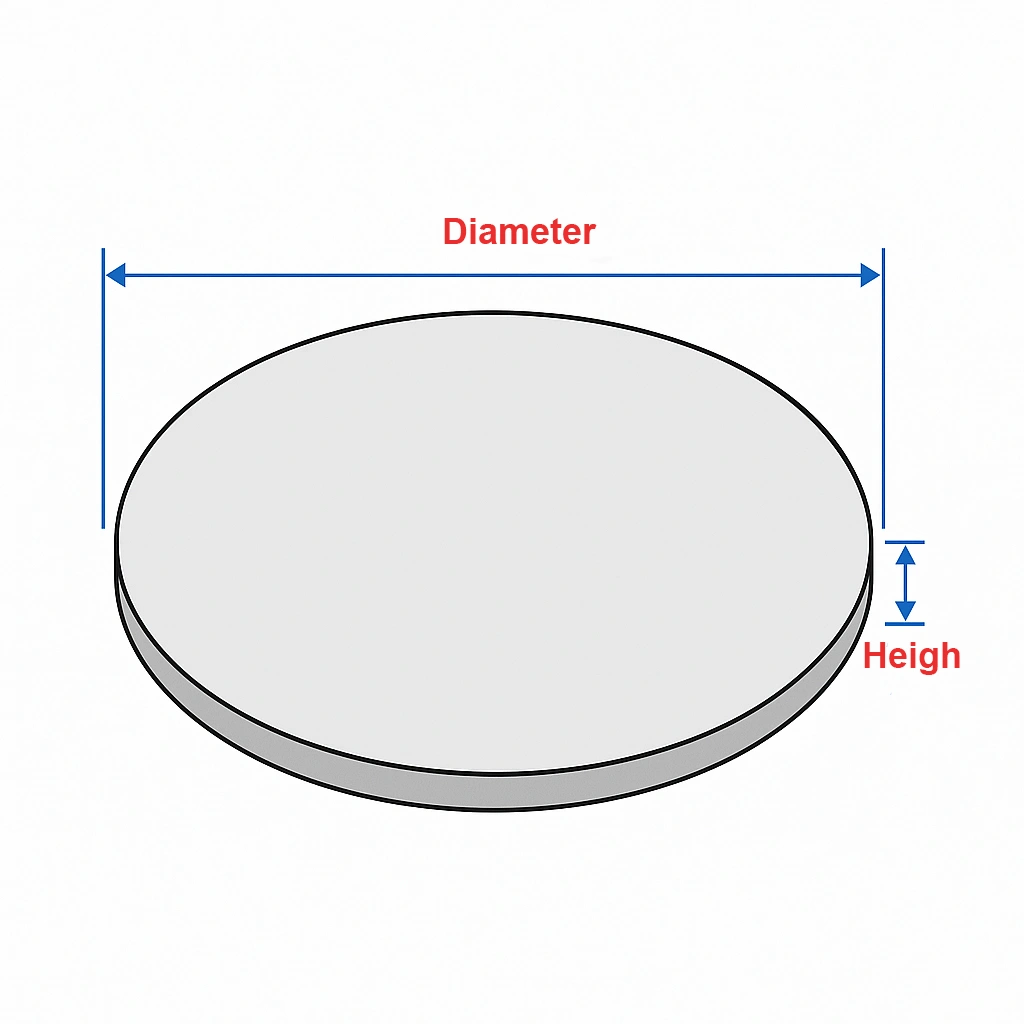
Aluminum Nitride Plate Round size image

Aluminum Nitride Plate Round
Item No. Outer Diameter(mm) Height (mm)
AT-AIN-RY2001 500 <500 Max size


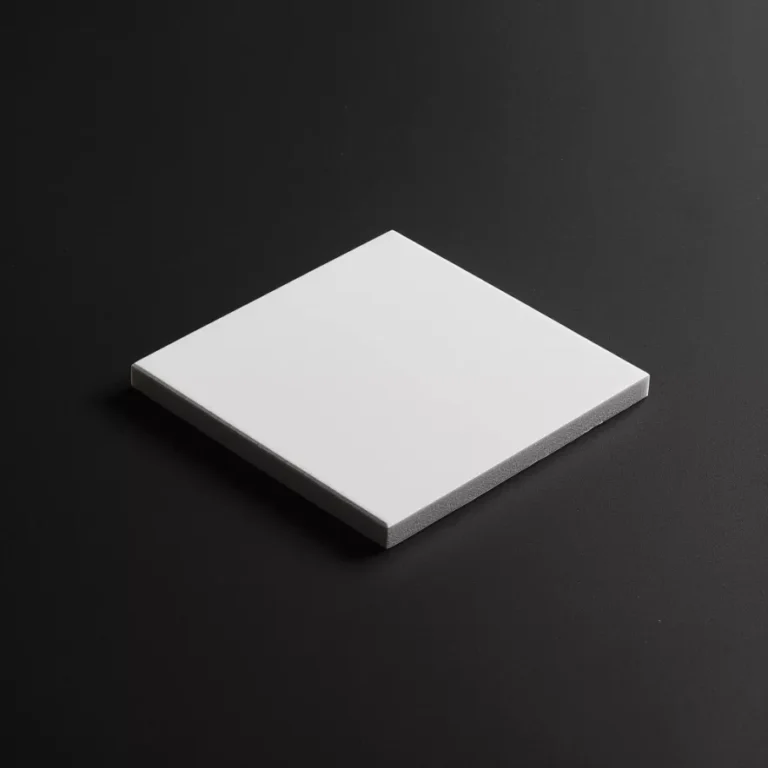
Type 2: Aluminum Nitride Plate Square

Aluminum Nitride Plate Square size image

Aluminum Nitride Plate Square
Item No. Length (mm) Width (mm) Height (mm)
AT-AIN-RY1001 500 500 <350 Max Size


Hot Pressed AlN Ceramic Plate Packing

  • PE bags or antistatic bags enclose each tray to limit dust and handling contamination.
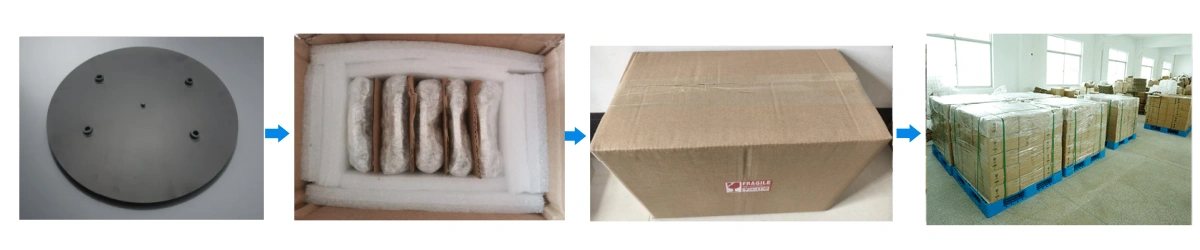
Hot Pressed Aluminum Nitride Plate

Applications – Hot Pressed AlN Plate

  • Power Electronics Modules and Inverters

    ✅Key Advantages

    1. Improved junction temperature margin – Hot pressed aluminum nitride plate with 180–230 W/m·K conductivity lowers baseplate thermal resistance in SiC and IGBT modules.
    2. Stable mechanical support – High density AlN plate maintains flatness under clamping forces and thermal gradients during full load operation.
    3. High voltage insulation – The hot pressed AlN plate provides a robust insulating barrier between live circuitry and grounded heat sinks in high voltage systems.

    ✅ Problem Solved

    A 75 kW industrial inverter module originally mounted on a metal base with an interface pad showed junction temperatures approaching 140 °C at full load and required frequent load derating. After replacing the base assembly with a 4 mm hot pressed aluminum nitride plate and optimizing the mounting pattern, measured junction temperature dropped by approximately 15–20 °C at the same output power. Field data over 12 months indicated a noticeable reduction in thermal fault events and fewer maintenance interventions on the inverter line.

  • RF, Microwave and 5G Power Amplifier Modules

    ✅Key Advantages

    1. Efficient heat spreading under localized RF hotspots – Hot pressed AlN plate quickly transfers heat away from small RF die areas.
    2. Low dielectric loss insulating platform – The aluminum nitride plate supports RF structures while maintaining low losses in the operating frequency band.
    3. Dimensional stability for hermetic and screw-down packages – Controlled expansion and stiffness of the hot pressed AlN plate support alignment and sealing.

    ✅ Problem Solved

    An RF power amplifier module for a telecom base station experienced thermal drift and gain variation at elevated ambient temperatures. By introducing a 2 mm hot pressed aluminum nitride plate as the heat spreader under the RF device region, peak case temperature at 100% duty cycle was reduced by around 10 °C. Over a 1,000 hour high temperature operating life test, gain stability improved and the number of units requiring re-tuning after test decreased from about 8% to under 3%.

  • Industrial Power Supplies, Test Systems and Ceramic Heaters

    ✅Key Advantages

    1. High thermal conductivity heater and base plates – Hot pressed aluminum nitride plate distributes heat uniformly across the active area of ceramic heaters and hot plates.
    2. Electrical isolation in compact high voltage assemblies – The AlN plate allows short creepage paths while maintaining insulation margin in HV power supplies and measurement equipment.
    3. Resistance to repeated thermal cycling – Hot pressed AlN plate endures continuous warm-up and cool-down cycles in industrial and laboratory environments.

    ✅ Problem Solved

    A precision temperature test fixture for power components used a metal base with separate insulating layers and showed more than ±8 °C temperature variation across a 150 × 150 mm area. After redesigning the fixture around a 6 mm hot pressed aluminum nitride plate as the heater base, the temperature uniformity improved to within ±2–3 °C at the same setpoint. Cycle testing over 500 on-off cycles showed no cracking of the AlN plate and stable temperature profiles, reducing calibration frequency and scrap of tested parts.

Hot Pressed AlN Plate Usage Instructions

  • Installation

    1. Verify that the mating surfaces (heat sinks, metal baseplates or heater assemblies) are flat and clean before mounting the hot pressed aluminum nitride plate.
    2. Use controlled torque on screws or clamps to avoid local stress peaks on plate edges and corners.
    3. Apply a thin, uniform thermal interface layer where required to fill micro-gaps without creating excessive thickness.
    4. Avoid direct metal contact at sharp points; use spacers or washers to distribute load over a wider area of the AlN plate.

  • Operation and Use

    1. Operate the hot pressed aluminum nitride plate within the specified temperature range of the assembly and avoid sudden thermal shocks beyond the design rate.
    2. Ensure that heat removal on the cooler side (heat sink, coolant plate or air flow) is appropriately sized for the calculated heat load.
    3. In heater applications, use gradual ramp profiles and closed-loop control to keep thermal gradients across the plate within acceptable limits.

  • Storage

    1. Store hot pressed aluminum nitride plates in dry, clean and vibration-free racks or cabinets.
    2. Keep plates in their original trays or separators to prevent surface scratching and edge contact.
    3. Avoid stacking loose plates directly on top of each other without protective layers.

  • Cleaning

    1. Remove dust and particles from hot pressed aluminum nitride plates using oil-free compressed air or a soft, lint-free cloth.
    2. For more persistent surface contamination, use mild neutral detergents and deionized water, then dry thoroughly before assembly.
    3. Do not use aggressive mechanical abrasion or hard tools that can introduce scratches or micro-cracks.

  • Common Misuse Points and Handling Suggestions

    1. Over-tightening Fasteners on the AlN Plate
    Issue: Excessive torque on screws concentrated near edges can cause local stress and micro-cracks in the hot pressed aluminum nitride plate.
    Handling: Define torque limits in the assembly procedure, use washers or load-spreading hardware, and support the plate evenly from below.

    2. High Thermal Shock During Start-up or Shutdown
    Issue: Very rapid temperature changes or non-uniform heating can introduce large thermal gradients across the plate and reduce lifetime.
    Handling: Implement controlled ramp-up and ramp-down rates, and design the heater or cooling distribution to keep gradients within the allowed range.

    3. Insufficient Heat Sink Capacity Under the Plate
    Issue: Using a hot pressed aluminum nitride plate without adequate heat removal can still lead to high junction temperatures and early failure.
    Handling: Calculate the total thermal resistance chain, verify heat sink capacity and airflow, and size the AlN plate and metal base accordingly in the design phase.

FAQ – Hot Pressed Aluminum Nitride Plate

  1. Q: How does a hot-pressed aluminum nitride plate differ from a conventionally sintered AlN plate?
    A: A hot-pressed aluminum nitride plate is densified under pressure, which supports higher density, higher thermal conductivity and improved mechanical strength compared with many pressureless sintered AlN plates.
  2. Q: Can you machine holes and complex shapes into a hot-pressed AlN plate?
    A: Yes, hot-pressed AlN plates can be machined with through holes, slots, recesses and edge features, as long as minimum wall thickness, distance to edges and machining tolerances are defined in the drawing.
  3. Q: Is a hot-pressed aluminum nitride plate suitable for high voltage isolation?
    A: Hot-pressed aluminum nitride plate combines high volume resistivity and dielectric strength, so it can be used as a thermally conductive insulating plate in high voltage power supplies and converters when designed with appropriate creepage and clearance distances.
  4. Q: What surface finishes are available for hot pressed AlN plates?
    A: Hot-pressed aluminum nitride plates can be supplied in as-fired condition for non-critical surfaces or with ground and lapped surfaces where low thermal contact resistance and controlled flatness are required.
  5. Q: Can a hot-pressed aluminum nitride plate be used as a heater base?
    A: Yes, a hot-pressed aluminum nitride plate is often used as the base ceramic for thick-film or embedded heaters, combining high thermal conductivity with electrical insulation and good thermal cycling stability.
  6. Q: What information is needed to quote a custom hot-pressed AlN plate?
    A: For a custom hot-pressed aluminum nitride plate, the key information includes length, width, thickness, tolerances, hole positions, flatness requirements, surface finish and any regions reserved for future metallization.

Customer Reviews – Hot Pressed Aluminum Nitride Plate

  • ⭐️⭐️⭐️⭐️⭐️
    We introduced hot pressed aluminum nitride plates into a new SiC power module platform and saw a clear reduction in junction temperature compared with our previous base design. The plates arrived flat, within tolerance and consistent over several batches.
    -- Michael Turner, Power Module Design Engineer, VoltEdge Drives Inc.
  • ⭐️⭐️⭐️⭐️⭐️
    ADCERAX supplied hot pressed aluminum nitride plates in multiple thicknesses for our test fixtures. Communication on drawings and tolerances was clear, and the supplier supported small engineering batches before we moved to regular orders.
    -- Laura Schmidt, Purchasing Manager, NordTest Measurement Systems GmbH
  • ⭐️⭐️⭐️⭐️⭐️
    The hot pressed AlN plates used as laser diode submounts helped us keep temperature gradients under control on a compact optical engine. Custom machining of pockets and mounting holes matched our assembly line without additional rework.
    -- Kenji Aoki, R&D Manager, Hikari LED Packaging Co.
  • ⭐️⭐️⭐️⭐️⭐️
    We use hot pressed aluminum nitride plates as heater bases in several industrial products. The combination of thermal performance and electrical insulation meets our requirements, and the repeatability of plate dimensions simplifies assembly.
    -- Carlos Herrera, Operations Director, Thermal Control Equipment S.A.
customize size

Customize Hot Pressed Aluminium Nitride Plate

Hot pressed aluminum nitride plate can be supplied in standard sizes or fully customized plates, machined from 0.5–500 mm thick AlN to match your power, RF, LED or heater module drawings.

1. Planar Dimensions

  • Length and width of the hot-pressed aluminum nitride plate
  • Tolerances typically down to ±0.05–0.10 mm depending on size

2. Thickness and Thickness Tolerance

  • Thickness from 0.5–30 mm
  • Thickness tolerance down to ±0.03–0.05 mm on ground plates

3. Flatness and Parallelism

  • Flatness requirements for large hot-pressed AlN plates used as baseplates or chucks
  • Parallelism between the top and bottom surfaces for clamped or soldered modules

4. Edge and Corner Details

  • Straight, bevelled or chamfered edges
  • Corner radius or chamfer to reduce edge chipping during assembly

5. Holes, Slots and Cut-outs

  • Through holes for mounting screws or pins
  • Counterbores, slots and openings for terminals, sensors or fluid passages

6. Surface Finish

  • As-fired or ground surfaces
  • Fine ground / lapped surfaces for intimate thermal contact to heat sinks or metal plates

7. Metallization Ready Surfaces 

  • Defined areas suitable for later copper, molybdenum-manganese or other metallization schemes
  • Keep-out regions for creepage and clearance distances

Related Products

ADCERAX - Your Trusted Advanced Ceramics Manufacturing Partner

Direct factory manufacturing with comprehensive ceramic materials expertise and global supply capabilities

Direct Factory Manufacturing

China-based ceramic materials production facility with state-of-the-art equipment

Engineering Team

Experienced professionals in advanced ceramics applications and custom design

Quality Control

Strict quality control standards for technical ceramics manufacturing and quality management

Global Supply Chain

Serving customers worldwide with technical ceramics and rapid response

24/7 Technical Support

Round-the-clock support for ceramic components inquiries and technical assistance

500+ Satisfied Customers

Trusted by global customers for advanced ceramic materials and precision components

Get in touch with us

Our team will be happy to respond to you in less than 24 hours.

Adcerax's factory

Quick Quotation

*Our team will answer your inquiries within 24 hours.

*Your information will be kept strictly confidential.

Ready to Solve Your Engineering Challenge?

Partner with ADCERAX for reliable, high-performance advanced ceramic solutions. Our engineers are ready to discuss your project.

E-mail

info@adcerax.com

Phone

+(86) 0731-74427743 | WhatsApp: +(86) 19311583352

Response Time

Within 24 hours

Quick Quote

The more details you provide, the faster we can quote.

*We respond within 24 hours. All inquiries are confidential.

Download Catalog

Get Your Custom Sulution

The more details you provide, the faster we can respond.

customize size

*We respond within 24 hours. All inquiries are confidential.

Download Catalog