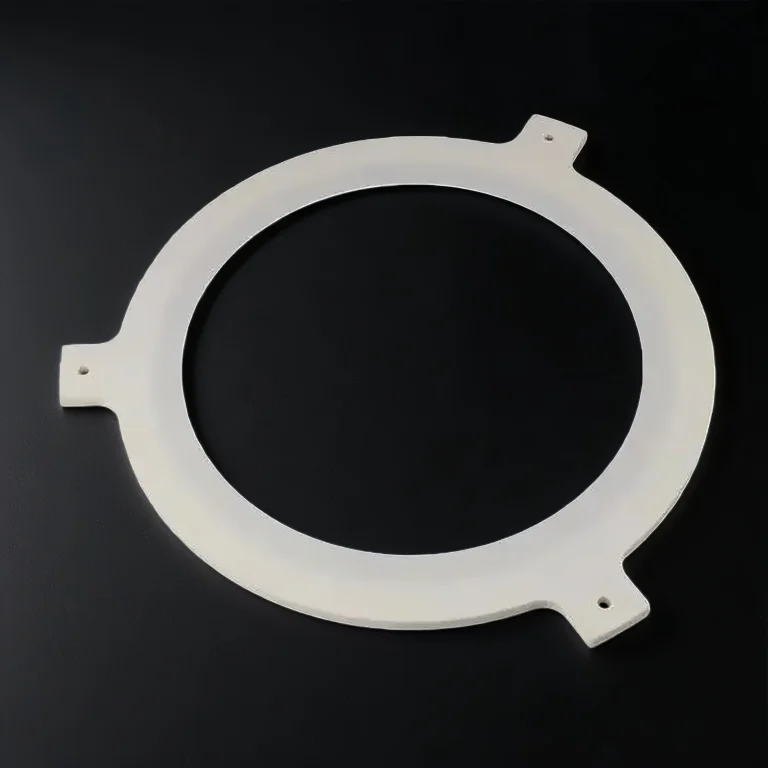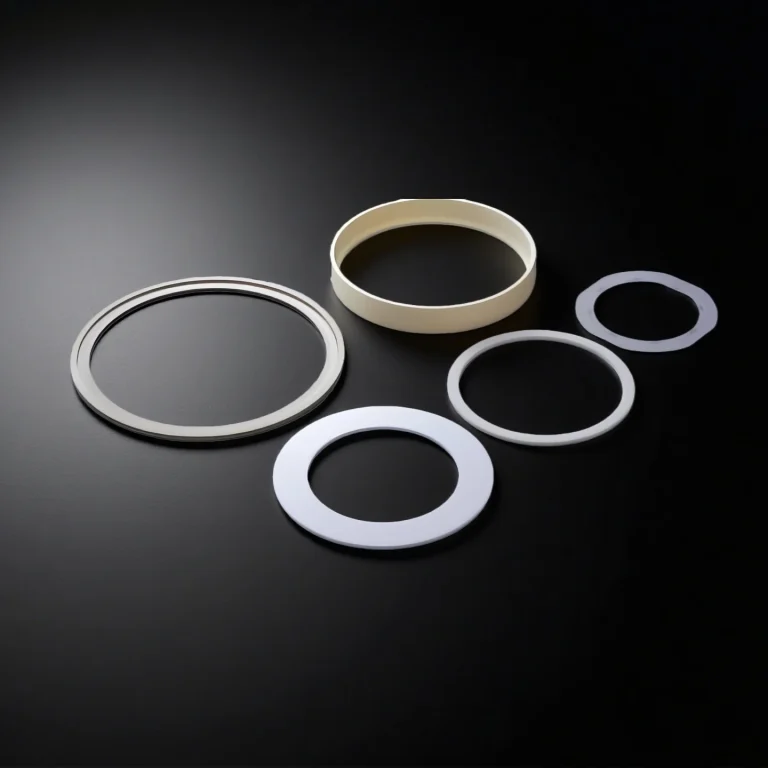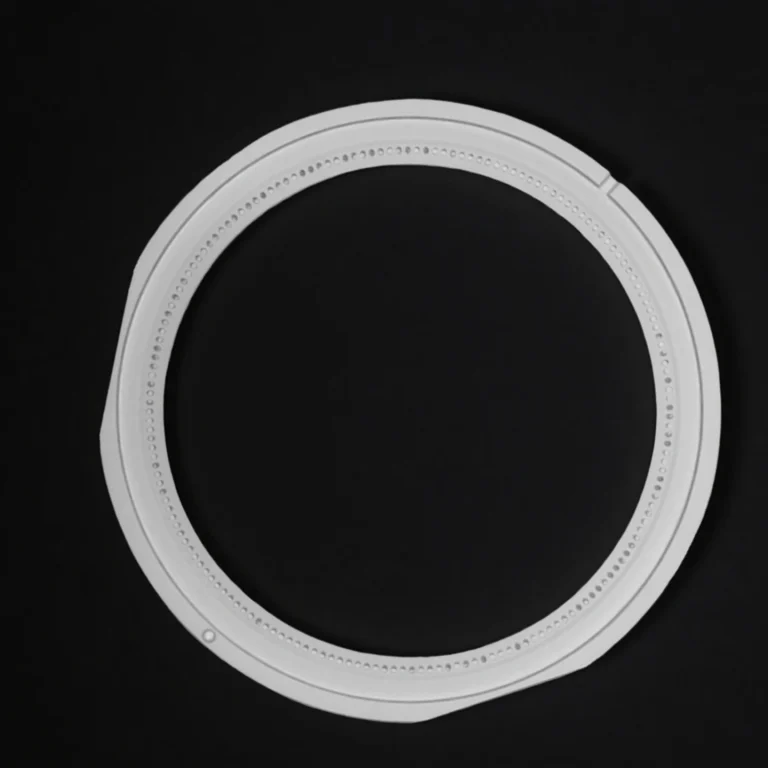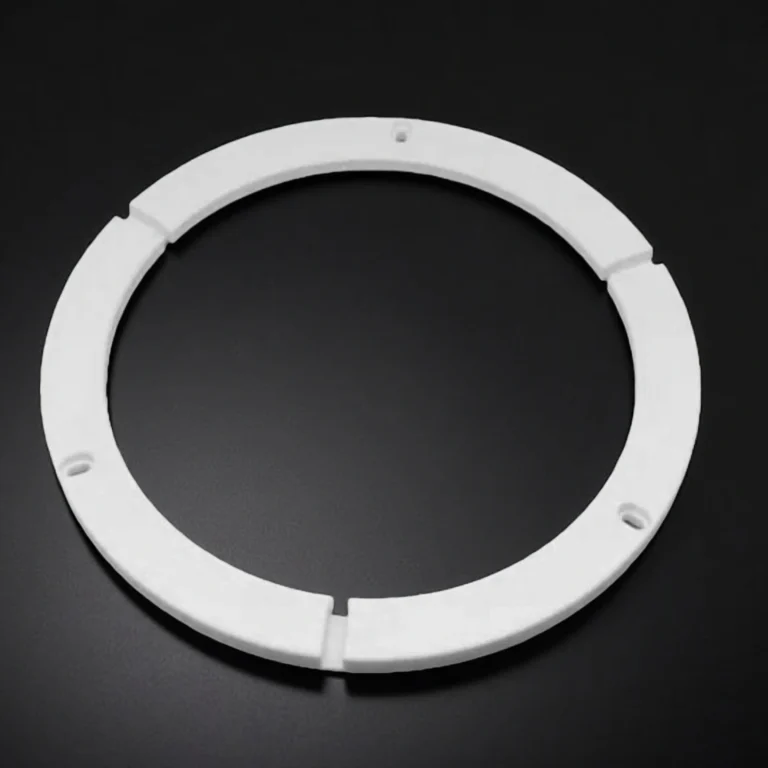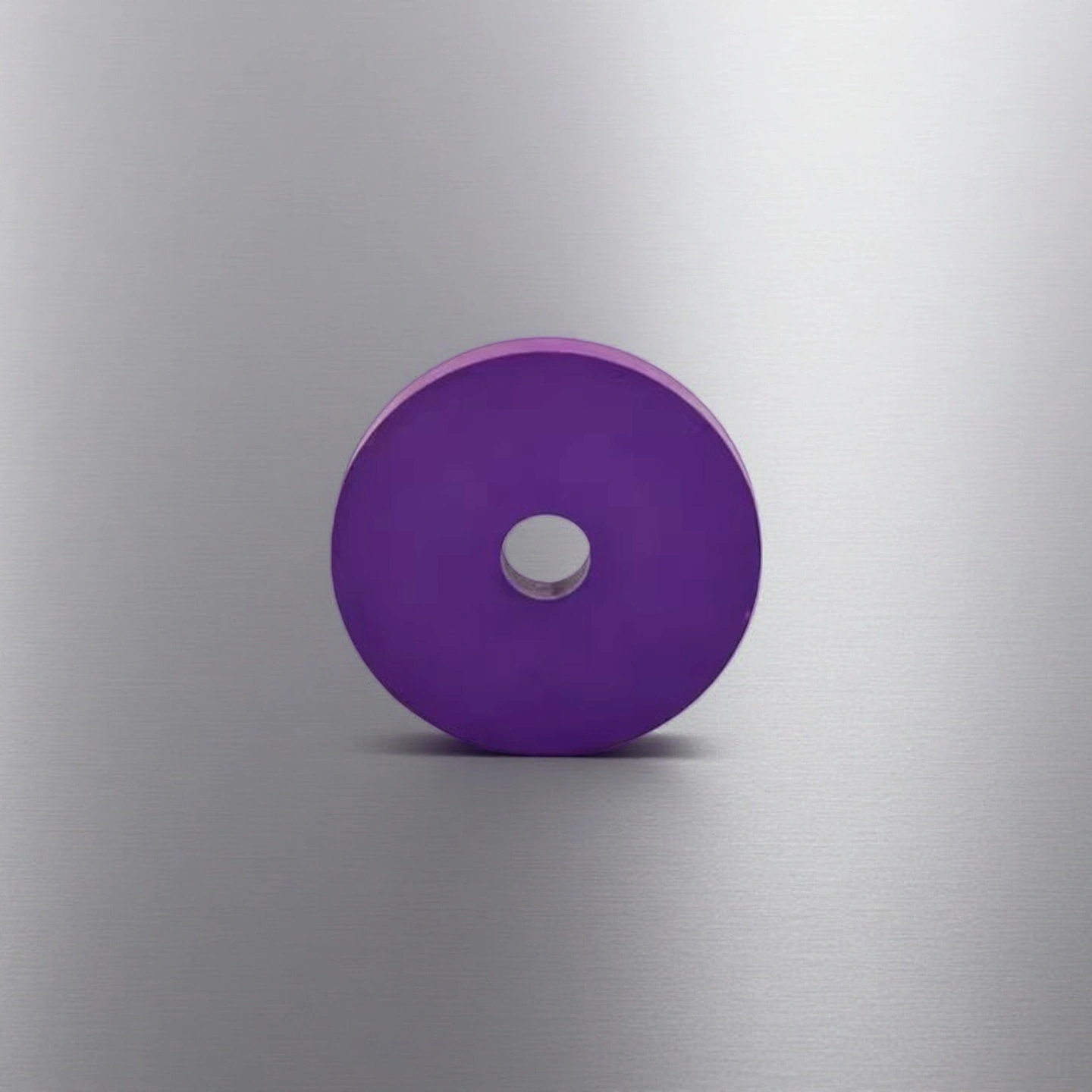
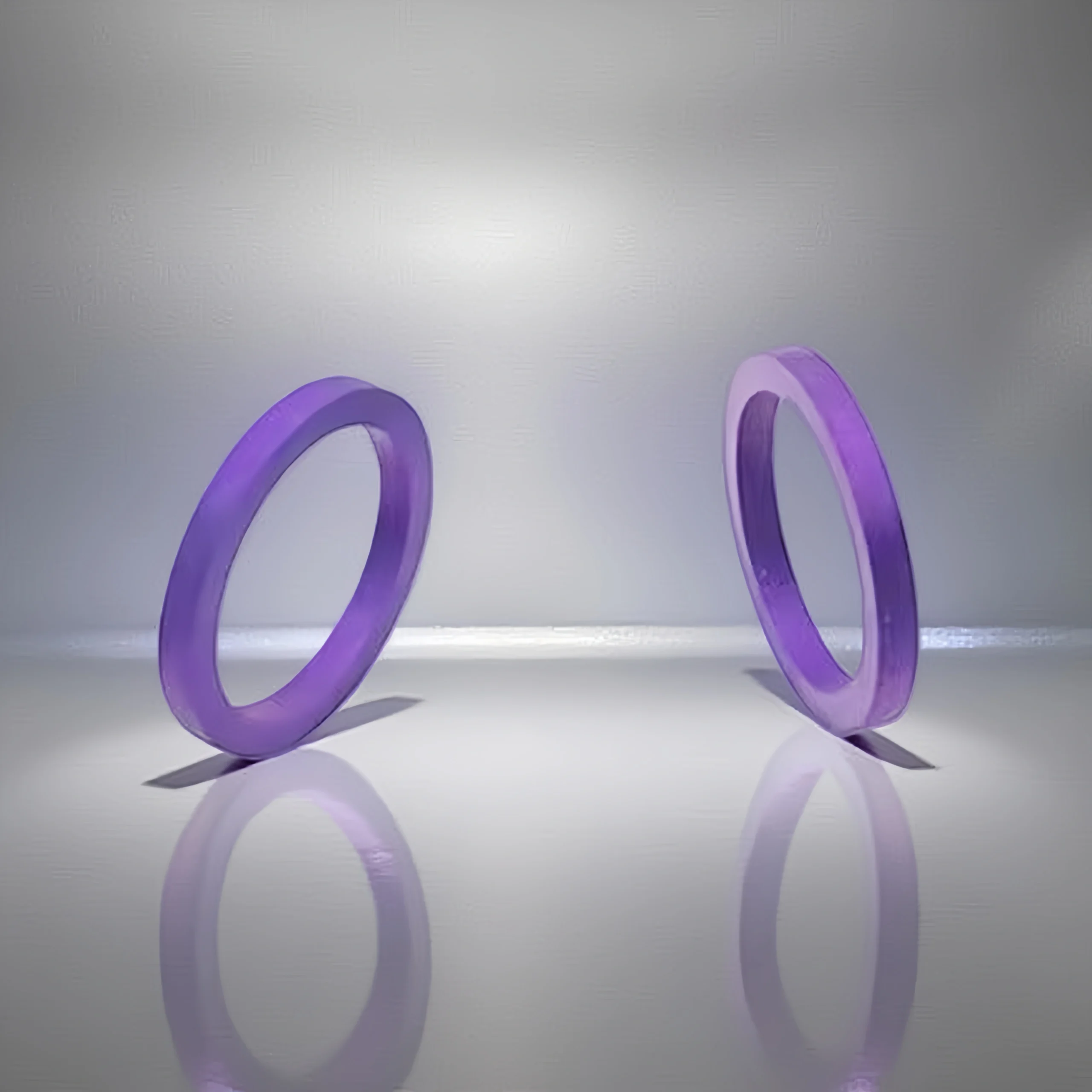
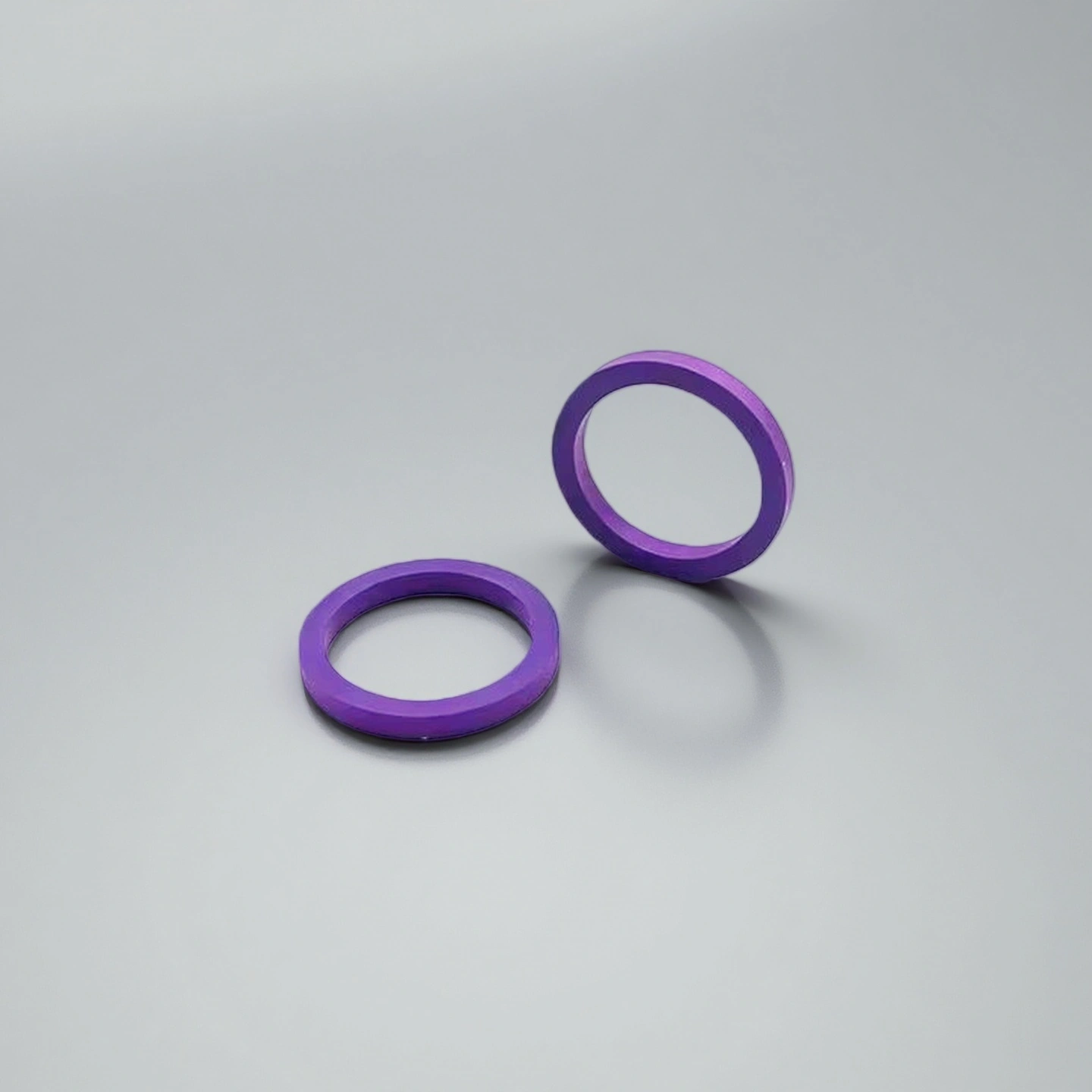
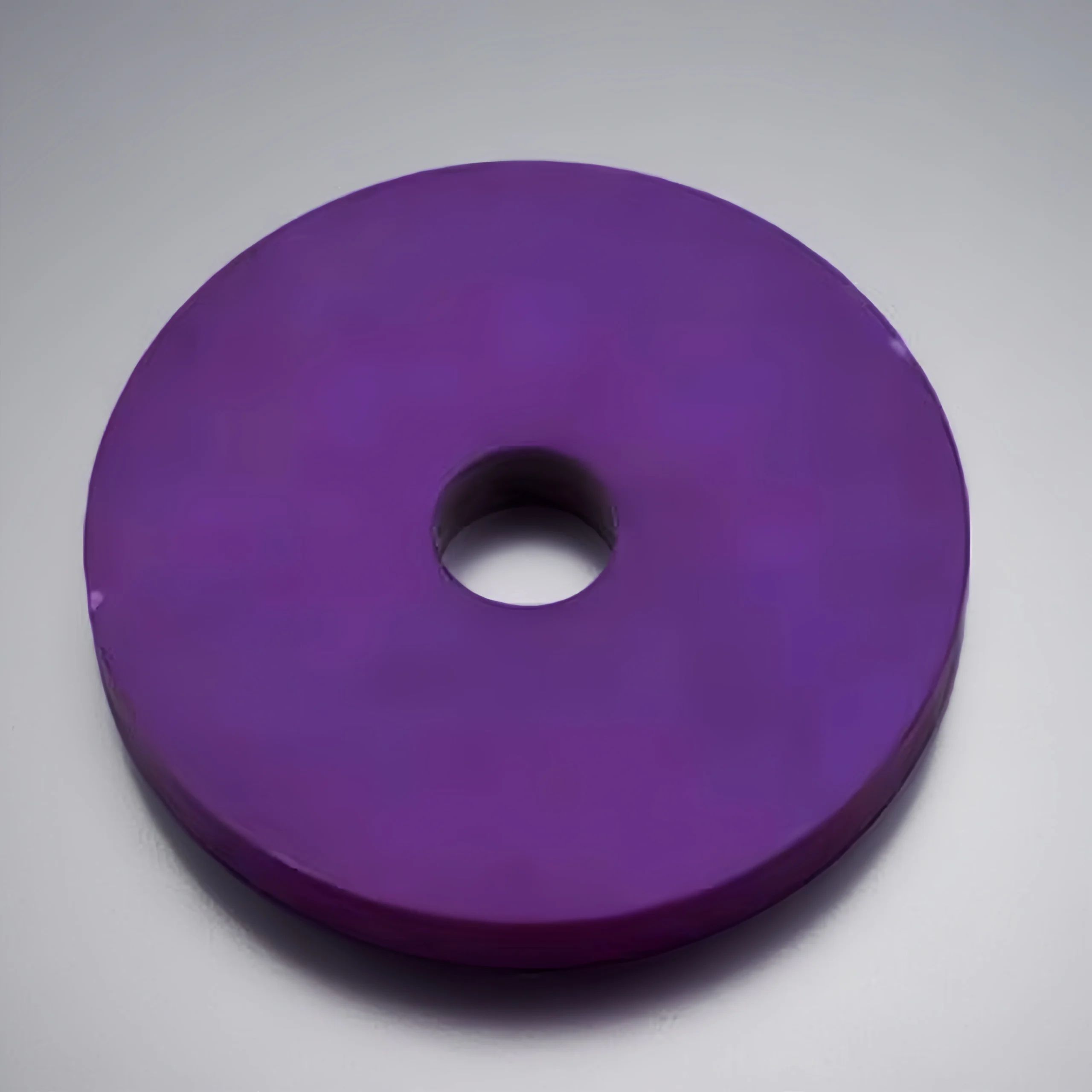
Custom Lanthanum Hexaboride Ring (LaB6) for Electron Gun Cathode Assemblies

ADCERAX supplies Lanthanum Hexaboride Rings in common ring profiles and supports custom OD/ID, thickness, and edge details based on your drawing, including small rings for compact electron guns and larger rings for fixture-style holders.

Catalogue No. AT-LB-A3001
Material LaB6
Density ~4.7 g/cm³
Melting point ~2528 °C
Work function ~2.6–2.7 eV
24H Standard Dispatch
Small Batch Support OEM
Factory Direct
Expert Engineering Support

A Lanthanum Hexaboride Ring (LaB6) is a precision ceramic ring used in vacuum electron-source assemblies to provide repeatable OD/ID fit, clean seating, and stable geometry around the cathode or holder interface. It is commonly specified for thermionic electron guns and rebuild spares where alignment and contamination control matter.


Lanthanum Hexaboride Ring Benefits

  • OD/ID repeatability for rebuild workflows, minimizing fit variation and reducing “trial-fit” iterations between maintenance cycles.

  • Defined concentricity and roundness control, helping the Lanthanum Hexaboride Ring seat consistently when alignment is sensitive to stack-up.

  • Controlled edge/chamfer condition, lowering the risk of micro-chipping and limiting particle generation during handling and installation.

  • Uniform thickness and parallel faces, supporting predictable clamping behaviour and stable contact across the seating surface.

  • Stable ring geometry under thermal load, maintaining consistent seating and interface position through heat-up and cool-down cycles.

  • Surface finish options on contact faces allow a balance between seating stability, friction behaviour, and clean interface requirements.

  • Low-defect, clean appearance standard, reducing the chance of edge flaws or surface marks becoming initiation points for damage in use.

  • Lot-to-lot dimensional consistency, making qualification easier and keeping performance consistent when you reorder the same LaB6 ring spec.

  • Drawing-driven features are supported, such as flats, notches, or orientation keys when the ring must index to a defined assembly position.

LaB6 Ring Properties

Lanthanum Hexaboride Ceramics (LaB6)
Property Typical Value / Range Performance Highlights / Notes
Melting Point ≈ 2528 K (about 2250 °C) Refractory ceramic that remains structurally stable at very high temperatures.
Density ~4.7 g/cm³ Compact, robust ceramic body suitable for small high-power cathodes and inserts.
Thermal Conductivity ~47–60 W/m·K at 20 °C Efficiently spreads heat across the emitter, reducing local hot spots.
Thermal Expansion (CTE) ~6.2–6.5 ×10⁻⁶ /K (20–900 °C) Good thermal shock resistance and predictable expansion for brazed or clamped assemblies.
Electrical Resistivity ~15 μΩ·cm at 20 °C High electrical conductivity, ideal for thermionic cathodes and other electron-emitting parts.
Typical Operating Temperature (Cathode) ~1400–1800 °C in vacuum Provides strong electron emission while maintaining long-term structural stability.
Emission Current Density ~20–50 A/cm² at 1400–1800 °C Delivers high beam brightness for electron microscopes, X-ray sources and plasma devices.
Work Function ≈ 2.6–2.7 eV Low work function enables high emission at lower temperatures than conventional tungsten cathodes.


LaB6 Ring Specifications

Lanthanum Hexaboride Ring
Item No. Diameter (mm) Thickness (mm)
AT-LB-A3001 Customize


Lanthanum Hexaboride Ring Packaging

  • Each LaB6 ring is individually protected to prevent edge contact and abrasion during transit.
  • Double-layer sealed bagging is used to reduce dust exposure after final handling.
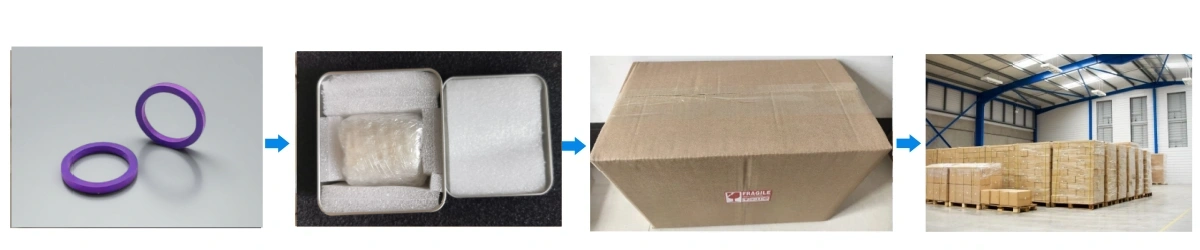
Lanthanum Hexaboride Ring Packaging

Lanthanum Hexaboride Ring Applications

  • Electron Microscopy Service & Spare Programs

    ✅Key Advantages

    1. Maintenance repeatability: OD/ID consistency helps reduce realignment time across rebuild cycles (measured as fewer fit adjustments).

    2. Vacuum cleanliness support: Chamfered, controlled edges reduce handling chips that can become contamination sources in vacuum chambers.

    3. Stable emission geometry baseline: LaB6 electron sources typically run under high vacuum (commonly discussed in the 10⁻⁷–10⁻⁸ torr class for stable operation), so ring fit and cleanliness become operational variables.

    ✅ Problem Solved

    A microscopy service team rebuilding thermionic sources faced repeat installs requiring repeated mechanical tweaks because ring seating varied between lots. They switched to a ring spec that locked OD/ID tolerance intent and required a defined chamfer and contact-face finish. After that change, rebuild steps became more repeatable, with fewer “fit-correct-fit” loops and less time spent chasing drift linked to contamination and seating variation. This type of improvement is typically tracked as reduced rework steps per rebuild and fewer post-install stability complaints rather than as a single property number.

  • Vacuum Electron-Beam Equipment OEMs & Integrators

    ✅Key Advantages

    1. Assembly interchangeability: consistent ring geometry supports part interchange across builds and reduces line-side sorting.

    2. Contact-face control: defined seating face improves stack-up predictability in cathode holder assemblies.

    3. Edge integrity during installation: controlled edge detail reduces chipping risk during torque/fixture contact events.

    ✅ Problem Solved

    An integrator building small-batch electron-beam hardware experienced yield loss when minor edge chips or seating marks caused assembly mismatch and forced teardown. By adding drawing notes for edge radius/chamfer, concentricity, and a protected contact face, the ring became less sensitive to handling, and mechanical seating became more predictable. The business impact is typically measured as fewer scrapped rings, fewer assembly reworks, and less time spent on mechanical re-fit during commissioning.

  • Plasma /Ion Source & Vacuum Analytical Instruments

    ✅Key Advantages

    1. Geometry-driven stability: ring dimensional control supports consistent electrode spacing and alignment intent.

    2. Cleaner installation window: packaging and edge condition reduce the chance of introducing particles into sensitive vacuum zones.

    3. Spec clarity for procurement: unambiguous OD/ID/thickness + edge spec makes reordering easier across engineering change cycles.

    ✅ Problem Solved

    A vacuum instrument team saw performance variation after maintenance events because rebuild outcomes depended heavily on technician technique and part-to-part fit. They standardized the ring drawing to include OD/ID tolerance intent, concentricity focus, and a defined edge detail to reduce technician-dependent outcomes. The result is typically observed as more consistent post-maintenance behavior and fewer “burn-in” cycles needed to reach stable operation targets, especially in systems that are vacuum and contamination sensitive.

User Guide — Lanthanum Hexaboride Ring

  • Installation

    1. Verify OD/ID and thickness against your drawing before opening long-term storage packaging.
    2. Wear powder-free gloves; avoid touching contact faces directly.
    3. Seat the ring on the intended contact face; avoid rocking motion that can edge-chip brittle ceramics.
    4. If orientation features exist (notch/flat), confirm alignment before applying any clamp or fixture load.
    5. Keep hard tools away from edges; use non-marring fixtures where possible.

  • Use

    1. Treat the ring as a precision geometry part in a contamination-sensitive assembly.
    2. Follow your system’s standard conditioning procedure for thermionic sources; geometry and cleanliness reduce variables, but operating procedure still drives outcomes.
    3. If the assembly uses stacked components, track stack-up measurements and keep records for repeat builds.

  • Storage

    1. Store sealed and dry; keep away from vibration that can cause micro-chipping via contact.
    2. Keep rings separated (tray compartments preferred) to avoid ring-to-ring abrasion.
    3. Label by lot if your process tracks performance outcomes over time.

  • Cleaning

    1. Use a cleaning method compatible with your vacuum cleanliness standard and assembly materials.
    2. Avoid aggressive mechanical scrubbing on edges; brittle ceramic edges can be damaged by hard contact.
    3. After cleaning, dry fully and re-seal until installation to reduce dust adsorption.

  • Common Mistakes & Fixes

    1. Mistake: ring edges chip during installation due to hard tool contact.
    Fix: switch to non-marring fixtures, specify edge radius/chamfer on the drawing, and prohibit metal pick tools near edges.

    2. Mistake: contamination introduced during handling leads to longer stabilization time.
    Fix: glove-only handling, contact-face protection, and sealed storage until the moment of installation.

    3. Mistake: rework loops because the ring fit intent was unclear (tight vs slip fit).
    Fix: add fit intent notes and inspection points (OD/ID tolerance targets + concentricity focus) directly to the ring drawing.

Lanthanum Hexaboride Ring FAQ

  1. Q: What is a Lanthanum Hexaboride Ring used for?
    A: A Lanthanum Hexaboride Ring (LaB6 ring) is used in vacuum electron-source assemblies to maintain stable ring geometry, seating, and repeatable fit around cathode/holder interfaces.

  2. Q: How do I specify the correct OD/ID tolerance for a LaB6 ring?
    A: For a Lanthanum Hexaboride Ring, specify fit intent (slip-fit or light press-fit) first, then set OD/ID tolerances plus concentricity to control alignment.

  3. Q: Which edge detail is recommended to reduce chipping during installation?
    A: A defined chamfer or small radius is commonly specified on a Lanthanum Hexaboride Ring to reduce edge damage and limit particle generation from handling.

  4. Q: Can a LaB6 ring include orientation features like a notch or flat?
    A: Yes, a Lanthanum Hexaboride Ring can be made with a notch, flat, slot, or key feature to support repeatable indexing in assembly.
  5. Q: How should I handle and store a Lanthanum Hexaboride Ring to avoid contamination?
    A: Keep the Lanthanum Hexaboride Ring sealed until use, handle with clean gloves, and store in a separate tray or compartment to prevent ring-to-ring contact.
  6. Q: Are there alternatives to a Lanthanum Hexaboride Ring, and when would they be chosen?
    A: Some systems use different emitter technologies or materials, but a Lanthanum Hexaboride Ring is typically chosen when the assembly requires repeatable geometry and a stable vacuum-interface component.

Customer Feedback about Lanthanum Hexaboride Ring

  • ⭐️⭐️⭐️⭐️⭐️
    We added the Lanthanum Hexaboride Ring to our spare program because the OD/ID repeatability reduced rebuild variability. Pricing stayed consistent across repeat orders, which helped our purchasing cycle.
    -- Michael K., Procurement Manager, EU Vacuum Service Partner
  • ⭐️⭐️⭐️⭐️⭐️
    We buy the LaB6 ring as a stocked item and reorder based on service demand. The part ID labeling and consistent ring profile made it easier for our team to avoid mix-ups.
    -- Sara L., Sourcing Lead, Instrument Parts Distributor
  • ⭐️⭐️⭐️⭐️⭐️
    The Lanthanum Hexaboride Ring fit our holder without extra rework. The edge condition mattered more than we expected because it reduced handling chips during installation.
    -- Daniel R., Maintenance Engineer, Materials Characterization Lab
  • ⭐️⭐️⭐️⭐️⭐️
    We requested a custom chamfer and a defined contact face on the LaB6 ring to match our stack-up. The drawing-based approach made internal approval straightforward.
    -- Hiro T., Mechanical Engineer, Vacuum Equipment Integrator
customize size

Custom Lanthanum Hexaboride Ring

For a Lanthanum Hexaboride Ring, customization is typically defined by the ring’s fit intent, seating accuracy, edge safety, and orientation features to match your holder design and rebuild method.

  • Ring size: OD / ID/thickness, plus fit intent (slip-fit or light press-fit).

  • Tolerance & geometry: roundness, concentricity (OD↔ID), parallelism, and flatness on seating faces.

  • Edge condition: chamfer or radius, edge break, and burr-free requirement to reduce chipping risk.

  • Contact face finish: as-sintered or ground finish, with optional “contact-face only” finishing.

  • Orientation features: notch, flat, slot, or key for repeatable indexing in assembly.

  • Special details: lead-in chamfer, relief groove, or protected seating land for stack-up control.

Related Products

ADCERAX - Your Trusted Advanced Ceramics Manufacturing Partner

Direct factory manufacturing with comprehensive ceramic materials expertise and global supply capabilities

Direct Factory Manufacturing

China-based ceramic materials production facility with state-of-the-art equipment

Engineering Team

Experienced professionals in advanced ceramics applications and custom design

Quality Control

Strict quality control standards for technical ceramics manufacturing and quality management

Global Supply Chain

Serving customers worldwide with technical ceramics and rapid response

24/7 Technical Support

Round-the-clock support for ceramic components inquiries and technical assistance

500+ Satisfied Customers

Trusted by global customers for advanced ceramic materials and precision components

Get in touch with us

Our team will be happy to respond to you in less than 24 hours.

Adcerax's factory

Quick Quotation

*Our team will answer your inquiries within 24 hours.

*Your information will be kept strictly confidential.

Ready to Solve Your Engineering Challenge?

Partner with ADCERAX for reliable, high-performance advanced ceramic solutions. Our engineers are ready to discuss your project.

E-mail

info@adcerax.com

Phone

+(86) 0731-74427743 | WhatsApp: +(86) 19311583352

Response Time

Within 24 hours

Quick Quote

The more details you provide, the faster we can quote.

*We respond within 24 hours. All inquiries are confidential.

Download Catalog

Get Your Custom Sulution

The more details you provide, the faster we can respond.

customize size

*We respond within 24 hours. All inquiries are confidential.

Download Catalog