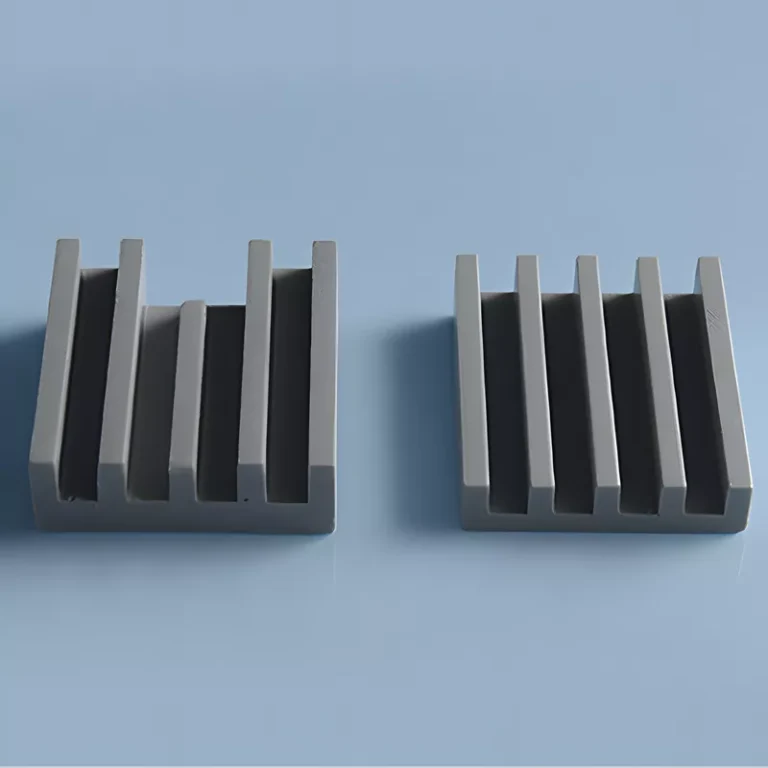
Magnesia (mgo) Ceramia Plate for Lab Furnaces and Materials Testing

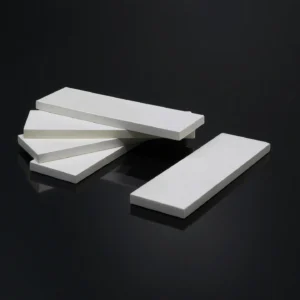
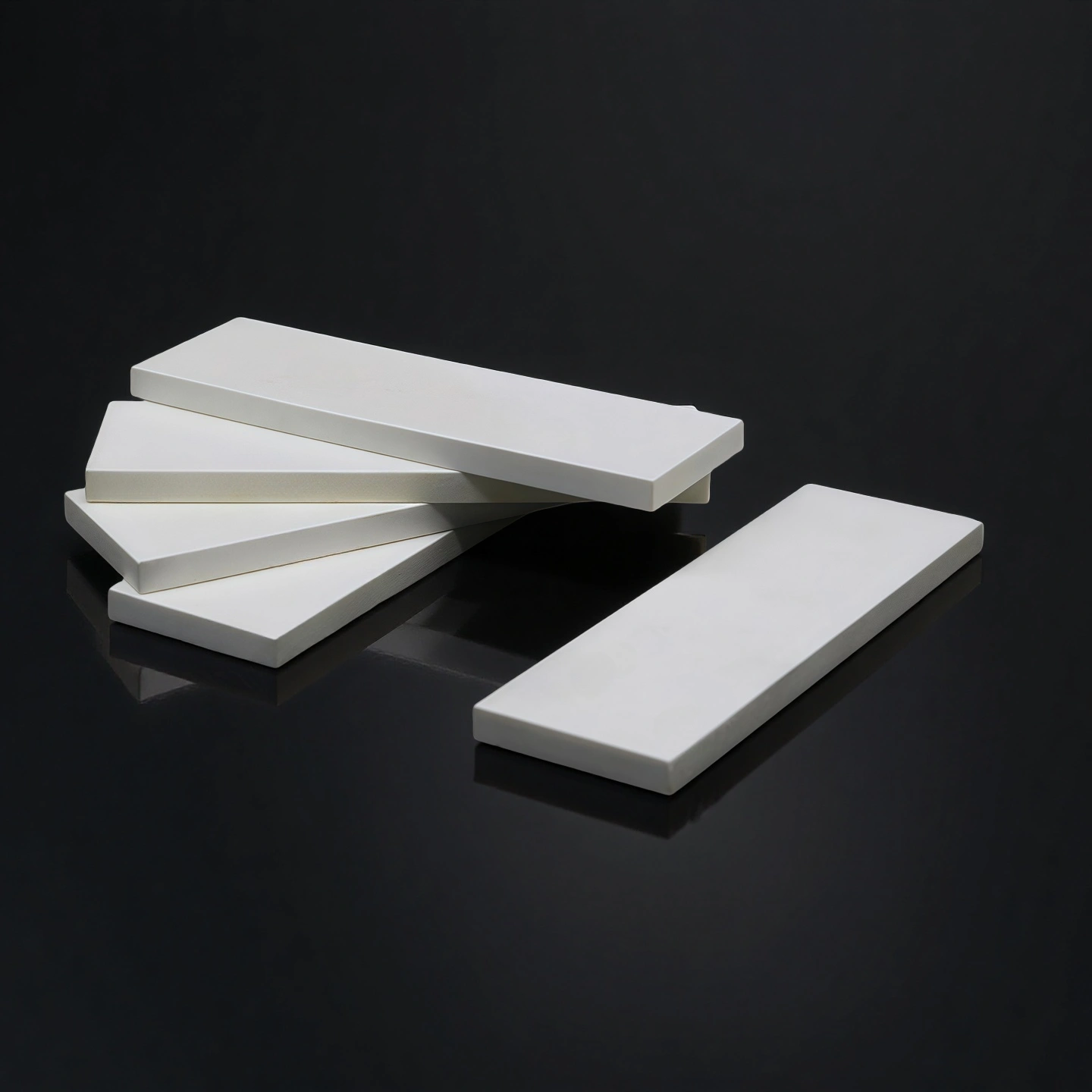
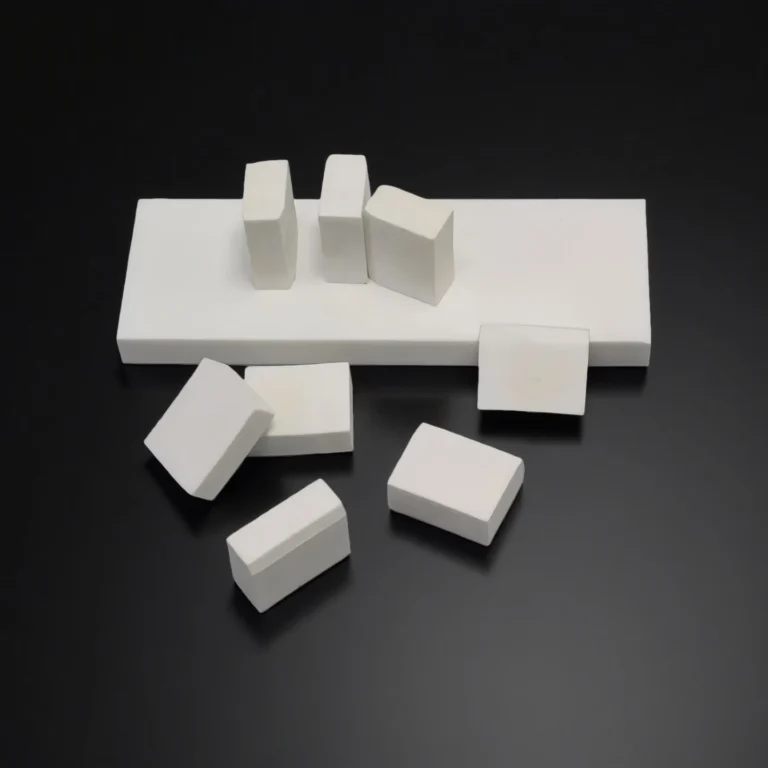
Magnesia ceramic plate is a high-temperature, electrically insulating plate. Standard sizes are stocked; drawings for custom cut-outs, holes, slots, and polished faces are supported. Available from 100×100×3 mm to 300×300×10 mm as standard; custom mgo plates can be produced up to 400×400 mm and 2–20 mm thickness, with ground flatness and edge conditioning on request.

Catalogue No. AT-MO-P1001
Material Mgo
Maximum service temperature 1600–1800 °C
Dielectric strength ≥20 kV/mm
Dimensions/Sizes Download PDF
24H Standard Dispatch
Small Batch Support OEM
Factory Direct
Expert Engineering Support

Magnesia ceramic plate—is a solid ceramic sheet made primarily from magnesium oxide (MgO). It is engineered for use in high-temperature, electrically insulating, and thermally stable environments. The mgo plate is used in furnaces, heaters, and sintering processes for insulation, support, and thermal protection.

Magnesia Ceramia Plate Benefits

  • Flatness control: ground faces and Ra-tuned surfaces reduce part imprint during sintering.
  • Edge integrity: controlled chamfer/R-edge minimizes chipping at handling and thermal cycling.
  • Hole/location accuracy: stable dimensional accuracy for fixtures and heater bolt patterns.
  • High-temp dielectric stability: maintains insulation in hot zones where polymers and micas fail.
  • Surface optioning: raw, fine-ground, or polished face to match contact and cleanliness needs.

Properties of Mgo Ceramia Plates

Properties Unit Value
Material % 99 MgO
Density g/m³ 3.5
Bulk Density g/m³ 2.8
ApparentPorosity % 20
Compressive Strength MPa 50
FlexuralStrength MPa 16
Refractoriness SK 42<
Thermal Conductivity W/(m.K) 5
Coefficient of thermal expansion (20~1000℃) 10-6/K 13
Operating temperature Max (℃) 2200
Room temperature Room temperature (℃) 1800


Mgo Ceramia Plate Specifications

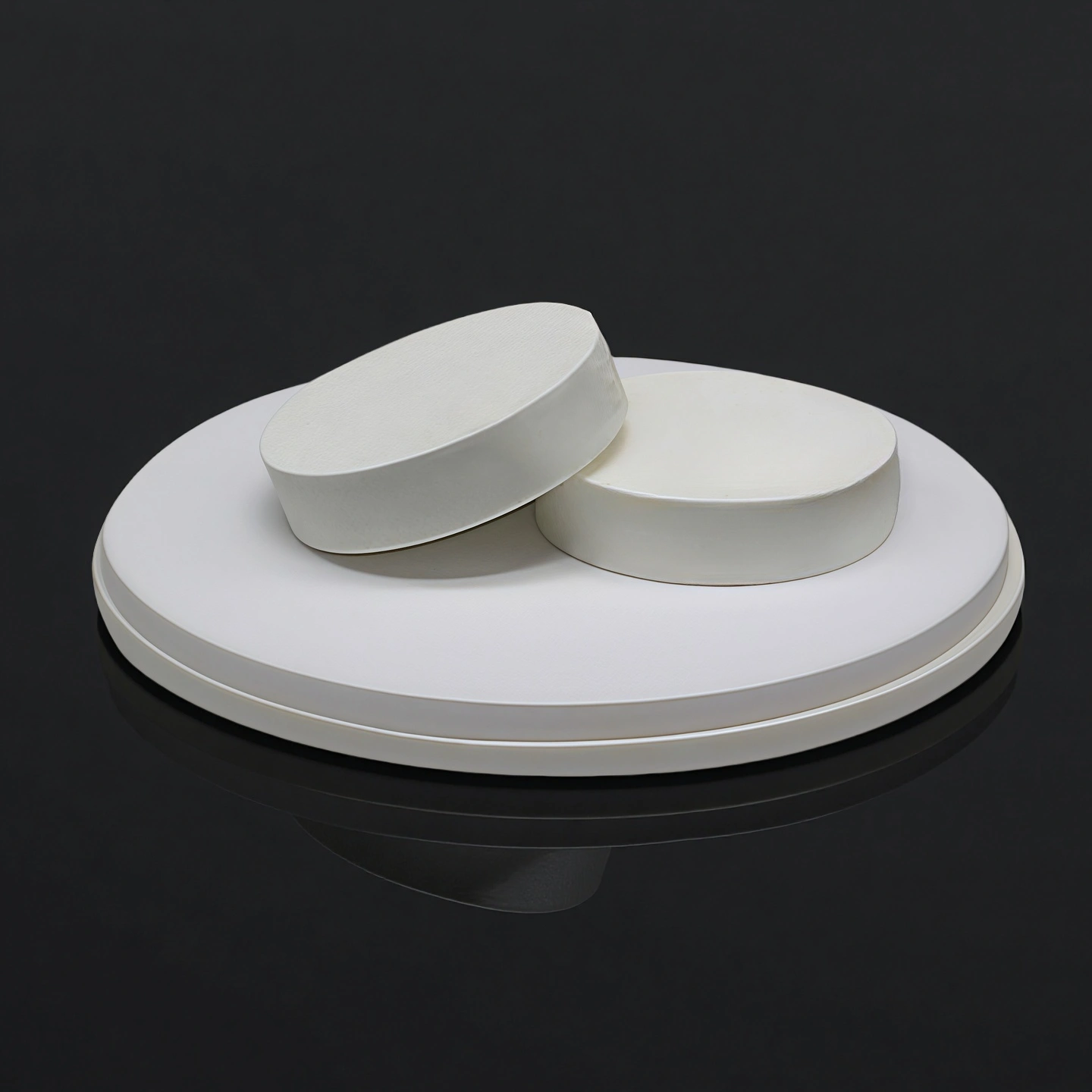
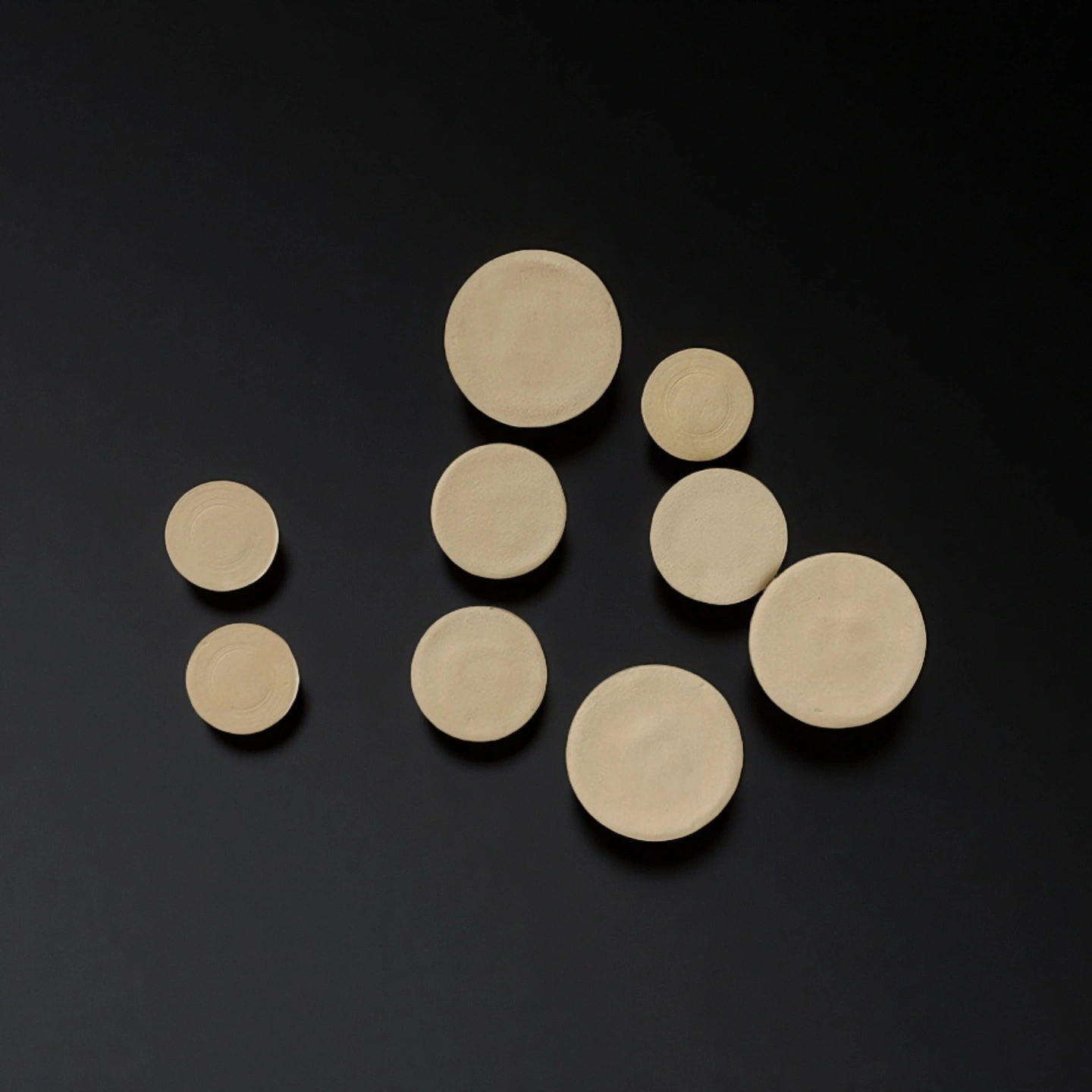
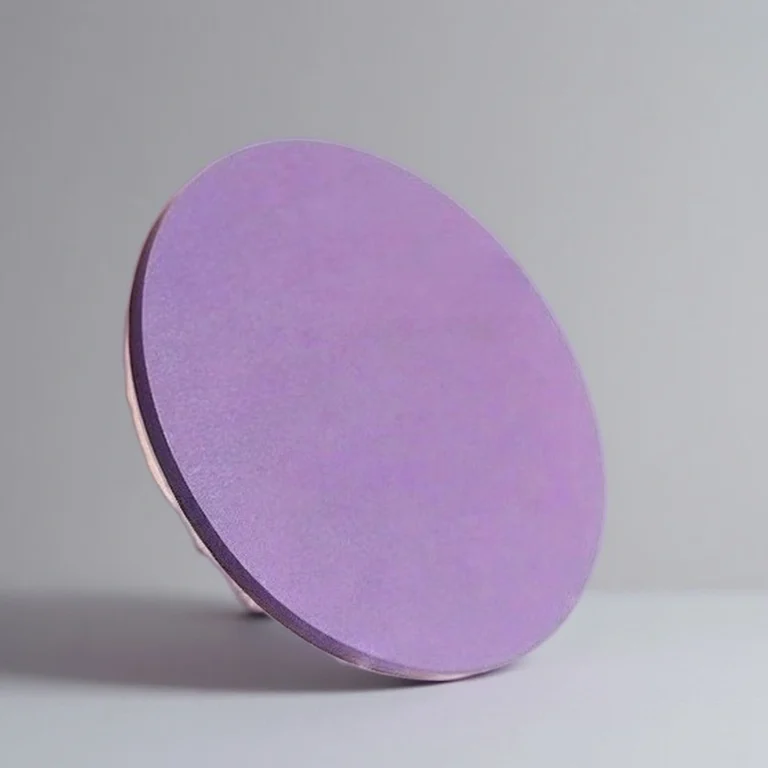
Type 1: Mgo Round Plates
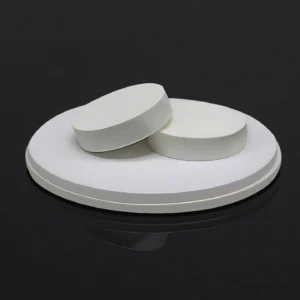
Flat magnesium oxide ceramic plates offering excellent dielectric strength and surface finish for thermal insulation.

Mgo Round Plates
Item No. Diameter(mm) Thickness(mm)
AT-MO-P1001 25 5
AT-MO-P1002 25 3
AT-MO-P1003 30 3
AT-MO-P1004 30 5
AT-MO-P1005 36.5 4.5
AT-MO-P1006 41 4.5
AT-MO-P1007 41 10
AT-MO-P1008 51 3
AT-MO-P1009 59 4.5


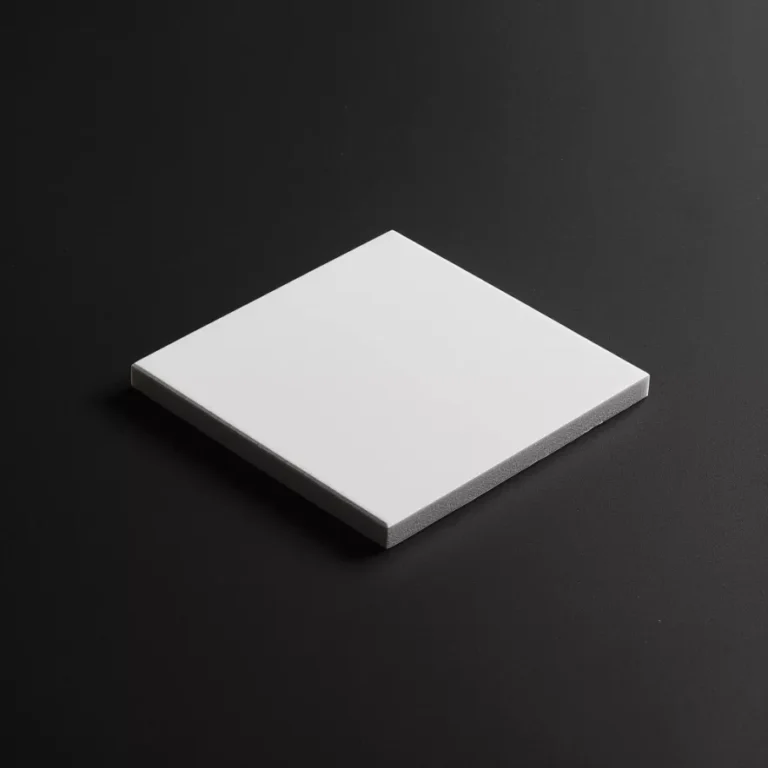
Type 2: Mgo Square Plates

High temperature MgO ceramic board

Mgo Square Plates
Item No. Length(mm) Width(mm) Thickness(mm)
AT-MO-P2001 68.5 55 2.2
AT-MO-P2002 96 30 5
AT-MO-P2003 78 65 2
AT-MO-P2004 120 60 3
AT-MO-P2005 120 60 10


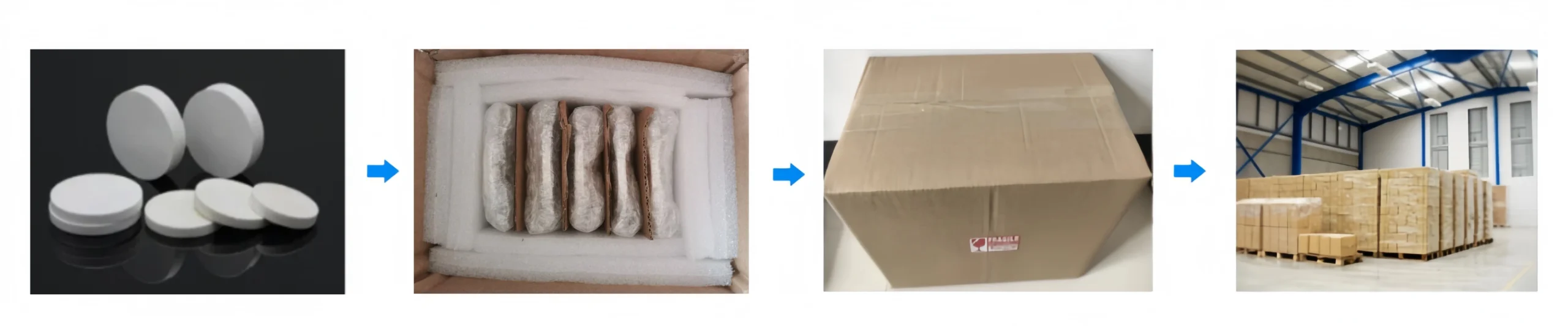
Magnesium Oxide Plate Packaging

  • Each plate is individually wrapped in foam
  • Sealed in moisture-proof bags

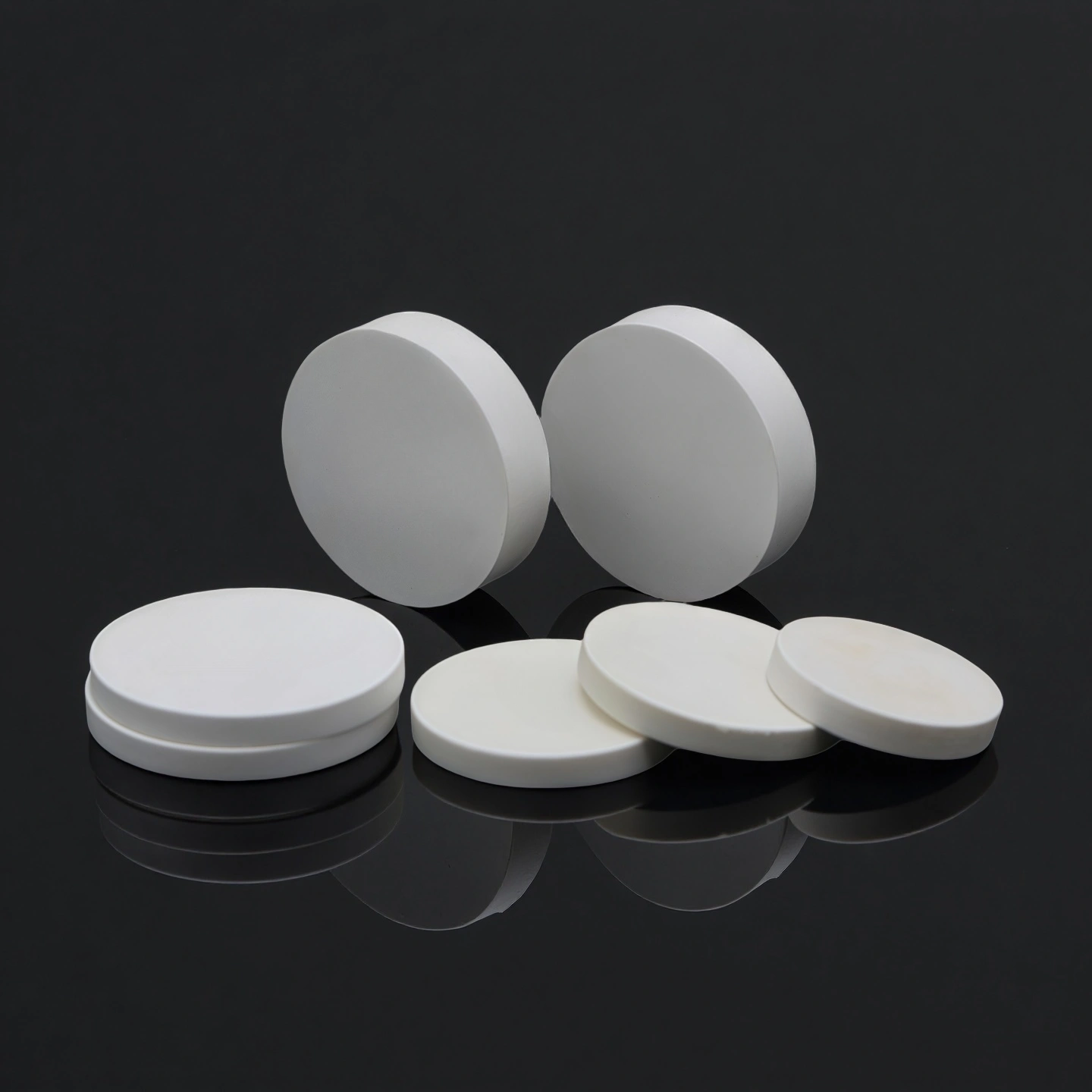
Magnesium Oxide Plate Packaging

Applications of the Mgo Plate

  • Lab furnaces & materials testing (high usage sector)

    ✅Key Advantages

    1. Dimensional stability under heat — ground flatness and CTE alignment reduce jig drift per cycle.
    2. Electrical insulation margin — baseline dielectric strength supports heater and sensor isolation.
    3. Surface cleanliness — polished/ground options limit imprint and contamination transfer.

    ✅ Problem Solved

    A lab furnace retrofitted its hot zone with mgo plates 200×200×8 mm, ground faces. Plate flatness and edge conditioning reduced specimen tilt and edge chipping during 1200–1500 °C cycles. After the changeover, fixture rework frequency decreased and setup time became predictable, improving test throughput across weekly runs.

  • Electric heater OEMs (end insulation/backing)

    ✅Key Advantages

    1. Thermal barrier efficiency — thickness and density tailored for heater-to-frame isolation.
    2. Hole layout precision — consistent bolt-pattern alignment supports quick assembly.
    3. Hot-zone longevity — abrasion-tolerant faces limit wear in air flow with particulates.

    ✅ Problem Solved

    A heater OEM adopted thin mgo plates 150×100×3 mm as end insulation with ±0.2 mm thickness control and slotted holes. Assembly alignment stabilized, reducing re-drill and scrap risk during scale-up, and simplifying maintenance parts stocking across model variants.

  • Powder metallurgy & kiln furniture

    ✅Key Advantages

    1. Support rigidity at temperature — plate thickness chosen to limit sag on spans.
    2. Contact-face control — ground/polished surface reduces part marking in repeated cycles.
    3. Feature integration — slots/pins/locators simplify multi-part loading on the same tray.

    ✅ Problem Solved

    A sintering line introduced mgo setter plates 250×250×10 mm with locator slots. Contact defects on compact parts declined and part spacing became repeatable, enabling tighter furnace loading plans without increasing collision risk between adjacent components.

Mgo Ceramic Plate Usage Instructions

Proper handling and operation of mgo plates ensure consistent performance, longer service life, and safety in high-temperature equipment. Follow these key guidelines during installation, operation, and maintenance.

  • Install

    1. Inspect before use: Check for any cracks, edge chips, or surface scratches. Reject or mark plates with visible damage before assembly.
    2. Mounting surface: Always mount on a flat, level support base to distribute load evenly; avoid point contacts that may induce stress fractures.
    3. Alignment: Use ceramic spacers or shims for height adjustment when building multi-plate beds.
    4. Fastening: For heaters or fixtures, confirm bolt torque and isolate metal contact using ceramic washers or sleeves to prevent current leakage.
    5. Thermal compatibility: Match expansion with adjacent materials to prevent warping during temperature cycling.

  • Use

    1. Heating & cooling: Follow controlled ramp-up and ramp-down rates; avoid direct cold-air exposure to hot plates to minimize thermal shock.
    2. Surface protection: Keep contact faces clean; use interleaf sheets or alumina papers when powders or parts could sinter onto the plate.
    3. Load management: Centre components on the plate to balance thermal stress.
    4. Process tracking: Record the number of heating cycles per plate to plan maintenance or replacement intervals.
    5. Atmosphere caution: In reducing or vacuum environments, verify compatibility of MgO grade to avoid surface reduction or micro-pitting.

  • Store

    1. Environment: Store in a dry, dust-free area, away from corrosive vapours and vibration.
    2. Stacking: Avoid stacking heavy objects directly on thin plates; use cardboard or foam separators.
    3. Protection: Keep polished or ground faces covered with protective film or soft paper interleaves.
    4. Identification: Label orientation and batch number for traceability; store vertically for thicker plates to prevent bowing.

  • Clean

    1. Routine cleaning: Remove dust or loose debris with clean compressed air or a soft, dry brush.
    2. Residue removal: For stuck material, use a non-metallic scraper or fine abrasive pad; avoid steel tools that can leave conductive residues.
    3. Moisture control: If the plate has absorbed humidity, pre-bake at 150–200 °C for 1–2 hours before reuse.
    4. No chemical wash: Do not use acid or alkaline cleaners that could alter the ceramic surface.

  • Cautions & Common Misoperations

    1. Avoid thermal shock: Never quench or expose hot plates to cold airflow or liquids.
    2. Prevent contamination: Do not mark working surfaces with graphite, ink, or metal tools.
    3. Handle carefully: Use two hands or vacuum lifters when moving large plates; sudden edge impact may cause micro-cracks.
    4. Check fit after multiple cycles: Plates may show minor warp or wear — replace if flatness deviation exceeds tolerance.
    5. Regular inspection: A Visual check after each 100 h of operation is recommended for continuous furnaces.

Magnesium Oxide Plate FAQ

  1. Q: What is the maximum working temperature of an mgo plate?
    A: Standard magnesia plates operate up to 1600 – 1800 °C, depending on load and atmosphere. Dense grades offer higher stability, while porous types handle faster thermal cycling.
  2. Q: Can the mgo plate be custom-made according to drawings?
    A: Yes. Custom mgo plates can be produced with specified length, width, thickness, holes, slots, chamfers, and surface finishes according to 2D/3D drawings or samples.
  3. Q: What is the typical dimensional tolerance of an mgo plate?
    A: Standard tolerance is ±0.2 mm on thickness and ±0.3 mm on length/width. Tighter precision up to ±0.1 mm is available for heater back-plates or laboratory fixtures.
  4. Q: What surface finishes are available for mgo plates?
    A: Options include raw, fine-ground, and polished faces. Polished mgo plates (Ra ≤ 0.4 µm) are preferred where smooth contact or minimal particle generation is required.
  5. Q: What information is required for an mgo plate quotation?
    A: Please provide material grade, dimensions, tolerances, hole/slot details, surface finish, quantity, and any inspection report or traceability request for accurate pricing.

What our Clients Say about Mgo Plate

  • ⭐️⭐️⭐️⭐️⭐️
    We sourced mgo plates with ground faces and slotted holes; dimensions matched our jigs and installation was straightforward across multiple furnace sizes.
    -- David H. — Process Engineer, Thermatec Instruments
  • ⭐️⭐️⭐️⭐️⭐️
    ADCERAX provided custom mgo plate drawings with fast technical feedback. Pricing aligned with our batch schedule and the parts performed consistently.
    -- Julia M. — Purchasing Manager, HeatFlow Systems
  • ⭐️⭐️⭐️⭐️⭐️
    Our magnesium oxide plate reduced contact marks on delicate compacts. The edge chamfer helped operators avoid chips during loading.
    -- Kenji S. — Production Supervisor, SinterForm Co.
  • ⭐️⭐️⭐️⭐️⭐️
    We specified thin mgo plates for heater backing. The thickness control and polished face kept thermal contact predictable in repeated test cycles.
    -- Elena R. — R&D Scientist, MatLab Works
customize size

Customize Magnesia Ceramic Plate

mgo plates are typically engineered to customer drawings to achieve dimensional accuracy, surface finish, and performance consistency in high-temperature environments. What you can specify:

  • Length × width × thickness
    Standard range 100×100×3 mm – 400×400×20 mm.
    Typical tolerance ±0.2 mm, tighter (±0.1 mm) on request.

  • Edge design
    Options: straight, R-corner, C-chamfer, R-edge, deburred or sealed edges.
    Chamfer ≈ 45°, radius 1–3 mm for safe handling and assembly fit.

  • Holes/slots
    Hole Ø 1–20 mm, countersink or counterbore optional.
    Positional tolerance ±0.2 mm. Multi-hole arrays or slots for mounting or terminals.

  • Face finish
    Raw, fine-ground, or polished; surface Ra ≤ 1.0 µm (standard) or ≤ 0.4 µm (precision).
    Flatness ≤ 0.1 mm per 100 mm span.

  • Porosity & density
    Dense (≥ 98%) for strength or controlled (5–15%) for better thermal-shock tolerance.

  • Cleanliness level
    Optional particle-controlled cleaning and moisture-bake for laboratory use.

  • Batch traceability
    Each lot labelled with a dimension report, serial code, and inspection data.

  • Material variants
    High-purity MgO ≥ 99%, or MgO–Al₂O₃ composites for reinforced strength.

Related Products

ADCERAX - Your Trusted Advanced Ceramics Manufacturing Partner

Direct factory manufacturing with comprehensive ceramic materials expertise and global supply capabilities

Direct Factory Manufacturing

China-based ceramic materials production facility with state-of-the-art equipment

Engineering Team

Experienced professionals in advanced ceramics applications and custom design

Quality Control

Strict quality control standards for technical ceramics manufacturing and quality management

Global Supply Chain

Serving customers worldwide with technical ceramics and rapid response

24/7 Technical Support

Round-the-clock support for ceramic components inquiries and technical assistance

500+ Satisfied Customers

Trusted by global customers for advanced ceramic materials and precision components

Get in touch with us

Our team will be happy to respond to you in less than 24 hours.

Adcerax's factory

Quick Quotation

*Our team will answer your inquiries within 24 hours.

*Your information will be kept strictly confidential.

Ready to Solve Your Engineering Challenge?

Partner with ADCERAX for reliable, high-performance advanced ceramic solutions. Our engineers are ready to discuss your project.

E-mail

info@adcerax.com

Phone

+(86) 0731-74427743 | WhatsApp: +(86) 19311583352

Response Time

Within 24 hours

Quick Quote

The more details you provide, the faster we can quote.

*We respond within 24 hours. All inquiries are confidential.

Download Catalog

Get Your Custom Sulution

The more details you provide, the faster we can respond.

customize size

*We respond within 24 hours. All inquiries are confidential.

Download Catalog