Metalized Aluminum Nitride Substrate for LED and IGBT Modules – Custom Sizes Available

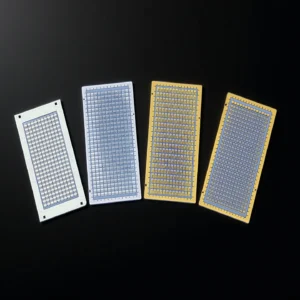
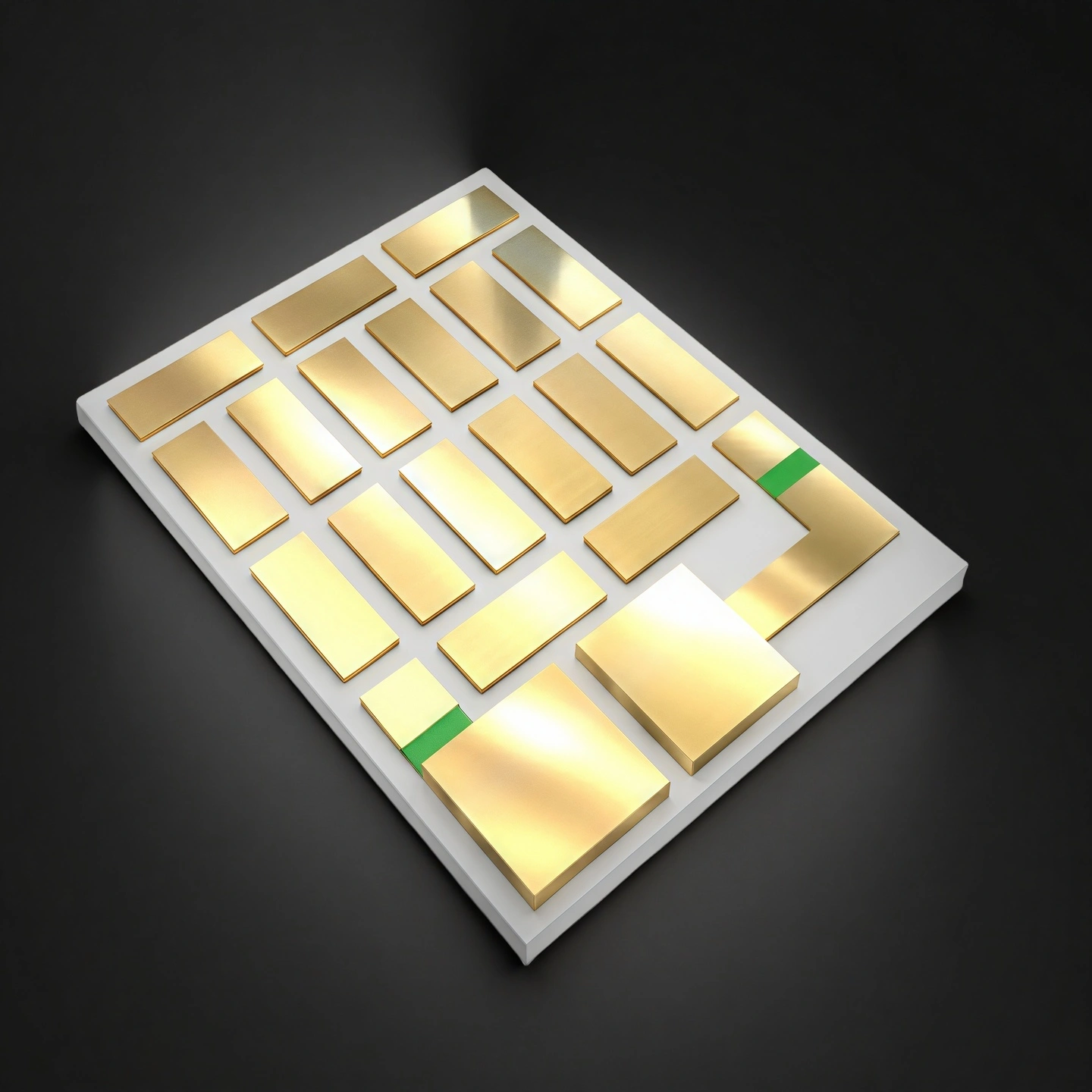
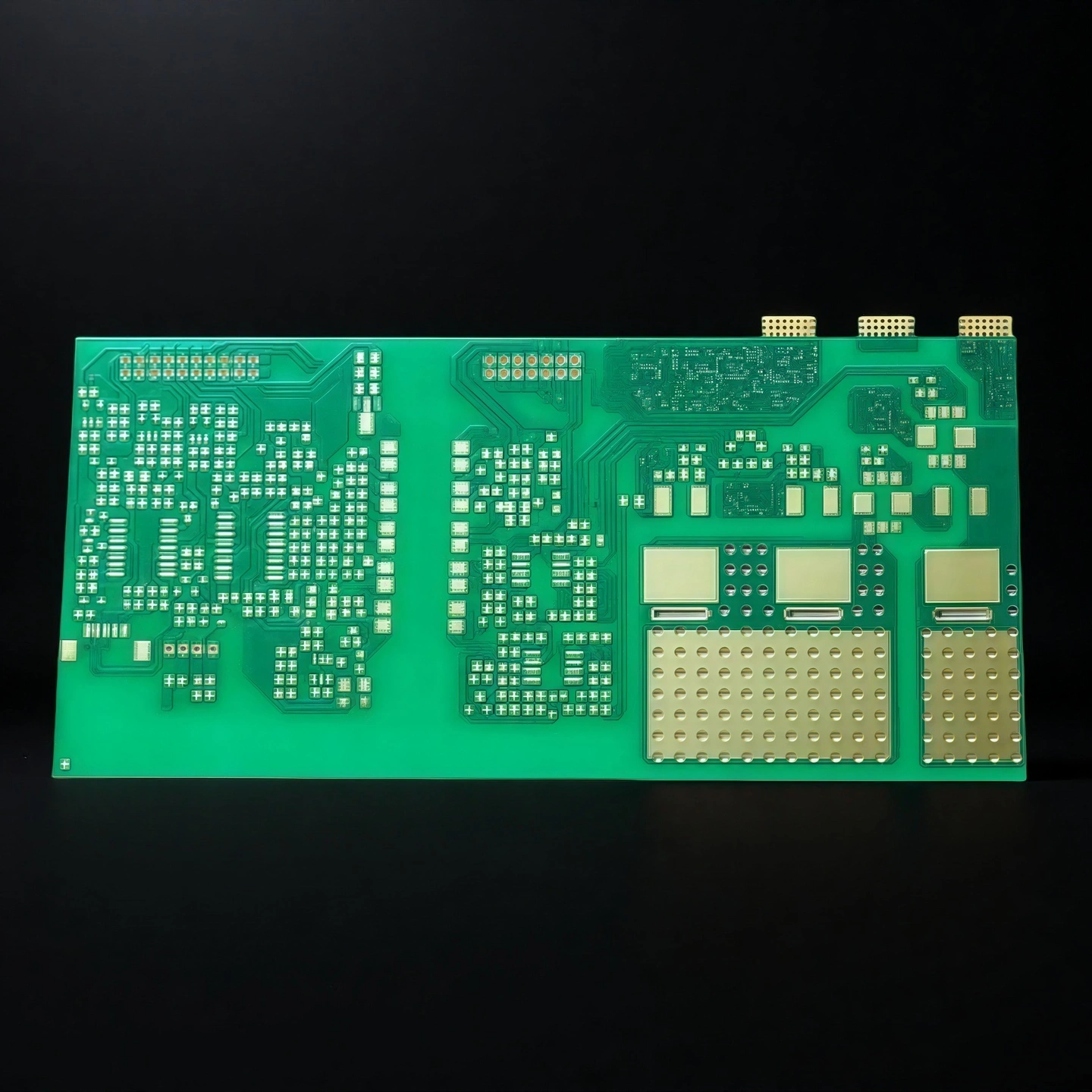
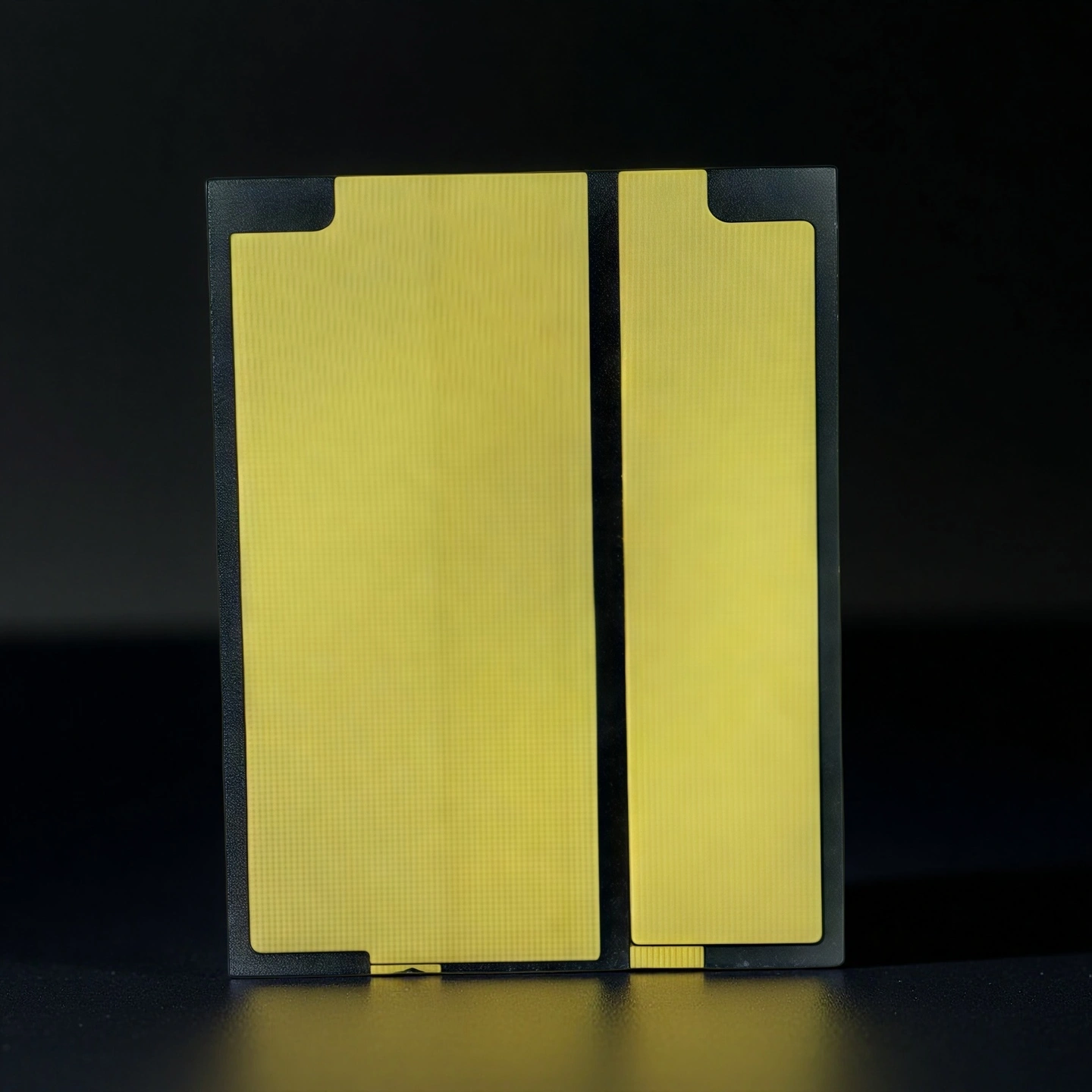
Metalized aluminum nitride substrate combines a high thermal conductivity AlN ceramic body with customer-specific metal patterns on one or both sides. Standard thickness ranges from 0.3 to 1.0 mm, and custom sizes up to medium-format panels are available according to drawings and Gerber files.

Catalogue No. AT-AIN-LJ1001
Material  Aluminum Nitride
Dielectric strength ≥ 15 kV/mm
Coefficient of thermal expansion 4.5–5.5 × 10⁻⁶ /K (20–300 °C)
Thermal conductivity 170–200 W/m·K (at room temperature)
24H Standard Dispatch
Small Batch Support OEM
Factory Direct
Expert Engineering Support

A metalized aluminum nitride substrate is a high thermal conductivity ceramic base with engineered metal patterns that provides electrical interconnection, insulation and heat spreading for power electronics, RF modules and high-power optoelectronic packages.

Metalized Aluminum Nitride Substrate Benefits

  • Efficient heat spreading
    The metalized aluminum nitride substrate transfers heat away from power dies through a ceramic with thermal conductivity in the 170–200 W/m·K range, supporting compact layouts and lower junction temperatures.

  • Matched CTE to power devices
    The AlN base of the metalized substrate offers a coefficient of thermal expansion close to Si and SiC, which helps reduce thermo-mechanical stress during power cycling.

  • Fine-line metallization on AlN
    The metallized AlN substrate supports fine pad and trace geometries suitable for dense power modules, RF matching networks and LED arrays, with controllable line width and spacing.

  • High dielectric strength under high voltage
    The aluminum nitride ceramic body provides high dielectric strength and insulation resistance, allowing the metalized aluminum nitride substrate to carry high voltage while maintaining a compact footprint.

  • Stable bond and solder interfaces
    Optimized metallization stacks on the metalized AlN substrate support common joining methods such as soldering, wire bonding and sintered silver, maintaining adhesion under thermal cycling.


Metalized Aluminum Nitride Substrate Properties

Property Content Unit Unit ALN-170 ALN-200 ALN-230
Basic Properties Color gray light yellow light yellow
Density g/cm³ 3.2-3.3 3.2-3.3 3.2-3.3
Surface Roughness μm 0.2-0.75 0.2-0.75 0.2-0.8
Camber length ‰ ≤3‰ ≤3‰ ≤3‰
Hardness HV 1100 1100 1100
Thermal Properties Max Operating Temperature °C 1100 1100 1100
Thermal Conductivity W/m·K 170-190 190-220 220-230
Coefficient of Thermal Expansion 10⁻⁶/K(20-400°c) 4-5 4-5 4-5
Coefficient of Thermal Expansion 10⁻⁶/K(400-800°c) 5-6 5-6 5-6
Mechanical Properties Flexural Strength MPa 300-400 350-450 400-500
Tensile Strength MPa 200-300 250-350 280-380
Compressive Strength MPa 2000-3000 2200-3200 2500-3500
Electrical properties Dielectric Constant at 1MHz 8-9 8-9 8-9
Dielectric strength KV/mm ≥15 ≥15 ≥15
Volume resistivity 20℃ Ω.cm ≥1014 ≥1014 ≥1014


Metalized AlN Substrate Specifications

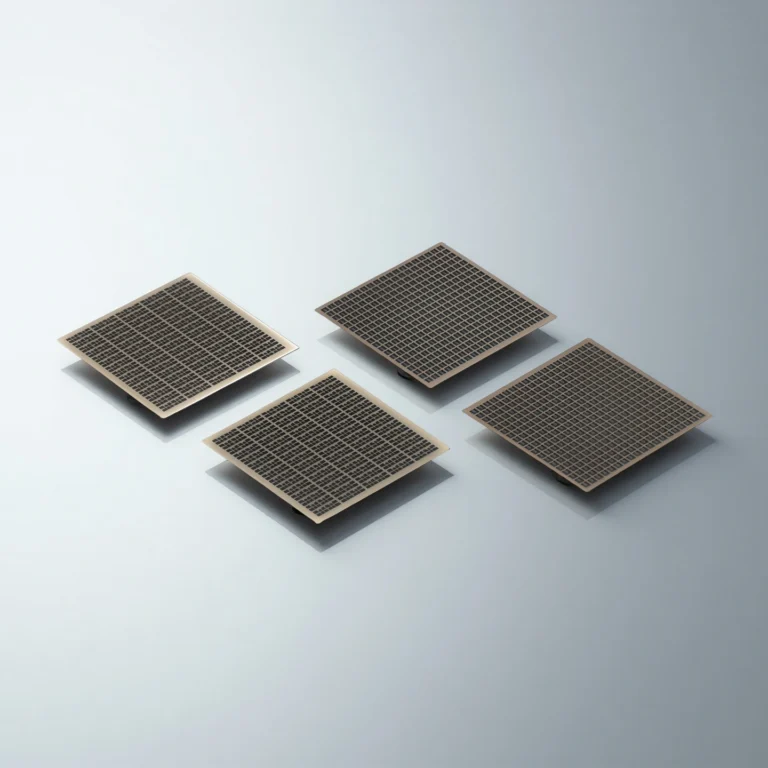
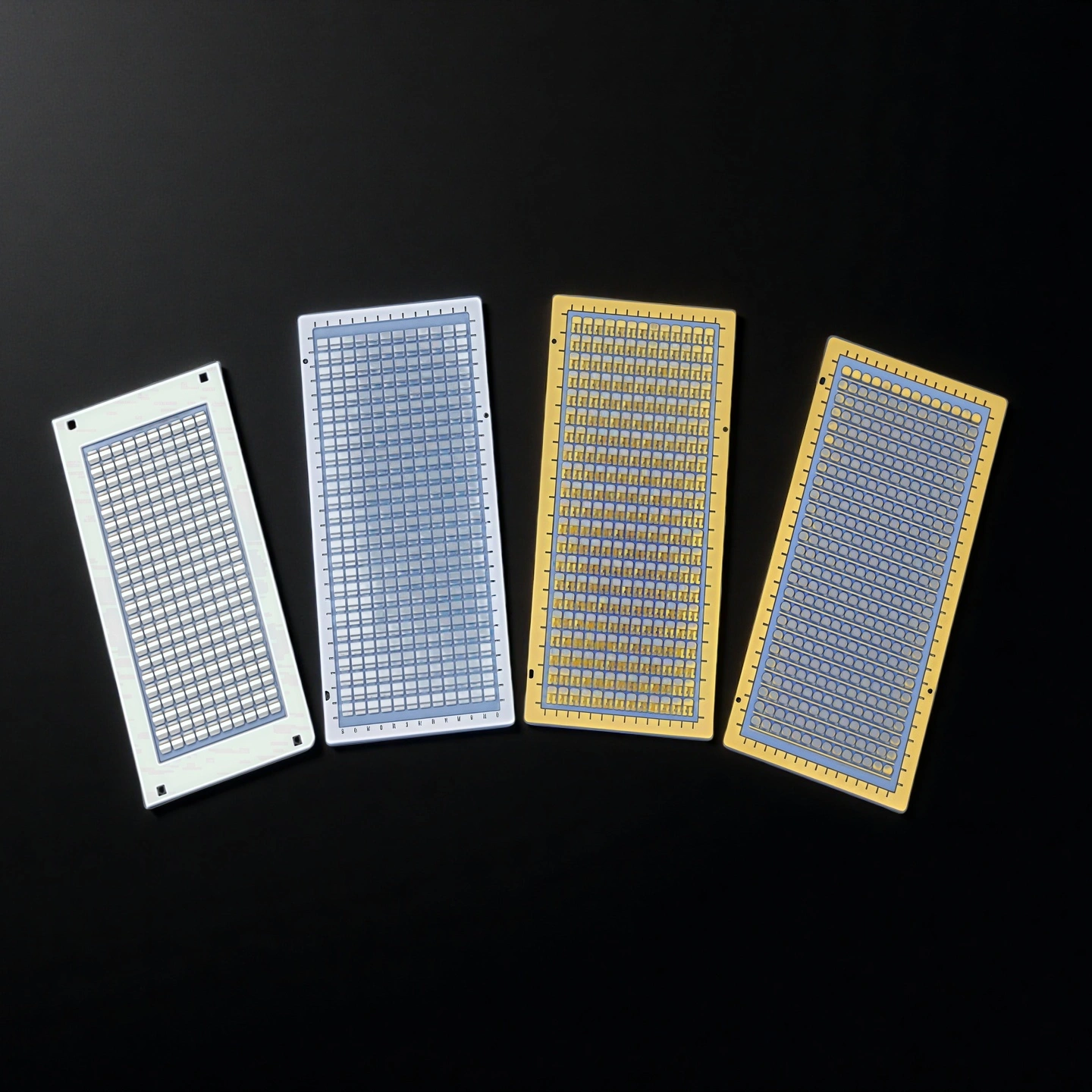
  • Type 1—LED Packaging Substrate

LED Packaging Substrate

Name: LED Packaging Substrate
Common Specifications: 15-80 μm
Model: AT-AlN-LJ1001
Application Scenarios: LED Packaging, Chip Packaging


Category Item Standard Specification Special Specification
Substrate Substrate Thickness 0.38 ~ 1.0 mm Min: 0.15 mm, Max: 2.0 mm
Machinable Outline Size Range 114*114mm, 120*120mm Min: 50.8*50.8 mm, Max: 138*190 mm
Hole Positioning Hole Control Deviation ± 50 μm Min: ± 20 μm
Via Diameter (Specific Ratio Dependent) ≥ 100 μm Min: 40 μm
Hole Spacing ≥ 300 μm (3 times hole diameter) Min: 80 μm
Via to Copper Edge ≥ 70 μm Min: 50 μm
Circuit Line Width ≥ 80 μm Min: 40 μm
Line Spacing ≥ 80 μm Min: 40 μm
Tolerance Range ± 25 μm Min: ± 10 μm
Outline Outline Tolerance ± 100 μm Min: ± 50 μm


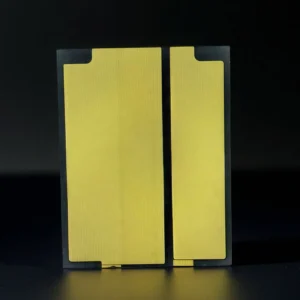
  • Type 2—Power Laser Diode (LD)

Power Laser Diode (LD)

Name: Power Laser Diode (LD)
Common Specifications: 15-80 μm
Model: AT-AlN-GJ1001
Application Scenarios: Laser Lighting, Laser Projection/Display, Optical Communication, Unmanned Aerial Vehicles (UAV),
3D Gesture Recognition, 3D Sensing LiDAR
  • Type 3—Semiconductor Cooling Substrate TEC
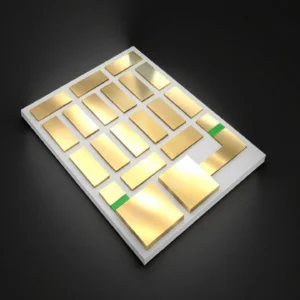
Semiconductor Cooling Substrate TEC

Name: Semiconductor Cooling Substrate TEC
Common Specifications: 1-20 μm
Model: AT-AlN-TJ1001
Application Scenarios: Optical Communication/Temperature Control, Optoelectronic Device Heat Dissipation, Refrigerators,
Thermoelectric Coolers, Thermoelectric Generation, etc.
  • Type 4—Automotive Radar Ceramic Substrate

Automotive Radar Ceramic Substrate

Name: Automotive Radar Ceramic Substrate
Common Specifications: Approximately 50 μm
Model: AT-AlN-CJ1001
Application Scenarios: Automotive Sensors, Automotive Radar


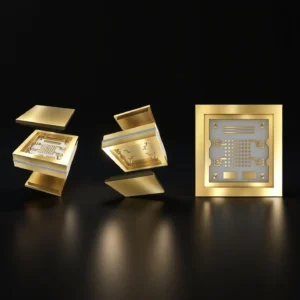
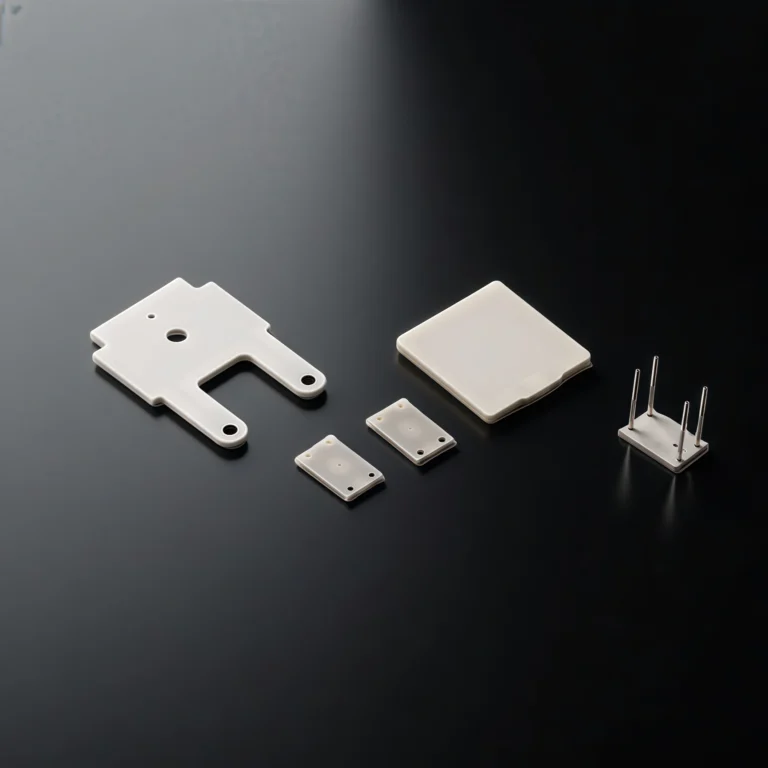
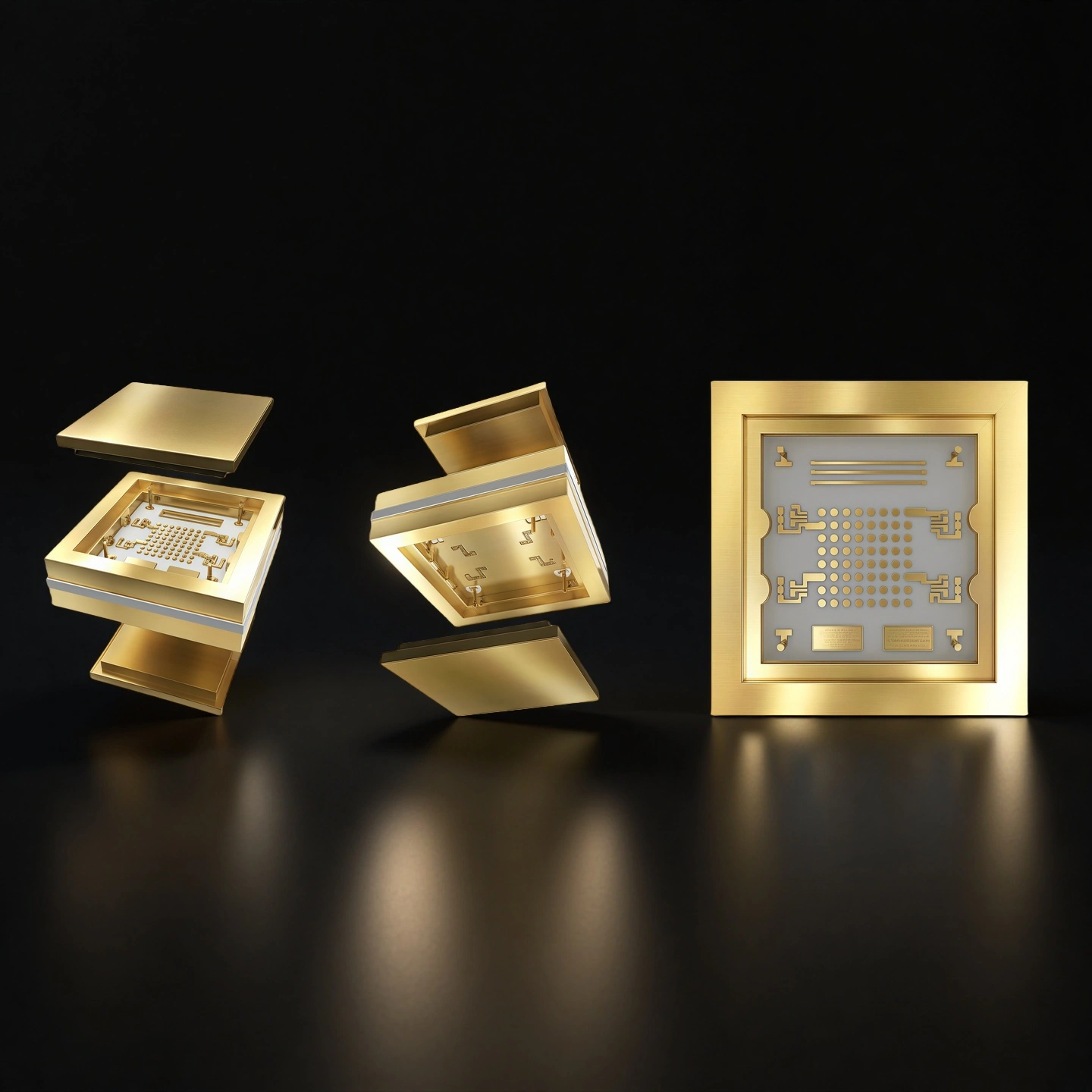
  • Type 5—Ceramic Metal Tube Shell

Ceramic Metal Tube Shell

Name: Ceramic Metal Tube Shell
Common Specifications: 60-1000 μm
Model: AT-AlN-K1001
Application Scenarios: Microcontrollers, Video Controllers, Crystal Filters, Logic Circuit Storage Devices, Integrated Amplifiers


AlN Substrates Metallized Packaging

  • Each metalized aluminum nitride substrate is separated in rigid plastic trays or cavity blister packs to prevent pad damage and edge chipping.
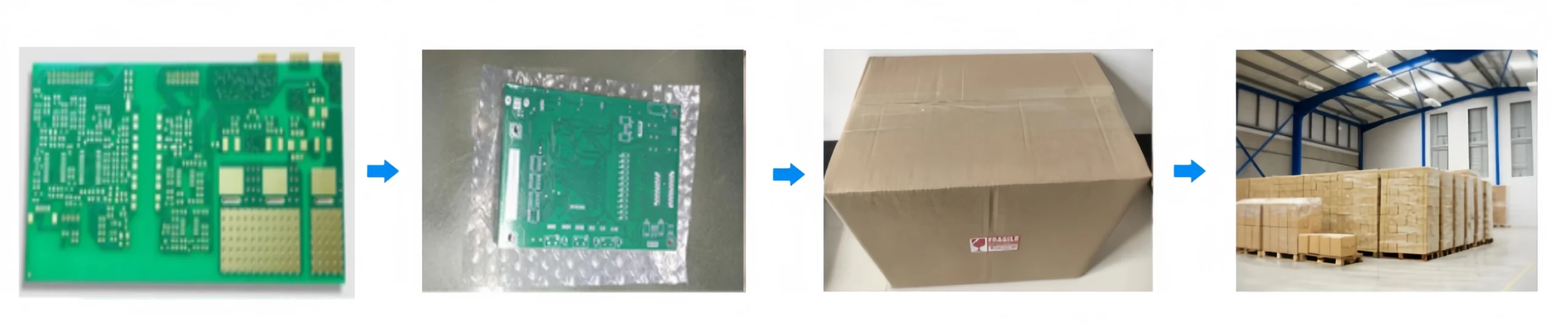
Metalized Aluminum Nitride Substrate Packaging

Applications of Metalized Aluminum Nitride Substrates

  • Power Electronics Modules and Inverters

    ✅Key Advantages

    1. High heat flux handling – Metalized aluminum nitride substrate supports power density in the range of several tens of W/cm² by combining high thermal conductivity and short heat paths.
    2. Compact high-voltage insulation – The metalized AlN substrate allows high DC bus voltages in a compact footprint due to its high dielectric strength.
    3. Stable cycling performance – The CTE match between AlN and SiC chips reduces solder fatigue and substrate cracking during thousands of thermal cycles.

    ✅ Problem Solved

    An industrial inverter manufacturer replaced an alumina-based power substrate with a metalized aluminum nitride substrate in a 30 kW drive module. Thermal simulations and tests showed a junction temperature reduction of around 12 °C at full load, allowing the design to meet a 20-year service life target under daily cycling. Assembly scrap related to substrate warpage fell by nearly 30%, and the module footprint was reduced by about 15% while keeping the same rated current and voltage.

  • RF and 5G Power Amplifier Modules

    ✅Key Advantages

    1. Low thermal resistance under RF loads – The metalized AlN substrate dissipates heat from RF dies with high local power density, supporting stable output at elevated ambient temperatures.
    2. Fine-line RF interconnects – Metallized AlN supports precise line width and spacing for RF matching networks while maintaining mechanical strength.
    3. Controlled dielectric environment – The ceramic body of the metalized aluminum nitride substrate provides stable dielectric properties for consistent RF performance.

    ✅ Problem Solved

    A 5G base station RF module integrator moved from a metal-core PCB to a metalized AlN substrate for the final stage power amplifier board. At a given output power, the case temperature dropped by approximately 8 °C, and gain variation over temperature was reduced. The customer also reported a reduction of rework events linked to delamination and pad lifting, with RF module field returns falling by more than 20% in the first year after the switch.

  • High-Power LED, UV LED and Laser Drivers

    ✅Key Advantages

    1. Efficient LED junction cooling – Metalized aluminum nitride substrate spreads heat from densely packed LED or laser chips, keeping junction temperatures within specified limits.
    2. Reliable wire bonding pads – The metallized AlN substrate provides bondable pad surfaces compatible with common wire materials and bonding conditions.
    3. Compact optical modules – High thermal performance of the metalized AlN substrate allows smaller heat sinks or higher luminous flux in the same package.

    ✅ Problem Solved

    A UV curing equipment builder redesigned its 365 nm LED array board to use a metalized aluminum nitride substrate instead of a metal-core PCB. At the same electrical input, optical output increased by about 10% due to lower LED junction temperature, and lumen maintenance exceeded 90% after 2,000 hours of accelerated life testing. Module warranty returns related to LED failures dropped to less than 1% of shipped units in the first production year.

Metalized AlN Substrates Usage Instructions

  • Installation

    1. Check incoming inspection data for dimensions, flatness and metallization before the first assembly run.
    2. Keep the metalized aluminum nitride substrate in clean trays during loading to avoid particle contamination on pads.
    3. Use alignment tooling that supports the underside of the substrate to limit bending and local stress.

  •  Use in Assembly and Operation

    1. Select compatible solder paste or sintered silver paste according to the metallization stack on the metalized AlN substrate.
    2. Control heating and cooling ramps during reflow or sintering processes within the limits recommended for AlN ceramics to minimize thermal shock.
    3. For high-voltage modules, verify creepage and clearance distances on the metalized patterns against system requirements after final layout.

  • Storage

    1. Store metalized aluminum nitride substrates in dry, clean conditions away from corrosive atmospheres.
    2. Keep original trays and inner bags closed until just before assembly to reduce handling damage.
    3. For long-term storage, record lot numbers and dates to support traceability and process correlation.\

  • Cleaning and Maintenance

    1. If cleaning is required, use mild, residue-free cleaning media compatible with the metallization and avoid hard mechanical scrubbing.
    2. Dry substrates completely after wet cleaning before applying paste or adhesives.
    3. Do not reuse substrates that show cracks, edge chips near critical pads or warped surfaces beyond specified flatness.

  • Common Handling Errors and Corrective Actions

    1. Issue: Substrate cracking after reflow
    Cause: Heating and cooling ramps too steep for the metalized AlN substrate.
    Solution: Reduce thermal shock by lowering ramp rates and aligning the profile with the ceramic and joining materials limits.

    2. Issue: Poor wetting on some pads
    Cause: Contamination or oxidation on the metalized surface, or paste compatibility issues.
    Solution: Confirm storage conditions, review cleaning procedures and verify that the paste system matches the metallization stack used on the metalized aluminum nitride substrate.

    3. Issue: Warpage causing placement misalignment
    Cause: Uneven clamping or asymmetric metal coverage on large panels.
    Solution: Support the entire metalized AlN substrate during processing, review panel design for more balanced metal areas and consider adjusting thickness for large formats.

AlN Substrates Metallized FAQ

  1. Q: What is a metalized aluminum nitride substrate used for in power electronics?
    A: A metalized aluminum nitride substrate is used as a high thermal conductivity, electrically insulating base for mounting power semiconductor dies, forming interconnects and transferring heat to heat sinks in modules and inverters.
  2. Q: How does a metalized AlN substrate compare with a metalized alumina substrate?
    A: A metalized AlN substrate typically offers much higher thermal conductivity than metalized alumina, which supports higher power density or lower junction temperature, while keeping similar mechanical handling.
  3. Q: Can the metal patterns on a metalized aluminum nitride substrate follow my existing Gerber files?
    A: Yes, the metalized AlN substrate can be produced according to customer Gerber and drawing data, including pad shapes, trace routes, clearance zones and via locations.
  4. Q: Is a metalized AlN substrate suitable for high-voltage isolation?
    A: The metalized aluminum nitride substrate provides high dielectric strength through the ceramic body, allowing high-voltage isolation in compact layouts when clearances and creepage distances are designed correctly.
  5. Q: Can a metalized aluminum nitride substrate be used for RF and microwave modules?
    A: Yes, a metalized AlN substrate can host RF power devices and matching networks, combining suitable dielectric properties with good thermal performance for high-frequency applications.
  6. Q: What joining methods are compatible with metalized AlN substrates?
    A: Depending on the selected metal stack, metalized aluminum nitride substrates can support soldering, sintered silver, conductive adhesives and various wire bonding processes.
  7. Q: Can I order small prototype quantities of metalized aluminum nitride substrate before mass production?
    A: It is possible to start with small prototype batches of metalized AlN substrates using the final layout, then move to larger volumes once the design and process window are confirmed.

  8. Q: What information should I provide when requesting a quotation for metalized aluminum nitride substrates?
    A: For a precise quotation, it is helpful to send drawings or Gerber data, expected quantities, substrate thickness, metallization system preferences and any special requirements for flatness, via structures or testing on the metalized aluminum nitride substrate.

Customer Reviews about Metalized Aluminum Nitride Substrates

  • ⭐️⭐️⭐️⭐️⭐️
    We switched several SiC inverter projects to a metalized aluminum nitride substrate from ADCERAX. The thermal margin improved and assembly scrap related to substrate warpage went down, which helped us stabilize our production schedule.
    -- Michael H., Power Module Design Manager, EnerDrive Systems GmbH
  • ⭐️⭐️⭐️⭐️⭐️
    ADCERAX supplied metalized AlN substrates for our high-voltage DC/DC modules. The factory responded clearly to drawing changes, and the cost level stayed competitive for our annual volume.
    -- Laura P., Purchasing Manager, NorthWave Industrial Electronics Inc.
  • ⭐️⭐️⭐️⭐️⭐️
    The metalized AlN substrate with fine-line patterns allowed us to integrate the RF matching network and power devices on one ceramic base. Measured temperature at rated output was several degrees lower than with the previous board.
    -- Ayoub (Purchasing Manager)
  • ⭐️⭐️⭐️⭐️⭐️
    For our UV LED arrays, the metalized aluminum nitride ceramic substrate made it easier to keep junction temperatures under control. The customized pad layout matched our optics, so we could move to pilot production without redesigning the module.
    -- Kenji S., RF Hardware Engineer, WaveLink Communications Co., Ltd.
customize size

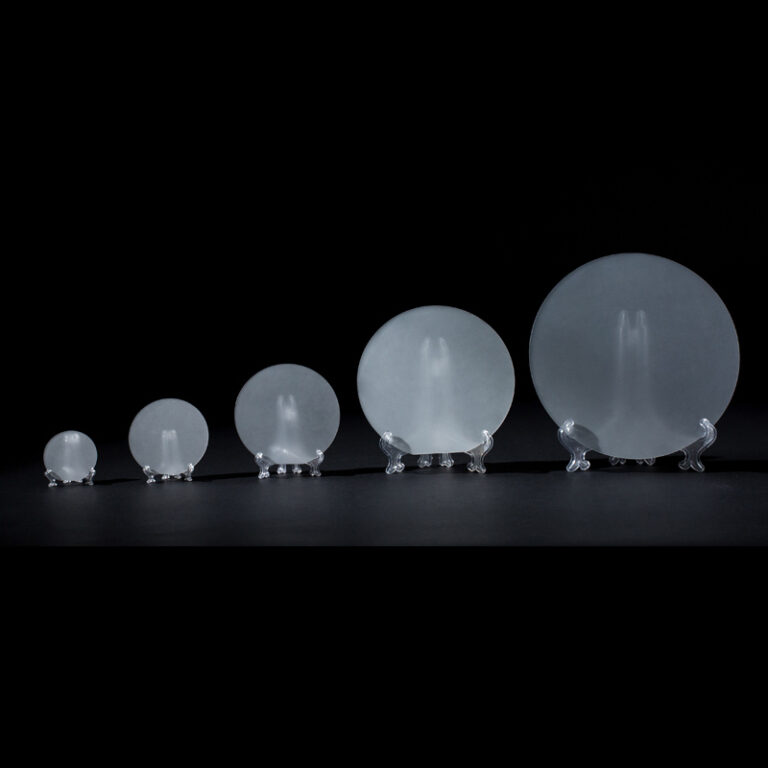
Customize Metalized AlN Ceramic Substrate

Metalized aluminum nitride substrate production can follow customer drawings and Gerber data, with control over the AlN body and metal layers to match existing module designs. The goal is to deliver a metallized AlN substrate that fits your envelope, pad layout and joining process window.

1. Substrate dimensions

  • Single pieces or panels, typical ranges from about 5 × 5 mm up to around 80 × 80 mm
  • Thickness options typically from 0.3 mm to 1.0 mm, other thicknesses on request

2. Metalization layout

  • Pad shapes and sizes for die attach, wire bonding and terminal connection
  • Trace width and spacing according to required current and voltage levels
  • Clearance distances in high-voltage zones

3. Metal system and stack

  • Choice of Ag-based, Ni/Au-based or Cu-based metallization systems
  • Single-side or double-side metalized aluminum nitride substrate
  • Metal thickness ranges suited to soldering or sintered silver

4. Holes and vias

  • Through-holes or blind vias for cross-layer connection and mounting
  • Countersinks or chamfers around mounting holes when required

5. Surface condition

  • Raw sintered AlN surface or polished functional surfaces
  • Defined roughness range for die attach or thermal interface materials

6. Dimensional tolerances

  • Outer dimension tolerance according to drawing requirements
  • Flatness and warp limits suitable for assembly processes

Related Products

ADCERAX - Your Trusted Advanced Ceramics Manufacturing Partner

Direct factory manufacturing with comprehensive ceramic materials expertise and global supply capabilities

Direct Factory Manufacturing

China-based ceramic materials production facility with state-of-the-art equipment

Engineering Team

Experienced professionals in advanced ceramics applications and custom design

Quality Control

Strict quality control standards for technical ceramics manufacturing and quality management

Global Supply Chain

Serving customers worldwide with technical ceramics and rapid response

24/7 Technical Support

Round-the-clock support for ceramic components inquiries and technical assistance

500+ Satisfied Customers

Trusted by global customers for advanced ceramic materials and precision components

Get in touch with us

Our team will be happy to respond to you in less than 24 hours.

Adcerax's factory

Quick Quotation

*Our team will answer your inquiries within 24 hours.

*Your information will be kept strictly confidential.

Ready to Solve Your Engineering Challenge?

Partner with ADCERAX for reliable, high-performance advanced ceramic solutions. Our engineers are ready to discuss your project.

E-mail

info@adcerax.com

Phone

+(86) 0731-74427743 | WhatsApp: +(86) 19311583352

Response Time

Within 24 hours

Quick Quote

The more details you provide, the faster we can quote.

*We respond within 24 hours. All inquiries are confidential.

Download Catalog

Get Your Custom Sulution

The more details you provide, the faster we can respond.

customize size

*We respond within 24 hours. All inquiries are confidential.

Download Catalog