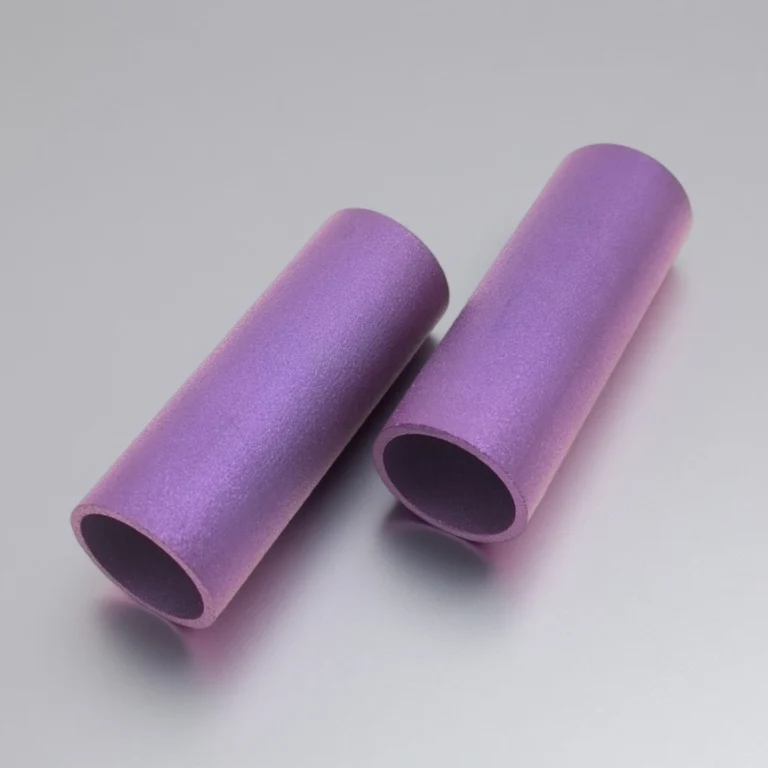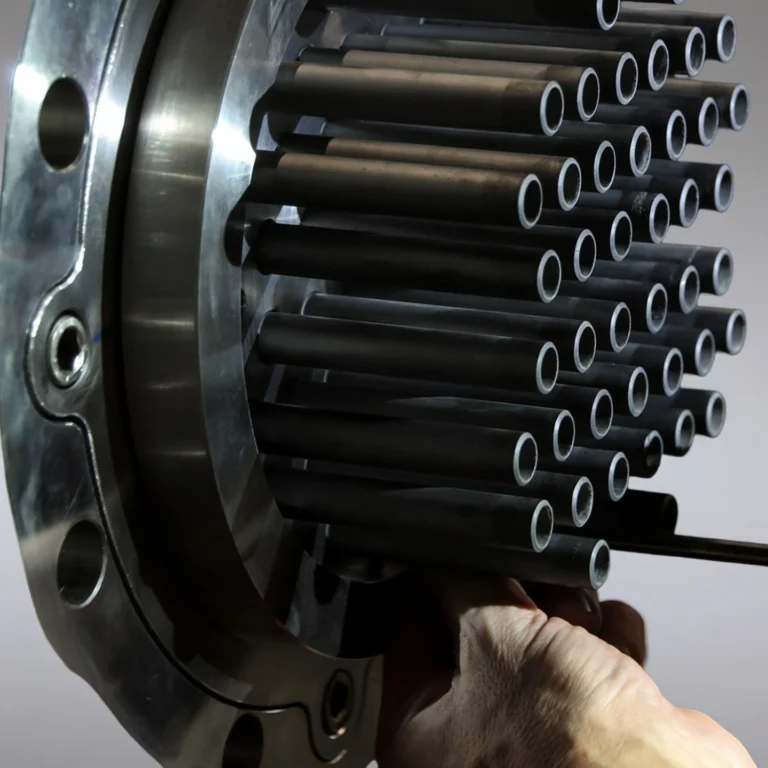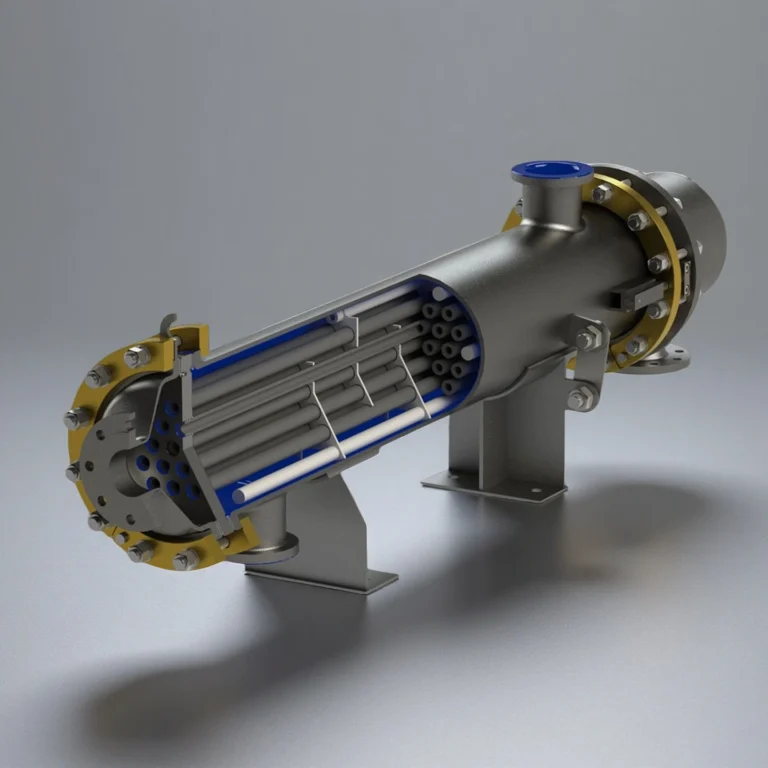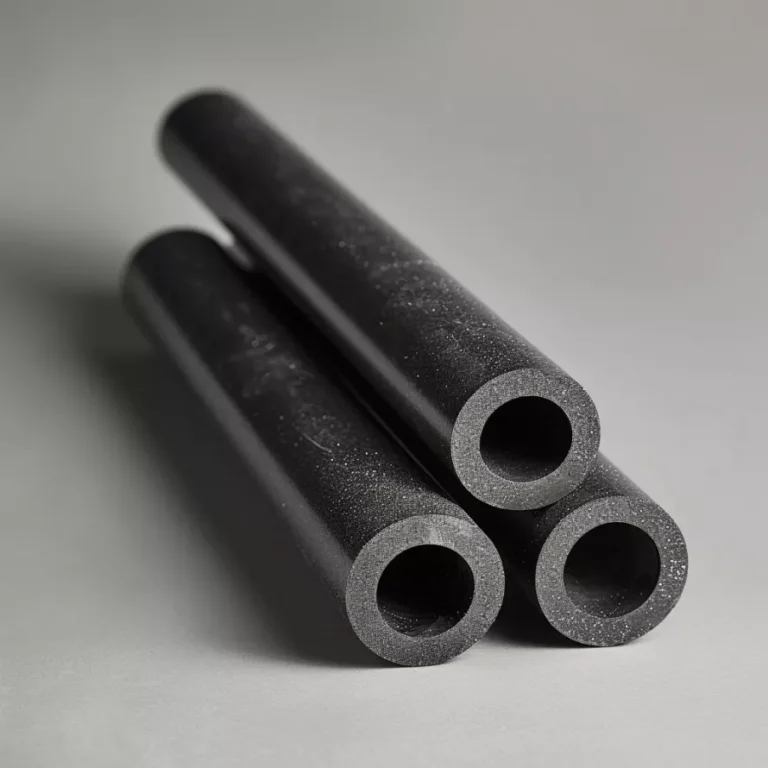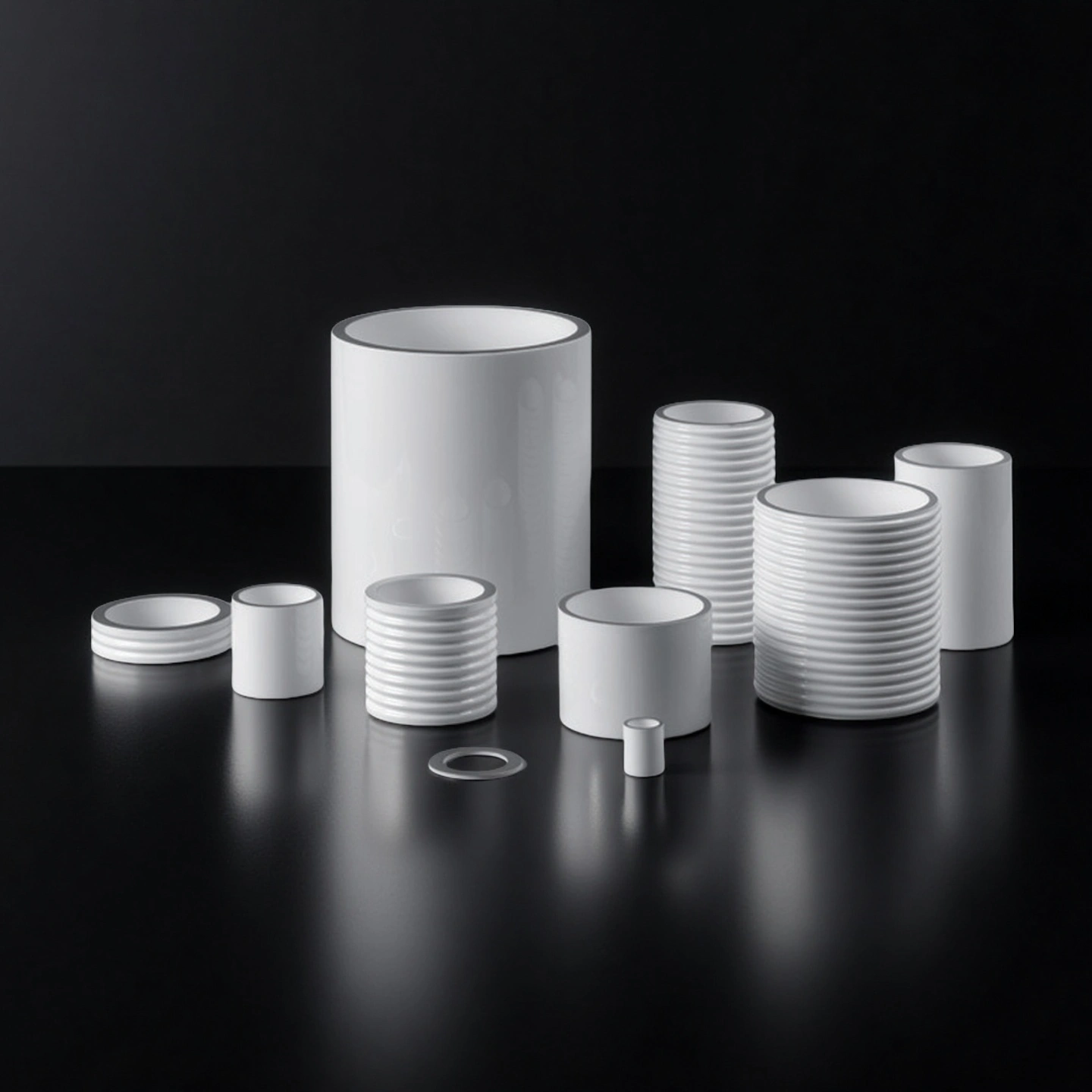
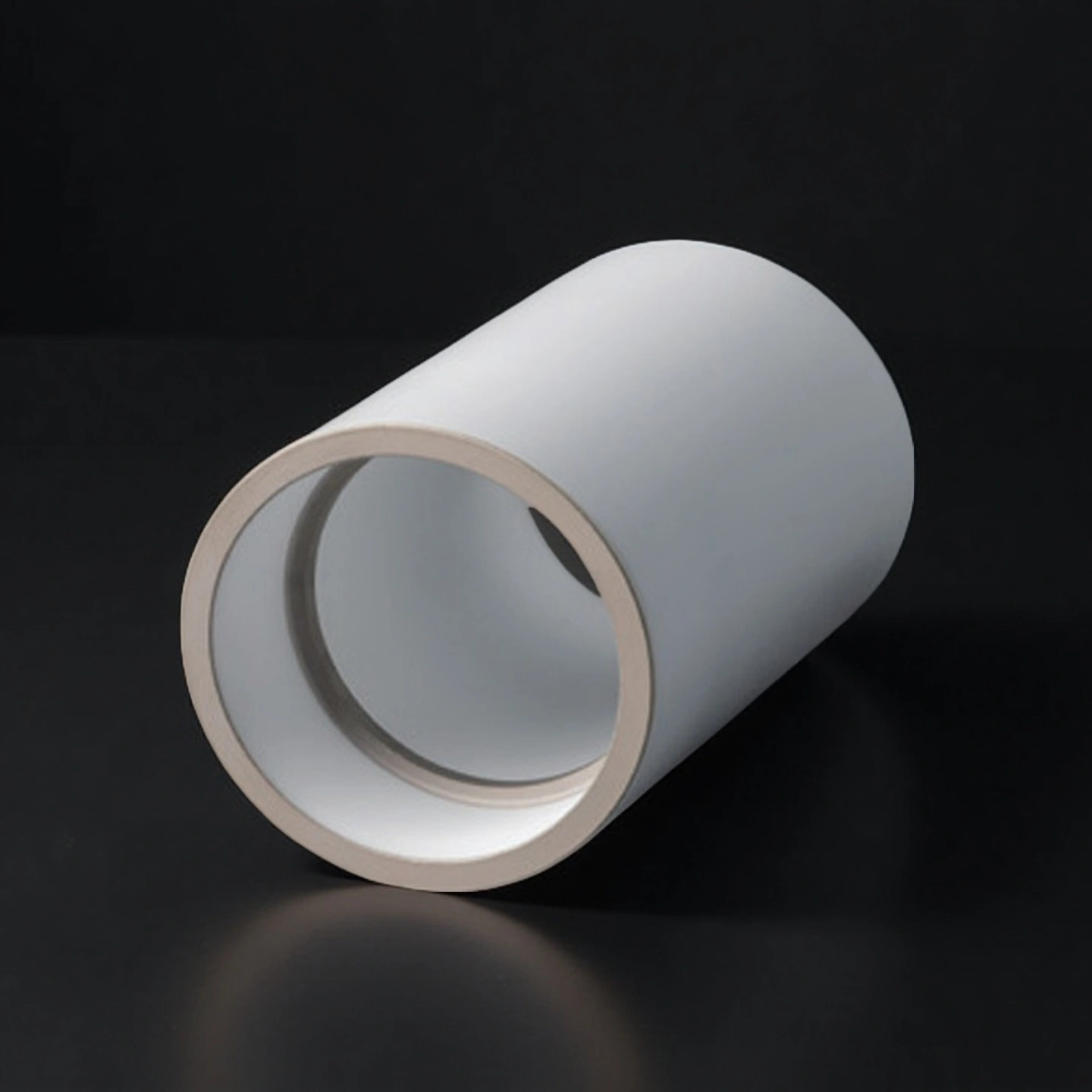
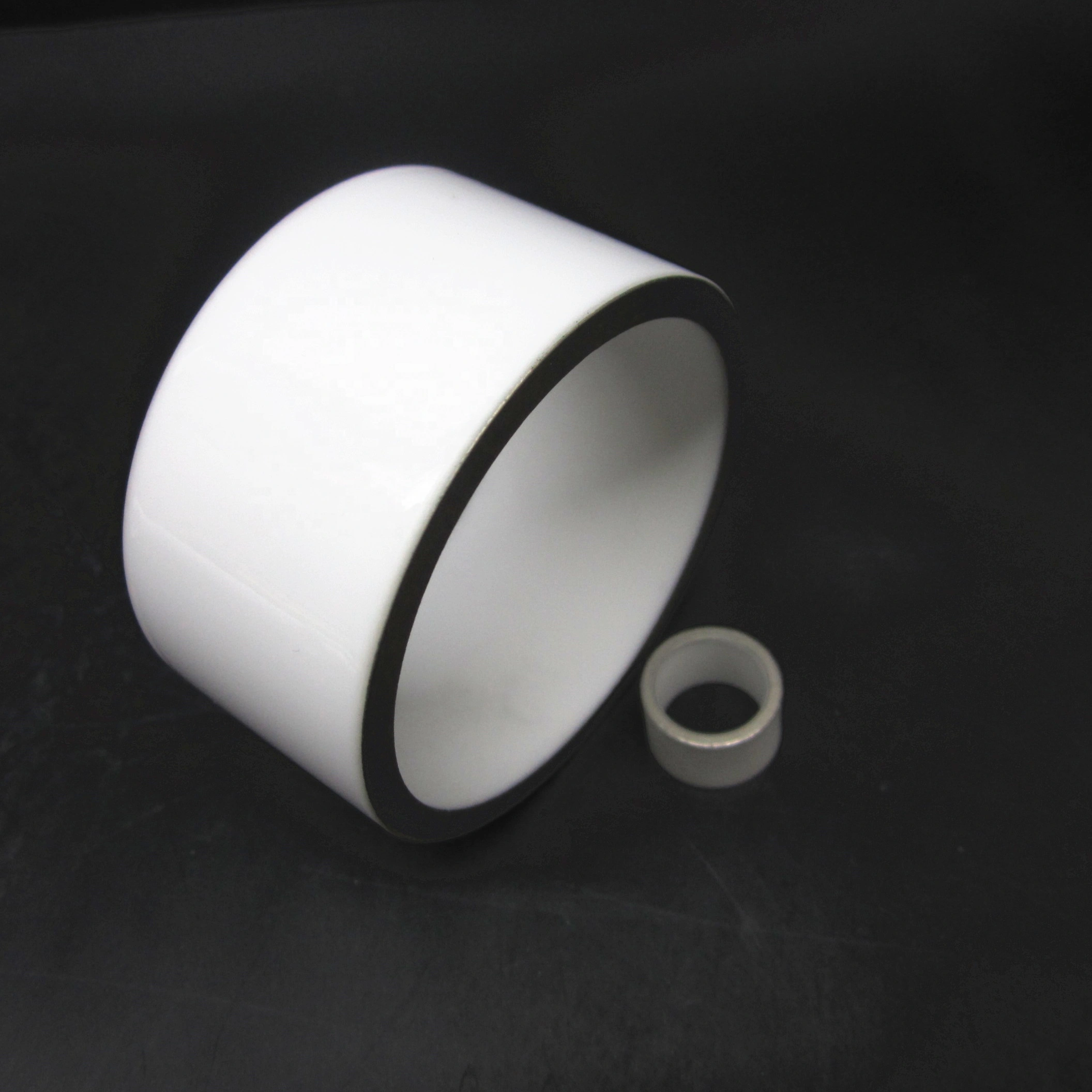
Metallized Alumina Ceramic Tube for Hermetic Brazing & High-Voltage Insulation

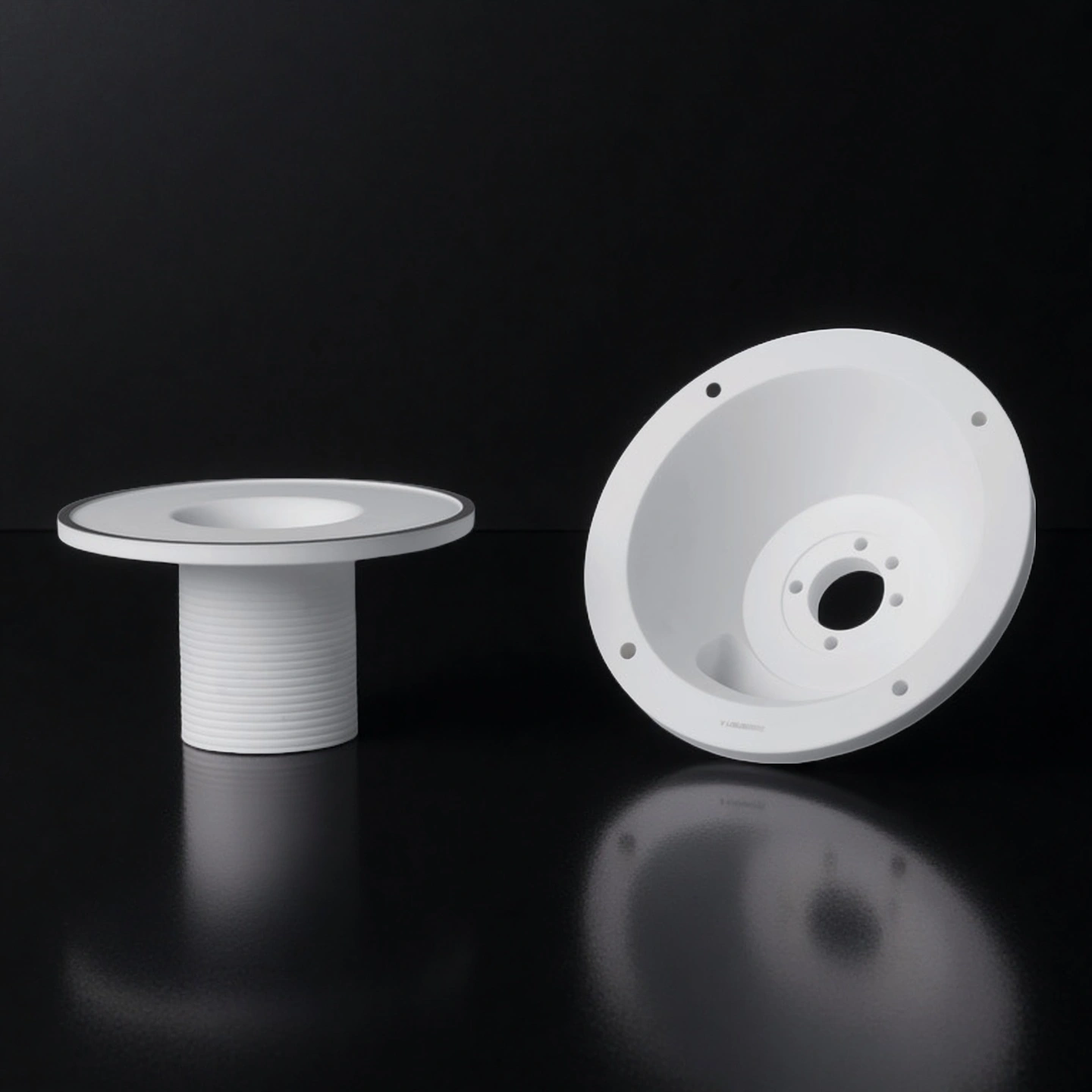
Metallized alumina ceramic insulators are engineered for vacuum sealing, high-voltage isolation, and ceramic-to-metal bonding. Available in tubes, rings, and substrates, these components support custom dimensions and surface finishes.

Catalogue No. AT-MO-B1001
Material Alumina
Dielectric strength ≥10 kV/mm
Tolerance ±0.1mm (customizable)
Dimensions/Sizes Download PDF
24H Standard Dispatch
Small Batch Support OEM
Factory Direct
Expert Engineering Support

Metallized alumina ceramic tube is an alumina (Al₂O₃) insulating tube whose selected areas are coated with a bondable metallization system—typically Mo-Mn baked into the ceramic surface and then nickel plated—so that the tube can be brazed or soldered to metals (e.g., Kovar, stainless steel, 42-alloy) to form gas-tight, high-voltage, and mechanically robust ceramic-to-metal assemblies.

Metallized Alumina Ceramic Tube Benefits

  • Band geometry control — Fixed band width/position for repeatable wetting and joint capillarity.
  • Brazing compatibility — Mo-Mn + Ni stack tailored for Ag-Cu-Ti/Kovar systems to reduce voids.
  • Dimensional stability — OD/ID tolerance to ±0.05–0.20 mm; coaxiality/runout optimized by size class.
  • Low-leak assemblies — Band adhesion and surface prep support ≤1×10⁻⁹ mbar·L/s assembly targets.
  • HV insulation path — Al₂O₃ dielectric supports compact creepage design in confined envelopes.


Properties of Metallized Alumina Ceramic Tube

Property Unit 99.7% Al₂O₃ 99.5% Al₂O₃ 99% Al₂O₃ 96% Al₂O₃
Color   Ivory White Ivory White Ivory White Ivory White
Density g/cm³ 3.94 3.9 3.83 3.6-3.75
Water Absorption % 0 0 0 0
Hardness Mohs Hardness 9.1 9 9 8.8
Flexural Strength (20°C) Mpa 330 320 300 260
Compressive Strength (20°C) Mpa 2300 2300 2210 1910
Maximum Operating Temperature °C 1730 1700 1680 1450
Thermal Expansion Coefficient(25°C to 800°C) 10⁻⁶/°C 7.6 7.6 7.6 7.6
Thermal Conductivity (25°C) W/(m·K) 29 27 24 22
Dielectric Strength (5mm thickness) AC-kv/mm 22 21 19 15
Dielectric Loss at 25°C@1MHz --- < 0.0001 < 0.0001 0.0003 0.0004
Dielectric Constant at 25°C@1MHz --- 9.8 9.7 9.5 9.2
Volume Resistivity (20°C) Ω·cm³ >10¹⁴ >10¹⁴ >10¹⁴ >10¹⁴
Volume Resistivity (300°C) Ω·cm³ 2*10¹² 2*10¹² 4*10¹¹ 2*10¹¹


Alumina Ceramic Metallization Tube Specifications

Metallized Alumina Ceramic
Item No. Outer Diameter(mm) Inner Diameter(mm) Length(mm) Purity
AT-MN-ZKG1001 7 4 10 95%
AT-MN-ZKG1002 8 5 10 95%
AT-MN-ZKG1003 10 6 15 95%
AT-MN-ZKG1004 16 12 20 95%
AT-MN-ZKG1005 61 48 106 95%
AT-MN-ZKG1006 100 87 150 95%


Metallized Alumina Ceramic Tube Packaging

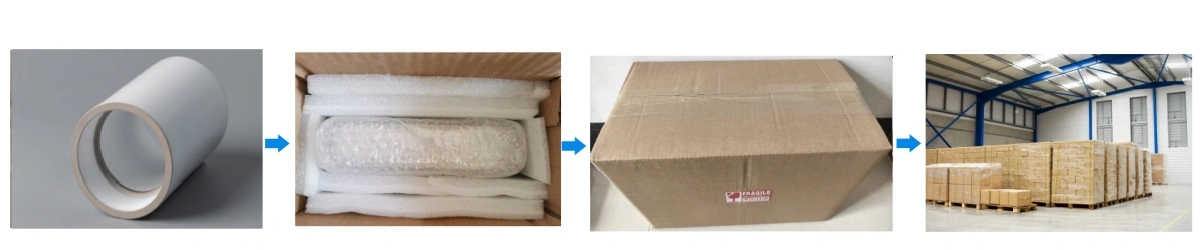
  • Each part is individually packed in anti-static foam trays.
  • Sealed plastic bags for moisture protection.
Metallized Alumina Ceramic Tube

Metallized Alumina Ceramics Tube Applications

  • Vacuum & High-Voltage Feedthroughs

    ✅Key Advantages

    1. Defined band wetting — Stable capillary fill reduces braze voids and rework.
    2. Leak-tight joints — Supports assembly targets down to 1×10⁻⁹ mbar·L/s.
    3. Compact insulation — ≥10 kV/mm dielectric enables shorter creepage paths.

    ✅ Problem Solved

    A HV analyzer retrofitted its feedthrough using a metallized alumina ceramic tube with a 2.5 mm-wide band at 6.0 mm from the end, Mo-Mn 15 µm + Ni 6 µm. First-pass helium test reached ≤5×10⁻¹⁰ mbar·L/s; runout improved from 0.12 mm to 0.06 mm, cutting assembly rework by 30% and shortening qualification by 2 weeks.

  • UV/IR Lamp & Ozone Generator Ends

    ✅Key Advantages

    1. Repeatable end sealing — Band position tolerance ±0.2 mm improves lamp-end uniformity.
    2. Thermal resilience — Al₂O₃ tube maintains geometry near 800–1,000 °C system exposure.
    3. Electrical isolation — Controlled creepage supports compact lampholder designs.

    ✅ Problem Solved

    A chlorination off-gas reactor showed ±18% temperature spread and weekly cleaning due to corroded stainless diffusers. After switching to a porous alumina diffusion rod (5 µm pore, Ø20 × 300 mm), gas distribution deviation fell to 6% and ΔP stabilized <18 kPa at 40 L/min.Material loss was not measurable after 500 h exposure to 10% HCl vapour; porosity and flow stayed within spec. Maintenance interval extended from 4 weeks to 12 weeks, saving ~32 h downtime per quarter and reducing spare-part spend by ~30%.

  • Laser/Analytics Sensor Interfaces

    ✅Key Advantages

    1. Small-form factor — Thin-wall tubes enable micro-bore channels without losing stiffness.
    2. Low particle surfaces — Lapped ends reduce particulates during clean build.
    3. Stable alignment — Coaxiality control ≤0.10 mm improves optical alignment yield.

    ✅ Problem Solved

    A spectrometry module used a 6×4×80 mm tube; with band mapping and lapped ends, optical alignment yield rose from 88% to 96%, and field returns dropped 40% over two quarters.

Metallized Alumina Ceramics Tube Usage Instructions

  • Installation

    1. Verify metallized band alignment:
    Check band position against the fixture or ferrule design before assembly. Perform a dry-fit test to confirm joint concentricity and braze gap clearance.
    2. Surface preparation:
    Degrease metallized or nickel-plated areas using isopropyl alcohol (IPA) or approved solvent; avoid direct contact with fingers to prevent surface oils that reduce wetting.
    3. Joint fit and tolerance control:
    Maintain radial clearance and joint gap as defined in the brazing alloy specification (typically 0.05–0.15 mm). Ensure full contact without stress points.
    4. Pre-braze inspection:
    Check for cracks, scratches, or flaking in the metallized zone. Replace parts with visible defects before brazing.
    5. Fixture support:
    Use graphite or alumina jigs to support the tube during brazing, avoiding metal clamps that may distort or scratch the surface.

  • Operation

    1. Maintain electrical and thermal safety:
    Observe required high-voltage creepage distances and prevent metallic contamination on exposed ceramic surfaces.
    2. Temperature control:
    Follow brazing or sealing alloy heating profiles. Apply gradual heating and cooling to avoid thermal shock and differential expansion stress between ceramic and metal parts.
    3. Environmental stability:
    When used in vacuum or inert atmospheres, verify that leak-rate targets and dielectric insulation are achieved after brazing and cleaning.
    4. In-service inspection:
    Periodically monitor joint integrity and metallized area discoloration, which may indicate micro-leak or oxidation over time.

  • Storage

    1. Environment: Store tubes in dry, dust-free cabinets or desiccated containers; relative humidity below 40% RH is preferred.
    2. Handling: Avoid stacking directly on metallized zones; use soft dividers or bubble wrap to prevent surface abrasion.
    3. Traceability: Maintain lot labels and production batch codes for later inspection or maintenance reference.

  • Cleaning

    1. Routine maintenance: Wipe ceramic and metallized surfaces using lint-free wipes and non-corrosive solvents. Avoid abrasive pads, brushes, or strong acids on Ni-plated bands.
    2. Deep cleaning: If flux or oxide residue remains after brazing, use ultrasonic cleaning in neutral detergent solution for ≤3 minutes, then rinse with deionized water.
    3. Drying: Air-dry under filtered airflow or bake at 120°C for 30 minutes before storage or further processing.
    4. Handling caution: Always wear nitrile gloves and use clean tweezers; fingerprints on nickel zones can cause non-wetting during next brazing cycle.

Metallized Alumina Ceramics Tube FAQ

  1. Q: What is the purpose of metallization on an alumina ceramic tube?
    A: Metallization allows the alumina tube to be brazed or soldered to metals such as Kovar, stainless steel, or 42-alloy. The Mo-Mn + Ni coating creates a bondable interface while the rest of the tube remains a high-dielectric ceramic insulator, ensuring both mechanical stability and hermetic sealing.
  2. Q: What is the typical metallization system used for metallized alumina ceramic tubes?
    A: The standard system is Mo-Mn (10–25 µm) fired into the ceramic, followed by nickel plating (3–10 µm) for wetting. Optional overcoats like Ni + Au or Ni + Ag can be applied when higher brazing compatibility or oxidation resistance is needed.

  3. Q: What purity of alumina is used, and how does it affect performance?
    A: Metallized tubes are typically made from 95–99.7% Al₂O₃. Higher purity improves dielectric strength, thermal conductivity, and resistance to ionic contamination, which are critical for vacuum feedthroughs and high-voltage insulation.

  4. Q: How hermetic are metallized alumina ceramic tubes after brazing?
    A: When brazed under proper vacuum and alloy conditions, these tubes can achieve helium leak rates ≤1×10⁻⁹ mbar·L/s, meeting the requirements for hermetic electronic packages, vacuum devices, and gas-handling systems.
  5. Q: What dimensions and tolerances can be achieved for metallized alumina ceramic tubes?
    A: Typical sizes range OD 6–32 mm, wall 0.6–3.0 mm, and lengths up to 300 mm (custom longer). Dimensional tolerances are ±0.05–0.20 mm, while band width and position can be held within ±0.1–0.3 mm depending on geometry.
  6. Q: Can the metallized alumina ceramic tube be customized according to my drawing?
    A: Yes. ADCERAX supports fully custom designs, including specific band width, band spacing, Ni thickness, end geometry (chamfer, step, groove), and even multi-band or windowed patterns for selective brazing. A drawing or 3D model accelerates quotation and DFM evaluation.

Metallized Alumina Ceramic Tube Reviews

  • ⭐️⭐️⭐️⭐️
    ADCERAX metallized alumina ceramic tubes brazed cleanly to Kovar parts. Dimensional accuracy ±0.1 mm and consistent leak-tight joints improved our vacuum assembly yield.
    -- John W., Procurement Manager, UltraVac Systems (USA)
  • ⭐️⭐️⭐️⭐️⭐️
    Standard metallized alumina tubes matched our fixtures and tolerances. Good surface quality and fast delivery from the ADCERAX factory.
    -- Dr. Anna K., R&D Engineer, PhotonTech (Germany)
  • ⭐️⭐️⭐️⭐️⭐️
    Nickel-plated metallized tubes maintained integrity through 500 thermal cycles. Ideal for our sealed sensor housings.
    -- Michael T., Operations Director, PowerPulse (UK)
  • ⭐️⭐️⭐️⭐️⭐️
    Received custom 400 mm metallized alumina ceramic tubes on time. Precise machining, clear drawings, and smooth installation.
    --Yumi S., Process Engineer, NexGen Sensors (Japan)
customize size

Customize Metallized Alumina Ceramic Tube

A focused engineering flow converts your functional targets into manufacturable band geometry and tolerances. Use the list below to specify what you need:

  • Outer / Inner Diameter & Wall:
    Available OD 6–32 mm, wall thickness 0.6–3.0 mm; typical tolerances ±0.05–0.20 mm depending on size.
    Custom diameters up to Ø50 mm can be evaluated for special assemblies requiring wider creepage or thicker walls.

  • Length:
    Standard lengths up to 300 mm, longer versions available on request after run-out and straightness review.
    Both one-end metallized and dual-end metallized tubes are supported for extended feedthrough designs.

  • Banding (Metallization Pattern):
    Flexible band placement from each tube end, adjustable band width (1–15 mm), and band length as per drawing.
    Optional multi-band zones, windowed metallization, or mask-defined segments for controlled brazing areas.

  • Metallization Stack:
    Base layer Mo-Mn (10–25 µm) fired into the ceramic surface, over-plated with nickel (3–10 µm) for wetting.
    Optional top coatings include Ni + Au (0.5 µm) or Ni + Ag for brazing compatibility with Kovar, 42-alloy, or stainless steel.

  • End Details:
    Choices include square cut, chamfer, stepped shoulder, groove, or partial closure to fit different sealing geometries.
    Ends can be precision-machined for o-ring seating or brazing sleeve integration.

  • Form Factor:
    Round tubes as standard; oval, slot-ID, or micro-bore versions possible subject to tooling and sintering feasibility.
    Thin-wall configurations available for weight-critical or compact vacuum assemblies.

  • Surface Finish:
    Options include as-fired, lapped/polished, or bead-blasted with metallization mask for controlled brazing cleanliness.
    Surface Ra achievable down to 0.4 µm on polished sections; band transition edges clearly defined for consistent wetting.

Related Products

ADCERAX - Your Trusted Advanced Ceramics Manufacturing Partner

Direct factory manufacturing with comprehensive ceramic materials expertise and global supply capabilities

Direct Factory Manufacturing

China-based ceramic materials production facility with state-of-the-art equipment

Engineering Team

Experienced professionals in advanced ceramics applications and custom design

Quality Control

Strict quality control standards for technical ceramics manufacturing and quality management

Global Supply Chain

Serving customers worldwide with technical ceramics and rapid response

24/7 Technical Support

Round-the-clock support for ceramic components inquiries and technical assistance

500+ Satisfied Customers

Trusted by global customers for advanced ceramic materials and precision components

Get in touch with us

Our team will be happy to respond to you in less than 24 hours.

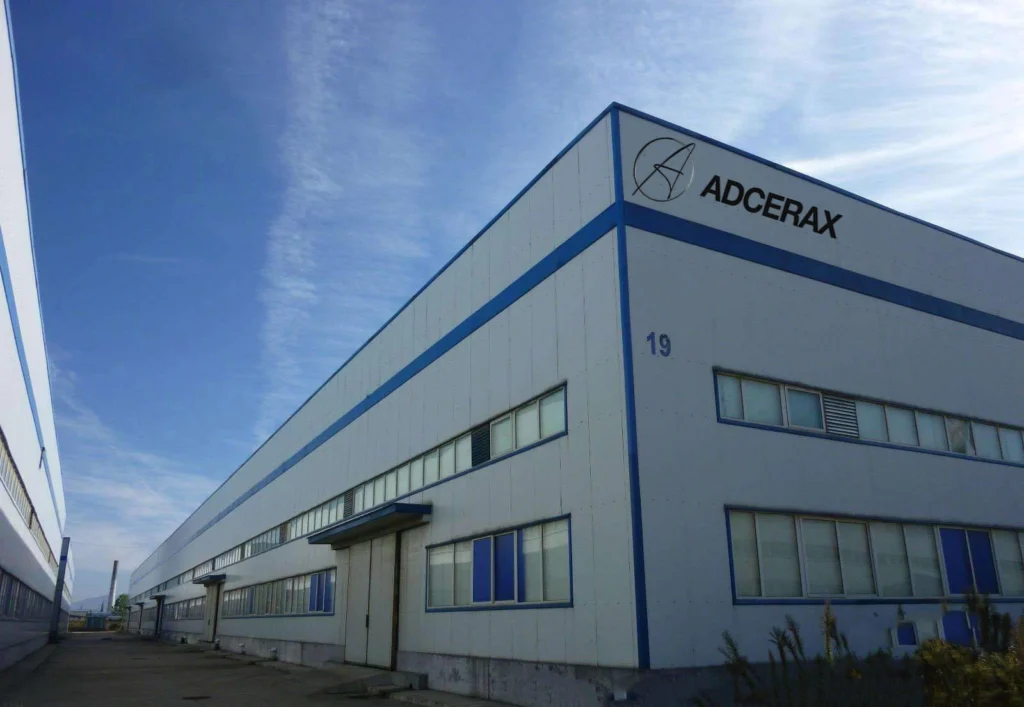
Adcerax's factory

Quick Quotation

*Our team will answer your inquiries within 24 hours.

*Your information will be kept strictly confidential.

Ready to Solve Your Engineering Challenge?

Partner with ADCERAX for reliable, high-performance advanced ceramic solutions. Our engineers are ready to discuss your project.

E-mail

info@adcerax.com

Phone

+(86) 0731-74427743 | WhatsApp: +(86) 19311583352

Response Time

Within 24 hours

Quick Quote

The more details you provide, the faster we can quote.

*We respond within 24 hours. All inquiries are confidential.

Download Catalog

Get Your Custom Sulution

The more details you provide, the faster we can respond.

customize size

*We respond within 24 hours. All inquiries are confidential.

Download Catalog