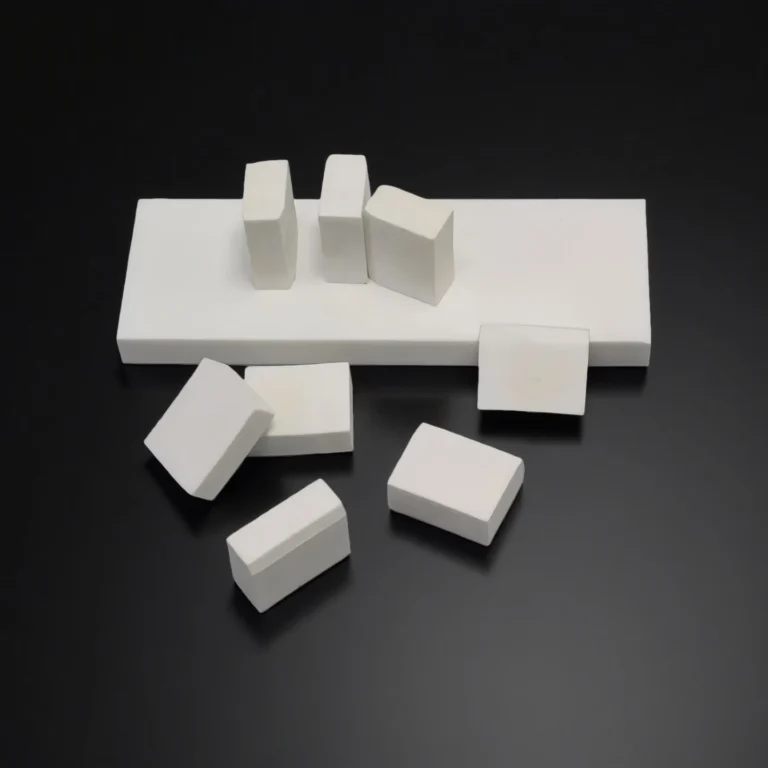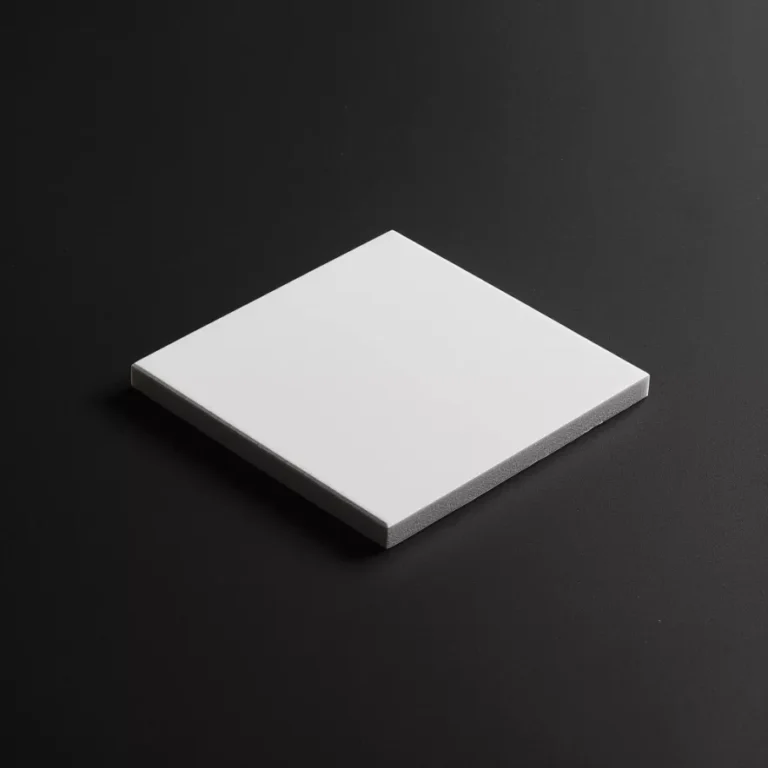
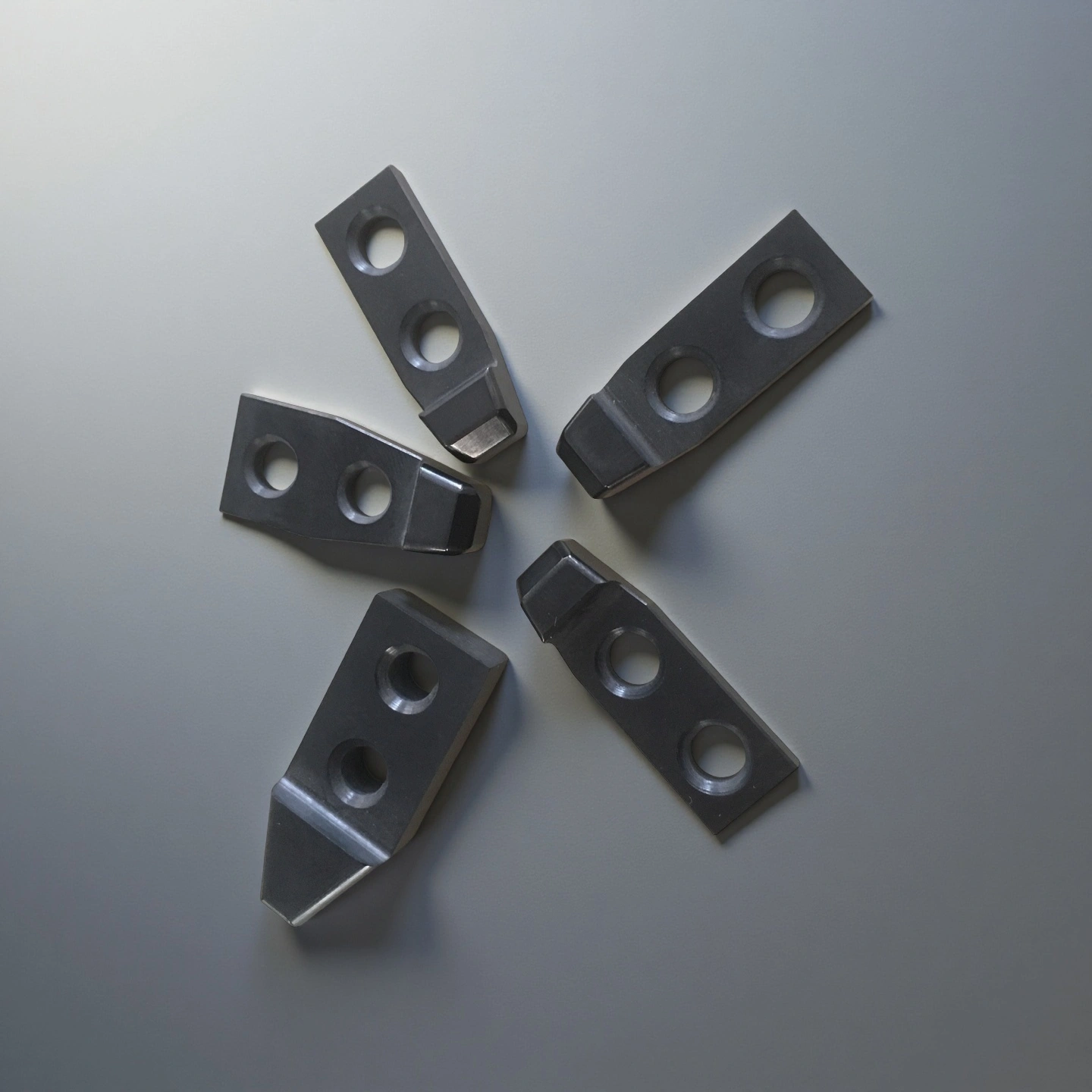
Silicon Nitride Plate (Sheet) — Precision Ground Plates for Heat-Cycle, Non-Wetting and Wear Applications

Silicon nitride (Si₃N₄) plate is a precision-ground flat component for heat-treated fixtures, molten aluminum contact, and abrasion control. Sizes from 50×50 to 300×300 mm and 0.3–10 mm thickness are available; custom features are supported.

Catalogue No. AT-SIN-PT1001
Material Silicon Nitride
Thermal Expansion Coefficient 2.5–3.2×10⁻⁶/K (RT–800 °C)
Flexural Strength 580–700 MPa
Vickers Hardness HV10 14–16 GPa
24H Standard Dispatch
Small Batch Support OEM
Factory Direct
Expert Engineering Support

Silicon nitride (Si₃N₄) plate is a flat, rigid ceramic component made from silicon nitride that’s sintered and usually precision-ground to serve as a wear, support, or isolation surface in high-temperature and abrasive environments. It’s chosen when a plate must stay dimensionally stable across heat cycles, resist aluminum wetting, and tolerate mechanical contact better than most conventional ceramics.


Silicon Nitride Ceramic Plate Benefits

1. Flatness retention after repeated heat cycling
Silicon nitride ceramic plates maintain geometric stability even after hundreds of heating and cooling cycles.
Their low coefficient of thermal expansion (2.5–3.2×10⁻⁶/K) and high flexural strength (≈600 MPa) minimize warpage, allowing precise positioning in jigs and furnace fixtures.

2. Non-wetting behaviour with aluminum alloys
The Si₃N₄ surface prevents molten aluminum from adhering or reacting, significantly reducing dross buildup and maintenance time.
This property helps extend cleaning intervals by up to 70% compared with conventional oxide ceramics used in casting and foundry lines.

3. Edge and surface integrity under clamping and sliding contact
High hardness (HV10≈14–16 GPa) and microstructural toughness protect the plate from edge chipping and abrasion when under load.
It withstands clamping pressure and mechanical sliding without flaking, keeping hole geometry and sealing surfaces consistent over long service periods.

4. Dimensional repeatability across batches
Each silicon nitride plate can be ground to consistent thickness (±0.05–0.10 mm) and parallelism (≤0.1 mm/100 mm).
This repeatability ensures interchangeable spares across multiple fixtures or furnace sets, simplifying maintenance and stock control.

5. Grindability to target Ra and controlled tolerance
Si₃N₄’s machinability in the finished state enables customized Ra ≤ 1.6 µm and tight thickness control.
It allows precise stack-ups or air-gap calibrations in assemblies, ensuring stable fit-up and thermal balance throughout the product lifecycle.


Silicon Nitride Sheet Properties

Si3N4 Type Gas pressure sintering Si3N4 Hot pressing sintering Si3N4 High thermal conductivity Si3N4
Density (g/cm3) 3.2 3.3 3.25
Flexture strength (MPa) 700 900 600~800
Young Modulus (GPa) 300 300 300~320
Poisson's ratio 0.25 0.28 0.25
Compressive strength (MPa) 2500 3000 2500
Hardness (GPa) 15 16 15
Fracture toughness (MPa*m1/2) 5~7 6~8 6~7
Maximum working temperature (℃) 1100 1300 1100
Thermal conductivity (W/m*K) 20 25 80~100
Thermal expansion coefficient (/℃) 3*10-6 3.1*10-6 3*10-6
Thermal shock resistance (ΔT ℃) 550 800 /


Si3N4 Ceramic Plate Specifications

Silicon Nitride Ceramic Plate
Item No. Diameter (mm) Thickness (mm)
AT-SIN-PT1001 Customize


Reaction Bonded Silicon Nitride Sheet Packaging

  • Each ceramic plate is individually packed in anti-static foam trays.
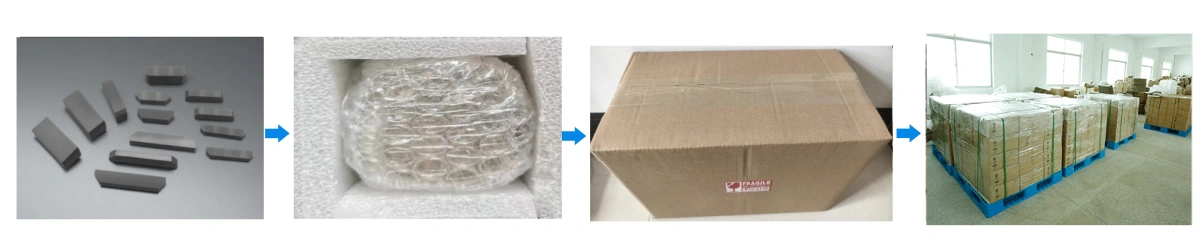
Reaction Bonded Silicon Nitride Sheet Packaging

Silicon Nitride Reaction-Bonded Sheet Application

  • Molten Aluminum Casting & Foundry Cells

    ✅Key Advantages

    1.  Non-Wetting Contact Surface — reduces aluminum buildup and post-run scraping time per shift.
    2. Flatness Stability — maintains parallel gaps in launders/gates after repeated heat cycles.
    3. Edge Integrity — drilled holes and slots resist micro-chipping during fixture changes.

    ✅ Problem Solved

    A die-casting cell replaced metallic inserts with silicon nitride plates on aluminum-contact surfaces. Buildup removal time per 8-hour shift fell from ~25 min to ~7 min; fixture re-alignment events dropped from 3 to 1 per week due to better flatness retention, adding ~1.5–2.0 % weekly uptime. The line subsequently standardized plate geometry to enable interchangeable spares across molds.

  • Heat-Treatment & Industrial Furnace Fixtures

    ✅Key Advantages

    1. Low CTE Plate — reduces thermal-cycle warpage and maintains hole-to-slot alignment.
    2. Ground Surface — stable Ra enhances part support and lowers imprint risk.
    3. Repeatable Tolerance Window — supports fixture interchange across multiple lines.

    ✅ Problem Solved

    A job shop processing tool steels moved to ground Si₃N₄ setter plates (200×200×6 mm, flatness ≤0.1 mm/100 mm). After 500+ cycles, plate deformation stayed within ≤0.12 mm; re-shimming frequency dropped by 60 %, cutting changeover labor ~30–40 min per batch.

  • Mining, Aggregates & Bulk Handling (Wear Surfaces)

    ✅Key Advantages

    1. High Hardness Plate — resists sliding abrasion on chutes and transfer points.
    2. Corner/Edge Engineering — chamfers prevent crack initiation under impact.
    3. Thickness Control — maintains target standoff to protect adjacent structures.

    ✅ Problem Solved

    On a limestone line, replacing alloy wear plates with Si₃N₄ wear plates extended change intervals from 6 to 14 weeks. Maintenance windows consolidated from bi-monthly to quarterly, lowering spare usage and unplanned downtime by ~18 hours per quarter.


Silicon Nitride Ceramic Plate Usage Instructions

  • Installation

    1. Verify plate flatness and thickness against the technical drawing using a calibrated gauge before mounting. Dry-fit the plate on locating pins to confirm alignment.
    2. Apply torque-limited fasteners and uniform pressure during installation. Avoid concentrated loads at unsupported corners or edges that can cause tensile stress and micro-cracks.
    3. For aluminum contact environments, ensure all mating metallic surfaces are clean and free of oxidation or burrs; metallic smears can act as bonding points and increase aluminum adhesion over time.
    4. If using adhesives or thermal interface layers, select materials with similar thermal expansion coefficients (CTE 2.5–3.2×10⁻⁶/K) to prevent interfacial stress.

  • In Service

    1. Follow the controlled heat-up and cool-down ramp specified for your furnace or fixture to minimize thermal shock. Rapid transitions beyond ±200 °C/min may exceed Si₃N₄’s allowable gradient.
    2. Keep abrasive fines and debris off ground surfaces. Periodically wipe the plate with lint-free, non-abrasive cloths to avoid third-body wear that gradually increases Ra and reduces flatness.
    3. Inspect hole and slot clearances every 500–1000 operating hours. If positional wear exceeds tolerance (≥0.1 mm shift), replace the plate or ream fixture pins to avoid misalignment.
    4. In molten aluminum service, rotate or flip plates periodically to distribute heat exposure evenly, extending service life.

  • Storage

    1. Store plates horizontally on flat trays or pallets with foam or polymer face separators to prevent face-to-face abrasion.
    2. Avoid vertical leaning on edges, which can concentrate static loads and create corner stress.
    3. Keep in a dry, temperature-stable environment (humidity ≤60 %), and avoid large temperature swings that cause condensation or thermal gradients.
    4. For long-term storage, use vacuum-sealed bags with desiccant to prevent surface oxidation or contamination before assembly.

  • Cleaning

    1. For aluminum-contact plates, start with a plastic scraper to remove surface residue; if required, use fine blasting media (≤50 μm alumina or glass beads) at <0.3 MPa air pressure to clean oxidation without eroding the glaze.
    2. For wear and support surfaces, wipe with alcohol or mild alkaline detergent, rinse with deionized water, and dry with warm air (<100 °C). Avoid steel brushes or aggressive abrasives that raise surface roughness above Ra 1.6 μm.
    3. After cleaning, inspect visually under 500 lux lighting for micro-cracks or edge defects before reuse.

  • Common Misuse & Fixes

    1. Over-tightening screws at corners → micro-cracks
    Fix: Apply torque control (recommended 2–3 N·m for M4 clamps) and use load-spreading washers or soft gaskets to reduce point stress.

    2. Rapid quenching from high temperature → thermal shock cracks
    Fix: Implement staged cooling in furnace programs; maintain ≤200 °C/min ramp down. Avoid cold-air exposure immediately after furnace extraction.

    3. Improper stacking or transport → corner chipping
    Fix: Always use foam-corner protectors and flat support boards. Do not stack more than five plates per layer during handling or shipment.

Silicon Nitride Plate (Sheet) FAQ

  1. Q: What makes a silicon nitride ceramic plate(sheet) different from common oxide ceramics?
    A: Silicon nitride plates combine high strength (≈600 MPa) with low thermal expansion (2.5–3.2 × 10⁻⁶/K), meaning they stay flat even after hundreds of heat cycles. Unlike alumina, which can warp or crack under rapid temperature changes, Si₃N₄ offers superior thermal-shock tolerance and edge toughness, making it ideal for precision jigs, heat-treatment setters, and aluminum-contact applications.
  2. Q: How does a silicon nitride sheet prevent aluminum wetting and buildup?
    A: The covalent Si–N bonds and surface oxide film of Si₃N₄ generate low surface energy against molten aluminum. This causes droplets to bead rather than spread, effectively preventing chemical adhesion. In foundry environments, non-wetting behavior can reduce cleaning downtime by 60–70 % and extend replacement intervals.
  3. Q: What are the recommended flatness and surface finish levels for Si₃N₄ plates used in fixtures or furnace setters?
    A: For most industrial setups, flatness ≤ 0.10 mm/100 mm and parallelism ≤ 0.10 mm ensure reliable part support and heat uniformity. Ground surfaces typically reach Ra ≤ 1.6 µm, while optical or sealing surfaces may be polished to Ra ≤ 0.4 µm. Tighter tolerances are achievable on small-format plates.
  4. Q: Can Si3N4 plates be customized with holes, slots, or complex profiles?
    A: Yes. The material can be diamond-machined to include through holes, countersinks, or pockets with positional tolerances of ±0.05–0.10 mm. Design reviews usually address minimum edge spacing (≥ 1.5 × hole Ø) and chamfering to prevent micro-cracks during assembly.
  5. Q: How does silicon nitride compare to SiC or AlN plates for thermal and mechanical performance?
    A: a. Si₃N₄: Balanced toughness + thermal stability; best for shock and mechanical stress.
    b. SiC: Higher thermal conductivity but brittle under impact.
    c. AlN: Excellent thermal conduction but moisture-sensitive and costly.
    Thus, Si₃N₄ is often the preferred structural ceramic for repeated thermal cycling and mechanical loading.

  6. Q: What information should be provided when requesting a quotation for silicon nitride plates?
    A: Include L × W × T dimensions, tolerance targets, surface finish (Ra), flatness requirement, hole/slot layout, edge radius or chamfer details, and intended application (e.g., molten aluminum contact, furnace setter, wear plate). Drawings in STEP, DWG, or PDF formats enable accurate cost and lead-time evaluation.

Silicon Nitride Ceramic Plate /Sheet Reviews

  • ⭐️⭐️⭐️⭐️⭐️
    We purchased several silicon nitride plates for use as precision support bases in our heat-treatment jigs. The flatness and dimensional repeatability were excellent — within ±0.05 mm across 250 mm size. After 400+ cycles, no visible deformation or surface pitting occurred. These Si₃N₄ plates outperform alumina parts we used before, especially in maintaining alignment during thermal cycling.
    -- Markus R., Process Engineer, ThermoForm GmbH
  • ⭐️⭐️⭐️⭐️⭐️
    Our team replaced graphite liners with sintered silicon nitride ceramic sheets supplied by ADCERAX. The non-wetting surface against molten aluminum significantly reduced cleaning frequency and dross adhesion. Even after 900 casting runs, the plates remained dimensionally stable and easy to clean. They’ve become a core part of our foundry tooling.
    -- Jonathan K., Maintenance Supervisor, AluCast Systems Inc.
  • ⭐️⭐️⭐️⭐️⭐️
    For our vacuum furnace project, we selected reaction bonded silicon nitride sheets because they offer a lighter structure with sufficient thermal-shock resistance. The finish quality was uniform, and delivery included full inspection data. Compared with sintered types, these silicon nitride reaction bonded sheets are cost-effective for non-load-bearing thermal shields.
    -- Dr. Ayumi Tanaka, Materials Scientist, Kyowa LabTech
  • ⭐️⭐️⭐️⭐️⭐️
    ADCERAX customized a batch of silicon nitride – reaction bonded sheets and thicker silicon nitride plates with counterbored holes for our automation fixtures. Communication was smooth, and tolerances matched our CAD drawings perfectly. The combination of lightweight sheets and dense plates allowed us to optimize both cost and rigidity in our design.
    --Carlos E., Project Engineer, MechaSol Industrial S.L.
customize size

Custom Silicon Nitride Plate

Most silicon nitride ceramic plates are drawing-based orders. Each project begins with a geometry review and manufacturability check to confirm tolerance, flatness, and feature feasibility before sample fabrication.

  • Overall Size & Geometry
    Define plate length, width, and thickness within 50×50–300×300 mm and 0.3–10 mm range.
    Large-format or thin-section plates can be optimized for minimal bow and stable parallelism.

  • Thickness & Dimensional Tolerance
    Standard machining accuracy ±0.05–0.10 mm; tighter control (±0.03 mm) available for smaller formats.
    Batch-to-batch consistency supports interchangeable spares and calibrated stack assemblies.

  • Flatness & Parallelism
    Ground flatness ≤0.05–0.20 mm per 100 mm; parallelism maintained within ≤0.1 mm.
    Squareness or perpendicularity inspection can be added for precision fixture plates.

  • Machined Features
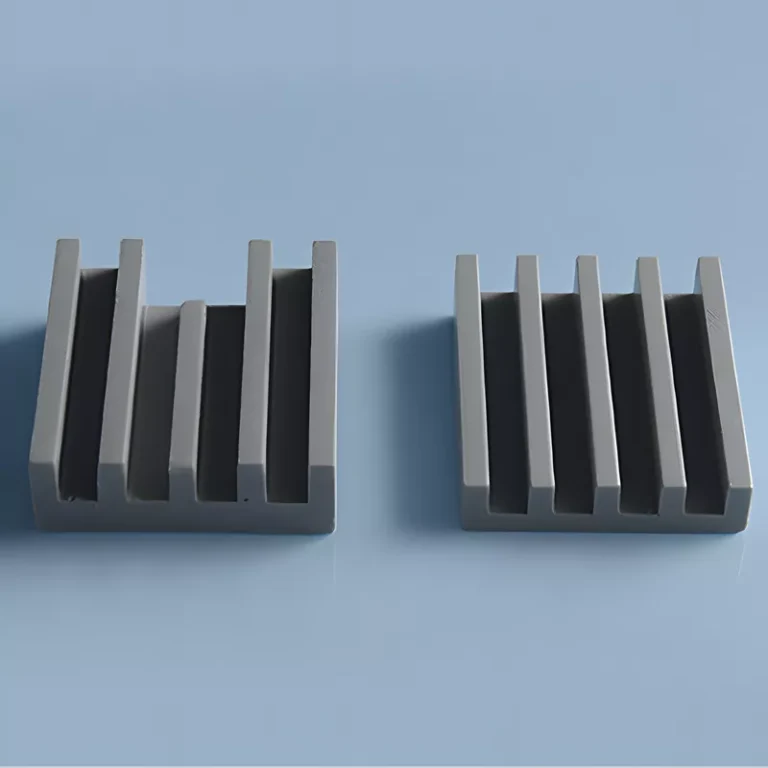
    Through holes, countersinks, counterbores, slots, pockets, or positioning pins are machined per drawing.
    Complex features use diamond tooling to maintain edge integrity and avoid micro-cracks.

  • Edge Engineering
    Chamfers C0.2–C0.5 or radii R0.5–1.0 minimize chipping and ease installation into metallic frames.
    Sharp edges can be retained upon request for surface-mount or locator fit-ups.

  • Surface Finish Options
    One- or two-sided grinding available (Ra ≤ 0.8–1.6 μm typical).
    Optional single-side polish (<0.4 μm Ra) for critical sealing or aluminium-contact applications.

  • Material Grade Selection
    Choose among wear-grade Si₃N₄ for abrasion resistance, heat-cycle grade for dimensional stability,
    or aluminum-contact grade for low wetting and oxidation control.

Related Products

ADCERAX - Your Trusted Advanced Ceramics Manufacturing Partner

Direct factory manufacturing with comprehensive ceramic materials expertise and global supply capabilities

Direct Factory Manufacturing

China-based ceramic materials production facility with state-of-the-art equipment

Engineering Team

Experienced professionals in advanced ceramics applications and custom design

Quality Control

Strict quality control standards for technical ceramics manufacturing and quality management

Global Supply Chain

Serving customers worldwide with technical ceramics and rapid response

24/7 Technical Support

Round-the-clock support for ceramic components inquiries and technical assistance

500+ Satisfied Customers

Trusted by global customers for advanced ceramic materials and precision components

Get in touch with us

Our team will be happy to respond to you in less than 24 hours.

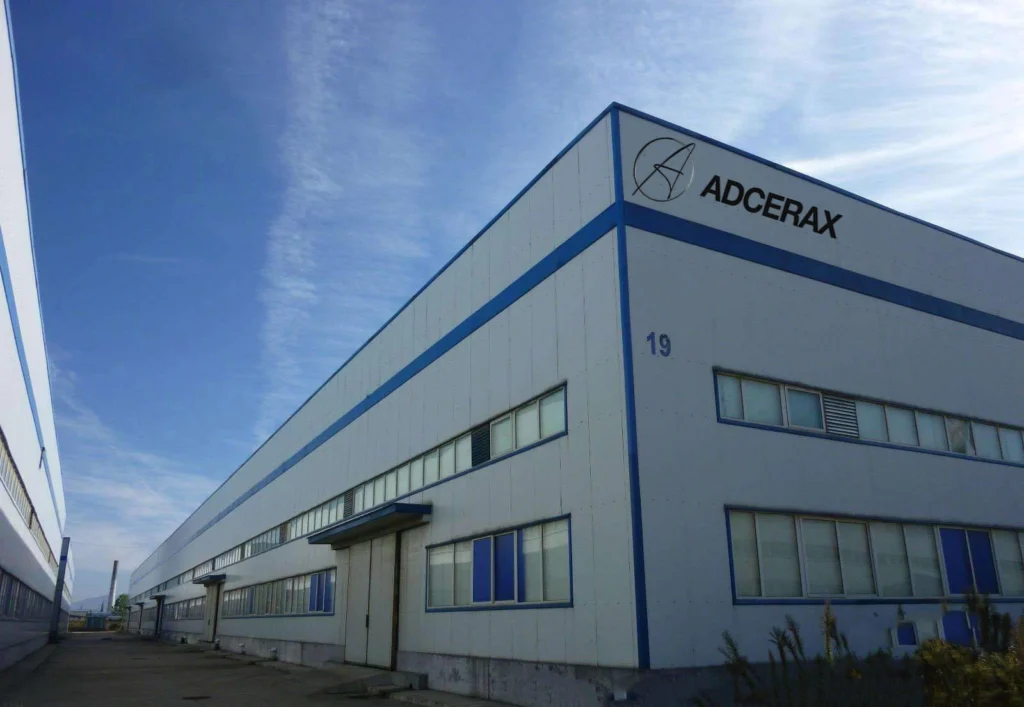
Adcerax's factory

Quick Quotation

*Our team will answer your inquiries within 24 hours.

*Your information will be kept strictly confidential.

Ready to Solve Your Engineering Challenge?

Partner with ADCERAX for reliable, high-performance advanced ceramic solutions. Our engineers are ready to discuss your project.

E-mail

info@adcerax.com

Phone

+(86) 0731-74427743 | WhatsApp: +(86) 19311583352

Response Time

Within 24 hours

Quick Quote

The more details you provide, the faster we can quote.

*We respond within 24 hours. All inquiries are confidential.

Download Catalog

Get Your Custom Sulution

The more details you provide, the faster we can respond.

customize size

*We respond within 24 hours. All inquiries are confidential.

Download Catalog