

Crystal-Engineered Silicon Carbide Substrate for Electrical Energy Modules
The Silicon Carbide Substrate demonstrates a set of quantifiable material properties that enable stable behavior in high-temperature, high-power, and high-frequency device environments, forming a reliable foundation for power electronics, RF systems, and optoelectronic integration.
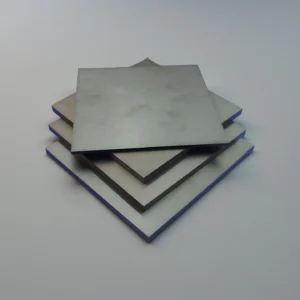
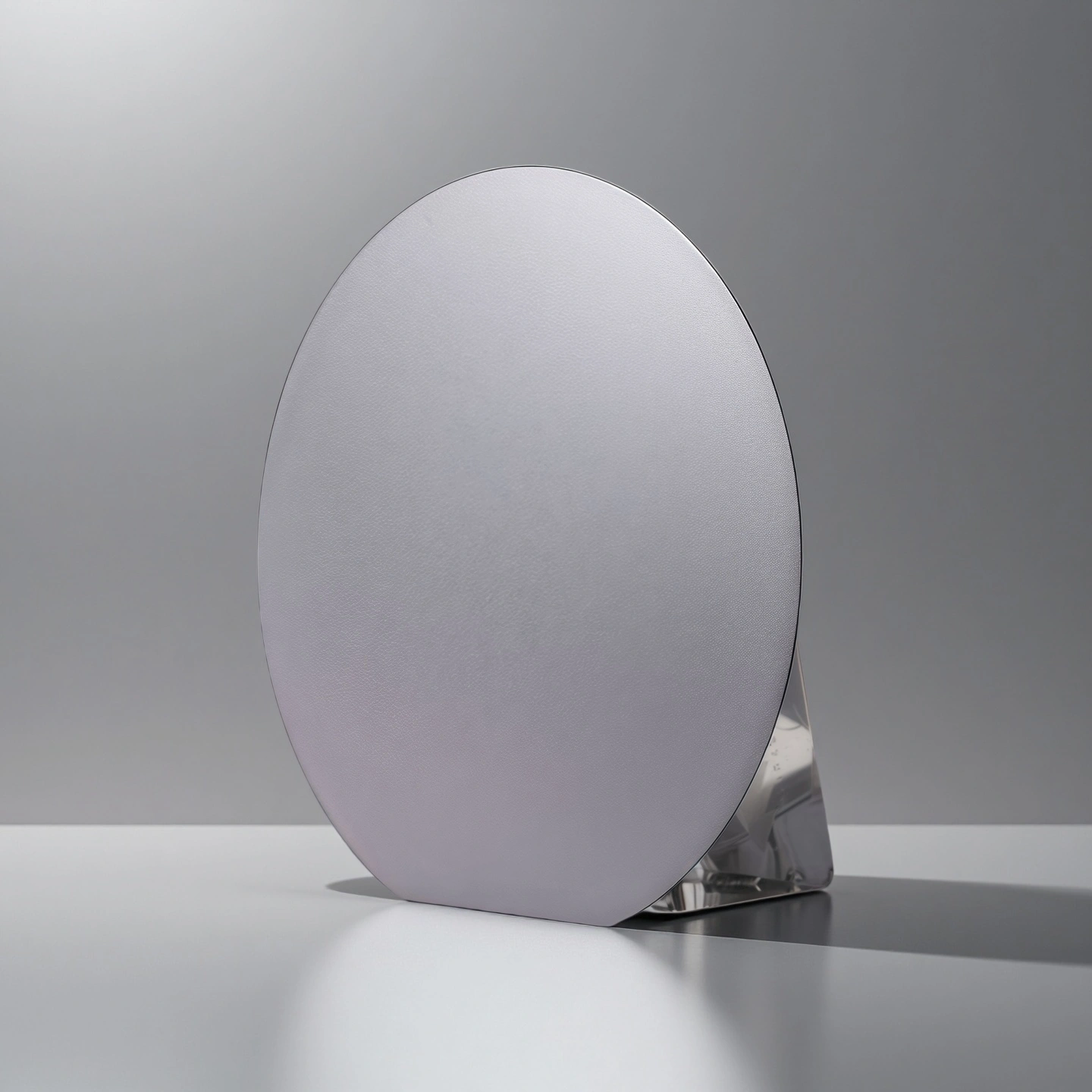
ADCERAX® Silicon Carbide Substrate supports advanced semiconductor development by combining wide-bandgap material characteristics with stable thermal, mechanical, and electrical behavior under demanding operating environments. Its crystal structure enables reliable performance in high-temperature, high-voltage, and high-frequency device architectures, allowing consistent functionality across power electronics, RF systems, and optoelectronic applications. These properties create a continuous performance path from material selection to device integration, ensuring predictable behavior throughout the full development cycle.
Advanced Material Characteristics of Silicon Carbide Substrate
High Breakdown Field Capability The material sustains electric fields above 3 MV/cm, allowing compact vertical device geometries.
Wide Bandgap Operation A bandgap of 3.2–3.4 eV maintains carrier stability under elevated junction temperatures.
Stable Resistivity Control Conductive and semi-insulating forms maintain resistivity within controlled engineering ranges, including values exceeding 10⁵ Ω·cm for RF isolation.
High Elastic Modulus The substrate maintains an elastic modulus between 450–470 GPa, ensuring limited deformation during processing.
Low Thermal Expansion The coefficient of thermal expansion remains within 4.0–4.6×10⁻⁶/K, limiting stress accumulation during rapid temperature transitions.
Thermal Conductivity Advantage Thermal conductivity between 120–160 W/m·K ensures efficient heat spreading under high power density.
Low Micropipe Density Advanced growth technologies reduce micropipe density to ppm-level, improving yield in vertical device fabrication.
Flatness and Geometry Control Wafer geometry parameters such as TTV, warp, and bow remain within tightly regulated engineering windows, often measured in micron-level ranges.
Technical Specifications of Silicon Carbide Substrate
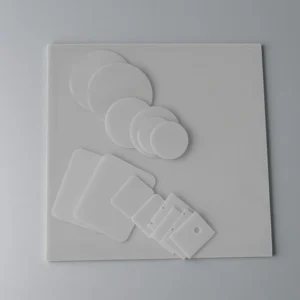
The Silicon Carbide Substrate exhibits quantifiable physical, thermal, electrical, and structural characteristics that define its behavior in high-temperature, high-frequency, and high-power applications, allowing consistent performance analysis in laboratory and device-development environments.
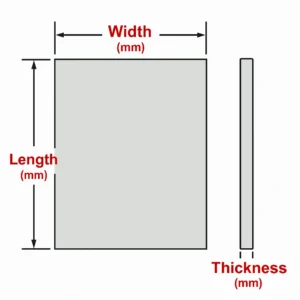
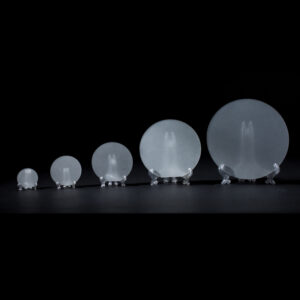
10x3, 10x5, 10x10, 15x15, 20x15, 20x20, dia2", 15 x 15 mm, 10x10mm, etc.
Thickness
0.5mm, 1.0mm
Polishing
Single-sided or Double-sided
Crystal Orientation
<001>±0.5°
Crystal Face Orientation Accuracy
±0.5°
Edge Orientation Accuracy
2° (Special requirements can reach within 1°)
Off-cut Wafer
Wafers with edge-oriented crystal faces can be processed at a specific angle (tilt angle 1° - 45°) according to specific requirements.
Ra:
≤5Å (5μm×5μm)
Packaging
Class 100 clean bag, Class 1000 cleanroom
Square Silicon Carbide Substrates
Item No.
Length(mm)
Width(mm)
Thickness (mm)
AT-SIC-CD001
10
3
0.5/1.0
AT-SIC-CD002
10
5
0.5/1.0
AT-SIC-CD003
10
10
0.5/1.0
AT-SIC-CD004
15
15
0.5/1.0
AT-SIC-CD005
20
15
0.5/1.0
AT-SIC-CD006
20
20
0.5/1.0
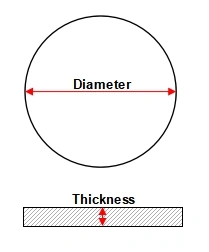
Round Silicon Carbide Substrates
Item No.
Diameter(Inches)
Thickness (mm)
AT-SIC-CD101
2inches
0.5/1.0
AT-SIC-CD102
3inches
0.5/1.0
AT-SIC-CD103
4inches
0.5/1.0
AT-SIC-CD104
6inches
0.5/1.0
AT-SIC-CD105
8inches
0.5/1.0
Protective Packaging for Silicon Carbide Substrate
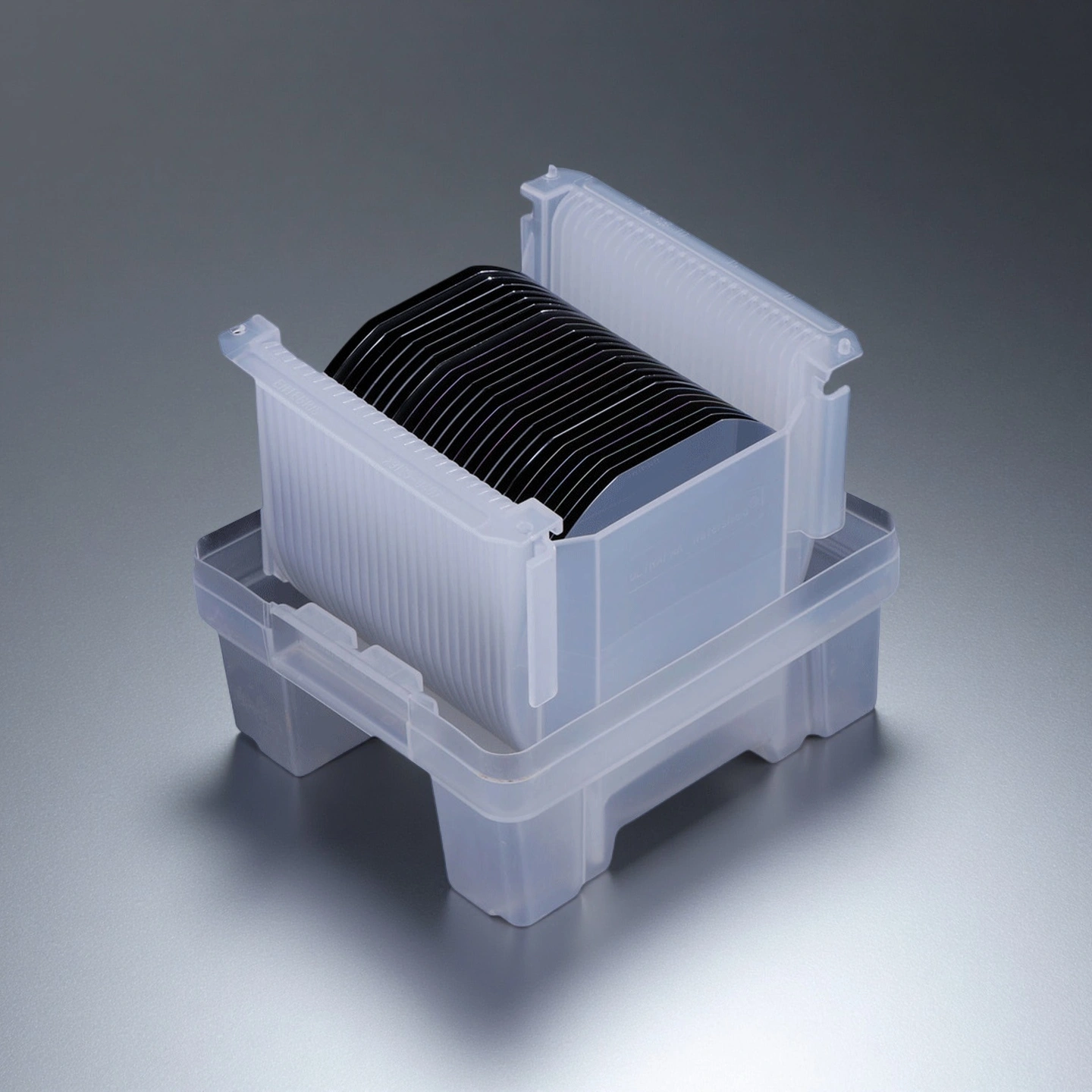
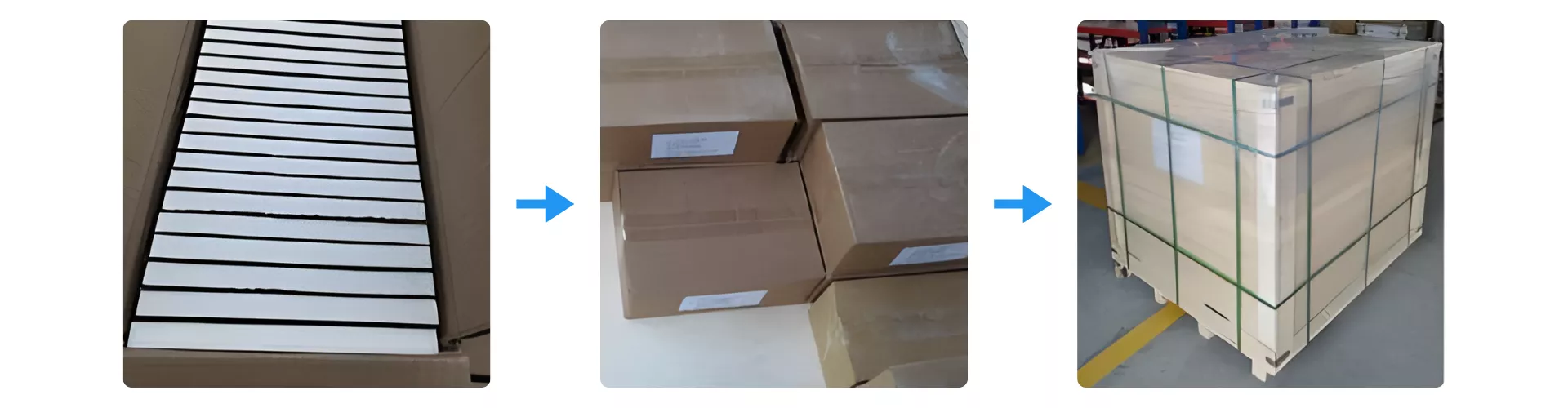
Silicon Carbide Substrate is packed through a multi-stage protective system to ensure stability during long-distance transportation. Each substrate is first placed in individual reinforced cartons, which are then consolidated into labeled shipping boxes to maintain traceability. All boxed units are finally secured on palletized frames with full perimeter strapping to prevent vibration, compression, or impact throughout the global logistics process.
ADCERAX® Silicon Carbide Substrate Overcomes Critical Performance Challenges in Real Industrial Devices
The Silicon Carbide Substrate supplied by ADCERAX® enables stable operation in high-stress electrical, thermal, and environmental conditions, allowing engineering teams to resolve measurable bottlenecks in power conversion, RF output stability, and high-temperature sensing reliability across demanding industrial systems.
Silicon Carbide Substrate in EV Traction Inverters and High-Power Converters
✅Key Advantages
1. Wide-Temperature Junction Stability The wide bandgap of 3.2–3.4 eV allows devices on ADCERAX® Silicon Carbide Substrate to maintain stable switching behavior at elevated junction temperatures. In traction inverter simulations, device characteristics remained within tight limits when junction temperature profiles were extended beyond 175 °C under repeated acceleration cycles.
2. High-Field Compact Device Layout A breakdown electric field close to 3 MV/cm supports higher blocking voltages without increasing chip area. This electrical margin enables designers to shrink die size while maintaining target voltage ratings, which helps reduce conduction path length and supports higher power density platforms.
3. Efficient Heat Spreading Under Cycling Thermal conductivity in the range of 120–160 W/m·K improves heat spreading from hotspots generated during rapid current transients. In high-power converter layouts, this property helped reduce peak temperature rise at critical nodes by more than 10–15 °C, supporting more stable operation during frequent start–stop and regenerative braking events.
✅ ️Problem Solved
An EV inverter development team reported recurring thermal runaway risk when using conventional substrates, with junction temperature spikes exceeding safe limits during repeated high-current ramps. Under endurance testing, modules showed accelerated degradation after several hundred thermal cycles, and switching losses increased as heat concentration intensified in localized areas. After migrating the power stage to ADCERAX® Silicon Carbide Substrate, thermal mapping showed peak junction temperatures reduced by approximately 10–15 °C at comparable load conditions. Long-cycle tests indicated a significant reduction in parameter drift, and projected module lifetime under automotive drive cycles improved by more than 50 % based on accelerated stress data.
Silicon Carbide Substrate in 5G RF Power Amplifiers and Microwave Systems
✅Key Advantages
1. High-Resistivity Semi-Insulating Base Semi-insulating ADCERAX® Silicon Carbide Substrate can reach resistivity values above 10⁵ Ω·cm, providing a stable isolation platform for GaN-on-SiC RF structures. This high-resistivity base helps suppress substrate conduction paths that would otherwise cause gain compression and reduced isolation in dense RF front ends.
2. Low RF Loss with Stable Dielectric Behavior A dielectric constant around 9.7 combined with a low-loss tangent, often targeted below 0.01 at microwave frequencies, supports cleaner RF transmission. In amplifier layouts, this behavior contributes to more consistent gain and lower insertion loss across multi-carrier 5G bands compared with lower-performance substrate options.
3. Thermal Management for Dense RF Arrays Thermal conductivity between 120–160 W/m·K enhances heat removal from high-power RF transistors concentrated in compact amplifier modules. This property helps keep channel temperature rise under control when average RF output power is increased, supporting higher output levels without exceeding device thermal design limits.
✅ ️Problem Solved
A communication equipment manufacturer observed that base station RF power amplifiers built on conventional substrates exhibited noticeable gain droop and phase drift after extended full-load operation. Thermal imaging showed localized hotspots in the transistor region, and long-duration tests recorded output power variation approaching 1 dB over a continuous operating period. After switching the PA module design to ADCERAX® semi-insulating Silicon Carbide Substrate, RF measurements over the same stress profile indicated gain variation reduced to below 0.2 dB. At the same time, case and junction temperatures in the active region dropped by approximately 8–10 °C, and overall amplifier efficiency increased by several percentage points at the target output power level.
Silicon Carbide Substrate in High-Temperature Industrial Sensors and Control Modules
✅Key Advantages
1. Stable Structure at Elevated Temperature With a coefficient of thermal expansion of 4.0–4.6×10⁻⁶/K, ADCERAX® Silicon Carbide Substrate maintains dimensional stability under repeated exposure to high furnace and reactor temperatures. This controlled expansion behavior limits stress on bonded sensor elements when operating in environments that routinely exceed 600 °C.
2. High Modulus Against Mechanical Drift An elastic modulus in the range of 450–470 GPa provides strong resistance to bending and warpage under thermal and mechanical load. In sensor assemblies, this stiffness helps keep alignment and strain transfer paths consistent over thousands of thermal cycles, reducing zero-shift and span drift in measurement output.
3. Chemical Inertness in Corrosive Media The material remains stable in acidic and alkaline atmospheres across a typical pH window from 2 to 12, and exhibits high resistance to oxidizing gases at elevated temperature. Prolonged exposure tests above 500 °C in aggressive flue gas compositions show minimal surface degradation, supporting long-term sensor encapsulation integrity.
✅ ️Problem Solved
A process control integrator deploying high-temperature gas sensors in industrial furnaces reported that previous substrate solutions suffered from structural distortion and surface attack after extended exposure, leading to calibration drift and frequent sensor replacement. Over several months of operation, measurement offset increased significantly after repeated thermal cycling, and maintenance teams were forced to recalibrate or swap sensors at short intervals. After redesigning the sensing element on ADCERAX® Silicon Carbide Substrate, endurance testing over more than 1 000 thermal cycles demonstrated a marked reduction in drift, with full-scale deviation remaining below 0.1 % in controlled trials. Field feedback showed that calibration intervals could be extended by a factor of 2–3, reducing downtime and improving continuity of process monitoring in harsh industrial environments.
ADCERAX® Silicon Carbide Substrate User Guide for Safe and Optimal Operation
The Silicon Carbide Substrate requires controlled handling, environmental awareness, and process-aligned preparation to ensure stable performance throughout device fabrication and integration. This guidance helps users navigate critical steps that influence substrate integrity, thermal behavior, electrical stability, and long-term operational reliability.
Handling and Pre-Process Preparation Guidelines
1. Controlled Surface Contact Avoid direct contact with the active surface to prevent contamination that may disrupt epitaxial uniformity. Use cleanroom gloves and certified handling tools to maintain a controlled interface. Implement a dedicated substrate tray to prevent micro-abrasion before processing.
2. Cleanroom Environment Requirements Follow ISO-class cleanroom protocols to limit particle adhesion that may impact downstream processing. Ensure air filtration and humidity control remain within acceptable stability thresholds. Store unused substrates in sealed carriers to maintain environmental integrity.
3. Inspection Before Production Perform a visual and optical inspection to confirm no visible microcracks or edge chips. Use non-contact metrology tools to verify flatness consistency prior to high-temperature procedures. Document incoming conditions to support traceability throughout manufacturing.
hermal Management and Temperature Transition Practices
1. Gradual Temperature Ramping Apply controlled heating and cooling profiles to avoid thermal shock that could induce internal stress. Use programmable furnace curves aligned with substrate thermal expansion behavior. Monitor temperature uniformity across the load to maintain repeatable thermal conditions.
2. High-Temperature Exposure Control Keep peak operating temperatures within system-defined safe boundaries to maintain crystal stability. Ensure thermal gradients across the substrate remain minimal during power cycles. Validate furnace or reactor calibration to prevent localized overheating.
3. Post-Thermal Inspection Requirements After exposure to high-temperature processes, confirm no warpage or distortion using precision metrology systems. Review any surface changes that may affect downstream device layers. Record all thermal cycle parameters to support quality documentation.
Chemical Compatibility and Cleaning Recommendations
1. Approved Cleaning Agents Use non-corrosive solvents or solutions tested for chemical compatibility with Silicon Carbide. Avoid aggressive etchants unless specifically required for a controlled process step. Rinse thoroughly with deionized water to prevent residue accumulation.
2. Safe Handling of Reactive Environments When substrates encounter acidic, alkaline, or oxidizing atmospheres, verify chamber stability and leak integrity. Monitor exposure times to avoid unnecessary chemical stress. Utilize protective storage containers to minimize environmental impact between steps.
3. Contamination Prevention Measures Prevent metal, organic, or particulate contamination that could compromise electrical isolation and epitaxial adhesion. Establish dedicated workflows for substrate transfer and cleaning. Conduct periodic audits of workstation cleanliness to ensure repeatability.
Storage, Transport, and Long-Term Preservation
1. Secure Packaging Protocols Store substrates in shock-absorbing carriers designed to protect edges and polished surfaces. Use properly sealed containers to guard against airborne particles. Maintain vertical stacking limits to avoid mechanical pressure accumulation.
2. Environmental Storage Conditions Preserve substrates in temperature-stable, low-humidity environments to avoid moisture-related surface anomalies. Monitor storage room cleanliness and airflow systems to maintain consistency. Implement periodic environmental validation checks to ensure compliance.
3. Transport Safety and Traceability Use certified logistics packaging that minimizes vibration and compression during shipment. Ensure each batch includes traceable labeling for quality reference across global transit. Conduct post-arrival inspection to verify substrate condition before use.
Engineering-Focused FAQs on ADCERAX® Silicon Carbide Substrate Performance and Application Challenges
Q1: How does the Silicon Carbide Substrate maintain stability under high junction temperatures?
The Silicon Carbide Substrate withstands elevated thermal loads due to its wide bandgap of 3.2–3.4 eV, which preserves switching behavior at high temperatures. Its high thermal conductivity offers an efficient pathway for heat spreading, limiting hotspots during rapid power cycling. This stability reduces performance drift and prevents thermal-induced degradation in power devices.
Q2: Why is the Silicon Carbide Substrate suitable for silicon carbide substrates usage in high-frequency RF systems?
The material supports high-frequency operation through low dielectric loss and high resistivity, ensuring minimal parasitic coupling. Its thermal conductivity stabilizes transistor temperature during continuous RF transmission, reducing signal drift. These combined effects enhance linearity and output consistency in 5G and microwave systems.
Q3: How does the Silicon Carbide Substrate improve device performance in high-voltage environments?
A high breakdown field close to 3 MV/cm enables reliable blocking capability without requiring larger die area. This supports compact device design while maintaining voltage margin during switching transients. As a result, engineers achieve high power density without compromising electrical robustness.
Q4: What advantages does the Silicon Carbide Substrate offer in thermal oxidation of silicon carbide substrates?
The substrate exhibits excellent thermal stability and controlled oxidation behavior, allowing predictable performance during high-temperature processing. Its crystal lattice maintains structural integrity under oxidizing atmospheres, preventing distortion. This ensures stable interface quality for subsequent epitaxy or device fabrication.
Q5: How does the Silicon Carbide Substrate reduce the risk of thermal runaway in traction inverters?
High thermal conductivity in the 120–160 W/m·K range spreads heat efficiently from active regions, preventing excessive localized temperature rise. The material’s structural rigidity withstands repeated thermal shock during acceleration and regenerative braking cycles. This mitigates runaway conditions and extends inverter service life.
Engineering Community Feedback on ADCERAX® Silicon Carbide Substrate Performance
⭐️⭐️⭐️⭐️⭐️
The Silicon Carbide Substrate demonstrated exceptional thermal stability under sustained inverter cycling, allowing our traction module to maintain consistent switching behavior during aggressive load transitions. Its electrical strength remained stable even after extended high-temperature operation, reducing long-term drift in device characteristics. This directly improved our converter durability projections across full automotive duty cycles. — M. R., Power Systems Division, NordTrak Mobility Solutions
⭐️⭐️⭐️⭐️⭐️
Our RF engineering team observed significantly reduced signal drift during continuous 5G PA operation, especially under high-density traffic simulation. The thermal distribution characteristics of the substrate kept critical transistor regions within a stable performance window. It enabled more predictable RF linearity across multi-band testing without repeated recalibration. — L. Jensen, RF Lab Lead, HeliosWave Communications Group
⭐️⭐️⭐️⭐️⭐️
In high-temperature sensing modules, the Silicon Carbide Substrate provided remarkably consistent structural integrity after repeated thermal cycling, which helped stabilize our measurement accuracy. The substrate’s chemical endurance also minimized surface degradation in corrosive furnace atmospheres. This has extended our calibration interval and reduced field maintenance events. — A. Romero, Senior Instrumentation Engineer, ThermoFlux Industrial Systems
⭐️⭐️⭐️⭐️⭐️
During power electronics prototyping, we recorded notable reductions in hotspot formation and junction temperature rise, improving the overall efficiency of our converter stack. The substrate’s stiffness and crystal uniformity supported reliable device bonding and minimized warpage after high-temperature processing. Integration yielded a measurable improvement to system-level robustness during stress testing. — D. Williams, Advanced Electronics Group, Ardentek Energy Technologies
ADCERAX® Silicon Carbide Substrate is supported through process-aligned customization options designed to meet diverse device architectures, fabrication workflows, and integration environments across high-demand industrial applications.
Structural and Crystal Configuration Options
Adaptations are enabled to align substrate architecture with targeted electrical, thermal, and mechanical behaviors.
Crystal Orientation Choice orientation selection tailored to device growth
Material Conductivity Type conductive or semi-insulating characteristics defined
Surface Preparation State polishing conditions aligned to epitaxial processes
Surface and Interface Engineering Options
Surface-related tuning is performed to support controlled epitaxial growth, film adhesion, and defect-sensitive device fabrication.
Surface Finish Profile finish level adjusted for uniform layer formation
Interface Conditioning interface behavior stabilized for subsequent deposition
Defect Density Control structural quality managed for consistent device output