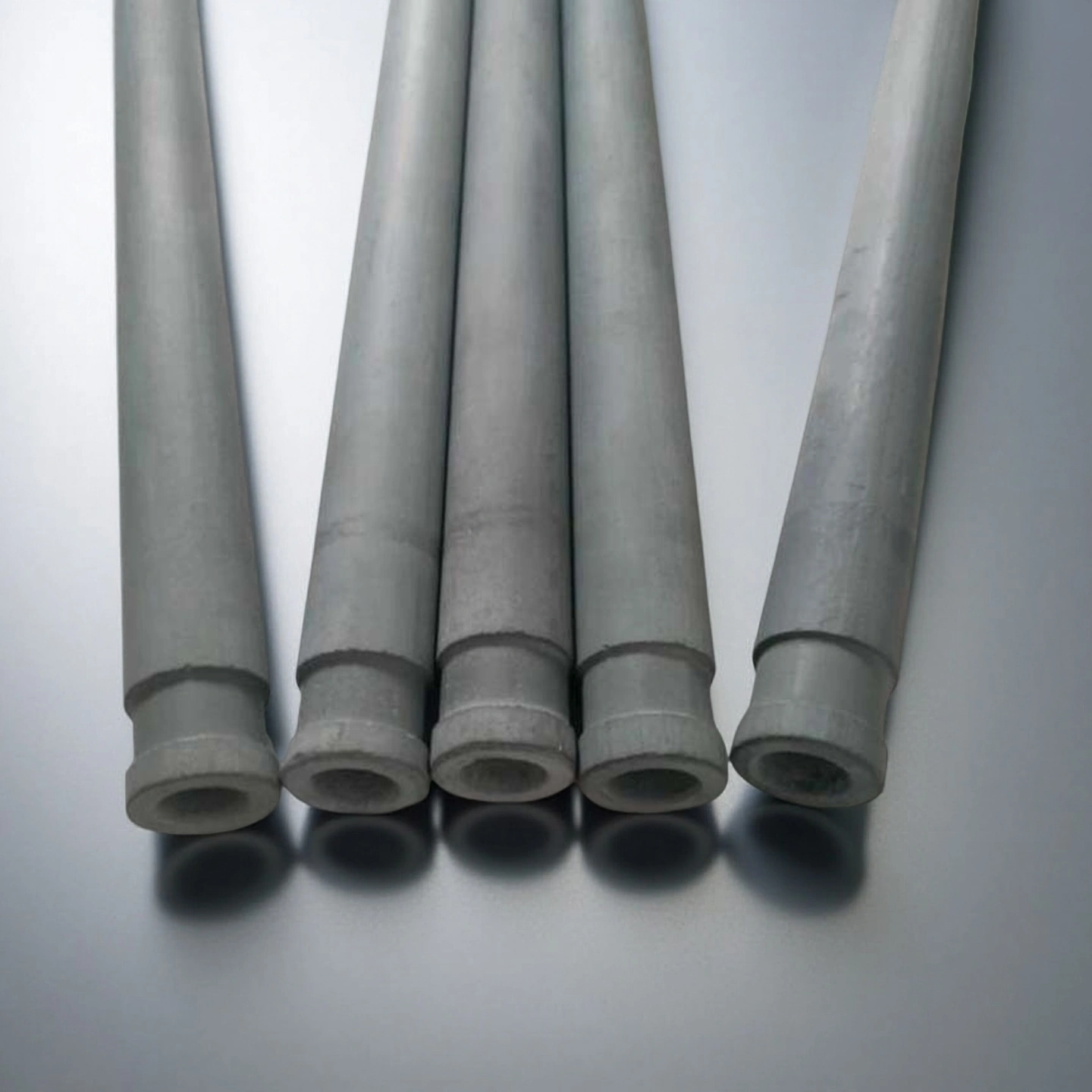
Silicon Nitride Thermocouple Protection Tube for Molten Aluminum | Non-wetting, Long-cycle Use

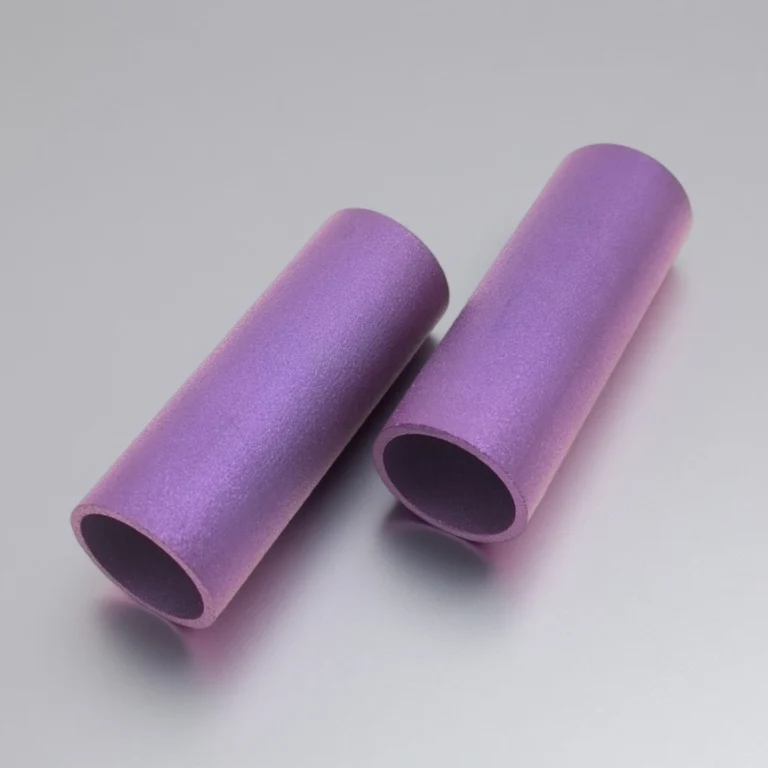
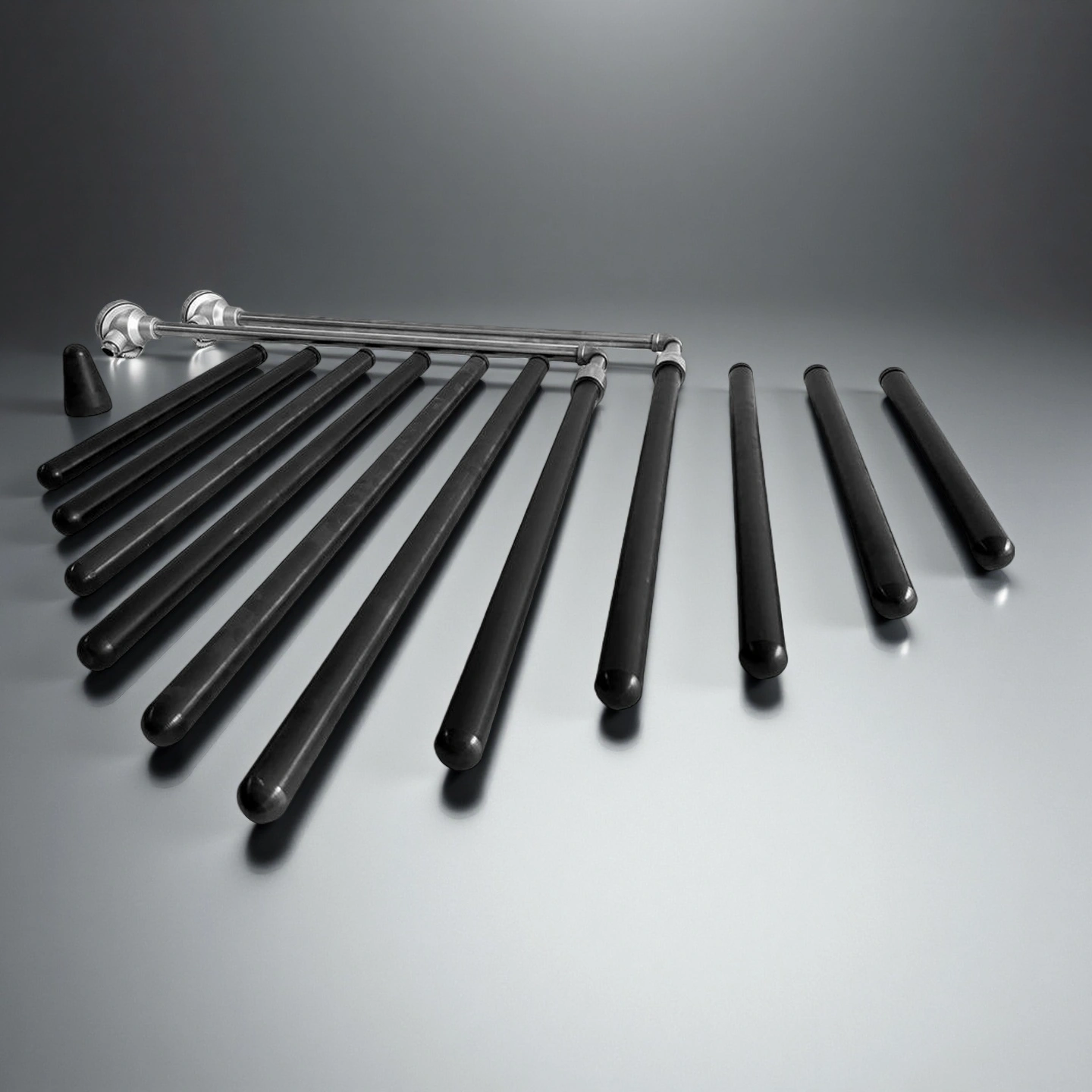
Closed-end silicon nitride thermocouple protection tube for continuous temperature measurement in molten aluminum lines; Standard stock covers OD 16/20/25/28/30 mm with matched IDs for K/N/S type assemblies and lengths from 300 to 1200 mm; custom silicon nitride thermocouple protection tube options include flanged, threaded, or sloped ends to fit existing seats and holders.

Catalogue No. AT-DHG-G1001
Material Silicon Nitride
Flexural Strength  >800 MPa
Thermal Expansion Coefficient <3.2 × 10⁻⁶/K
Dimensions/Sizes Download PDF
24H Standard Dispatch
Small Batch Support OEM
Factory Direct
Expert Engineering Support

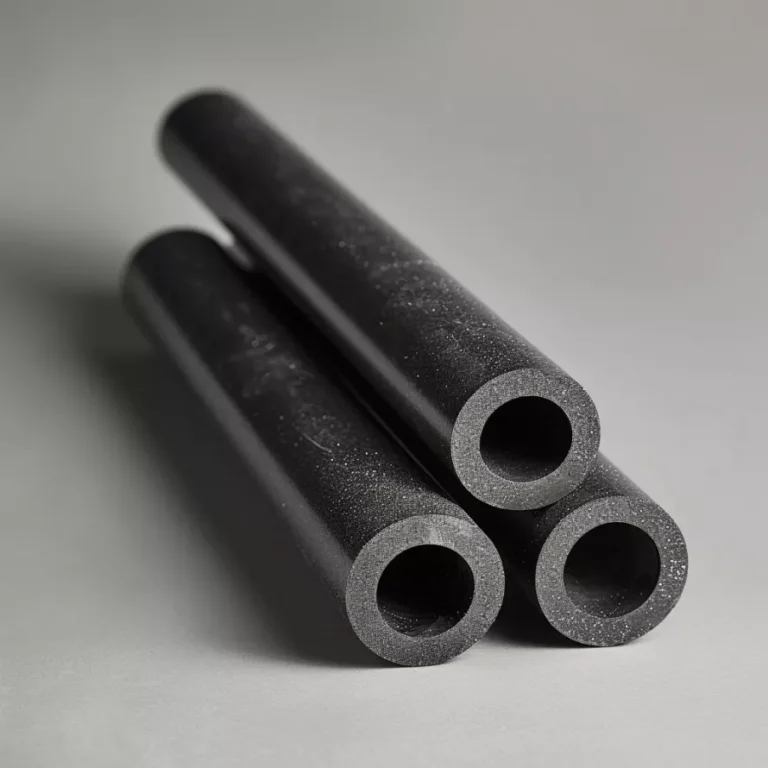
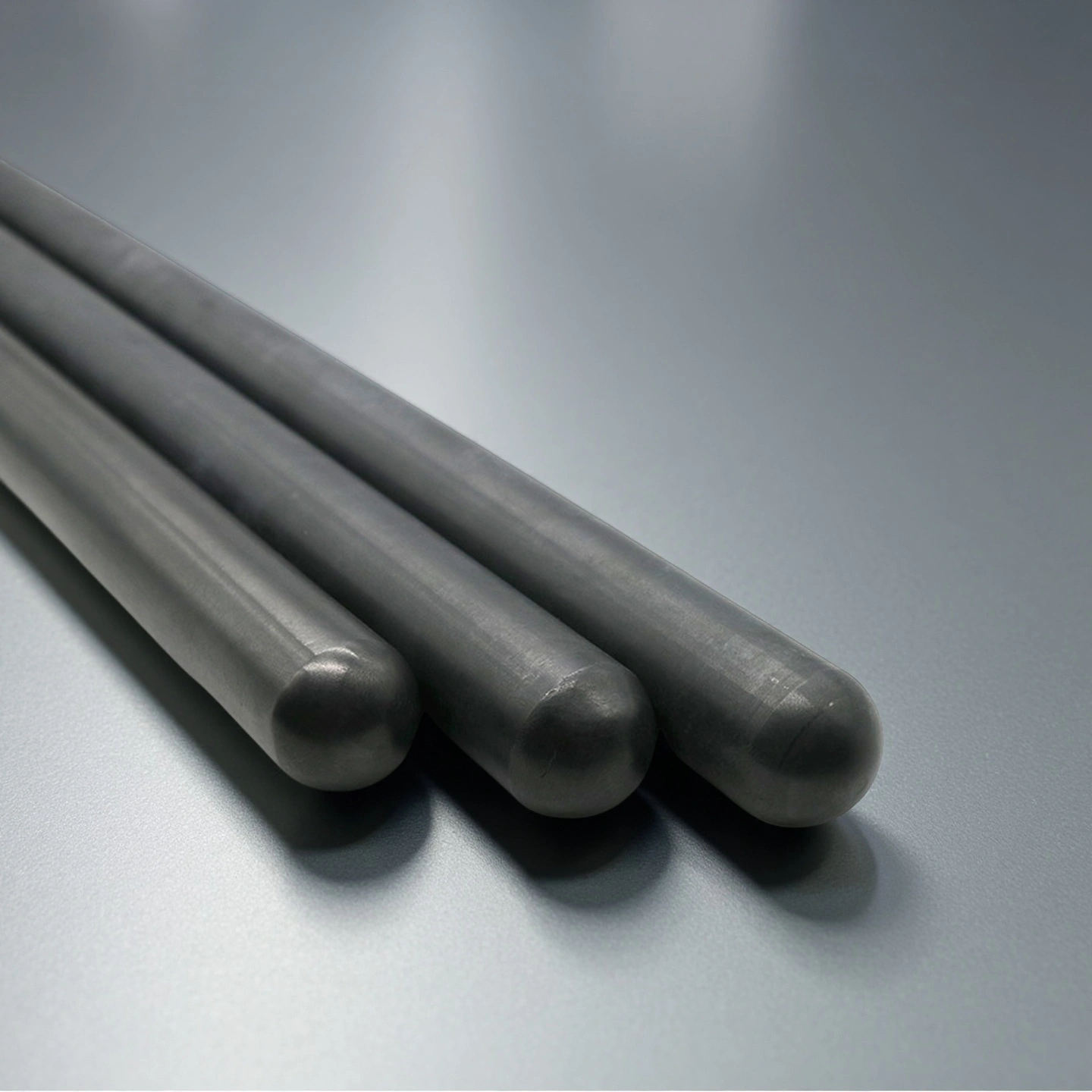
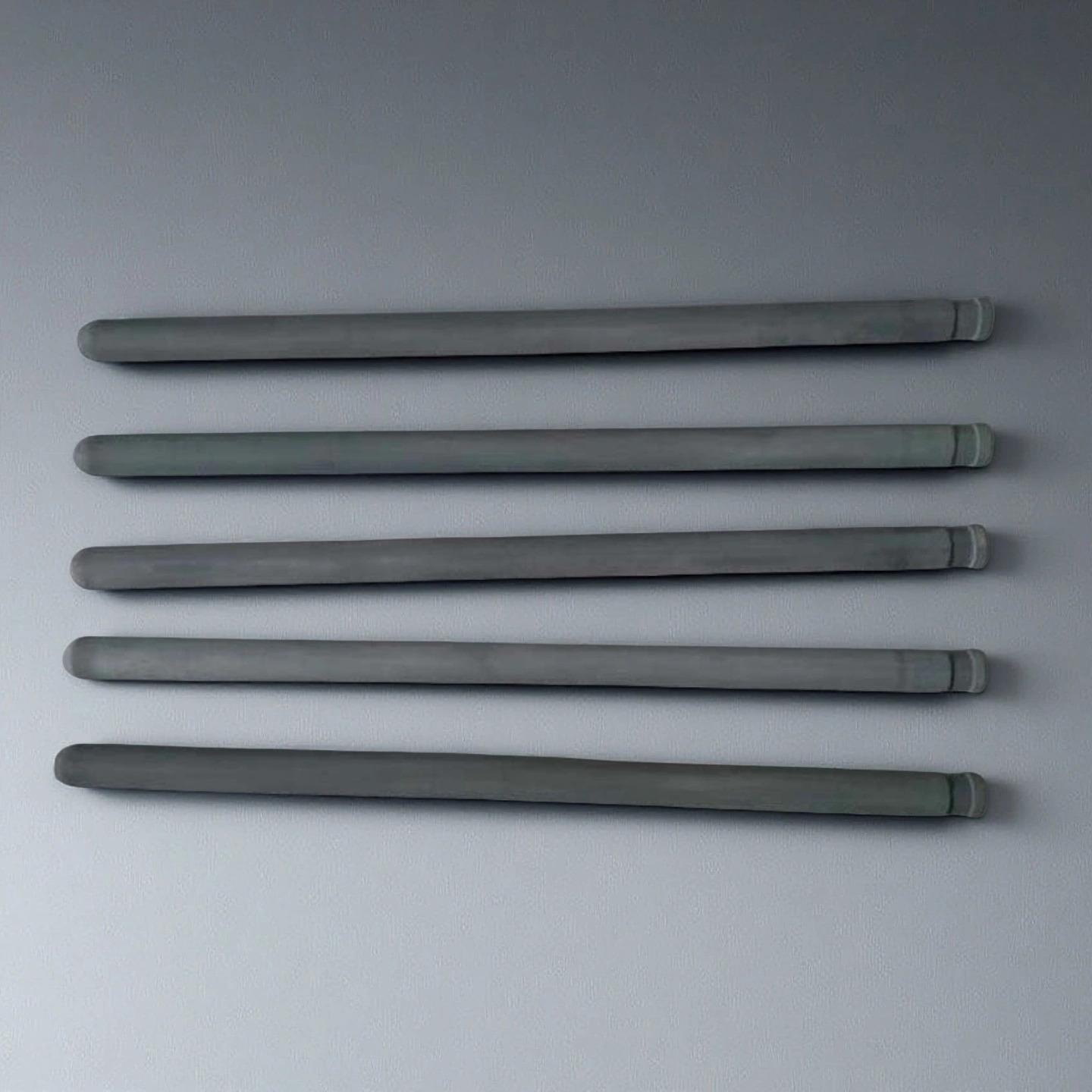
Silicon nitride thermocouple protection tube is a closed-end Si₃N₄ sleeve used to protect the thermocouple sensor when measuring molten aluminum, zinc, or magnesium. Its dense, non-wetting ceramic structure resists corrosion, thermal shock, and metal infiltration, keeping temperature readings stable. Compared with graphite or alumina tubes, it offers longer service life and lower risk of melt contamination.

Silicon Nitride Thermocouple Protection Tube Benefits

  • Non-wetting to Molten Aluminum and Alloys
    The Si₃N₄ surface exhibits <5° wetting angle with Al-Si melts, which prevents molten metal adhesion, oxide buildup, and slag bridging around the thermocouple tip. This minimizes temperature drift and eliminates metal infiltration that could short the hot junction or contaminate the melt.

  • Closed-End Mechanical and Chemical Integrity
    The integrally sintered or precision-machined tip provides uniform wall thickness and dense, gas-tight structure (open porosity <1%). This resists erosion from high-flow melt zones and prevents aluminum ingress into the sensor cavity—critical for accurate response at 680–750 °C operating ranges.

  • Dimensional Stability and Batch Repeatability
    OD/ID tolerance can be controlled within ±0.1 mm on request, and straightness deviation remains <0.5 mm per 1000 mm length. This ensures consistent sealing with thermocouple seats and maintains the same immersion depth across multiple furnaces, reducing recalibration and installation variability.

  • Thermal-Shock and Cycling Resistance
    Silicon nitride withstands >300 °C instantaneous temperature gradients and supports repeated insertion/removal cycles between ambient and molten metal temperatures without cracking. Thermal shock resistance is achieved through low CTE (~3 × 10⁻⁶ /K) and high fracture toughness (>6 MPa·m¹ᐟ²).

  • System and Sensor Compatibility
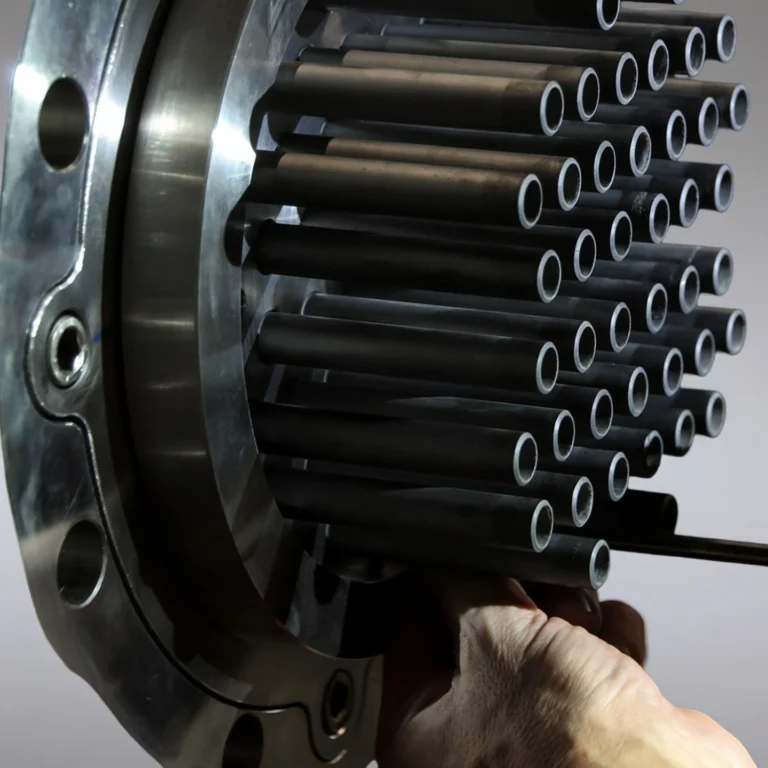
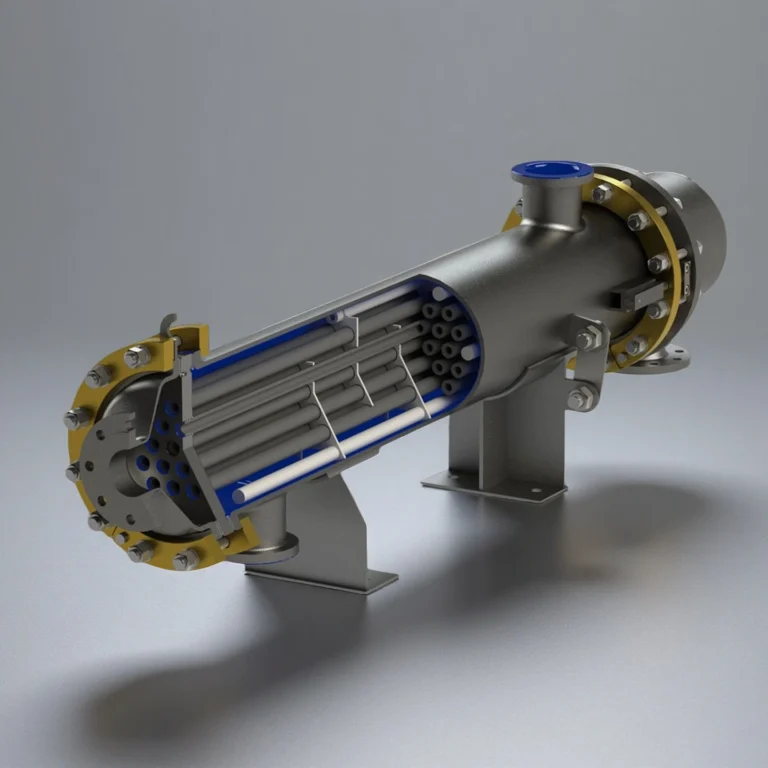
    The tube interfaces seamlessly with ISO-standard K-type or N-type thermocouple cartridges, metal/ceramic seats, compression fittings, and flange geometries used in LPDC/HPDC and holding furnaces. The optimized ID matches sensor diameters to maintain response time without increasing thermal lag.

Silicon Nitride Thermocouple Tube Properties

Si3N4 Type Gas pressure sintering Si3N4 Hot pressing sintering Si3N4 High thermal conductivity Si3N4
Density (g/cm3) 3.2 3.3 3.25
Flexture strength (MPa) 700 900 600~800
Young Modulus (GPa) 300 300 300~320
Poisson's ratio 0.25 0.28 0.25
Compressive strength (MPa) 2500 3000 2500
Hardness (GPa) 15 16 15
Fracture toughness (MPa*m1/2) 5~7 6~8 6~7
Maximum working temperature (℃) 1100 1300 1100
Thermal conductivity (W/m*K) 20 25 80~100
Thermal expansion coefficient (/℃) 3*10-6 3.1*10-6 3*10-6
Thermal shock resistance (ΔT ℃) 550 800 /


Si3N4 Thermocouple Protection Tube Specifications

Si3N4 Thermocouple Protection Tube
Item No. Outer Diameter (mm) Inner Diameter (mm) Length (mm)
AT-DHG-G1001 16 8 300-1200
AT-DHG-G1002 22 12 300-1200
AT-DHG-G1003 28 16 300-1200
AT-DHG-G1004 30 18 300-1200
AT-DHG-G1005 45 25 300-1200


Silicon Nitride Thermocouple Tube Packaging

  • Each tube is individually packed in foam-lined cartons
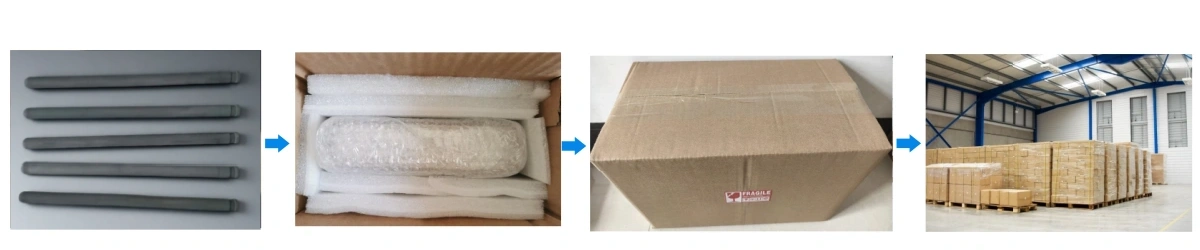
Silicon Nitride Thermocouple Tube Packaging

Silicon Nitride Thermocouple Protection Tube Applications

  • Low Pressure & High Pressure Die Casting (LPDC / HPDC)

    Use Case: Installed in melt wells or filling tubes to measure molten aluminum temperature before injection.
    ✅Key Advantages

    1. Stable temperature detection in high-turbulence zones – closed-end Si₃N₄ tip resists erosion where aluminum flows at 0.3–0.6 m/s.
    2. No metal adhesion or oxide crust buildup – wetting angle <5° prevents metal sticking and reduces temperature drift.
    3. Longer service cycles – tube supports >200–300 thermal cycles (20→700 °C) when preheated correctly.

    ✅ Problem Solved

    A HPDC plant using graphite tubes experienced 1–2 tube failures per week (cracks or melt penetration), causing 30–50 minutes of downtime per incident. After switching to silicon nitride thermocouple protection tubes, tube life extended to 4–6 weeks per unit, reducing scrap caused by temperature fluctuation by ~20% and stabilizing injection timing.

  • Holding Furnaces & Transfer Ladles for Billet/Sheet Casting

    Use Case: Installed in furnace roof or sidewall to maintain temperature uniformity of 680–740 °C aluminum melt for extrusion/rolling lines.
    ✅Key Advantages

    1. Consistent OD/ID for repeat installation – tube OD tolerance ±0.1 mm ensures a tight fit with sealing seats, avoiding metal leakage or air ingress.
    2. Low slag adhesion and minimal dross growth – maintains accurate immersion depth during extended holding cycles.
    3. Supports continuous operation – resistant to chemical attack from refining fluxes, degassing processes, and furnace atmosphere.

    ✅ Problem Solved

    A billet casting facility faced frequent recalibration because alumina tubes accumulated oxide scale within 7–10 days, reducing effective immersion depth by 3–5 mm. After using silicon nitride tubes, recalibration intervals extended to every 5–6 weeks, and melt temperature deviation reduced from ±6 °C to ±2–3 °C.

  • Melt Treatment Stations – Degassing, Filtration, Alloy Modification

    Use Case: Placed near rotary degassers, ceramic foam filters, or metal transfer troughs for real-time temperature feedback during melt refinement.
    ✅Key Advantages

    1. Chemical stability in chlorine/argon gas and flux-treated melts – no reaction layers or porosity degradation on surface.
    2. Resists thermal cycling from intermittent immersion – fracture toughness >6 MPa·m¹ᐟ² prevents microcracking during dip-out inspections.
    3. Custom tip shapes for laminar flow or slag-reduced zones – beveled or radiused closed-ends minimize metal turbulence.

    ✅ Problem Solved

    A gravity casting plant reported frequent temperature noise during rotary degassing due to oxide-coated steel sleeves. After adopting Si₃N₄ thermowell tubes, signal smoothness improved by 30–40%, and degassing operators no longer needed to pause production for manual tip cleaning.

Silicon Nitride Thermocouple Protection Tube Usage Instructions

  • Installation

    1. Fit Check Before Use
    a. Confirm OD/ID matches thermocouple cartridge and furnace seat or flange.
    b. Ensure sealing gasket or compression fitting contacts evenly without visible gaps.

    2. Preheating Procedure
    a. Preheat gradually to 150–200 °C using air furnace, then to 300–400 °C near the melt; avoid direct flame contact on the tip.
    b. Never insert a cold tube directly into molten metal to prevent thermal shock cracks.

    3. Insertion Technique
    a. Lower the tube vertically and slowly into the melt; avoid touching furnace walls or impellers.
    b. Maintain immersion depth according to process requirements (typically 30–60 mm below melt surface).

  • Operation

    1. Maintain steady immersion; frequent removal and reinsertion shortens lifespan due to rapid temperature gradients.
    2. Avoid contact with tools, ladles, or molten metal flow to prevent tip erosion or cracks.
    3. Monitor temperature curve; sudden fluctuations may indicate oxide buildup, tube wear, or poor sensor contact inside the tube.
    4. Log each tube’s usage hours or furnace cycles to schedule preventive replacement before failure.

  • Storage

    1. Place tubes in original foam or wooden supports to avoid bending stress or edge impact.
    2. Store in a dry environment; moisture can cause a steam explosion during the first preheating.
    3. Keep away from oils, aluminum fines, and conductive dust that may enter the inner bore and affect sensor insulation.

  • Cleaning & Maintenance

    1. Clean only when the tube is fully cooled to room temperature.
    2. Remove surface oxide or dross gently using non-metallic scrapers or soft abrasive pads; avoid wire brushing or sandpaper on sealing surfaces.
    3. Do not immerse tube in acid/alkali solutions; chemical agents may penetrate micro-cracks and weaken structure.
    4. Inspect for micro-cracks, chipped tips, or oval deformation; discard immediately if structural damage is found.

  • Common Misuse & How to Prevent It

    Issue Cause Prevention / Solution
    Tube cracks during first use Direct cold immersion into a 700 °C melt Always follow staged preheating to at least 300 °C
    Melt leakage from the furnace roof OD mismatch or worn gasket Verify OD tolerance (±0.1 mm) and replace gaskets regularly
    Temperature drift / unstable readings Metal or dross deposited at tip; sensor not fully inserted Clean tip regularly and ensure thermocouple is seated to correct depth

Silicon Nitride Thermocouple Protection Tube FAQ

  1. Q: What is the typical service life of a silicon nitride thermocouple protection tube in molten aluminum?
    A: Service life depends on alloy composition, preheating, and immersion cycles. In stable LPDC or holding furnace conditions, one tube can withstand 200–400 heating cycles or 4–6 weeks of continuous use, significantly longer than graphite or alumina sleeves.
  2. Q: Why does silicon nitride offer better stability in aluminum melt compared to alumina or graphite tubes?
    A: Silicon nitride has a dense, gas-tight structure with low wettability to molten aluminum (wetting angle <5°), higher fracture toughness (≥6 MPa·m¹ᐟ²), and low thermal expansion. This prevents metal infiltration, thermal cracking, and oxide adhesion during repeated dipping.
  3. Q: What thermocouple types are compatible with a silicon nitride protection tube?
    A: Standard K, N, and S-type thermocouples can be used. The inner diameter of the silicon nitride tube must match the sensor cartridge to maintain response speed and avoid air gaps that cause signal delay.
  4. Q: Can a silicon nitride thermocouple protection tube be used directly without preheating?
    A: No. Direct immersion from room temperature into molten aluminum (≈700 °C) may cause thermal shock. The tube should be gradually preheated to 300–400 °C to reduce temperature stress, especially during first use.
  5. Q: Is it possible to customize flange, thread, or sealing structure on a silicon nitride thermocouple tube?
    A: Yes. Custom silicon nitride thermocouple protection tubes can include male threads, flat flanges, O-ring shoulders, or bayonet connections. Drawings or sample parts are typically required to ensure fitment accuracy.
  6. Q: Where can I find silicon nitride thermocouple protection tube for sale for industrial use?
    A: You can source silicon nitride thermocouple protection tubes for sale directly from professional ceramic manufacturers or OEM factories rather than trading-only companies. Buyers in aluminum casting and furnace maintenance prefer dealing with suppliers who offer both standard sizes and custom-made solutions.
  7. Q: Can I order wholesale silicon nitride thermocouple protection tube for multiple furnace lines?
    A: Yes. Wholesale silicon nitride thermocouple protection tube orders are feasible when the specifications, quantity per model, and delivery schedule are confirmed. Most factories accept bulk orders starting from 50–100 pcs, with lower pricing for repeat customers or annual purchasing plans.
  8. Q: Where can I wholesale silicon nitride thermal couple protection tube?
    A: ADCERAX, a China-based silicon nitride thermocouple protection tube factory that specializes in OEM and industrial-grade production. Unlike trading companies, ADCERAX directly manufactures Si₃N₄ tubes through high-density sintering and precision machining, which ensures stable dimensions, closed-end strength, and non-wetting performance in molten aluminum, zinc, and magnesium.

Silicon Nitride Thermocouple Protection Tube Reviews

  • ⭐️⭐️⭐️⭐️
    We replaced our previous alumina sleeves with ADCERAX’s silicon nitride thermocouple protection tube in two LPDC lines. After six weeks of continuous operation, the tubes remained intact with no aluminum buildup or signal drift. Temperature readings are far more stable during casting cycles.
    -- Michael R., Process Engineer, AlloyCast Technologies (USA)
  • ⭐️⭐️⭐️⭐️⭐️
    Our furnace required a non-standard 950 mm tube with a stepped flange and M27 thread. ADCERAX adjusted the drawing in two days and delivered custom silicon nitride tubes that fit our existing thermocouple assemblies perfectly. No modification was needed on-site.
    --Tobias Klein, Maintenance Supervisor, Gusswerk GmbH (Germany)
  • ⭐️⭐️⭐️⭐️⭐️
    The price was not the lowest compared to local traders, but the longer service life of the Si₃N₄ tubes reduced our replacement frequency by half. Overall maintenance cost and downtime dropped, so the total cost per casting cycle is actually lower.
    --Luis Fernández, Purchasing Manager, Fundición Norte SA (Spain)
  • ⭐️⭐️⭐️⭐️⭐️
    ADCERAX is not just a reseller; they are a silicon nitride thermocouple protection tube supplier with their own factory. They provided inspection reports, surface finish control and consistent OD tolerance. This makes bulk purchasing and long-term cooperation much easier for us.
    -- Hiroshi Tanaka, Production Director, Kyoto Metal Processing Co. (Japan)
customize size

Customize Silicon Nitride Thermocouple Protection Tubes

We provide geometry customization and controlled tolerances for OEM integration, furnace upgrades, and multi-line replacements.

1.Outer / Inner Diameter
• OD 16–35 mm, ID matched to thermocouple ceramic/metal cartridge
• Critical sizes can be held at ±0.1 mm; thicker walls for longer tubes or high-impact areas

2. Length
• 250–1500 mm available, straightness deviation ≤0.5 mm per 1000 mm
• Uniform immersion depth ensured across repeated replacement cycles

3. Tip /End Configuration
• Options: closed-end (flat/dome), open-end, sloped, threaded male end, or flange connection
• Tip wall thickness and radius can be adjusted to balance response speed and strength

3. Seat /Interface Type
• O-ring groove, flat gasket seat, compression fitting zone, bayonet or clamp-on shoulder
• Dimensions matched to existing furnace openings or thermocouple holders

4. Surface Condition
• As-sintered finish for general use
• Polished or honed tip for reducing oxide adhesion and melt turbulence
• Light sandblasting available at seat or sealing areas for better friction lock

5. Straightness & Concentricity Control
• Straightness controlled per length class; concentricity between OD/ID maintained for accurate sealing and probe alignment
• Dimensional inspection reports and batch traceability available on request

6. Optional Identification /Traceability
• Product code, batch number, part orientation marking available on tube or packaging
• Supports OEM spare-part numbering for maintenance planning

Related Products

ADCERAX - Your Trusted Advanced Ceramics Manufacturing Partner

Direct factory manufacturing with comprehensive ceramic materials expertise and global supply capabilities

Direct Factory Manufacturing

China-based ceramic materials production facility with state-of-the-art equipment

Engineering Team

Experienced professionals in advanced ceramics applications and custom design

Quality Control

Strict quality control standards for technical ceramics manufacturing and quality management

Global Supply Chain

Serving customers worldwide with technical ceramics and rapid response

24/7 Technical Support

Round-the-clock support for ceramic components inquiries and technical assistance

500+ Satisfied Customers

Trusted by global customers for advanced ceramic materials and precision components

Get in touch with us

Our team will be happy to respond to you in less than 24 hours.

Adcerax's factory

Quick Quotation

*Our team will answer your inquiries within 24 hours.

*Your information will be kept strictly confidential.

Ready to Solve Your Engineering Challenge?

Partner with ADCERAX for reliable, high-performance advanced ceramic solutions. Our engineers are ready to discuss your project.

E-mail

info@adcerax.com

Phone

+(86) 0731-74427743 | WhatsApp: +(86) 19311583352

Response Time

Within 24 hours

Quick Quote

The more details you provide, the faster we can quote.

*We respond within 24 hours. All inquiries are confidential.

Download Catalog

Get Your Custom Sulution

The more details you provide, the faster we can respond.

customize size

*We respond within 24 hours. All inquiries are confidential.

Download Catalog