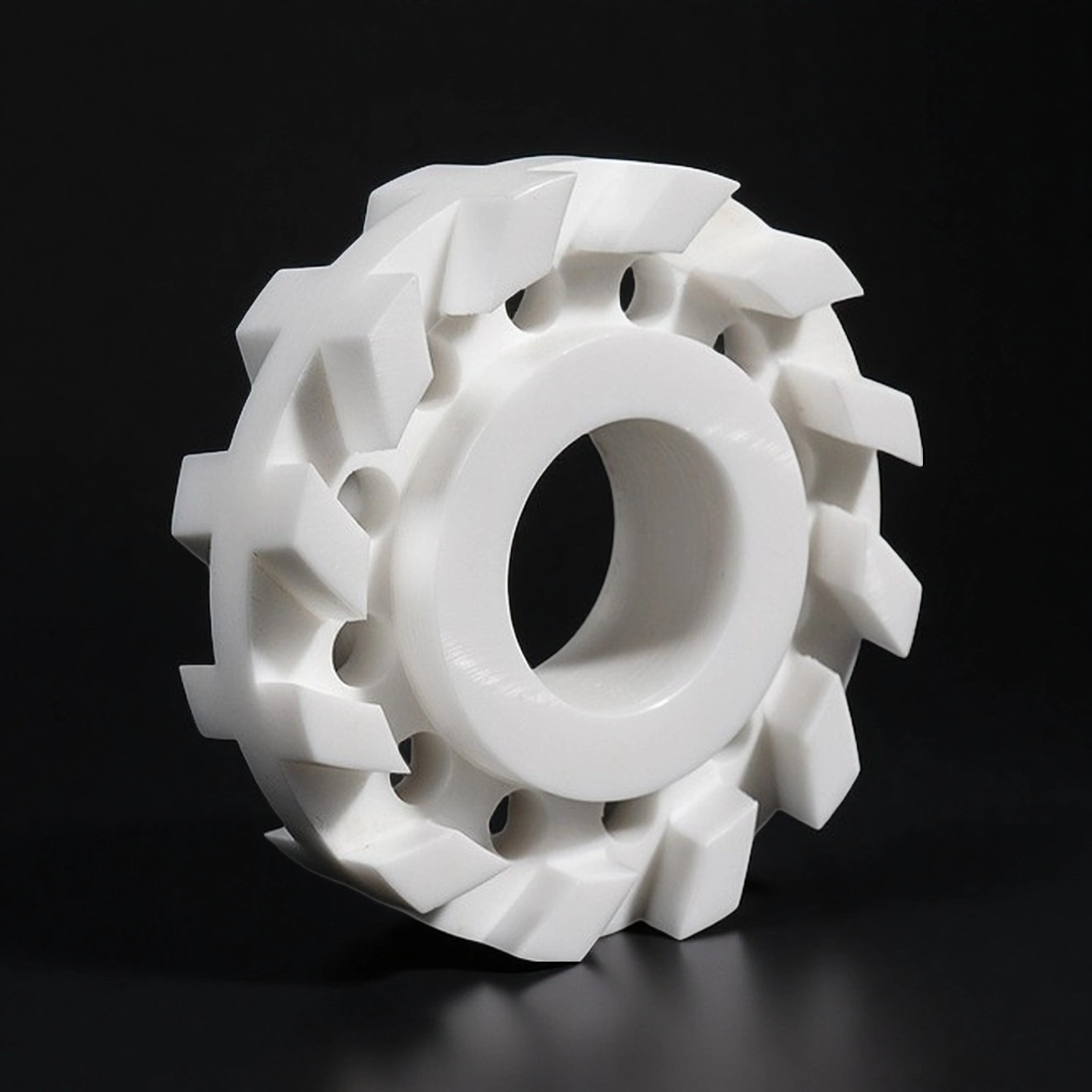
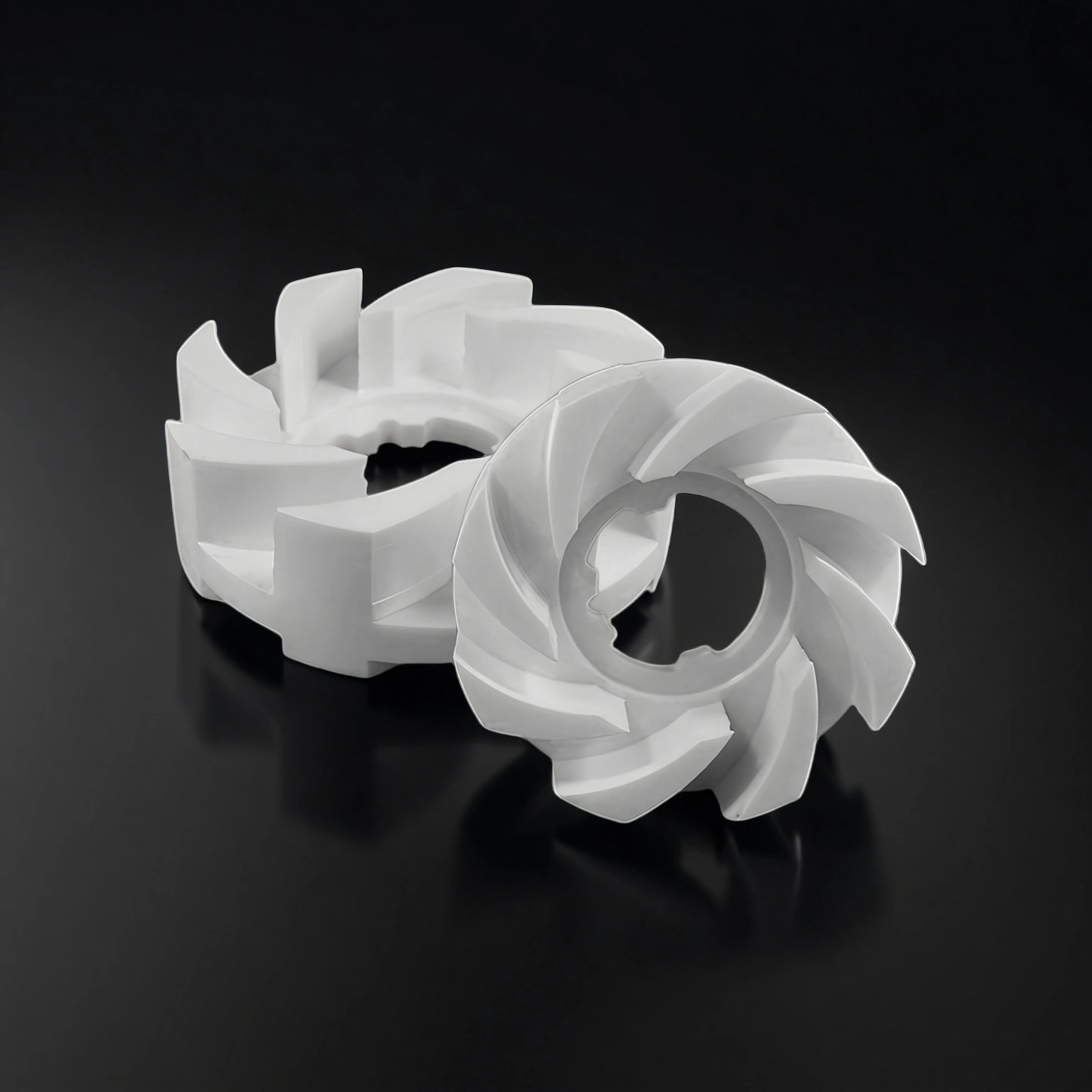
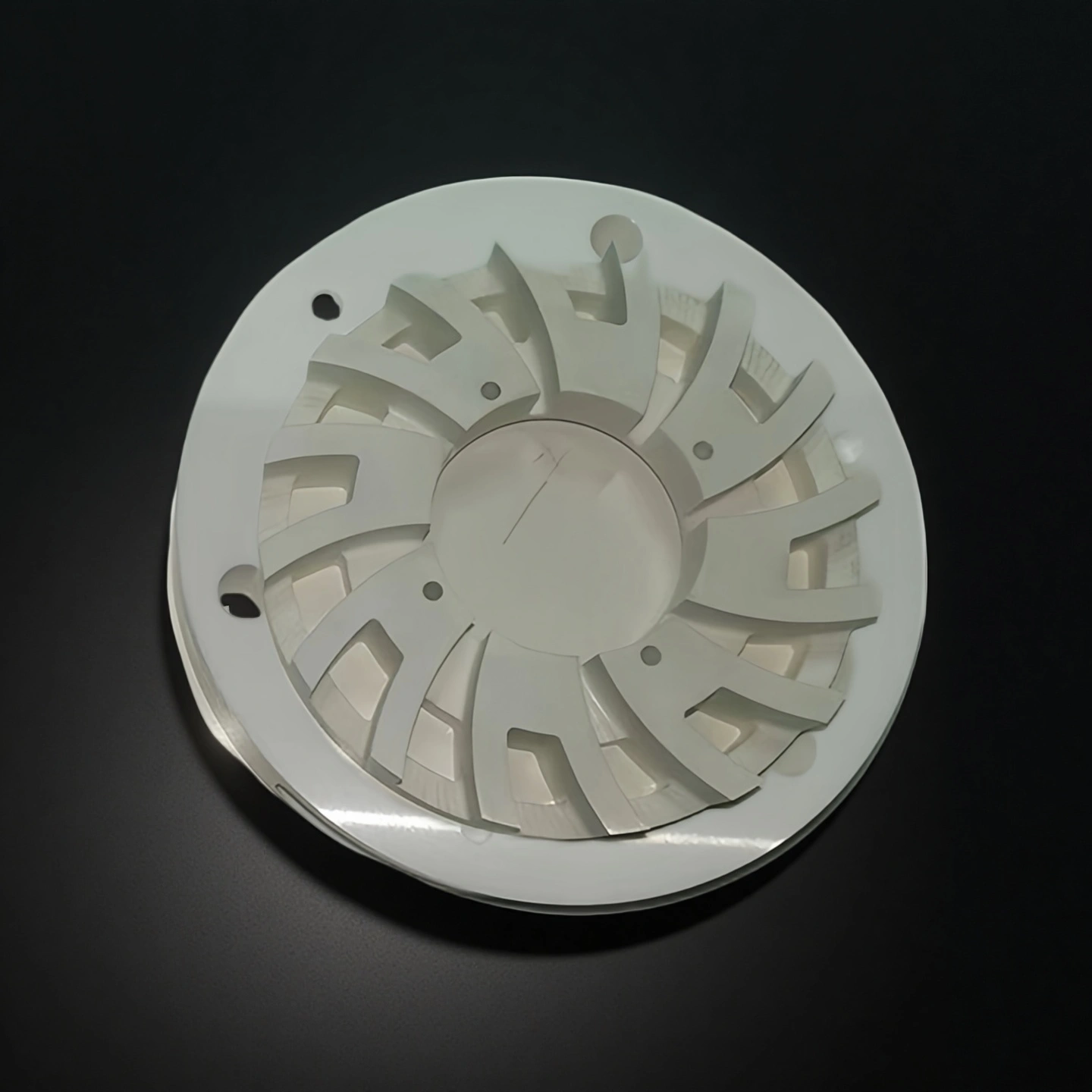
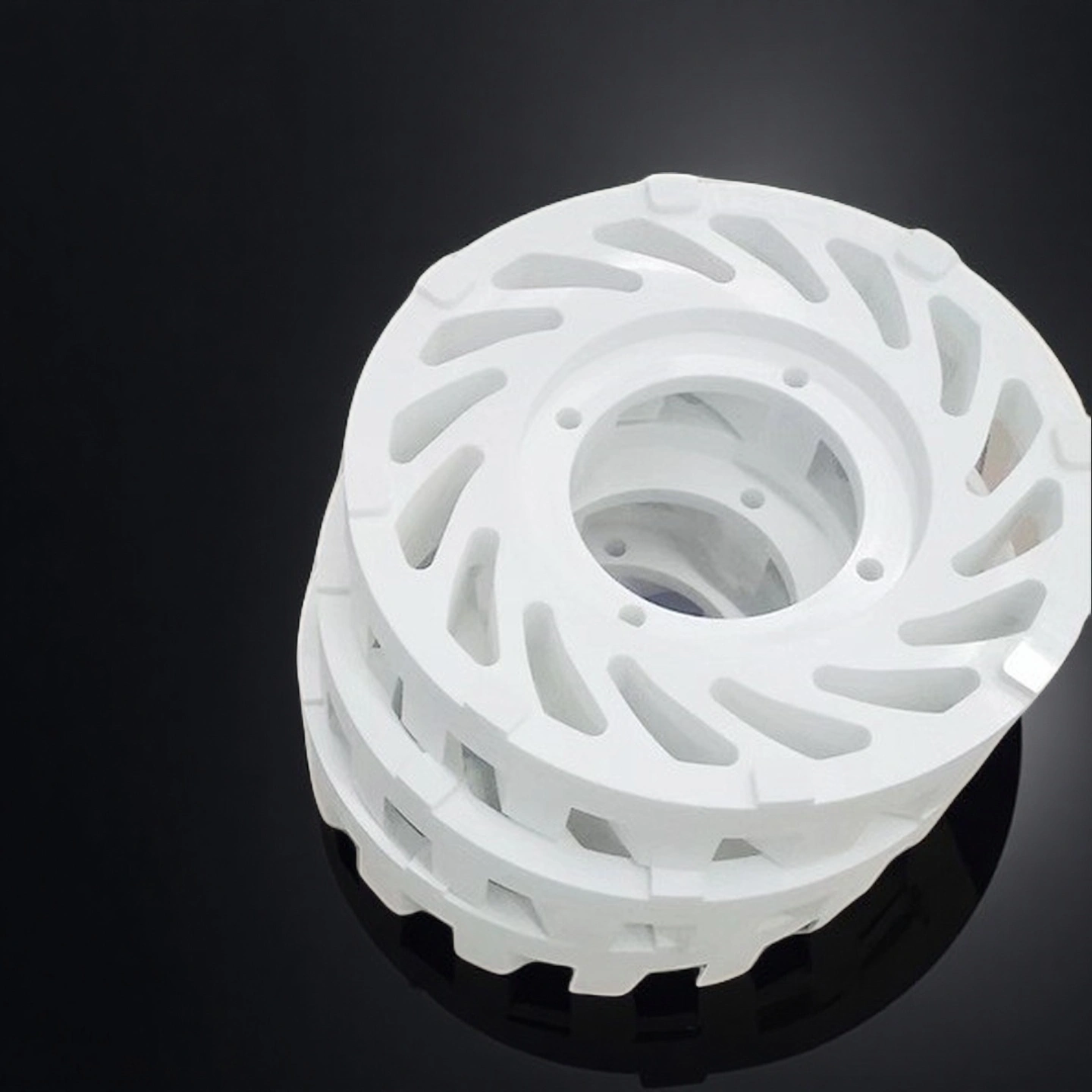
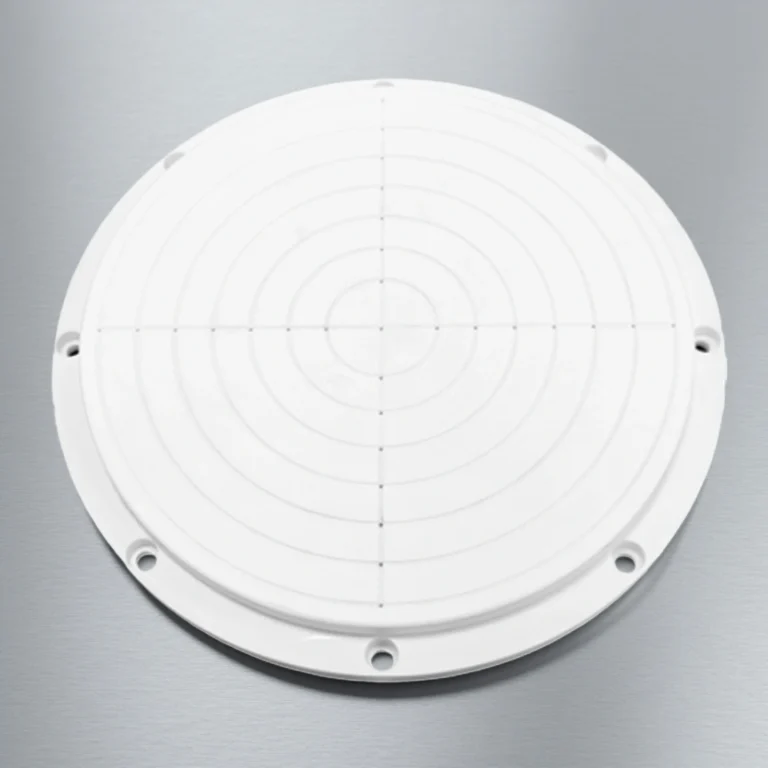
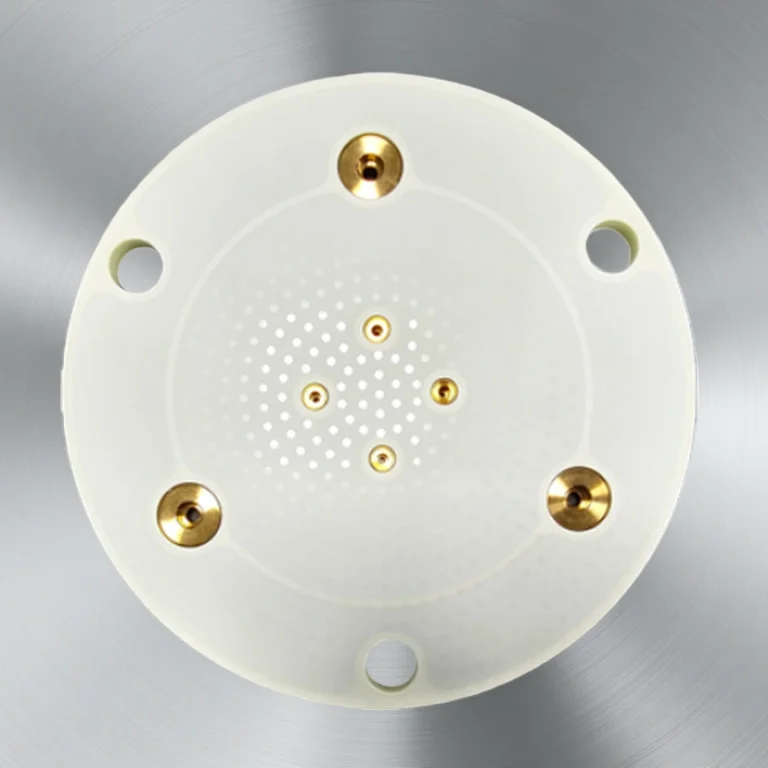
ADCERAX® Zirconia Ceramic Dispersion Disc is a high-performance component used in the main spindle of bead and sand mills to facilitate uniform particle dispersion. As the spindle rotates at high speed, the disc generates intense shear, impact, and centrifugal forces to break down agglomerates within liquid media. This process ensures efficient material refinement, enabling consistent dispersion, dissolution, and mixing across industrial applications such as coatings, inks, and battery slurries.
Core Performance Features of Zirconia Ceramic Dispersion Disc
- Vickers Hardness ≥ 12.5 GPa
This level of hardness ensures excellent resistance to abrasive slurries and maintains dimensional stability during extended operation. It significantly reduces surface wear even under constant shear loading in continuous milling cycles.
- Flexural Strength > 1,000 MPa
The high mechanical load capacity allows the disc to withstand high-torque conditions without cracking or structural fatigue. It ensures sustained operation in high-RPM mills exceeding 2,000 rpm.
- Operational Lifetime ≥ 3,000 hours
Proven durability testing in pigment and battery slurry systems shows service lives exceeding 3,000 hours, with minimal edge degradation or profile deformation over time.
- Stable in pH 1–14 Conditions
The disc remains chemically stable in both strong acidic and basic environments, enabling direct contact with materials like NMP, NaOH, and HCl without leaching or surface degradation.
- Zero Metal Ion Release
Y-TZP zirconia ensures non-conductive and non-magnetic behavior, avoiding contamination from Fe, Ni, or Cr ions common in stainless steel components.
- Weight Loss < 0.005 g after 72 h Acid Test
Laboratory corrosion immersion tests confirm exceptional resistance, with less than 0.005 grams of material loss in prolonged exposure to acidic media.
- Surface Roughness Ra < 0.05 µm
The mirror-polished surface significantly reduces slurry adhesion and facilitates faster transitions between production batches.
- Color Changeover Cleaning Time Reduced by 40%
Polished discs require less time and solvent volume during cleaning, improving batch turnaround efficiency in color-sensitive industries such as digital ink manufacturing.
- Residual Slurry Adherence < 1.2 mg/cm²
Testing shows that slurry residue retention on zirconia surfaces is less than 1.2 mg/cm², reducing cross-contamination risks between different materials or formulations.
Technical Properties of Zirconia Ceramic Dispersion Disc
The Zirconia Ceramic Dispersion Disc is engineered with high structural density, thermal stability, and surface precision, making it suitable for high-shear dispersion applications in chemically aggressive environments. Its composition and mechanical integrity support continuous operation under elevated stress, temperature, and corrosive media without structural degradation or performance loss.
| Property |
Specification |
| Material Composition |
3 mol% Y-TZP Zirconia |
| Bulk Density |
≥ 6.05 g/cm³ |
| Vickers Hardness |
≥ 12.5 GPa |
| Flexural Strength |
> 1,000 MPa |
| Fracture Toughness |
6–8 MPa·m¹ᐟ² |
| Thermal Conductivity |
2.2 W/m·K (at 20 °C) |
| Coefficient of Thermal Expansion |
10.5 × 10⁻⁶ K⁻¹ (RT–400 °C) |
| Surface Roughness (Polished) |
Ra < 0.05 µm |
| Corrosion Resistance |
Stable in pH 1–14 |
| Metal Ion Release |
Non-detectable under ICP-MS |
| Electrical Conductivity |
< 10⁻¹² S/cm (insulating) |
| Maximum Continuous Use Temp. |
≤ 220 °C |
| Color |
Pure White |
| Magnetic Properties |
Non-magnetic |
Specifications of Zirconia Ceramic Dispersion Disc
|
Sand Mill Zirconia Ceramic Disc |
|
Item No. |
Outer Diameter (mm) |
Inner Diameter (mm) |
Height (mm) |
|
AT-YHG-SM001 |
90 |
30 |
26 |
|
AT-YHG-SM002 |
96 |
36 |
24 |
|
AT-YHG-SM003 |
100 |
45 |
30 |
|
AT-YHG-SM004 |
140 |
80 |
45 |
|
AT-YHG-SM005 |
165 |
85 |
50 |
Packaging of Zirconia Ceramic Dispersion Disc
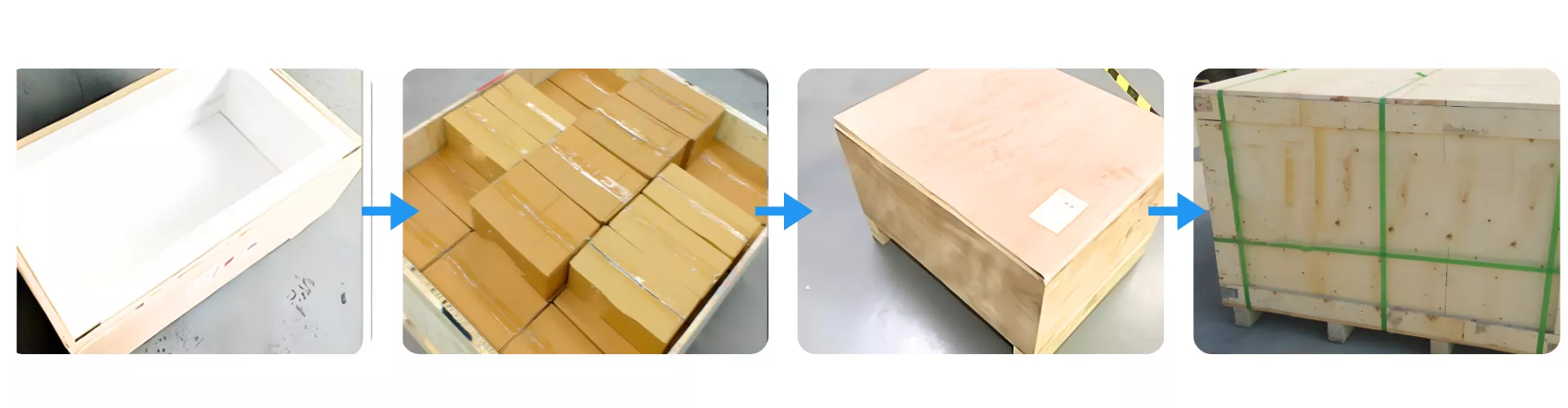
Zirconia Ceramic Dispersion Disc is securely packed using multi-layer protection to prevent mechanical damage during global transit. Each unit is first boxed, then reinforced inside foam-lined wooden crates for shock absorption. Final crates are sealed and strapped to ensure stability during containerized shipping.
Solving Industrial Dispersion Challenges with ADCERAX® Zirconia Ceramic Dispersion Disc
ADCERAX® Zirconia Ceramic Dispersion Disc is specifically developed to address dispersion efficiency, contamination control, and durability issues across industrial slurry processing. In high-load environments where particle uniformity, chemical resistance, and component longevity are critical, this disc provides a targeted solution through advanced ceramic engineering.
-
Zirconia Ceramic Dispersion Disc in Automotive Coating Production Lines
✅Key Advantages
1. Ion-Free Surface Chemistry
The disc is made from high-purity Y-TZP zirconia, ensuring non-detectable Fe/Ni ions under ICP-MS. This prevents color distortion in metallic and white basecoats, where trace contamination can shift hue by ΔE >1.5.
2. Extended Operational Lifespan
With a proven wear life of over 3,000 hours in solventborne automotive lines, the disc maintains slot geometry and performance without edge degradation or imbalance.
3. High-Finish Polished Surface
The Ra < 0.05 µm finish minimizes pigment accumulation and reduces color-change cleaning time by up to 40%, improving coating line uptime and batch switching efficiency.
✅ ️Problem Solved
A Tier-1 automotive coatings supplier in Germany experienced recurring color deviations in pearl-white finishes due to Fe ion leaching from metal dispersion components. After replacing the original steel discs with ADCERAX® zirconia discs, ICP-MS tests showed zero detectable iron across 30 batches, and downtime due to cleaning dropped from 8 to 4 hours per week.
-
Zirconia Ceramic Dispersion Disc in Inkjet Pigment Ink Manufacturing
✅Key Advantages
1. Micro-Polished Surface Integrity
The disc features a surface roughness of Ra < 0.05 µm, reducing pigment residue to < 1.2 mg/cm² after processing, which lowers nozzle clog risk in inkjet lines requiring particle size < 0.3 µm.
2. Stable Dispersion Across Batches
Non-conductive and non-magnetic composition eliminates electrochemical interactions, providing ±5% consistency in D90 particle size across multiple short-run production lots.
3. Rapid Cleaning Cycle Support
Testing in aqueous pigment dispersions confirms a 40% reduction in average solvent and time needed to transition between ink colors, optimizing productivity for custom batch manufacturers.
✅ ️Problem Solved
A Korean digital ink producer supplying to wide-format printers reported nozzle clogging and pigment instability due to contamination from sintered stainless discs. After switching to ADCERAX® zirconia discs, they achieved stable dispersion (D50 < 0.25 µm) across 50+ runs, reduced solvent use per cleaning by 38%, and eliminated visible residue on disc surfaces.
-
Zirconia Ceramic Dispersion Disc in Lithium Battery Slurry Mixing
✅Key Advantages
1. Resistant to NMP and Alkaline Environments
The disc retains integrity in both pH 13 anode slurries and NMP-based cathode mixes, with < 0.005 g weight loss after 72-hour immersion testing.
2. Thermal Cycling Stability
With a thermal expansion rate of 10.5 × 10⁻⁶ K⁻¹, the disc maintains structural alignment during operating shifts between 20–90 °C, avoiding shear energy loss due to deformation.
3. Minimal Dimensional Drift
Across 3,000+ hours of wet mixing, radial thickness change was measured at < 0.01 mm, preserving bead dynamics and consistent energy transfer in automated slurry lines.
✅ ️Problem Solved
A North American battery material processor using waterborne LFP slurries reported liner swelling and disc warping with coated alloy dispersion components, leading to ±15% viscosity variation. After implementing ADCERAX® zirconia discs, thermal deformation was eliminated, and slurry viscosity was controlled within ±3% over 25 consecutive batches, reducing yield loss and manual rework by 22%.
Safe and Efficient Use of Zirconia Ceramic Dispersion Disc
Zirconia Ceramic Dispersion Disc is a critical wear component in high-shear dispersion systems, and optimal performance depends on correct handling, installation, and maintenance. This guide outlines key operational practices to maximize lifespan and minimize risks during industrial use.
-
Handling and Storage Recommendations
1. Avoid Mechanical Shock
Dropping or knocking the disc against hard surfaces can induce micro-cracks that lead to premature failure. Always transport using padded containers or foam-lined carriers.
2. Keep in Dry Conditions
Long-term exposure to high humidity can compromise packaging integrity and introduce contaminant risks. Store in a low-humidity warehouse, ideally below 60% RH.
3. Use Clean Gloves During Handling
Oils or particles from hands may affect the disc’s surface cleanliness or introduce foreign materials into dispersions. Nitrile gloves are recommended when unpacking or assembling.
-
Installation Guidelines for Mill Integration
1. Ensure Proper Spindle Alignment
Misaligned spindles may cause eccentric rotation and uneven wear. Use a dial gauge to verify concentricity within acceptable thresholds.
2. Verify Secure Mounting
Loose fit between the shaft and the disc bore can result in slippage under load. Torque values for clamping should be adjusted according to equipment manual.
3. Clean Mounting Interfaces Before Use
Dust or metal particles between mounting surfaces can damage the ceramic during high-speed operation. Use lint-free wipes and non-abrasive cleaners to prepare contact areas.
-
Operational Use and Precautions
1. Avoid Dry-Run Conditions
Running the mill without dispersion medium may cause thermal shock or surface abrasion. Always ensure sufficient fluid volume before startup.
2. Monitor for Vibration and Noise
Excessive vibration can indicate bearing wear, disc imbalance, or structural fatigue. Shutdown and inspect if unusual resonance or noise is detected during operation.
3. Limit Continuous Operating Cycles
Although highly durable, extended non-stop cycles over 48 hours may increase thermal stress. Scheduled pauses for temperature equalization are advisable.
-
Cleaning and Maintenance Advice
1. Use Non-Abrasive Cleaning Agents
Strong acids or hard brushes can degrade the disc’s polish and introduce micro-scratches. Ultrasonic cleaning with neutral pH solution is recommended.
2. Inspect Surface Gloss After Every Batch
A matte or dull surface may indicate accumulated wear or contamination. Replace discs showing uneven polish loss or visible pitting.
3. Log Wear Cycles for Predictive Replacement
Track batch time and RPM history to predict service life. For example, discs operating at 2000 RPM for 8-hour daily cycles typically require inspection every 3 months.