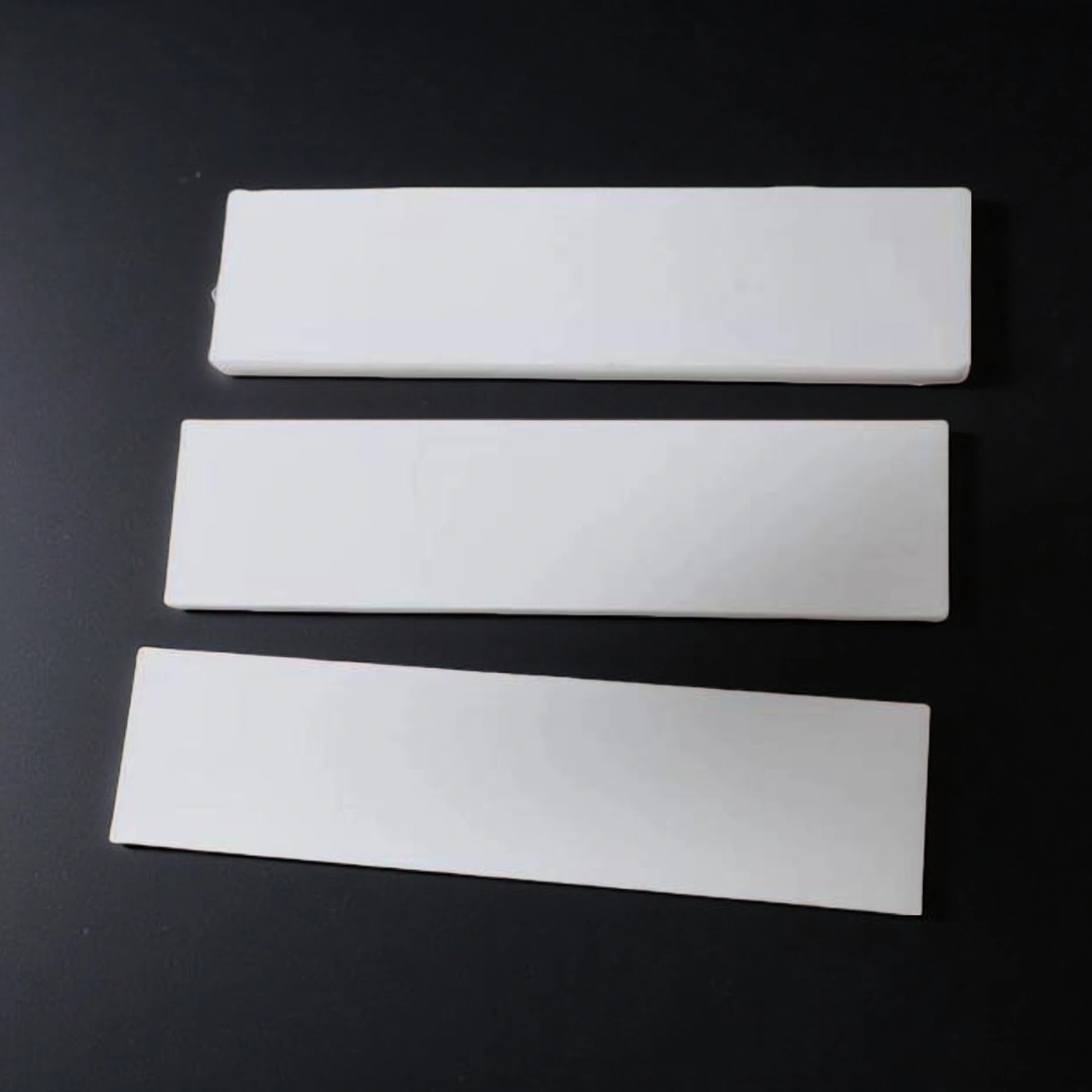
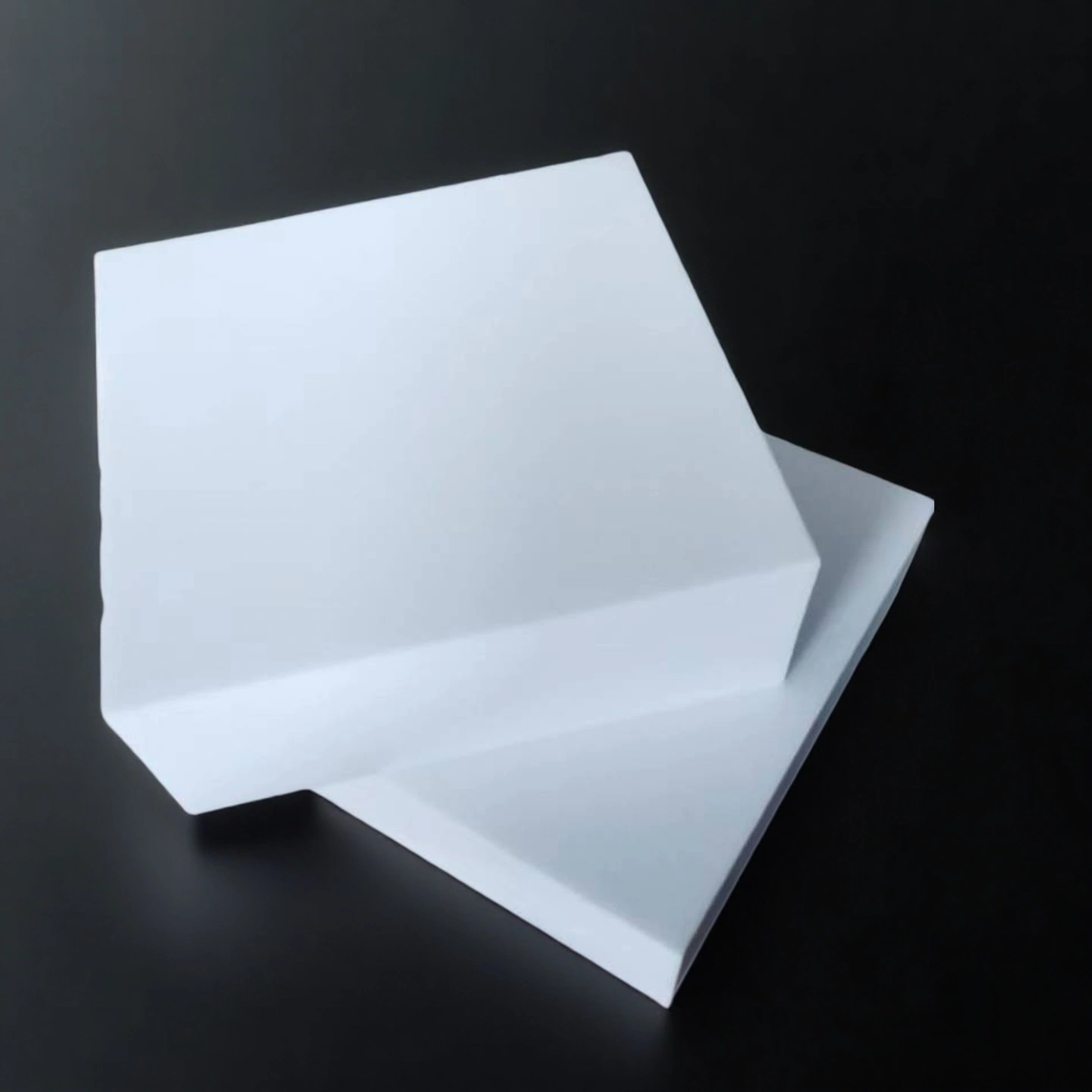
Zirconia-Toughened Alumina Lining Board/Plate — High Fracture Toughness, Sliding Abrasion Resistance

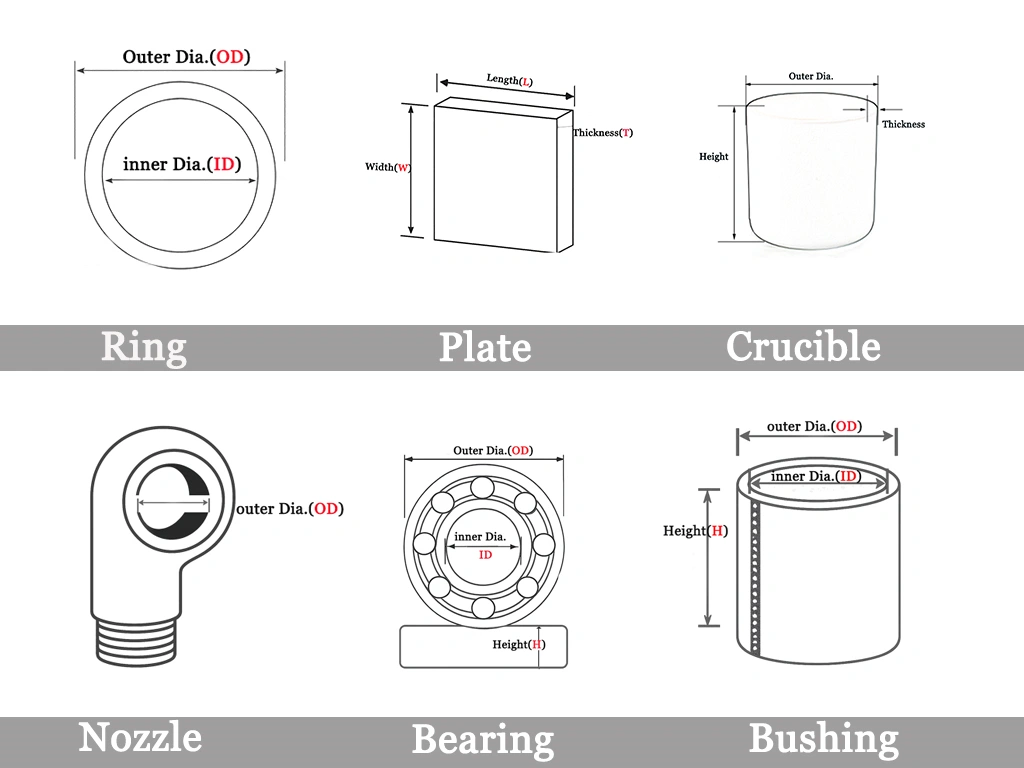
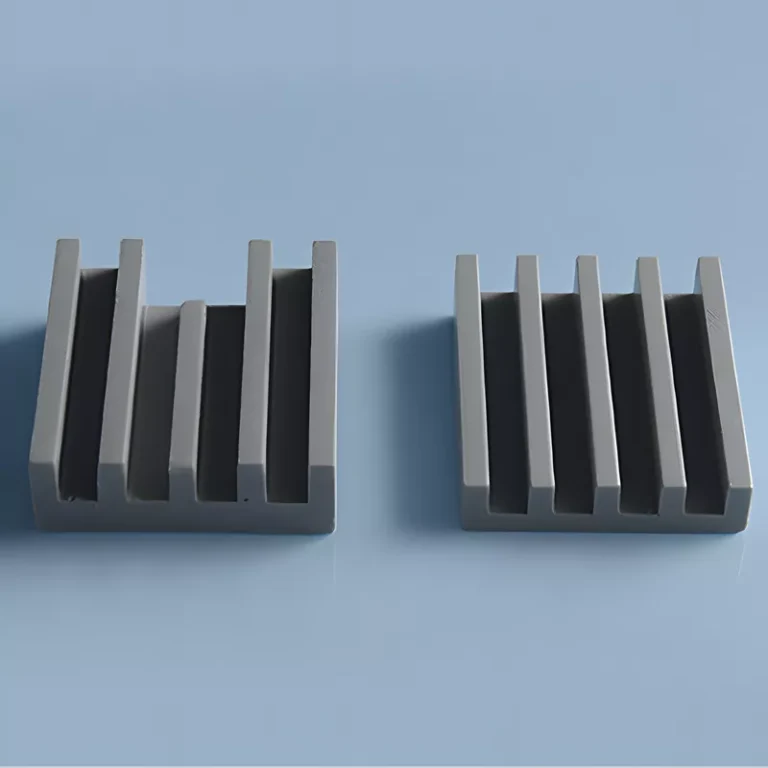
ZTA ceramic lining boards are offered in 10–40 mm thickness, common panel sizes 150×150 mm to 500×500 mm, and custom-cut geometries per drawing; hole layouts, countersinks, and dovetail grooves are available to match your mounting standard.

Catalog No. AT-ZR-CB001
Material Al2O3 + ZrO2
Fracture Toughness ~5–7 MPa·m^0.5
Vickers Hardness (HV)  ~1,150–1,300 HV
Dimensions/Sizes Download PDF
24H Standard Dispatch
Small Batch Support OEM
Factory Direct
Expert Engineering Support

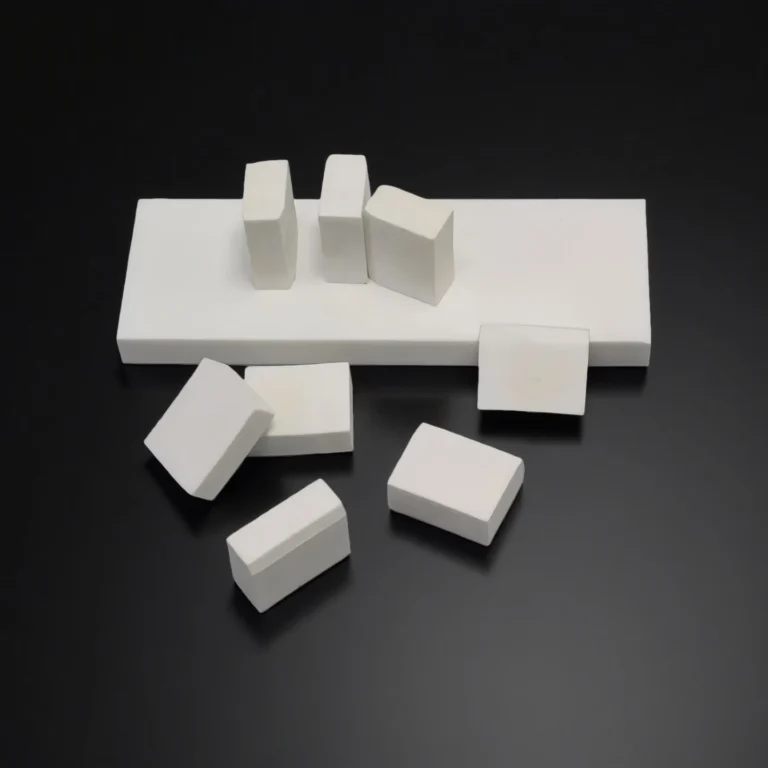
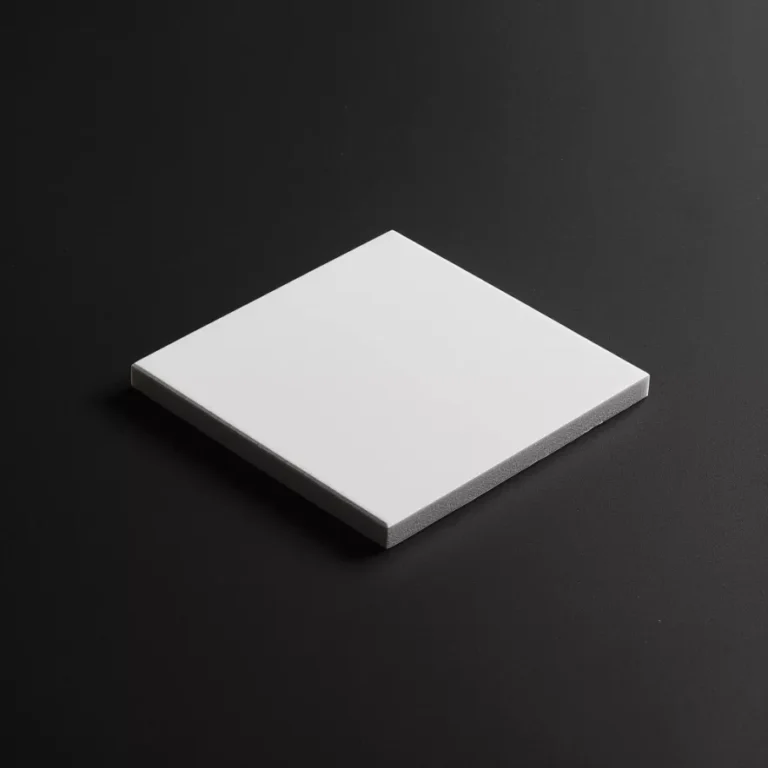
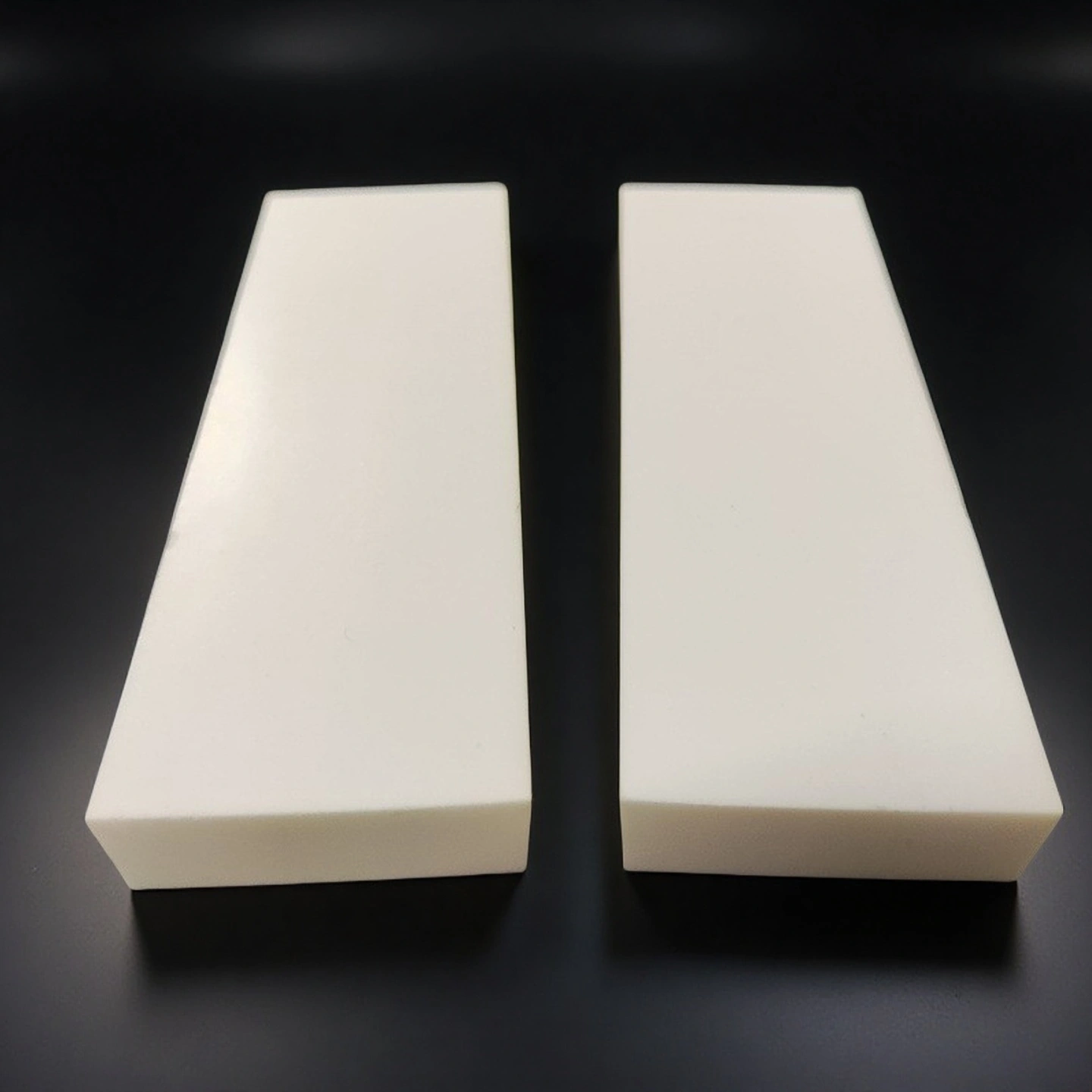
Zirconia Toughened Alumina (ZTA) lining Board is a modular wear lining made from zirconia-toughened alumina. It is engineered for bulk-handling equipment where sliding abrasion and particle impact occur together, such as chutes, hoppers, transfer points, elbows, and splitter boxes. By dispersing zirconia within an alumina matrix.

ZTA Ceramic Liner Board Advantages

  • Mixed-wear stability in impact-abrasion zones; ZTA composition reduces edge chipping vs. alumina-only tiles.
  • Module integrity with optimized grain size and zirconia dispersion to limit micro-crack growth at bolt holes.
  • Low-seam surface via tight thickness tolerance to reduce turbulence and carryback at panel joints.
  • Retention flexibility: bolt-on pattern or dovetail; compatible with composite backings for energy absorption.
  • Curved section capability: radius-matched ZTA boards for elbows and cones reduce on-site grinding.


Zirconia Toughened Alumina Ceramic Lining Boards Properties

Property Unit Alumina (99%) ZTA (Zirconia Toughened Alumina) Y-TZP Zirconia
Fracture Toughness (KIC) MPa·m¹⁄² 5 7 – 9 6 – 10
Hardness (HV10) GPa 8.9 9 – 10 (≈ 90 HV) 12 – 14
Flexural Strength MPa 400 650 – 800 800 – 1200
Density g/cm³ 3.9 4.0 – 4.3 6.0
Relative Wear Rate 1.0 0.45 – 0.55 0.2
Thermal Expansion Coefficient (RT – 800 °C) ×10⁻⁶ /K 8.0 8.5 – 9.0 10 – 11
Thermal Conductivity (RT) W/m·K 25 22 – 24 2 – 3
Maximum Working Temperature °C 1600 1450 – 1500 1000 – 1200
Dielectric Strength kV/mm 12 11 – 13 9 – 11
Surface Roughness (Ground face) µm Ra 0.4 – 1.2 0.3 – 0.8 0.2 – 0.6
Flatness (after grinding) mm/300 mm ≤ 0.4 ≤ 0.3 ≤ 0.2


ZTA Ceramic Lining Board Specifications

ZTA Ceramic Lining Board
Item No. Length (mm) Width (mm) Thickness (mm)
AT-ZR-CB001 50 25 5-12
AT-ZR-CB002 50 50 5-20
AT-ZR-CB003 100 100 6-30
AT-ZR-CB004 120 80 8-30
AT-ZR-CB005 150 100 6-50
AT-ZR-CB006 100 25 5-15
AT-ZR-CB007 100 50 6-30
AT-ZR-CB008 100 75 12-50
AT-ZR-CB009 150 50 6-50
AT-ZR-CB010 70 70 10-25
AT-ZR-CB011 75 50 6-15
AT-ZR-CB012 120 100 6-25
AT-ZR-CB013 120 50 6-25
AT-ZR-CB014 100 80 6-25
AT-ZR-CB015 150 75 6-50
AT-ZR-CB016 27 27 5-18
AT-ZR-CB017 37.5 37.5 5-18
AT-ZR-CB018 39.2 39.2 6-18
AT-ZR-CB019 50 30 5-15


ZTA Ceramic Lining Plate Packaging

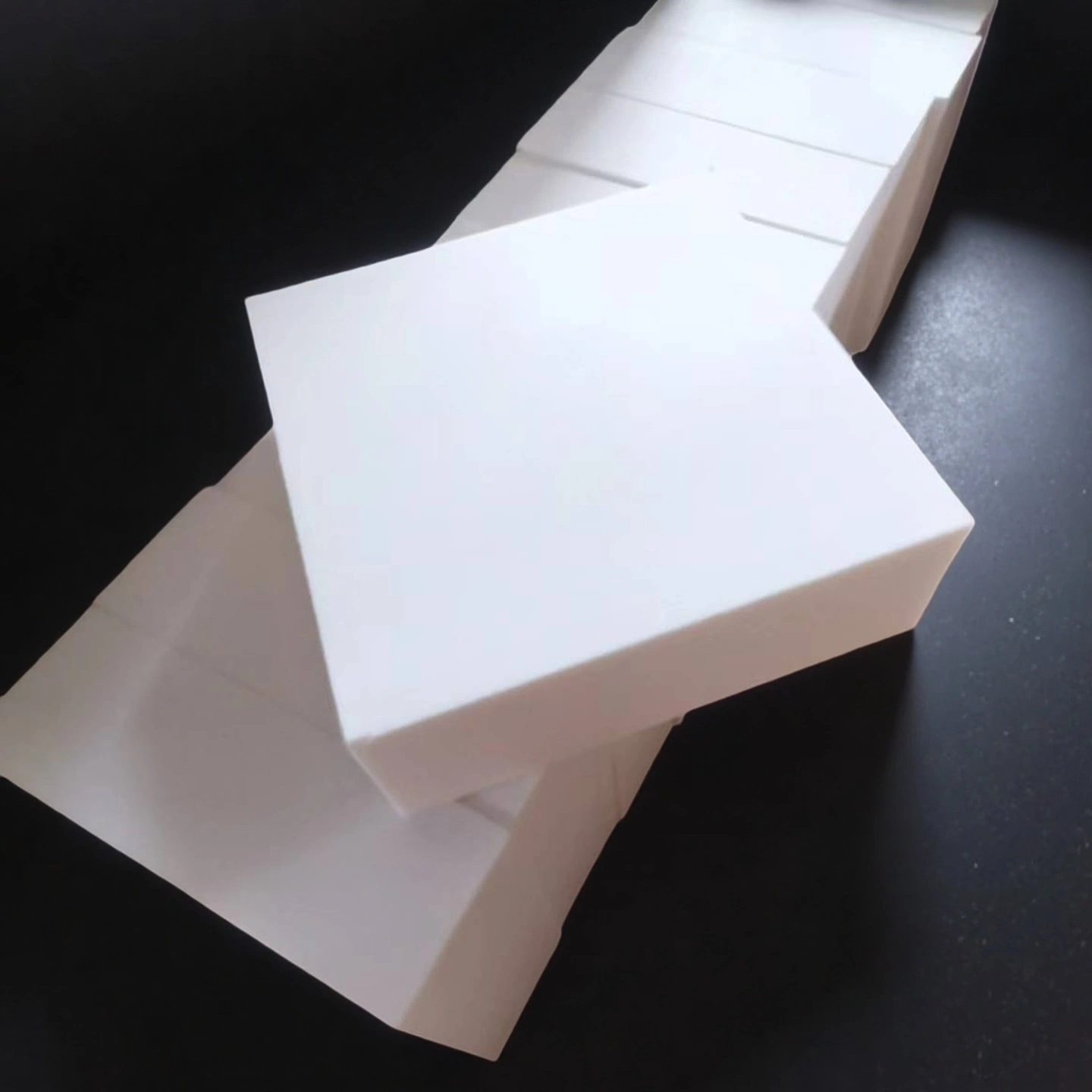
  • Panel Protection: foam-separated layers, edge guards, shrink-wrap per module set.
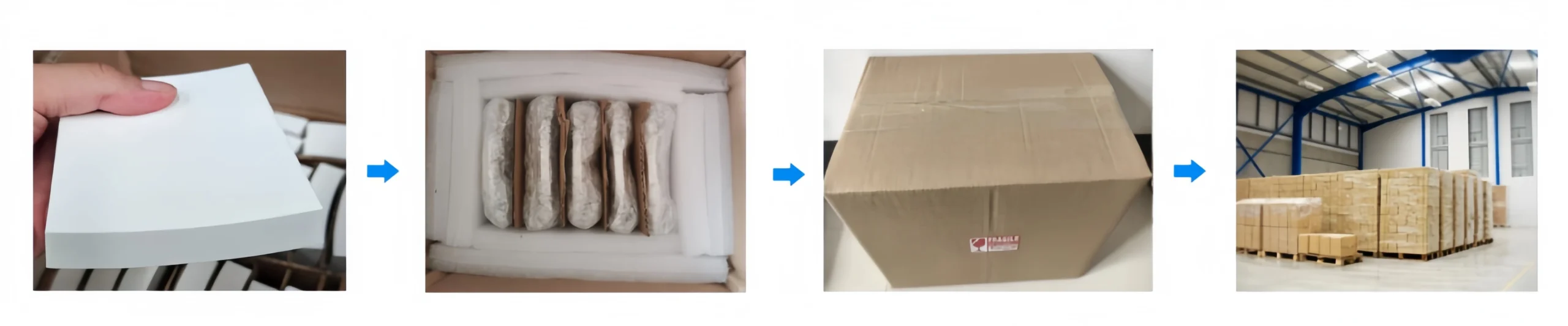
ZTA Ceramic Lining Plate Packaging

Zirconia Toughened Alumina Ceramic Liner Plate Applications

  • Mining & Quarry Transfer Points

    ✅Key Advantages

    1. Impact-abrasion fit — ZTA toughness helps limit corner spall in high-drop zones (K_IC per ASTM C1421).
    2. Surface stability — hardness ~1,150–1,300 HV maintains smoothness vs. steel (HV per ISO 6507).
    3. Predictable modules — tight thickness tolerance controls seam steps that induce turbulence.

    ✅ Problem Solved

    At a primary crusher discharge, steel liners exhibited frequent gouging; alumina tiles chipped at bolt holes. A ZTA 30 mm panel set with countersunk pattern ran a full outage interval without corner loss. Spillage at the skirtboard reduced visibly and cleanup time decreased. Measurements were tracked with thickness gauges and visual seam inspection between shifts.

  • Cement Process Lines

    ✅Key Advantages

    1. Mixed-mode durability — ZTA endures fines abrasion plus occasional clinker impact.
    2. Low-seam continuity — fine-ground thickness improves airflow and reduces recirculation dust.
    3. Composite readiness — ZTA-rubber boards absorb vibration to protect fastener seats.

    ✅ Problem Solved

    In a cyclone inlet retrofit, ZTA-rubber composite boards replaced alloy plate. After one campaign the seam edges remained intact; vibration at the inspection port decreased. Operators reported fewer fines deposition events around the inlet quadrant.

  • Coal & Ash Handling (power plants, terminals)

    ✅Key Advantages

    1. Ash/coal abrasion control — high HV resists sliding wear at elbows and splitters.
    2. Thermal discontinuity management — slotted holes accommodate temperature swings around ducts.
    3. Elbow-matched geometry — curved ZTA boards reduce field dressing and keep the inner radius smooth.

    ✅ Problem Solved

    At a bottom-ash elbow, early steel wear caused frequent patching. Curved ZTA panels with slotted holes held thickness through the planned maintenance window; elbow DP readings stabilized and patch welding stopped during that period.

ZTA Ceramic Lining Board Usage Instructions

  • Install

    1. Pre-assembly check: Before final torque, dry-fit modules to confirm seam steps ≤ 1 mm at all joints. Shim or re-index modules until seams are flush; uneven joints increase turbulence and accelerate edge wear.
    2. Bolt-on installation: Maintain an edge distance ≥ 2 × hole diameter to avoid tensile cracking around bolt seats. Tighten progressively in a star pattern to distribute stress evenly. Use a torque-wrench to prevent over-clamping of countersunk heads.
    3. Dovetail system: Verify rail straightness and alignment along the full length. Tap-fit modules gently using a soft-faced mallet, ensuring each dovetail locks fully into the track before setting end-stop plates or mechanical retainers.
    4. Adhesive bonding (if used): Ensure contact faces are clean and oil-free. Apply bonding primer or epoxy uniformly; maintain minimum 90 % coverage to prevent local stress points. Allow full cure before loading.
    5. Thermal expansion allowance: For high-temperature ducts, provide slot elongation ≥ 1.5 mm per 300 mm span to accommodate expansion and avoid bolt-hole spall.
    6. Final inspection: Run a straight-edge across adjacent panels to verify flatness; check for free bolt movement before system start-up.

  • Use

    1. Start-up: After retrofit, ramp conveyor or feeder load gradually to confirm carryback reduction and observe for noise or misalignment at skirt seals.
    2. Early inspection: Check impact corners and bolt zones after 24–48 h of operation for minor chipping; retorque bolts while surfaces are warm.
    3. Regular monitoring: Record wear depth using ultrasonic or gauge measurement at fixed inspection points every 1,000 – 1,500 operating hours.
    4. Operating temperature: Standard ZTA ceramic lining boards tolerate up to 900 °C (1,650 °F); above this, confirm adhesive or composite backing compatibility.
    5. Replacement planning: Replace modules when residual thickness falls below 70 % of the initial design or when seam step exceeds 1.5 mm.

  • Store

    1. Stack flat on pallets with foam interlayers; never rest boards on corners.
    2. Keep in a dry, ventilated area (humidity < 65 %) to avoid surface contamination of bonding faces.
    3. Avoid direct sunlight or freezing conditions that may stress composite backings.
    4. Label pallets by module ID or chute zone for quick retrieval during shutdown installation.

  • Clean

    1. Use soft nylon or non-metallic scrapers to remove accumulated fines or adhesive residue.
    2. Do not strike with steel tools; micro-cracks at seams can propagate during service.
    3. For chemical cleaning, select neutral pH agents; avoid strong alkalis or acids that attack rubber or epoxy layers.
    4. Blow out bolt holes and dovetail grooves with dry compressed air before re-installation.

  • Cautions

    1. Over-tightened fasteners may create radial stress cones; always verify the torque values specified by the design sheet.
    2. Misaligned seams or uneven backing will cause high local pressure and premature edge failure. Re-grind or shim before startup.
    3. Skipping thermal expansion slots on hot ducts leads to edge chipping; design elongated holes or use expansion sleeves.
    4. Using contaminated bonding surfaces (oil, dust, moisture) reduces adhesion strength and may cause delamination.
    5. Handling damage: Avoid dropping panels; corner chips—even 2 mm deep—can grow rapidly under repeated impact.

Zirconia Toughened Alumina Ceramic Lining Board FAQ

  1. Q: How does the zirconia content affect the service life of a ZTA ceramic lining plate?
    A: A higher zirconia fraction (typically 10–20%) increases fracture toughness and reduces crack propagation at bolt holes, extending service life by 30–50% compared with pure alumina liners under impact–abrasion conditions.
  2. Q: What is the recommended panel layout for a transfer chute lined with ZTA plates?
    A: Use a brick-bond or staggered layout so that seams do not align with the direction of particle flow. This distributes the wear path evenly and minimizes turbulence at joints.
  3. Q: Can ZTA liner boards be used with ceramic rubber composites?
    A: Yes. ZTA boards can be bonded or vulcanized onto rubber backings for impact damping. The composite system helps absorb shock and prevents ceramic edge cracking in heavy-load chutes.
  4. Q: What adhesive systems are compatible with ZTA ceramic lining boards?
    A: Epoxy- or polyurethane-based two-part adhesives rated above 120 °C are typical. For high-temperature ducts, use silicate or phosphate ceramic adhesives to maintain bond integrity up to 800–900 °C.
  5. Q: How are ZTA ceramic liner boards inspected for wear during operation?
    A: Install wear indicators or use ultrasonic thickness gauges at fixed checkpoints. When the remaining thickness falls below 70 % of the original, plan for replacement before the next maintenance shutdown.
  6. Q: Can ZTA liner boards be installed over existing steel or ceramic linings?
    A: Yes, provided the substrate is clean, level, and structurally sound. Remove loose material, regrind uneven surfaces, and use mechanical anchors if bonding over old steel linings.

Zirconia Toughened Alumina Lining Board Reviews

  • ⭐️⭐️⭐️⭐️⭐️
    We trialed ZTA ceramic lining boards at the primary transfer point. Corner chips seen on alumina tiles didn’t appear, and we ran to the scheduled outage without mid-cycle patching.
    -- James Porter — Reliability Manager, Granite Ridge Quarry (USA)
  • ⭐️⭐️⭐️⭐️⭐️
    The ZTA liner boards with countersunk fasteners kept seams flush. Dust plumes at the inlet dropped, and housekeeping time around the chute went down after the swap.
    -- Elena Vogt — Maintenance Engineer, RheinCem Plant (DE)
  • ⭐️⭐️⭐️⭐️⭐️
    ADCERAX supported drawing updates for our bolt pattern. The zirconia toughened alumina linging boards arrived kitted by zone, which helped our crew change the elbow section in one shift.
    -- Carlos Mendes — Purchasing Lead, NorthShore Terminals (CA)
  • ⭐️⭐️⭐️⭐️⭐️
    Curved ZTA lining boards matched our 800 mm radius elbows. No grinding on site; thickness checks after two months showed uniform wear.
    -- Kenji Sato — Project Engineer, Hoku Materials Handling (JP)
customize size

Customize ZTA Ceramic Lining Boards

Customize the lining board to fit your wear map. What You Can Specify:

1. Dimensions

  • Thickness: 10 / 20 / 30 / 40 mm, up to 60 mm for heavy-impact zones.
  • Size range: 100 × 100 mm – 600 × 600 mm, modular or single-piece design.
  • Curved options: radius-matched boards for elbows, cones, and ducts.
  • Tolerance: ±0.1 mm thickness, ±0.3 mm edge to minimize seam steps.

2. Shapes

  • Flat and rectangular boards for wall and chute liners.
  • Trapezoidal or wedge panels for cones and circular bins.
  • Curved and segmented boards for elbows and splitters.
  • Corner keys or wear rings for high-turbulence zones.

3. Hole Details

  • Types: through-hole, countersunk, counterbore, or slotted for thermal growth.
  • Patterns: grid, diagonal, or staggered layouts to reduce stress points.
  • Minimum edge distance: ≥2 × hole diameter for structural safety.

4. Retention & Finish

  • Mounting: bolt-on, dovetail, or bond-line-ready surfaces.
  • Surface: as-sintered or fine-ground, ensuring smooth material flow.

5. Composite Options

  • ZTA-rubber boards — absorb impact and vibration.
  • ZTA-steel composites — provide structural rigidity for large panels.

Related Products

ADCERAX - Your Trusted Advanced Ceramics Manufacturing Partner

Direct factory manufacturing with comprehensive ceramic materials expertise and global supply capabilities

Direct Factory Manufacturing

China-based ceramic materials production facility with state-of-the-art equipment

Engineering Team

Experienced professionals in advanced ceramics applications and custom design

Quality Control

Strict quality control standards for technical ceramics manufacturing and quality management

Global Supply Chain

Serving customers worldwide with technical ceramics and rapid response

24/7 Technical Support

Round-the-clock support for ceramic components inquiries and technical assistance

500+ Satisfied Customers

Trusted by global customers for advanced ceramic materials and precision components

Get in touch with us

Our team will be happy to respond to you in less than 24 hours.

Adcerax's factory

Quick Quotation

*Our team will answer your inquiries within 24 hours.

*Your information will be kept strictly confidential.

Ready to Solve Your Engineering Challenge?

Partner with ADCERAX for reliable, high-performance advanced ceramic solutions. Our engineers are ready to discuss your project.

E-mail

info@adcerax.com

Phone

+(86) 0731-74427743 | WhatsApp: +(86) 19311583352

Response Time

Within 24 hours

Quick Quote

The more details you provide, the faster we can quote.

*We respond within 24 hours. All inquiries are confidential.

Download Catalog

Get Your Custom Sulution

The more details you provide, the faster we can respond.

customize size

*We respond within 24 hours. All inquiries are confidential.

Download Catalog