
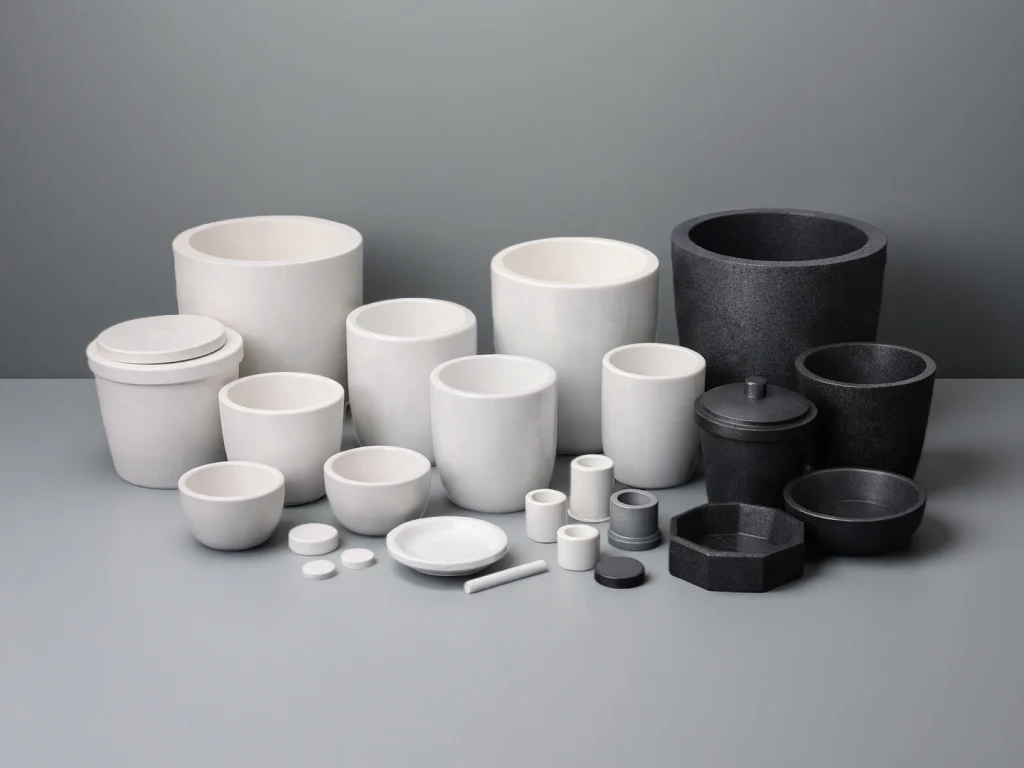
Advanced structural ceramics — alumina, zirconia, silicon carbide, silicon nitride, and composite systems — engineered for industrial environments where metals corrode, wear out, and fail.
Available in tubes, rods, plates, rings, balls, sleeves, bearings, and fully custom profiles, ADCERAX manufactures precision ceramic components to your drawing, from prototype to production, with 24-hour dispatch on standard stock.
If you already have a drawing or a failing metal part, prepare: component form (tube, rod, ring, plate, or custom profile), working medium, temperature range, and critical dimensions. These inputs allow our engineers to recommend the right material and deliver a quote within 24 hours.
9 Material Families Available / Al₂O₃ · ZrO₂ · SiC · Si₃N₄ · more
Custom to Drawing / DXF · DWG · STEP · Sample
24hr Stock Dispatch / Standard parts, ready to ship
Engineering Support Included / Material selection included
30+ Countries Served / US · EU · AU · CA · UK
What Are Structural Ceramics?
Structural ceramics are high-performance engineering materials designed to carry mechanical loads, resist abrasive wear, withstand elevated temperatures, and survive chemically aggressive environments — conditions under which metals and polymers typically degrade or fail.
Unlike traditional ceramics, advanced structural ceramics are engineered at the microstructural level — with precisely controlled crystal structure, grain size, and sintering density — to achieve target mechanical and thermal performance.
Mohs Hardness — exceptional resistance to abrasive wear and surface indentation.
Max Operating Temp — retains structural integrity beyond most engineering alloys.
Porosity — near-zero porosity ensures impermeability in sealing applications.
Lifespan vs. Metal — typical service life extension in abrasive and corrosive service.
Types of Structural Ceramics
Structural ceramics are available in tubes, rods, plates, rings, balls, sleeves, and fully custom profiles. Selecting the right form depends on your contact medium, temperature range, mechanical load, and dimensional requirements.

Ceramic Crucible
Balanced cost, hardness, wear resistance, electrical insulation.
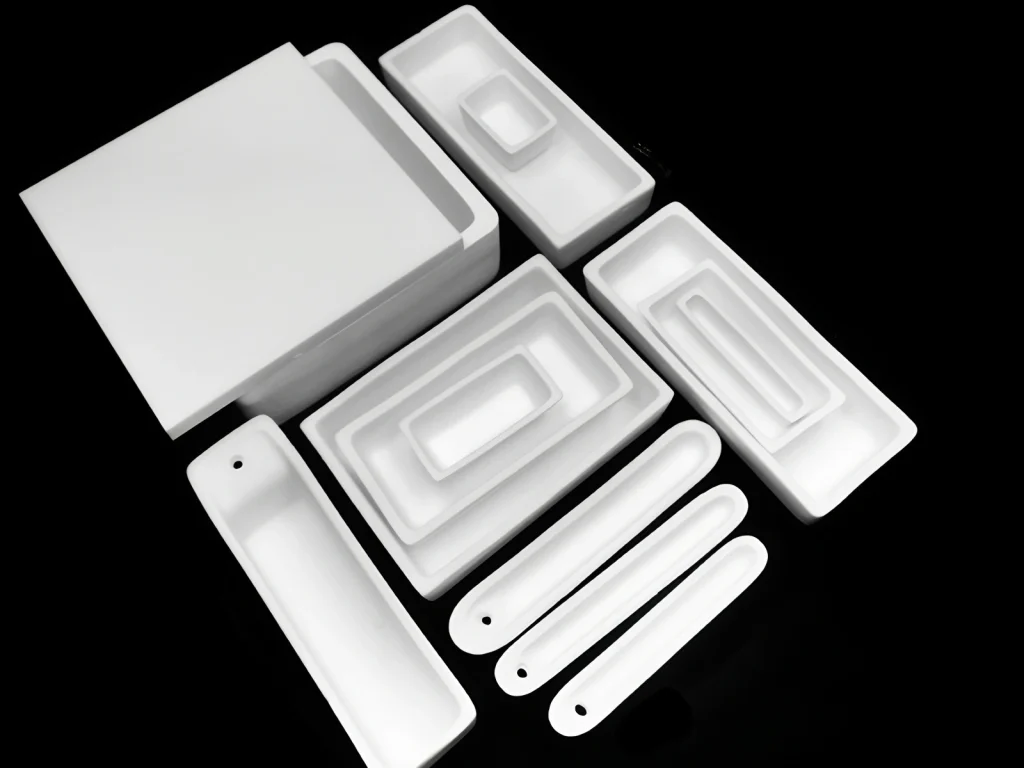
Ceramic Boat
High toughness and fracture resistance for impact-loaded parts.
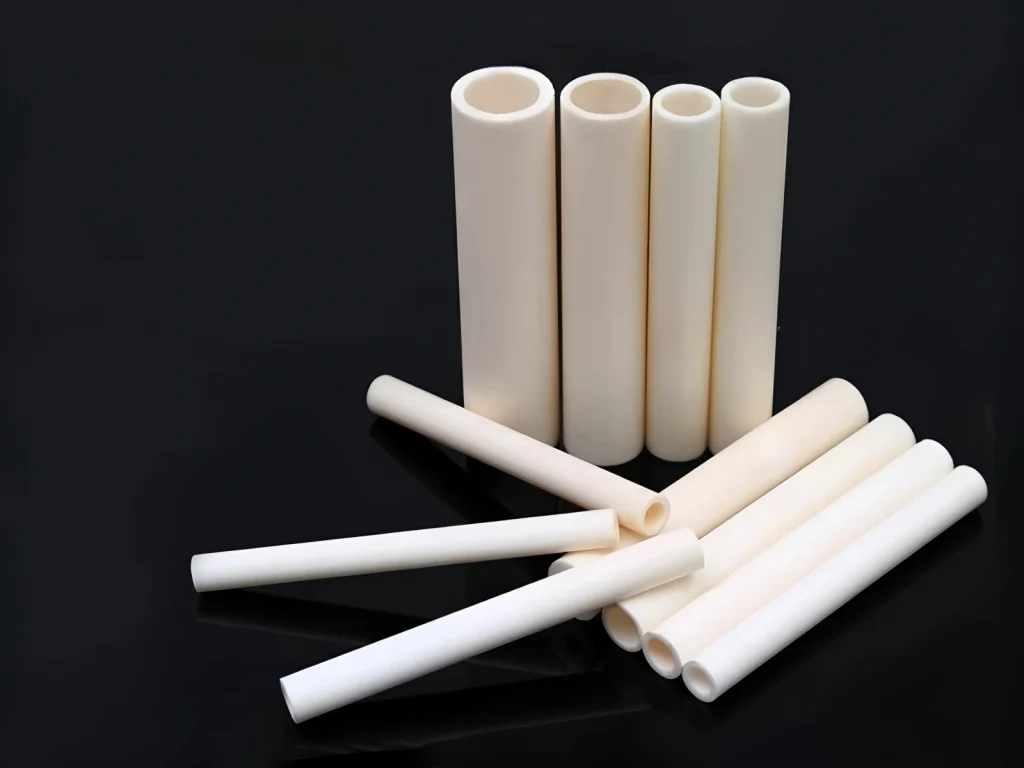
Ceramic Tube
High-temperature stability in basic or refractory environments.
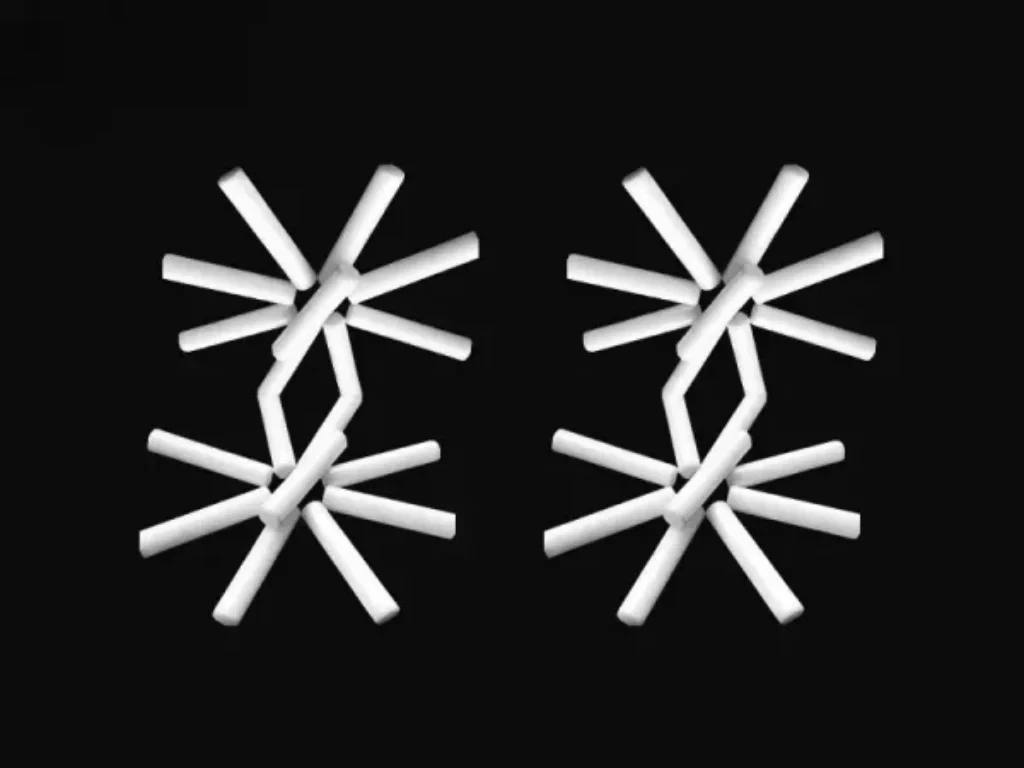
Ceramic Rod
Exceptional thermal conductivity with strong electrical insulation.
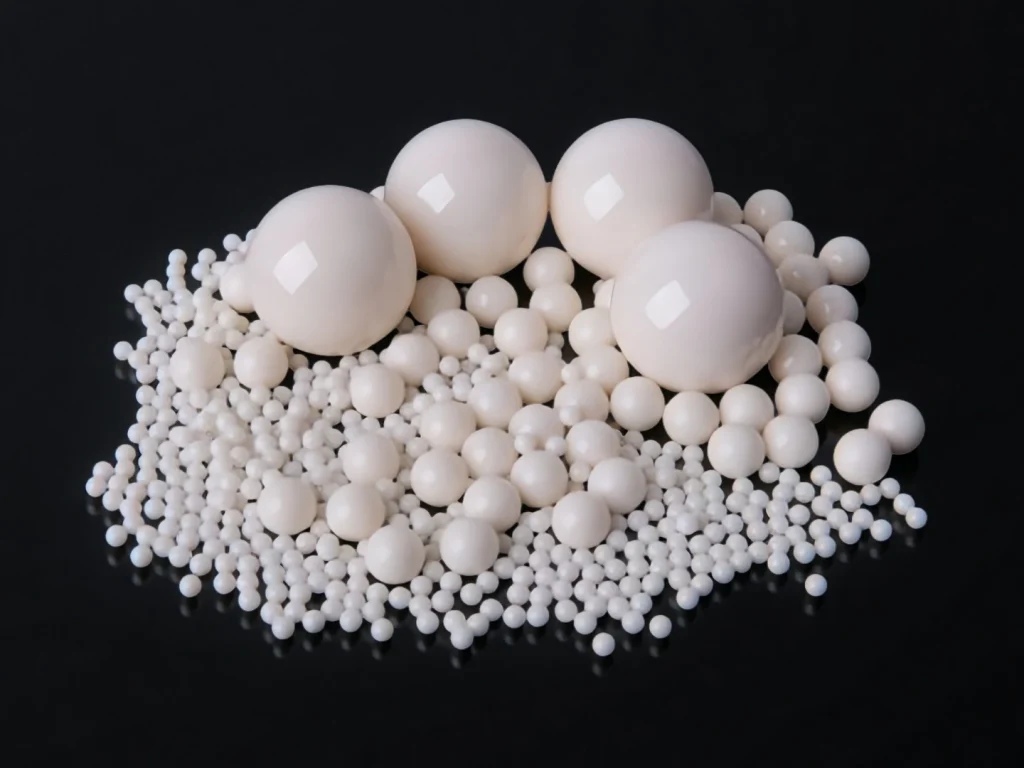
Ceramic Ball
Extreme wear and corrosion resistance at elevated temperatures.
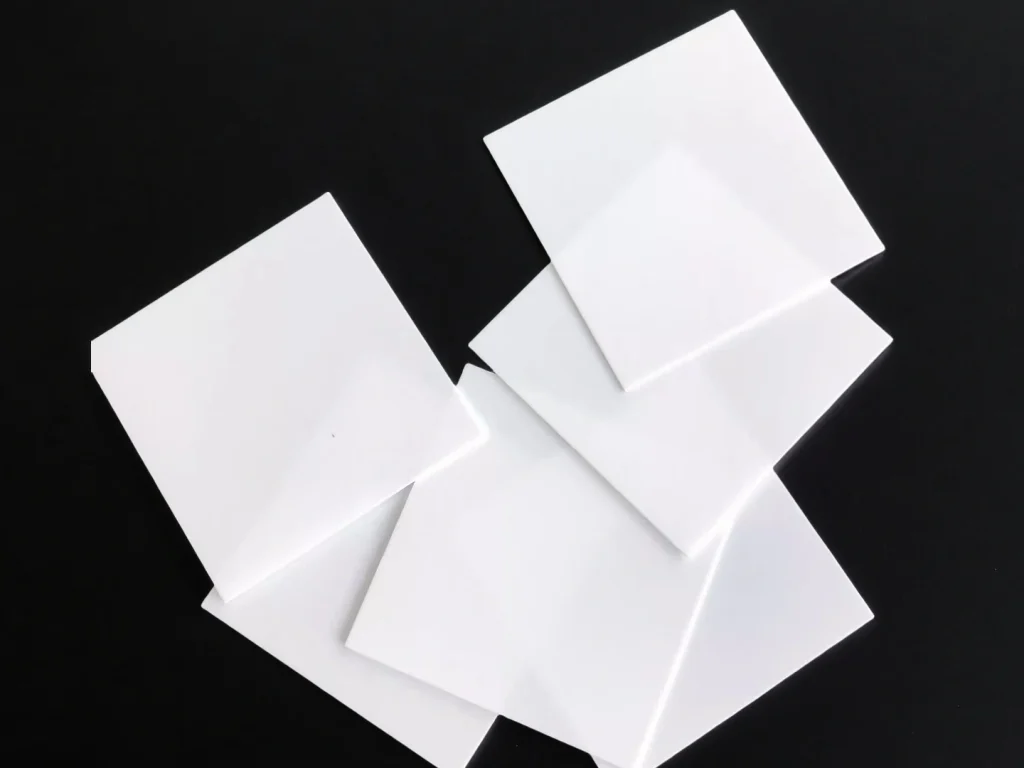
Ceramic Substrate
Ultra-high hardness for severe abrasion and particle impact.
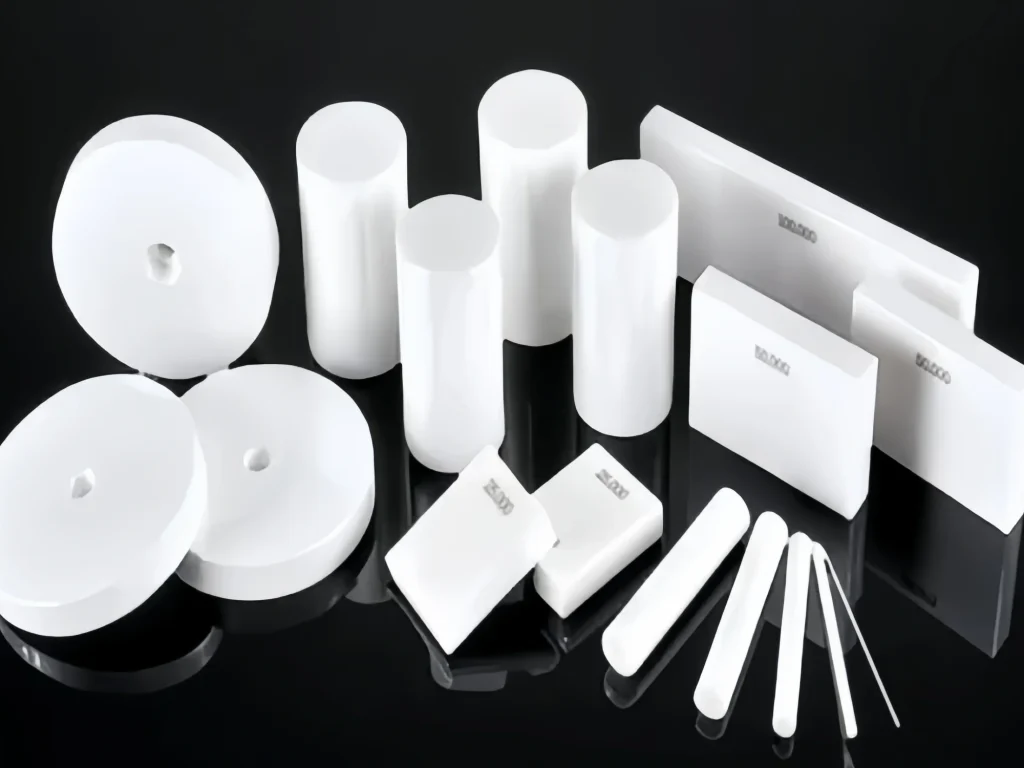
Ceramic Gauge
High strength and toughness under thermal shock and fatigue.
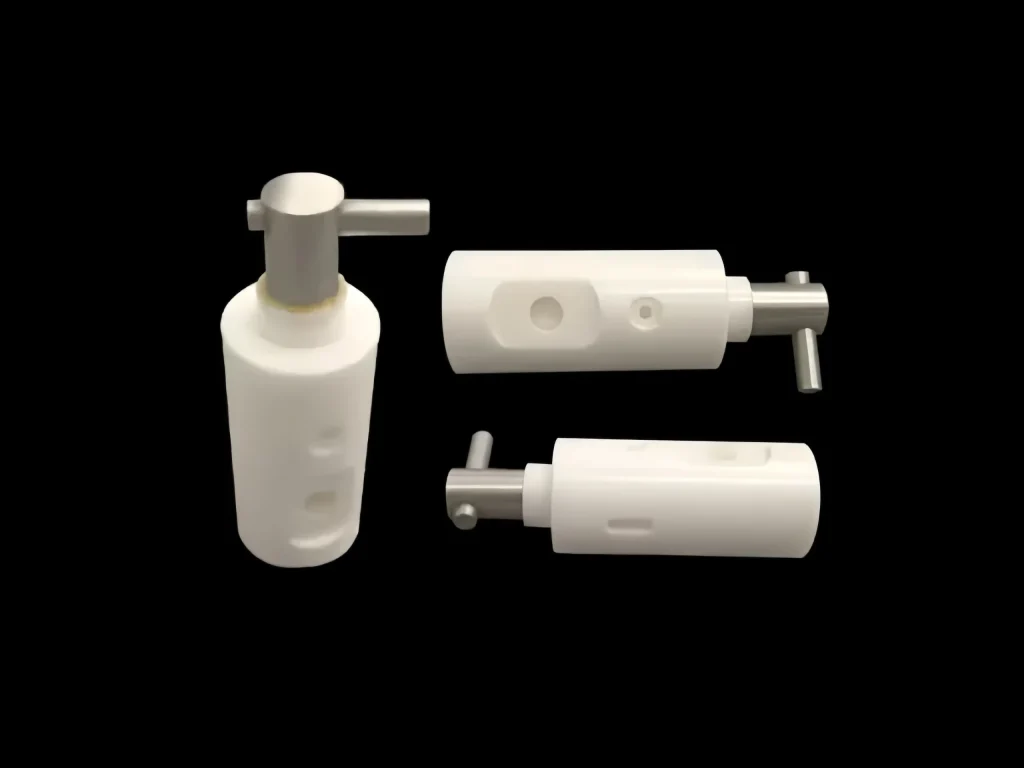
Ceramic Pump
Non-wetting, lubricious surfaces for reactive high-temperature processes.
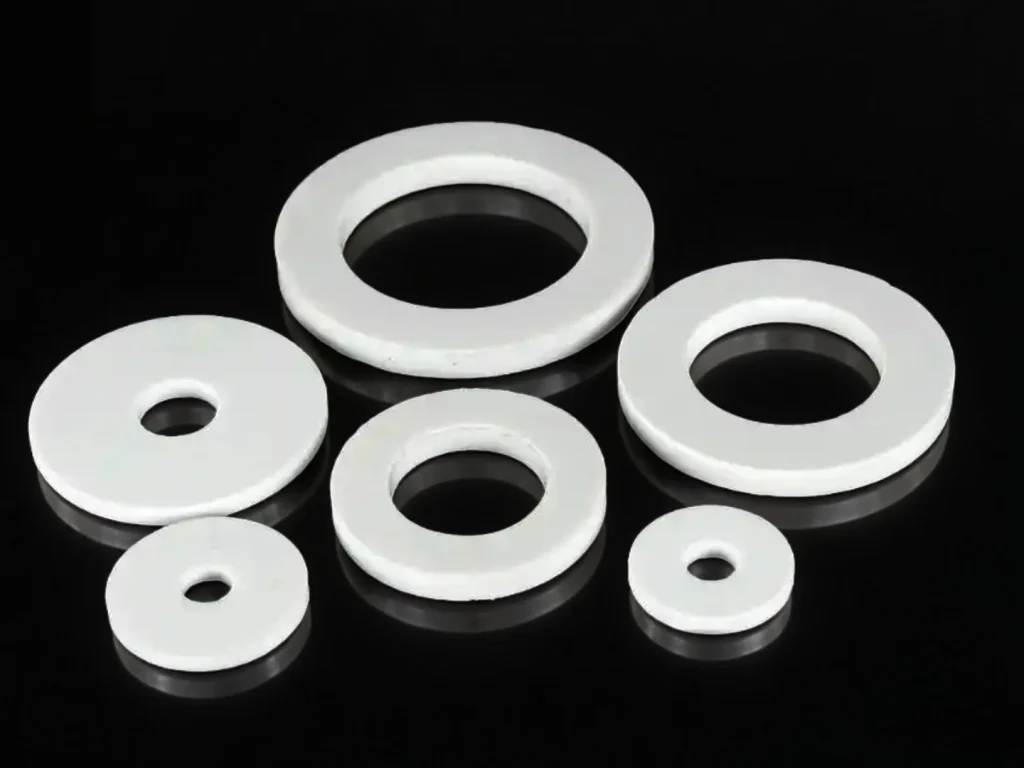
Ceramic Ring
High thermal conductivity with reliable electrical insulation.
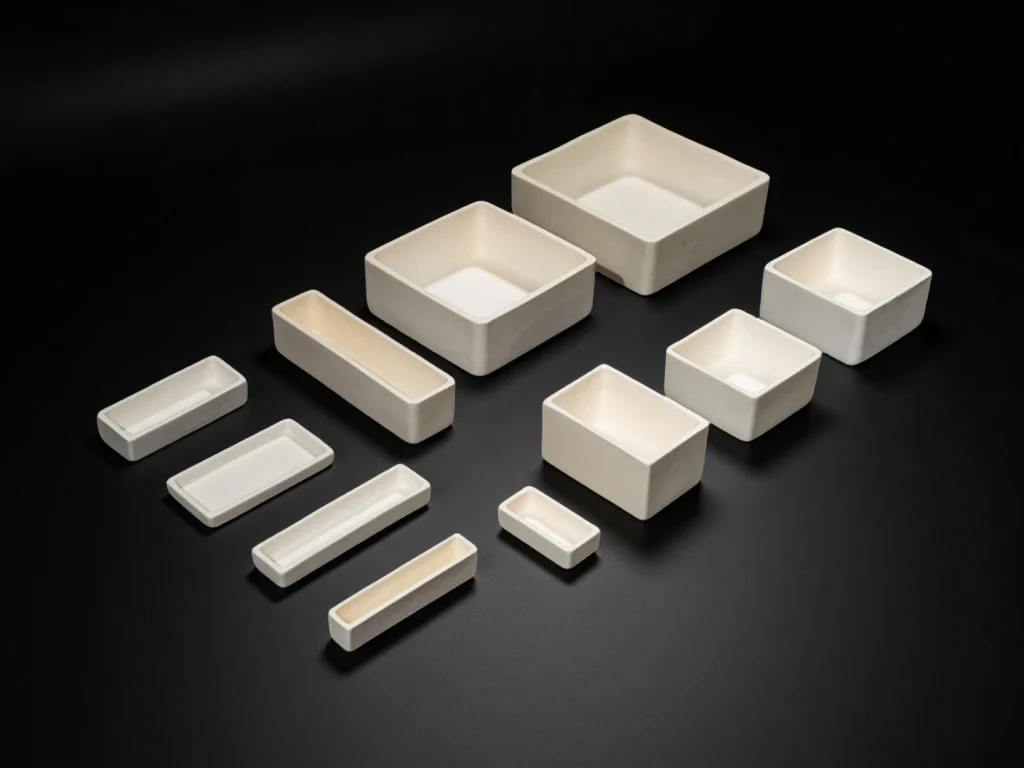
Ceramic Tray
Higher toughness than alumina, strong wear resistance.
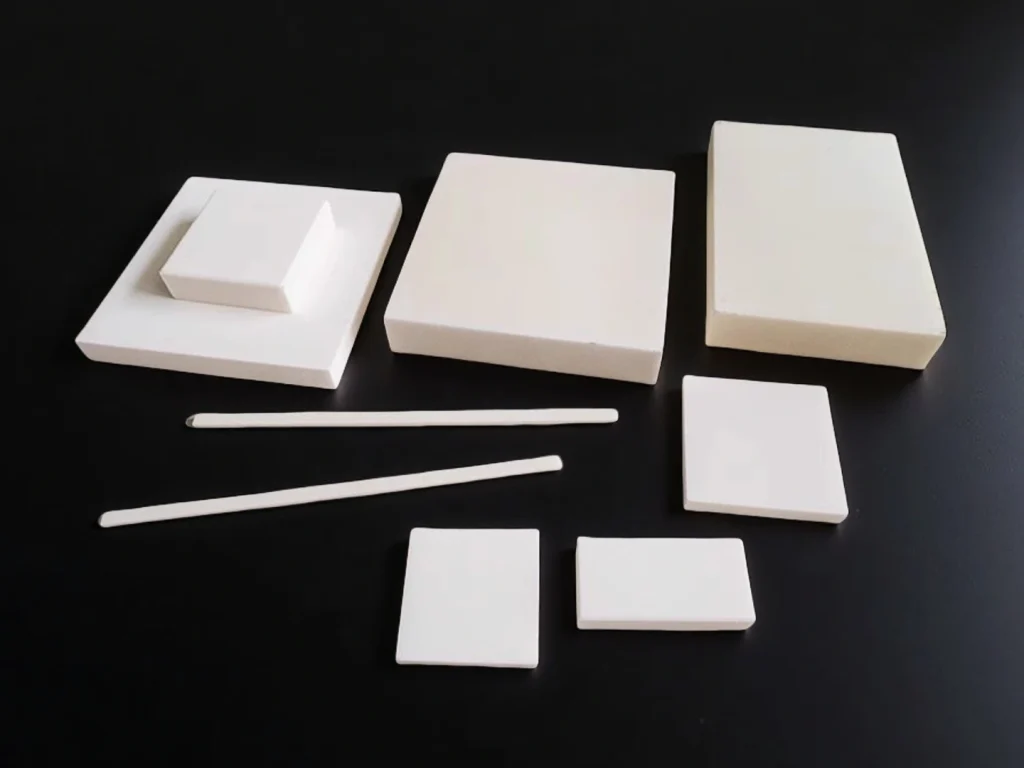
Ceramic Plate
Thermal shock resistance for kiln furniture and insulation.
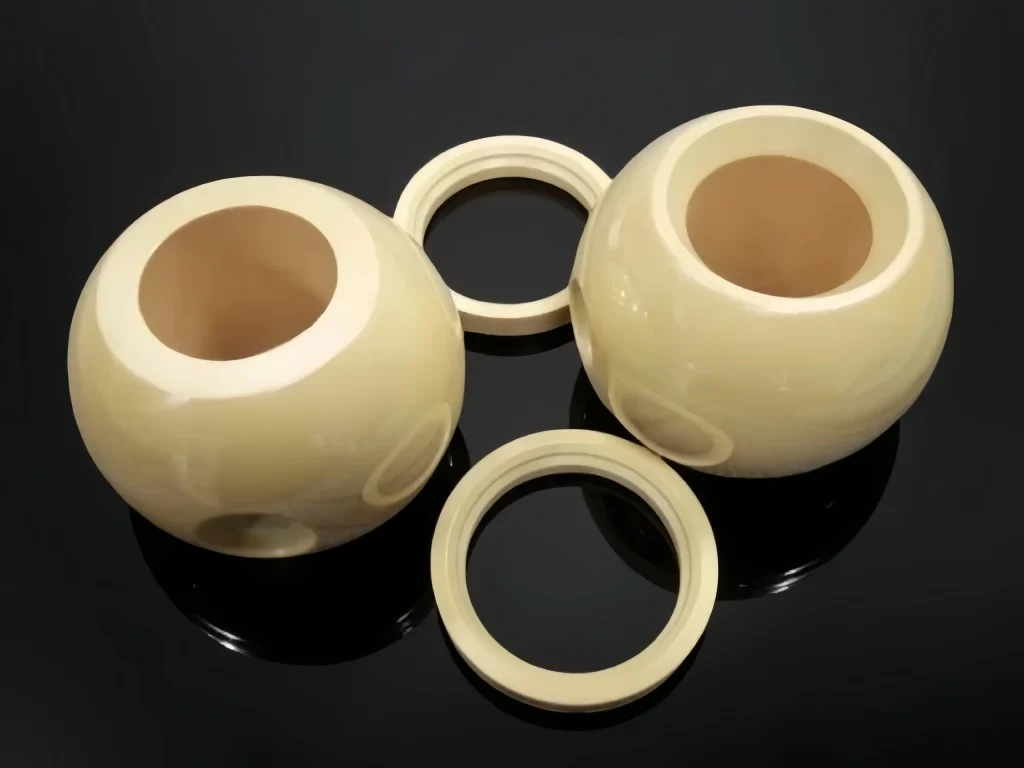
Ceramic Valve
Very low thermal expansion for thermal-shock-resistant components.
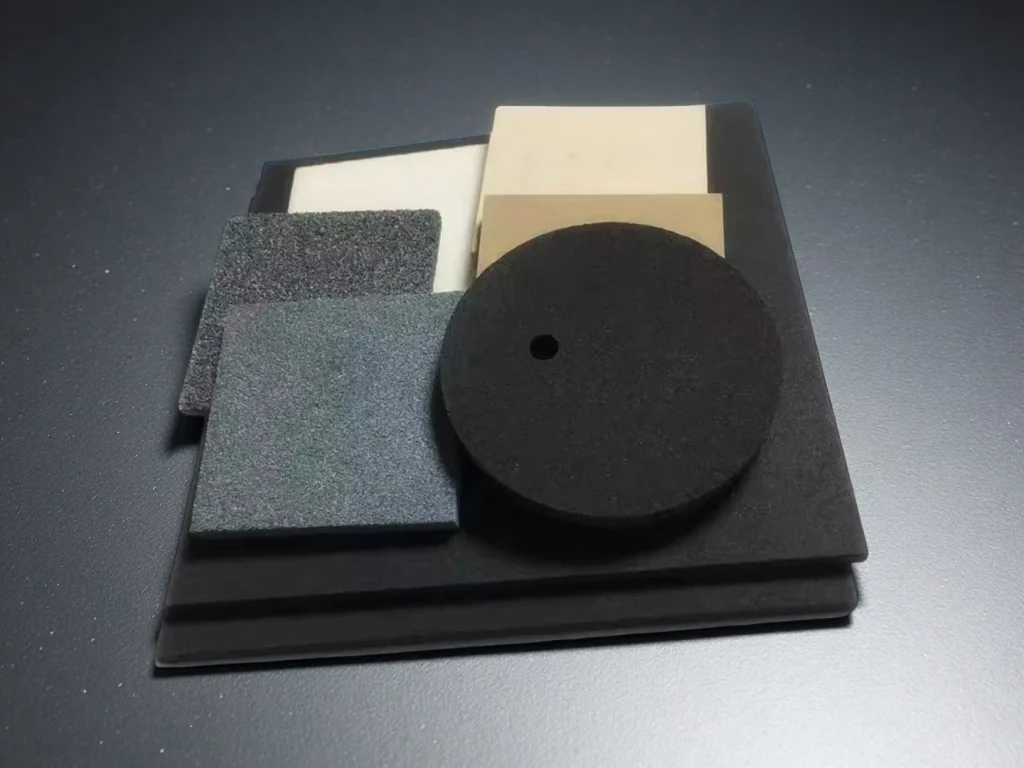
Porous Ceramic
Optical transparency with hardness and durability.
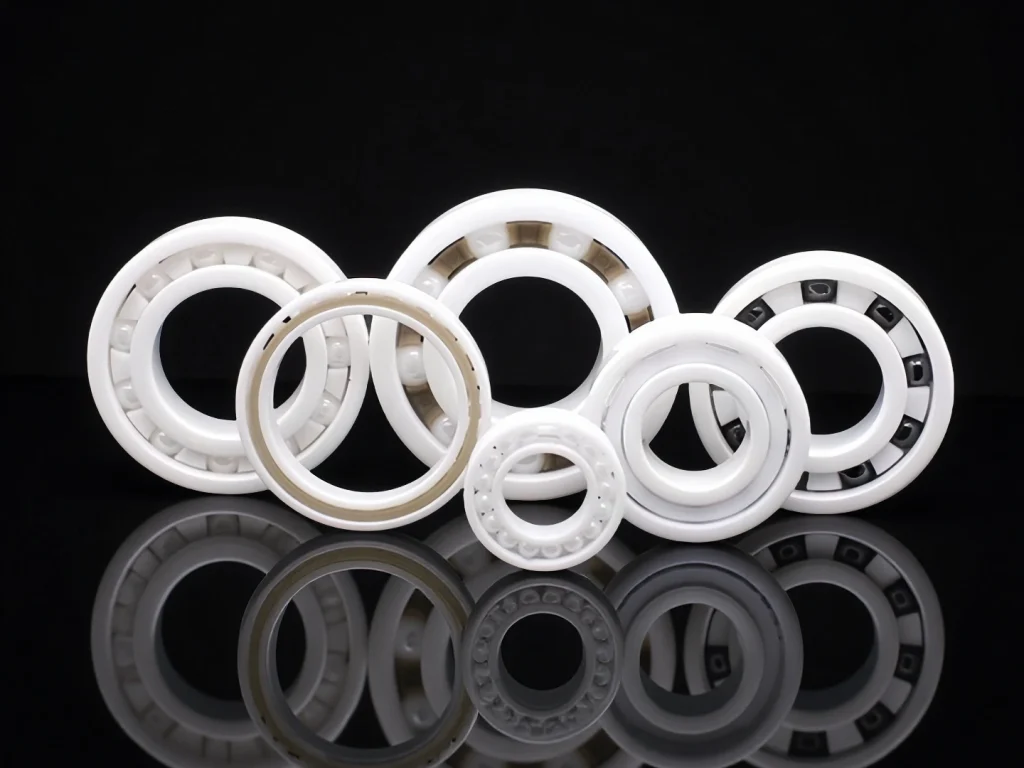
Ceramic Bearing
Reliable hermetic metal-to-ceramic bonding for sealed assemblies.
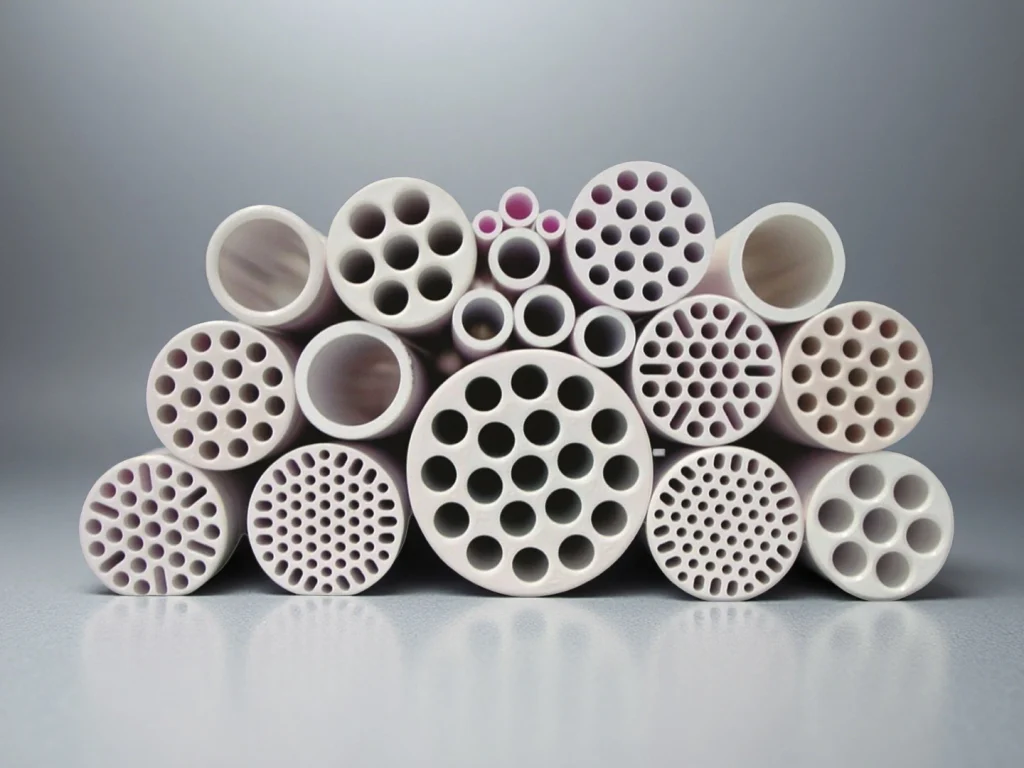
Ceramic Membrane
High hardness and oxidation resistance at extreme temperatures.
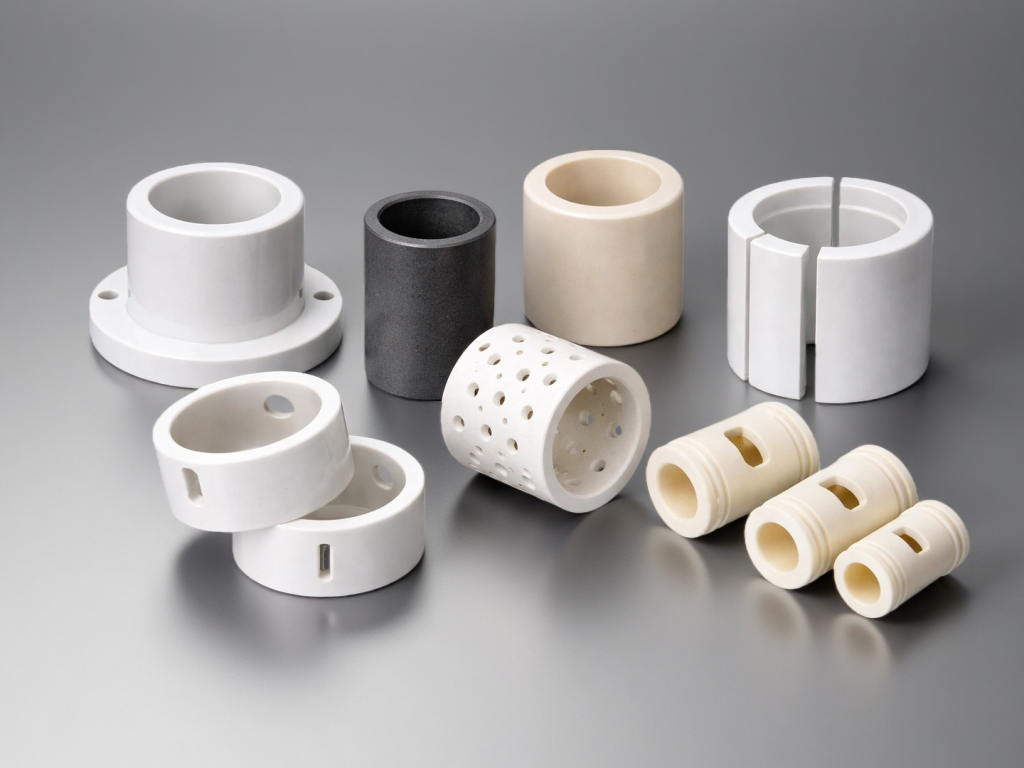
Ceramic Sleeve
High purity and thermal shock resistance for clean processes.
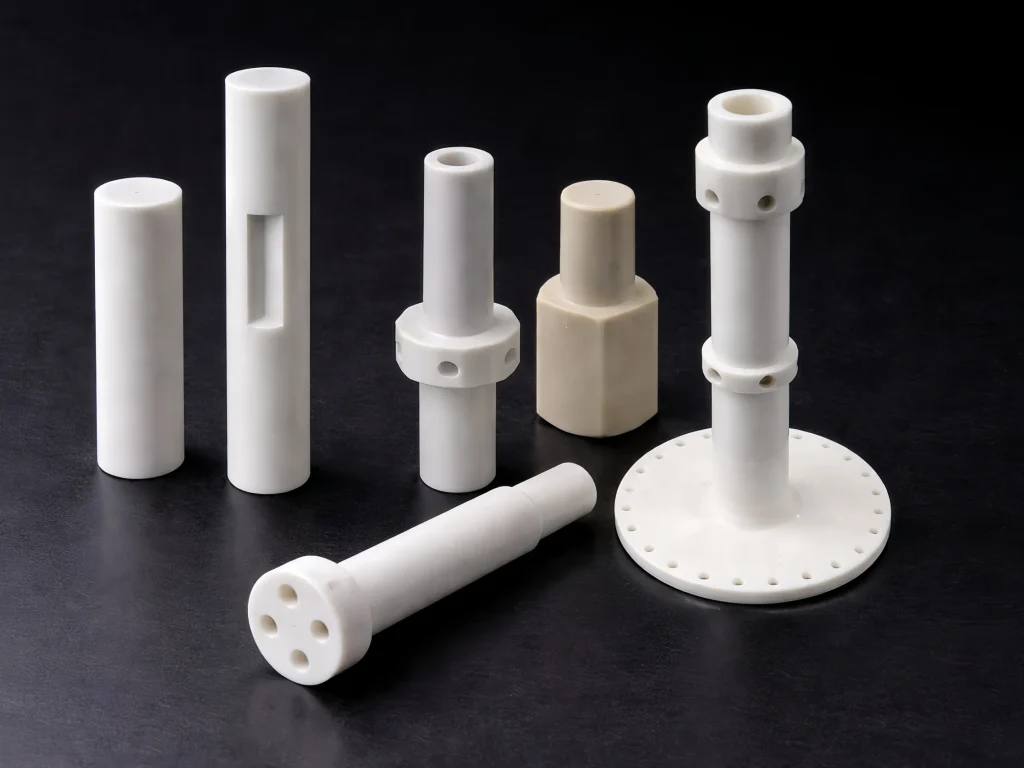
Ceramic Shaft
Excellent chemical stability in aggressive, high-temperature environments.
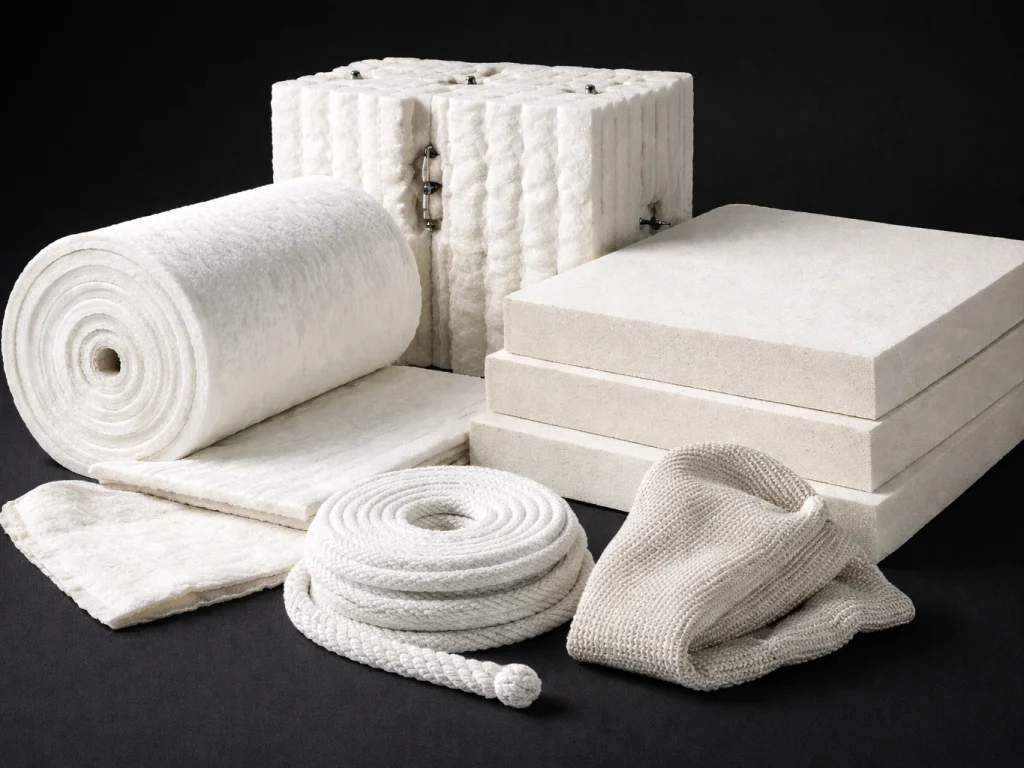
Ceramic Fiber
Easily machined prototypes with good dielectric and thermal stability overall.
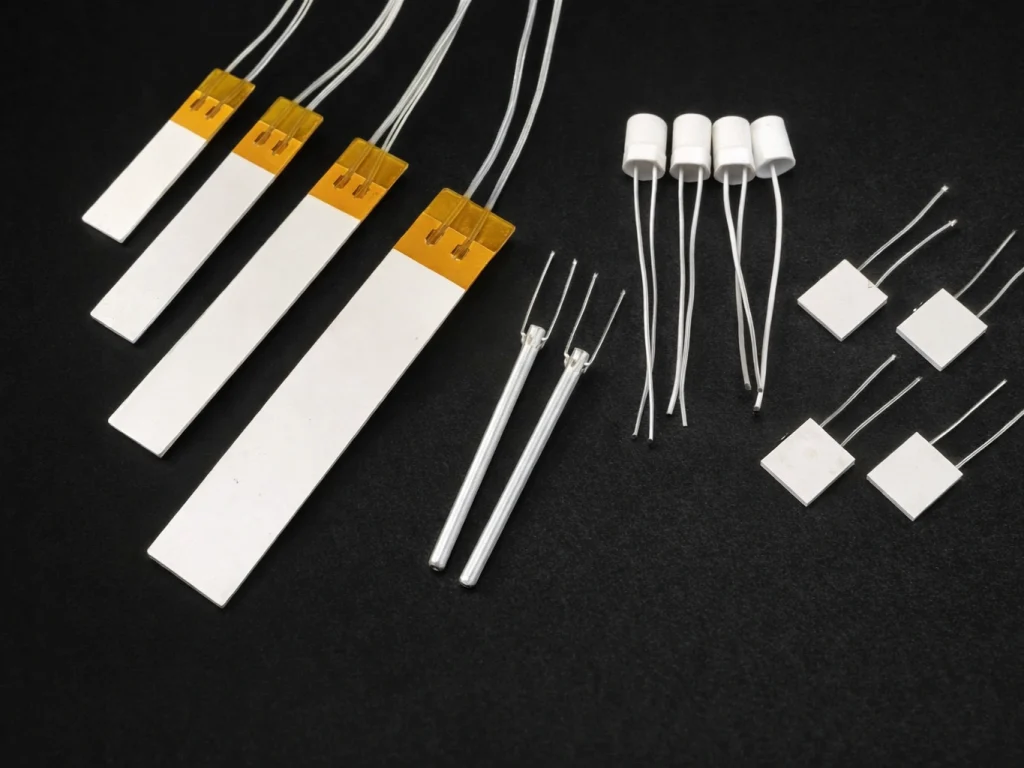
Ceramic Heating Element
Damage tolerance and weight reduction under extreme thermal loading.
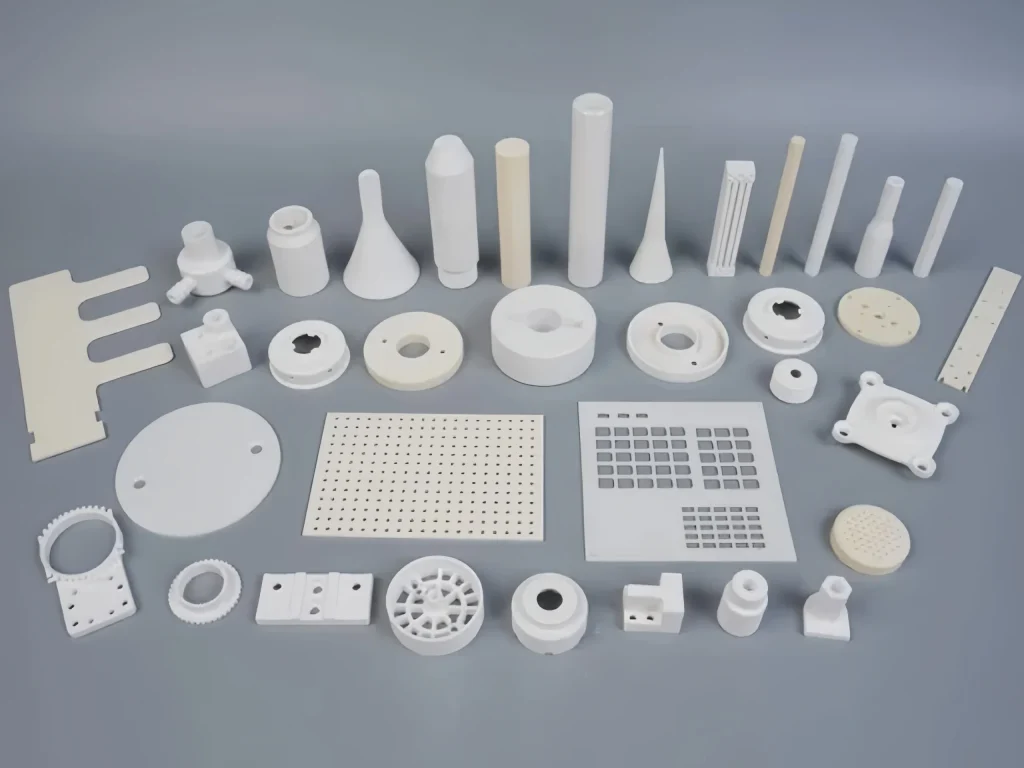
Ceramic Parts
Tailored material combinations optimized for specific performance needs.

Not sure which material suits your component?
Compare alumina, zirconia, SiC, and more in our full material guide.
Structural Ceramics Applications & Examples
The following examples show how structural ceramics solve high-cost failure modes across major industrial sectors — delivering longer service life, lower maintenance frequency, and reduced total operating cost.
Metal pump and valve components fail under combined abrasion and chemical attack. Ceramic seal rings, valve seats, shaft sleeves, and plungers extend service life by 3–10× compared to stainless steel — eliminating contamination and unplanned downtime caused by metal wear debris.
Continuous sliding contact and particle impingement cause dimensional loss and contaminating wear debris in metal components. Alumina and SiC wear liners, guide rails, nozzles, and bearing surfaces maintain dimensional tolerance under continuous abrasion, protecting equipment precision and product purity.
Metal setters and fixtures deform, oxidize, and contaminate the process above 900°C. Alumina and BN kiln furniture provides chemically inert, dimensionally stable support through hundreds of thermal cycles — eliminating contamination and thermal shock failure modes.
Strong acids, alkalis, and oxidizing streams rapidly degrade standard materials. Silicon carbide and high-purity alumina offer near-universal chemical inertness — from HCl and H₂SO₄ to caustic NaOH — making them ideal for metering components, feed lines, and reactor internals.
Automated systems demand tight dimensional stability, low friction, and electrical isolation. Ceramic guide pins, bushings, and insulating components meet these needs with no magnetic interference or contamination.
Ceramic membranes, nozzles, and metering components in water treatment and environmental systems require combined chemical resistance, dimensional precision, and long service intervals.
Custom Structural Ceramics or Standard Stock — We Handle Both
ADCERAX serves two distinct procurement needs from the same manufacturing facility: fast-turnaround standard stock for MRO and replacement requirements, and fully engineered custom parts produced to customer drawings or sample reverse-engineering.
Standard Structural Ceramic Parts
Common form factors held in inventory for immediate dispatch. Suitable for MRO replacement, prototyping, and first-purchase evaluation.
- 24-hour dispatch on stocked sizes and grades
- Alumina ceramic rods, tubes, and plates — multiple purity grades (95%, 99%, 99.9%)
- Zirconia balls, bushings, and cylindrical components
- SiC and Si₃N₄ standard-profile wear components
- No minimum order quantity on standard items
- Certificate of conformance available on request
Custom Structural Ceramic Components
Precision-manufactured to your drawing or sample. Engineering review and material recommendation included at no additional charge.
- Submit DXF, DWG, STEP, PDF, or physical sample
- Engineering review and quotation within 24 hours
- Sample production: 7–15 business days
- Tolerances to ±0.01mm on critical surfaces using diamond grinding
- Surface finishes to Ra 0.2μm for sealing faces
- Dimensional inspection report and material certificate shipped with each order
Process Flow — 6 steps
Inquiry & Drawing Submit drawing, sample, or specifications via email or RFQ form
Engineering Review Material recommendation + DFM feedback within 24 hours
Quotation Formal quote including lead time, MOQ, unit price at volume tiers
Sample Production First article sample: 7–15 days depending on complexity
Approval & Production Customer approval → production run with inspection checkpoints
Dispatch Dimensional report + material cert + international shipping
ADCERAX: Your Structural Ceramics Manufacturer in China
Based in Liling, Hunan Province — one of China’s established ceramics manufacturing centers — ADCERAX is a factory-direct structural ceramic manufacturer and supplier serving industrial buyers in North America, Western Europe, Australia, and Canada.
Ceramic engineers review every RFQ — covering sintering, material selection, and dimensional finishing. Not a trading company.
9 ceramic material families from one facility — alumina, SiC, zirconia, and more. One supplier covers your entire procurement requirement.
MOQ starts at 1 piece. R&D sampling, small-batch qualification, and scaled supply — no volume commitments required.
Standard parts ship in 24 hours. Custom quotations within 24 hours of drawing receipt. Samples from 7 days.
Frequently Asked Questions About Structural Ceramics
Technical and procurement questions answered by our engineering team. If your question is not covered here, contact us directly — we respond within 24 hours.
What are the main types of structural ceramics and how are they classified?
Structural ceramics fall into three groups. Oxide ceramics — alumina, zirconia, stabilized zirconia — offer good wear and chemical resistance. Non-oxide ceramics — SiC, Si₃N₄, BN — provide higher hardness and temperature resistance. Composite ceramics — such as ZTA — combine multiple phases for superior performance. Selection depends on your mechanical, thermal, and chemical requirements.
Which structural ceramic material is best for chemical pump applications?
·SiC suits aggressive chemical applications — strong acids, oxidizing media, high-concentration slurries — with extreme hardness and near-universal chemical inertness.
·Alumina (95–99%) is a cost-effective alternative for moderate environments.
·Zirconia (Y-TZP) suits high-impact sealing requiring superior flexural strength.
·Where abrasion and chemical attack combine, ZTA offers the best balance.
Can structural ceramic parts be custom-machined to tight tolerances?
Yes. Structural ceramic parts can be precision-ground after sintering to achieve tight tolerances. Typical accuracy reaches ±0.01 mm, with surface roughness down to Ra 0.2 µm depending on geometry and material.
Are structural ceramics stronger than steel?
In terms of hardness and compressive strength, structural ceramics exceed most steels. However, ceramics are more brittle than metals and require proper design to handle impact and tensile stress.
Can structural ceramic parts be produced from a physical sample without a drawing?
Yes. We accept physical samples for dimensional measurement and reverse engineering. A confirmation drawing is issued for customer approval before production begins. This process suits replacement parts where original drawings are unavailable.
What surface finishes are available for structural ceramic components?
Standard surfaces are ground to Ra 0.8μm. Sealing faces and precision mating surfaces are finished to Ra 0.2μm using lapping and polishing. Custom surface finish requirements are assessed case by case during engineering review.
Get in touch with us
We believe that Adcerax will become your best partner!
Please fill in your contact information in the form or call us.
info@adcerax.com
Telephone: +(86) 0731-74427743
WhatsApp: +(86) 19311583352
Within 24 hours
*Our team will answer your inquiries within 24 hours.
*Your information will be kept strictly confidential.