Zirconia Ceramic (ZrO₂) : High-Toughness Tubes, Balls & Precision Components

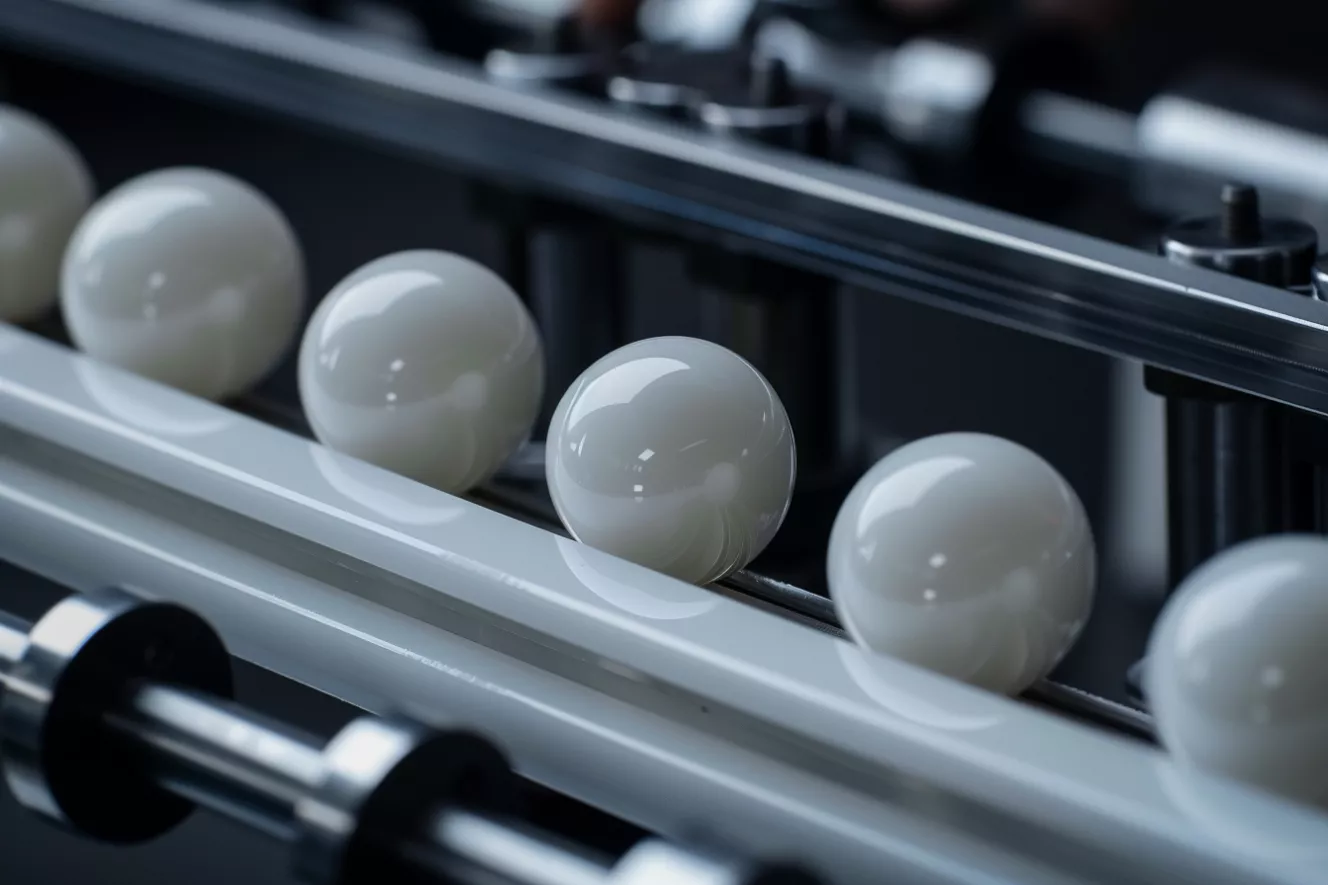
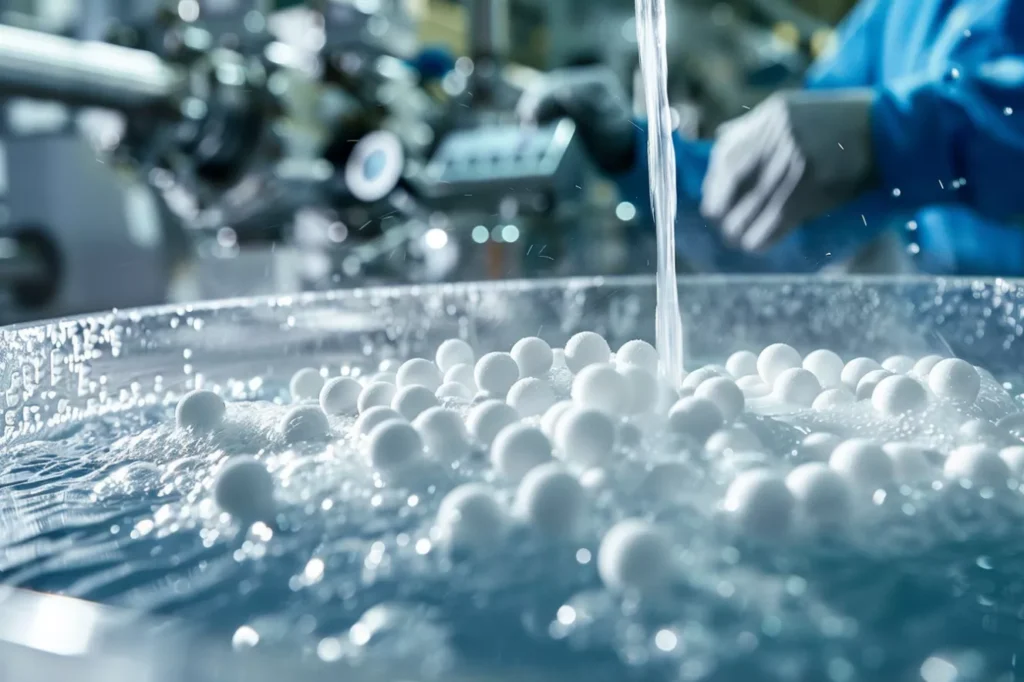
ADCERAX is a professional zirconia ceramic manufacturer based in China, specializing in Y-TZP (yttria-stabilized tetragonal zirconia polycrystal), PSZ (partially stabilized zirconia), and MSZ (magnesia-stabilized zirconia) components for demanding industrial applications.

What sets zirconia apart? Transformation toughening — a unique mechanism where stress-induced phase transformation absorbs crack energy, giving zirconia a fracture toughness of 8-10 MPa·m½. This makes zirconia the toughest advanced ceramic available, ideal for applications where impact resistance and mechanical reliability are critical.

We supply tubes, rods, balls, beads, crucibles, valves, pumps, gauges, and custom-machined parts for industries including:

  • Precision bearings & mechanical motion systems
  • Chemical pumps & valve components
  • Grinding media & dispersion equipment
  • Thermal processing & furnace systems
Industrial-Grade Zirconia Ceramics for Precision Applications
Factory-direct Pricing
±0.01mm Tolerance
ISO 9001 Certified
24-hour Quote Response

Advanced Zirconia Ceramics Built for Industrial Resilience

Zirconia Ceramics are engineered ceramic materials designed to withstand extreme wear, corrosion, and thermal shocks in high-value industrial systems. These components are preferred where metallic parts fail under aggressive media or magnetic sensitivity.

Built from ZrO₂ Ceramic stabilized with yttria or magnesia, they offer unmatched dimensional precision and mechanical reliability.

Each Zirconium oxide ceramic part supports both standard and complex geometries with stable microstructure and low porosity.

Mechanical Strength

≤ 2000 MPa compressive load

Thermal Resistance

supports 2200 °C in open flame

Electrical Insulation

resistivity exceeds 10¹² Ω·cm

Chemical Inertness

stable in acid/alkali conditions

Technical Foundation Behind ADCERAX® Zirconia Ceramics Performance

Zirconia Ceramics offer a balanced combination of thermal endurance, electrical insulation, chemical stability, and mechanical toughness for mission-critical use.

Thermal Properties of Zirconia Ceramics

Test ParameterY‑TZPPSZMSZ
Maximum Service Temperature2200 °C2100 °C1900 °C
Thermal Expansion Coefficient (20–1000 °C)10.3×10⁻⁶/K10.5×10⁻⁶/K9.6×10⁻⁶/K
Thermal Conductivity (W/m·K)2.52.22.0
Specific Heat Capacity (J/g·K)0.460.420.38
Thermal Shock Resistance (ΔT failure threshold)>300 °C~250 °C~220 °C

Electrical Properties of Zirconia Ceramics

Test ParameterY‑TZPPSZMSZ
Volume Resistivity (Ω·cm at 20 °C)>1×10¹²>1×10¹¹>1×10¹¹
Surface Resistivity (Ω)>1×10¹³>1×10¹²>1×10¹²
Dielectric Constant (1 MHz)~25~23~21
Dielectric Strength (kV/mm)>18>16>15
Electrical Breakdown Voltage (kV)~30~28~25

Chemical Properties of Zirconia Ceramics

Test ParameterY‑TZPPSZMSZ
Apparent Porosity (%)<0.1<0.2<0.3
Acid Resistance (HCl, 24h)No visible attackNo visible changeSlight haze
Alkali Resistance (NaOH, 24h)No visible changeMinor surface dullnessSurface layer affected
Density (g/cm³)6.055.855.70
Water Absorption (%)<0.01<0.02<0.03

Mechanical Properties of Zirconia Ceramics

Test ParameterY‑TZPPSZMSZ
Flexural Strength (MPa)≥1000~850~650
Compressive Strength (MPa)≥2000~1800~1500
Vickers Hardness (HV0.5)>1200~1150~1000
Fracture Toughness (MPa·m½)7–116–85–6
Young’s Modulus (GPa)~210~200~180

When to Choose Zirconia Ceramic for Your Application?

Zirconia ceramic is the optimal choice when your application demands maximum toughness, impact resistance, and mechanical reliability. Thanks to its unique transformation toughening mechanism, zirconia offers fracture toughness of 8-10 MPa·m½ — making it the toughest advanced ceramic available.

When Alumina May Not Be the Optimal Choice?

Zirconia is the only advanced ceramic with transformation toughening — a mechanism where stress near a crack tip triggers a tetragonal-to-monoclinic phase transformation. This transformation:

Causes a ~4% volume expansion that compresses the crack

Absorbs crack propagation energy

Results in fracture toughness
of 8-10 MPa·m½

Makes zirconia 2-3x tougher than other engineering ceramics

Zirconia Ceramic Is the Best Choice When:

Your Application Requirement Why Zirconia Excels Recommended Grade
Maximum toughness / impact resistance Transformation toughening provides 8-10 MPa·m½ fracture toughness — highest of all ceramics Y-TZP
Precision bearings & balls Best combination of strength (>1000 MPa), toughness, wear resistance, and surface finish capability Y-TZP (Grade 5 or better)
Grinding media (battery slurry, pigments) High density (6.0 g/cm³) for efficient grinding; low wear rate minimizes contamination Y-TZP beads
Chemical pump plungers & valve components Excellent corrosion resistance (pH 0-14) + high strength + low friction coefficient Y-TZP
Cutting tools & wear parts Impact resistance prevents chipping; maintains sharp edges longer Y-TZP
Medical & dental applications FDA-approved biocompatibility; tooth-colored aesthetics; radiopaque for imaging Y-TZP (medical grade)
High-speed spindles & precision motion Non-magnetic; low thermal expansion; excellent dimensional stability Y-TZP
Oxygen sensors (lambda sensors) Ionic conductivity at high temperature; standard material for automotive & industrial sensors Y-TZP or YSZ
Thermal shock cycling applications PSZ grade offers better thermal shock resistance than Y-TZP PSZ
High-temperature structural parts (>1200°C) MSZ maintains stability up to 1900°C in air MSZ

Y-TZP vs PSZ vs MSZ: How to Choose the Right Zirconia Grade

Different zirconia stabilization methods produce materials with distinct properties. Here’s how to select the right grade for your application:

Y-TZP
Y-TZP

Yttria-Stabilized Tetragonal Zirconia Polycrystal
Stabilizer: 3 mol% Y₂O₃
Highest strength & toughness; best for precision parts

PSZ
PSZ

Partially Stabilized Zirconia
Stabilizer: MgO or CaO
Good thermal shock resistance; for larger structural parts

Magnesia-Stabilized Zirconia
Stabilizer: MgO
Higher temperature capability; for refractory applications

Grade Selection Decision Tree

⚠️ Important: Y-TZP Temperature Limitation

Y-TZP undergoes low-temperature degradation (LTD) in humid environments above 200°C and loses mechanical properties above 1200°C. For high-temperature applications, consider PSZ or MSZ instead.

Not sure which zirconia grade is right? Send us your operating conditions and our engineers will recommend the optimal grade.

Your Requirement Recommended Reason
Maximum mechanical strength Y-TZP Flexural strength >1000 MPa, highest of all grades
Precision bearings, balls, guides Y-TZP Best surface finish, lowest wear rate
Dental or medical implants Y-TZP Biocompatible, aesthetic (tooth-colored)
Grinding beads & dispersion media Y-TZP Highest density, lowest contamination
Thermal shock cycling PSZ Better thermal shock resistance than Y-TZP
Large structural components PSZ Lower cost, easier to manufacture in large sizes
Operating temperature >1200°C MSZ Better high-temp stability (up to 1900°C)
Refractory/furnace applications MSZ Designed for high-temp structural use
Budget-sensitive projects PSZ or MSZ Lower cost than Y-TZP

Custom Types of ADCERAX® Zirconia Ceramic Products & Parts

ADCERAX® provides precision-engineered Zirconia Ceramics across 9 product categories, each designed for distinct high-performance industrial uses.

Zirconia Tube丨Zirconia Ceramics

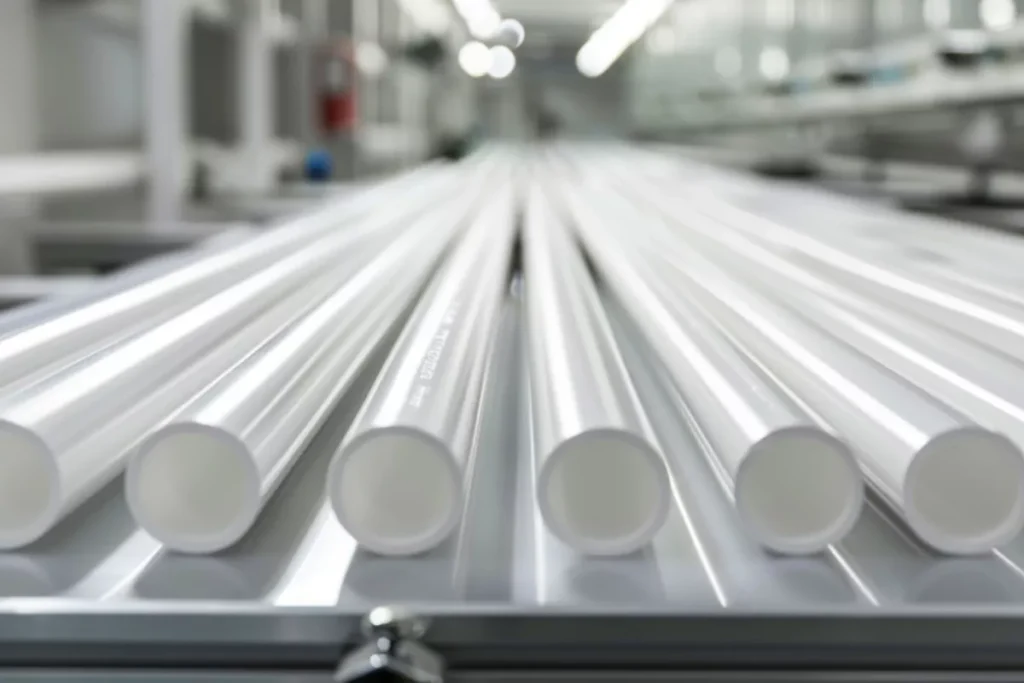
Zirconia Tubes

Used for gas flow control, insulation and thermal processing applications.

- Supports 2200 °C operation
- Excellent acid/base resistance
- Precise outer/inner dimensions
Explore More
Zirconia Rods丨Zirconia Ceramics

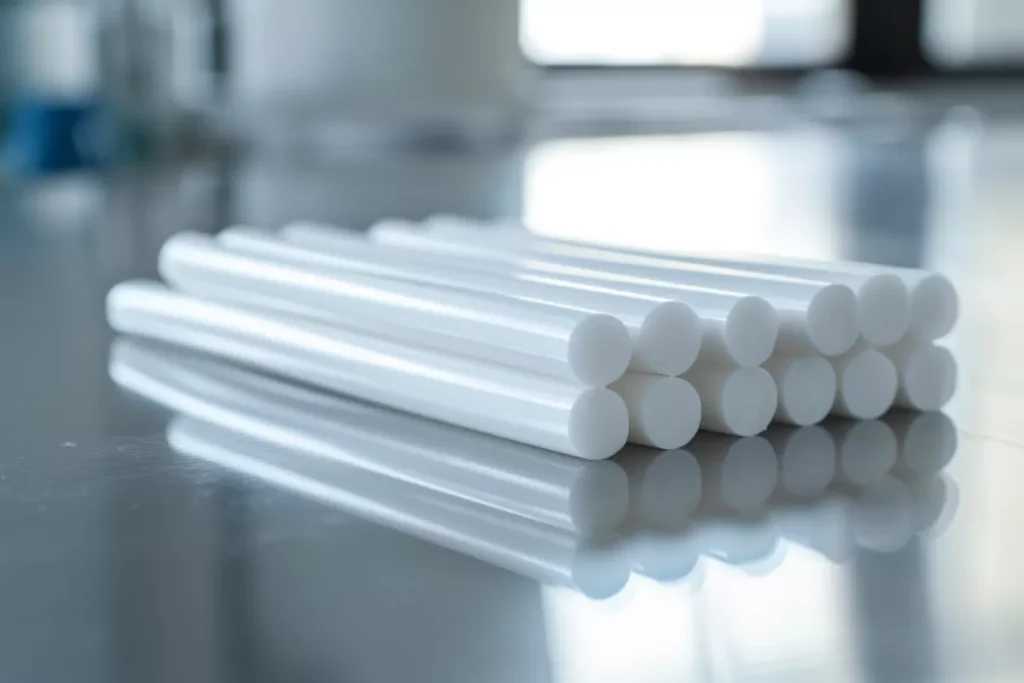
Zirconia Rods

Ideal for drive shafts, guide pins, alignment parts and non-metallic bearings.

- High flexural strength > 1000 MPa
- Non-magnetic, corrosion-proof
- Surface Ra < 0.2 μm finish
Explore More
Zirconia Crucible丨Zirconia Ceramics

ZrO2 Crucibles

Engineered for oxide melting, high-temp reaction containment, and vacuum sintering.

- Stable at 2200 °C in air
- Thermal shock resistance > 300 °C
- Inert to molten metals and slags
Explore More
Ultra-Precision Zirconia Ceramics in Precision Motion

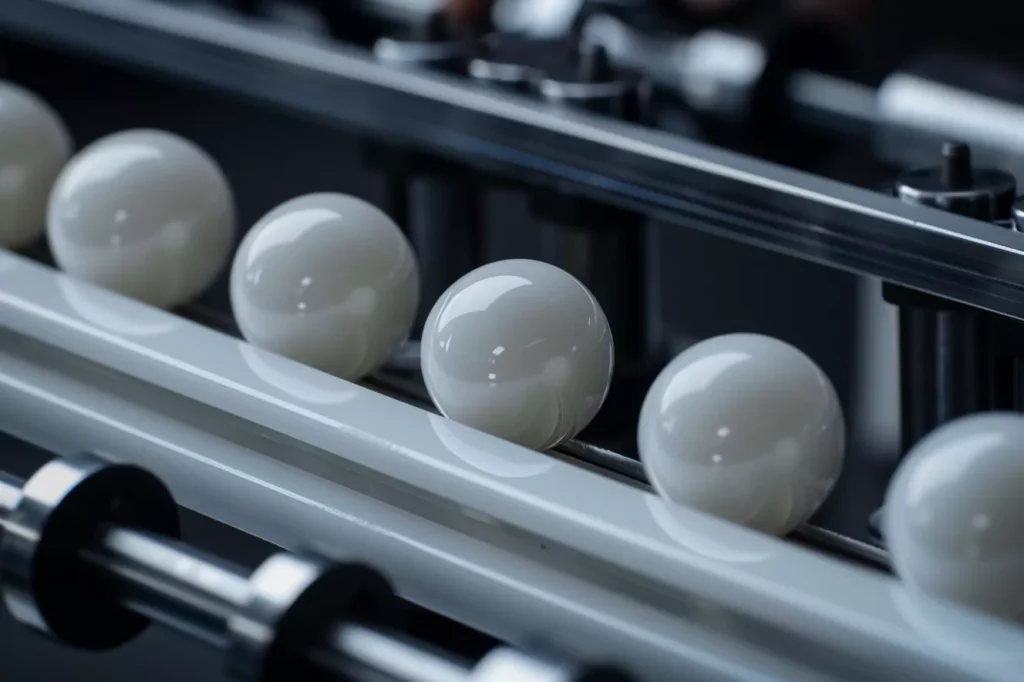
ZrO2 Balls

Applied in mechanical bearings, dispersing media, and rotational alignment.

- Hardness > 1200 HV, non-magnetic
- High density: 6.05 g/cm³
- Low wear rate < 0.1×10⁻⁶ cm³/N·m
Explore More
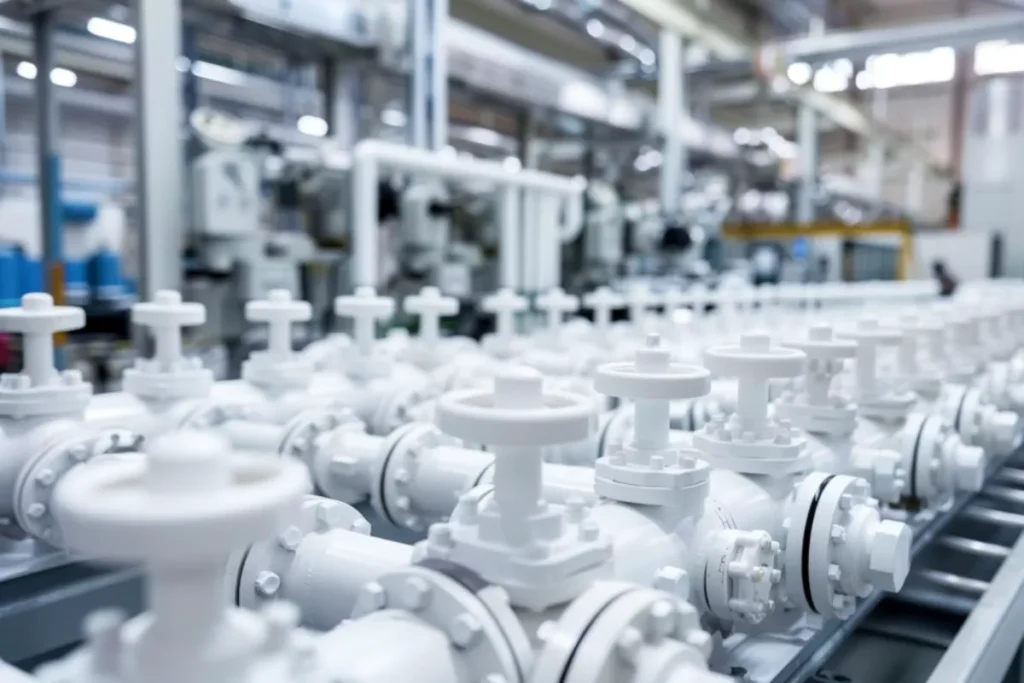
Zirconia Valve丨Zirconia Ceramics

Zirconia Valve

Designed for fluid control in abrasive, acidic, or high-pressure systems.

- Leak-proof sealing under pressure
- Corrosion-resistant in slurry lines
- Certified ISO/REACH/RoHS materials
Explore More
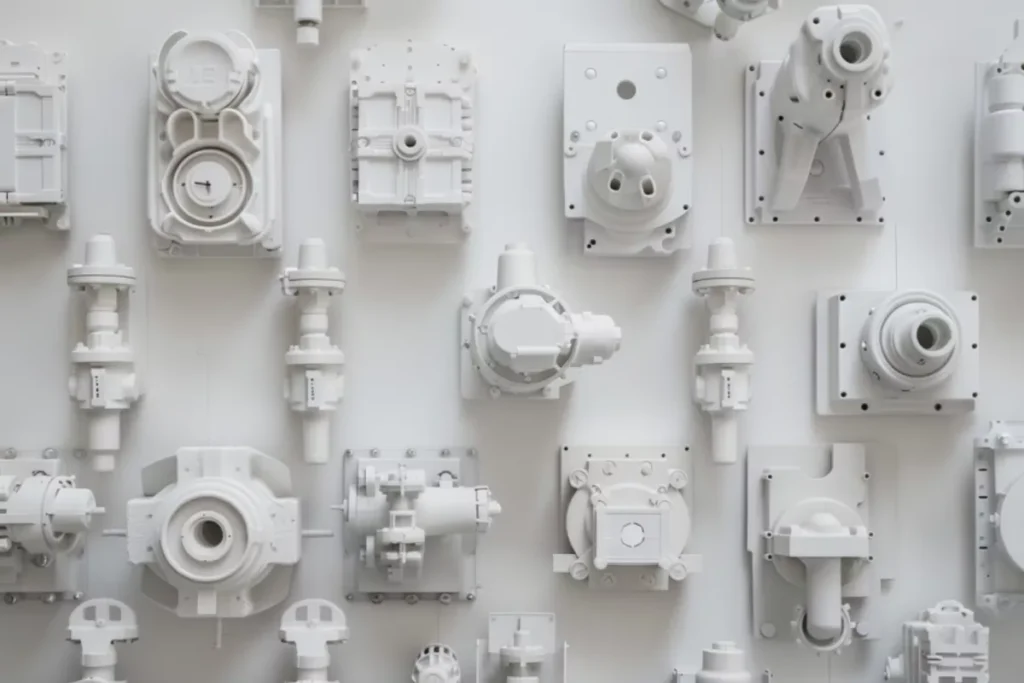
Zirconia Pump丨Zirconia Ceramics

Zirconia Pump

Critical in metering, filling, and dosing tasks for chemical and medical systems.

- Precision plunger and pump bodies
- CHigh cycle life > 10× metal
- Dimensional stability under heat
Explore More
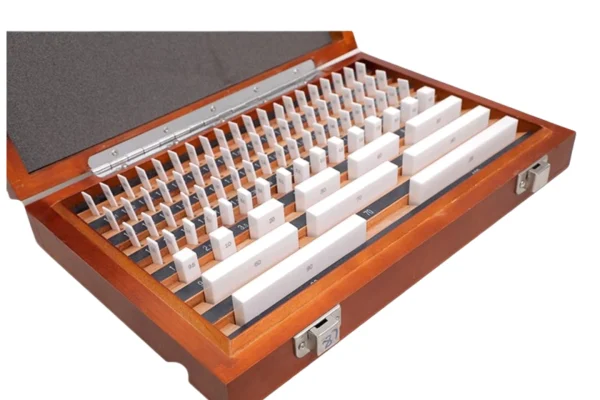
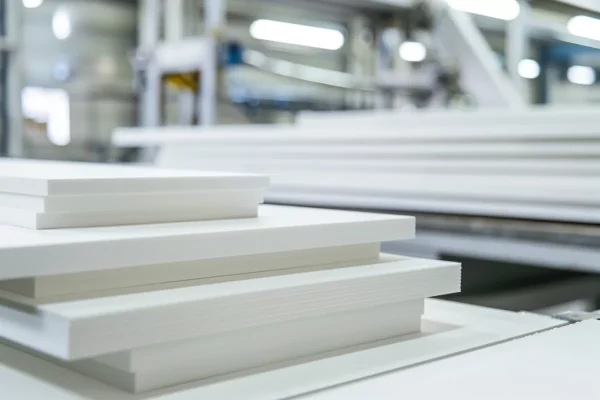
customized zirconia gauge block set with wooden case

ZrO2 Gauges

Used in tool calibration, tolerance setting and automated detection lines.

- ±0.001 mm dimensional tolerance
- No oxidation or deformation
- Wear resistance > 10⁶ cycles
Explore More
Zirconia Plate丨Zirconia Ceramics

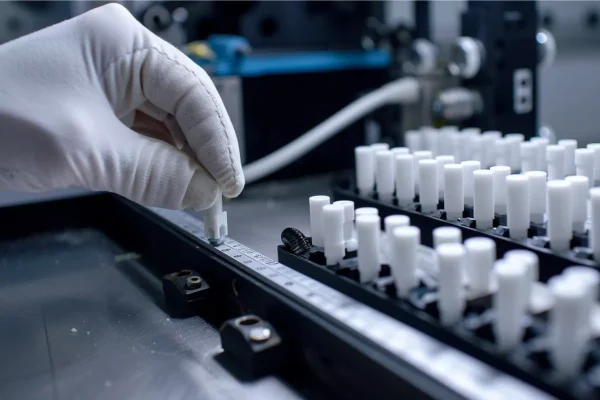
ZrO2 Plates

Used as thermal supports, fixture bases, or insulation interfaces.

- Dielectric strength > 18 kV/mm
- Thermal shock ΔT > 300 °C
- Available in polished or porous
Explore More
Zirconia Ceramic Components丨Zirconia Ceramics

Zirconia Parts

Custom-shaped parts for mechanical systems, sensors, and material handling tools.

- Precision-fit in high-wear systems
- Stable up to 2200 °C
- Corrosion-proof under load

Explore More
24-Hour Dispatch Guarantee

We maintain a ready stock of standard zirconia ceramic products, ensuring 24-hour dispatch for urgent requirements, enabling you to minimize downtime and maintain operational continuity.

Where ADCERAX® Zirconia Ceramics Deliver Industrial Impact

ADCERAX zirconia ceramics are used in industrial applications that require high wear resistance, chemical stability, and mechanical strength. Typical uses include semiconductor equipment, battery processing, fluid control, precision gauging, and high-temperature metal handling.

Semiconductor wafer handling

Non-magnetic, non-contaminating, high-speed capable (25,000+ RPM)

Lithium battery slurry grinding

High density for efficient milling; minimal wear contamination

Chemical metering pumps

Corrosion resistant + high strength + excellent sealing surface

Corrosive fluid control

pH 0-14 stable; outlasts metal valves in acid/alkali service

Precision gauge blocks

±0.001mm tolerance; no oxidation; wear resistant

High-purity metal melting

Inert to most molten metals; thermal shock resistant

Common Applications Where Zirconia Outperforms

Zirconia Ceramic Engineering Case Studies

Real-world examples of how ADCERAX zirconia ceramics solve industrial challenges:

Case 1: Ceramic Bearing Life Extension — Semiconductor Equipment

Case 2: Pump Plunger Upgrade — Chemical Dosing System

Case 3: Grinding Media Optimization — Battery Slurry Production

Empowering Precision: ADCERAX® Services & Capabilities for Zirconia Ceramic Machining

Integrated Processing Services from Raw to Ready

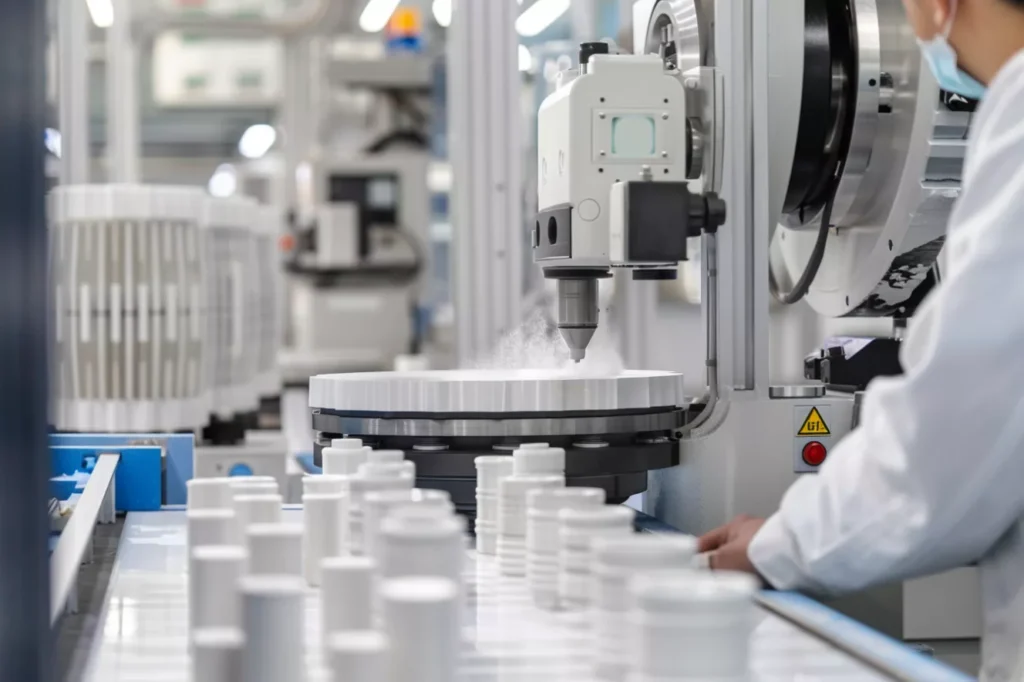
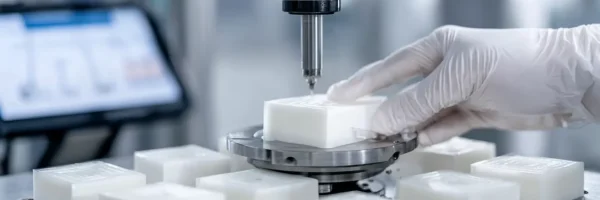
ADCERAX® offers full-spectrum zirconia ceramic machining services—from blank preparation to final precision finishing. Each production step is quality-tracked to ensure repeatable performance in demanding industrial applications.

Material Sourcing Coordination

Zirconia blanks procured to specification standards

CNC Multi-Axis Machining

Precision shaping using advanced CNC equipment

High-Precision Grinding

Sub-micron dimensional control across part geometries

Tight Tolerance Inspection

Each piece verified under strict tolerance criteria

Specialized Part Assembly

Complex shapes bonded or inserted with metal/glass

Ultrasonic Cleaning Protocols

Removal of micro-particle residues post-processing

Advanced Facilities and Process Expertise Behind Every Zirconia Part

The machining of ZrO₂ ceramics at ADCERAX® is enabled by a fusion of high-performance equipment and skilled ceramic engineers. This integration ensures that zirconia components achieve their designed function, even in high-load, high-wear environments.

CategorySpecificationDetailApplication Focus
Machining Center5-axis CNC Milling Systems±0.01 mm repeat accuracyHigh-precision bearing and valve parts
Laser EquipmentIndustrial Laser Marking and Engraving0.02 mm linewidth resolutionCode traceability, ID marking
Inspection ToolsDigital Micrometers & CMMsTolerance verification to ±0.002 mmQuality assurance for custom fittings
Forming ToolsHydraulic Isostatic Presses (CIP)Uniform density up to 3.5 g/cm³Critical shaping for rod and sleeve blanks
Thermal ProcessingHigh-Temp Sintering Furnaces (up to 1700°C)Controlled shrinkage and grain growthDensification of zirconia structures
Polishing LinesPrecision Lapping & Polishing MachinesSurface roughness Ra < 0.2 µmOptical-grade and fluid-contact surfaces
Threading UnitsUltrasonic and Diamond Tooling SystemsNon-metallic thread formingM6/M8 ports and custom fluidic joints
Batch TraceabilityERP-Integrated Manufacturing Record SystemFull-process material batch loggingCritical for regulated industry supply

Precision in ADCERAX® Zirconia Ceramic Machining

CNC Ultra-Fine Turning for
Cylindrical Components

The cylindrical turning process is performed with micron-level control on high-rigidity CNC lathes.

Equipment Used:DMG Mori CNC Lathe

Equipped with ±2 µm precision spindle

Surface Finish:Ra 0.2 μm achievable

Mirror-grade on outer diameter

Dimensional Tolerance:±0.01 mm

Applied on zirconia shaft rods

Processing Speed:Up to 3,000 rpm

Ensures both throughput and accuracy

Use Cases:Valve stems, ceramic plungers

Fit for rotating or sliding functions

CNC Ultra-Fine Turning for Zirconia Ceramic Cylindrical Components

Multi-Axis Grinding for Flat and Step Features

Step faces and precision flats are ground using 5-axis grinders with dynamic toolpath compensation.

Equipment Used:NACHI 5-Axis CNC Grinder

Enables sub-±0.005 mm correction

Surface Flatness:≤0.002 mm over 100 mm

Achieved on jigs, plates, rings

Edge Chamfering:CNC-controlled uniform fillets

For safe assembly and stress relief

Toolpath Logic:Dynamic dressing feedback

Maintains profile through tool life

Use Cases:Zirconia fixtures, ceramic gauges

Suitable for tooling and alignment

Multi-Axis Grinding for Zirconia Ceramics Flat and Step Features

Laser-Assisted Drilling for Micro Pores and Slots

Advanced laser CNC platforms allow non-contact, thermally-stable drilling of dense zirconia ceramics.

Equipment Used:Trumpf Laser Micro-Drill

High-frequency pulsed UV laser

Hole Diameter Range:0.05–0.5 mm

Uniformity across dense batches

Aspect Ratio:Up to 1:5 depth-to-diameter

No chipping at exit points

Thermal Impact:<10 µm heat affected zone

Maintains zirconia grain structure

Use Cases:Filter tubes, nozzles

Ideal for critical fluidic precision

Laser-Assisted Drilling for Zirconia Ceramic Micro Pores and Slots
Ready to Experience Our Manufacturing Excellence?

Let our advanced capabilities bring your ceramic component vision to life.

Customzied

Customized Zirconia Ceramics

ADCERAX® offers full-spectrum customization of zirconia ceramic components tailored to demanding industrial applications. From prototype engineering to batch-scale manufacturing, every detail is optimized for performance, durability, and fit.

2200 °C

Thermal Stability Design

3D CAD
Drawing-Based Manufacturing
±0.01 mm
Dimensional Tolerance Control
24 Hours
Rapid Prototyping Turnaround
Customization Process
Requirement Submission

Send us your drawing, CAD file, or sample with material, dimensions, tolerances, and quantity. We will review it and provide a quote with lead time and pricing.

Confirm Order & Prototype

Once the quote is approved, we proceed with sample prototyping (1–50 pcs) if needed, for testing and validation.

Mass Production & Quality Control

Once approved, we begin batch production using CNC machining, sintering, and polishing. Each part is inspected for dimensions, purity, and surface finish.

Packaging & Global Delivery

Finished products are securely packed and shipped via DHL/FedEx/UPS or your preferred method. We support global delivery with full documentation.

Why Choose ADCERAX for Your Zirconia Ceramic Needs?

Choosing the right advanced ceramic supplier is crucial for the success of your industrial projects. ADCERAX stands out as a reliable and competitive partner.

Factory Competitive Pricing

Direct manufacturer eliminating intermediaries for cost-effective solutions without compromising quality.

Expert Engineering Support

20+ years of B2B experience providing unparalleled technical support and collaborative design.

Flexible Customization

Agile manufacturing for small-batch customization and rapid prototyping capabilities.

Quality Control

Stringent quality measures from raw material inspection to final product testing.

24/7 Technical Support

24-hour response guarantee with dedicated support for global clientele.

500+ Satisfied Customers

Trusted by global customers for advanced ceramic materials and precision components.

Zirconia Ceramic Parts Quality & Certifications

ROHS certification
ISO certification
CNAS certification
CMQ certification

Technical Questions Answered About ADCERAX® Zirconia Ceramics Custom Machining

  • ADCERAX® Zirconia offers a Vickers hardness of over 1200 HV, enabling extreme wear resistance under friction, sliding, or abrasive contact. This ensures long service life in applications like plungers, shafts, and valve components under repetitive motion.

Yes. Zirconia Ceramics exhibit outstanding chemical inertness against acids, alkalis, and most solvents. This stability ensures corrosion-free performance in chemical reactors, semiconductor cleaning tools, and pharmaceutical systems.

ADCERAX® precision machining delivers tight tolerances down to ±0.01 mm. Post-sintering grinding allows accurate dimensions for integration into mechanical systems requiring interference or transition fits.

Zirconia Ceramics are excellent electrical insulators with volume resistivity >10¹² Ω·cm. They are used in high-voltage, high-frequency, and sensitive electronic environments where dielectric isolation is critical.

Partially stabilized Zirconia exhibits transformation toughening, making it up to 3–5× tougher than alumina. This mechanism allows it to absorb more energy before cracking, ideal for structural and load-bearing components.

High-gloss polishing or fine-ground matte finishes can be achieved, with surface roughness (Ra) below 0.2 µm. This is essential for medical tools, precision metrology, or fluid handling systems requiring ultra-smooth surfaces.

While zirconia excels in toughness and impact resistance, it may not be the best fit if:

  • Y-TZP operating temperature exceeds 1200°C — Y-TZP undergoes phase degradation; consider MSZ or contact us for alternatives
  • Humid environment above 200°C — Y-TZP is susceptible to Low-Temperature Degradation (LTD); we can recommend Ce-TZP or PSZ
  • Maximum hardness is the priority — contact us to discuss your specific wear mechanism
  • Budget is the primary constraint — we offer a full range of advanced ceramic materials at different price points
 

Understanding zirconia's unique failure mechanisms helps engineers specify and operate components correctly:

Failure ModeRoot CauseAffected GradePrevention
Low-Temperature Degradation (LTD)Moisture-induced tetragonal-to-monoclinic transformation at 150-400°CY-TZP primarilyAvoid humid environments above 200°C; use ceria-stabilized zirconia (Ce-TZP) for steam applications
High-temp phase degradationYttria diffusion and phase destabilization above 1200°CY-TZPUse PSZ or MSZ for temperatures >1200°C
Thermal shock crackingZirconia's low thermal conductivity causes steep temperature gradientsAll gradesControl heating/cooling rates; use PSZ for thermal cycling applications
Surface chippingImproper grinding generates surface cracks that propagateAll gradesUse proper diamond grinding parameters; specify surface finish requirements
Contact fatigueRepeated contact stress causes subsurface crack initiationBearing applicationsEnsure proper load distribution; avoid point contacts

💡 Engineering Tip: The #1 cause of premature Y-TZP failure in industrial applications is using it in humid environments above 200°C without understanding the LTD (Low-Temperature Degradation) mechanism. Always verify your operating conditions before specifying Y-TZP.

Transformation toughening is a unique strengthening mechanism in zirconia where stress near a crack tip triggers a tetragonal-to-monoclinic phase transformation. This transformation causes a volume expansion (~4%) that compresses the crack, absorbing energy and preventing propagation. This mechanism gives zirconia a fracture toughness of 8-10 MPa·m½ — making it the toughest advanced ceramic available.

Y-TZP (Yttria-Stabilized Tetragonal Zirconia Polycrystal) uses 3 mol% yttria as stabilizer, producing a fine-grained microstructure with the highest strength (>1000 MPa) and toughness. It’s ideal for precision parts, bearings, and dental applications. 

PSZ (Partially Stabilized Zirconia) uses magnesia or calcia, creating larger grains with better thermal shock resistance but lower strength. PSZ is preferred for larger structural components and thermal cycling applications.

LTD (also called “aging”) is a moisture-induced tetragonal-to-monoclinic phase transformation that occurs in Y-TZP at temperatures between 150-400°C in humid environments. This transformation causes surface roughening and strength degradation over time. To avoid LTD: (1) Use Y-TZP only below 200°C in humid conditions, (2) Use Ce-TZP for steam applications, or (3) Use PSZ/MSZ for high-temperature humid environments.

Zirconia (Y-TZP) is ideal for ceramic bearings because of its unique combination of properties:
(1) Highest fracture toughness (8-10 MPa·m½) survives impact loads,
(2) High flexural strength (>1000 MPa) handles mechanical stress,
(3) Excellent surface finish capability (Ra <0.05μm) reduces friction,
(4) Non-magnetic for sensitive applications,
(5) Low thermal expansion for dimensional stability.

Zirconia balls in hybrid bearings (ceramic balls + steel races) can increase bearing life by 3-10x compared to all-steel bearings.

Yes, zirconia is the standard material for oxygen sensors (lambda sensors).
At high temperatures (typically >600°C), yttria-stabilized zirconia becomes an ionic conductor due to oxygen vacancies in the crystal structure. This property enables it to measure oxygen partial pressure differences across the sensor. Automotive exhaust sensors and industrial furnace monitors rely on this unique property.

Get in touch with us

We believe that Adcerax will become your best partner!
Please fill in your contact information in the form or call us.

Zirconia Ceramics - Get Catalo

*Our team will answer your inquiries within 24 hours.

*Your information will be kept strictly confidential.


Contact ADCERAX for Your Zirconia Ceramic Solutions

Ready to elevate your industrial applications with high-performance zirconia ceramics? Whether you need standard products or custom-engineered solutions, ADCERAX is your trusted partner.

E-mail

info@adcerax.com

Phone

+(86) 0731-74427743 | WhatsApp: +(86) 19311583352

Response Time

Within 24 hours

Get Your Custom Sulution

The more details you provide, the faster we can respond.

customize size

*We respond within 24 hours. All inquiries are confidential.

Quick Quote

The more details you provide, the faster we can quote.

*We respond within 24 hours. All inquiries are confidential.

Download Catalog

Download Catalog