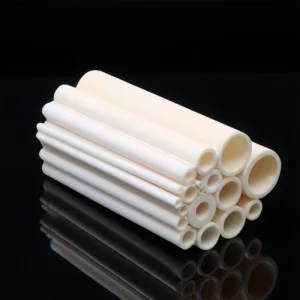
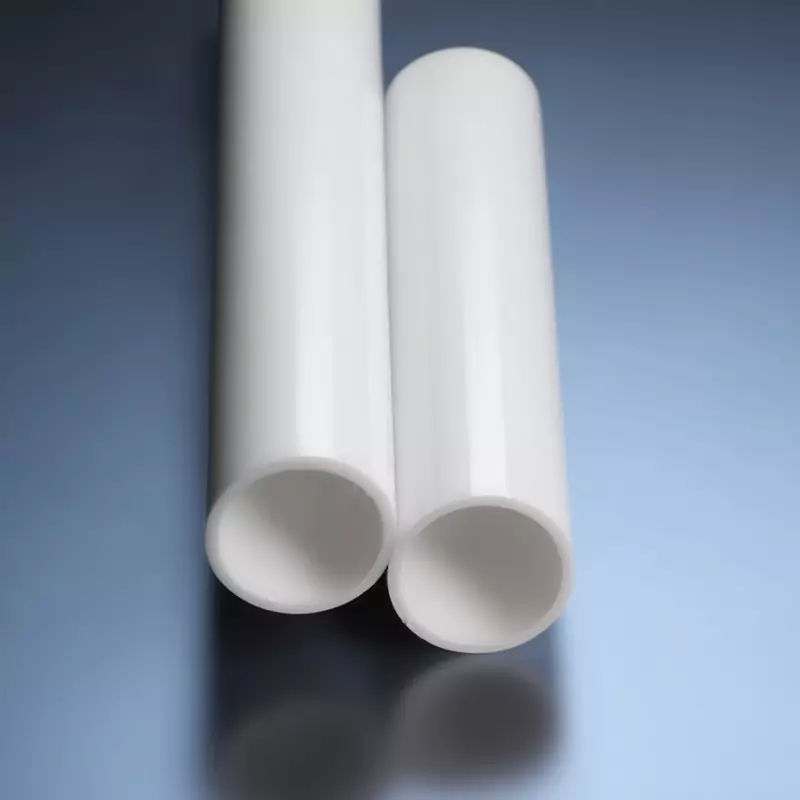
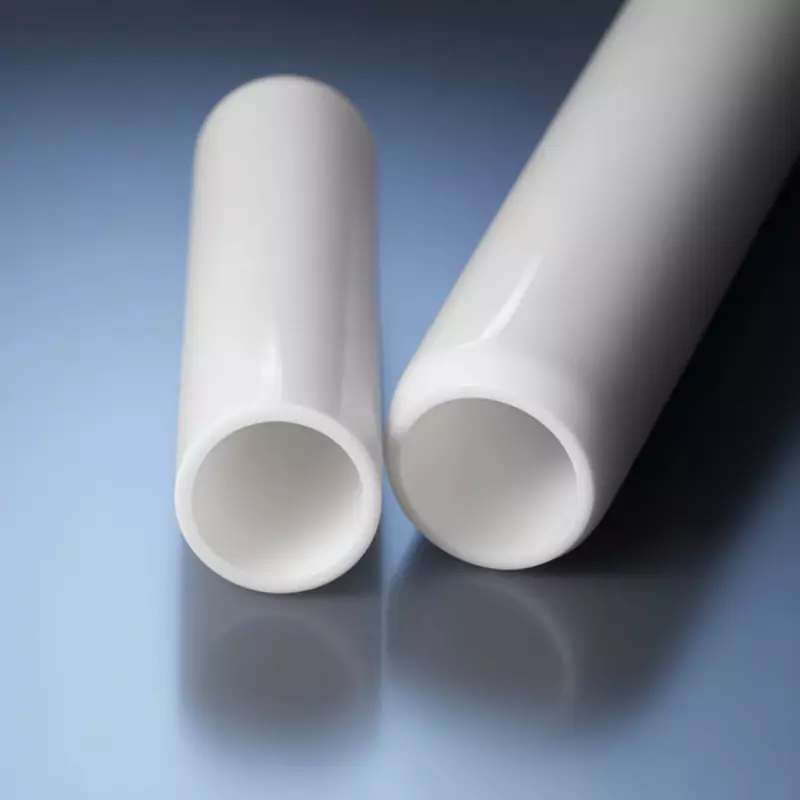
What Is a Closed-End YSZ Zirconia Ceramic Tube?
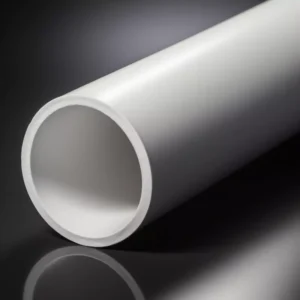
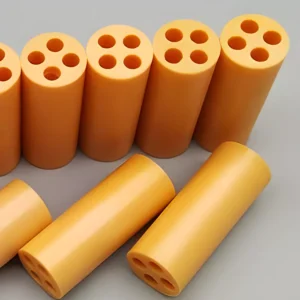
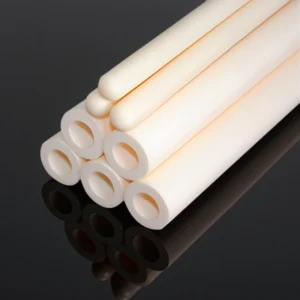
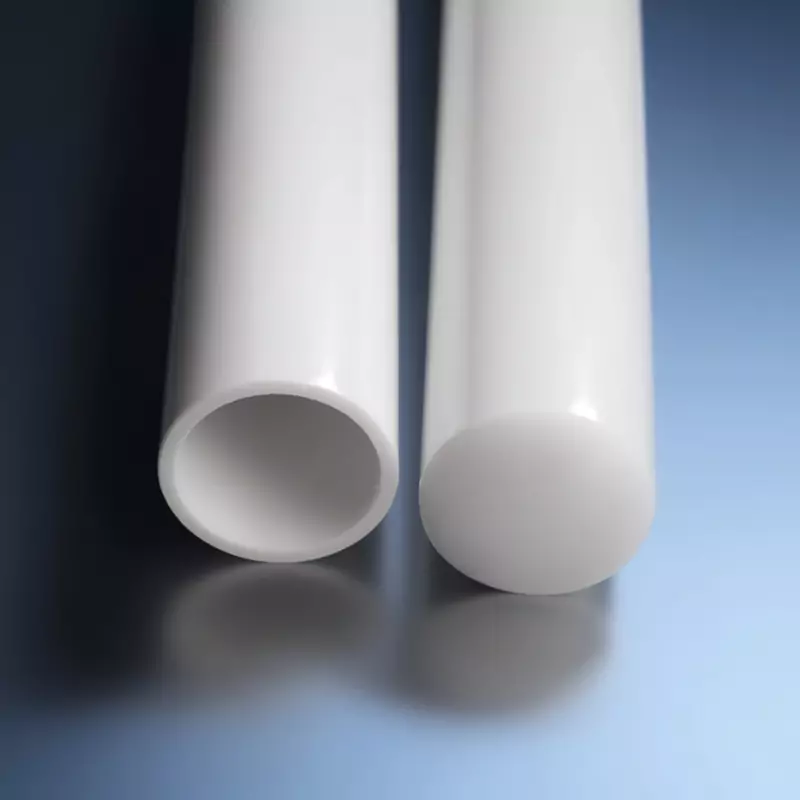
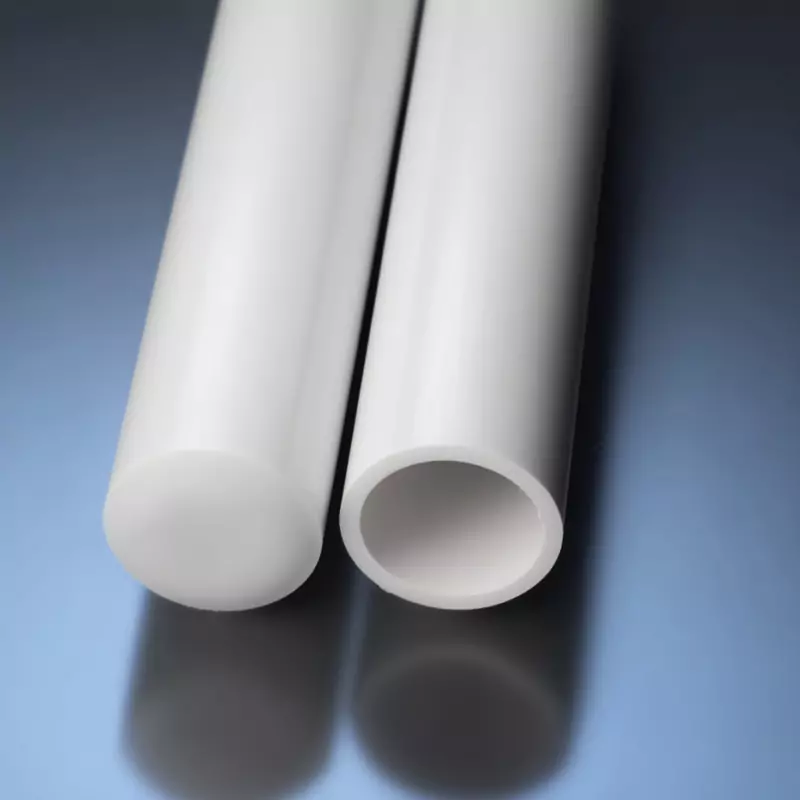
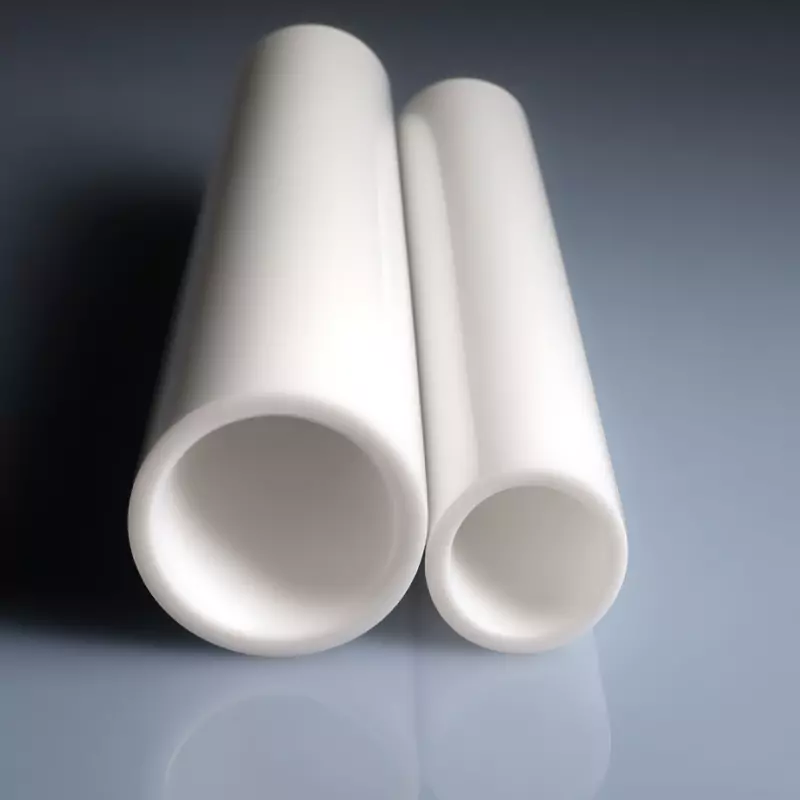
A closed-end YSZ zirconia ceramic tube is a precision ceramic protection sleeve made from yttria-stabilized zirconia. One end is sealed to protect thermocouples, probes or internal components from flame, process gas, molten media, particles and corrosive atmospheres. Compared with many standard oxide ceramic tubes, YSZ zirconia is selected when the application requires higher toughness, wear resistance and dimensional stability under demanding thermal or chemical conditions.
Key Engineering Advantages of Closed-End YSZ Zirconia Tubes
The Yttria Stabilized Zirconia Ceramic Tube with One End Closed combines advanced mechanical strength, chemical stability, and thermal reliability, making it suitable for furnaces, chemical reactors, and laboratory applications that demand consistent performance.
Higher Toughness for Thermal and Mechanical Stress
Yttria stabilization improves the toughness of zirconia, helping the tube resist crack growth during handling, installation and repeated thermal cycling. This makes YSZ suitable for probe protection, furnace monitoring and test assemblies where brittle tube failure can interrupt measurement or process control.
🔹 Closed-End Barrier for Sensor Protection
The sealed end helps separate the thermocouple junction or inner probe from direct process exposure. This is useful in furnaces, combustion zones, gas flow monitoring and chemical environments where flame, particles or reactive media may affect sensor stability.
🔹 Corrosion and Wear Resistance for Harsh Environments
Dense YSZ zirconia provides good resistance to many corrosive and abrasive service conditions. It is often considered when alumina is not tough enough, when metallic sleeves may corrode, or when repeated contact with particles, gas flow or process media may damage lower-performance materials.
🔹 Custom Geometry for Assembly Fit
ADCERAX can review closed-end zirconia tubes based on OD, ID, length, wall thickness, end shape, tolerance requirement and mounting condition. This helps engineers match the ceramic tube to existing probe assemblies, furnace ports or test fixtures.
Technical Properties of YSZ Zirconia Ceramic Tube
The Yttria Stabilized Zirconia Ceramic Tube with One End Closed delivers proven reliability for industrial buyers by combining advanced material properties with consistent performance. This section outlines the key technical parameters and specification tables covering its physical, chemical, optical, and mechanical features, along with its standard size options.
| Property | Typical Value | Application Meaning |
|---|---|---|
| Material System | Yttria Stabilized Zirconia | Supports high toughness, wear resistance and corrosion resistance in demanding applications. |
| Density | 5.65–6.05 g/cm³ | A dense structure helps reduce media penetration and supports dimensional stability. |
| Thermal Conductivity | Approx. 3 W/m·K | Low thermal conductivity helps limit heat transfer through the tube wall in protection applications. |
| Thermal Expansion | Approx. 10 × 10⁻⁶/K | Helps engineers evaluate fit with metallic housings or sealing structures. |
| Vickers Hardness | 1200–1450 HV | Supports wear resistance in abrasive or contact-prone environments. |
| Bending Strength | 480–1000 MPa | Indicates mechanical resistance during installation and service. |
| Fracture Toughness | 6–8 MPa·m½ | Helps resist crack growth compared with lower-toughness ceramics. |
Standard Size Options for Closed-End YSZ Zirconia Tubes
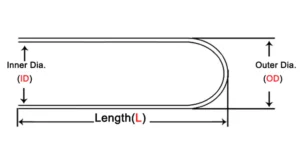
| Model | Outer Diameter (mm) | Inner Diameter (mm) | Length (mm) |
| AT-YHG-G1001 | 2.0 | 1.00 | ≤100 |
| AT-YHG-G1002 | 3.0 | 3.00 | |
| AT-YHG-G1003 | 4.0 | 2.50 | |
| AT-YHG-G1004 | 5.0 | 3.00 | |
| AT-YHG-G1005 | 6.0 | 3.50 | |
| AT-YHG-G1006 | 6.35 | 3.96 | |
| AT-YHG-G1007 | 7.95 | 4.78 | |
| AT-YHG-G1008 | 8.0 | 5.50 | ≤300 |
| AT-YHG-G1009 | 9.53 | 6.35 | |
| AT-YHG-G1010 | 10.0 | 6.00 | ≤500 |
| AT-YHG-G1011 | 10.0 | 7.00 | |
| AT-YHG-G1012 | 11.13 | 7.95 | |
| AT-YHG-G1013 | 12.0 | 8.00 | |
| AT-YHG-G1014 | 12.7 | 8.90 | |
| AT-YHG-G1015 | 14.0 | 10.00 | ≤600 |
| AT-YHG-G1016 | 15.0 | 10.00 | |
| AT-YHG-G1017 | 15.0 | 11.00 | |
| AT-YHG-G1018 | 16.0 | 12.00 | |
| AT-YHG-G1019 | 17.48 | 12.70 | |
| AT-YHG-G1020 | 19.05 | 14.30 | |
| AT-YHG-G1021 | 20.0 | 15.00 | |
| AT-YHG-G1022 | 22.23 | 15.80 | |
| AT-YHG-G1023 | 23.83 | 17.40 | |
| AT-YHG-G1024 | 25.0 | 18.80 | |
| AT-YHG-G1025 | 25.4 | 19.05 | |
| AT-YHG-G1026 | 26.0 | 20.00 | |
| AT-YHG-G1027 | 28.0 | 22.00 | |
| AT-YHG-G1028 | 30.0 | 23.00 |

Packaging of Yttria Stabilized Zirconia Ceramic Tube with One End Closed
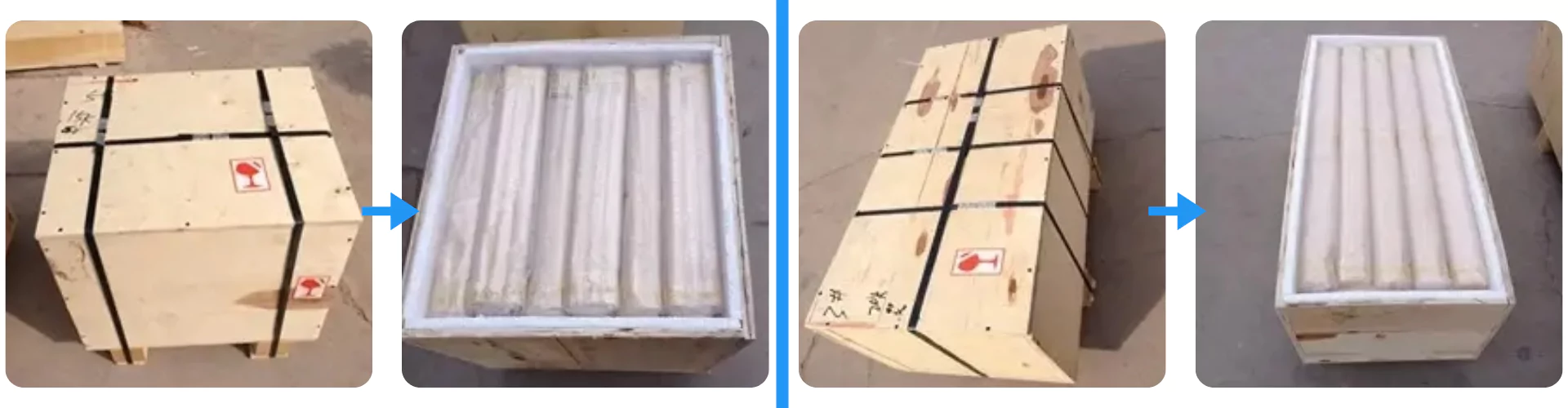
Closed-end YSZ zirconia tubes are packed with separation, cushioning and reinforced protection. Long or thin-wall tubes can use individual spacing and end protection to reduce transport damage.