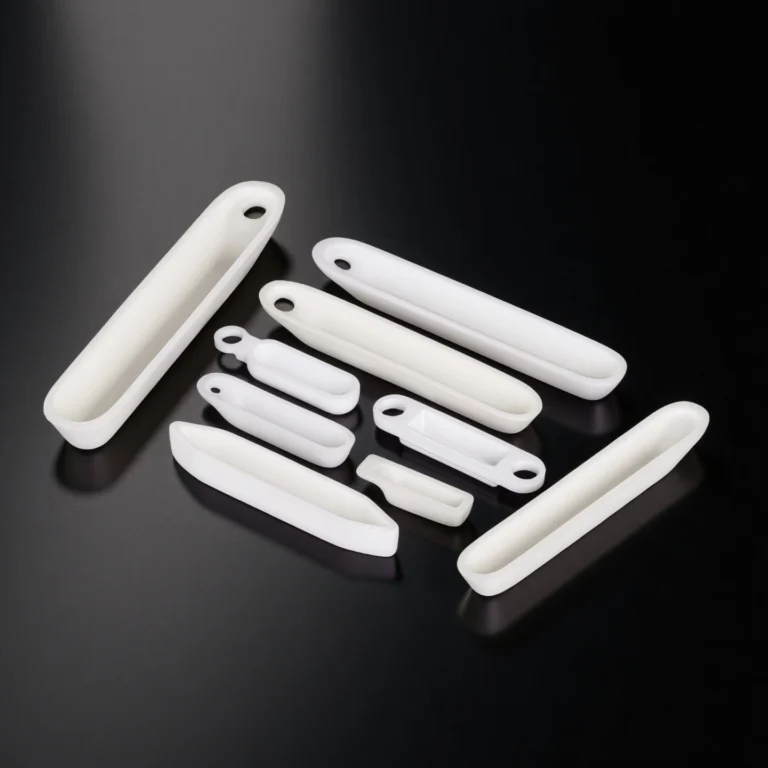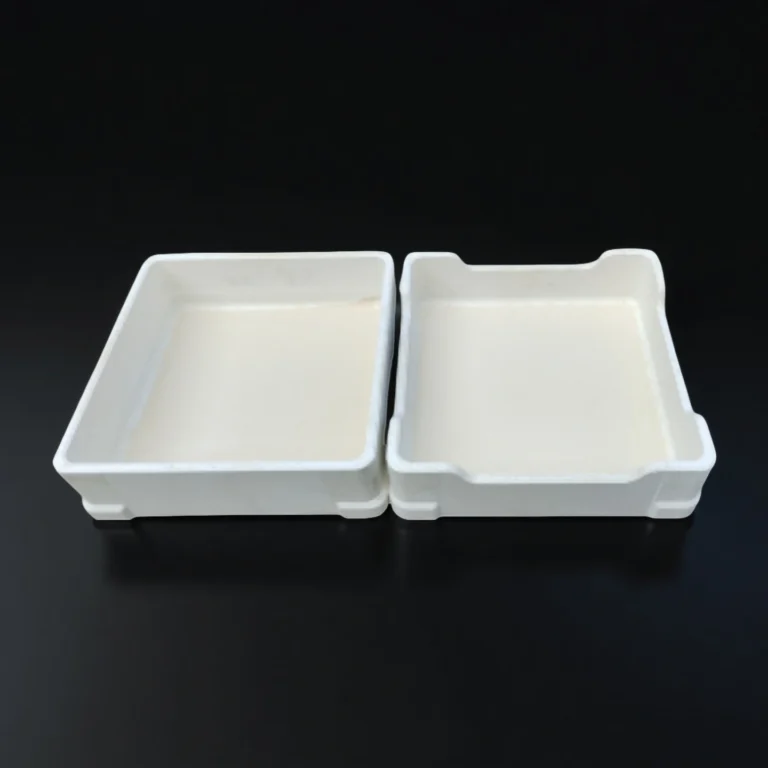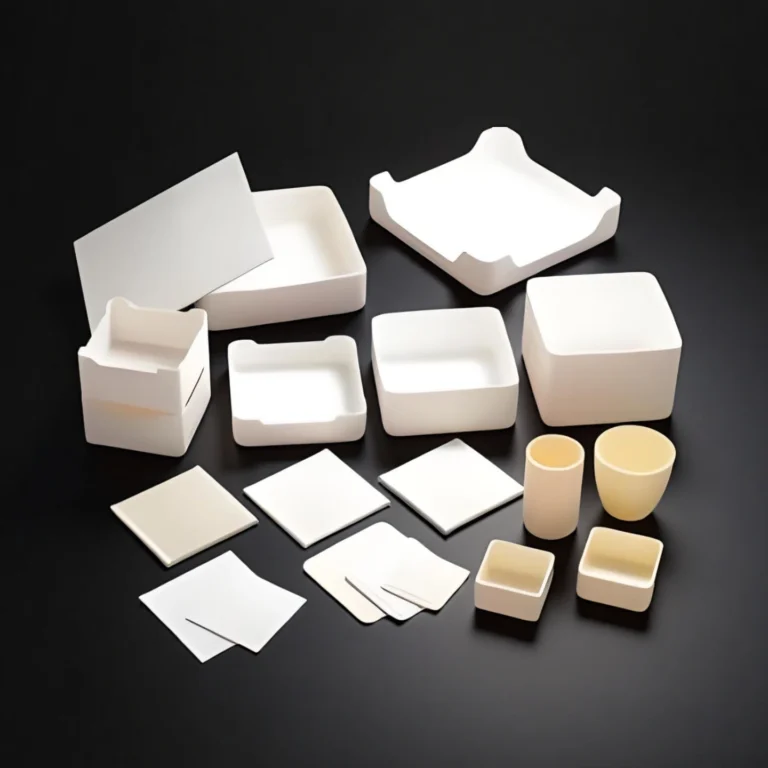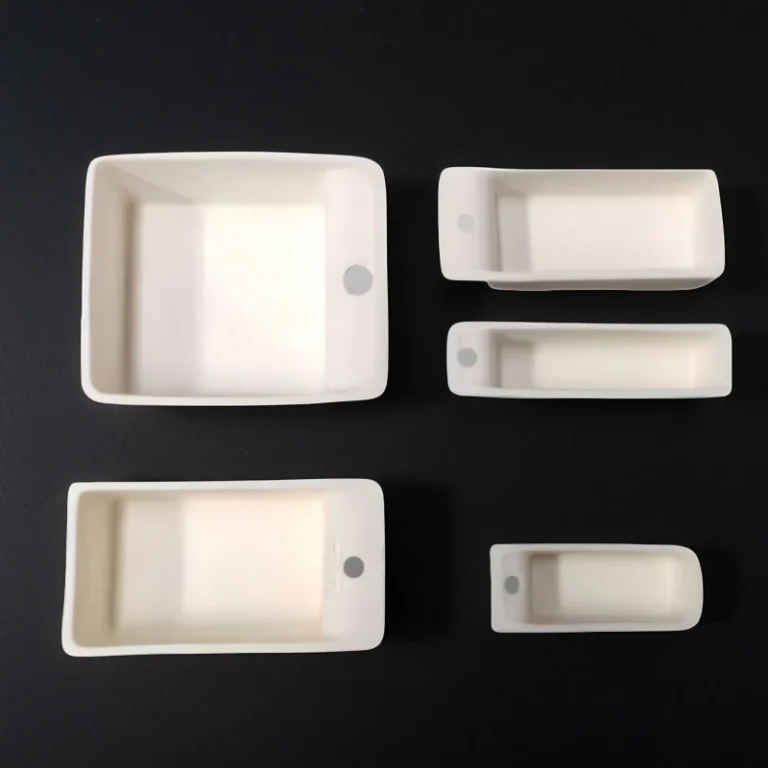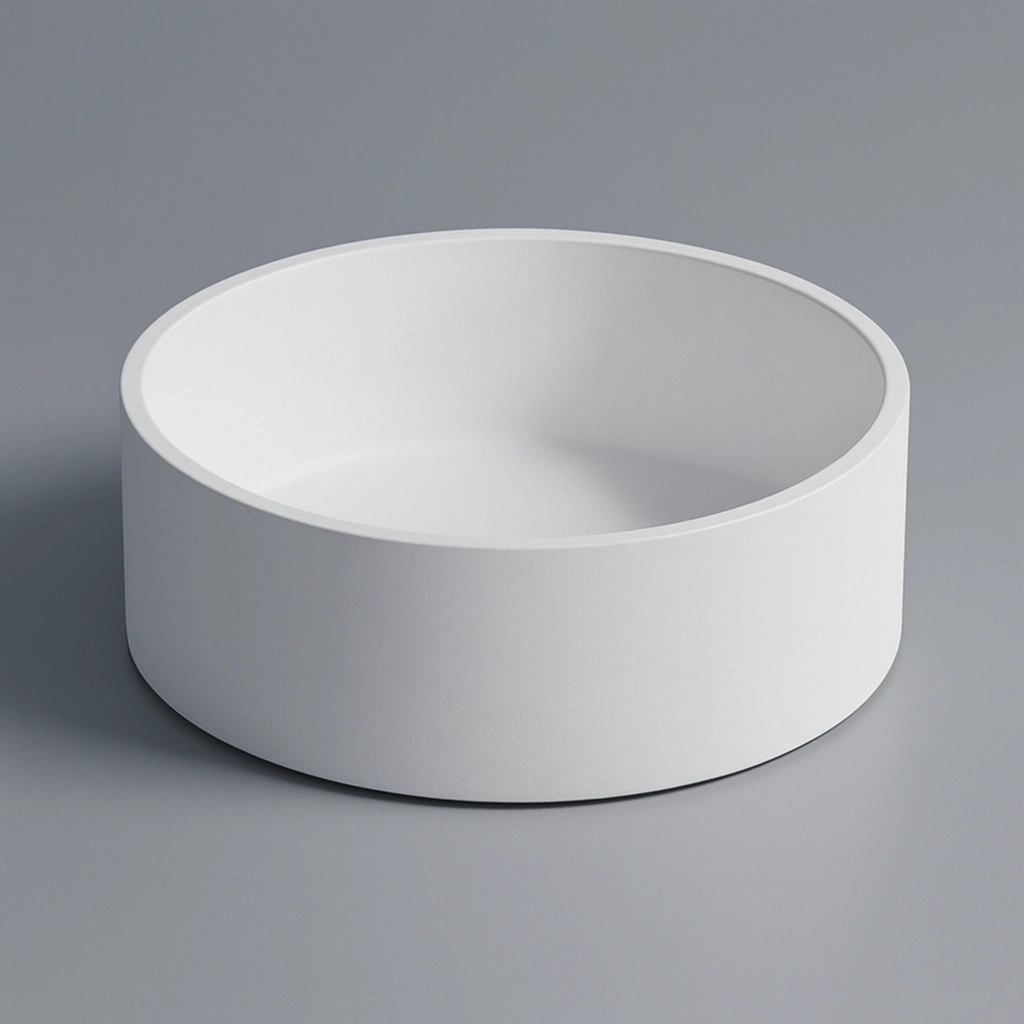
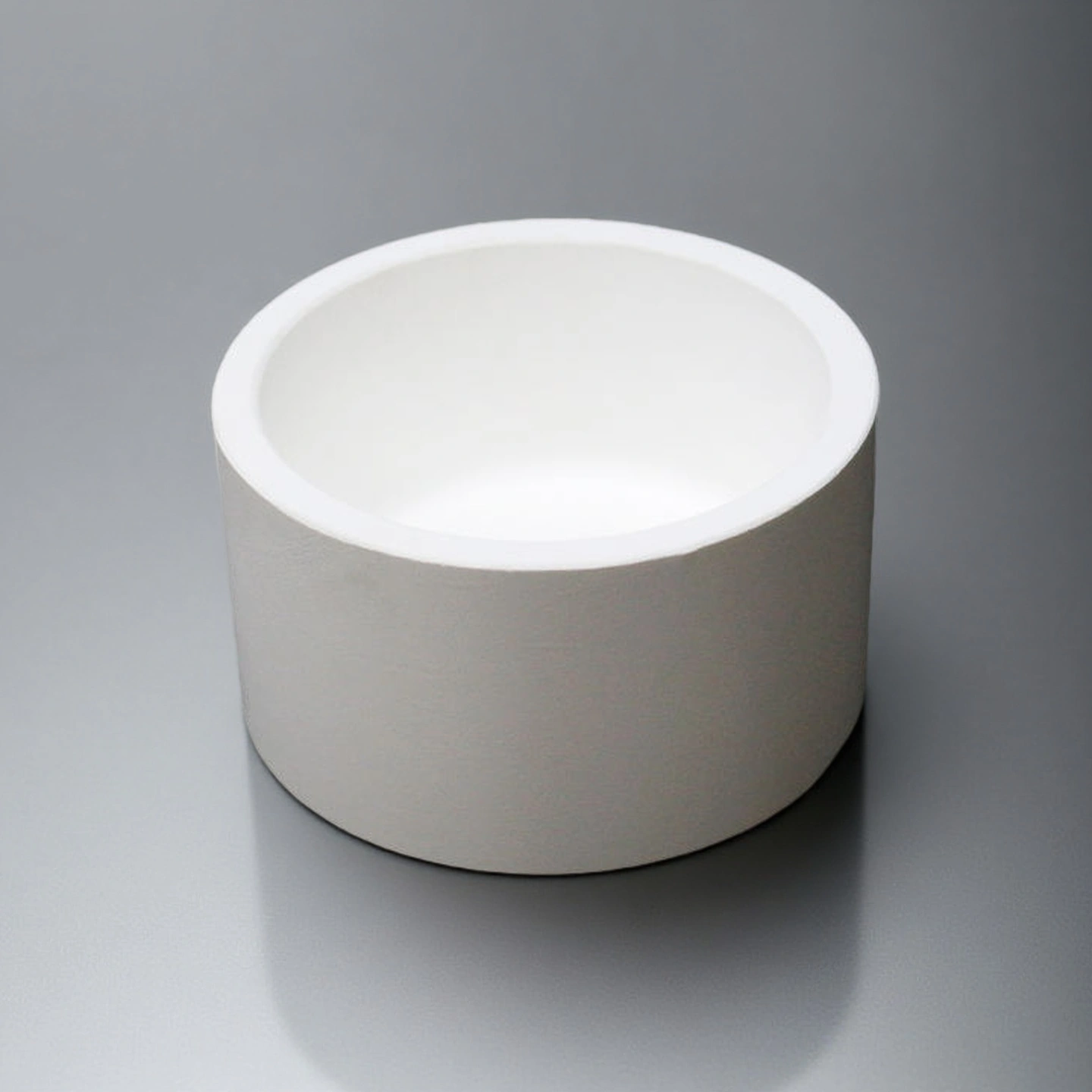
High-purity Fused Quartz Ceramic Crucible for Crystal Pulling, High-temperature Processing and Lab Use

We supply fused-quartz ceramic crucibles in standard and custom sizes for crystal growth, lab high-temperature processing and industrial thermal applications. Sizes range from small lab volumes to large pulling crucibles; custom machining and tolerance control are available on request.

Catalogue No. AT-FT-7001
Material SiO₂
Purity (SiO₂) standard grades 99.9% and 99.99%
Pore Size Range 0.1 – 50 μm
Maximum continuous service temperature: ~1100–1200°C
24H Standard Dispatch
Small Batch Support OEM
Factory Direct
Expert Engineering Support

Fused quartz ceramic crucible is a containment vessel made from fused quartz (also called fused silica), an amorphous form of silicon dioxide (SiO₂). It is produced by melting high-purity silica and then cooling to form a glassy, non-crystalline material. These crucibles are used where low contamination, high thermal stability and low thermal expansion are required for high-temperature processing.

Fused Quartz Ceramic Crucible Benefits

  • Low contamination fused quartz — material formulations with measured low metallic and hydroxyl content for reduced melt contamination; available in 99.9%–99.99% SiO₂ grades.
  •  Thermal performance tuned for process — designed continuous use up to ~1200°C with engineering margins and recommended limits per grade.
  •  Dimensional accuracy for process repeatability — wall thickness and diameter tolerances suitable for crystal pulling and lab repeatability (custom tolerance options).
  •  Low thermal expansion — reduces thermal stress in rapid heating/cooling cycles, lowering breakage risk during process transitions.
  • Custom geometry options — cylindrical, tapered, deep-well, large-mouth and closed-end forms produced per drawing.


Fused Quartz Ceramic Crucible Properties

Item Value
Chemical Composition SiO2(Wt) ≥99.8%
Al2O3 ≤0.12%
Fe2O3 ≤0.02%
TiO2 ≤0.018%
MgO ≤0.004%
Na2O ≤0.004%
CaO ≤0.007%
K2O ≤0.004%
Physical Properties Bulk Density ≥1.90-1.95g/cm3
Apparent Porosity ≤15%
Apparent Porosity ≥50MPa
Flexural Strength (Room Temperature) ≥25MPa
Flexural Strength (High Temperature) ≥28MPa
Crystal Phase Content <1%
Thermal Shock Resistance (1100°C → water quench) ≥10
Thermal Properties Thermal Conductivity @ 20°C 20℃:0.64W/m°K
500℃:0.81W/m°K
1090℃:0.88W/m°K
Thermal Expansion Coefficient (20–1100°C) ≤0.9×10⁶
Thermal Expansion Coefficient (20–1100°C) 1650


Fused Quartz Ceramic Crucible Specification

Type 1: Cylindrical Fused Quartz Ceramic Crucible

Quartz ceramic crucible standard sizes

Cylindrical Fused Quartz Ceramic Crucible
Item Outer Dia(mm) Inner Dia(mm) Height(mm) Thickness(mm)
AT-TCY-G1001 60 40 90 5
AT-TCY-G1002 82 70 130 6
AT-TCY-G1003 100 80 60 10
AT-TCY-G1004 100 74 300 13
AT-TCY-G1005 100 88 120 6
AT-TCY-G1006 117 106 205 5.5
AT-TCY-G1007 120 110 125 5
AT-TCY-G1008 128 102 300 13
AT-TCY-G1009 140 120 130 10
AT-TCY-G1010 160 140 170 10
AT-TCY-G1011 190 164 300 13
AT-TCY-G1012 200 175 164 12.5
AT-TCY-G1013 305 265 300 20
AT-TCY-G1014 305 265 400 20


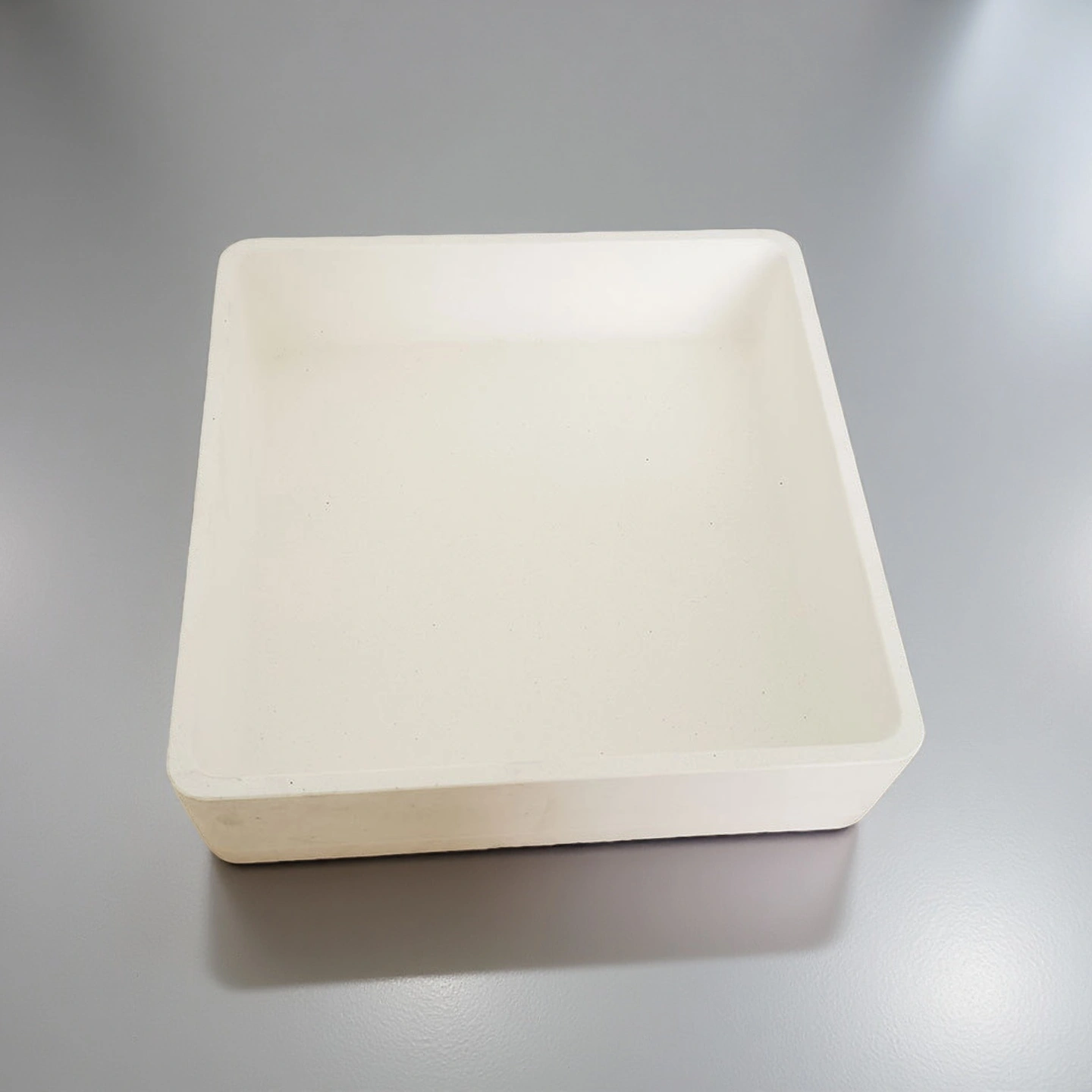
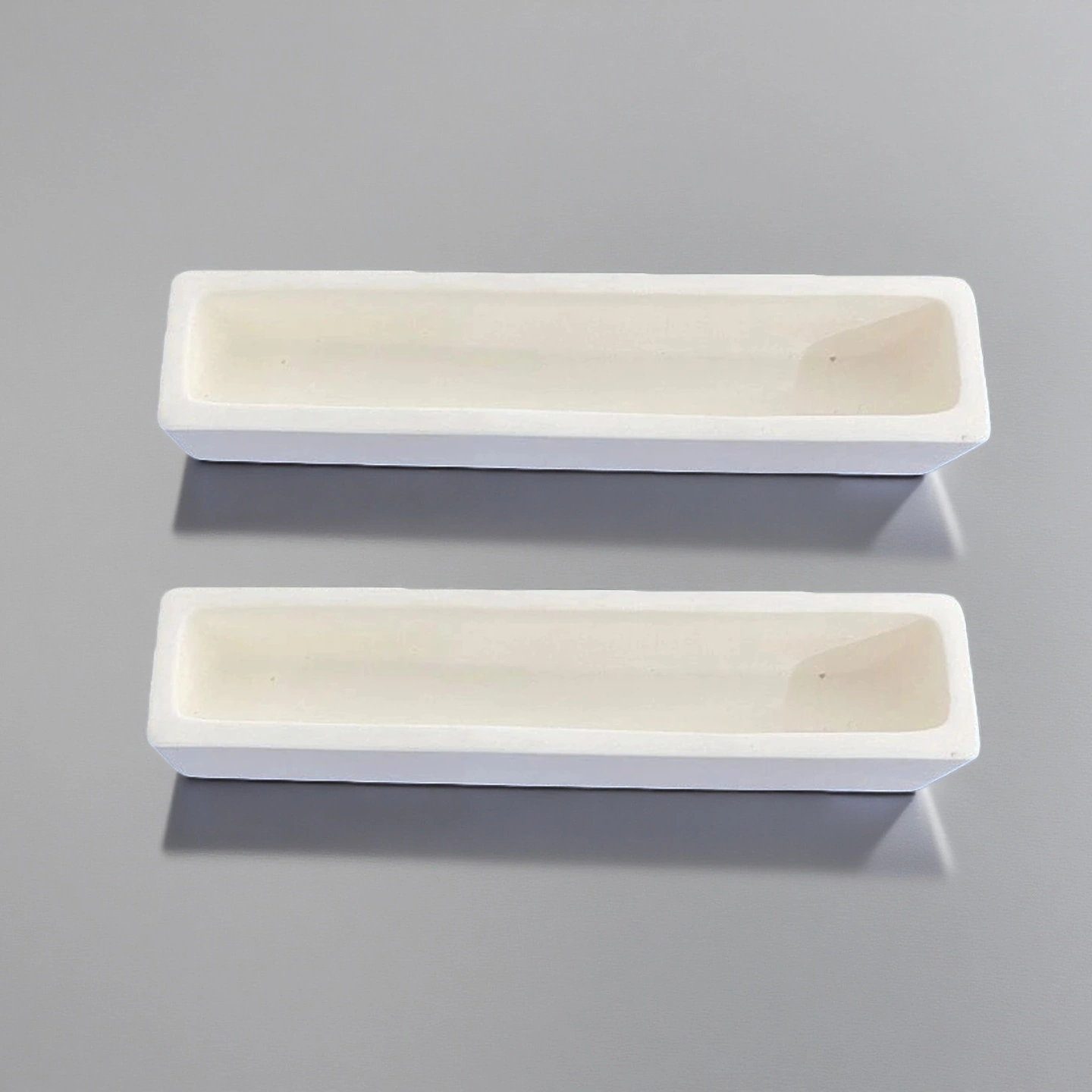
Type 2: Square Fused Quartz Ceramic Crucible
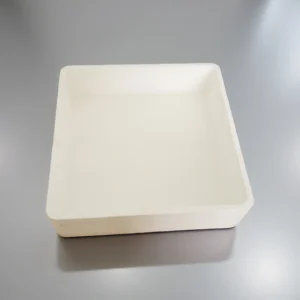
Large diameter fused quartz ceramic crucible

Square Fused Quartz Ceramic Crucible
Item Length(mm) Width(mm) Height(mm)
AT-TCY-G2001 250 250 100
AT-TCY-G2002 300 300 110
AT-TCY-G2003 300 300 150
AT-TCY-G2004 300 300 200
AT-TCY-G2005 320 320 48
AT-TCY-G2006 320 320 55
AT-TCY-G2007 320 320 60
AT-TCY-G2008 320 320 75
AT-TCY-G2009 320 320 80
AT-TCY-G2010 320 320 85
AT-TCY-G2011 320 320 120
AT-TCY-G2012 320 320 130
AT-TCY-G2013 320 320 150
AT-TCY-G2014 320 320 190
AT-TCY-G2015 370 370 185
AT-TCY-G2016 420 420 150
AT-TCY-G2017 520 520 120
AT-TCY-G2018 530 530 120
AT-TCY-G2019 530 530 135
AT-TCY-G2020 520 520 150


Fused Quartz Ceramic Crucible Packaging:

  • Individual padded wooden or molded foam boxes for each crucible; external wooden crate for pallet shipments.
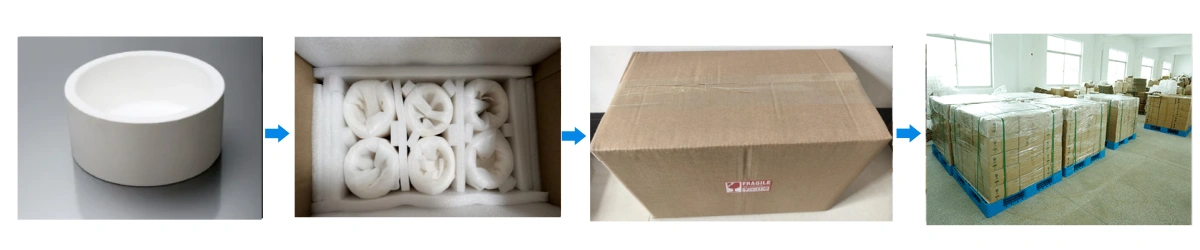

Fused Quartz Ceramic Crucible Packaging

Fused Quartz Ceramic Crucible Applications

  • Semiconductor Manufacturing

    ✅Key Advantages

    1. Ultra-high purity that prevents contamination during wafer processing.
    2. Outstanding thermal shock resistance for stable performance under rapid heating and cooling.
    3. High dimensional precision enabling compatibility with automated and vacuum-based semiconductor equipment.

    ✅ Problem Solved

    A photovoltaic manufacturer with an annual capacity of 100 MW was experiencing unstable crucible lifetimes and an increasing rate of impurity-related wafer defects, which led to inconsistent crystal pulling cycles and frequent production interruptions. After switching to high-purity fused quartz crucibles, the facility recorded a measurable reduction in impurity-induced wafer rejects, along with far more stable thermal behavior during CZ ingot growth. The improved purity and dimensional consistency of the crucibles extended their service life, reduced replacement frequency, and helped the production line maintain continuous, predictable pull runs, ultimately lowering operating costs and improving yield quality.

  • Chemical & High-Purity Materials Processing

    ✅Key Advantages

    1. Corrosion resistance against acidic and alkaline vapours.
    2. High-temperature stability for continuous processes up to 1200°C or higher.
    3. Low particle generation ensures purity for speciality chemical or catalyst manufacturing.

    ✅ Problem Solved

    A specialty chemical producer operating high-temperature synthesis reactors encountered corrosion and particle shedding from alumina-based crucibles, compromising the purity of advanced catalyst powders. These impurities triggered costly product rejections and forced additional purification steps. By switching to fused quartz ceramic crucibles with superior chemical inertness and low particle generation, the plant successfully maintained the required purity levels throughout the thermal reaction process. The transition not only reduced contamination events but also enabled longer uninterrupted reactor cycles, improved batch consistency, and minimized the need for post-processing filtration, resulting in a measurable improvement in production efficiency.

  • Metallurgy & Advanced Materials

    ✅Key Advantages

    1. Stable mechanical strength at elevated temperatures for long service life.
    2. Minimal deformation under repeated thermal loading.
    3. Compatibility with multiple heating methods, including induction, resistance, and gas

    ✅ Problem Solved

    An advanced materials company producing high-performance alloys experienced deformation and cracking in conventional ceramic crucibles during repeated high-temperature melting cycles. This instability introduced variability in alloy composition and increased scrap rates. After implementing fused quartz ceramic crucibles with enhanced thermal shock resistance and higher structural stability, the company achieved more reliable melt control and uniform alloy properties across batches. The improved durability of the crucibles extended their usable lifespan, reduced furnace maintenance frequency, and supported a more predictable production schedule, ultimately elevating the consistency and performance of their final alloy products.

Fused Quartz Ceramic Crucible Usage Instructions

  • Installation Guidelines

    Ensure proper installation to maintain crucible stability and extend its service life.

    1. Place the crucible on a level, contamination-free support base to avoid uneven heating.
    2. Ensure full contact between the crucible bottom and the furnace platform for uniform heat transfer.
    3. Avoid mechanical stress when positioning; do not force the crucible into a tight holder or clamp.
    4. Preheat the furnace gradually to remove any adsorbed moisture and prevent thermal shock.
    5. When used in crystal pulling or continuous melting processes, confirm that alignment with heaters and insulation layers is correct to ensure predictable temperature distribution.

  • Proper Use & Operating Recommendations

    Following best practices ensures stable performance during high-temperature operations.

    1. Always follow the manufacturer’s maximum operating temperature to avoid softening or deformation.
    2. Increase and decrease temperature gradually to prevent cracking from rapid thermal changes.
    3. Keep the melt level within recommended capacity limits to avoid spillage or wall stress.
    4. When handling reactive materials, ensure compatible atmospheres (e.g., vacuum, inert gas) to avoid chemical attack.
    5. Rotate or reposition the crucible only after complete cooling to prevent thermal shock and handling injuries.

  • Storage Requirements

    Proper storage prevents contamination and moisture absorption.

    1. Store the crucibles in a dry, dust-free, well-ventilated environment.
    2. Keep them in their original packaging or on cushioned shelves to prevent accidental chipping.
    3. Avoid storing in areas with high humidity to prevent moisture adsorption, which can cause cracking during reheating.
    4. Separate crucibles of different materials (e.g., quartz vs. alumina) to prevent cross-contamination.

  • Cleaning & Maintenance

    Regular cleaning preserves purity and prevents process contamination.

    1. Use only non-abrasive tools and detergents to avoid scratching the surface.
    2. Rinse thoroughly with deionized or distilled water after chemical cleaning.
    3. For stubborn residues, use mild acids (e.g., diluted HCl) compatible with quartz, then rinse and dry completely.
    4. After cleaning, perform a low-temperature bake-out to remove moisture before high-temperature use.
    5.Never clean with metal scrapers, wire brushes, or aggressive mechanical tools.

  • Common Misuse & How to Fix It

    Avoiding these issues increases crucible life and ensures consistent performance.

    Misuse 1: Rapid heating or cooling causing thermal shock
    Fix: Implement a controlled heating/cooling ramp rate; ensure pre-drying before high-temperature use.

    Misuse 2: Overfilling the crucible leading to overflow or wall stress
    Fix: Follow recommended fill levels and monitor melt volume throughout the process.

    Misuse 3: Using incompatible chemicals or atmospheres
    Fix: Verify material compatibility; switch to inert or controlled atmospheres when working with reactive compounds.

    Misuse 4: Mechanical force during installation or removal
    Fix: Use proper tongs and lifting tools; allow full cooling before handling.

    Misuse 5: Dirty or contaminated furnace environment
    Fix: Clean furnace floors and support plates regularly; place crucibles on stable, debris-free surfaces.

FAQ — Fused Quartz Ceramic Crucibles

  1. What is the maximum continuous operating temperature of a fused quartz crucible?

    Most fused quartz crucibles support continuous operation up to 1100–1200°C, with short-term peaks of 1250°C, depending on purity grade and wall thickness.

  2. How does fused quartz compare with alumina or Si₃N₄ in terms of contamination risk?

    Fused quartz offers significantly lower alkali and metallic impurities, making it preferred for semiconductor, PV, and high-purity material processing where contamination control is critical.

  3. What are the most common failure modes of quartz crucibles in high-temperature applications?

    Typical failure mechanisms include thermal shock cracking, devitrification, chemical attack, and mechanical stress from improper installation or uneven heating.

  4. How can I extend the service life of a quartz ceramic crucible?

    Use controlled heating/cooling rates, maintain a clean furnace environment, avoid overfilling, and ensure proper alignment to minimize thermal gradients.

  5. Does fused quartz release particles or volatile impurities at high temperatures?

    High-purity fused quartz has extremely low volatilization and particle generation. At elevated temperatures, trace SiO₂ vapor may occur but remains far lower than alumina or other oxide ceramics, ensuring minimal contamination in precision melting and semiconductor-related processes.

  6. Can fused quartz crucibles be used in vacuum or inert gas environments?

    Yes. Fused quartz is chemically stable in vacuum, nitrogen, argon, and most inert atmospheres, making it suitable for thermal processing of reactive metals or high-purity materials. Oxidizing environments are also acceptable, but reducing atmospheres may cause surface changes at extreme temperatures.

Fused Quartz Ceramic Crucibles Reviews

  • ⭐️⭐️⭐️⭐️⭐️
    Our production line switched to ADCERAX fused quartz ceramic crucibles for the crystal pulling process, and the stability improvement was immediate. The crucibles show consistent wall uniformity and excellent purity, reducing impurity-related wafer defects by more than 20%. This is the most reliable quartz crucible we’ve used in our PV grade melting setups.
    -- PV Manufacturing Engineer — Solar Crystal Growth Line
  • ⭐️⭐️⭐️⭐️⭐️
    We rely on high-purity fused quartz ceramic crucibles for oxide synthesis experiments, and the ones from ADCERAX have exceeded expectations. They remain dimensionally stable at 1200°C, show zero contamination in our analytical results, and survive multiple heating cycles without devitrification—perfect fit for precision R&D work.
    -- Laboratory Materials Scientist — High-Temperature Oxide Research
  • ⭐️⭐️⭐️⭐️⭐️
    Our alloy prototyping team uses quartz ceramic melting crucibles for small-batch experimental melts. These crucibles provide excellent thermal shock resistance and do not react with our non-alkaline metal systems. The service life is noticeably longer than previous suppliers, which has reduced consumable costs on our high-mix production line.
    -- Metallurgical Process Engineer — Specialty Alloy Production
  • ⭐️⭐️⭐️⭐️⭐️
    As a furnace manufacturer, we often need customized shapes and tight tolerances. ADCERAX delivered custom-machined fused quartz crucible that matched our drawings precisely, with ±0.2 mm tolerance stability across the batch. Their engineering support and responsiveness made integration into our system seamless.
    -- Industrial Furnace OEM — Custom Thermal Processing Systems
customize size

Customize Fused Quartz Ceramic Crucible

Below are the key specifications and engineering options customers can define when ordering a quartz ceramic crucible. Each parameter supports both standard and highly customized production needs.

1. Dimensional Customization

  • Outer & inner diameters with tight tolerances up to ±0.1 mm or stricter for precision processes.
  • Wall thickness control including differential thickness designs for thermal performance optimization.
  • Concentricity & roundness accuracy for high-precision applications.
  • Overall length up to 1000 mm, with extended lengths available on request.

2. Geometry & Structural Design

  • End configurations: open top, closed bottom, sloped or chamfered lip, reinforced or flanged rim, overflow design.
  • Cross-section options: round, oval, tapered cylinder, square, rectangular, or special cavity shapes formed by precision tooling.
  • Profile customization: stepped walls, thickened bases, double-layer structures for enhanced thermal stability.

3. Surface Treatment & Finish

  • Standard surfaces: as-fired or fine-ground interior.
  • Enhanced surfaces: polished inner bore for low contamination, sandblasted exterior for mechanical grip or coating adhesion.
  • Optical finishes: UV/IR-grade polishing with controlled roughness for photonic or optical furnace applications.
  • Anti-devitrification treatments available for extended high-temperature service life.

4. Machining & Functional Features

  • Precision machining: holes, slots, grooves, notches, chamfers, and drainage or valve ports.
  • Special processing: fused-on extensions, bonded components, or multi-part assemblies.
  • Integration features: locator tabs, thermal sensor ports, alignment slots, or holder interfaces for automation lines.

5. Material & Purity Options

  • Purity grades: standard fused silica, high-purity semiconductor grade, UV-grade, IR-grade.
  • Controlled OH content: low-OH formulations for high-temperature or optical applications.
  • Trace metal impurity control for processes sensitive to contamination (e.g., specialty chemicals, photonics).

Related Products

ADCERAX - Your Trusted Advanced Ceramics Manufacturing Partner

Direct factory manufacturing with comprehensive ceramic materials expertise and global supply capabilities

Direct Factory Manufacturing

China-based ceramic materials production facility with state-of-the-art equipment

Engineering Team

Experienced professionals in advanced ceramics applications and custom design

Quality Control

Strict quality control standards for technical ceramics manufacturing and quality management

Global Supply Chain

Serving customers worldwide with technical ceramics and rapid response

24/7 Technical Support

Round-the-clock support for ceramic components inquiries and technical assistance

500+ Satisfied Customers

Trusted by global customers for advanced ceramic materials and precision components

Get in touch with us

Our team will be happy to respond to you in less than 24 hours.

Adcerax's factory

Quick Quotation

*Our team will answer your inquiries within 24 hours.

*Your information will be kept strictly confidential.

Ready to Solve Your Engineering Challenge?

Partner with ADCERAX for reliable, high-performance advanced ceramic solutions. Our engineers are ready to discuss your project.

E-mail

info@adcerax.com

Phone

+(86) 0731-74427743 | WhatsApp: +(86) 19311583352

Response Time

Within 24 hours

Quick Quote

The more details you provide, the faster we can quote.

*We respond within 24 hours. All inquiries are confidential.

Download Catalog

Get Your Custom Sulution

The more details you provide, the faster we can respond.

customize size

*We respond within 24 hours. All inquiries are confidential.

Download Catalog