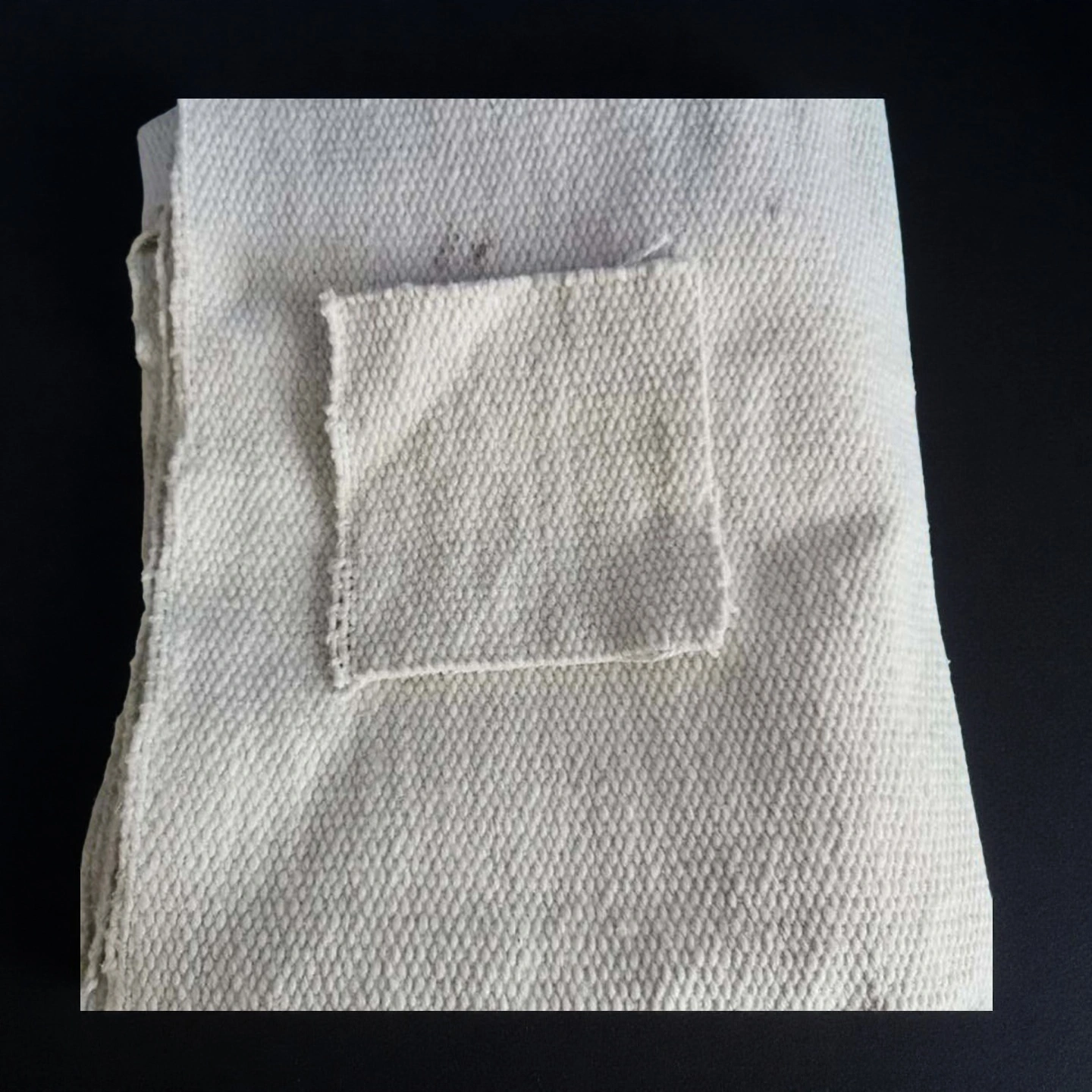
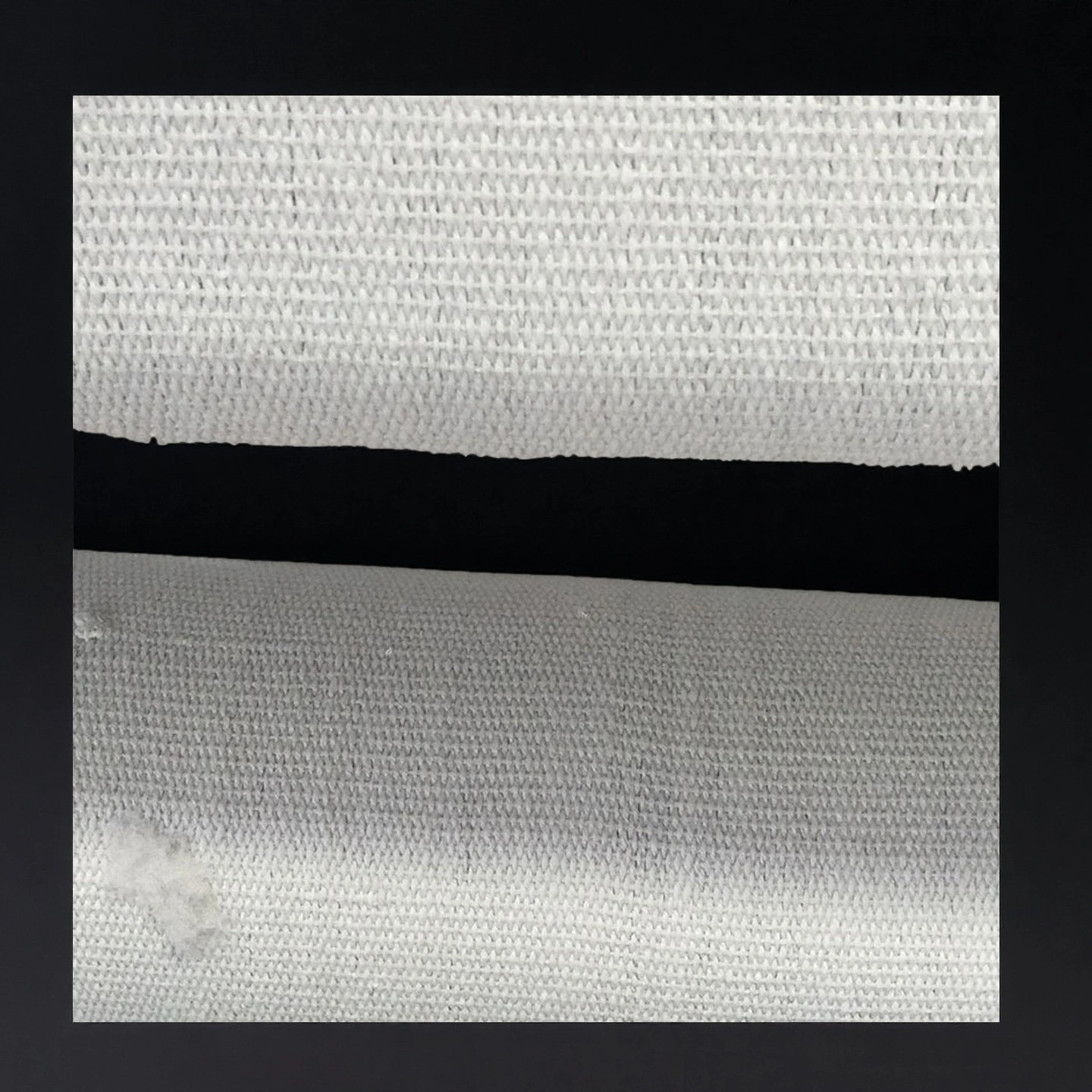
Aluminum Silicate Fiber Felt for Furnace and Kiln Lining – 1260–1430°C Insulation

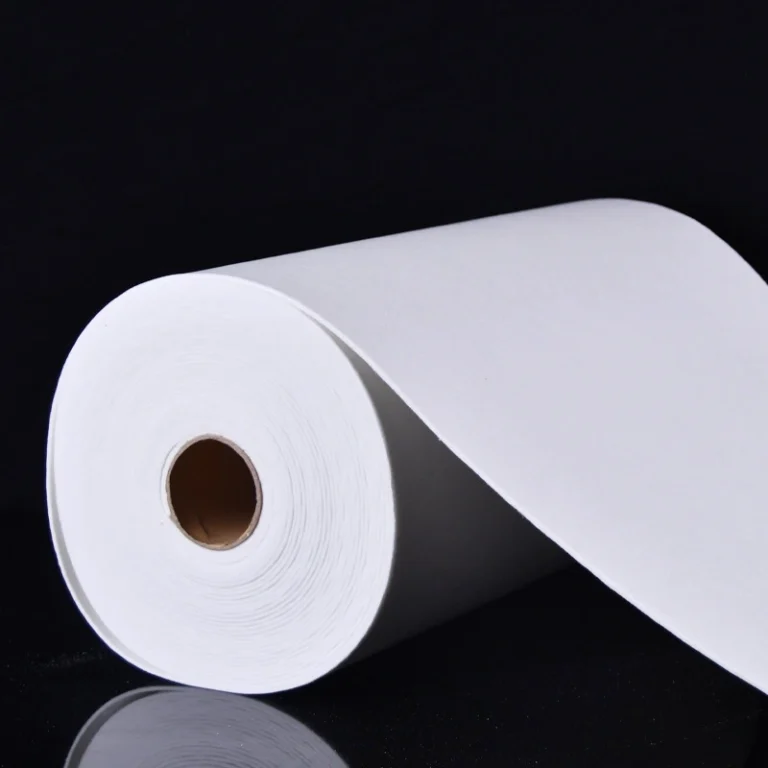
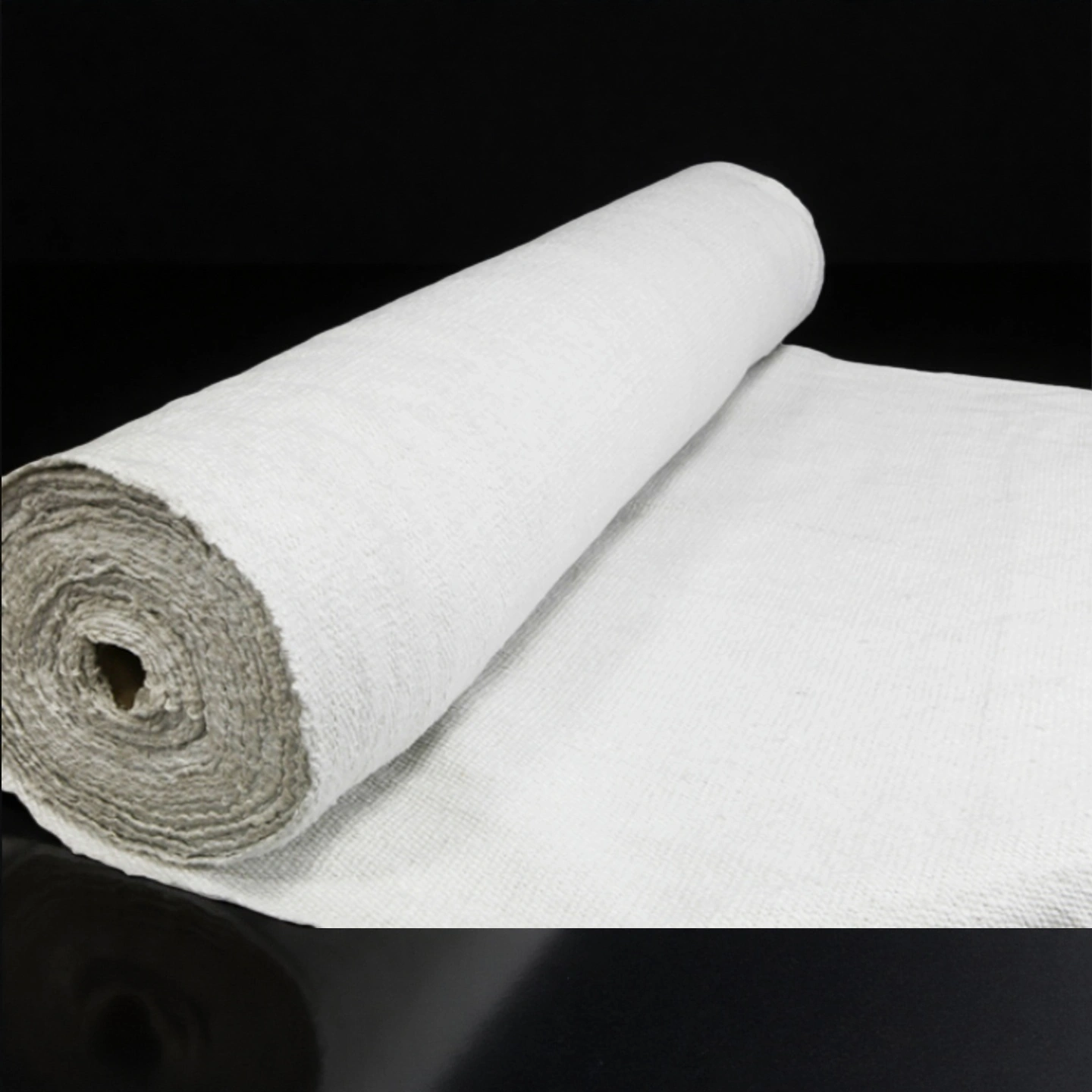
Aluminum silicate fiber felt is a flexible alumina–silica insulation supplied in 6–50 mm thicknesses and widths up to 1220 mm, with 96–160 kg/m³ grades convertible into custom panels, strips and shaped pads to fit furnace doors, expansion joints and high-temperature sealing areas.

Catalogue No. AT-GSL-WB1001
Material Al2O3+SiO₂
Classification Temperature 1260–1430 °C
Density range 64–160 kg/m³
Thermal conductivity at 800 °C ~0.16–0.20 W/m·K (at 128 kg/m³)
24H Standard Dispatch
Small Batch Support OEM
Factory Direct
Expert Engineering Support

Aluminum silicate fiber felt is a flexible, high-temperature insulation material made from fine alumina–silica fibers that are formed into a lightweight felt by needle-punching or similar processes. It belongs to the family of ceramic fiber products and is often described as a soft, compressible refractory lining material rather than a rigid refractory brick or board.

Aluminum Silicate Fiber Felt Benefits

  • Stable high-temperature insulation
    Aluminum silicate fiber felt maintains insulating performance up to 1260–1430 °C, with controlled linear shrinkage after long-term exposure, which helps keep furnace shell temperatures within design limits for steel, aluminum and glass processes.

  • Low thermal mass for fast heating cycles
    The low heat storage of the alumino-silicate fiber matrix shortens heat-up and cool-down times compared with dense refractories, supporting frequent start–stop or batch furnace operation and reducing idle energy losses.

  • Soft, flexible and easy to install
    Needle-punched construction yields a tough yet compressible felt that conforms to curved shells, expansion joints and complex shapes, simplifies on-site fitting and reduces the risk of cracking during thermal cycling.

  • Consistent thermal conductivity across grades
    Tested thermal conductivity values around 0.09 W/m·K at 400 °C and 0.16–0.20 W/m·K at 800–1000 °C help engineers calculate heat loss accurately and optimise layer thickness and density for each zone.

  • Optional bio-soluble AES grades
    For plants under stricter health and safety regulations, aluminum silicate fiber felt can be offered in AES bio-soluble compositions that dissolve in physiological fluids while retaining similar insulation performance.

Aluminum Silicate Ceramic Fiber Felt Properties

Item General Grade Standard Grade High Purity Grade High Alumina Grade Zirconia-Containing Grade
Classification Temperature (°C) 1100 1260 1260 1360 1430
Service Temperature (°C) <1000 1050 1100 1200 1350
Color White Off-white Off-white Off-white Off-white
Bulk Density (kg/m³) 260–320 260–320 260–320 260–320 260–320
Permanent Linear Shrinkage (%) (24 h holding; based on 128 kg/m³) <2.5 (1000°C) <2.5 (1050°C) <2.5 (1100°C) <2.5 (1100°C) <2.5 (1350°C)
Thermal Conductivity (W/m·K) (bulk density 128 kg/m³) 0.085 (400°C) 0.085 (400°C) 0.085 (400°C) 0.085 (400°C) 0.085 (400°C)
0.132 ( 800°C) 0.132 ( 800°C) 0.132 ( 800°C) 0.132 ( 800°C) 0.132 ( 800°C)
0.180 (1000°C) 0.180 (1000°C) 0.180 (1000°C) 0.180 (1000°C)
Tensile Strength (MPa) (bulk density 128 kg/m³) 0.5 0.5 0.5 0.5 0.5
Chemical Composition (wt%)
Al₂O₃ 44 46 47–49 52–55 39–40
Al₂O₃ + SiO₂ 96 97 99 99
Al₂O₃ + SiO₂ + ZrO₂ 99
ZrO₂ 15–17
Fe₂O₃ <1.2 <1.0 0.2 0.2 0.2
Na₂O + K₂O ≤0.5 ≤0.5 0.2 0.2 0.2


Aluminum Silicate Fiber Felt Specifications
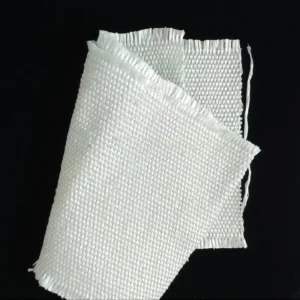
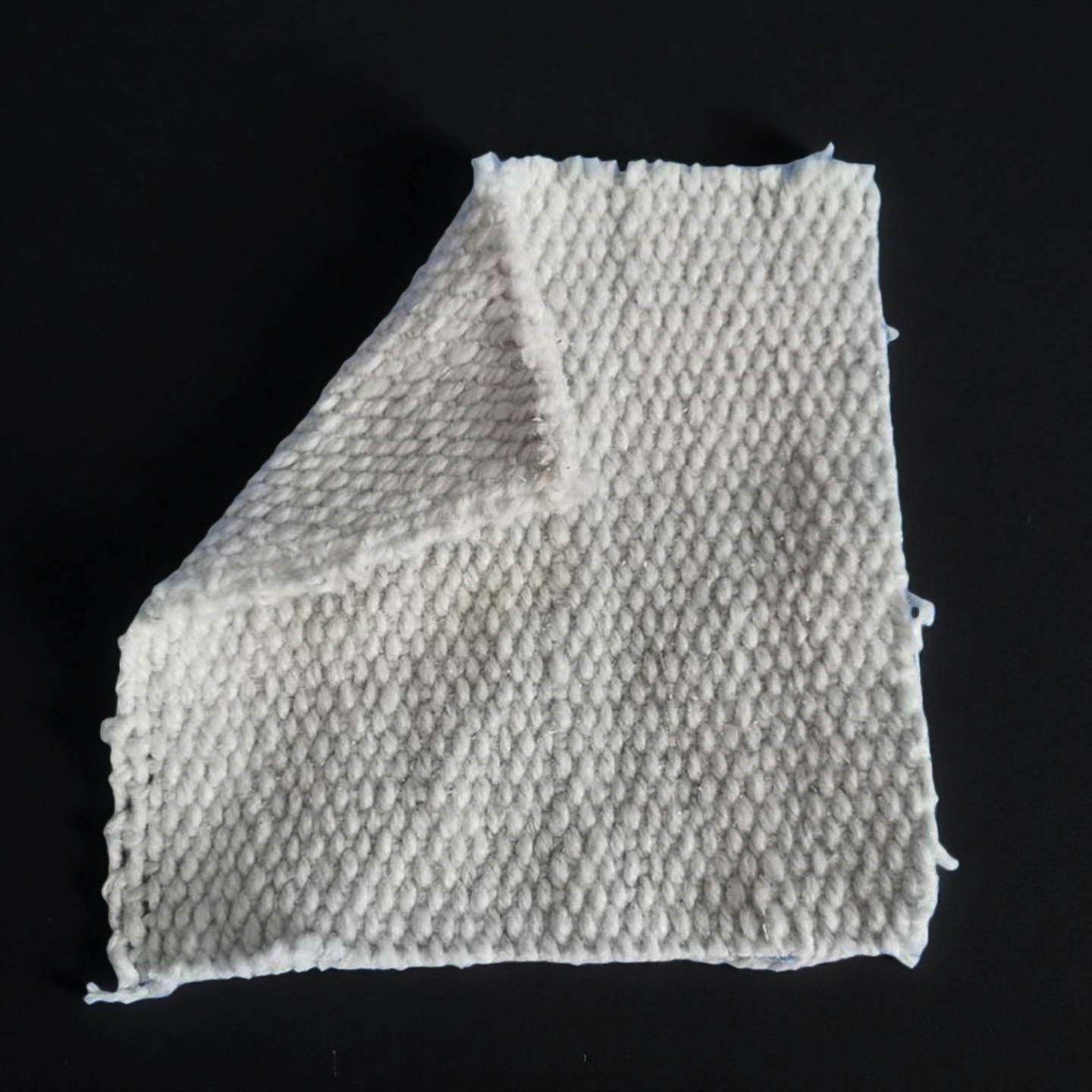
cut aluminum silicate fiber felt pads for boiler casing insulation

Item Thickness (mm) Width (mm) Weight (g/m²) Weave Pattern 增强形式 Continuous Service Temp (°C)
AT-GSL-WB1001 2 1000 1000 Plain Weave Glass Fiber Reinforced 650
AT-GSL-WB1002 3 1000 1400 Plain Weave
AT-GSL-WB1003 5 1000 2300 Twill Weave
AT-GSL-WB1004 6 1000 2600 Twill Weave
AT-GSL-WB1005 2 1000 1100 Plain Weave SUS304 Stainless Steel Wire Reinforced 1050
AT-GSL-WB1006 3 1000 1500 Plain Weave
AT-GSL-WB1007 5 1000 2400 Twill Weave


Aluminum Silicate Fiber Felt Packaging

  • Fiber felt rolls wrapped with plastic film to reduce dust release during transport.
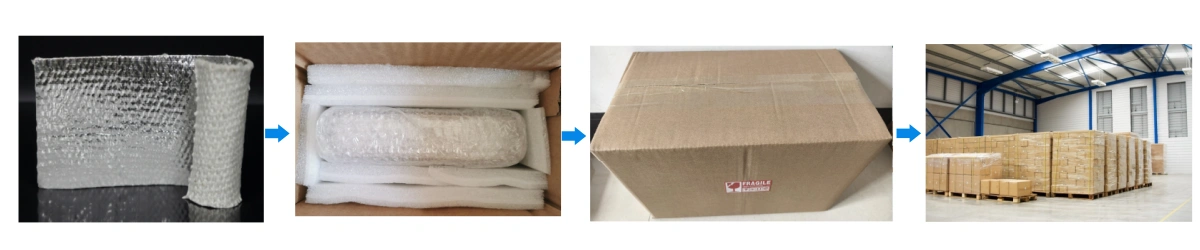
Aluminum Silicate Fiber Felt Packaging

Aluminum Silicate Fiber Felt Applications

  • Steel Reheating and Heat Treatment Furnaces – Aluminum Silicate Fiber Felt Lining

    ✅Key Advantages

    1. Aluminum silicate fiber felt reduces shell temperature and heat loss in walking-beam and pusher furnaces, supporting energy savings of several percent compared with dense refractories alone.

    2. High-temperature grades with 1260–1430 °C classification temperatures withstand furnace roof and burner zone conditions in steel heating operations.

    3. Flexible felt construction allows easy maintenance of burner blocks, doors and flue openings without extensive brick demolition.

    ✅ Problem Solved

    A steel plant retrofitting a 1200 °C reheating furnace replaced part of its dense refractories with aluminum silicate fiber felt and modules on the roof and sidewalls. Measured heat loss through the shell dropped enough to reduce annual fuel consumption by approximately 3–5%, and shell temperature at critical points decreased by 20–30 °C, lowering thermal stress on the steel structure and extending maintenance intervals from yearly to every 18–24 months. Production stayed within the same temperature uniformity tolerance while the lighter lining shortened heat-up time after scheduled shutdowns.

  • Power Plant Boilers and HRSG – Aluminum Silicate Fiber Felt for Casing and Ducts

    ✅Key Advantages

    1. Aluminum silicate fiber felt provides low thermal conductivity around 0.16–0.20 W/m·K at 800–1000 °C, which is important for boiler wall and gas duct insulation.

    2. Lightweight density levels between 96 and 128 kg/m³ help reduce load on casing structures while maintaining required surface temperature limits.

    3. Flexible felt and pads are easy to adapt around stiffeners, nozzles and manholes during boiler or HRSG installation and retrofit.

    ✅ Problem Solved

    A power plant operating a multi-pressure HRSG needed to keep outer casing temperatures below 60 °C in compliance with site safety rules. By installing 50 mm aluminum silicate fiber felt at 128 kg/m³ density behind metal cladding in the hottest duct sections, the plant achieved the target surface temperature with a single insulation layer and avoided adding heavier rigid insulation. Thermal calculations confirmed that the chosen felt grade met design requirements, and on-site measurements during full load operation verified surface temperatures within specification without additional stiffening of the casing.

  • Petrochemical Fired Heaters – Aluminum Silicate Fiber Felt Back-Up Insulation

    ✅  Key Advantages

    1. Aluminum silicate fiber felt used behind refractory linings helps limit temperature at the heater shell and supports long-term operation near design duty.

    2. Controlled shrinkage at high temperature reduces risk of gaps forming behind castables and bricks when the heater cycles between start-up and turndown conditions.

    3. AES bio-soluble aluminum silicate fiber felt options support compliance with more restrictive occupational exposure rules in modern refineries.

    ✅  Problem Solved

    During a fired heater revamp, a petrochemical plant specified aluminum silicate fiber felt as a back-up layer behind refractory bricks in the convection and radiant sections. The combination reduced external steel temperatures to the specified design window while minimising total lining thickness. After several years of operation at typical outlet temperatures near 900–950 °C, inspection during a turnaround showed the fiber felt still in place with no significant voids, and the heater shell had not experienced abnormal deformation, confirming that the felt grade and density were adequate for the service conditions.


Aluminum Silicate Ceramic Fiber Felt Product Usage Guide

  • Installation

    1. Verify the design drawing for aluminum silicate fiber felt thickness, density and layout before installation.
    2. Cut felt with sharp knives or dedicated cutting tools to match doors, burner blocks, flanges and curves; avoid tearing to keep edges clean.
    3. Install aluminum silicate fiber felt with recommended anchors, pins or adhesive systems, ensuring tight contact with the shell and neighbouring pieces.
    4. Stagger joints and avoid continuous straight gaps; compress felt slightly where necessary to compensate for future shrinkage at temperature.

  • Use in service

    1. Follow specified heat-up curves to dry any binders and coatings gradually and reduce thermal shock in the new lining.
    2. Monitor shell temperature and compare with design values during the first production cycles; adjust loading or firing if temperatures exceed limits.
    3. Inspect doors, burner tiles and joint areas regularly, as these zones experience higher movement and thermal cycling.

  • Storage

    1. Store aluminum silicate fiber felt in dry, covered areas, away from rain and standing water.
    2. Keep rolls and panels in original packaging until just before cutting to minimise dust and contamination.
    3. Avoid stacking heavy items on top of felt cartons to prevent permanent compression before use.

  • Cleaning and maintenance

    1. Use industrial vacuum systems to remove loose fibers and dust from installation areas.
    2. For minor damage, patch with matching aluminum silicate fiber felt strips and secure them with appropriate fasteners or coatings.
    3. When larger areas are degraded, cut back to sound material and install new felt with overlapping joints to restore insulation performance.

  • Common misuse points and handling suggestions

    1. Over-compression during installation
    Problem: Excessive compression of fiber felt reduces thickness and can increase thermal conductivity in service.
    Handling: Follow design compression limits, typically only light compression to ensure contact, and avoid using felt as a structural load-bearing layer.

    2. Using low-temperature grades in high-temperature zones
    Problem: Selecting 1100 °C grade aluminum silicate fiber felt for areas exposed to 1260–1300 °C gas temperature can lead to early shrinkage and gaps. Alibaba+1
    Handling: Match classification temperature of the felt to the expected hot-face temperature with margin, and use high-alumina or ZA grades where necessary.

    3. Insufficient joint sealing
    Problem: Leaving open butt joints or misaligned seams allows hot gas leakage and local overheating of the shell.
    Handling: Overlap joints, use offset layer arrangements, and add ceramic fiber paper or strips over critical seams to improve sealing.

FAQ – Aluminum Silicate Ceramic Fiber Felt

  1. Q: What is the maximum service temperature of aluminum silicate fiber felt?
    A: Typical aluminium silicate fiber felt grades have classification temperatures between 1260 °C and 1430 °C, with recommended continuous operating temperatures slightly below these limits depending on the design.
  2. Q: How does aluminum silicate fiber felt compare to rock wool or calcium silicate insulation?
    A: Aluminum silicate fibre felt offers higher service temperature and lower thermal mass than rock wool or calcium silicate, so it is preferred for furnaces and heaters operating above 900–1000 °C, while rock wool and calcium silicate are mainly used in lower-temperature piping and equipment.
  3. Q: What density of aluminium silicate fiber felt should I select for my furnace lining?
    A: Many furnace and kiln designs use 96–128 kg/m³ aluminum silicate fiber felt as lining or back-up insulation, while 160 kg/m³ grades are used where higher mechanical strength or lower shrinkage is required; the final selection depends on shell temperature, gas velocity and mechanical constraints.
  4. Q: What is the typical thermal conductivity of aluminum silicate fiber felt?
    A: At a density of about 128 kg/m³, aluminium silicate fibre felt shows typical thermal conductivity values around 0.09 W/m·K at 400 °C and 0.16–0.20 W/m·K at 800–1000 °C, which allows thin linings to achieve significant energy savings.
  5. Q: Can aluminum silicate fiber felt be supplied in bio-soluble AES grades?
    A: Yes, aluminium silicate fiber felt can be produced from AES (alkaline earth silicate) fibers that are bio-soluble and designed to meet more stringent occupational exposure regulations while maintaining comparable insulation performance.
  6. Q: How is aluminium silicate fiber felt installed in a furnace or boiler?
    A: Aluminum silicate fibre felt is typically fixed with welded anchors, pins and washers or with refractory adhesives, with joints staggered and layers overlapped to minimise hot gas leakage and maintain continuous insulation.

Aluminum Silicate Fiber Felt Reviews

  • ⭐️⭐️⭐️⭐️⭐️
    Our team used the aluminum silicate fiber felt during a roof repair, and the insulation performance stayed stable even at high firing rates. The cut pieces matched our drawings exactly.
    -- Mark Jensen – Furnace Supervisor, Delta Steel Processing
  • ⭐️⭐️⭐️⭐️⭐️
    We ordered custom aluminum silicate ceramic fiber felt pads for several kiln builds, and the dimensional accuracy was consistent across batches. The material handled thermal cycling very well.
    -- Elena Rossi – Project Engineer, ThermoKiln Systems
  • ⭐️⭐️⭐️⭐️⭐️
    The aluminum silicate ceramic fibre felt helped us achieve the required casing temperature on an HRSG retrofit. Its low thermal conductivity made the design calculations easier to meet.
    -- David Kim – Technical Manager, Horizon Power Boilers
  • ⭐️⭐️⭐️⭐️⭐️
    We have used aluminium silicate fibre insulation for door seals and burner areas, and the service life has noticeably improved. ADCERAX supported the custom sizes with quick engineering feedback.
    -- Ahmed Sabry – Operations Director, Gulf Industrial Heaters
customize size

Aluminum Silicate Fiber Felt Customized

Aluminum silicate fiber felt from ADCERAX can be produced and converted according to customer drawings, combining different densities, thicknesses and cutting patterns so that each furnace, boiler or heater receives a fitted insulation kit based on the specified aluminum silicate fiber felt grade.

  • Roll dimensions: Widths up to 1220 mm, selectable roll lengths by thickness/density, optional short-roll packaging for maintenance teams.

  • Thickness options: 6, 10, 13, 20, 25, 30, 40, 50 mm, or fully customized thickness for multi-layer furnace lining design.

  • Density grades: 64, 96, 128, 160 kg/m³, with density tolerances available for engineering calculations or equipment-specific insulation load limits.

  • Custom cut shapes: Strips, pads, door seals, burner tile backing layers, expansion-joint fillers, oval/circular gaskets, irregular furnace door geometries.

  • Edge processing: Straight edge, chamfered edge, stepped-layer joints, interlocking joints for improved hot-gas sealing.

  • Multi-layer combinations: Felt + ceramic fiber paper, felt + cloth, felt + aluminium foil, felt + rigid board backing, layered assemblies pre-stacked for on-site efficiency.

  • Reinforcement & structure: Optional needle density adjustment, fibre orientation control, and stitching/spot-tack variants for higher mechanical stability.

  • Material composition: AES bio-soluble grades or standard alumina–silicate fiber grades, chosen according to operating temperature and local regulatory requirements.

Related Products

ADCERAX - Your Trusted Advanced Ceramics Manufacturing Partner

Direct factory manufacturing with comprehensive ceramic materials expertise and global supply capabilities

Direct Factory Manufacturing

China-based ceramic materials production facility with state-of-the-art equipment

Engineering Team

Experienced professionals in advanced ceramics applications and custom design

Quality Control

Strict quality control standards for technical ceramics manufacturing and quality management

Global Supply Chain

Serving customers worldwide with technical ceramics and rapid response

24/7 Technical Support

Round-the-clock support for ceramic components inquiries and technical assistance

500+ Satisfied Customers

Trusted by global customers for advanced ceramic materials and precision components

Get in touch with us

Our team will be happy to respond to you in less than 24 hours.

Adcerax's factory

Quick Quotation

*Our team will answer your inquiries within 24 hours.

*Your information will be kept strictly confidential.

Ready to Solve Your Engineering Challenge?

Partner with ADCERAX for reliable, high-performance advanced ceramic solutions. Our engineers are ready to discuss your project.

E-mail

info@adcerax.com

Phone

+(86) 0731-74427743 | WhatsApp: +(86) 19311583352

Response Time

Within 24 hours

Quick Quote

The more details you provide, the faster we can quote.

*We respond within 24 hours. All inquiries are confidential.

Download Catalog

Get Your Custom Sulution

The more details you provide, the faster we can respond.

customize size

*We respond within 24 hours. All inquiries are confidential.

Download Catalog