DSC alumina crucibles are often treated as neutral consumables in laboratory workflows; however, small and overlooked differences can silently compromise DSC data accuracy, repeatability, and long-term reliability.
Thermal analysis laboratories frequently attribute inconsistent DSC results to instruments or methods, yet in many cases the crucible itself acts as an unexamined variable. This article establishes an engineering framework to judge whether DSC alumina crucibles are genuinely suitable for laboratory use under real operating conditions.

Before Judging Suitability: How Laboratory Engineers Should Think About DSC Alumina Crucibles
Before evaluating measurement accuracy, reproducibility, or long-term performance, laboratory engineers must first adopt a correct conceptual model. Otherwise, even well-designed experiments may inherit hidden instability from the crucible itself.
-
DSC alumina crucibles are part of the measurement system, not passive containers
In DSC testing, heat flow is inferred indirectly through controlled thermal exchange. Consequently, any component influencing thermal response, heat capacity, or heat transfer symmetry inevitably affects the measured signal. Treating the crucible as a neutral holder overlooks its direct role in shaping baseline stability and peak resolution. -
Laboratory suitability is a multi-dimensional engineering outcome
Suitability does not depend on a single property such as maximum temperature resistance. Instead, it emerges from the combined behavior of thermal response consistency, interaction with samples, tolerance to routine laboratory handling, and stability under repeated thermal cycling. Each dimension must be considered simultaneously rather than in isolation. -
Crucible-related problems are typically progressive, not catastrophic
In practice, DSC alumina crucibles rarely fail abruptly. More commonly, they introduce gradual baseline drift, subtle peak distortion, or declining repeatability across weeks of routine testing. As a result, these effects are often misattributed to instrument aging or operator variability. -
Engineering judgment focuses on method integration, not single-run success
From an engineering standpoint, a crucible is suitable only if it can be integrated into a laboratory’s standard DSC method and produce consistent results across operators, days, and sample batches. Completing a single successful run does not constitute laboratory readiness.
Ultimately, adopting this systems-level perspective allows laboratory engineers to identify crucible-related risks early, thereby improving DSC data quality without altering instruments or test methods.
Suitability for Laboratory-Grade Measurement Accuracy
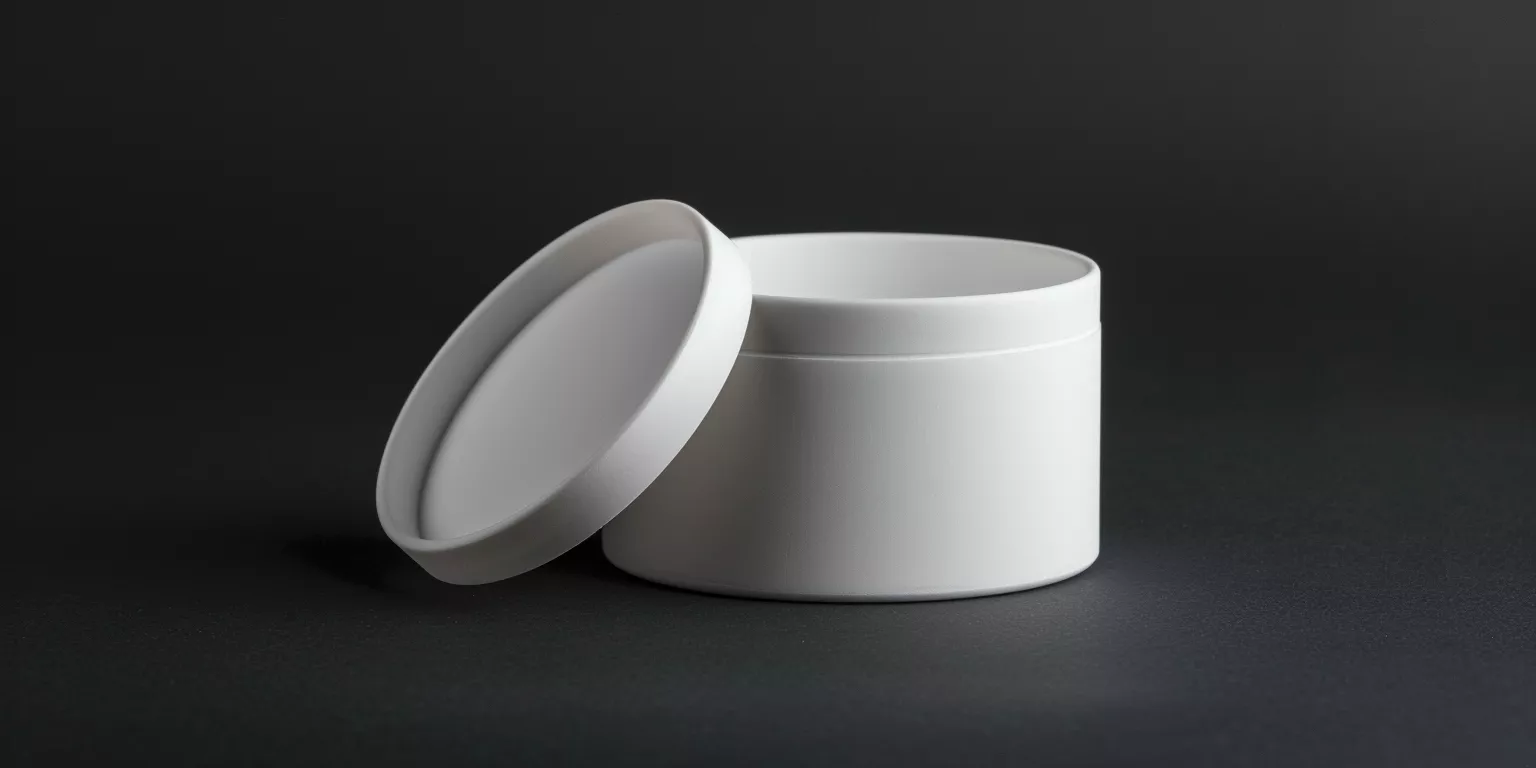
Before reproducibility or long-term stability can be discussed, measurement accuracy must be examined first. In DSC analysis, accuracy depends not only on instrument calibration but also on how consistently heat is transferred between sample, crucible, and sensor. Therefore, DSC alumina crucibles directly participate in signal formation rather than merely holding the sample.
In practice, many laboratories discover accuracy issues only after method validation begins. Consequently, understanding how alumina crucibles influence heat flow behavior is essential for judging whether they are truly suitable for lab use.
Why Thermal Stability Alone Does Not Ensure Accurate DSC Results
Thermal stability is often the first property cited when selecting DSC alumina crucibles. Indeed, alumina remains structurally stable well above typical DSC operating ranges, which makes it appear inherently reliable. However, thermal stability only describes survival at temperature, not measurement fidelity during dynamic heating.
In real laboratory experience, crucibles that withstand repeated heating cycles can still introduce measurable peak shifts or baseline offsets. For example, engineers frequently observe that two alumina crucibles rated for the same maximum temperature yield different onset temperatures under identical DSC programs. This discrepancy occurs because DSC accuracy depends on transient thermal response, not static temperature tolerance.
Therefore, when judging DSC alumina crucibles for lab use, engineers must move beyond maximum temperature ratings and focus on how predictably the crucible responds to changing thermal conditions.
Heat Capacity Consistency and Its Direct Influence on Baseline and Peak Area
Heat capacity1 consistency is one of the most underestimated factors affecting DSC accuracy. Even small variations in crucible heat capacity can alter baseline slope and integrated peak area, especially in low-enthalpy transitions. In quantitative DSC work2, these deviations directly influence calculated specific heat or reaction enthalpy.
From laboratory practice, it is common to encounter situations where repeated measurements of the same polymer sample show baseline deviations of 2–5% solely due to crucible differences. This effect becomes more pronounced when sample mass falls below 10 mg, where crucible heat capacity represents a significant fraction of the total thermal mass. As a result, heat flow signals become increasingly sensitive to crucible variability.
For this reason, DSC alumina crucibles suitable for lab use must exhibit not only high-temperature resistance but also tight heat capacity uniformity across units and batches.
Thermal Lag and Peak Distortion Introduced by Crucible Design
Thermal lag occurs when the crucible delays heat transfer between the furnace and the sample. In DSC measurements, this lag can shift peak temperatures, broaden transitions, or distort peak symmetry. Crucible geometry, wall thickness, and surface contact area all contribute to this effect.
In routine laboratory scenarios, engineers may notice that melting peaks appear at slightly higher temperatures when thicker-walled alumina crucibles are used. This phenomenon is not caused by the sample itself but by delayed heat transfer through the crucible wall. Similarly, exothermic reactions may appear artificially broadened, complicating kinetic interpretation.
Accordingly, accurate DSC measurements require alumina crucibles with predictable and reproducible thermal lag characteristics. When such predictability is absent, measurement accuracy suffers even if all other experimental parameters remain unchanged.
Key Accuracy-Related Parameters for DSC Alumina Crucibles
| Parameter | Typical Engineering Range | Measurement Impact |
|---|---|---|
| Heat capacity variation (%) | ≤ 3% | Baseline stability and peak area consistency |
| Wall thickness variation (mm) | ≤ 0.05 | Peak temperature shift and thermal lag |
| Thermal response repeatability | High | Run-to-run signal alignment |
| Sample contact uniformity | Stable | Reduction of localized heat gradients |
Practical Accuracy Checks in Laboratory Settings
Laboratory engineers often validate crucible accuracy indirectly rather than through direct material testing. For instance, running an empty-pan baseline scan repeatedly can reveal baseline drift linked to crucible thermal behavior. Similarly, measuring a reference material with a known transition temperature provides insight into peak alignment consistency.
In one common lab scenario, analysts observed a 1.5 °C shift in melting onset after switching crucible batches, even though instrument calibration remained unchanged. Such observations highlight how DSC alumina crucibles can silently influence accuracy. Consequently, incorporating simple crucible-level accuracy checks into routine validation protocols is strongly recommended.
Ultimately, evaluating DSC alumina crucibles from a measurement accuracy perspective establishes the foundation for all subsequent assessments. Without accuracy at this level, reproducibility and long-term reliability cannot be meaningfully achieved.
Suitability for Methodological Reproducibility
Before long-term lifecycle effects are considered, reproducibility must be evaluated as an independent and decisive criterion. In DSC analysis, reproducibility reflects whether a crucible can support a method consistently across repeated runs, operators, and days. Therefore, DSC alumina crucibles that appear accurate in isolated tests may still fail under routine laboratory repetition.
In practical laboratory environments, reproducibility issues often emerge gradually rather than immediately. Consequently, understanding how crucible-related factors influence repeatability is essential for determining whether DSC alumina crucibles are genuinely suitable for lab use.
“Works Once” vs. “Works as a Method”
A single successful DSC run does not establish methodological reliability. In fact, many crucibles perform acceptably during initial trials but reveal instability once incorporated into routine workflows. This distinction is critical because laboratory methods demand consistency rather than isolated success.
From laboratory experience, engineers frequently observe that early validation runs show tight peak alignment, while subsequent measurements drift by 1–3 °C under identical conditions. This behavior is especially common when crucibles are reused or replaced with nominally identical units. As a result, the method itself becomes unreliable even though the instrument calibration remains unchanged.
Therefore, DSC alumina crucibles suitable for lab use must be evaluated based on their ability to sustain method-level consistency rather than one-time performance.
Batch-to-Batch Variability as a Hidden Source of Data Drift
Batch-to-batch variation in DSC alumina crucibles represents one of the most underestimated contributors to reproducibility loss. Even when geometry and material specifications appear identical, subtle differences in firing conditions or densification can alter thermal behavior.
In routine laboratory settings, analysts often encounter gradual baseline drift or shifting onset temperatures after introducing a new crucible batch. For instance, baseline deviations of 2–4% have been reported solely due to batch replacement, particularly during low-enthalpy polymer transitions. These changes are frequently misattributed to sensor aging or ambient fluctuations.
Accordingly, reproducibility depends not only on crucible design but also on consistency across production batches. Without this uniformity, DSC data comparability deteriorates over time.
Reproducibility Across Runs, Days, and Operators
True laboratory reproducibility requires stability across temporal and human variables. Even with identical DSC programs, operator-dependent factors such as sample placement, crucible handling, and pre-treatment routines can amplify crucible-related variability.
In real laboratory practice, engineers may notice that two operators produce noticeably different DSC curves using the same sample and crucible type. Peak broadening or slight onset shifts often trace back to variations in thermal contact or crucible positioning. When crucible thermal response is highly sensitive, these small differences become magnified.
Thus, DSC alumina crucibles intended for lab use must tolerate reasonable operator variation without degrading repeatability. Robust reproducibility emerges when crucible behavior remains stable despite normal procedural differences.
Reproducibility-Critical Parameters for DSC Alumina Crucibles
| Parameter | Typical Engineering Range | Reproducibility Impact |
|---|---|---|
| Batch heat capacity variation (%) | ≤ 3% | Baseline alignment across batches |
| Onset temperature deviation (°C) | ≤ 1.0 | Method repeatability |
| Run-to-run peak shift (°C) | ≤ 1.5 | Data comparability |
| Operator sensitivity | Low | Reduction of human-induced variability |
Practical Reproducibility Validation in Laboratory Workflows
Laboratory engineers commonly assess reproducibility through repeated reference material testing rather than direct crucible characterization. For example, running a calibration standard over multiple days using different crucibles can reveal cumulative drift patterns. Similarly, alternating operators while holding all other parameters constant helps isolate crucible sensitivity.
In one laboratory case, a reference polymer showed a progressive 2 °C onset shift over ten runs after switching crucible batches, despite stable instrument diagnostics. Such findings underscore the importance of crucible-level reproducibility checks. Consequently, incorporating reproducibility validation into DSC method development is strongly advised.
Ultimately, reproducibility serves as the practical boundary between acceptable and unsuitable DSC alumina crucibles for lab use. Without reproducibility at this stage, long-term reliability cannot be achieved regardless of material durability.
Suitability for Real Laboratory SOPs and Operator Variability
After accuracy and reproducibility have been established, robustness under real laboratory conditions becomes the next decisive factor. In DSC practice, even well-designed methods are executed by different operators and under slightly varying routines. Therefore, DSC alumina crucibles must remain stable when exposed to normal procedural variation rather than idealized conditions.
In daily laboratory work, SOP deviations are rarely intentional. Nevertheless, small differences in handling, cleaning, and sample loading can accumulate. Consequently, evaluating how DSC alumina crucibles respond to these realities is essential for confirming their suitability for lab use.
Sensitivity to Pre-Treatment Variations in Daily Lab Practice
Pre-treatment steps such as drying, preheating, or pre-firing are routinely applied to DSC alumina crucibles. Although these steps aim to improve consistency, their execution often varies slightly between operators or days. Such variation can influence the initial thermal state of the crucible.
In laboratory experience, engineers frequently observe baseline differences of 1–2% when preheating duration or cooling time differs by only a few minutes. This effect is particularly evident during low-temperature scans, where residual thermal gradients or absorbed moisture alter early heat flow behavior. As a result, crucibles that are highly sensitive to pre-treatment amplify minor SOP deviations.
Accordingly, DSC alumina crucibles intended for lab use should tolerate reasonable variation in pre-treatment without introducing measurable signal instability.
Cleaning Methods That Quietly Alter Crucible Behavior
Cleaning is often treated as a purely maintenance task; however, it can directly affect DSC measurement outcomes. Chemical rinsing, ultrasonic cleaning, or high-temperature burnout may change surface condition and thermal contact characteristics.
In routine workflows, analysts sometimes report gradual peak broadening or baseline noise after repeated aggressive cleaning cycles. For instance, repeated high-temperature burnouts above 800 °C can alter surface microtexture, subtly increasing thermal lag. Conversely, insufficient cleaning may leave residues that distort low-enthalpy transitions.
Therefore, robust DSC alumina crucibles for lab use must maintain stable thermal behavior across common cleaning practices rather than requiring narrowly controlled procedures.
Sample Loading Differences and Operator-Dependent Effects
Sample loading represents one of the most operator-dependent steps in DSC analysis. Variations in sample distribution, contact area, or placement within the crucible can influence heat transfer pathways.
In practical laboratory settings, two operators using the same DSC program may produce onset temperature differences of up to 1.5 °C solely due to loading technique. When crucible geometry or thermal response is highly sensitive, these differences become exaggerated, undermining data comparability.
Thus, DSC alumina crucibles suitable for lab use should exhibit geometric and thermal tolerance that minimizes the impact of normal operator-dependent loading variability.
Robustness-Related Parameters for DSC Alumina Crucibles
| Parameter | Typical Engineering Range | Robustness Impact |
|---|---|---|
| Pre-treatment sensitivity (%) | ≤ 2 | Baseline stability under SOP variation |
| Cleaning cycle tolerance | High | Consistent thermal behavior |
| Sample placement sensitivity | Low | Operator-independent results |
| Surface condition stability | Stable | Reduced noise and drift |
Evaluating Robustness During Method Transfer and Routine Use
Laboratory engineers often encounter robustness issues during method transfer between teams or shifts. Running identical samples with different operators provides valuable insight into crucible tolerance. Similarly, alternating cleaning protocols while holding all other variables constant helps identify sensitivity thresholds.
In one laboratory scenario, a DSC method showed stable results within a single team but degraded after transfer to another group. Investigation revealed that crucible handling differences, rather than instrument changes, caused the discrepancy. Such cases highlight why robustness testing must extend beyond controlled validation runs.
Ultimately, robustness under real laboratory SOPs distinguishes DSC alumina crucibles that merely function from those that genuinely support reliable laboratory workflows.
Suitability for Real Laboratory Sample Systems
Once robustness under routine operation has been confirmed, compatibility with actual laboratory sample systems becomes the next critical checkpoint. In DSC analysis, crucibles do not interact with abstract materials but with real samples that evolve, decompose, melt, or react during heating. Therefore, DSC alumina crucibles must remain thermally and chemically neutral across diverse sample behaviors.
In laboratory practice, sample-related issues often surface only after multiple test cycles. Consequently, evaluating crucible compatibility with real-world sample systems is essential for ensuring that observed thermal events genuinely originate from the material under study rather than from crucible–sample interactions.
Alumina Crucible Behavior Across Common DSC Sample Categories
Different sample categories impose distinct demands on DSC alumina crucibles. Polymers, organic compounds, powders, and composite materials each exhibit unique thermal and physical behaviors that interact differently with the crucible surface and geometry.
In polymer DSC testing, for example, softening or partial melting can cause samples to spread unevenly, altering contact area and heat transfer. In inorganic powders, low packing density may increase sensitivity to crucible wall effects, particularly at low sample masses below 10 mg. As a result, crucibles that perform well for one sample category may introduce artifacts when applied universally.
Accordingly, DSC alumina crucibles suitable for lab use must demonstrate predictable behavior across multiple sample classes rather than being optimized for a narrow material type.
Slow Reactions and Adsorption Mistaken for Material Properties
One of the most challenging compatibility issues arises from slow reactions or adsorption processes occurring at the crucible surface. These processes often unfold gradually and can be misinterpreted as intrinsic material properties.
In laboratory experience, analysts sometimes observe broad exothermic features or drifting baselines during prolonged isothermal holds. For instance, adsorption–desorption phenomena on alumina surfaces may generate heat flow changes of 1–3%, particularly in low-enthalpy organic systems. Such effects are easily mistaken for relaxation or secondary transitions.
Therefore, DSC alumina crucibles intended for lab use must minimize surface-driven interactions that could obscure or mimic genuine thermal events.
Recognizing Conditions Where Alumina Is No Longer the Safest Option
Although alumina is widely regarded as chemically inert, its neutrality has practical boundaries. Certain reactive, highly volatile, or decomposition-prone samples may interact unfavorably with alumina surfaces at elevated temperatures.
In real laboratory scenarios, engineers may notice unexpected peak broadening or delayed onset temperatures when testing samples containing aggressive additives or low-molecular-weight components. These deviations are not always reproducible across crucible materials, indicating crucible–sample interaction rather than intrinsic sample behavior.
Thus, compatibility evaluation must include recognizing when DSC alumina crucibles are no longer the optimal choice for a given sample system, even if they meet accuracy and robustness criteria elsewhere.
Sample Compatibility–Critical Parameters for DSC Alumina Crucibles
| Parameter | Typical Engineering Range | Compatibility Impact |
|---|---|---|
| Surface interaction tendency | Low | Reduced false thermal signals |
| Sample mass sensitivity (mg) | ≥ 5 | Stable heat flow response |
| Adsorption-related heat flow (%) | ≤ 3 | Accurate low-enthalpy detection |
| Chemical neutrality range | Broad | Cross-sample applicability |
Practical Compatibility Assessment in Laboratory Workflows
Laboratory engineers often assess compatibility indirectly through comparative testing. Running the same sample in different crucible materials or geometries helps isolate crucible-induced effects. Similarly, repeating measurements at varying sample masses reveals sensitivity thresholds related to surface interaction.
In one laboratory case, a polymer sample showed consistent melting behavior in one crucible but exhibited additional broad features in another, despite identical DSC programs. Further analysis traced the discrepancy to surface adsorption effects rather than material changes. Such experiences highlight the importance of systematic compatibility checks.
Ultimately, compatibility with real-world laboratory sample systems ensures that DSC alumina crucibles support meaningful material interpretation rather than introducing ambiguity into thermal analysis results.
Suitability for Long-Term Laboratory Operation
After accuracy, reproducibility, operational robustness, and sample compatibility have been verified, long-term performance becomes the final determining factor. In DSC laboratories, crucibles are rarely used once; instead, they experience repeated thermal cycling over weeks or months. Therefore, DSC alumina crucibles must maintain stable behavior throughout their usable lifecycle rather than only during early use.
In continuous laboratory operation, performance degradation is often subtle and progressive. Consequently, understanding how DSC alumina crucibles evolve over time is essential for preventing silent data drift and preserving long-term measurement integrity.
Cumulative Effects of Repeated Thermal Cycling
Repeated thermal cycling imposes mechanical and thermal stress on DSC alumina crucibles, even when operating well below their maximum temperature limits. Although alumina remains structurally intact, micro-level changes can still influence thermal response behavior.
In laboratory experience, engineers often report that crucibles show stable performance during the first 10–20 DSC cycles but gradually exhibit baseline noise or peak broadening thereafter. For example, after approximately 30 heating–cooling cycles, baseline deviations of 2–3% have been observed in low-enthalpy measurements. These changes occur without visible damage, making them difficult to detect through visual inspection alone.
Accordingly, long-term suitability for lab use depends on how consistently DSC alumina crucibles retain their thermal response characteristics across repeated cycles rather than on initial performance.
Time-Dependent Baseline Drift Linked to Crucible Aging
Baseline drift is one of the most common manifestations of crucible aging in DSC analysis. Unlike abrupt failures, baseline drift emerges gradually and is often attributed to instrument instability or environmental variation.
In practical laboratory workflows, analysts may notice a slow baseline slope change developing over several weeks of routine testing. In documented cases, baseline shifts of 1–2% occurred over 40–50 runs using the same crucible, even though calibration checks remained within specification. Such drift frequently correlates with subtle changes in surface condition or heat transfer pathways rather than sensor degradation.
Therefore, monitoring time-dependent baseline behavior is critical for identifying when DSC alumina crucibles approach the limits of their reliable service life.
Defining Practical End-of-Life Criteria for DSC Alumina Crucibles
One of the most challenging lifecycle questions is determining when a DSC alumina crucible should be retired. Because visible wear is minimal, continued use often relies on subjective judgment rather than defined criteria.
From an engineering perspective, end-of-life should be defined by performance thresholds rather than appearance. For instance, consistent onset temperature shifts exceeding 2 °C or baseline instability above 3% across repeated reference scans indicate functional degradation. Continuing to use crucibles beyond these limits increases the risk of systematic measurement error.
Thus, DSC alumina crucibles suitable for lab use should be evaluated not only for initial accuracy but also for predictable and monitorable lifecycle behavior.
Lifecycle-Related Parameters for DSC Alumina Crucibles
| Parameter | Typical Engineering Range | Lifecycle Impact |
|---|---|---|
| Recommended reuse cycles | 20–40 | Stable long-term performance |
| Baseline drift over lifecycle (%) | ≤ 3 | Data reliability |
| Onset temperature shift (°C) | ≤ 2.0 | Method consistency |
| Surface condition change | Minimal | Sustained thermal response |
Managing Crucible Lifecycle in Routine Laboratory Operation
Laboratory engineers often implement lifecycle management through reference material tracking rather than physical inspection. Running periodic control samples allows early detection of crucible-related drift. Similarly, logging the number of thermal cycles per crucible provides a quantitative basis for retirement decisions.
In one laboratory scenario, introducing a fixed retirement threshold after 30 cycles reduced unexplained DSC variability by more than 20%. This approach demonstrates that lifecycle awareness directly improves data quality without additional instrumentation.
Ultimately, long-term performance and lifecycle behavior define whether DSC alumina crucibles truly support continuous laboratory use. Without lifecycle stability, even the most accurate crucible becomes a hidden liability in thermal analysis workflows.

An Integrated Engineering Checklist: Is This DSC Alumina Crucible Truly Suitable for Lab Use?
After examining accuracy, reproducibility, robustness, sample compatibility, and lifecycle behavior, laboratory engineers need a concise way to synthesize these findings. Therefore, this engineering checklist translates the preceding analysis into practical decision criteria that can be applied before and during routine DSC work.
Rather than replacing detailed evaluation, the checklist functions as a validation layer. Consequently, it helps engineers identify whether a DSC alumina crucible supports method-level reliability or merely performs acceptably under limited conditions.
Step 1 — Accuracy Validation (Measurement-Level)
| Evaluation Item | Engineering Question | Acceptance Threshold | Decision Impact |
|---|---|---|---|
| Heat Flow Stability | Does repeated empty-pan scanning remain stable? | Baseline variation ≤ ±3% | Failing here propagates error to all analyses |
| Peak Alignment | Are reference onset temperatures consistent? | Onset shift ≤ 1–2 °C | Directly affects quantitative accuracy |
| Thermal Response Predictability | Does peak shape remain stable under small method changes? | No peak distortion observed | Unstable response invalidates comparisons |
Step 2 — Reproducibility Validation (Method-Level)
| Evaluation Item | Engineering Question | Acceptance Threshold | Decision Impact |
|---|---|---|---|
| Batch Consistency | Do different batches produce comparable results? | Comparable baseline & peak position | Batch variation undermines method continuity |
| Run-to-Run Repeatability | Are consecutive runs consistent? | Peak shift ≤ 1.5 °C | Excess drift weakens method robustness |
| Operator Tolerance | Do different analysts obtain similar curves? | Minimal operator-dependent deviation | High sensitivity blocks method transfer |
Step 3 — Operational Robustness & Lifecycle Validation
| Evaluation Item | Engineering Question | Acceptance Threshold | Decision Impact |
|---|---|---|---|
| SOP Tolerance | Do normal handling and pre-treatment variations matter? | Minimal signal deviation | Sensitive crucibles fail in real labs |
| Sample Neutrality | Are false thermal features absent across samples? | No unexpected peaks or drift | Surface interaction distorts interpretation |
| Lifecycle Stability | Does performance remain stable over reuse? | Stable over 20–40 cycles | Determines long-term lab suitability |
| Baseline Drift Over Time | Does baseline remain stable across weeks of use? | Drift ≤ 3% | Silent drift erodes data reliability |
| Onset Shift Over Lifecycle | Does onset temperature remain controlled? | Shift ≤ 2 °C | Excess shift signals end-of-life |
Final Engineering Decision Summary
| Overall Result | Interpretation |
|---|---|
| All criteria satisfied | DSC alumina crucible is suitable for continuous laboratory use |
| Any accuracy criterion failed | Not suitable — measurement integrity compromised |
| Any reproducibility criterion failed | Not suitable — method validation unstable |
| Operational or lifecycle criteria failed | Limited or short-term use only |
Only when all three focus areas are satisfied can DSC alumina crucibles be considered genuinely suitable for continuous laboratory use.
Conclusion
In conclusion, DSC alumina crucibles must be evaluated as measurement components, not consumables, because their thermal behavior directly determines DSC data accuracy, reproducibility, and long-term reliability.
If your laboratory depends on consistent DSC data, review crucible performance systematically and select DSC alumina crucibles engineered for accuracy, repeatability, and lifecycle stability under real laboratory conditions.
FAQ
Are all DSC alumina crucibles automatically suitable for laboratory use?
Not necessarily. Although alumina is thermally stable, differences in geometry, heat capacity consistency, and surface condition can significantly affect DSC accuracy and reproducibility.
How often should DSC alumina crucibles be replaced in routine laboratory work?
Replacement should be performance-based rather than time-based. In many laboratories, crucibles are retired after 20–40 thermal cycles when baseline drift or onset shifts exceed acceptable limits.
Can cleaning methods influence DSC results when using alumina crucibles?
Yes. Aggressive thermal or chemical cleaning can alter surface condition and thermal response, which may introduce baseline noise or peak distortion over time.
When should alternative crucible materials be considered instead of alumina?
Alternative materials should be considered when samples exhibit strong surface interactions, high volatility, or reactive behavior that compromises alumina’s practical chemical neutrality.
References: