
Engineering Communication Ceramics in Industrial Systems
Industrial ceramics used in communication systems are functional materials selected to control signals, heat flow, and mechanical stability rather than to replace metals structurally.
In engineering communication ceramic components, dielectric stability and dimensional consistency directly affect RF transmission accuracy and optical alignment reliability.
Consequently, communication equipment ceramic parts are applied where long-term electrical insulation and thermal balance must remain predictable across varying environments.
As a result, advanced communication ceramic solutions are now integral to RF modules, optical interfaces, and outdoor communication infrastructure.
maintains heat balance under continuous power loads
withstands humidity corrosion and aging exposure
preserves signal integrity at high frequencies
retains geometry under vibration and assembly stress
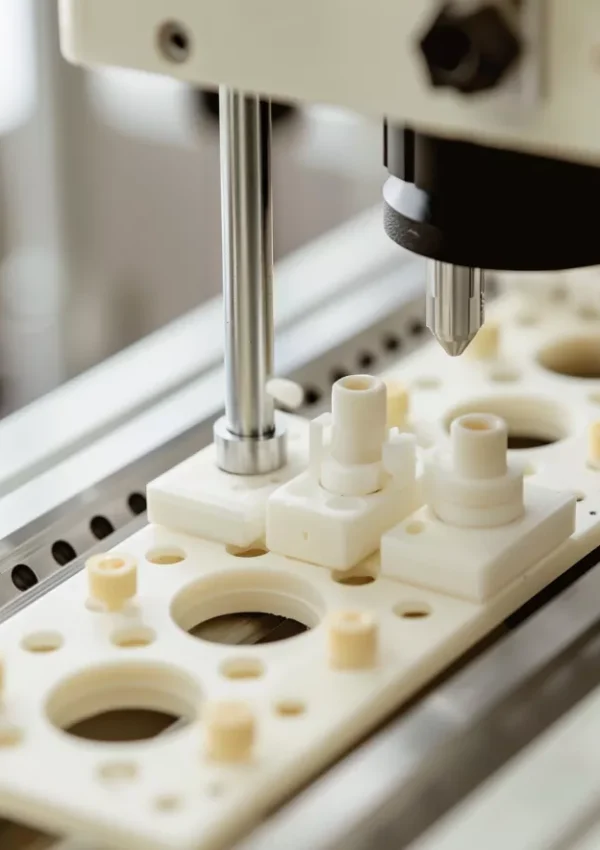
ADCERAX Ceramic Properties for Communication Systems
To ensure predictable system behavior, engineering communication ceramic materials are evaluated through quantifiable thermal, electrical, chemical, and mechanical performance parameters rather than nominal material labels.
Thermal Properties
| Material | Thermal Conductivity (W/m·K) | Max Continuous Service Temp (°C) | CTE (×10⁻⁶/K) | Test Conditions |
|---|---|---|---|---|
| Alumina (96–99.5%) | 24–30 | 1600 | 7.5–8.0 | 25–1000°C, air |
| Zirconia (Y-TZP) | 2.2–3.0 | 1000 | 10.0–10.5 | 25–800°C, air |
| Silicon Carbide (SSiC) | 120–180 | 1400 | 4.0–4.5 | 25–1000°C, inert |
| Boron Nitride (Hot-Pressed) | 60–120 | 900 | 1.0–2.0 | In-plane, 25–500°C |
| Beryllium Oxide | 250–330 | 1000 | 7.0–8.0 | 25–500°C, air |
Electrical Properties
| Material | Dielectric Constant (1 MHz) | Dielectric Loss (tan δ) | Volume Resistivity (Ω·cm) | Test Conditions |
|---|---|---|---|---|
| Alumina (96–99.5%) | 9.4–9.9 | ≤2×10⁻⁴ | ≥10¹⁴ | 25°C, dry |
| Zirconia (Y-TZP) | 25–30 | ≤1×10⁻³ | ≥10¹² | 25°C, dry |
| Silicon Carbide (SSiC) | 9.7–10.2 | ≤5×10⁻⁴ | 10⁵–10⁷ | 25°C |
| Boron Nitride (HPBN) | 3.8–4.2 | ≤1×10⁻⁴ | ≥10¹⁴ | 25°C |
| Beryllium Oxide | 6.5–6.9 | ≤3×10⁻⁴ | ≥10¹⁴ | 25°C |
Chemical Stability
| Material | Acid Resistance | Alkali Resistance | Water Absorption (%) | Test Conditions |
|---|---|---|---|---|
| Alumina | <0.1% mass loss | <0.2% mass loss | <0.02 | 24 h immersion, 25°C |
| Zirconia | <0.05% mass loss | <0.1% mass loss | <0.01 | 24 h immersion, 25°C |
| Silicon Carbide | <0.01% mass loss | <0.01% mass loss | 0 | 24 h immersion, 25°C |
| Boron Nitride | <0.5% mass loss | <0.5% mass loss | <0.1 | 24 h immersion, 25°C |
| Beryllium Oxide | <0.05% mass loss | <0.1% mass loss | <0.02 | 24 h immersion, 25°C |
Mechanical Properties
| Material | Flexural Strength (MPa) | Hardness (HV) | Elastic Modulus (GPa) | Test Conditions |
|---|---|---|---|---|
| Alumina (96–99.5%) | 300–380 | 1300–1600 | 300–380 | 3-point bend, RT |
| Zirconia (Y-TZP) | 900–1200 | 1200–1300 | 200–210 | 3-point bend, RT |
| Silicon Carbide (SSiC) | 400–550 | 2500–2800 | 410–450 | 3-point bend, RT |
| Boron Nitride (HPBN) | 30–60 | 200–300 | 20–40 | 3-point bend, RT |
| Beryllium Oxide | 250–300 | 1000–1200 | 330–360 | 3-point bend, RT |
Functional Application Domains Across Communication Systems
Across modern communication equipment, engineering ceramics are deployed according to functional roles such as signal control, precision alignment, thermal regulation, and structural insulation rather than by individual part geometry.
RF and Microwave Signal Control Systems
In RF and microwave architectures, engineering ceramics are selected to stabilize electromagnetic behavior while maintaining structural and thermal reliability under continuous signal load.
- Dielectric stability reduces frequency drift and signal attenuation in RF paths.
- Thermal balance supports consistent performance under sustained power input.
- Mechanical rigidity preserves geometry during vibration and outdoor exposure.
Dielectric control for antenna signal shaping
Electrical insulation for RF assembly mounting
High strength insulation in RF structures
High power RF thermal substrate solution
Optical Fiber Precision Alignment Systems
Optical communication systems depend on ceramic precision parts to maintain micron-level alignment stability throughout long service cycles.
- Dimensional consistency ensures repeatable optical axis positioning.
- Surface integrity minimizes optical loss at connection interfaces.
- Wear resistance supports repeated mating and adjustment operations.
Precision fiber alignment geometry control
Concentric guidance for fiber connectors
Stable optical fiber termination interface
Thermal Management in Communication Equipment
As power density increases, communication equipment requires ceramics that combine thermal conductivity with electrical insulation.
- Heat dissipation efficiency protects sensitive electronic components.
- Electrical isolation prevents leakage under high voltage conditions.
- Thermal stability maintains performance during long duty cycles.
High conductivity ceramic heat spreading plate
Thermal conduction with electrical insulation
Compact high power thermal management base
Insulation Structures in Communication System
Mechanical fastening and structural insulation in communication equipment rely on ceramics to separate electrical, thermal, and mechanical functions.
- Electrical insulation enables safe separation of conductive assemblies.
- Mechanical strength supports fastening under load and vibration.
- Environmental resistance ensures long-term outdoor reliability.
Electrical insulation for structural fastening
High strength fastening with insulation
Antenna and Resonator Performance Systems
Antenna and resonator systems employ ceramics to control electromagnetic boundaries while maintaining structural and thermal stability.
- Dielectric control shapes radiation patterns and resonance behavior.
- Material uniformity supports repeatable antenna performance.
- Weather resistance extends service life in exposed installations.
Electrical insulation for structural fastening
Signal reflection and pattern shaping element
Application-Oriented Ceramic Solutions for Communication Systems
Engineering communication ceramic components are selected based on functional roles across RF, optical, and thermal subsystems.
Clear application mapping enables predictable integration and repeatable production outcomes.
ADCERAX Ceramic Categories for Communication Systems
To support diverse communication system requirements, ADCERAX organizes engineering communication ceramic components by material behavior and functional role.

Alumina Ceramic
Alumina ceramics provide stable dielectric and insulating performance in communication assemblies.

Zirconia Ceramic
Zirconia ceramics enable precision alignment and mechanical stability in optical communication.
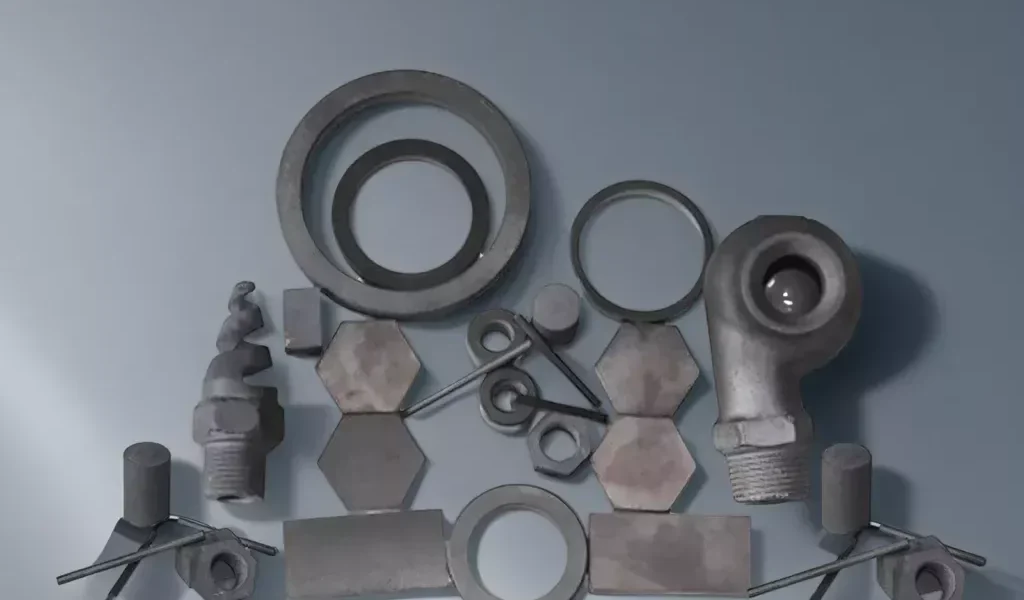
Silicon Carbide Ceramics
Silicon carbide ceramics support heat dissipation and structural rigidity in communication equipment.
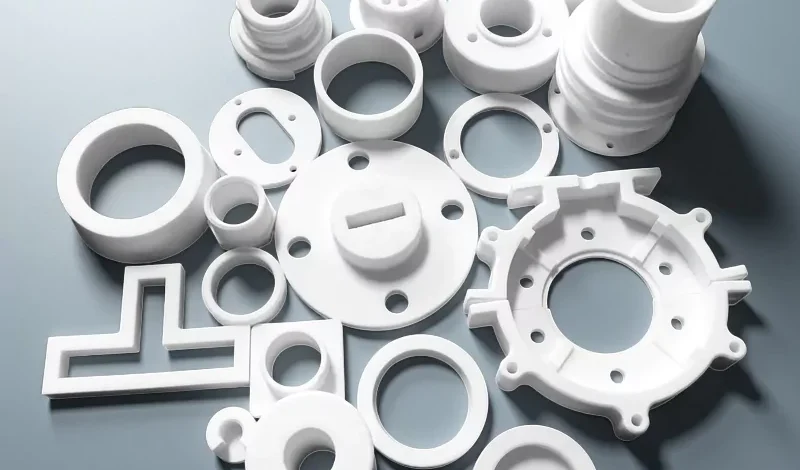
Boron Nitride Ceramics
Boron nitride ceramics balance thermal conductivity with electrical insulation in communication systems.

Beryllia Ceramics
Beryllium oxide ceramics serve high-power RF and microwave communication substrates.
Integrated Manufacturing Services for Communication Ceramics
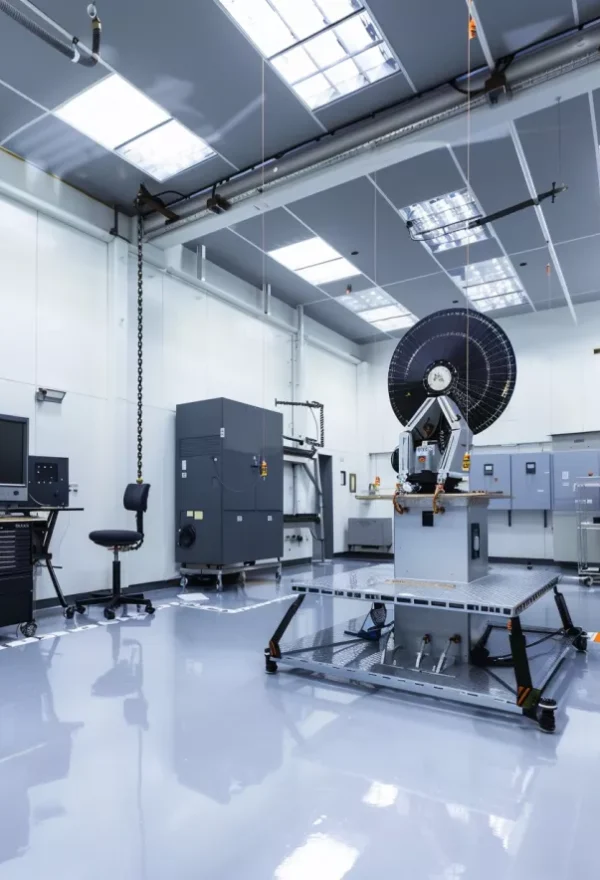
ADCERAX delivers a vertically integrated manufacturing model for communication ceramics, aligning material science, precision forming, and advanced machining into a single engineering workflow.
Through this processing chain, ADCERAX operates as a technical ceramic manufacturer for battery equipment and communication platforms alike, supporting projects where ceramic geometry and performance are tightly coupled to system behavior.
alumina, zirconia, SiC, BN, BeO purity controlled ≥99.5%
dry pressing, isostatic pressing, extrusion up to 600 mm
sintering capability up to 1700–2200 °C range
CNC grinding tolerance maintained within ±0.01 mm
polishing achieves Ra 0.2–0.4 µm surfaces
CAD-to-process conversion completed within 48 hours
ADCERAX Core Manufacturing Capabilities Behind Communication Ceramics
Forming and Sintering Control
Dimensional stability and dielectric consistency in engineering communication ceramic components begin with tightly controlled forming and sintering processes.
uniform green density up to ±1.5% variation
controlled firing range 1700–2200 °C atmospheres
linear shrinkage deviation limited within ±0.2%
High-Accuracy
CNC Ceramic Machining
Final geometry and functional interfaces are achieved through precision machining tailored to hard and brittle ceramic materials.
profile tolerances maintained within ±0.01 mm
complex grooves and slots machined in single setup
chamfer radii controlled to 0.05–0.2 mm
Surface Finishing
and Functional Interfaces
Surface condition directly influences dielectric behavior, optical alignment, and thermal contact in communication systems.
surface roughness reduced to Ra 0.2–0.4 µm
planar deviation limited below 5 µm per 100 mm
contact surfaces optimized for stable assembly
Custom Ceramic Solutions Aligned With Communication Systems
ADCERAX develops custom ceramic components for communication where geometry, material behavior, and system interfaces are tightly coupled.
As a technical partner, the company supports RF, optical, thermal, and structural requirements through drawing-based customization and application-oriented manufacturing.
ADCERAX invites communication equipment manufacturers to initiate a focused technical discussion and translate system requirements into manufacturable ceramic solutions.
ADCERAX Technical FAQs for Engineering Communication Ceramic
Stable dielectric behaviour helps RF and microwave signals stay predictable across temperature and time, which supports consistent tuning and low signal drift. The dielectric values that matter depend on the material and are confirmed by engineering and test method for your part.
Lower dielectric loss means less signal energy is turned into heat as it passes through the ceramic, which can help efficiency in resonators, filters and dielectric parts. Actual loss depends on the specific microwave dielectric material and frequency and is confirmed per design.
Ceramics can combine electrical insulation, dielectric function and dimensional stability in one part, where metals conduct and can add loss or shorting risk. Whether ceramic or metal is right depends on the function and is decided by engineering review.
In RF power and base-station parts, moving heat away helps keep components within their operating range. Materials such as AlN and BeO offer higher thermal conductivity than alumina, but the right material depends on the electrical and thermal requirements and is confirmed by engineering.
Optical alignment parts such as ferrules and sleeves rely on tight, stable dimensions to keep fibres aligned. The concentricity, ID/OD and tolerance are specified per connector type and confirmed by engineering, not assumed.
Dense ceramics resist moisture, temperature swings and weathering better than many polymers, which helps outdoor RF and antenna parts stay stable over time. Long-term performance is confirmed against your environment and test standard.
Surface finish affects metallization, sealing and optical contact, so it is specified for the part's function. The required finish is set by engineering for each ferrule, substrate or feedthrough.
Zirconia, alumina, AlN, BeO, SiC and microwave dielectric ceramics have different electrical, thermal and mechanical behaviour, so no single material fits every part. The material route is chosen by function and confirmed by engineering, and data is not carried across materials.
Ceramics such as AlN, BeO and alumina combine electrical insulation with higher thermal conductivity than typical polymers, which helps spread heat in RF power modules while staying insulating. The right material and design are confirmed by engineering.
Ceramic fasteners provide electrical insulation and dimensional stability where metal fasteners could risk short circuits or add RF interference. The material and thread form are specified for the assembly and confirmed by engineering.
Discuss Your Communication Ceramic Requirements
To review a ceramic component for a communication system, please share:
- The application route: optical alignment, RF/microwave, feedthrough insulation, thermal management or another custom function
- The component type and required supply scope
- The operating frequency, electrical, thermal, vacuum, sealing or environmental conditions that apply
- A drawing, model, specification or clear reference photos showing critical dimensions and mating interfaces
- The preferred material or grade, quantity, project stage and required inspection records
ADCERAX reviews the function, operating conditions, material and manufacturability before quotation.
*Our team will answer your inquiries within 24 hours.
*Your information will be kept strictly confidential.
info@adcerax.com
Tel:+86-0731-84428843
WhatsApp:+86 19311583352
Within 24 hours
