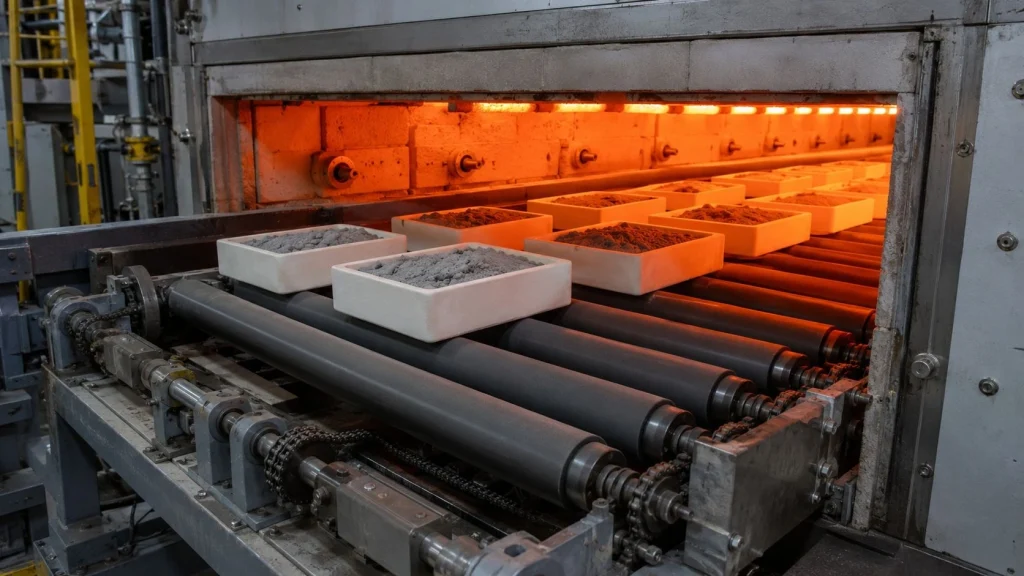
Silicon Carbide Ceramic (SiC): High-Thermal-Conductivity Tubes, Seals & Wear Components
ADCERAX is a professional silicon carbide ceramic manufacturer based in China, supplying SSiC (sintered silicon carbide), RBSiC (reaction bonded silicon carbide), and NBSiC (nitride bonded silicon carbide) components for demanding industrial applications.
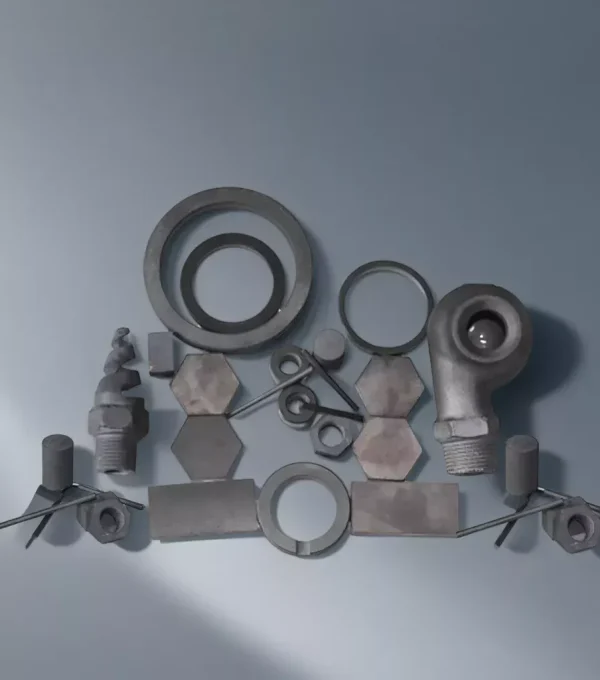
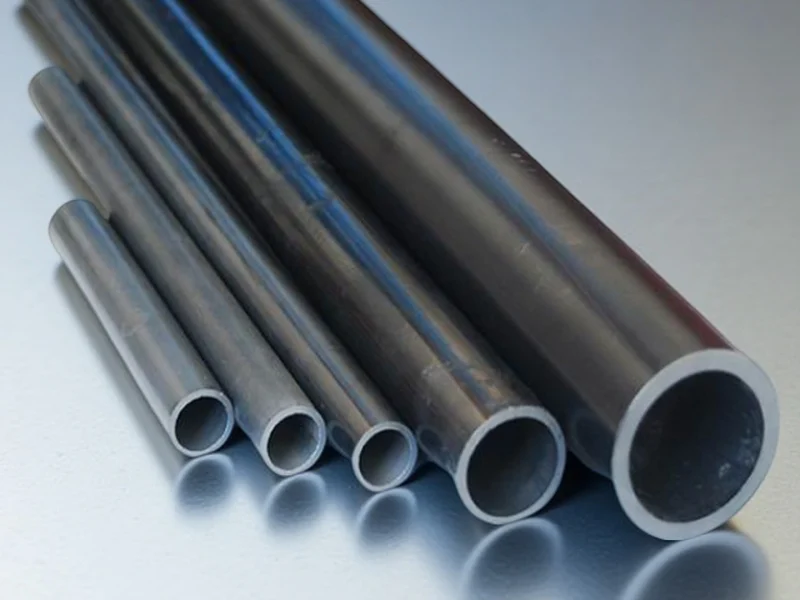
We provide silicon carbide tubes, plates, crucibles, mechanical seals, nozzles, membrane filters, wafer handling components, and custom-machined parts for use in chemical processing, semiconductor, water treatment, and high-temperature furnace systems.
With strong manufacturing capability and flexible customization support, we help customers source reliable silicon carbide parts for both standard replacement and project-based engineering needs.
What Defines Advanced Silicon Carbide Ceramic Materials
Silicon Carbide Ceramic is an engineered material designed for demanding thermal, chemical, and mechanical environments. Available in dense and porous grades, it offers different combinations of strength, thermal stability, and chemical resistance to suit specific operating conditions.
These properties make SiC Ceramic a practical choice for kiln furniture, pump components, membrane systems, and wafer-handling devices. Matching the grade and component design to the operating temperature, load, and process medium helps support reliable performance and maintenance planning across a wide range of industrial applications.
achieves >350 MPa bending
handles 1600°C continuous load
insulates >10⁸ Ω·cm reliably
endures pH 0–14 exposure
ADCERAX Silicon Carbide Ceramic Products
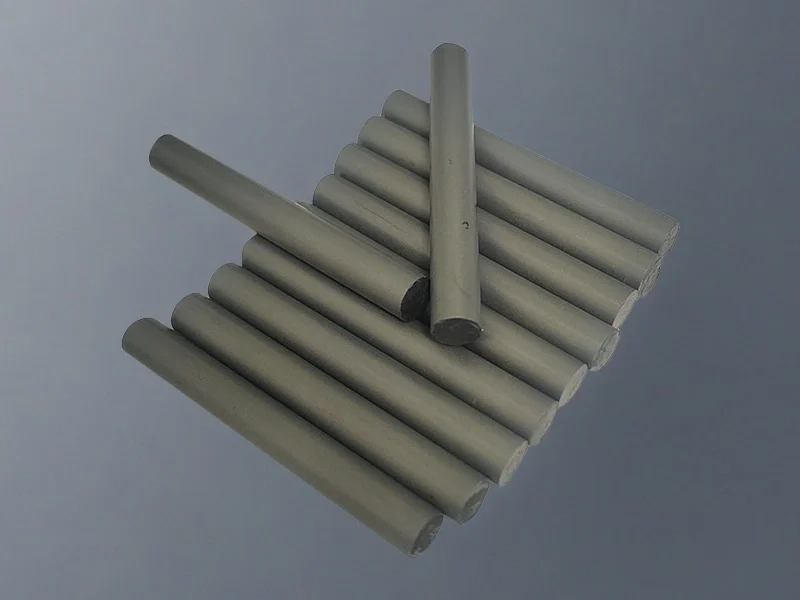
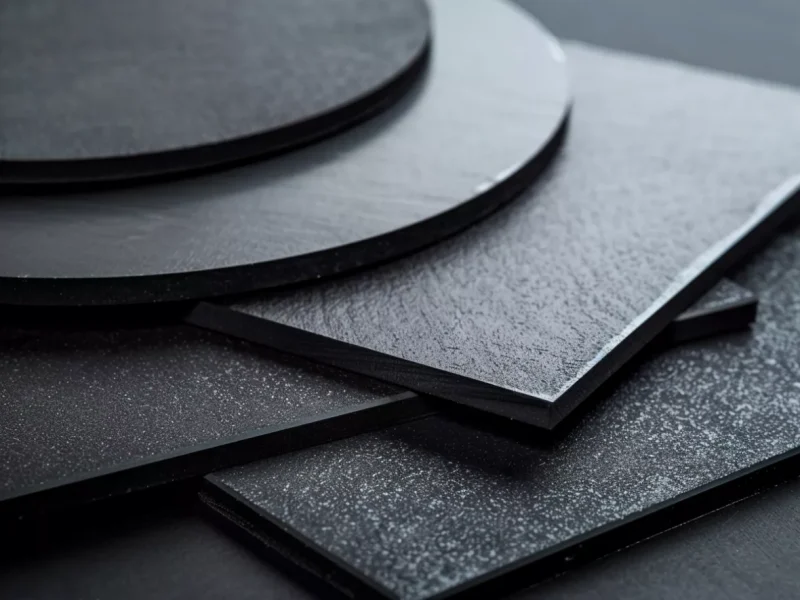
Flat sintered plates optimized for kiln loading and high-temperature support.
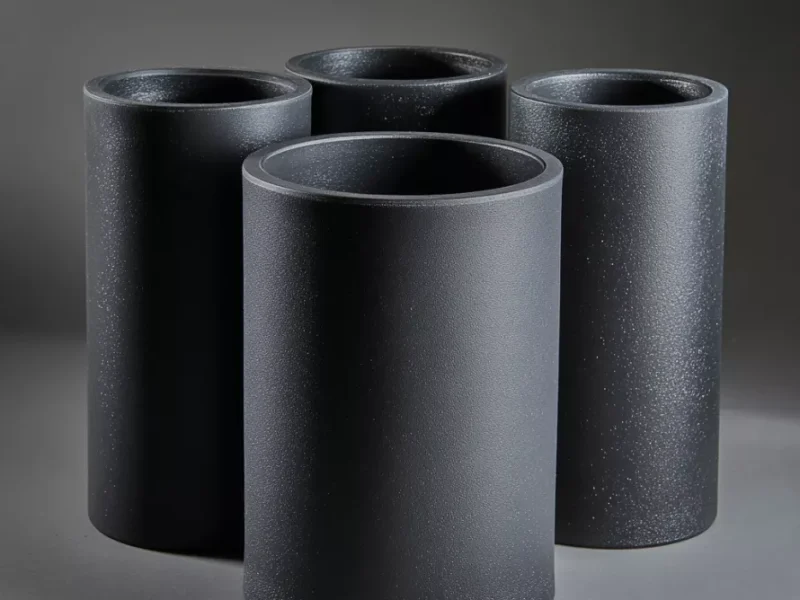
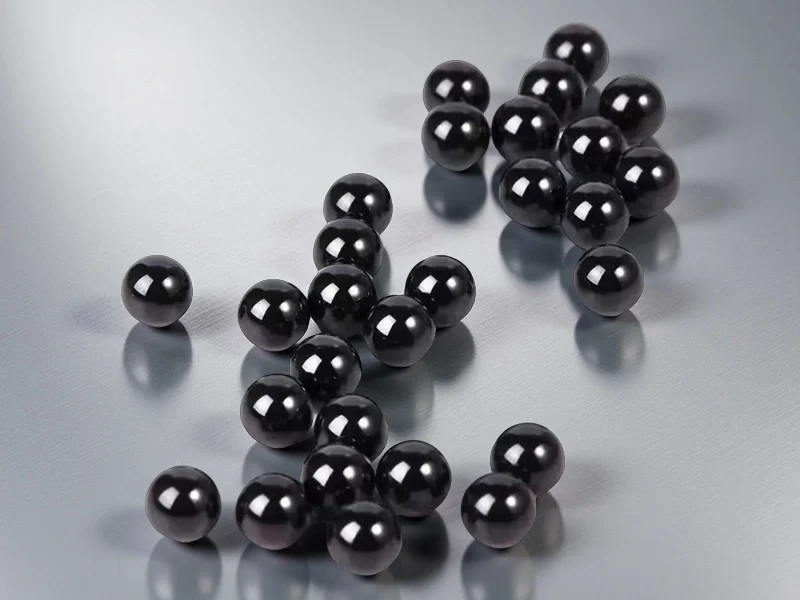
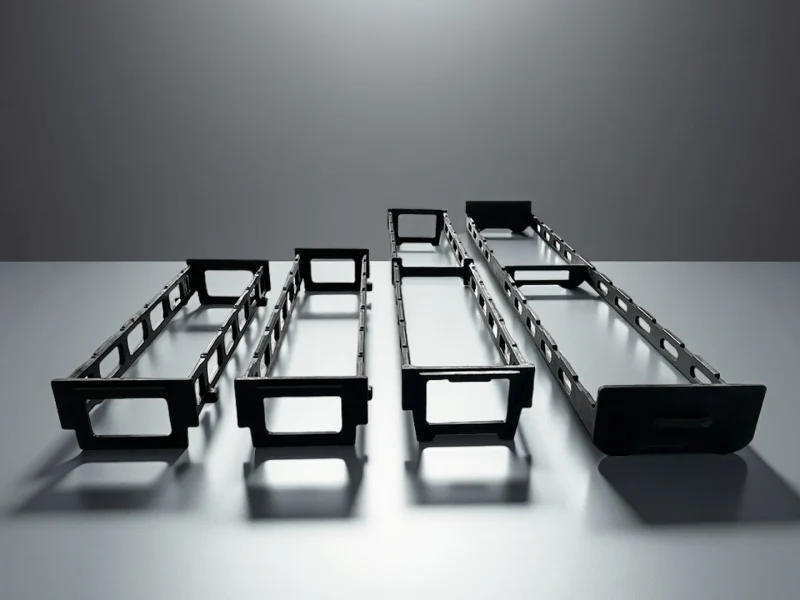
Dimensionally stable carriers designed for PV diffusion and thermal cycling.
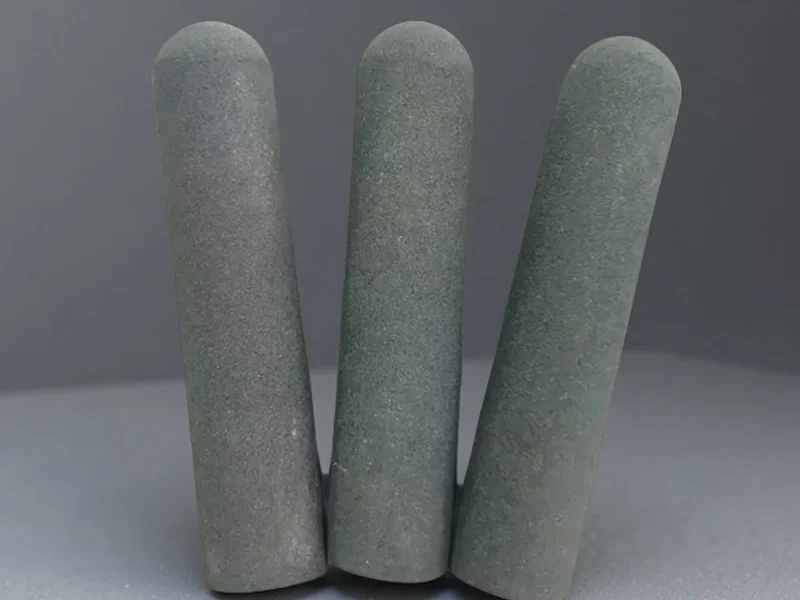
Porous filtration structures engineered for corrosive liquid treatment.
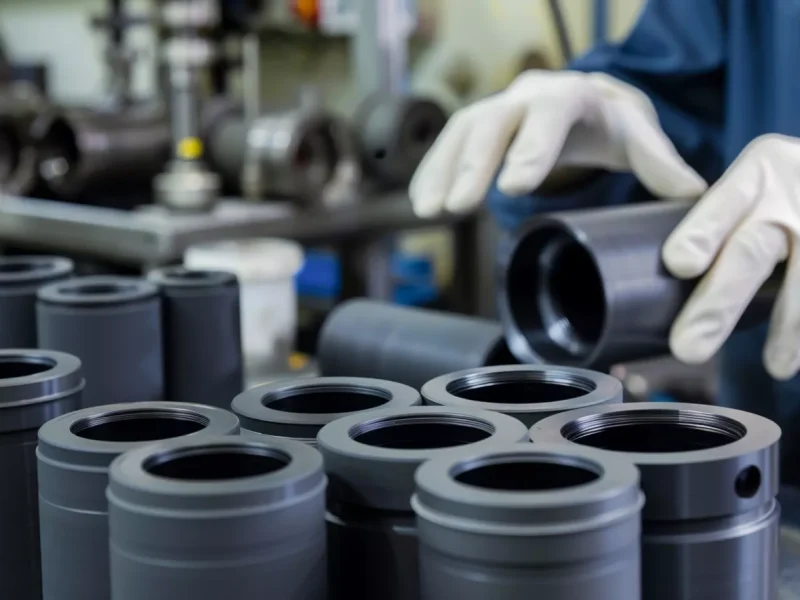
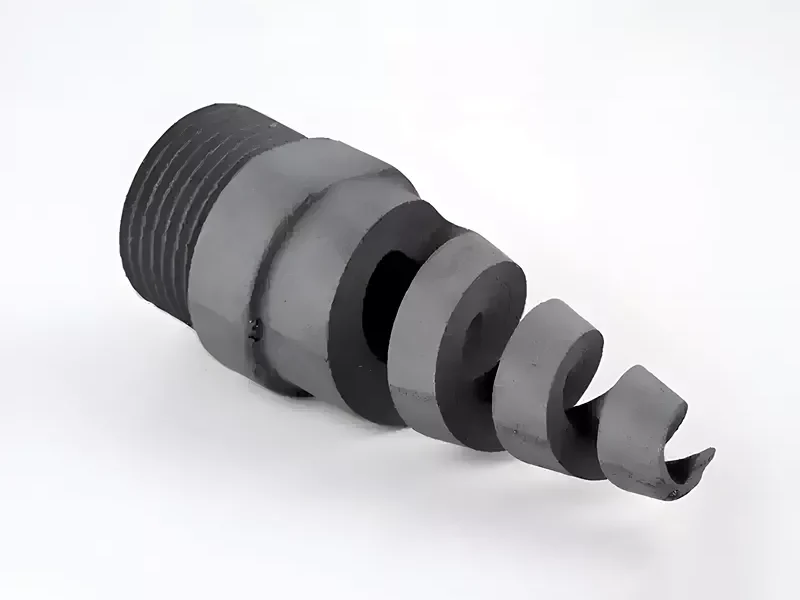
Precision-machined wear and seal surfaces for rotating equipment.
Key Properties of ADCERAX Silicon Carbide Ceramics
Silicon Carbide Ceramic materials maintain stability and performance across demanding thermal, chemical, electrical, and mechanical environments.
| Property | Unit / condition | AD-SIC-RB · RBSC / SiSiC | AD-SIC-SS · SSiC |
|---|---|---|---|
| Silicon carbide content | SiC | wt% | 85 nominal | ≥99 |
| Residual free silicon | Phase basis | 15 wt% nominal | No silicon-infiltration phase |
| Bulk density | g/cm³ | selection value | ≥3.02 | 3.10 typical |
| Apparent open porosity | vol% | ≤0.1 | <0.1 |
| Flexural strength | MPa | typical selection | 250 at 20°C | 380 |
| Compressive strength | MPa | typical selection | — | ≥2600 |
| Young’s modulus | GPa | typical selection | 330 at 20°C | 420 |
| Poisson’s ratio | Dimensionless | typical | — | 0.16 |
| Thermal conductivity | W/(m·K) | typical material selection | — | 100–120 |
| Application-temperature ceiling | °C | initial material selection | 1380 | 1600 |
When to Choose Silicon Carbide Ceramic for Your Application?
Silicon carbide ceramic is the optimal choice when your application faces extreme thermal shock, aggressive chemical attack, or severe abrasive wear. Its unique combination of high thermal conductivity and extreme hardness makes SiC irreplaceable in applications where other ceramics or metals fail.
What Makes Silicon Carbide Unique
Silicon carbide (SiC) stands apart from other advanced ceramics because of its:
Highest thermal conductivity — 100–200 W/m·K
Superior thermal shock resistance — handles ΔT >250°C without cracking
Extreme hardness — Vickers >22 GPa for strong wear resistance
Complete chemical inertness — stable from pH 0 to pH 14
High-temperature structural stability — maintains rigidity up to 1600°C
Silicon Carbide Ceramic Is the Best Choice When:
Silicon carbide is ideal for applications involving heat, wear, corrosion, and dimensional stability. The table below shows where SiC performs best and which grade is commonly recommended.
| Your Application Requirement | Why Silicon Carbide Excels | Recommended Grade |
|---|---|---|
| Extreme thermal shock (rapid heating/cooling) | Thermal conductivity 100-200 W/m·K rapidly dissipates heat, preventing thermal stress concentration | SSiC or RBSiC |
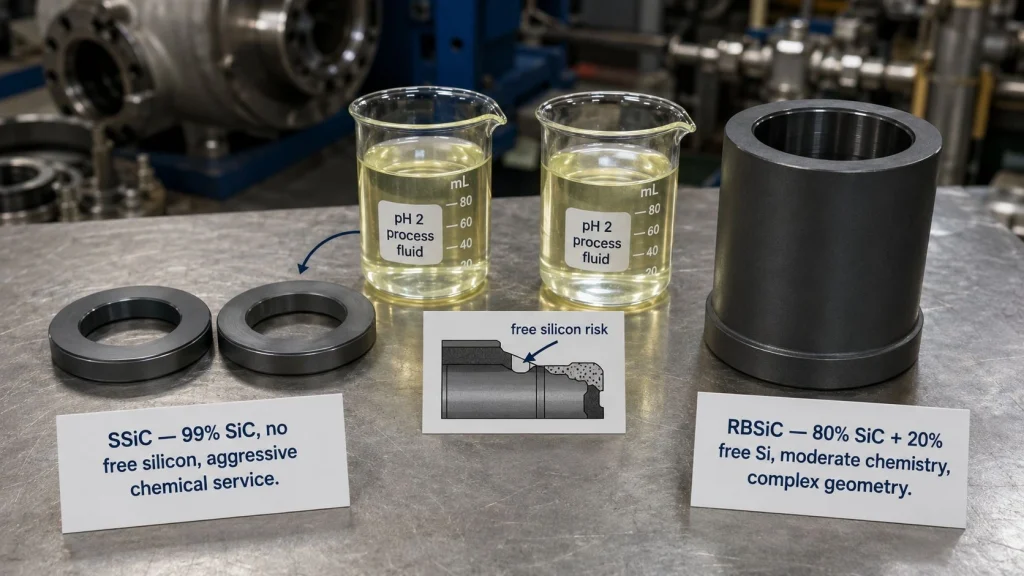
| Mechanical seals in chemical pumps | pH 0-14 stable + extreme hardness + low friction = longest seal life in aggressive fluids | SSiC (highest density) |
| Slurry handling & abrasive wear | High hardness helps reduce abrasive wear in slurry service | RBSiC or SSiC |
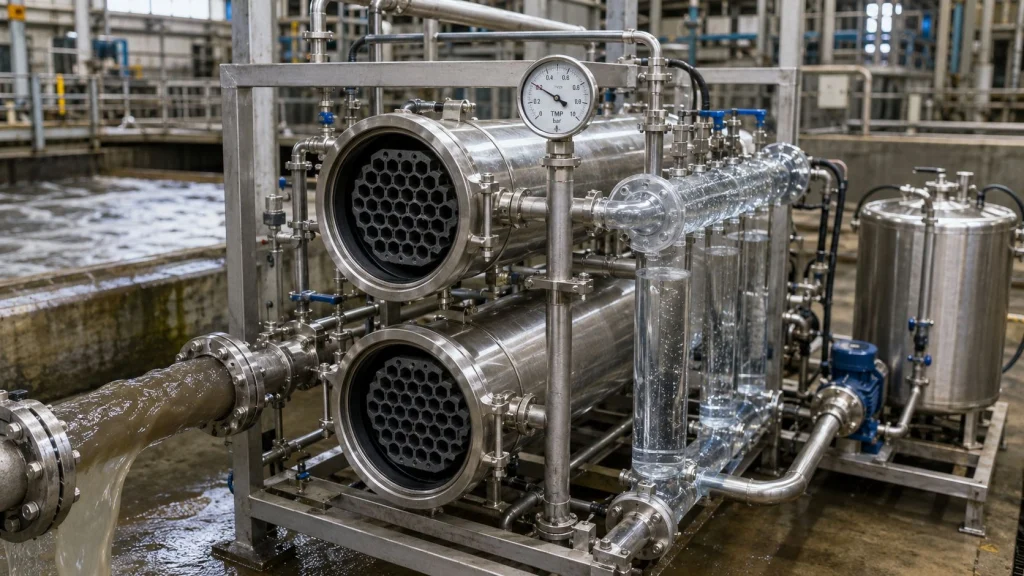
| Corrosive fluid filtration | Full pH range stability + controlled porosity enables SiC membrane systems for harsh streams | RBSiC membrane |
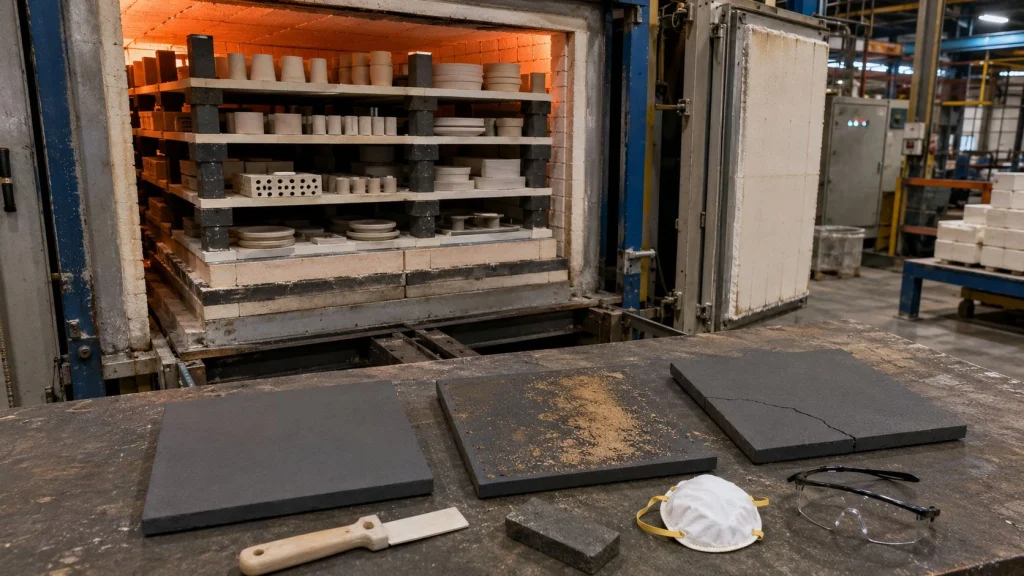
| Kiln furniture & furnace supports | High-temp load bearing + thermal shock resistance = stable support through repeated firing cycles | NBSiC ,RBSiC,RSiC |
| Semiconductor wafer handling | Dimensional stability at 1000-1200°C + low particle shedding + high stiffness | SSiC or CVD-SiC |
| Blast nozzles & erosion components | Extreme hardness resists high-velocity particle impact far better than tungsten carbide | SSiC |
| Burner tubes & radiant tubes | High thermal conductivity + oxidation resistance up to 1380°C in air | RBSiC or NBSiC |
| Heat exchangers in corrosive environments | High thermal conductivity for heat transfer + full chemical resistance | SSiC |
When Silicon Carbide May Not Be the Optimal Choice
While SiC excels in thermal shock and wear resistance, it may not be the best fit if:
For these cases, our engineers can help you evaluate options from our full range of advanced ceramic materials.
SiC is hard but less fracture-tough
SiC costs more than alumina
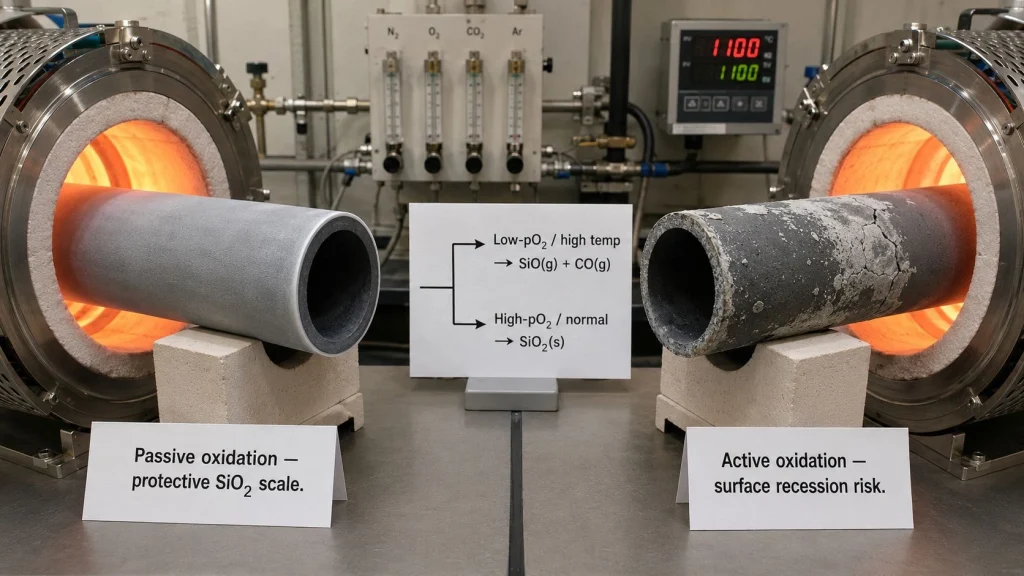
SiC may oxidize over time
SSiC vs RBSiC vs NBSiC vs RSiC: How to Choose the Right Silicon Carbide Grade
Different silicon carbide manufacturing processes produce materials with distinct properties. Here’s how to select the optimal grade for your application:
RBSC / SiSiC
Process: Reaction bonding
Material structure: Dense SiC with residual free silicon
Selection priority: Large or complex near-net shapes
Forms: Beams, rollers, tubes, boats and nozzles
SSiC
Process: Pressureless sintering
Material structure: Dense sintered SiC
Selection priority: Wear, chemical compatibility and precision
forms: Seal faces, bearings, wear parts and process components
NBSiC
Process: Silicon nitride bonding
Material structure: Porous SiC with Si₃N₄ bond
Selection priority: Thermal-processing components
forms: Setters and furnace components
RSiC
Process: Recrystallization
Material structure: Porous recrystallized SiC skeleton
Selection priority: Lightweight kiln furniture and thermal cycling
forms: Setters, supports and furnace tubes
Industrial Application Domains of ADCERAX Silicon Carbide Ceramics
ADCERAX silicon carbide ceramics are widely used in wear, corrosion, filtration, semiconductor, and high-temperature industrial systems.
Wear resistance and chemical compatibility support reliable sealing in demanding pump applications.
Strong porous structures and chemical resistance support durable filtration and repeated cleaning.
High stiffness and thermal stability help support wafers through furnace heating cycles.
High hardness helps resist particle erosion and preserve nozzle geometry during blasting.
High-temperature strength and thermal shock resistance support kiln furniture through firing cycles.
High hardness helps limit media and liner wear while supporting consistent grinding.
Engineering-Driven Silicon Carbide SiC Ceramic Tailoring Solutions
ADCERAX manufactures custom silicon carbide ceramic parts from drawings or samples, including complex shapes and precision-machined components, with grades selected for wear resistance, chemical compatibility, thermal performance, and sealing requirements.
Customization Options
RBSC, SSiC, NBSiC, or RSiC matched to your thermal, chemical, and mechanical requirements.
Tubes, rings, plates, beams, nozzles, and custom profiles based on your drawing or sample.
Custom diameters, lengths, wall thicknesses, and fitting tolerances, subject to drawing review.
Ground surfaces, sealing faces, and specified roughness for contact, wear, or sealing applications.
Holes, grooves, slots, and channels, subject to manufacturing feasibility.
Customization Process
For a SiC part review, send your drawing or sample, operating temperature, process medium, load, failure mode, tolerances, quantity, and inspection requirements.
Send your requirements and order quantity to start the project review.
Agree on the technical scope, pricing, lead time, and acceptance criteria.
Evaluate a sample or trial batch when required before production.
Manufacture the order and complete the agreed inspections before shipment.
Protect the finished parts and arrange shipment with the required documents.
ADCERAX Integrated Solutions for Silicon Carbide Ceramics
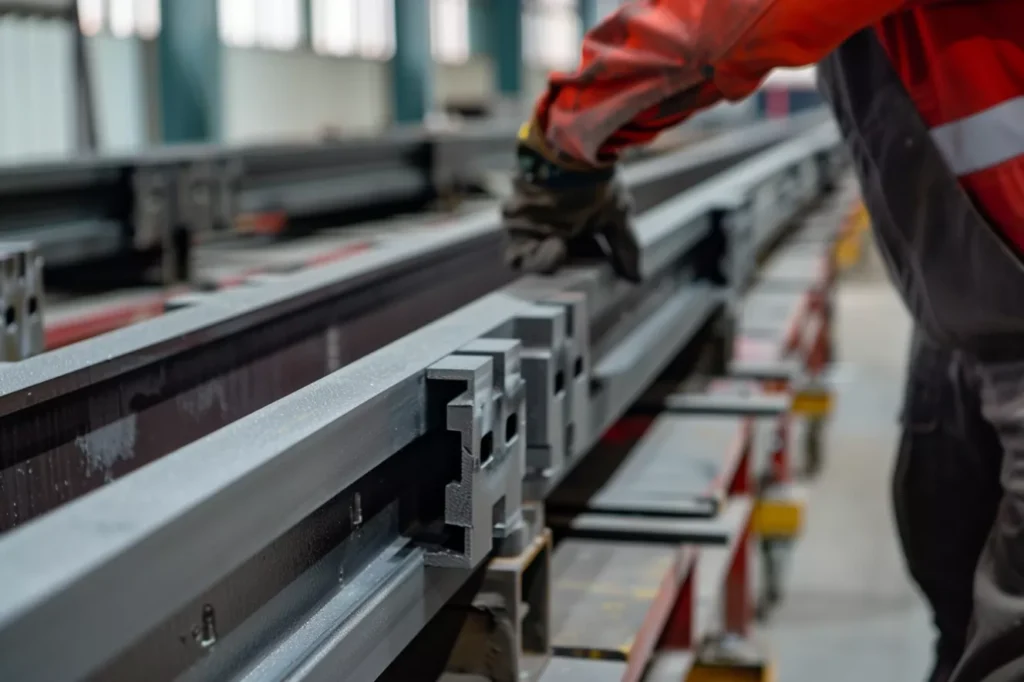
One-Stop Processing Services for SiC Components
ADCERAX one-stop manufacturing workflow ensures that each Silicon Carbide Ceramic component is engineered, processed, and inspected according to industrial operating requirements. The service model minimizes lead-time risks and provides consistent quality across both standard and customized geometries.
supports complex SiC design geometry
ensures dense component structure
removes residual surface particulates
enables stable green body formation
achieves precise dimensional tolerances
validates critical engineering parameters
Technical Competence and Manufacturing Strength
ADCERAX maintains strong engineering capability supported by stable, traceable production workflows for advanced Silicon Carbide Ceramic components. Our facility integrates controlled forming, precision machining, and multi-stage inspection to support demanding B2B industrial requirements.
| Parameter | Capability | Engineering Note |
|---|---|---|
| Cold/Isostatic Pressing | up to 200 MPa | stable uniform green density |
| Sintering Furnace | 2100°C peak range | supports RBSiC / SSiC sintering |
| Diamond Machining | ±0.02 mm tolerance | precise OD/ID/flatness control |
| CMM Measurement | 3D geometry validation | ensures drawing conformance |
Manufacturing Processes of ADCERAX SiC Ceramic Components
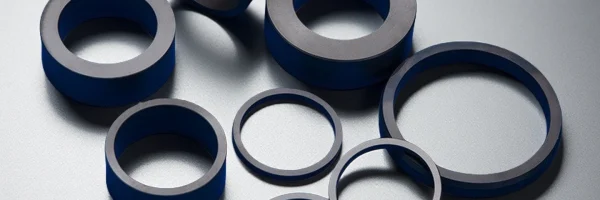
Isostatic Pressing for Uniform Green Density
This forming stage ensures consistent density distribution essential for stable Silicon Carbide SiC Ceramic sintering.
Isostatic press applies uniform 200 MPa
Green bodies achieve stable density uniformity
Load configuration minimizes structural defects
High-Temperature Sintering for Structural Consolidation
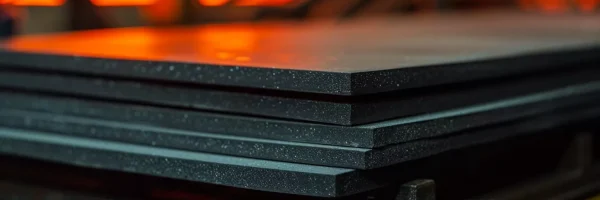
Controlled furnace cycles enable the ceramic microstructure to reach full strength and dimensional stability.
Sintering furnace reaches controlled 2100°C peak
Temperature ramps maintain microstructural uniformity
Controlled atmosphere helps limit oxidation.
Diamond Precision Machining for Tight Tolerance Control
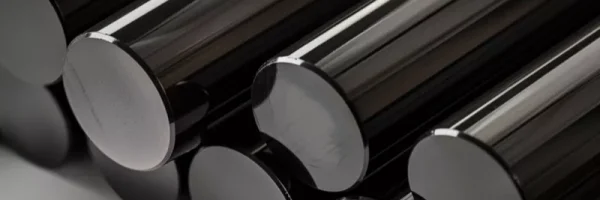
Advanced machining equipment ensures dimensional accuracy required by high-performance industrial SiC applications.
Diamond tools achieve ±0.02 mm tolerances
CNC grinding stabilizes OD and ID geometry
Flatness calibrated through full CMM inspection
Send your drawing or failed-part photos, operating temperature, and process medium. We’ll review your requirements and recommend a suitable SiC grade before quoting your component.
Engineering Insights into SiC Ceramic
Technical answers to help you specify, source, and use SiC ceramics effectively.
SiC conducts heat efficiently, helping furnace components heat and cool more evenly. Its thermal shock resistance helps limit cracking during temperature changes, while high-temperature strength helps loaded parts retain their shape. These advantages make SiC useful for kiln shelves, beams, and burner tubes exposed to repeated firing cycles.
SiC’s hard surface resists scratching and material removal by abrasive particles. This helps nozzles maintain their bore size, liners resist thinning, and seal faces preserve contact geometry. Slower wear supports consistent flow and sealing performance, helping reduce replacement frequency and maintenance downtime.
SiC resists attack from many process chemicals, helping wetted surfaces retain their shape and finish. This supports reliable sealing and consistent flow in chemical pumps, valves, and heat exchangers. SSiC has no silicon-infiltration phase, eliminating the free-silicon phase that can be vulnerable to certain chemicals in reaction-bonded grades.
SiC conducts heat efficiently, reducing temperature differences between a component’s surface and interior. This limits uneven expansion and the thermal stresses that can initiate cracks during rapid heating or cooling. These properties help burner tubes, kiln furniture, and furnace carriers resist damage through repeated temperature cycles.
SiC combines high stiffness, wear resistance, and high-temperature strength. Its stiffness limits bending under load, helping components maintain alignment, while wear resistance preserves critical contact surfaces. These advantages make SiC useful for kiln beams, support plates, and wafer carriers that require stable support through repeated heating cycles.
Controlled pores separate suspended particles from water, while the rigid ceramic structure helps maintain the membrane’s shape during operation. SiC’s chemical resistance supports repeated cleaning to remove deposits and restore water flow. These features make SiC membranes useful for wastewater treatment and water reuse systems that need durable, reusable filtration.
Electrical behavior varies with the SiC grade and temperature. Specify resistivity and dielectric requirements for the actual operating conditions; suitability for electrical insulation must be confirmed for the selected material.
SiC exhibits extremely low friction coefficients and excellent dimensional stability. These features prevent dry-running damage and reduce sealing face wear. The material’s thermal conductivity quickly dissipates friction heat. Engineers benefit from extended seal life and reduced leakage incidents.
Understanding SiC's failure mechanisms helps engineers specify and operate components correctly:
| Failure Mode | Possible Causes | Relevant Grades / Parts | Risk Reduction |
|---|---|---|---|
| Oxidation Damage | Oxidizing exposure; behavior depends on temperature, atmosphere, grade, and time. | Grade-dependent | Confirm material suitability for the actual atmosphere and exposure conditions. |
| Free-Silicon Attack | Incompatible media attack the residual free-silicon phase. | RBSC / SiSiC | Review chemical exposure and qualify any replacement grade. |
| Impact Fracture | Impact, point loads, or mounting stresses initiate cracks. | All SiC grades | Limit point loading; review supports, fits, and handling. |
| Seal Face Damage | Inadequate lubrication, particles, thermal stress, or misalignment. | SiC seal faces | Check alignment and follow specified lubrication, flushing, and startup procedures. |
| High-Temperature Deformation | Sustained stress at temperature; deformation depends on grade, load, and time. | Grade- and duty-dependent | Review stress, support span, atmosphere, and dwell; qualify loaded service. |
💡 Engineering Tip: Follow the seal manufacturer’s startup, lubrication, and flushing instructions. Confirm whether the seal design permits dry running.
Request a Custom SiC Quote
Share your part details and operating conditions.
- Part: Type, drawing, or sample.
- Grade: RBSC, SSiC, NBSiC, RSiC, or help choosing.
- Dimensions: Key sizes, tolerances, and surface finish.
- Conditions: Application, temperature, medium, atmosphere, load, and cycling.
- Current Issue: Wear, cracking, corrosion, or leakage.
- Order: Quantity, delivery requirements, and destination.
Replacing a failed part? Send a photo and describe the problem.
*Our team will answer your inquiries within 24 hours.
*Your information will be kept strictly confidential.
info@adcerax.com
Tel.:+86-0731-84428843
WhatsApp:+86 19311583352
Within 24 hours