
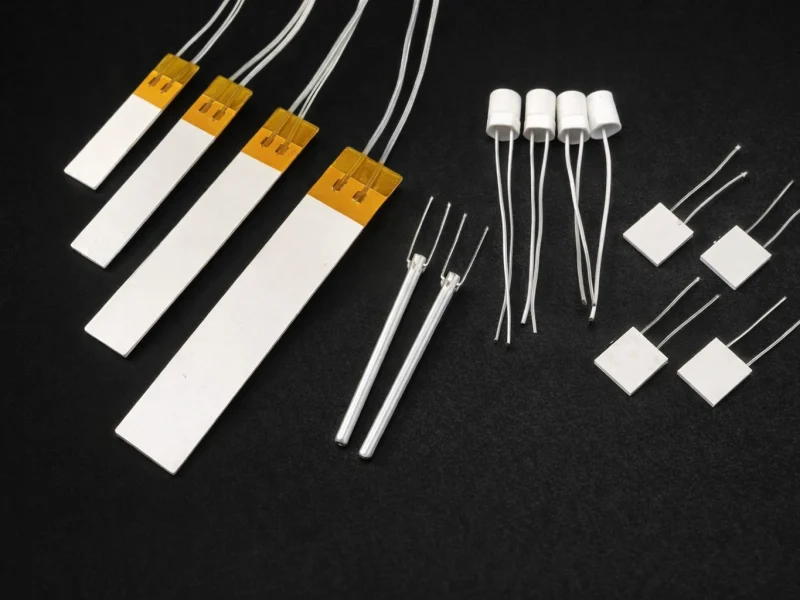
Ceramic Heating Elements for OEM Equipment | Custom, Insulated Conduction Heating
Ceramic heating elements for conduction heating (non-PTC) provide stable heat transfer with electrical insulation, making them ideal for OEM equipment, repeatable production, and critical temperature control.
ADCERAX supplies manufacturer standard and custom ceramic heater elements (plates, tubes, rods, small heaters), backed by fast spec review, sampling, and batch inspection.
What is Ceramic Heating Element?
A ceramic heating element uses a ceramic insulating body to convert electrical power into heat while keeping the live circuit isolated from the heated surface—giving stable heat transfer and strong resistance to harsh conditions.
The resistive circuit is embedded in or bonded to the ceramic—supplied as plates, tubes, rods, or small heaters—so the element delivers even, repeatable heat and holds critical temperature control under changing load. Unlike PTC types, non-PTC ceramic heaters keep stable resistance for predictable heating power.
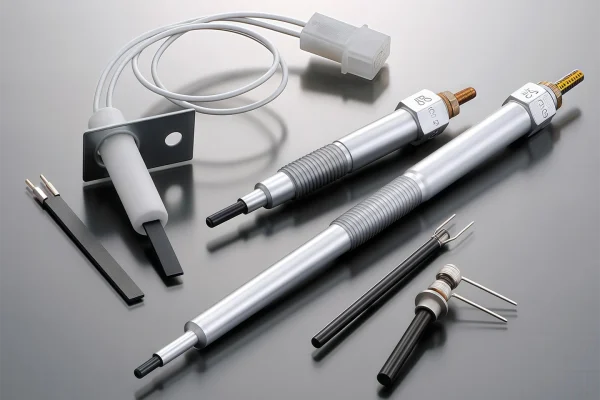
How to Choose the Right Ceramic Heating Element
Choosing the right ceramic heating element comes down to four questions. Answer them in order, and you’ll arrive at the right form factor, rating, and interface for your OEM equipment.
- Match the form factor to the heated surface. Flat contact areas suit plates; fluids, gas, or bores suit tubes and rods; compact assemblies suit small heaters.
- Set the target surface temperature and power. Define the working temperature and the watt density (W/cm²) the surface must reach, so the element holds critical temperature control without hot spots.
- Confirm the supply voltage. Specify operating voltage (e.g. 12 / 24 / 110 / 220 V). Being non-PTC, resistance stays stable, so power output stays predictable across the run.
- Define mounting and lead-out. Clamp, bond, or insert? Note lead type, length, and any sensor or thermal-cutoff needs for a drop-in fit.
| Form factor | Best for | Typical use |
|---|---|---|
| Plates | Flat, even-contact surfaces | Platen heating, hot plates, sealing bars |
| Tubes | Heating fluids, gas, or bores | Cartridge-style inserts, in-line media heating |
| Rods | Deep, localized conduction | Molds, dies, immersion points |
| Small heaters | Tight, compact assemblies | Instruments, sensors, portable devices |
Not sure which fits? Send your surface temperature, power, and voltage — ADCERAX reviews specs fast and can sample before batch production.
Stable, Insulated Ceramic Heating Elements for Industrial Duty
Ceramic heating elements provide insulated, repeatable conduction heating with reduced drift and more consistent fit. ADCERAX supports plates, tubes, rods, and compact heater formats with batch-controlled production for OEM use.
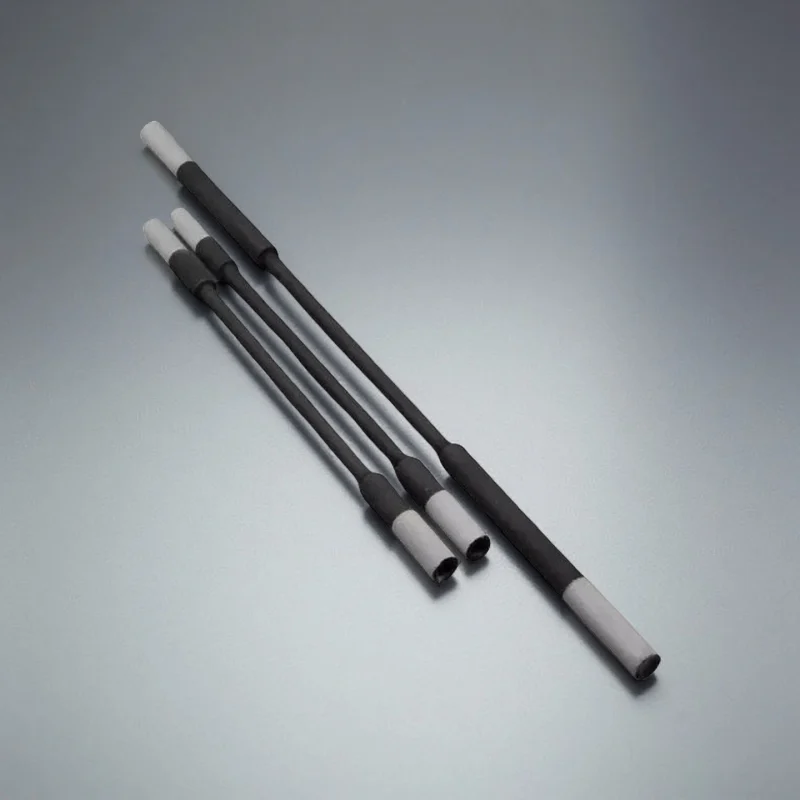
silicon carbide heating elements
High-temperature durability with strong oxidation and wear resistance.
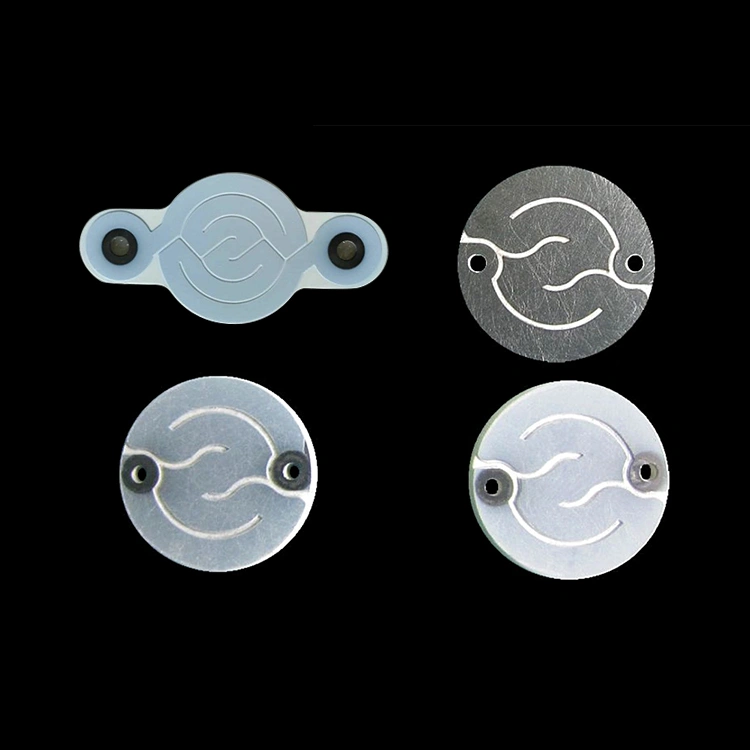
Boron nitride heating element
Non-wetting surface to reduce sticking, buildup, and contamination.
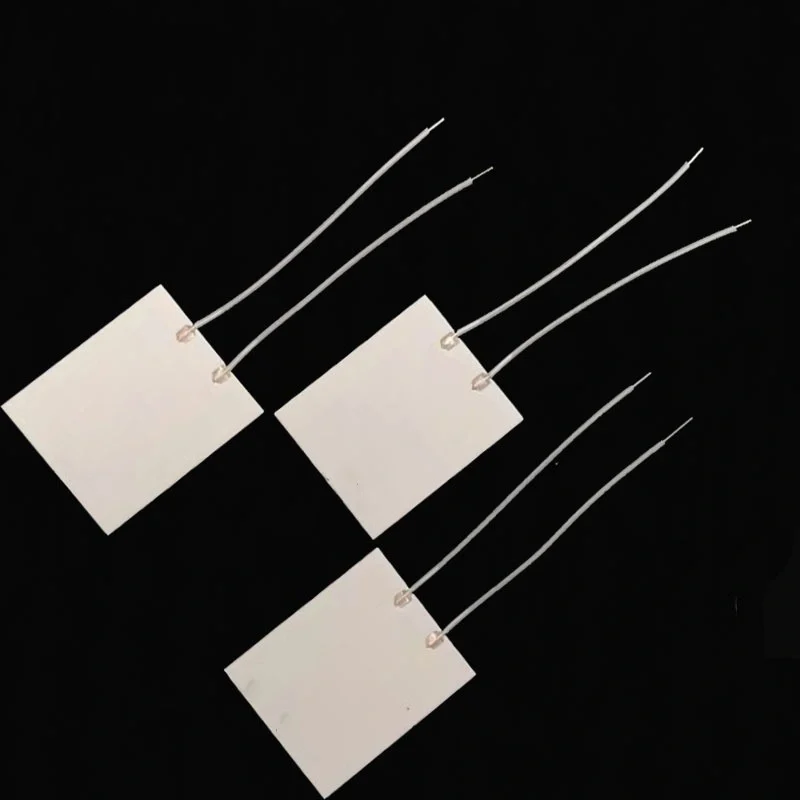
alumina ceramic heating element
High insulation strength and stable output for repeatable conduction heating.
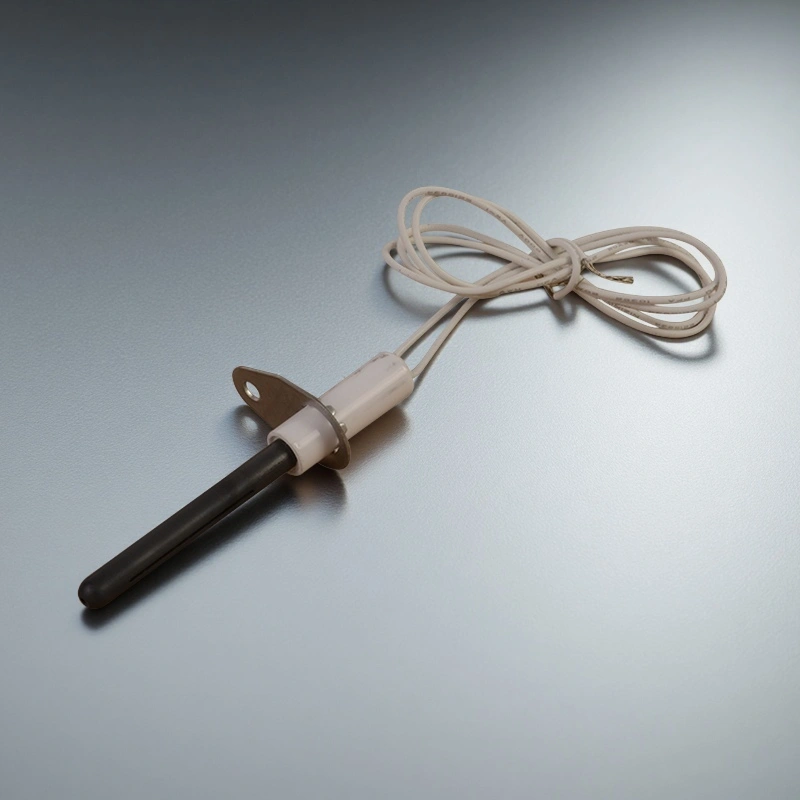
Silicon nitride heating element
High strength and thermal-shock resistance for cycling and vibration duty.
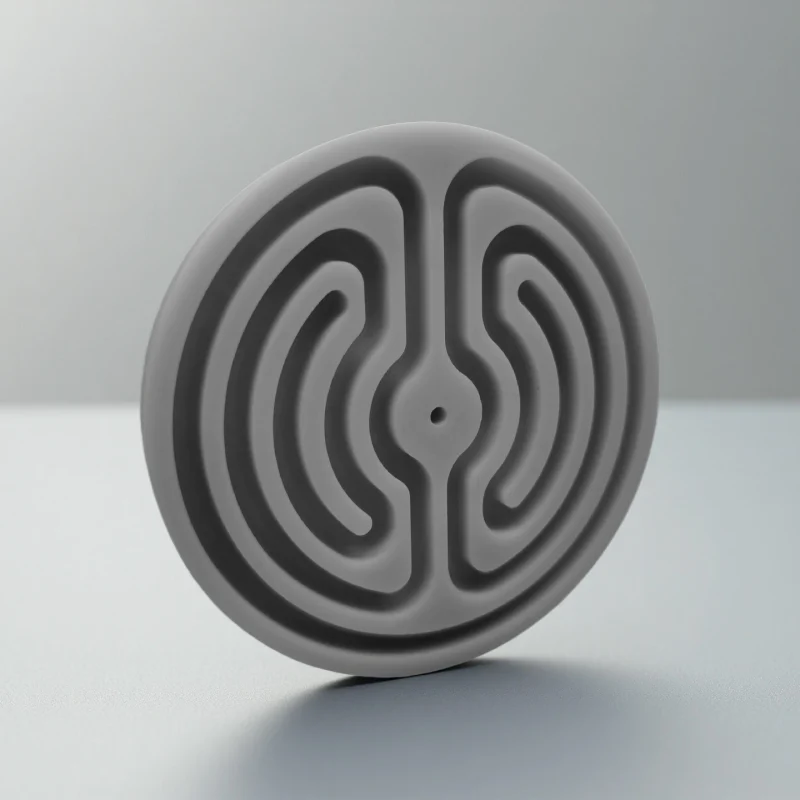
Aluminum Nitride Heating element
Higher thermal conductivity for faster, more uniform heat spreading.
flat ceramic heating element
Even, stable contact heating for plates and tooling where uniformity matters.
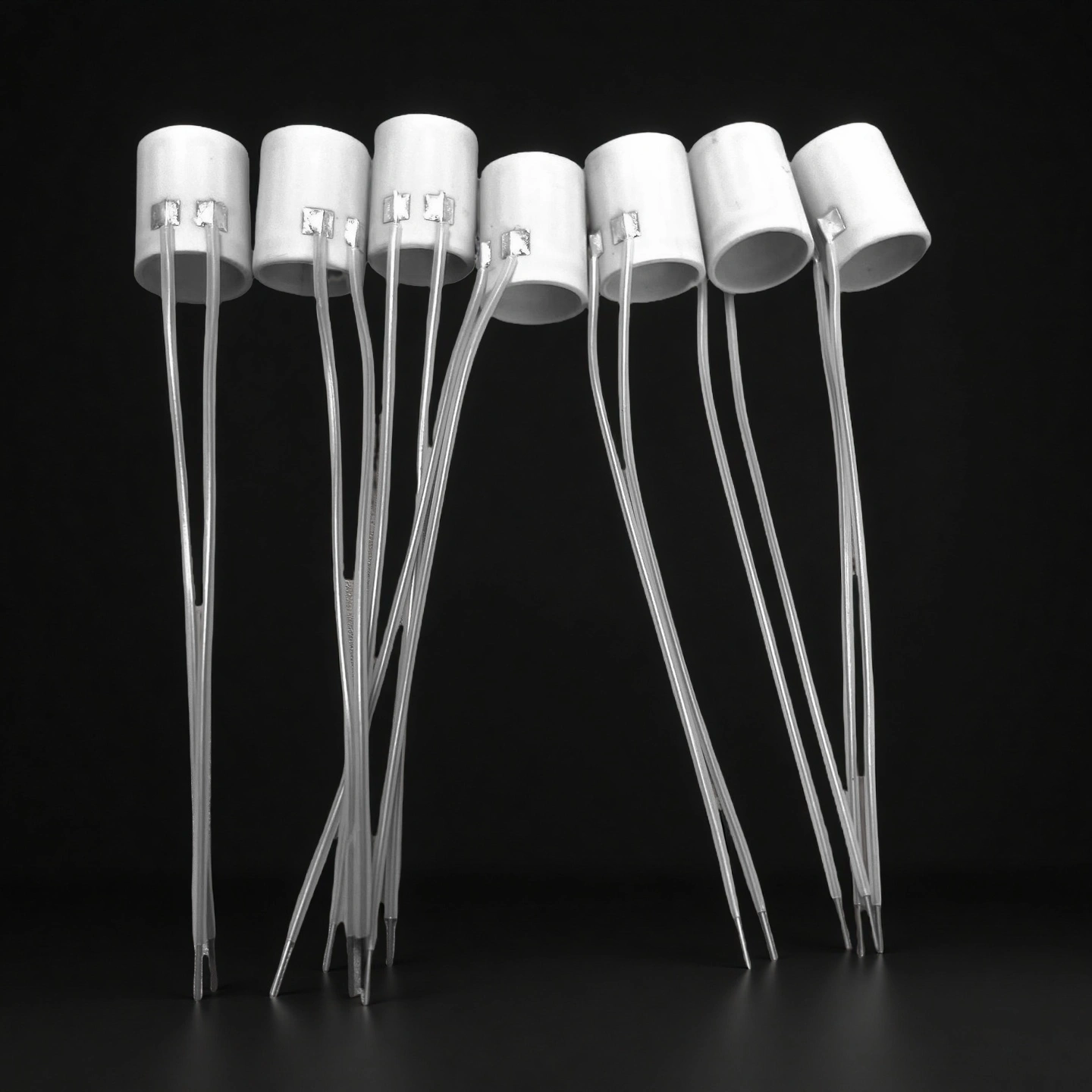
ceramic tube heating element
Tube heating for sleeves and channels—guided, protected heat.
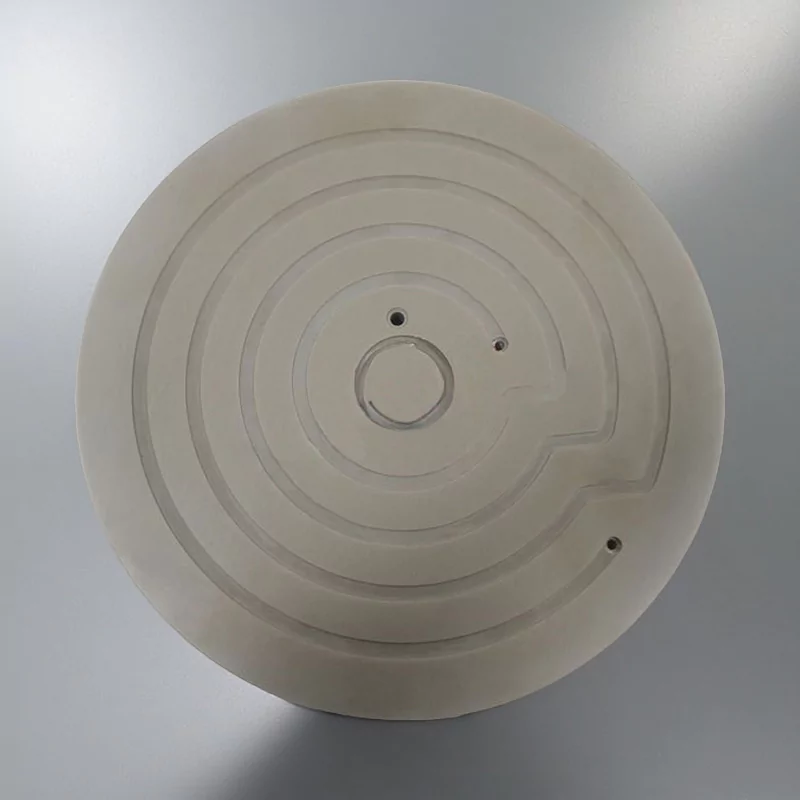
ceramic plate heating element
Stable surface heating for platens and fixtures—better uniformity
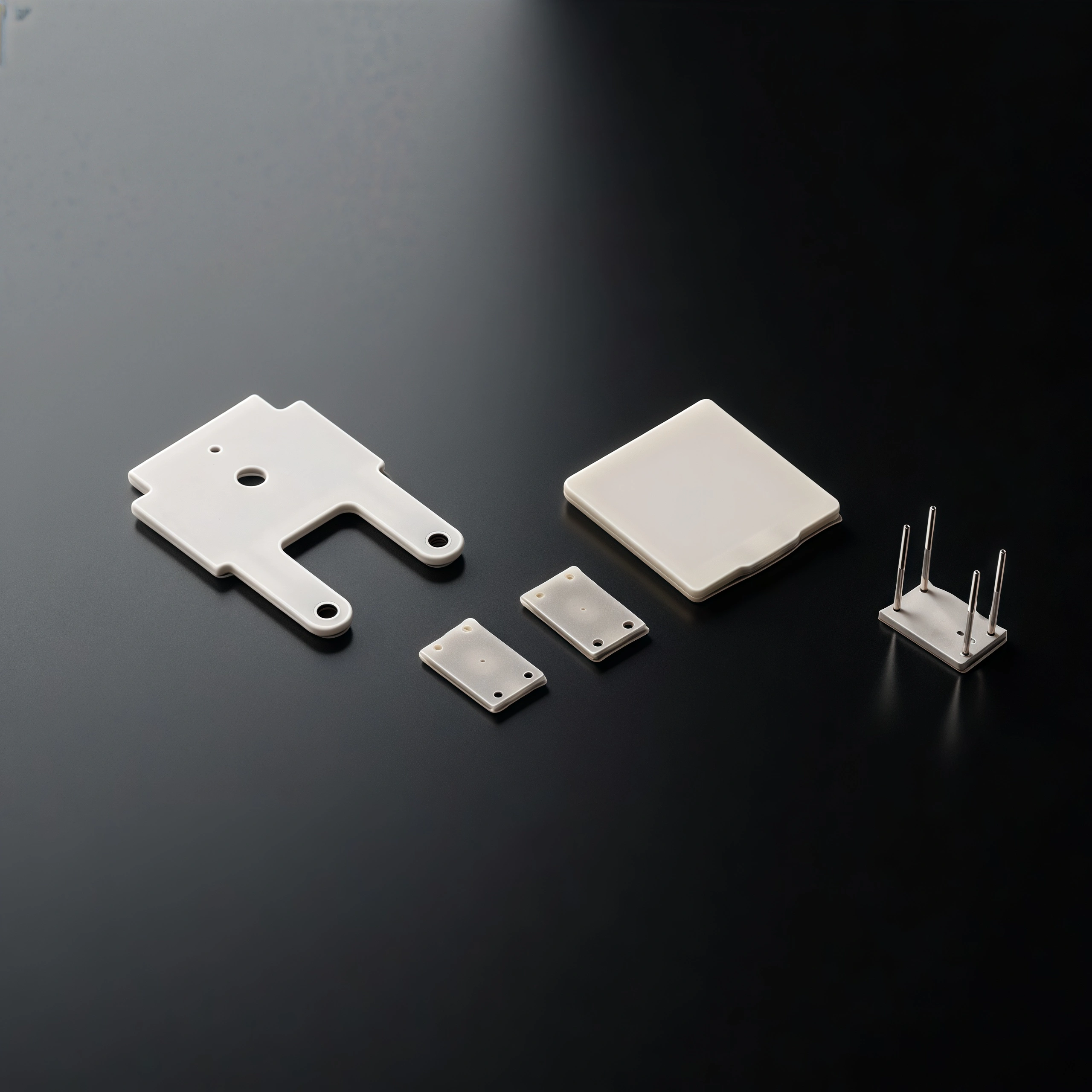
small ceramic heating element
Compact heater for tight spaces—fast response and easy integration.
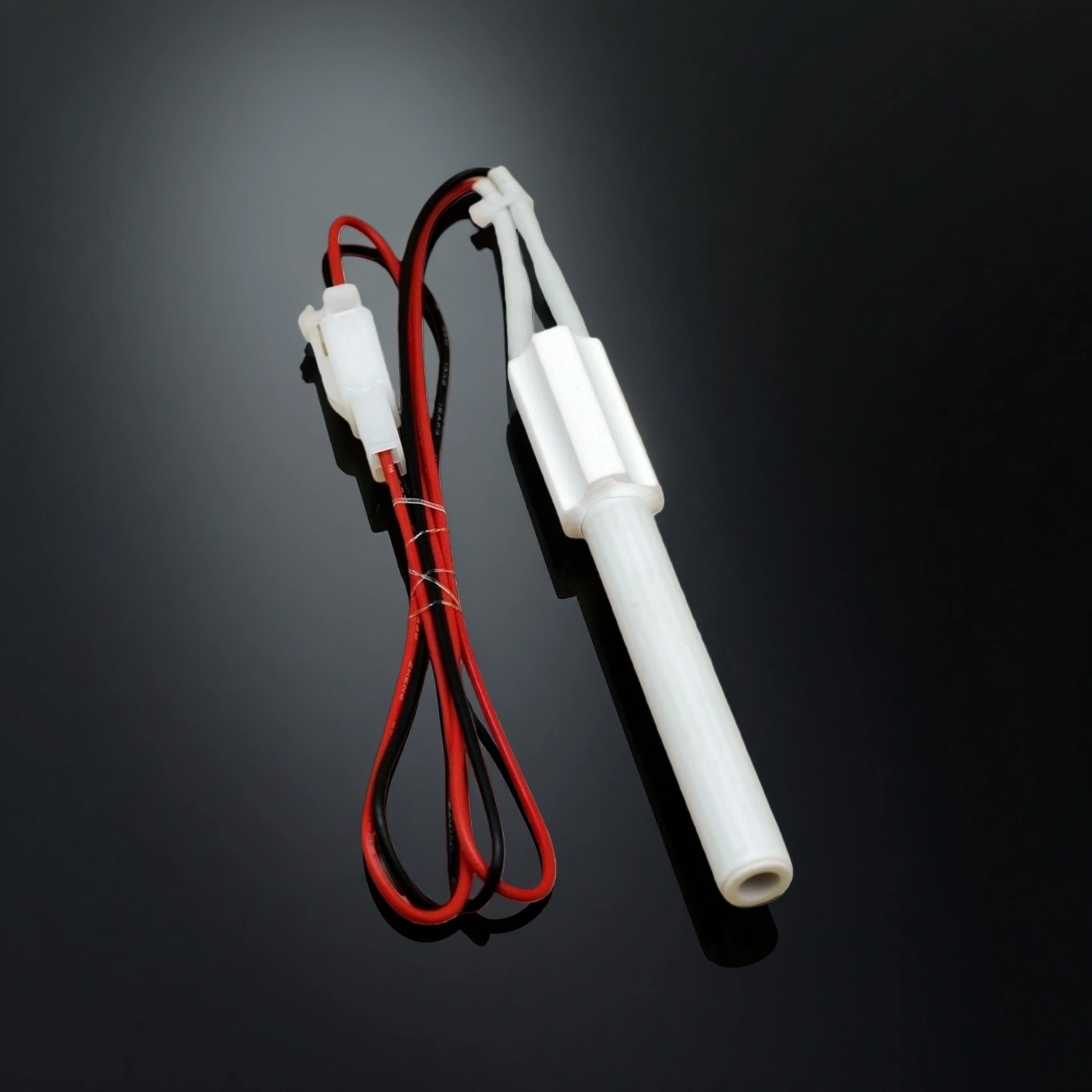
Ceramic Igniter
Quick, concentrated heat for reliable ignition in demanding duty cycles.
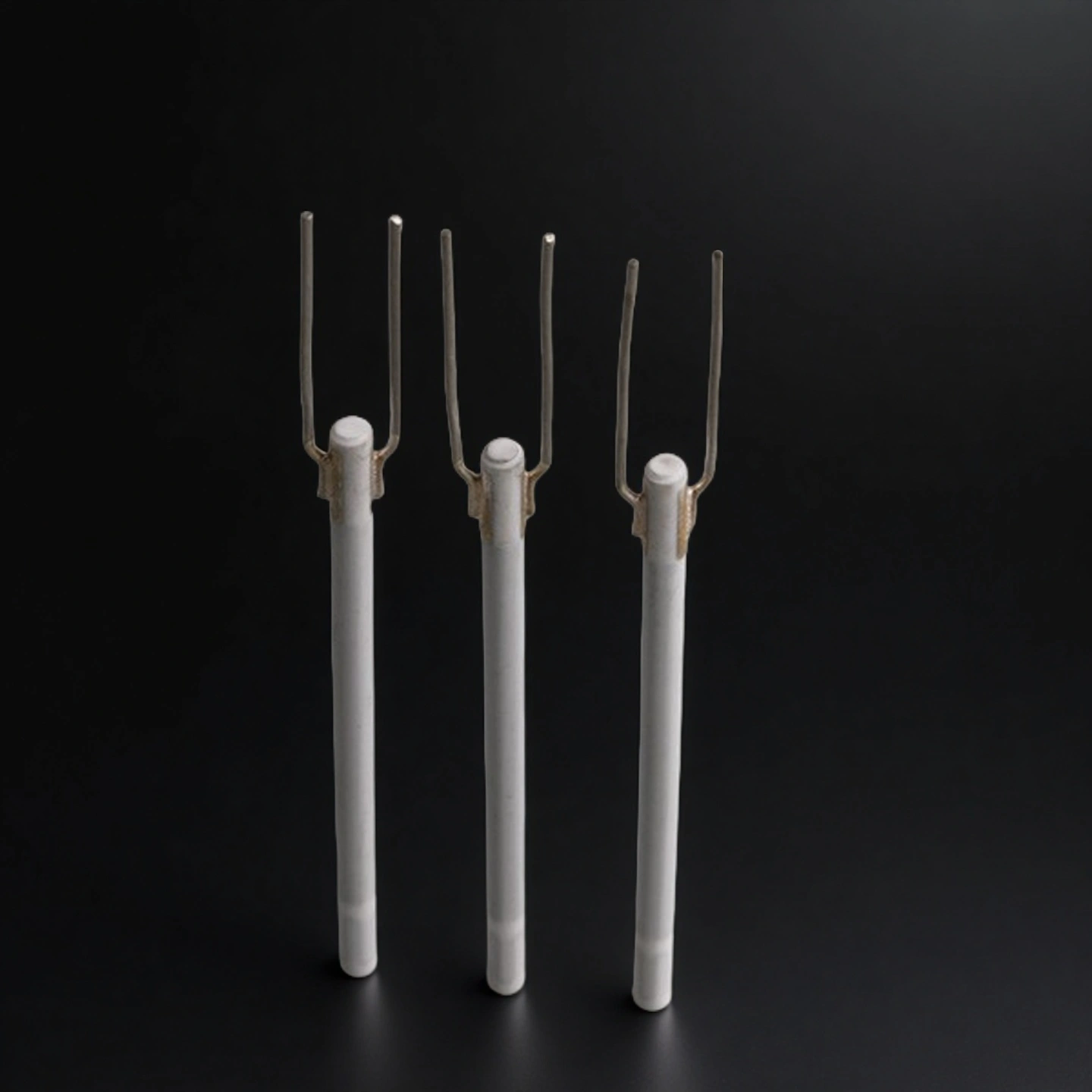
Ceramic Heating Core
Insulated core format for consistent heating and repeatable OEM assembly.
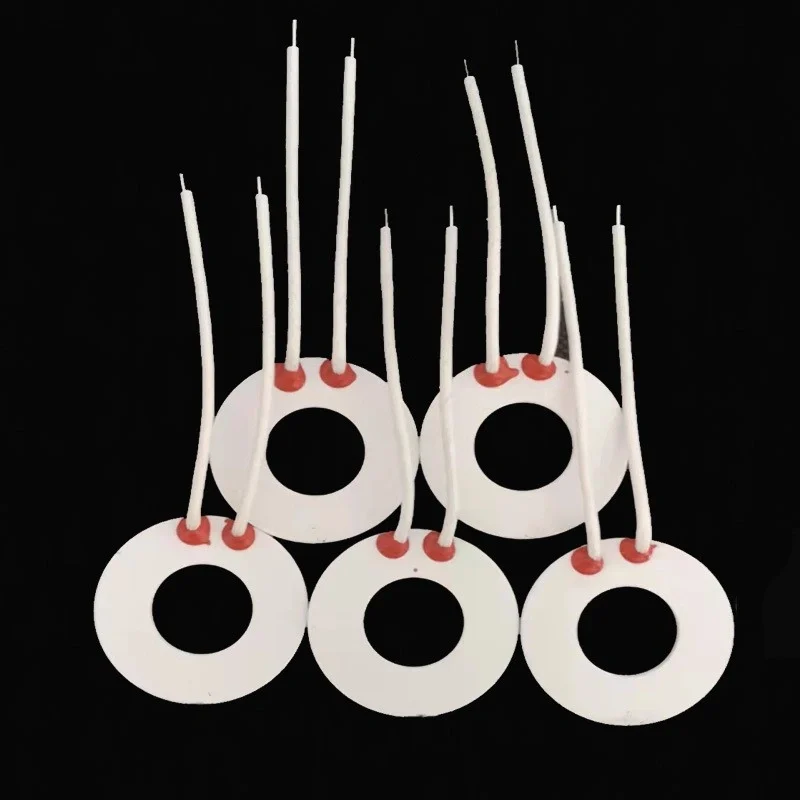
round ceramic heating element
360° heating around round mounts for balanced output and easier integration.
ceramic heating element rod
Compact rod format for localized heating in narrow spaces and inserts.
Ceramic Heating Element Properties
Built for conduction heating, ceramic heating elements deliver fast, even surface heating with stable resistance and a high insulation margin.
| Property | 95% Alumina | 99% Alumina | Silicon Carbide | Silicon Nitride | Aluminum Nitride |
|---|---|---|---|---|---|
| Density (g/cm³) | 3.6 | 3.7-3.9 | 3.16-3.21 | 3.2 | 3.2 |
| Porosity (%) | <1% | <1% | 0.5 | 0.5 | 0.2 |
| Hardness (HV) | 1200 | 1800 | 2500 | 1400 | 1800 |
| Compressive Strength (MPa) | 300 | 450 | 2200 | 300 | 300 |
| Flexural Strength (MPa) | 150 | 350 | 450 | 450 | 400 |
| Thermal Conductivity (W/m·K) | 20 | 25 | 150 | 20 | 200 |
| Electrical Resistivity (Ω·cm) | >10^14 | >10^14 | 10^6 | 10^14 | 10^14 |
| Breakdown Voltage (kV/mm) | 20 | 25 | 25 | 25 | 30 |
| Thermal Expansion Coefficient (×10⁻⁶/K) | 8.0 | 7.5 | 4.5 | 3.6 | 5.5 |
| Young’s Modulus (GPa) | 250 | 340 | 350 | 300 | 220 |
Ceramic Heating Elements for Conduction Heating in OEM Equipment
ADCERAX supplies factory-direct ceramic heating elements for OEM builds and spare-part programs—custom-to-drawing options, consistent batches, and fast engineering response.
Ceramic Heating Element Applications
Ceramic heating elements are commonly integrated into molds and hot runners, packaging heat-sealing tools, heated fixtures, and automated stations where stable conduction heating and safe insulation near metal frames matter. Match the heater style to the shape, power target, and run time for consistent results.
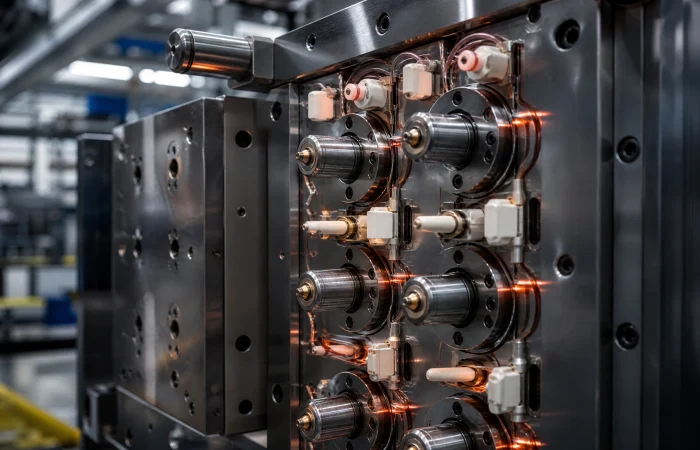
Injection Molding & Hot Runner Systems
Where ceramic heating elements are used:
Ceramic heating elements are commonly integrated into hot runner manifolds and nozzles, installed on mold plates and gate-area heating zones, and used as temperature-controlled inserts near melt channels to keep the melt path thermally stable in compact, fit-critical assemblies.
Why ceramic heaters are preferred:
- Built-in electrical insulation protects mold steel and manifolds
- Lower thermal drift over long cycles improves shot-to-shot repeatability
- Rigid geometry supports precise fit in tight mold cavities
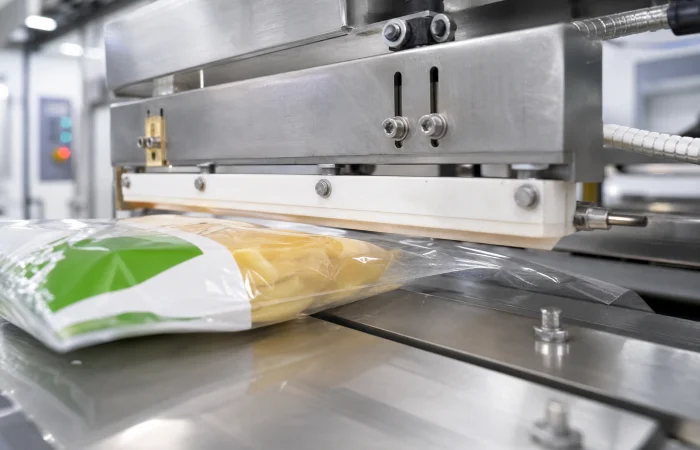
Packaging & Heat-Sealing Equipment
Why ceramic heaters are preferred:
- Even surface temperature improves seal strength and appearance
- Insulated ceramic body reduces heat loss into machine frames
- Longer service life helps reduce changeout frequency on production lines
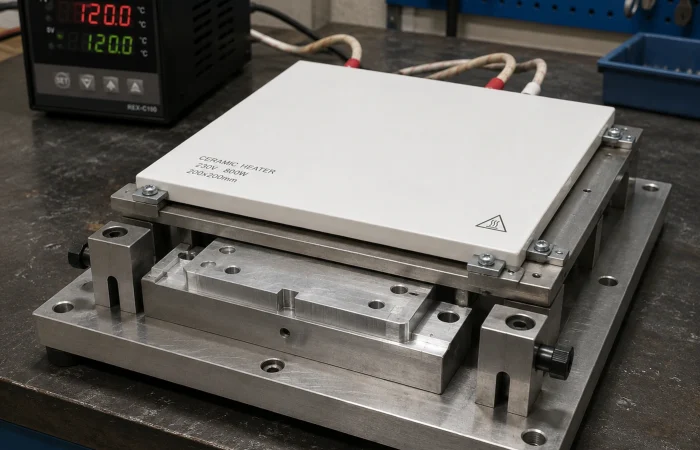
Industrial Tooling & Heated Fixtures
Where ceramic heating elements are used:
Ceramic heating elements are commonly used in heated platens and press tools, built into pre-heating fixtures for bonding and forming, and applied in process-stabilization tooling to help keep surface temperature more repeatable.
Why ceramic heaters are preferred:
- Stable surface heating supports tighter process control.
- Ceramic substrates help maintain geometry under repeated thermal cycling.
- Clean, insulated surfaces simplify integration into tooling assemblies.
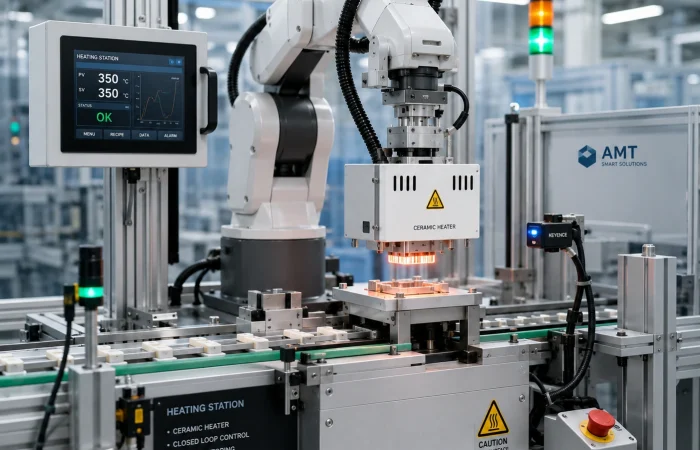
Automation & Mechanical Equipment
Where ceramic heating elements are used:
Ceramic heating elements fit compact machines with localized heating zones, operate near metal frames or housings with electrical insulation, and integrate into modular heating units inside automated stations for repeatable, service-friendly builds.
Why ceramic heaters are preferred:
- Electrical insulation margin supports use near structural metal parts.
- Rigid forms enable tight-fit integration in compact designs.
- Resistance behavior can be reviewed for predictable output across batches.
Custom Ceramic Heating Elements, Built to Your Drawing
ADCERAX delivers custom ceramic heating elements for conduction heating, optimized for fit, insulation, and repeatable production. Send your drawing or sample to receive a clear, manufacturable proposal.
Customization Options
outline, holes, slots, chamfers, locating features
rated voltage, wattage, resistance target & tolerance
single-zone or multi-zone heat patterns for uniformity control
lead direction, length, connector/terminal style
alumina, AlN, Si₃N₄, SiC, BN (matched to duty)
critical dimensions, dielectric checks, resistance test, marking/traceability
Customization Process
Confirm critical fit + heating targets + duty cycle
sample validation on your equipment
Lock drawing + test plan + marking + revision control
consistent builds with inspection records
ADCERAX: Ceramic Heating Element Manufacturer in China
ADCERAX supplies ceramic heating elements for conduction heating with manufacturer engineering support and controlled production for stable resistance, insulation margin, and repeatable fit. Fast spec review, flexible sampling, and batch inspection reduce failures and keep repeat orders consistent.
Competitive pricing with strict quality control from raw material sourcing to final delivery
Professional team providing comprehensive technical support and collaborative design
Small batch orders to large-scale production with complex geometries and tight tolerances
We reply within 24 hours. Samples depend on inventory and spec review; custom orders usually take 3-7 weeks after drawing confirmation.
China Ceramic Heating Element Factory ——ADCERAX
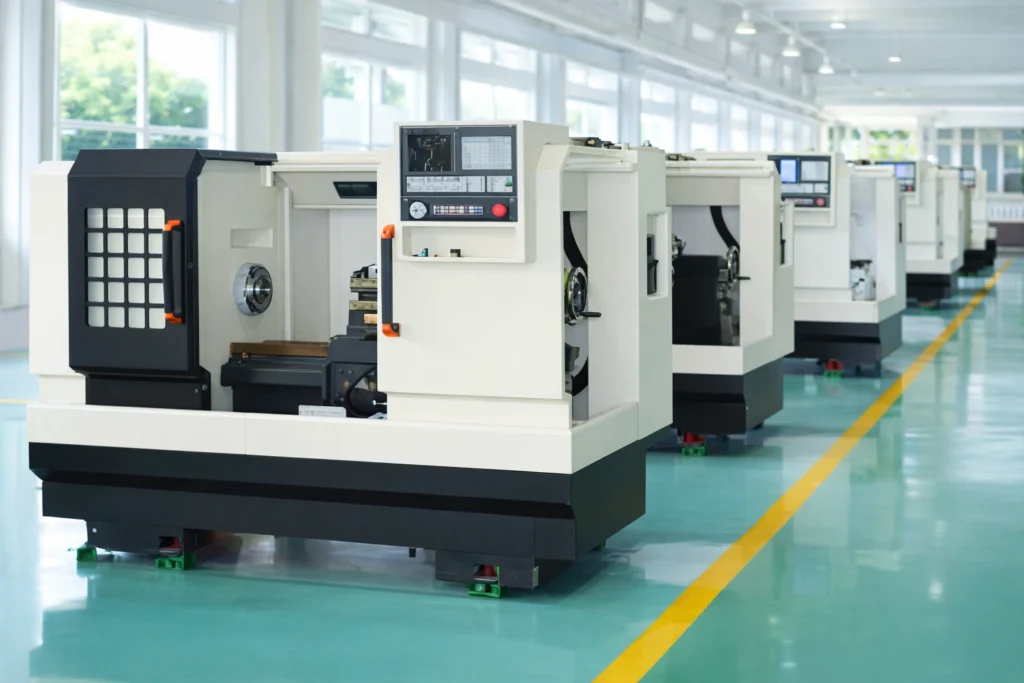
ADCERAX is a ceramic heating element supplier in China, backed by 20+ years of advanced ceramics experience and controlled production. We supply ceramic heating elements for conduction heating with repeatable fit, insulation margin, and batch consistency.
Standard and custom builds are supported with spec review, batch inspection, traceability, and export packaging to support repeat purchasing.
How Ceramic Heating Elements Are Made ?
Select the ceramic body and insulation system, then mix and condition powders for repeatable density.
High-temperature firing densifies the ceramic, stabilizing strength and dimensional behavior.
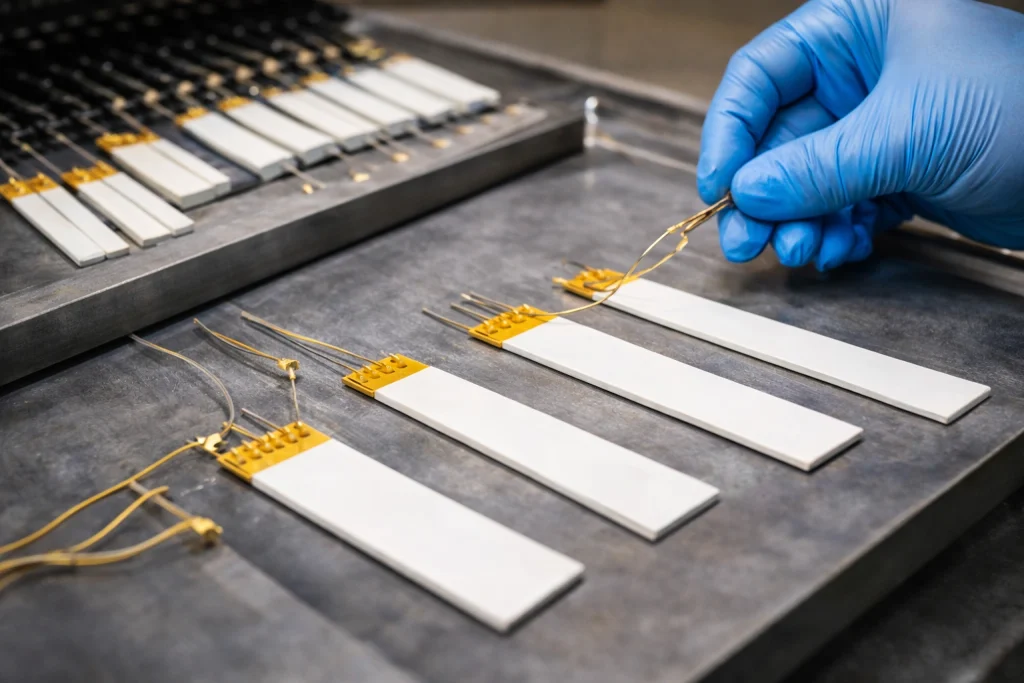
Apply or assemble the resistance heating path and electrical interfaces (leads/terminals), tuned to target resistance and power.
Shape the core geometry (flat, round, rod, tube) to lock the baseline dimensions and internal structure.
Grind/lap critical faces, thickness, holes, and edges to meet fit and mounting requirements.
Add insulation layers or protective treatments where needed to improve dielectric margin and durability in real assemblies.
FAQ About Ceramic Heating Element
Material choice is usually driven by temperature, dielectric requirement, mechanical constraints, and manufacturing route:
Alumina (Al₂O₃): strong electrical insulation, stable, cost-effective for many builds
Aluminum nitride (AlN): selected when heat spreading / thermal conductivity matters
Silicon nitride (Si₃N₄): strong mechanical robustness and thermal shock resistance in demanding duty
Boron nitride (BN): chosen for special thermal/electrical behaviors and machinability in certain designs
Silicon carbide (SiC): used in high-temperature harsh environments, depending on design and insulation strategy
Voltage selection should follow the system constraints, then confirm heater feasibility:
12V / 24V: higher current for the same power → thicker conductors, more terminal design attention, heavier wiring/driver requirements
110–120V / 230–240V: lower current for the same power → easier wiring, but requires stricter insulation design and safety considerations
Key rule: decide voltage from your platform first, then design resistance + terminal + insulation margin around it.
Uniformity comes from balancing heater circuit layout and thermal spreading:
circuit zoning (multi-zone patterns where needed)
controlled heat spreading layer/material
consistent contact pressure and flatness
correct sensor placement (thermocouple/RTD location)
If the sensor is placed wrong, you can read “stable temperature” while the work surface has hot spots.
Place sensors where they represent the controlled surface, not just the heater body:
near the working interface when possible
protected from airflow or external cooling effects
consistent from unit to unit (repeatable mounting geometry)
For multi-zone builds, each zone needs a control strategy; otherwise one sensor can hide local overheating.
Drift usually comes from system-level changes:
contact pressure changes (fasteners relax, interface materials age)
contamination layers at the interface
resistance shift from repeated thermal cycling
sensor attachment aging or location error
A robust design controls drift by locking down mounting repeatability, specifying interface materials, and validating under duty cycle.
Common failure modes are:
terminal degradation (heat + oxidation + mechanical strain)
localized hot spot damage (uneven contact or over-power density)
insulation breakdown (contamination, moisture, design margin too tight)
cracks from mechanical shock (handling/assembly impact)
Most failures are preventable by specifying mount design, strain relief, derating, and inspection checkpoints.
Cleaning must protect insulation and terminals:
avoid abrasive grinding on functional surfaces
use non-residue cleaning methods appropriate to contamination type
ensure fully dry before powering
If contamination is at the contact interface, clean both the heater and the mating surface; otherwise you “fix nothing” and drift returns.
Yes. ADCERAX offers ceramic heating element 12v for sale for conduction heating —standard replacements or custom-to-drawing builds.
To quote fast, share: size/drawing, target W @ 12V, duty cycle, and lead/connector needs.
If you want a factory-direct option with engineering support, ADCERAX is a practical choice. ADCERAX is a China-based ceramic heating element manufacturer and wholesaler for conduction heating , supporting standard replacements and custom-to-drawing builds with fast spec review and batch inspection to help reduce drift and early failures.
Ceramic heating element life depends on operating temperature, power density, thermal cycling, mounting contact, contamination, and the surrounding environment. ADCERAX reviews the duty cycle, voltage, wattage, target temperature, mounting method, and application conditions before estimating expected service behavior for a specific design.
Ceramic Heating Element RFQ Checklist
Include these with your drawing or old-part photo for a fast, accurate quote:
- Element type: plate, tube, rod, or small heater
- Dimensions: length / OD / thickness — or send your drawing
- Power and voltage: e.g. 200 W @ 24 V
- Target surface temperature and watt density (W/cm²)
- Ceramic material: alumina (Al₂O₃), aluminum nitride (AlN), or as specified
- Lead-out: wire type, length, terminals; any sensor or thermal cutoff
- Mounting and contact surface: clamp, bond, or insert
- Duty and environment: continuous or cyclic, ambient, vacuum, or media contact
- Quantity, and the old element or failure reason if replacing
An element reference or an old part alone is enough to get started; the rest is confirmed during engineering review.
*Our team will answer your inquiries within 24 hours.
*Your information will be kept strictly confidential.
info@adcerax.com
Tel:+86-0731-84428843
WhatsApp:+86 19311583352
Within 24 hours
