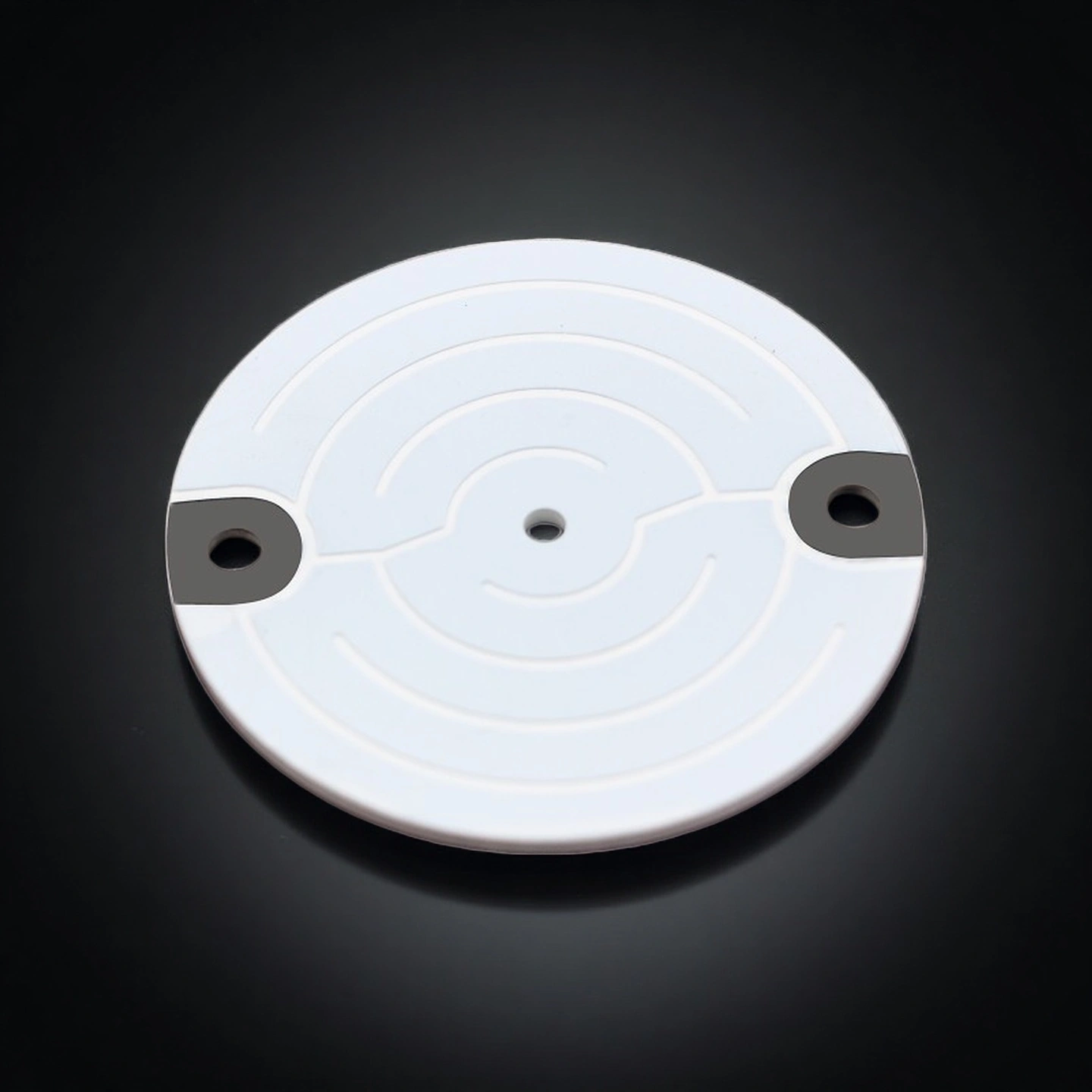
Custom Boron Nitride Heater for Vacuum Heating Systems

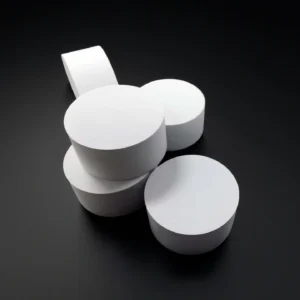
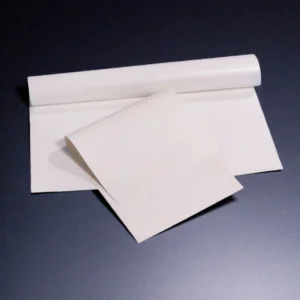
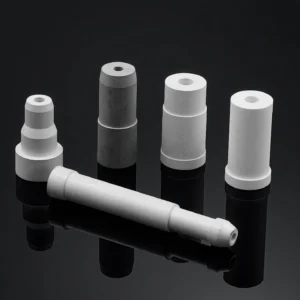
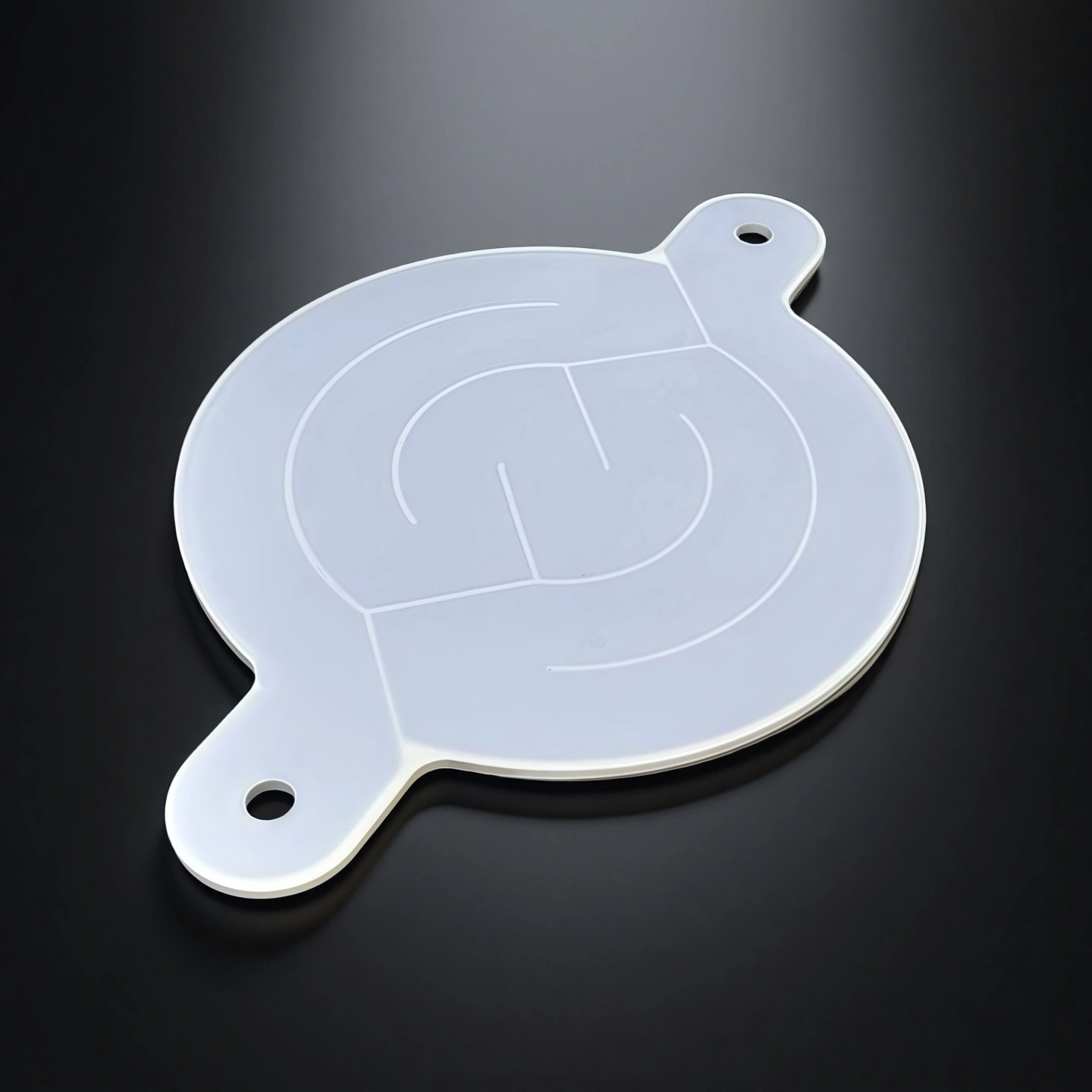
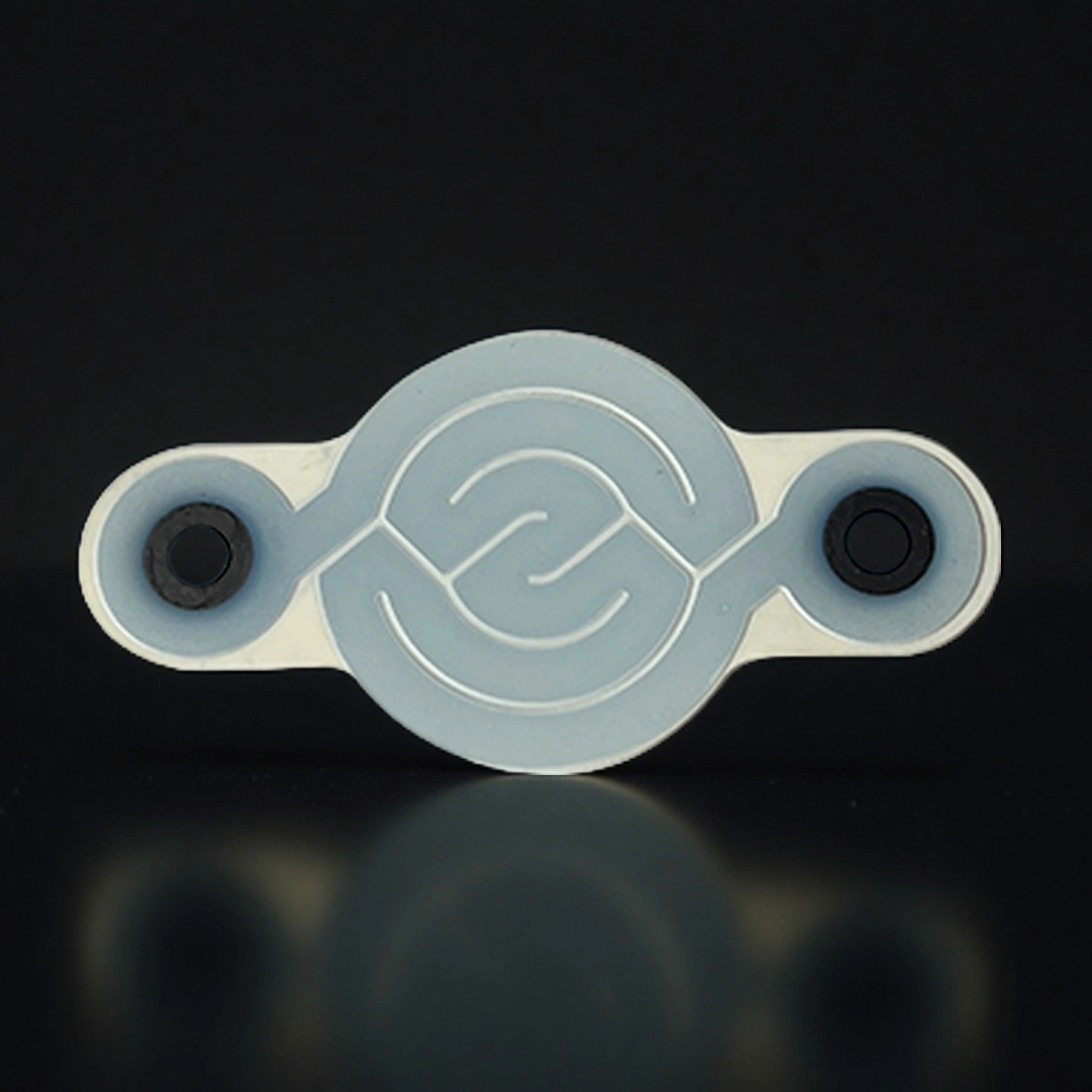
Custom boron nitride heaters are designed for vacuum, inert gas and controlled-atmosphere heating assemblies where electrical insulation, thermal response and clean heating surfaces are important. ADCERAX supports custom BN and PBN–PG–PBN heater components based on chamber geometry, temperature range, atmosphere, power supply and mounting requirements.

Catalogue No. AT-PBN/PG-1001
Material Boron Nitride
Volume resistivity (insulation) ≥ 1×10¹² Ω·cm (RT)
In-plane temperature uniformity ΔT ≤ ±3–5 °C over 100–200 mm
Dimensions/Sizes Download PDF
Engineering RFQ Review
Small-Batch Custom Support
Factory-Direct Manufacturing
Drawing & Process Review

What Is a Boron Nitride Heater?

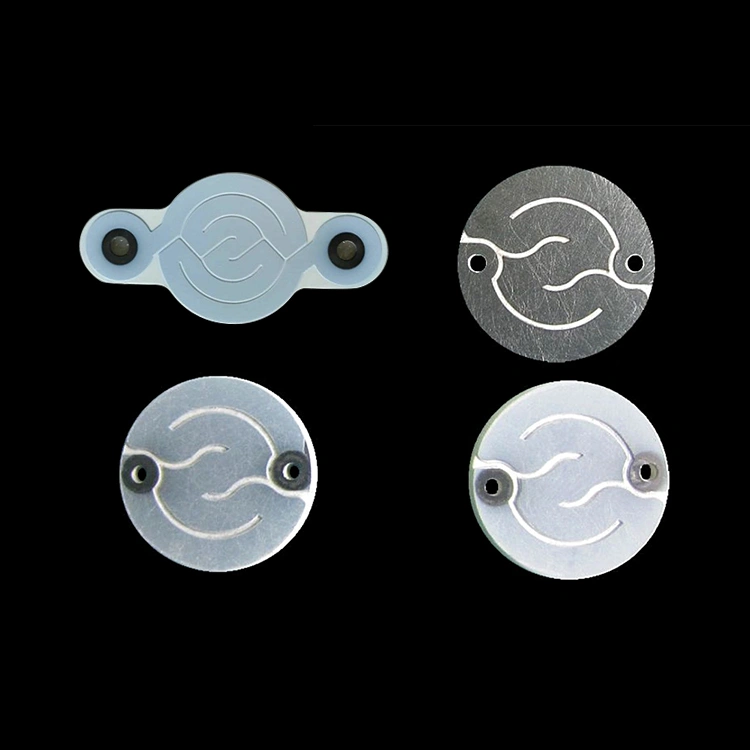
A boron nitride heater is a ceramic heating component used in vacuum, inert gas and controlled-atmosphere systems where clean heating, electrical insulation and thermal stability are required. Depending on the design, the heater may use a PBN–PG–PBN structure, where pyrolytic graphite provides the resistive heating path and pyrolytic boron nitride acts as the insulating ceramic layer.

ADCERAX supplies custom boron nitride heater components for heating fixtures, sample stages, crystal-growth equipment, thin-film process chambers and high-temperature laboratory systems. Heater geometry, power rating, terminal layout and mounting features should be reviewed according to the actual chamber structure and operating atmosphere.

Boron Nitride Heater Design Advantages

Clean Heating Surface

Boron nitride provides an electrically insulating ceramic surface that helps separate the heating path from surrounding components. This is useful in vacuum and controlled-atmosphere systems where contamination control and electrical isolation matter.

Custom Heating Geometry

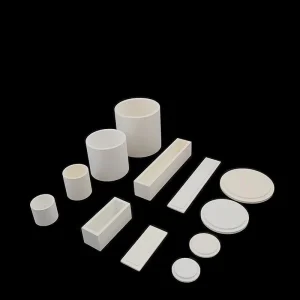
BN heater components can be reviewed in flat, ring-shaped, circular, rectangular or special geometries according to the fixture design. Holes, slots, terminals, sensor positions and mounting features can be evaluated from drawings.

Thermal Response and Zone Control

A PBN–PG–PBN heater design can support fast thermal response and customized heating paths. For multi-zone heaters, the heating pattern, resistance distribution and power input should be reviewed together with the controller and chamber layout.

Vacuum and Inert Gas Compatibility

BN and PBN-based heater structures are commonly considered for vacuum or inert gas environments. Actual suitability depends on atmosphere, temperature, gas composition, pressure, insulation design and electrical connection method.

Boron Nitride Ceramic Heater Properties

The following values are reference material properties for design discussion only. Final heater performance depends on material grade, geometry, heating path, atmosphere, power input, insulation design and testing conditions.

Property Unit PBN Reference Material Hot-Pressed BN Plate Material
Purity 99.99% 99.50%
Density g/cm³ 2.15-2.19 1.96-2
Hardness HV0.5 651 62
Volume resistivity Ohm*cm 2*1014 1.2*1014
Dielectric strength kV/mm 55 76
Maximum working temperature 1000 (air), 2300 (vacuum) 900 (air), 1850 (vacuum)
Bending strength MPa 173 (A direction) 310
Thermal conductivity W/m*K 60 (A direction) 55
Tensile strength MPa 112 (A direction) 110
Thermal expansion coefficient /℃ 6*10-7 1.8*10-6
Compressive strength MPa 154 (A direction) 120


Boron Nitride Heater Specifications

Boron Nitride Heater
Item No. Diameter(mm) Height (mm)
AT-BNC-H1001 Customize


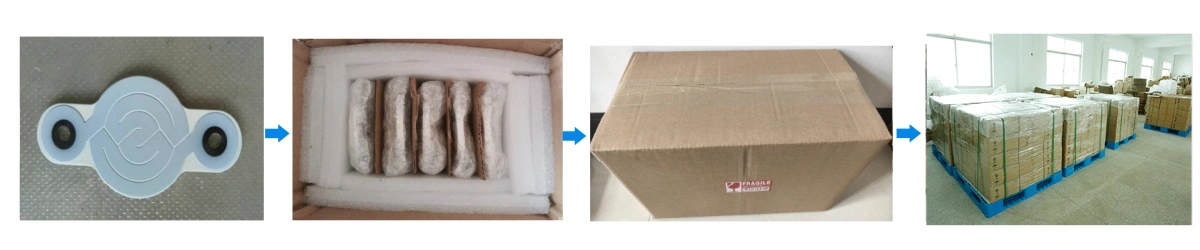
BN Heater Packaging

  • Each heater is individually packed in anti-static pouches.
  • Placed inside foam-cut trays with cavity support for all diameters.
BN Heater Packaging

Application Areas for BN and PBN–PG–PBN Heaters

  • Vacuum Heating Fixtures

    BN heater components are used in vacuum heating assemblies where electrical insulation, clean heating surfaces and compact heater geometry are important. They are suitable for localized heating, sample heating, fixture heating and chamber-mounted thermal control structures.

    For custom vacuum systems, the heater design should be reviewed together with chamber size, mounting clearance, insulation layout, terminal position and target temperature profile. A well-matched BN heater helps reduce installation conflicts and supports more stable thermal control inside limited chamber space.

  • Thin-Film and Research Chambers

    For PVD, ALD, MBE and laboratory deposition systems, heater design often needs to balance thermal response, surface cleanliness, outgassing control and compatibility with nearby fixtures. BN and PBN–PG–PBN heater structures can be considered when the heating surface must remain electrically insulated and process contamination needs to be minimized.

    ADCERAX can review drawings, chamber conditions and process requirements before recommending a suitable BN heater structure. Key review points usually include heating zone layout, sensor position, terminal direction, power input and available mounting space.

  • Crystal Growth and High-Temperature R&D

    BN heater components may be used in crystal-growth equipment, high-temperature test platforms and advanced material research systems where controlled heating and low contamination risk are important. These applications often require careful matching between heater geometry, insulation design, sample position and temperature measurement method.

    For research equipment, the heater is usually not a standard consumable part. The final structure should be selected according to atmosphere, sample size, heating area, ramp profile, power supply and measurement layout. Custom holes, rings, slots or multi-zone designs can be reviewed from drawings.

  • Metallurgical and Controlled-Atmosphere Processing

    In selected vacuum or inert-gas metallurgical systems, BN heater parts can support localized heating, sample heating or fixture heating around reactive materials, small metal samples or high-temperature process zones. BN’s electrical insulation and thermal stability make it useful when metal fixtures or graphite heaters are not suitable alone.

    For molten metal, reactive vapor or aggressive gas environments, material compatibility should be confirmed before production. Atmosphere type, oxygen exposure, vapor chemistry, insulation method and terminal protection are important factors in the design review.

Pyrolytic Boron Nitride Heater Usage Instructions

BN and PBN–PG–PBN heaters require careful handling because the ceramic insulation layer, heating path, terminals and mounting area all affect heating stability. The following guidelines help buyers reduce installation stress, electrical connection problems and atmosphere-related damage during use.

  • Installation

    The heater should be mounted on a flat, rigid and clean support surface to avoid point stress, bending or local distortion during heating. Mounting screws, ceramic clamps or graphite fixtures should apply even pressure without forcing the heater body.

    Before power connection, the terminal position, thermocouple location, insulation clearance and grounding condition should be checked carefully. The heater should not directly contact surrounding metal parts unless the design allows it, because unwanted contact may cause electrical leakage, local overheating or unstable temperature control.

    For custom chambers, it is recommended to confirm the heater drawing, mounting clearance and terminal direction before installation. This is especially important for disc heaters, ring heaters, plate heaters and multi-zone heating structures.

  • Operation

    Power should be increased gradually through a programmable controller instead of applying full power suddenly. A controlled ramp helps reduce thermal shock, current surge and local overheating around terminals or thin heating sections.

    The operating atmosphere should match the heater design. BN and PBN-based heaters are generally more suitable for vacuum, inert gas or controlled-atmosphere environments. If the heater contains a graphite or pyrolytic graphite heating layer, high-temperature exposure to oxygen or oxidizing gas should be limited because the conductive layer may be damaged.

    During operation, users should monitor surface temperature, resistance change, power stability and temperature feedback. For multi-zone heaters, each zone should be calibrated separately to support better in-plane temperature balance.

  • Storage and Handling

    BN heater components should be stored in a dry, clean and temperature-stable environment. Precision heaters should remain in their original protective packaging until installation to prevent dust contamination, surface scratches or terminal damage.

    Heaters should not be stacked directly or loaded with heavy parts. During handling, avoid impact on edges, terminal areas and thin ceramic sections. For precision PBN–PG–PBN heaters, gloves or clean tools are recommended to reduce surface contamination before installation.

  • Cleaning

    The heater surface should be cleaned only with approved dry, lint-free and non-abrasive materials. Direct scrubbing, scraping or grinding should be avoided because the ceramic surface and internal heating layers may be damaged.

    If contamination occurs, the cleaning method should be selected according to the contaminant type and heater structure. Dry inert gas blowing or approved neutral cleaning methods may be considered when suitable. Solvents, ultrasonic cleaning and thermal drying should only be used after confirming compatibility with the heater design.

  • Common Issues & Solutions

    1. Uneven Heating → Check zone wiring, thermocouple calibration, or contact pressure; confirm zone power balance.
    2. Reduced Insulation → Inspect for surface moisture or contamination; dry in vacuum at 100–150 °C for 2 h if necessary.
    3. Slower Ramp Rate → Verify controller output and inspect the PG resistance; adjust current curve for proper rise time.
    4. Localized Hot Spots → Ensure clamp uniformity and verify chamber pressure balance.
    5. Oxidation Traces → Review process gas purity and reduce air exposure above 400 °C.

Boron Nitride (BN) Heater FAQ

What is a boron nitride heater used for?

A boron nitride heater is used in vacuum, inert gas and controlled-atmosphere heating systems where electrical insulation, clean heating surfaces and stable thermal response are required. Common applications include sample heating, crystal-growth equipment, thin-film process chambers, laboratory vacuum systems and selected high-temperature fixtures.

Is a boron nitride heater the same as a PBN–PG–PBN heater?

Not always. Boron nitride heater is a broad product term, while a PBN–PG–PBN heater usually refers to a layered structure using pyrolytic boron nitride as the insulating ceramic layer and pyrolytic graphite as the resistive heating path. The correct structure should be selected according to atmosphere, temperature, geometry and power requirements.

Can a BN heater be customized for my chamber design?

Yes. Custom options may include diameter, thickness, plate or ring shape, mounting holes, terminal orientation, heating zone layout, sensor position and electrical rating. For accurate review, please provide drawings, target temperature, atmosphere, voltage, current, power and installation constraints.

How are voltage, current and power determined for a custom BN heater?

Voltage, current and power are determined by heater geometry, resistance path design, target temperature, chamber insulation, heat loss and controller capacity. These values should be calculated or tested for the actual equipment because the same heater may perform differently in different chamber structures.

Can boron nitride heaters be used in air?

BN and PBN-based heaters are generally more suitable for vacuum or inert gas environments. If the heater contains a graphite or pyrolytic graphite heating layer, high-temperature air or oxidizing conditions may damage the heating path or terminal area. The operating atmosphere should be confirmed before selection.

What information is needed before requesting a quotation?

Please provide the working temperature range, atmosphere, heater size, drawing or sketch, mounting method, voltage, current, power, controller type, terminal layout and quantity. Application photos or an old heater sample can also help the engineering team review feasibility.

How should BN heater components be packed and handled?

BN heater components should be packed with surface separation, cushioning and anti-static protection when required. During handling, avoid bending, point loading, terminal impact and contamination on the heating surface. For precision heaters, individual packaging and reinforced outer protection are recommended.

customize size

Boron Nitride Heater Customization Options

We offer comprehensive customization for PBN–PG–PBN heaters, covering prototype verification through mass production. What You Can Specify:

  • Dimensions: Outer/inner diameter up to Φ300 mm, thickness range 2–10 mm, tolerance ± 0.1 mm.
  • Heating Zones: Design from single-zone to 8-zone for optimized in-plane temperature control.
  • Electrical Rating: Define operating voltage, current, and total wattage to match your chamber’s power module.
  • Terminal Interface: Select lead type, connector orientation, and mounting hole layout for direct integration.
  • Surface Finish: Choose from as-deposited, polished, or coated surfaces to balance emissivity and cleanliness.
  • Temperature Sensing: Integration of K-type or C-type thermocouples or sensor-ready ports.
  • Assembly Geometry: Options for flat plate, ring, wafer chuck, or custom 3D form according to your fixture.

Related Products

ADCERAX - Your Trusted Advanced Ceramics Manufacturing Partner

Direct factory manufacturing with comprehensive ceramic materials expertise and global supply capabilities

China-Based Manufacturer

ADCERAX supplies ceramic components for overseas OEMs, equipment builders, and labs.

Custom Drawing Support

We review drawings, dimensions, materials, and application conditions before quotation.

Ceramic Process Control

Forming, sintering, machining, grinding, and finishing are arranged by part requirements.

Pre-Shipment Inspection

Dimensional checks, visual inspection, and packaging review help reduce procurement risk.

Get in Touch with Us

Our team will be happy to respond to you in less than 24 hours.

Pingxiang Factory — Silicon carbide, silicon nitride, high-temperature ceramics

Quick Quotation

*Our team will answer your inquiries within 24 hours.

*Your information will be kept strictly confidential.

Ready to Solve Your Engineering Challenge?

Partner with ADCERAX for reliable, high-performance advanced ceramic solutions. Our engineers are ready to discuss your project.

E-mail

info@adcerax.com

Phone

+(86) 0731-74427743 | WhatsApp: +(86) 19311583352

Response Time

Within 24 hours

Quick Quote

The more details you provide, the faster we can quote.

*We respond within 24 hours. All inquiries are confidential.

Get Your Custom Solution

The more details you provide, the faster we can respond.

customize size

*We respond within 24 hours. All inquiries are confidential.

Download Catalog