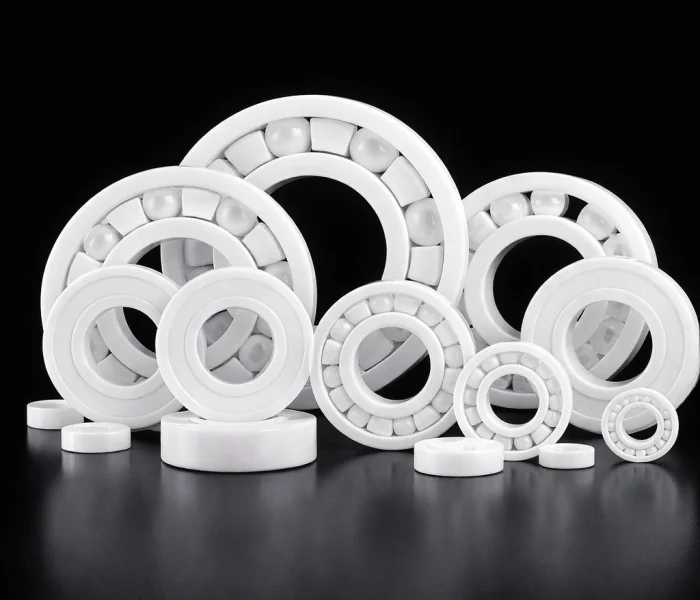
Ceramic Bearings for High-Speed and Special-Environment Rotation
Steel bearings start to struggle when heat, VFD current, corrosion, vacuum, or contamination push them past their limits. That’s where ceramic bearings help.
ADCERAX is a China-based manufacturer of custom ceramic bearings. We make hybrid and full ceramic bearings in silicon nitride, zirconia, silicon carbide, and alumina — from miniature sizes to large bores — for high-speed spindles, VFD
motors, pumps, and vacuum or clean-motion equipment.
Tell us your bearing series, dimensions, and operating conditions, and our engineers will review the fit before quoting.
What is a Ceramic Bearing?
A ceramic bearing is a bearing that uses ceramic rolling elements and/or ceramic raceways to support rotation with lower friction and stronger resistance to harsh operating conditions.
In most designs, the ceramic material is used where contact stress is highest—such as the balls, rollers, or rings—so the bearing can maintain smoother motion as speed, temperature, corrosion exposure, or contamination risk increases.
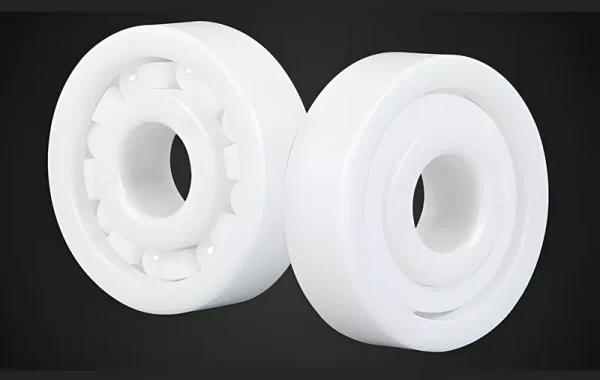
Ceramic Bearings Properties
Pick the material by duty, not by data-sheet length. Silicon nitride and zirconia cover most bearing cases; silicon carbide and alumina fit specific chemical, high-temperature or insulating needs.
| Property | Silicon Nitride (Si₃N₄) | Zirconia (ZrO₂) | Silicon Carbide (SiC) | Alumina (Al₂O₃) |
|---|---|---|---|---|
| Use in bearings | Hybrid balls; full ceramic | Full ceramic; some hybrid balls | Special full ceramic | Insulating / moderate-load |
| Density (g/cm³) | ~3.2 | ~6.0 | ~3.1 | 3.89 |
| Hardness (GPa) | ~15 | ~12 | ~25 | 17 |
| Fracture toughness (MPa·m¹/²) | 5–7 | 8–10 | 3–4 | 4 |
| Thermal expansion (10⁻⁶/K) | ~3.0 | ~10.3 | ~4.0 | 7.6 |
| Max temperature (reference, no load) | ~1200 °C | ~2000 °C | ~1600 °C | ≤1750 °C |
| Corrosion resistance | Good | Excellent | Excellent (pH 0–14) | Good |
| Electrical insulation | Excellent | Excellent | Low | Excellent |
| High-speed suitability | Best | Moderate | Moderate | Lower |
| Best-fit duty | High speed, VFD current insulation, vacuum, non-magnetic | Corrosion, impact tolerance, expansion closer to steel | Harsh chemical, high-temperature, high-wear | Insulating, moderate load, cost-sensitive |
Typical reference values; bearing operating limits are de-rated from material maximums and confirmed by engineering review before quotation.
Ceramic Bearing Types and Material Routes
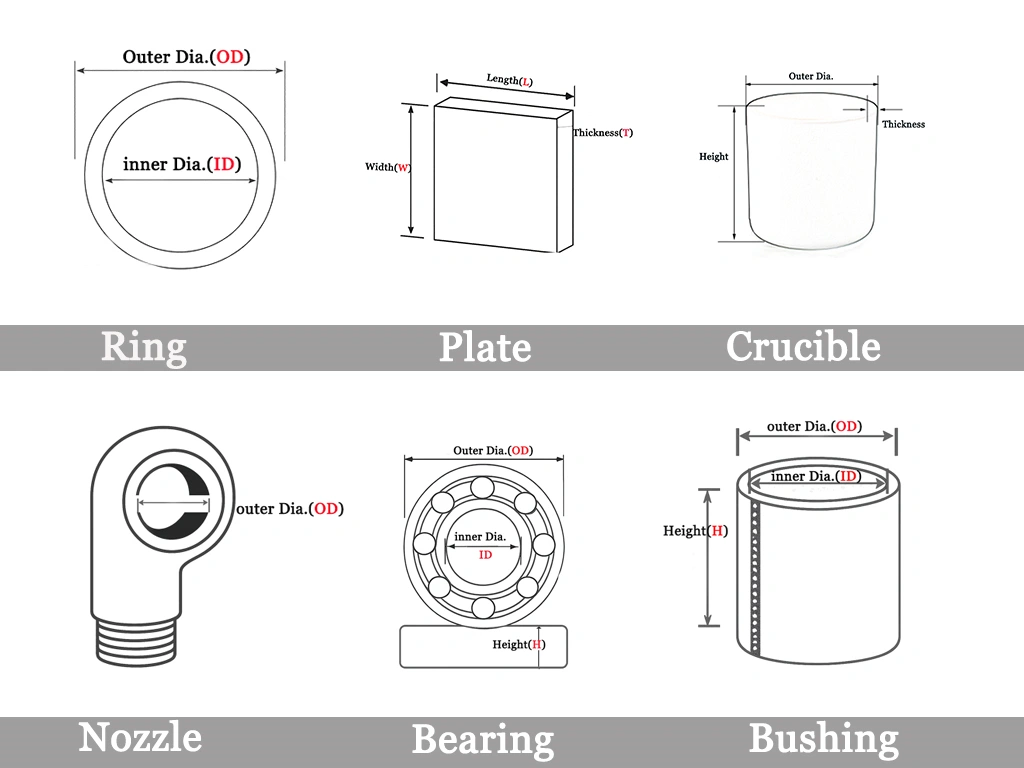
Ceramic bearings here include hybrid and full ceramic designs in miniature-to-large sizes. With ZrO₂ / Si₃N₄ / SiC / Al₂O₃ options and tight control on fit and finish, they minimize wear and heat rise while staying less oil-dependent.
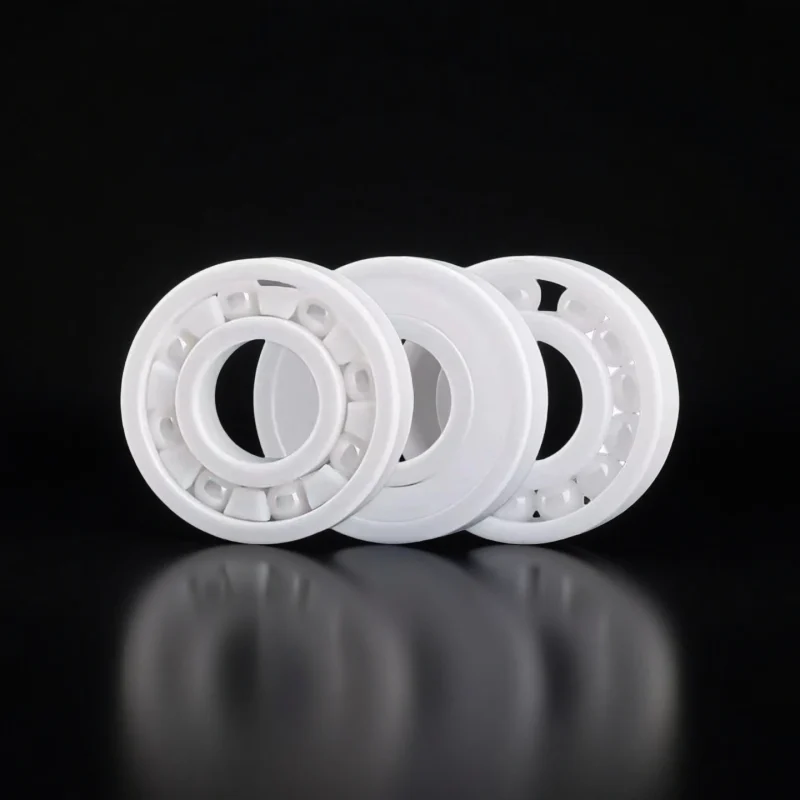
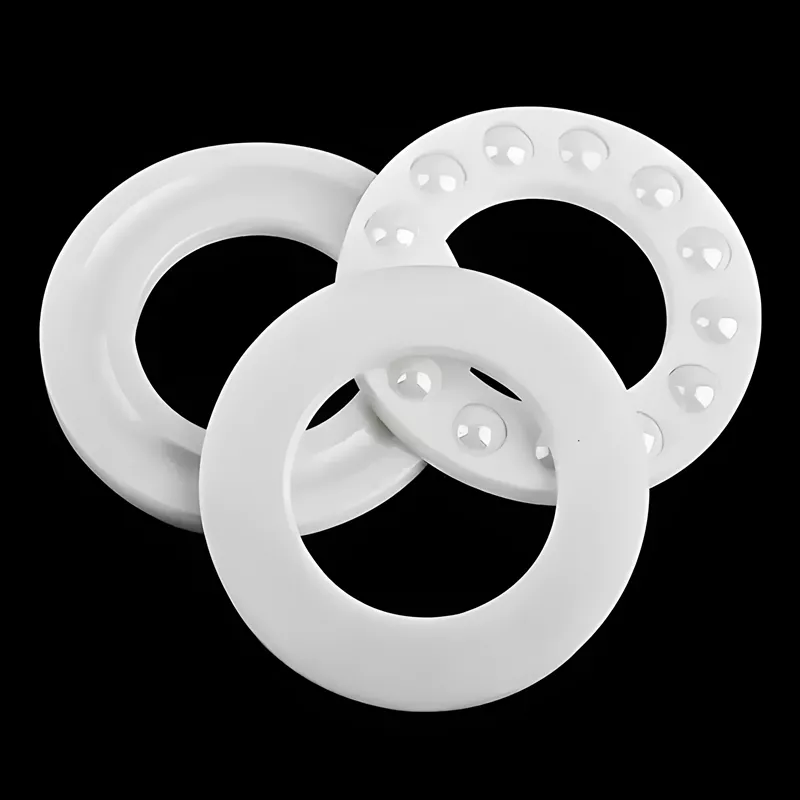
alumina ceramic bearing
Alumina bearing for stable insulation and low drift—helps prevent stray-current damage and contamination.
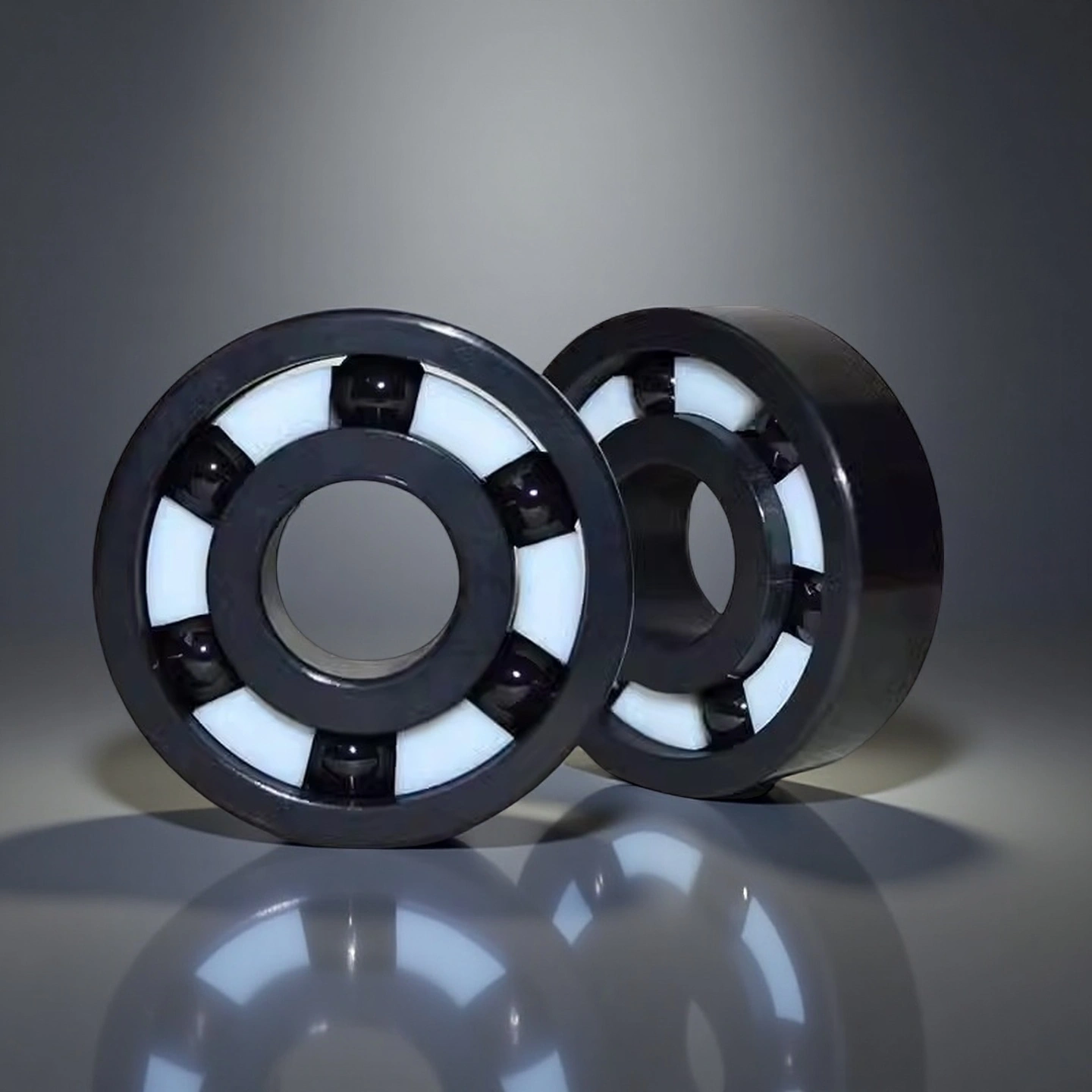
zirconia ceramic bearings
Zirconia (Zro2) ceramic bearings with higher toughness—reduce chipping and keep rotation stable under shock.
silicon carbide ceramic bearings
SiC ceramic bearings resist abrasion and corrosion—hold geometry in aggressive pump media.

silicon nitride ceramic bearing
Si3N4 Ceramic bearing built for high RPM—runs cooler and supports longer precision life.
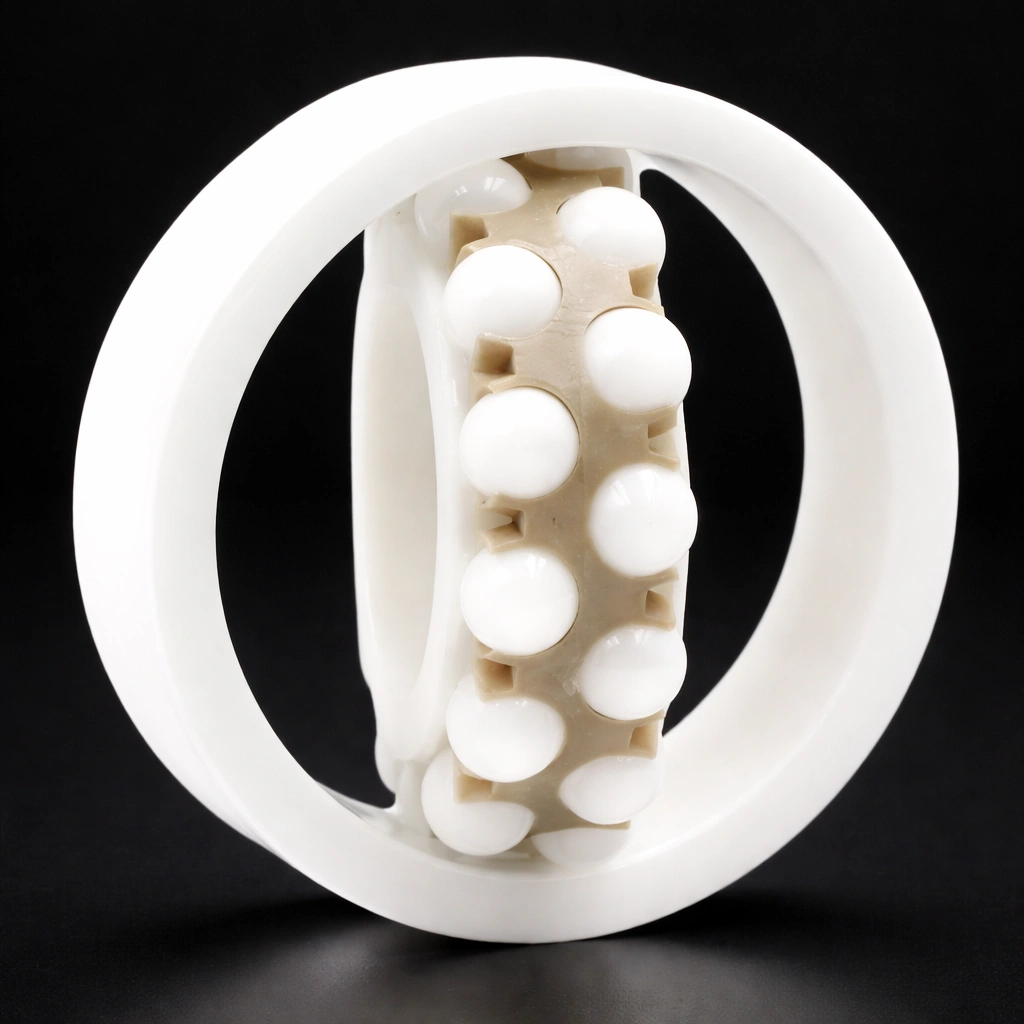
Ceramic Self-Aligning Ball Bearing
Ceramic self-aligning ball bearings tolerate misalignment, reduce edge loading, heat build-up, and early wear.
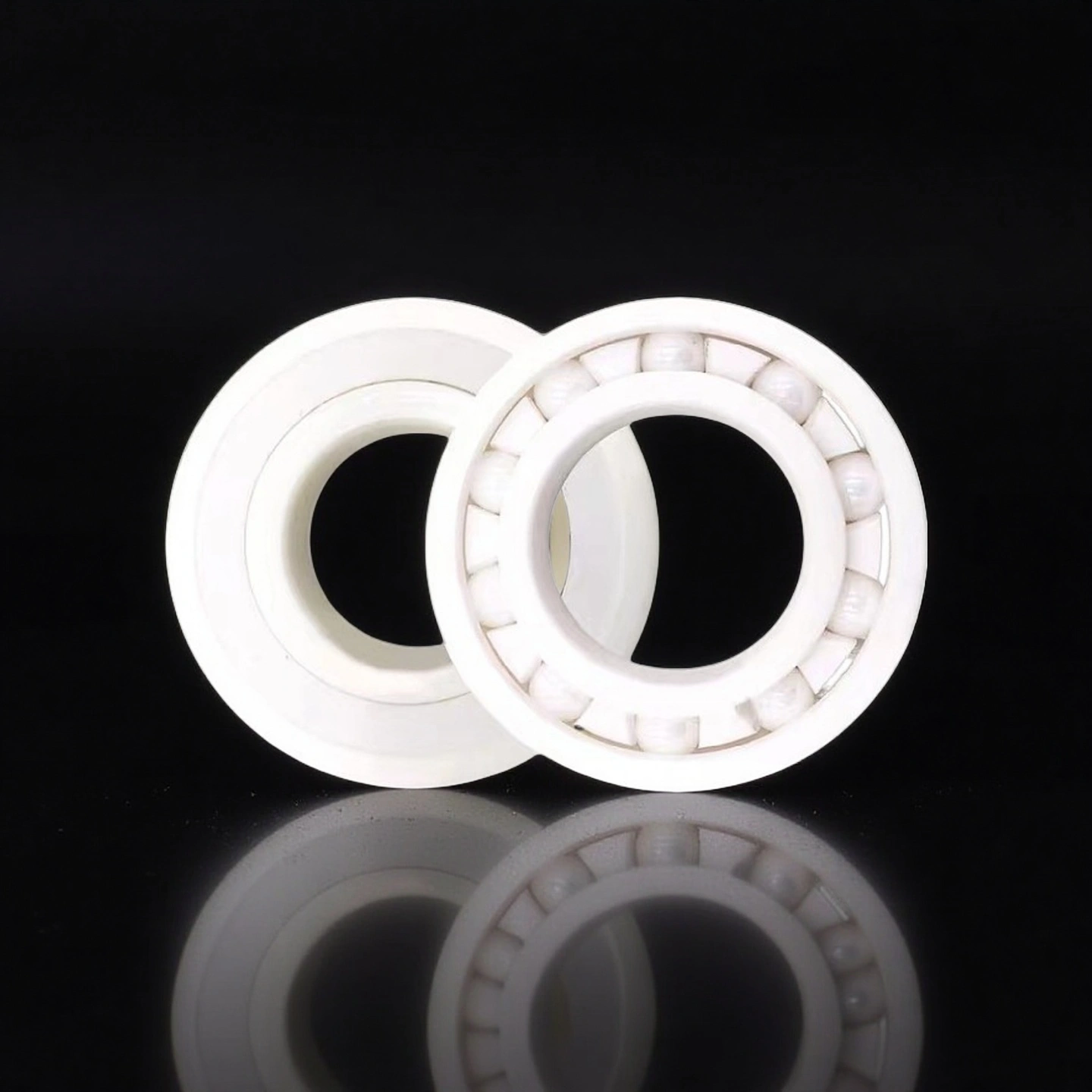
ceramic deep groove ball bearings
Ceramic deep groove ball bearings run with low friction and low noise, delivering rotation and long service life.
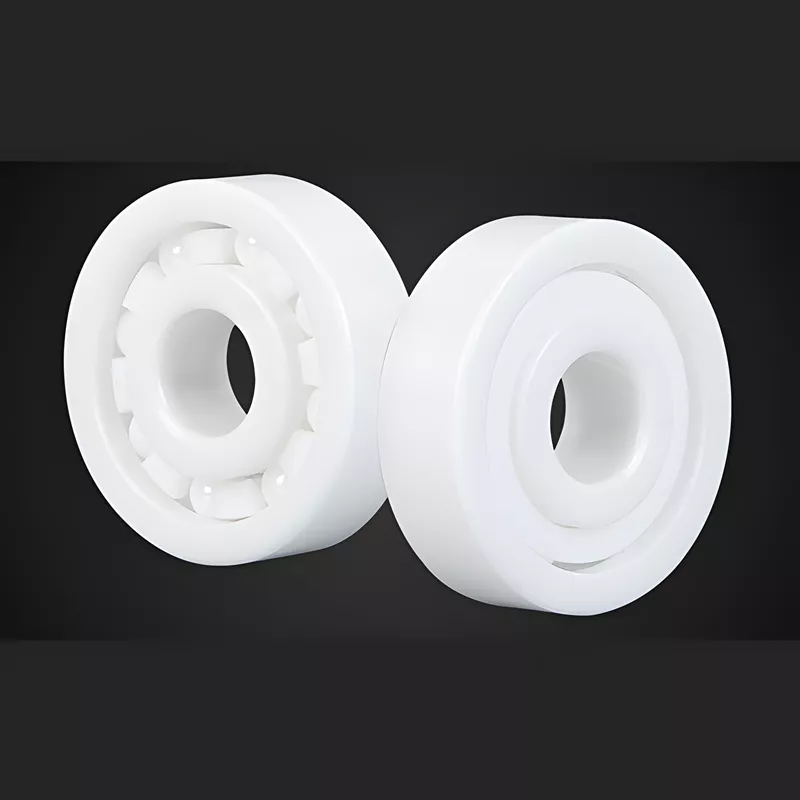
Angular Contact Ceramic Bearing
Angular contact ceramic bearings hold stiffness at high speed, supporting higher axial load and more stable runout.

ceramic thrust ball bearings
Ceramic thrust ball bearings carry axial load with low heat rise, helping prevent face scoring and premature seizure.
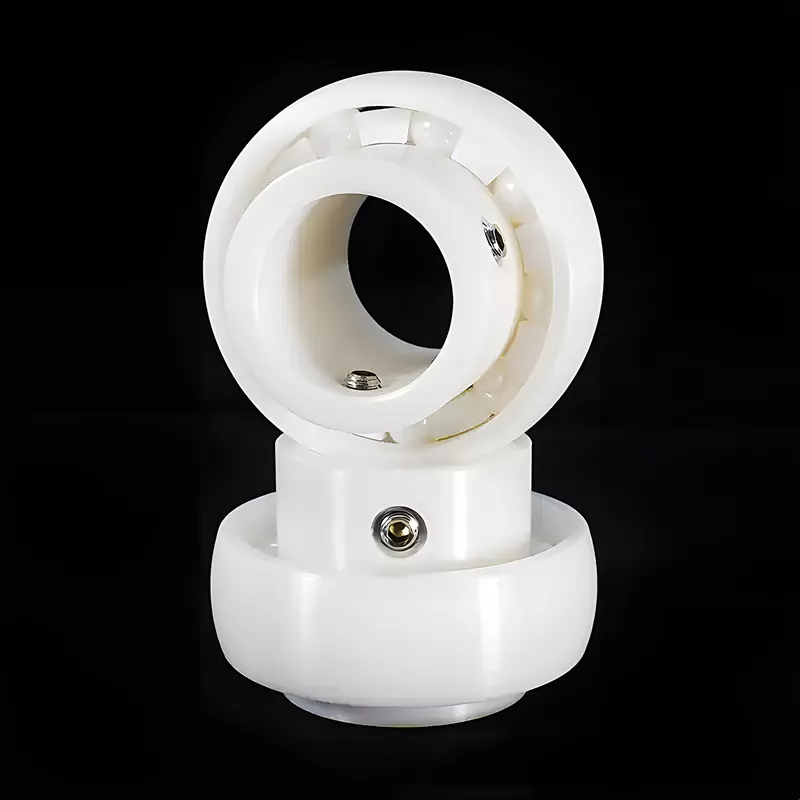
Ceramic Insert Bearing
Ceramic insert bearings resist corrosion and washdown attack, helping extend uptime in wet or chemical-duty service.
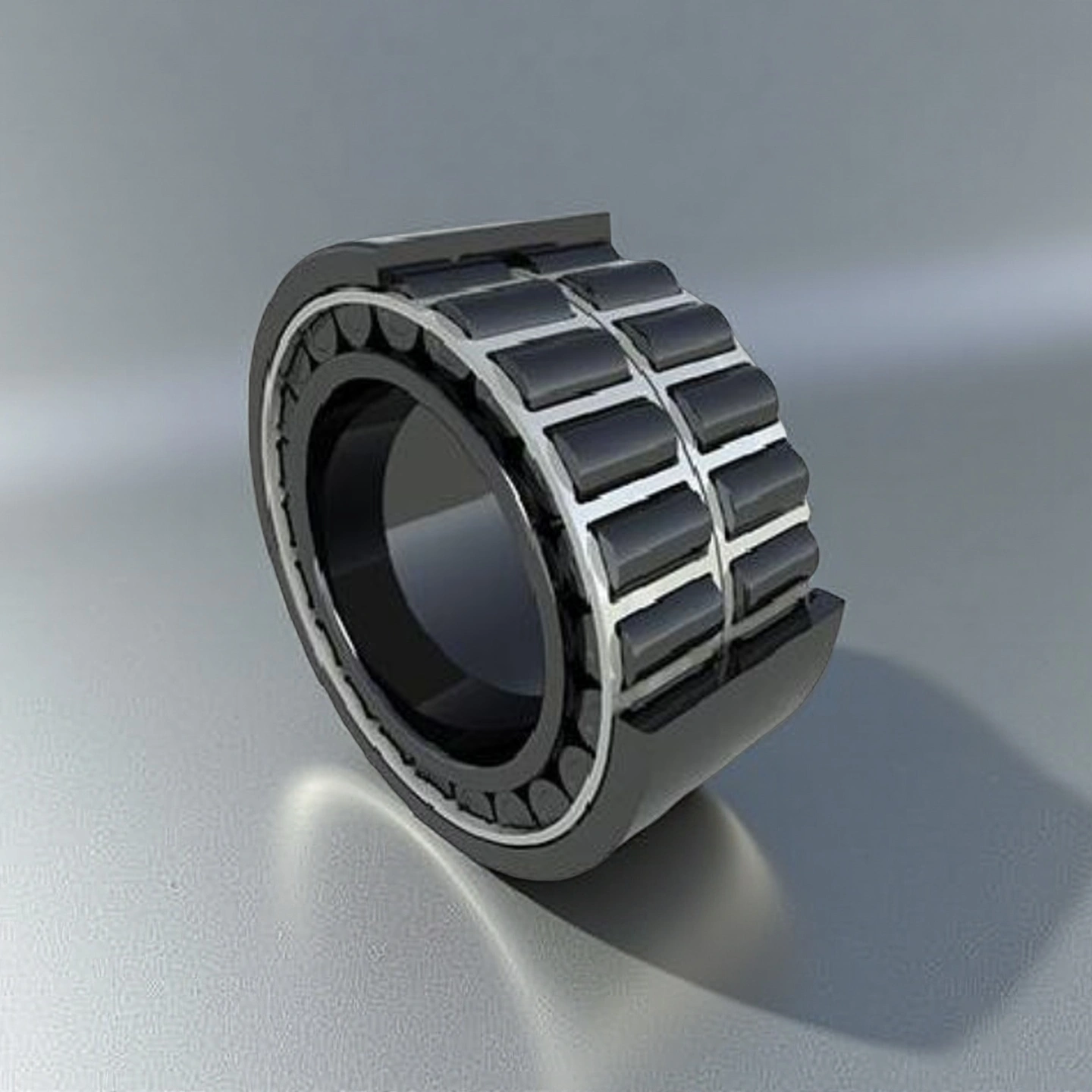
ceramic roller bearings
Ceramic roller bearings handle higher radial load with lower wear, extending life in abrasive or poor-lube duty.
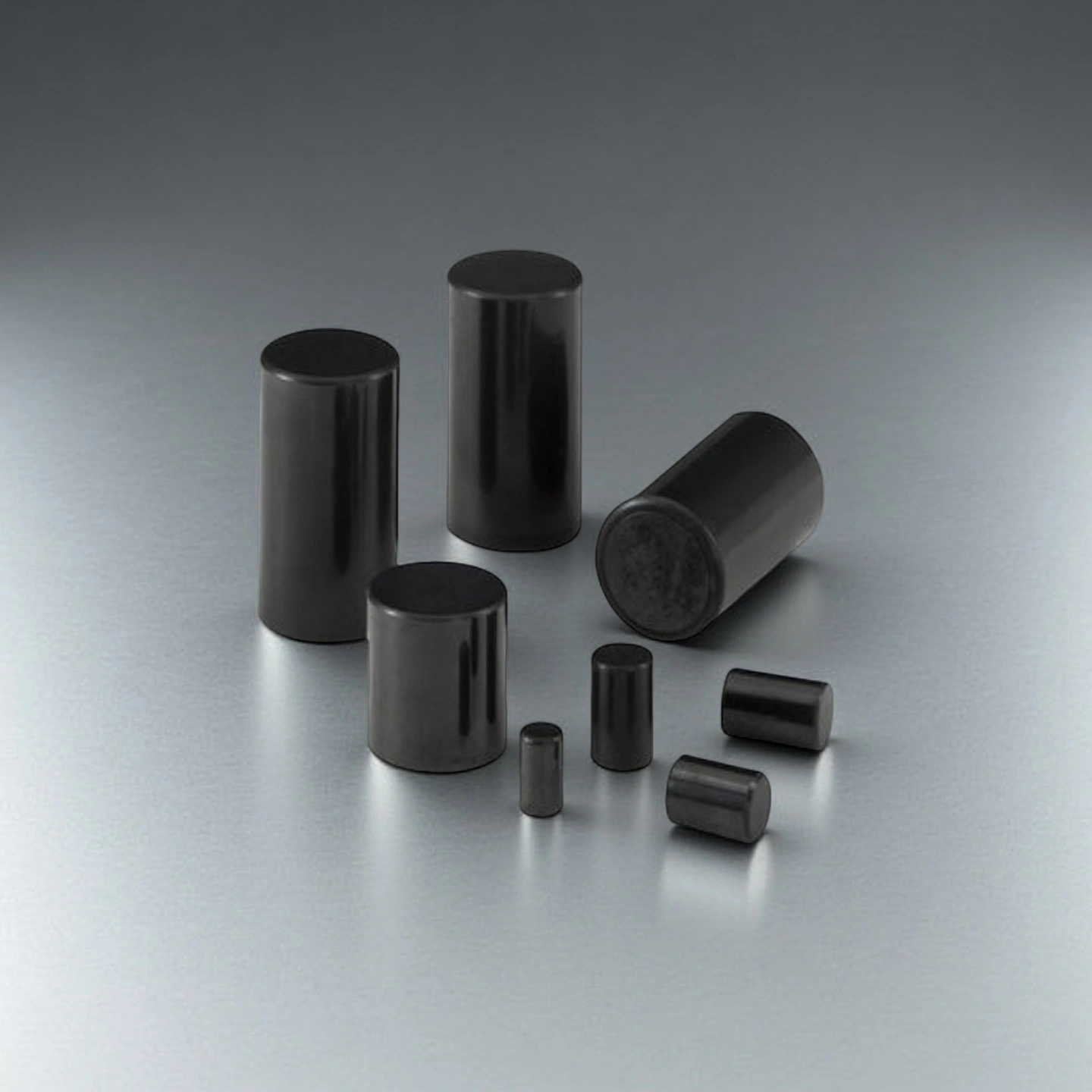
ceramic bearing rollers
Ceramic bearing rollers resist indentation and corrosion, keeping smoother rolling contact and steadier.
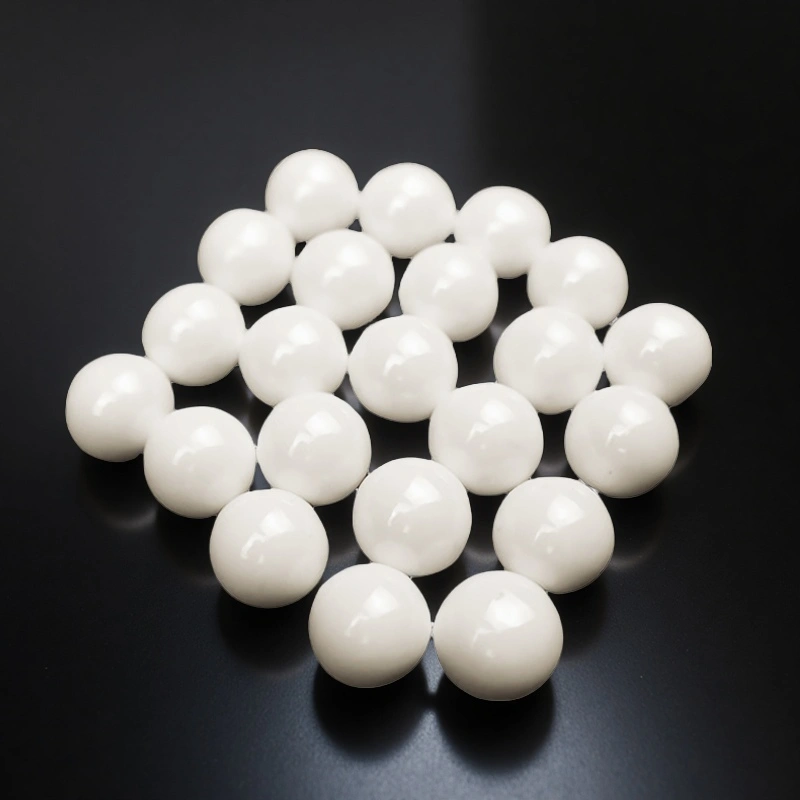
bearing ceramic ball
Bearing ceramic balls run hard and low-drag, reducing skid, vibration, and contamination versus steel balls.
Built for demanding rotation — reviewed for your duty, not sold as one-size-fits-all.
Talk to an engineer about fit-critical ceramic bearing solutions.
High Performance Ceramic Bearing Applications
Ceramic bearings are selected when steel bearings fail in a specific way — heat and grease breakdown at high RPM, electrical pitting on VFD drives, corrosion in wet or chemical duty, or contamination in clean and vacuum systems. Find your failure mode below.
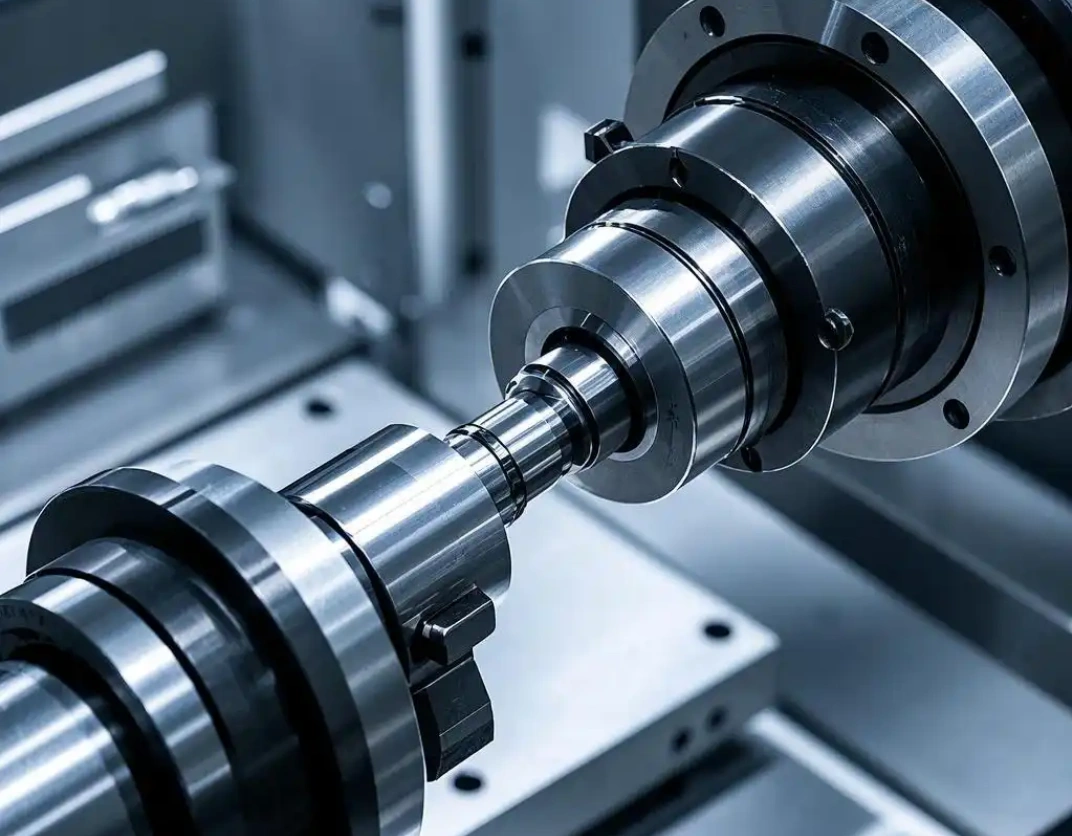
High-Speed Spindles & Machine Tools
- Pain: heat build-up, grease breakdown, vibration drift
- Why ceramic helps: Si₃N₄ balls are ~60% lighter than steel, so hybrid spindle bearings generate less centrifugal load and friction heat, helping hold preload and runout at speed. Actual RPM limits depend on cage, preload, fit and lubrication — confirmed per bearing.
- Send us:spindle series, RPM, preload/precision class, lubrication, and the failure you see.
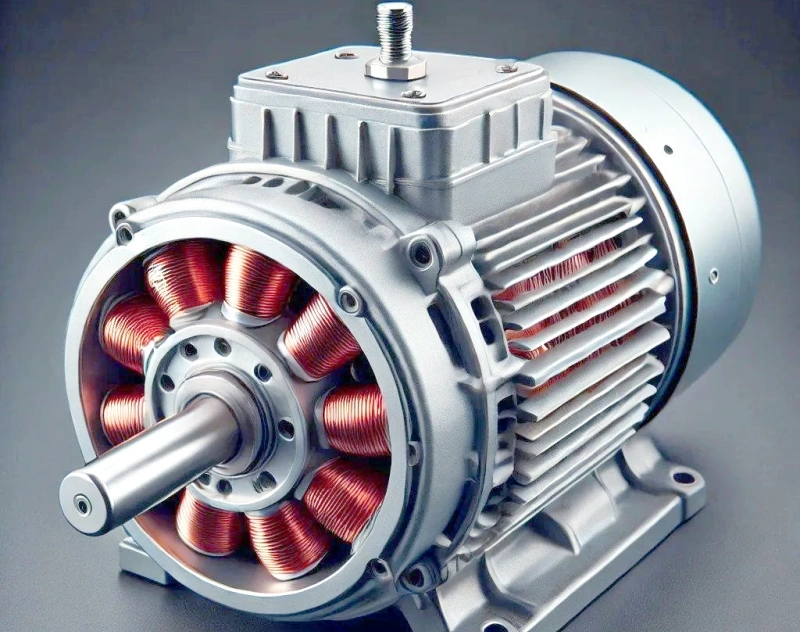
Electric Motors, Generators & VFD Drives
- Pain: bearing current erosion — fluting, pitting, early grease failure on VFD-driven motors.
- Why ceramic helps: ceramic rolling elements are non-conductive and interrupt the shaft-current path through the bearing. Reviewed per motor and drive setup, not sold as a universal cure.
- Send us: motor type, VFD/current issue, old bearing reference, and C3/clearance if known.
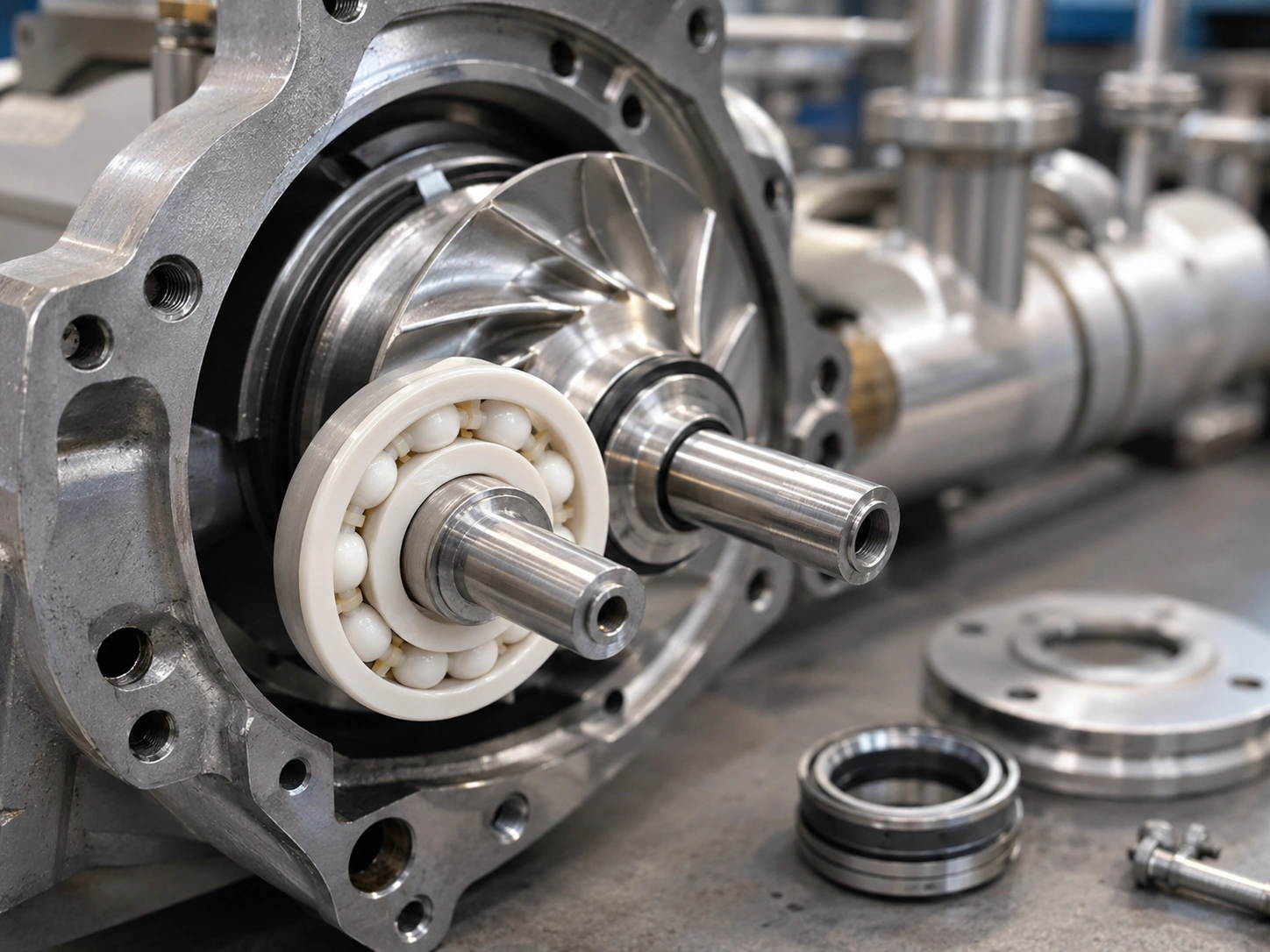
Vacuum & Chemical Pumps
- Pain: corrosion, lubricant loss, seizure in wet, chemical or vacuum duty.
- Why ceramic helps: full ceramic bearings resist media that pit steel, and can run with minimal lubrication — sometimes with load/speed de-rating and special cage/seal choices.
- Send us: medium, vacuum level, load, speed, temperature, and cage/seal needs.
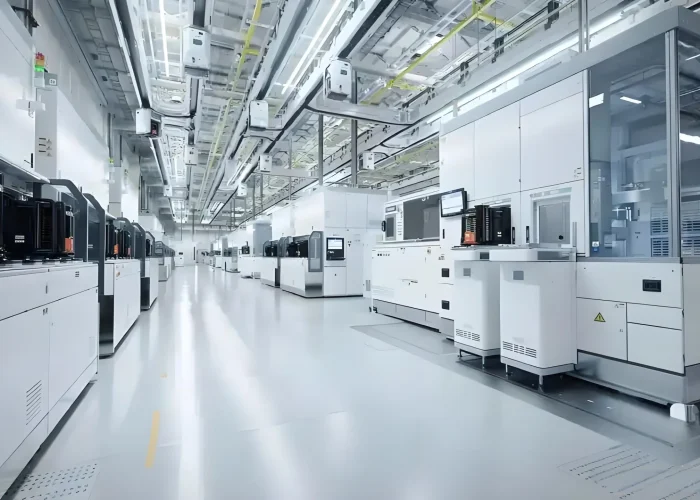
Semiconductor & Clean-Motion Equipment
- Pain: particle contamination, magnetic interference, outgassing in clean or vacuum sections.
- Why ceramic helps: ceramic bearings offer non-magnetic, insulating and low-contamination options where standard steel bearings are the weak point.
- Send us: cleanliness/vacuum/particle requirements and the equipment section.
Custom Ceramic Bearings — When the Standard Size Doesn't Fit
From one-off prototypes to repeat production — miniature to large bores, manufactured and inspected in-house.
Customization Options
Your dimensions fall outside standard series. We build to your ID / OD / width from your drawing — no need to redesign the assembly around a catalog size.
Send the old part, a photo, or the marking. We reverse the specification, review the failure cause, and propose a ceramic route that fits the same seat.
Keep your shaft and housing. We review whether a hybrid or full ceramic bearing can run in the existing space, with clearance and fit corrected for ceramic.
Vacuum, chemical, clean or non-magnetic duty — cage, seal and lubrication are selected per environment, not defaulted from a standard size.
Customization Process
type, size, material, duty, quantity, or just your drawing
we confirm material, dimensions, clearance and finish
manufactured to spec with critical-dimension inspection records
chip-protective packing with export documentation
ADCERAX — A Custom Precision Ceramic Bearing Manufacturer
ADCERAX is the advanced-ceramics brand of HUNAN ATCERA CO.,LTD, manufacturing since 2010 with two production bases in Liling (Hunan) and Pingxiang (Jiangxi). Forming, sintering, precision machining and inspection are done in-house — so the bearing you get matches the drawing you sent.
15+ years of advanced ceramics production behind the ADCERAX
Liling, Hunan + Pingxiang, Jiangxi, factory-direct supply
grinding, lapping and dimensional inspection under one roof
every custom RFQ checked for manufacturability first
Ceramic Bearings Processing
Every ADCERAX bearing goes through four in-house controlled steps — from powder to finished raceway — so what you receive matches what you approved.
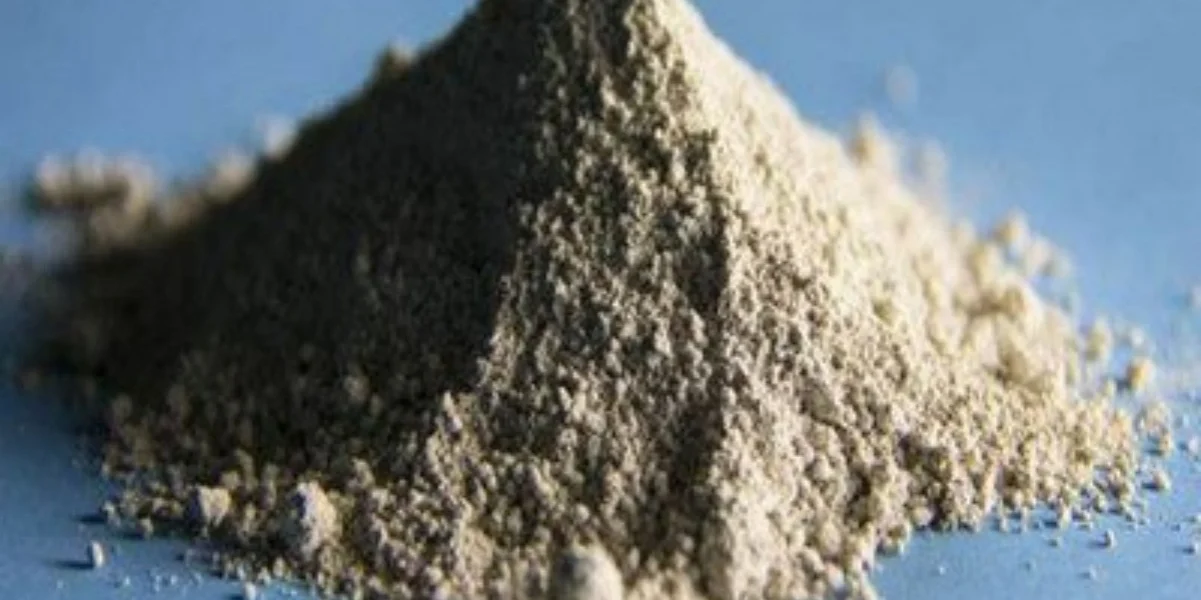
1.Material & Recipe Control
Bearing-grade ZrO₂ / Si₃N₄ / SiC / Al₂O₃ powders, batched and lot-traced. Controls: density consistency and batch-to-batch repeatability.
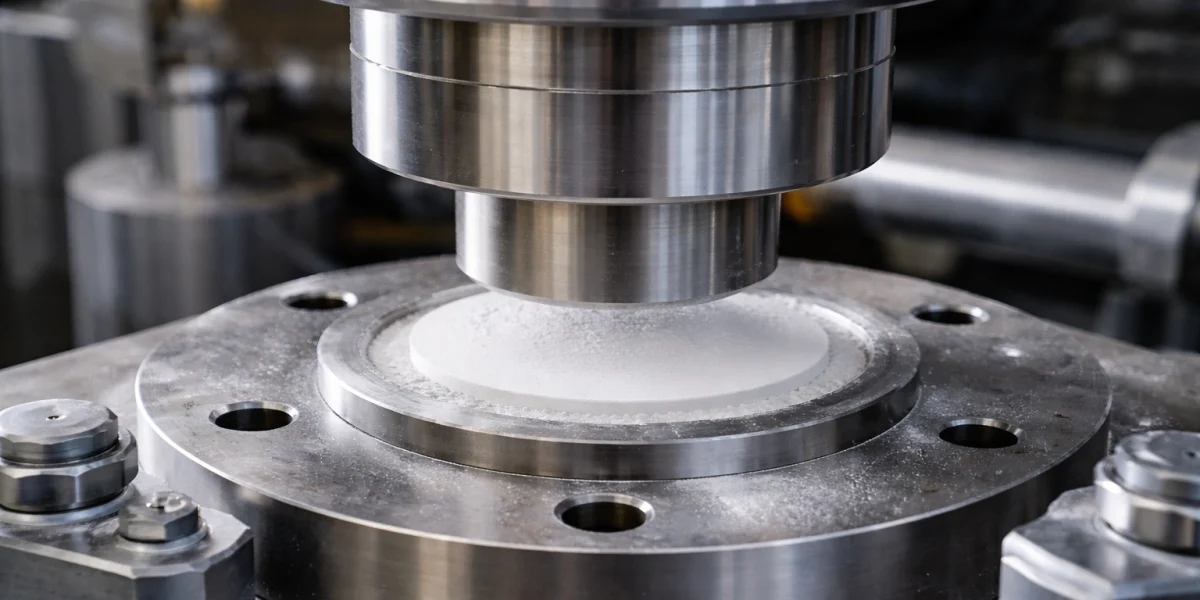
2. Forming & Green Machining
Pressing, CIP or injection molding; green machining for ID/OD and raceway preforms. Controls: geometry repeatability and roundness/runout.
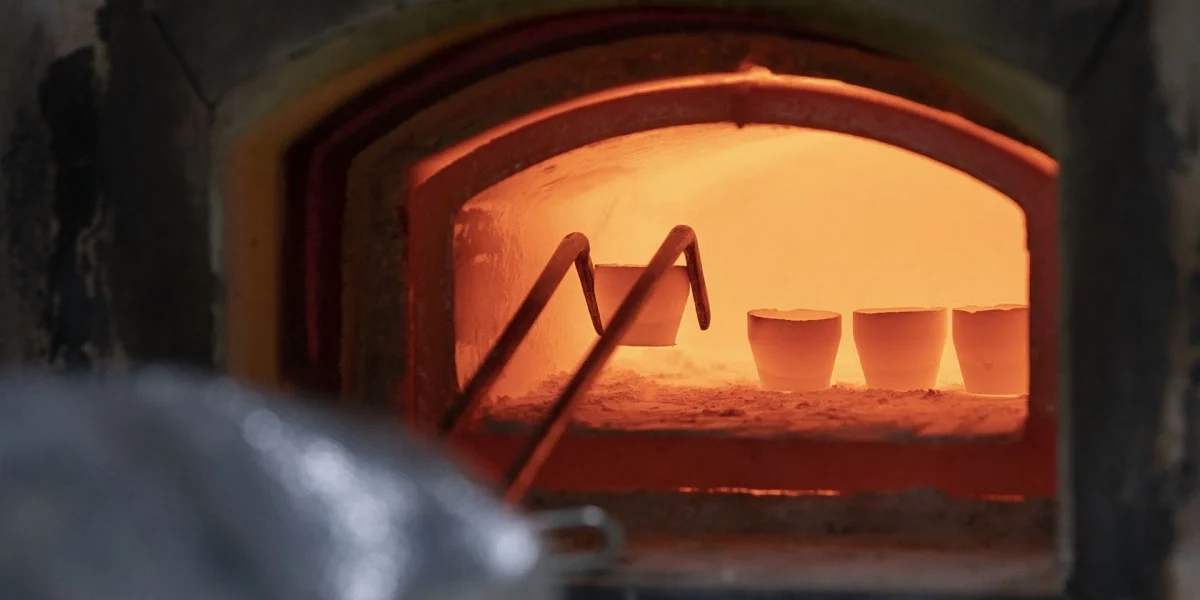
3. Sintering & Dimensional Stabilization
Controlled high-temperature firing with managed shrinkage. Controls: final density, strength and dimensional stability.
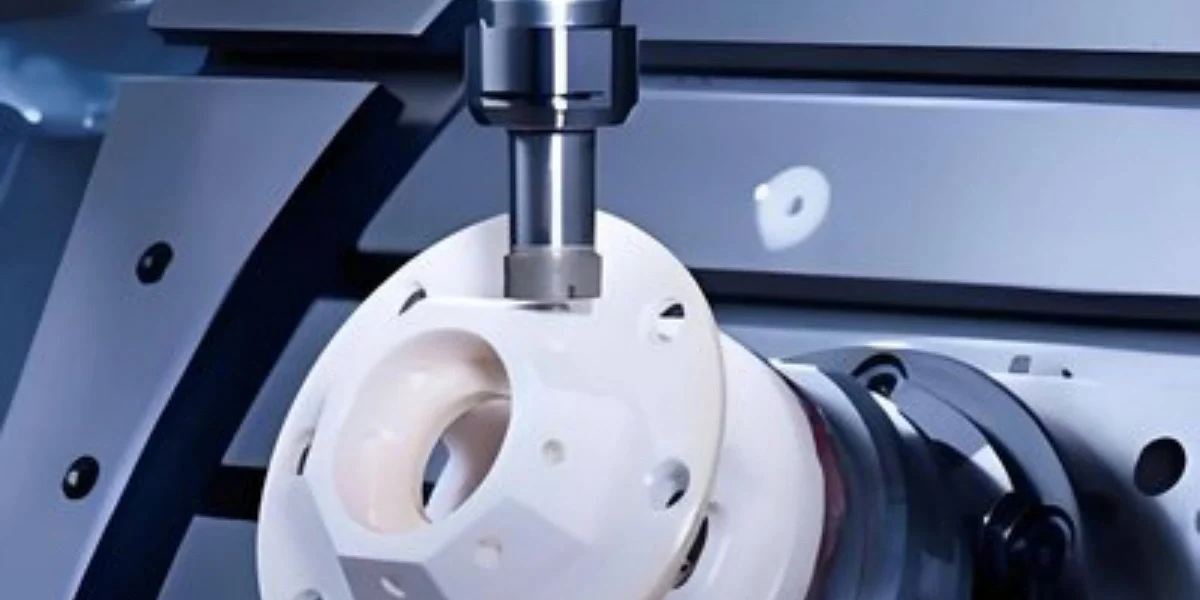
4. Precision Finishing
Rings and balls ground and lapped to fit-critical tolerances. Controls: raceway finish, runout and seating accuracy.
FAQs About Ceramic Bearings
- Hybrid (ceramic balls + steel rings) is the usual route for high-speed spindle and motor duty — lower friction and heat, with metal-ring toughness.
- Full ceramic (ceramic rings + balls) fits corrosion, vacuum, non-magnetic or lubrication-free service.
Share speed, load and failure mode; we confirm the route.
- Si₃N₄ — light and hard, first choice for high-speed hybrid balls.
- ZrO₂ — corrosion-resistant and tough, expansion close to steel.
- SiC — harsh chemical and high-temperature duty, more brittle.
- Al₂O₃ — economical for insulation and moderate load.
Final choice depends on load, speed, temperature and medium.
They pay off when failure is expensive — downtime, frequent changeouts, electrical pitting or corrosion seizure. Compare cost per operating hour, not unit price. For low-speed, ambient standard duty, steel is usually better value.
Not by themselves. Lighter ceramic balls cut friction and heat, which can allow higher speed — but cage, lubrication, preload and fit set the real limit. Speed benefits are confirmed per bearing, not by material alone.
They can — ceramic balls resist surface damage and micro-sliding. But low noise mainly comes from runout, preload, clearance and raceway finish; wrong fits will still vibrate.
Some full ceramic designs run dry or near-dry under light-to-moderate load in clean environments. High load, speed or contamination makes dry running risky, so it is confirmed case by case.
Bearing type and size or drawing, material, hybrid or full, clearance/preload and precision if required, speed, load, temperature, medium, lubrication and quantity. For spindles, add balance grade and noise limits.
They are more brittle than steel, so impact and stress risers are the risks. Correct fits, edge radii, clean assembly and controlled preload manage this; ZrO₂ tolerates handling better than SiC, and hybrids keep tough metal rings.
Keep them clean, correctly sealed and correctly lubricated. Most failures come from contamination, wrong grease or misalignment — not the ceramic. Watch noise, vibration and temperature trends, and avoid over-greasing.
Grade is the ball precision class: Grade 3 (tightest) for ultra-precision and high speed, Grade 5 for general precision, Grade 10 for standard duty. Specify grade and bearing precision per RFQ — no default stock class is assumed.
Ceramic powder is formed into rings and balls, sintered at high temperature, then precision ground and lapped. Bearings are assembled as hybrid or full ceramic and inspected for runout, clearance and rotation smoothness.
From specialized manufacturers such as ADCERAX, a China-based ceramic bearing manufacturer serving industrial buyers worldwide. Send your series, size, route and operating conditions for an engineering-reviewed quotation.
Email info@adcerax.com with: 608 hybrid or full ceramic, material (Si₃N₄ or ZrO₂), seals (open, 2RS or ZZ), ball grade if precision matters, and quantity. Adding speed, load and environment makes the quote faster and more reliable.
Ceramic wins on corrosion, friction and heat, electrical insulation and speed stability; steel wins on shock tolerance and cost. Hybrids keep steel rings, so ring corrosion still depends on ring and seal; full ceramic extends the benefits to the rings. Your duty sets the boundary — confirmed by review.
Ceramic Bearing RFQ Checklist
Include these with your drawing or old-part photo for a fast, accurate quote:
- Bearing type: deep groove, angular contact, thrust, insert or roller
- Series or dimensions: 608, 6202, 7005 — or ID / OD / width
- Hybrid or full ceramic route
- Material: Si₃N₄, ZrO₂, SiC or Al₂O₃
- Cage, seals and lubrication: PEEK / PTFE / 316; open, 2RS or ZZ
- Clearance, preload and precision class if required
- Duty: speed, load, temperature, medium, vacuum or VFD
- Quantity, and the old bearing or failure reason if replacing
A bearing reference or an old part alone is enough to get started; the rest is
confirmed during engineering review.
*Our team will answer your inquiries within 24 hours.
*Your information will be kept strictly confidential.
info@adcerax.com
Tel:+86-0731-84428843
WhatsApp:+86 19311583352
Within 24 hours