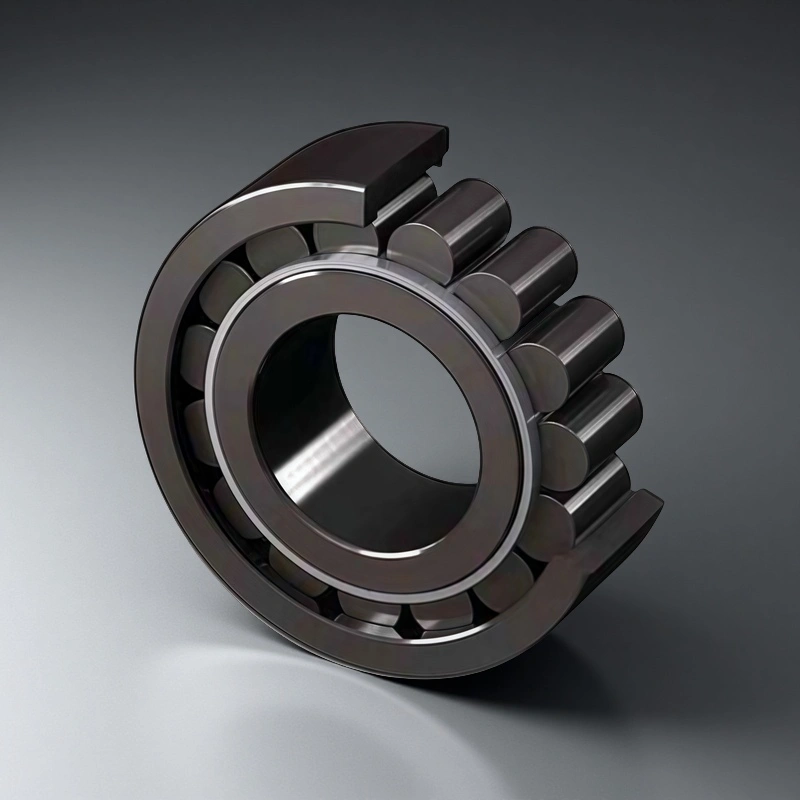
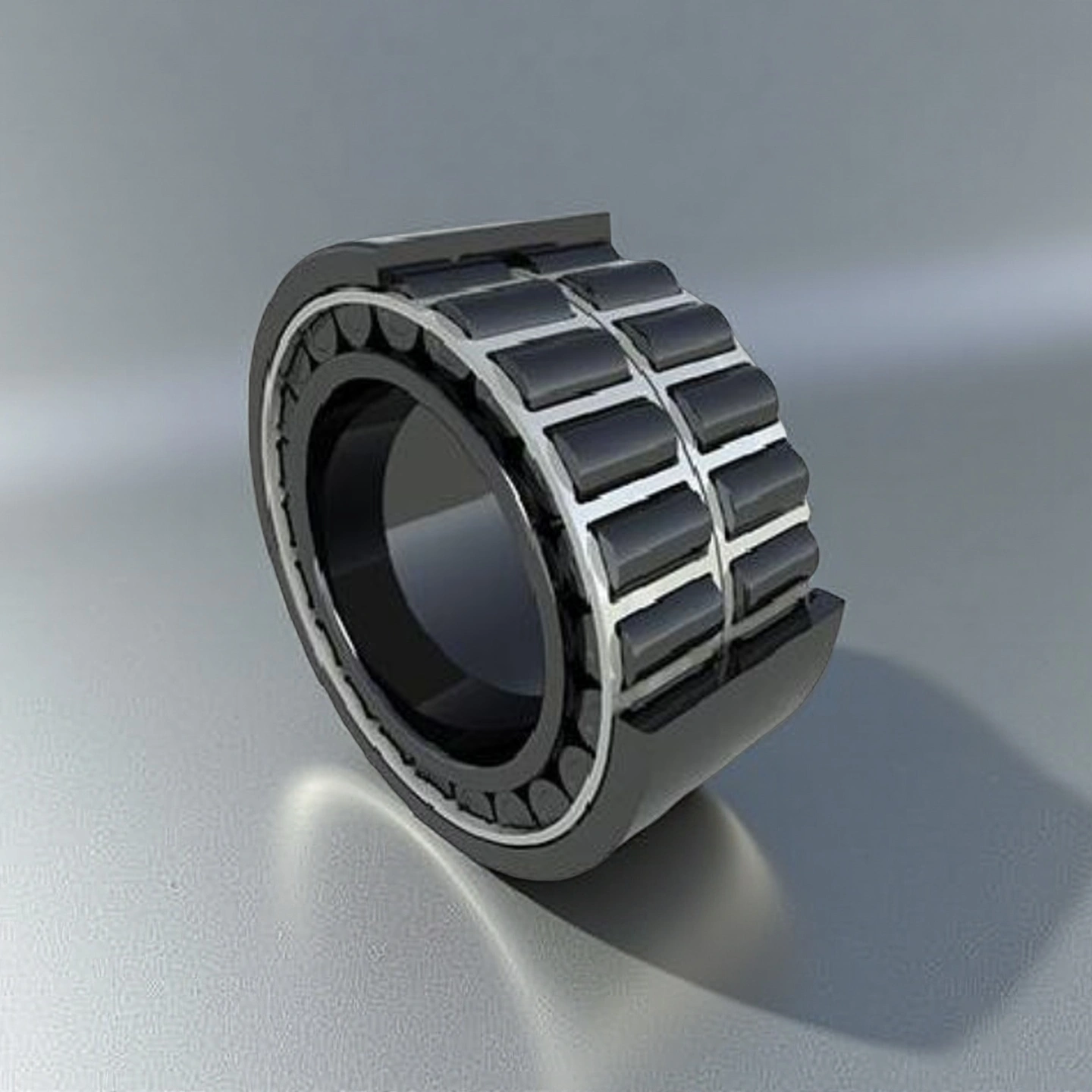
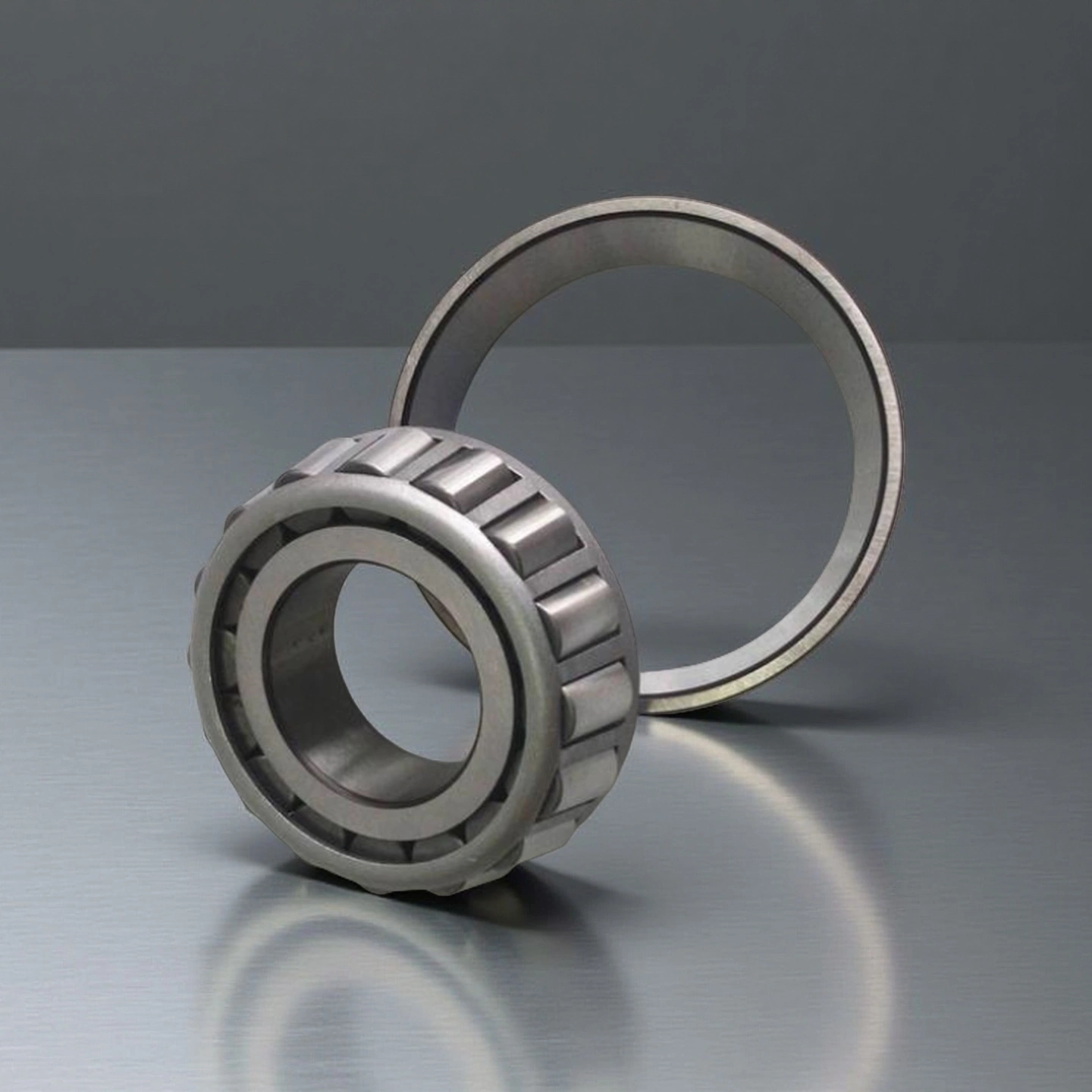
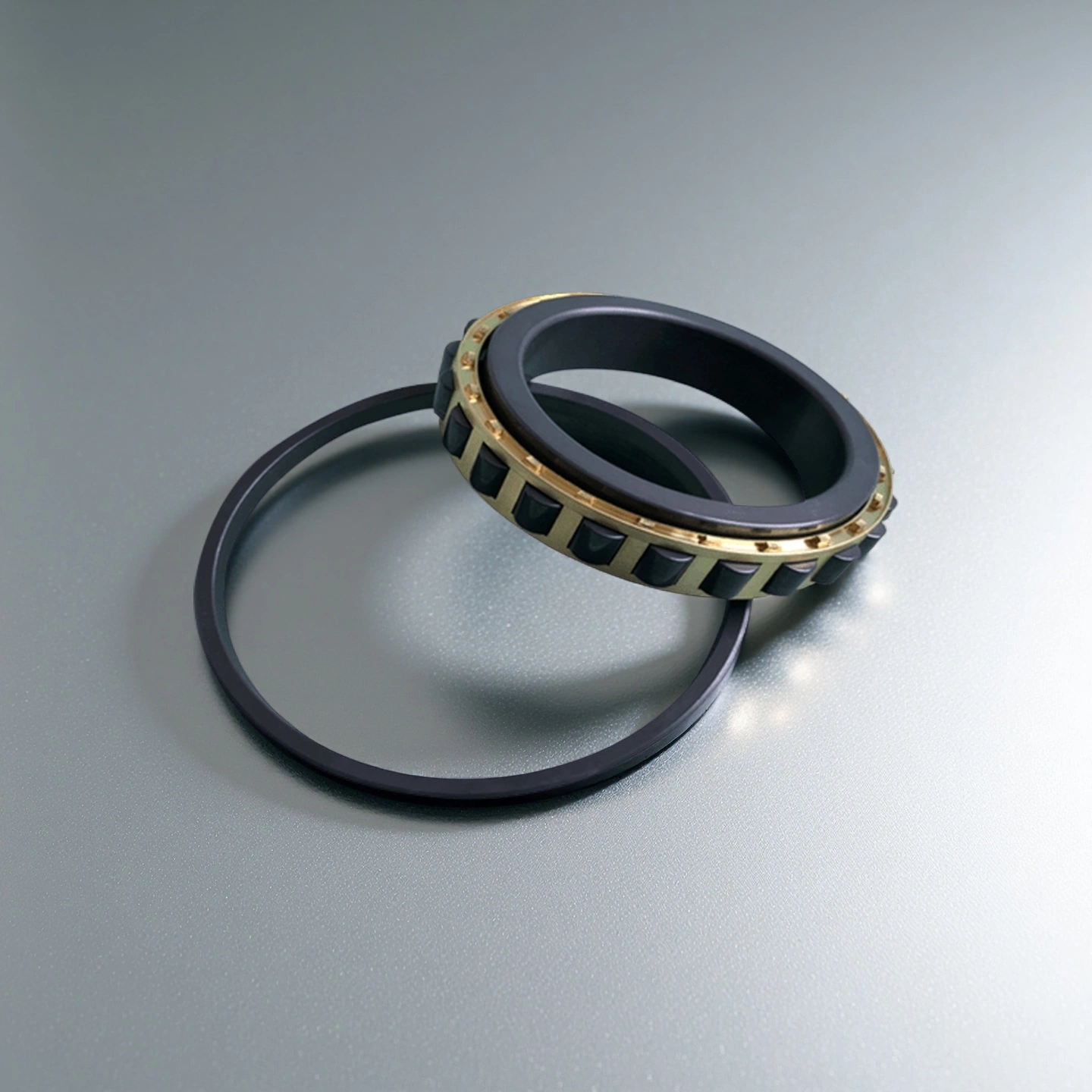
What Is a Silicon Nitride Roller Bearing?
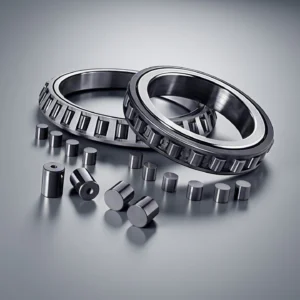
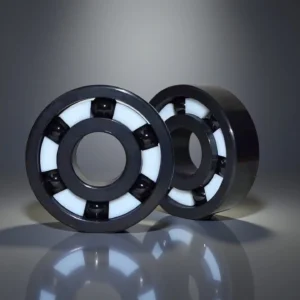
A silicon nitride roller bearing is a hybrid or ceramic bearing that uses precision Si₃N₄ rollers as the rolling elements. The ceramic rollers provide low density, high stiffness, electrical insulation and stable surface finish, making them suitable for high-speed spindles, inverter-driven motors, vacuum pumps and other rotating systems where steel rolling elements may suffer from current damage, heat build-up, lubricant stress or vibration sensitivity.
ADCERAX supplies standard and custom silicon nitride roller bearings according to bearing size, roller geometry, load direction, speed range, lubrication method, cleanliness requirement and installation environment.
Why Use Si₃N₄ Rollers in High-Speed Bearings?
Silicon nitride rollers are selected when bearing performance is limited by speed, heat generation, electrical current, lubricant stress or vibration sensitivity. In hybrid roller bearings, Si₃N₄ rolling elements provide a lower-density and electrically insulating alternative to steel rollers while maintaining high hardness and dimensional stability.
1. High rotational speed —
Lower rolling-element mass can reduce centrifugal loading and help maintain preload stability.
2. Bearing current under VFD drive —
Electrical insulation through the rolling elements helps reduce current paths that may cause EDM damage.
3. Heat and lubricant stress —
Smooth ceramic surfaces can support more stable friction behavior when lubrication is correctly selected.
4. Vibration-sensitive assemblies —
Matched roller geometry and controlled roundness help improve load distribution and running stability.
Silicon Nitride Roller Bearing Material and Tolerance Options
1. Silicon Nitride Bearing Rollers Technical Sheet
|
Si3N4 Type |
Gas pressure sintering Si3N4 |
Hot pressing sintering Si3N4 |
High thermal conductivity Si3N4 |
|
Density (g/cm3) |
3.2 |
3.3 |
3.25 |
|
Flexural Strength (MPa) |
700 |
900 |
600~800 |
|
Young Modulus (GPa) |
300 |
300 |
300~320 |
|
Poisson's ratio |
0.25 |
0.28 |
0.25 |
|
Compressive strength (MPa) |
2500 |
3000 |
2500 |
|
Hardness (GPa) |
15 |
16 |
15 |
|
Fracture toughness (MPa*m1/2) |
5~7 |
6~8 |
6~7 |
|
Maximum working temperature (℃) |
1100 |
1300 |
1100 |
|
Thermal conductivity (W/m*K) |
20 |
25 |
80~100 |
|
Thermal expansion coefficient (/℃) |
3*10-6 |
3.1*10-6 |
3*10-6 |
|
Thermal shock resistance (ΔT ℃) |
550 |
800 |
/ |
2. Roller Grade Tolerance (Unit: μm)
| Tolerance Grade |
Ra (Surface Roughness) |
Rolling Surface (max) |
End Face (max) |
Chamfer (max) |
| 0 |
0.1 |
0.125 |
1.25 |
|
| I |
0.125 |
1.16 |
1.25 |
|
| II |
0.16 |
0.25 |
2.5 |
|
| III |
0.25 |
0.32 |
2.5 |
|
Si3N4 Roller Bearing Specifications
|
Si3N4 Roller Bearing |
|
Item NO. |
Inner Diameter(mm) |
Outer Diameter (mm) |
Width(mm) |
|
AT-SIN-ZC001 |
25 |
52 |
15 |
|
AT-SIN-ZC002 |
100 |
180 |
34 |
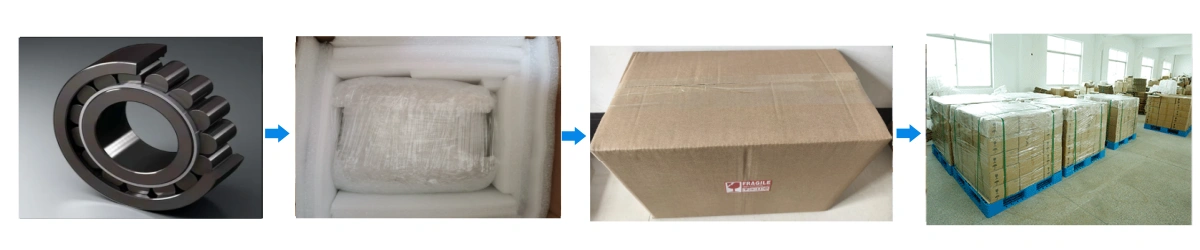
Silicon Nitride Cylindrical Roller Bearing Packaging
- Each bearing is sealed in anti-static polyethene bags
- Packaged in foam-lined rigid cartons for shock protection
Installation and Handling Guidelines for Si₃N₄ Roller Bearings
Silicon nitride roller bearings should be installed and maintained according to the final bearing design, preload requirement, lubrication method and equipment operating conditions. The guidelines below help reduce handling damage, contamination and early running instability.
-
Installation
1. Geometry Verification – Before assembly, confirm shaft fit, housing alignment, seat condition, chamfer transition and contact surfaces. Any burrs, dents, contamination or misalignment may affect preload stability and roller contact behavior.
2. Handling – Use clean gloves and non-metallic handling tools where possible. Avoid point impact, side loading or dropping the bearing, because Si₃N₄ ceramic rollers have high hardness but may be damaged by localized impact.
3. Preload and Alignment – Apply preload according to the bearing design and equipment specification. Check axial position, radial clearance, shaft runout and housing alignment before final assembly torque is applied.
4. Assembly Environment – Install the bearing in a clean and controlled area. For vacuum, precision spindle or clean rotating systems, confirm the required cleaning, drying and packaging level before installation.
-
Operation
1. Speed Ramp-Up – Increase speed gradually during first operation and monitor temperature, vibration, noise and current-related behavior. A stable baseline should be established before continuous full-load operation.
2. Lubrication Control – Use grease, oil, dry-film or special lubricant according to speed, temperature, vacuum level and contamination limits. Over-lubrication or incompatible lubricant may increase heat, drag and running instability.
3. Electrical Protection – For inverter-driven motors, EV systems and VFD applications, silicon nitride rollers can help interrupt current paths through the rolling elements. However, motor grounding, shaft voltage control and system-level insulation design should also be reviewed.
4. Operating Limits – Avoid sudden speed changes, overload, poor alignment and operation outside the bearing design range. If abnormal heat, noise or vibration appears, stop the equipment and inspect the bearing seat, lubrication and alignment conditions.
-
Storage
1. Environmental Conditions – Keep bearings sealed, dry and clean before use. Avoid moisture, dust, corrosive vapors and direct contact with metallic particles.
2. Mechanical Protection – Do not stack heavy items on packaged bearings or apply impact to the bearing box. Keep the original package intact until installation.
3. Traceability – Record bearing model, batch information, inspection reference and storage date where required. For long storage periods, inspect packaging condition and cleanliness before use.
-
Cleaning
1. Cleaning Method – If cleaning is required, use a suitable non-residue solvent and filtered drying method according to the bearing material, lubricant type and application environment.
2. Surface Care – Do not abrade the ceramic roller surface. Avoid cloths, brushes or particles that may scratch or contaminate the rolling surface.
3. Inspection After Cleaning – Check for visible particles, water marks, discoloration, corrosion on metal parts, lubricant residue or abnormal surface marks before reassembly.
-
Cautions & Troubleshooting
1. Unexpected Heat Rise – Common causes include excessive preload, unsuitable lubrication, poor shaft fit, housing misalignment or contamination. Inspect lubrication quantity, alignment, bearing seat condition and operating load before restarting.
2. Vibration or Noise Increase – Possible causes include roller set mismatch, raceway contamination, shaft runout, poor mounting accuracy or uneven load distribution. Recheck shaft alignment, housing condition, preload and bearing cleanliness.
3. Grease Darkening or Leakage – Possible causes include electrical discharge, excessive heat, lubricant degradation, seal drag or contamination. Review motor grounding, lubrication compatibility, seal condition and operating temperature trend.
4. Early Surface Marks – Possible causes include particles, poor lubrication, improper handling or unsuitable operating conditions. Inspect the bearing, mating components and installation environment before continued operation.