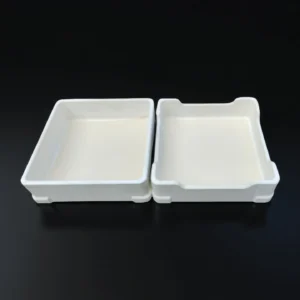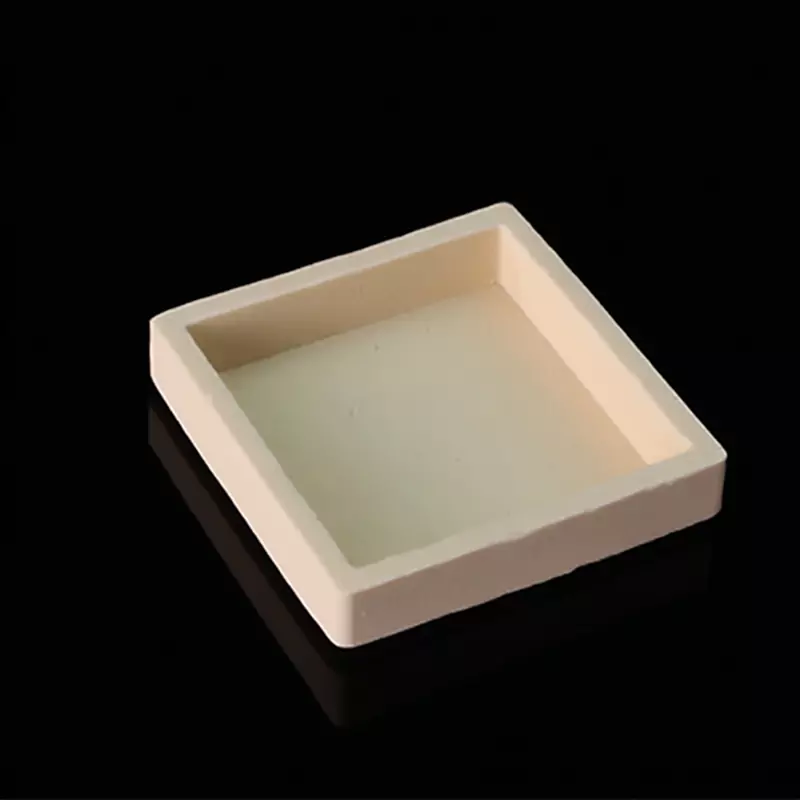
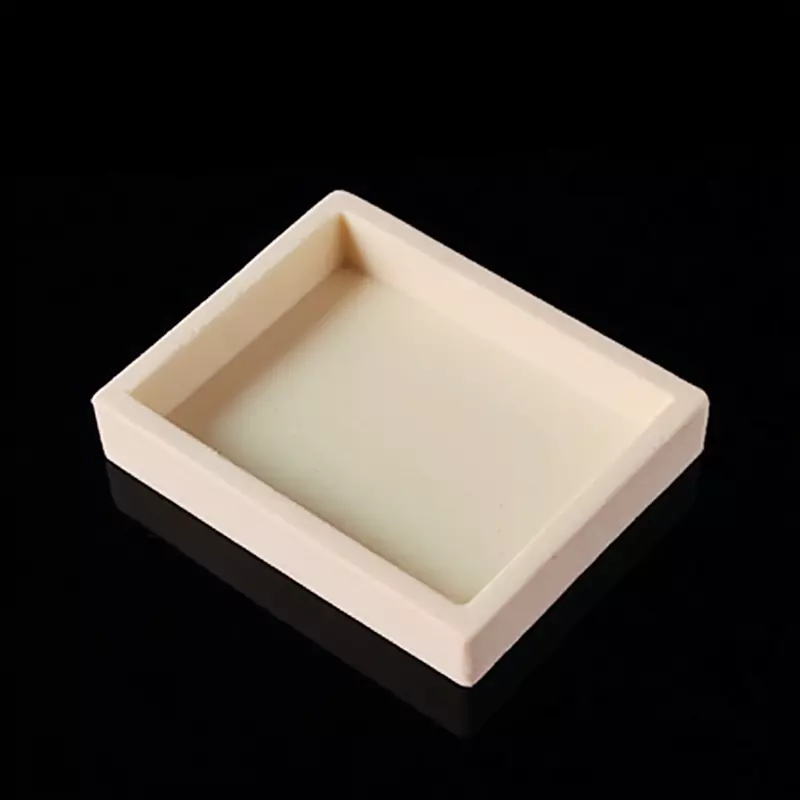
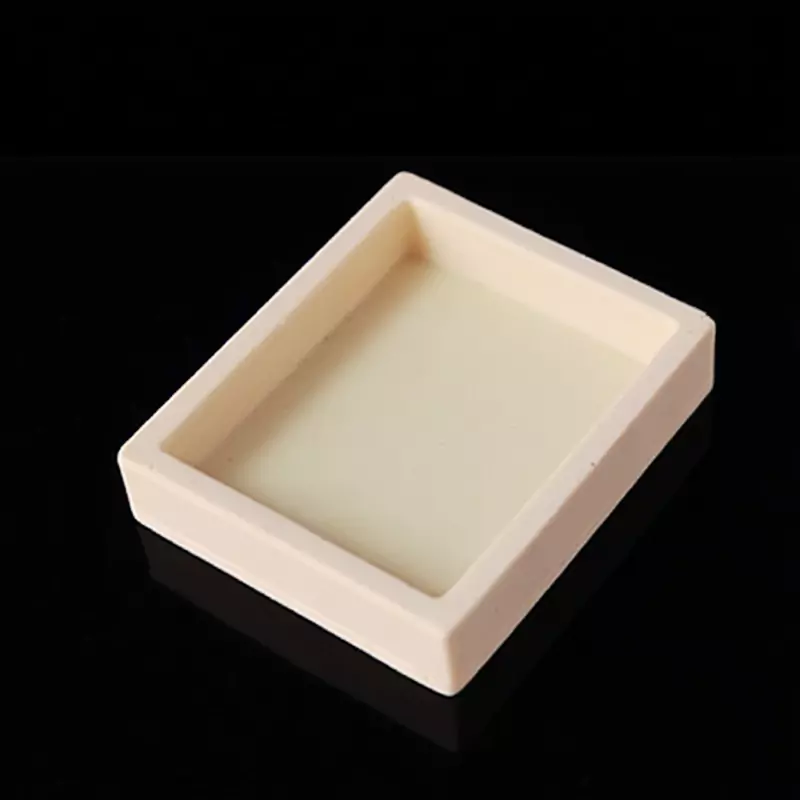
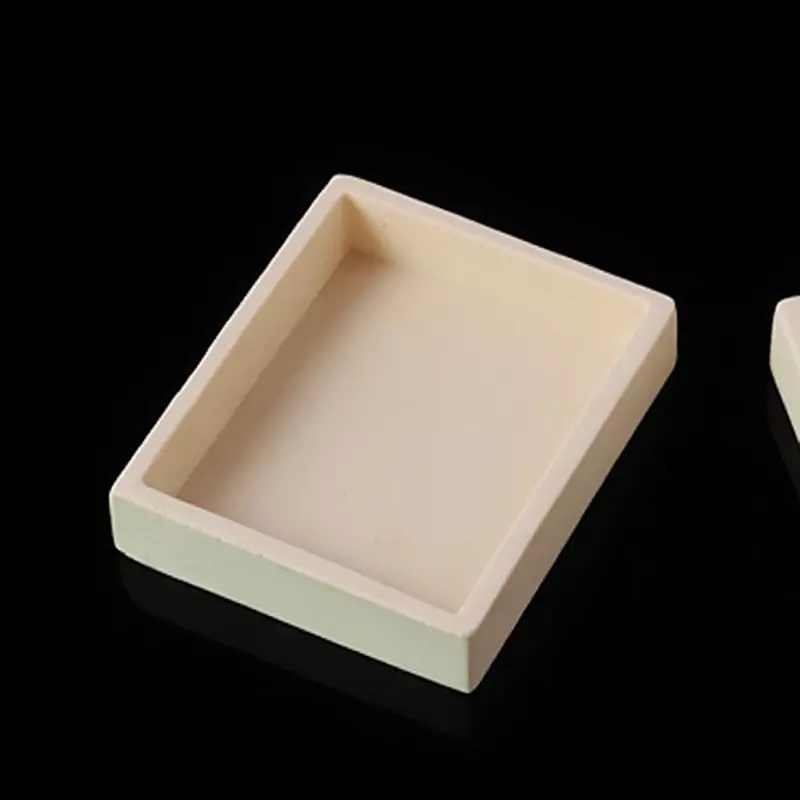
What Is a Square Zirconia Sagger Used For?
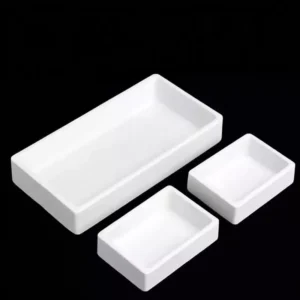
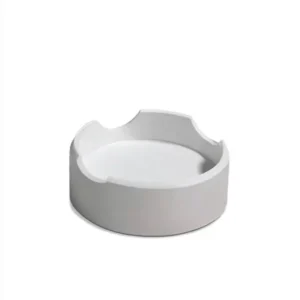
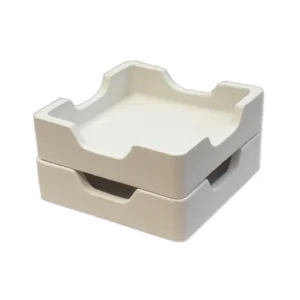
A square zirconia sagger is used to support powders, green bodies or small ceramic parts during high-temperature sintering, calcination and furnace testing. Its dense ZrO₂ body helps reduce deformation, surface reaction and contamination risk when the process involves reactive powders, repeated thermal cycles or higher mechanical load than standard alumina trays can comfortably handle.
Why Choose a Zirconia Ceramic Sagger?
The powder reacts with the tray surface.
Dense zirconia provides a chemically stable contact surface for many oxide and metal powder systems. This helps reduce container-related contamination during sensitive sintering trials.
The tray cracks after repeated cycles.
Zirconia has higher fracture toughness than many common oxide ceramic trays. It can be selected when mechanical reliability matters more than simple tray cost.
The furnace load is uneven or heavy.
A square flat base supports more even powder spreading and stable placement. This helps reduce localized stress and uneven shrinkage during furnace processing.
The process requires cleaner contact.
Low water absorption and a dense ceramic structure help limit vapor uptake and residue retention. This supports cleaner repeat runs and easier post-use cleaning.
The size does not fit the furnace.
Length, width, height, wall thickness, bottom thickness and corner radius can be reviewed according to the furnace chamber, setters, fixtures and loading tools.
Technical Properties for Square Zirconia Sagger
Square Zirconia Sagger is designed for demanding sintering environments where performance consistency is critical.
| Property | Specification | Engineering Note |
|---|---|---|
| Purity (ZrO₂) | ≥ 99.5% | Higher zirconia purity helps reduce unwanted material interaction during sensitive powder sintering and calcination. |
| Max Working Temperature | ≥ 1,400 °C | The final service temperature should be reviewed according to furnace atmosphere, heating rate, holding time and loading condition. |
| Thermal Expansion | 10.3 × 10⁻⁶ /K | Thermal expansion behavior should be considered when the sagger is used with setters, fixtures or stacked furnace loading. |
| Bulk Density | ~6.0 g/cm³ | A dense ceramic body supports better mechanical stability and helps reduce absorption during repeated furnace cycles. |
| Thermal Conductivity | 2.5 W/m·K | Low thermal conductivity helps provide stable thermal support, but heating uniformity should be reviewed with furnace design. |
| Water Absorption | <0.1% | Low water absorption helps limit vapor uptake, residue retention and surface contamination between repeated runs. |
| Flexural Strength | ≥ 350 MPa | Higher bending strength supports safer handling and loading when the sagger carries powders, pellets or small parts. |
| Compressive Strength | ≥ 2,000 MPa | Strong compressive resistance is useful when the sagger is used under stacked loading or heavier furnace fixtures. |
| Fracture Toughness | 8–10 MPa·m¹/² | Higher toughness helps reduce cracking risk compared with many common oxide ceramic trays. |
| Hardness | ~1,200 HV | High hardness improves wear resistance when powders, tools or furnace fixtures contact the sagger surface. |
| Thermal Emissivity | 0.90–0.95 | High emissivity can support heat absorption and radiation behavior during high-temperature furnace cycles. |
| Porosity | <1% | Low porosity helps reduce powder penetration, residue buildup and contamination risk during repeated use. |
Dimensions of Square Zirconia Sagger
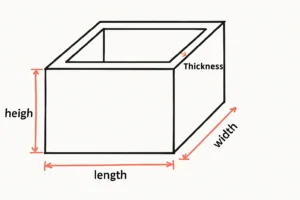
| Item | Capacity(ml) | Length(mm) | Width(mm) | Height(mm) | Thickness(mm) | Purity(%) |
| AT-YHG-XB036 | 56 | 100 | 100 | 12 | 5 | 92-95 |
| AT-YHG-XB037 | 507 | 150 | 150 | 50 | 10 | 92-95 |
| AT-YHG-XB038 | 350 | 200 | 100 | 30 | 8.5 | 92-95 |
| AT-YHG-XB039 | 6000 | 300 | 300 | 175 | 12 | 92-95 |
| AT-YHG-XB040 | 5400 | 300 | 300 | 110 | 12 | 92-95 |
| AT-YHG-XB041 | 8000 | 300 | 300 | 150 | 12.5 | 92-95 |
| AT-YHG-XB042 | 2800 | 320 | 320 | 48 | 14 | 92-95 |
Zirconia vs Alumina vs Silicon Carbide Saggers
| Material | Best Used When | Main Advantage | Selection Note |
|---|---|---|---|
| Zirconia ceramic sagger | The process needs high toughness, clean contact and stable support for reactive powders. | It provides strong mechanical reliability and low contamination risk in selected furnace applications. | It is usually selected when tray performance matters more than lowest unit cost. |
| Alumina sagger | The process needs a cost-effective general furnace tray for stable oxide systems. | It offers good heat resistance and broad availability. | It is suitable when chemical interaction and load stress are not severe. |
| Silicon carbide sagger | The process needs faster heat transfer or higher thermal conductivity. | It supports better heat distribution in selected high-temperature applications. | It should be reviewed carefully when oxidation, atmosphere or powder reaction may matter. |
Packaging for Square Zirconia Sagger
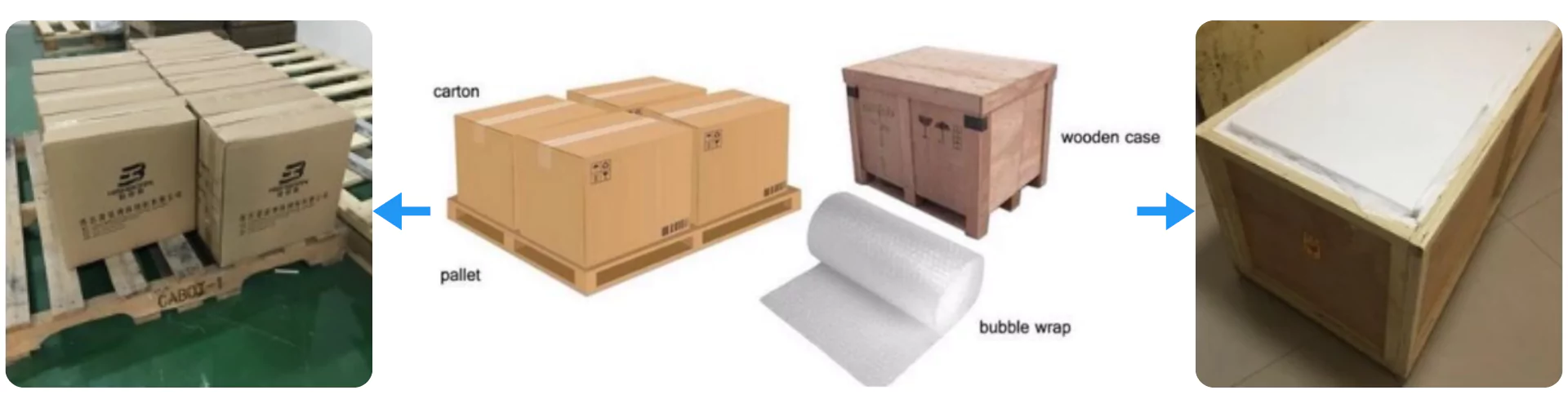
Each Square Zirconia Sagger is carefully packed with bubble wrap and placed in protective cartons before palletization. For long-distance or fragile shipments, trays are reinforced with sealed wooden cases. This ensures every ZrO2 Square Sagger arrives safely without damage during international transport.