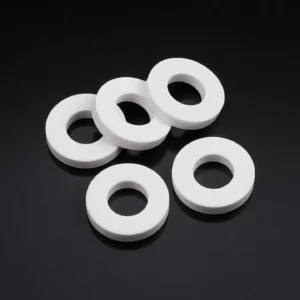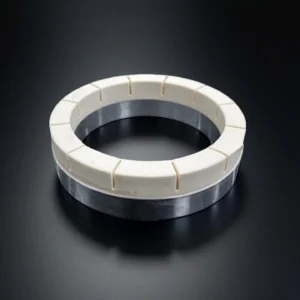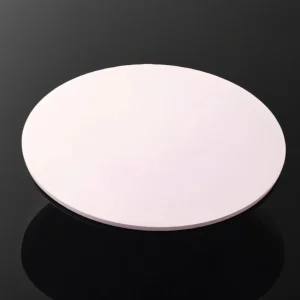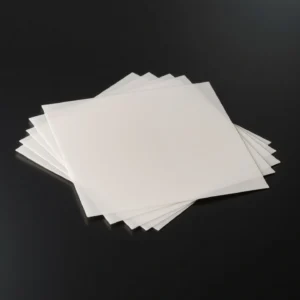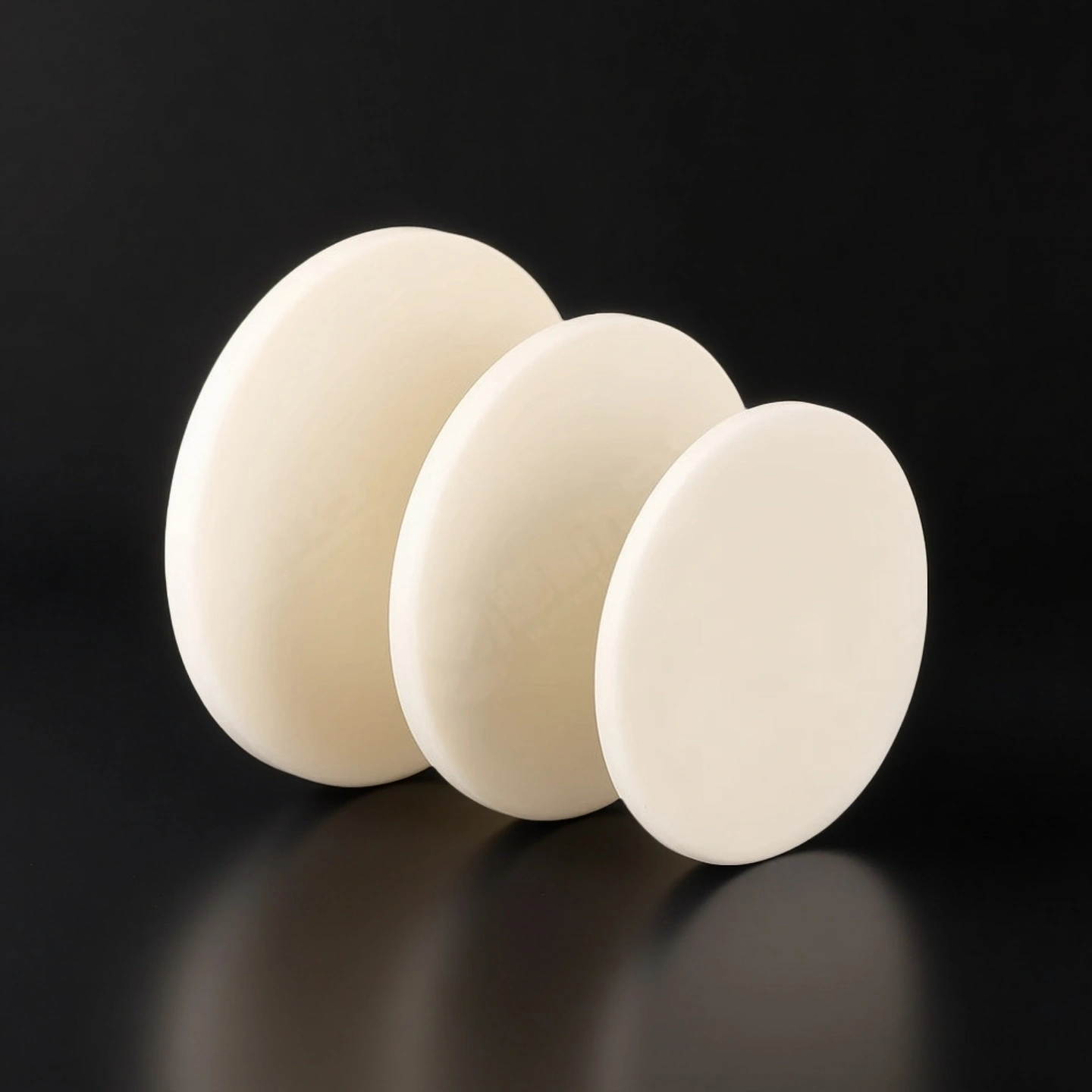
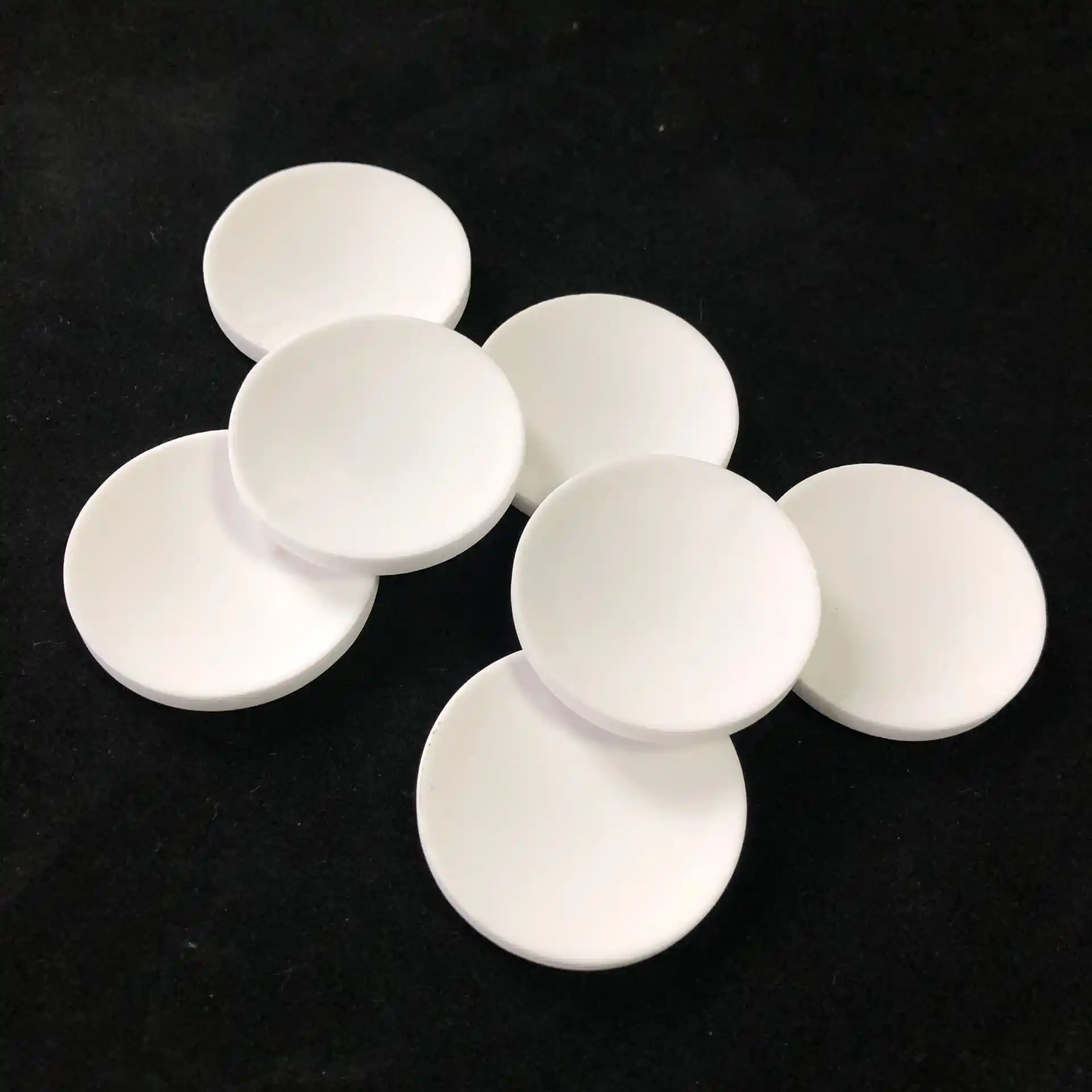
Alumina Ceramic Disc (Al₂O₃) for High-Temperature Insulation & Precision Fixturing

Alumina ceramic disc provides high-temperature electrical insulation and dimensional stability for lab ashing, high-voltage isolation, and precision fixturing. Stock sizes ship fast; drawing-based discs with holes/chamfers/edge radii are available.

Catalogue No. AT-DIS001
Material Al₂O₃
Purity  96%-99.7%
Thickness Range 0.5mm–50mm (±0.1mm tolerance)
Dimensions/Sizes Download PDF
24H Standard Dispatch
Small Batch Support OEM
Factory Direct
Expert Engineering Support

Alumina ceramic disc is a flat, circular Al₂O₃ component used as a high-temperature, electrically insulating, and dimensionally stable spacer or carrier in laboratories and industrial equipment.

Alumina Ceramic Disc Benefits

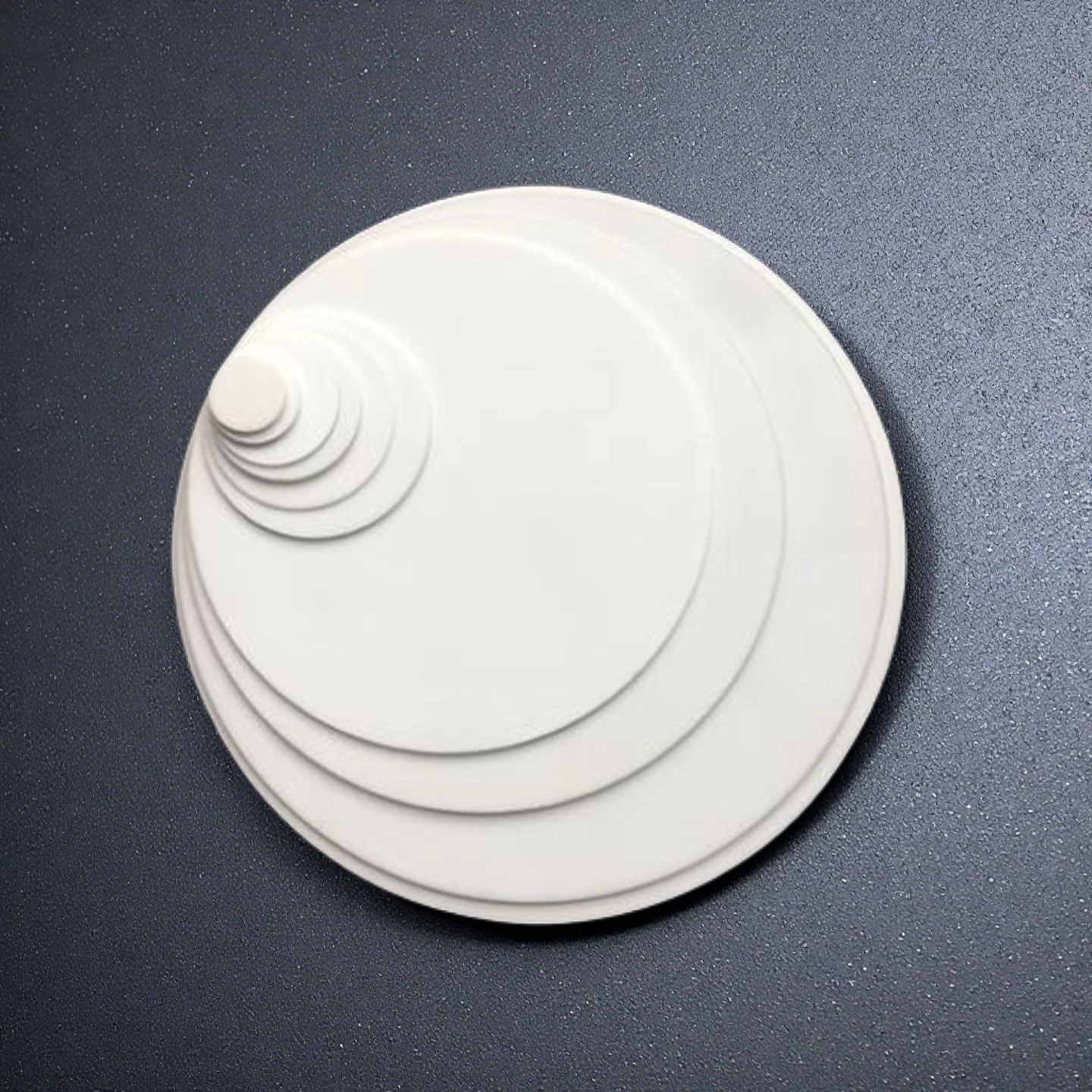
The alumina ceramic disc is a rigid, electrically insulating round plate offered in standard diameters and thicknesses with optional precision machining for application-specific mounting or spacing.

  • High-temperature integrity: maintains stiffness and insulation where polymer/laminate spacers deform.
  • Flatness & parallelism control: consistent thickness and surface quality for repeatable clamping/fixturing.
  • Electrical insulation: high dielectric strength helps reduce leakage paths in high-voltage assemblies.
  • Wear and chemical resistance: hard surface resists abrasion and many reagents during cleaning cycles.
  • Clean contact: low outgassing and ceramic inertness help limit contamination compared with metals.


Alumina Ceramic Disc Properties

Property Unit 99.7% Al₂O₃ 99.5% Al₂O₃ 99% Al₂O₃ 96% Al₂O₃
Color   Ivory White Ivory White Ivory White Ivory White
Density g/cm³ 3.94 3.9 3.83 3.6-3.75
Water Absorption % 0 0 0 0
Hardness Mohs Hardness 9.1 9 9 8.8
Flexural Strength (20°C) Mpa 330 320 300 260
Compressive Strength (20°C) Mpa 2300 2300 2210 1910
Maximum Operating Temperature °C 1730 1700 1680 1450
Thermal Expansion Coefficient(25°C to 800°C) 10⁻⁶/°C 7.6 7.6 7.6 7.6
Thermal Conductivity (25°C) W/(m·K) 29 27 24 22
Dielectric Strength (5mm thickness) AC-kv/mm 22 21 19 15
Dielectric Loss at 25°C@1MHz --- < 0.0001 < 0.0001 0.0003 0.0004
Dielectric Constant at 25°C@1MHz --- 9.8 9.7 9.5 9.2
Volume Resistivity (20°C) Ω·cm³ >10¹⁴ >10¹⁴ >10¹⁴ >10¹⁴
Volume Resistivity (300°C) Ω·cm³ 2*10¹² 2*10¹² 4*10¹¹ 2*10¹¹


Specifications of Alumina Ceramic Disc

Alumina Disc
Item No. Diameter(mm) Thick(mm)
AT-DIS001 25 1.5
AT-DIS002 32 2
AT-DIS003 38 2
AT-D-42-2 42 2
AT-DIS004 51 2
AT-DIS005 64 3
AT-DIS006 76 3
AT-D-82-6 82 6
AT-DIS007 89 4
AT-DIS008 102 4
AT-DIS009 127 5
AT-DIS010 152 5


Alumina Ceramic Discs Packaging

  • Each disc is dust-wiped, separated by soft interlayers, and sealed in labelled clean bags. Rigid cartons with corner protection limit edge chipping.
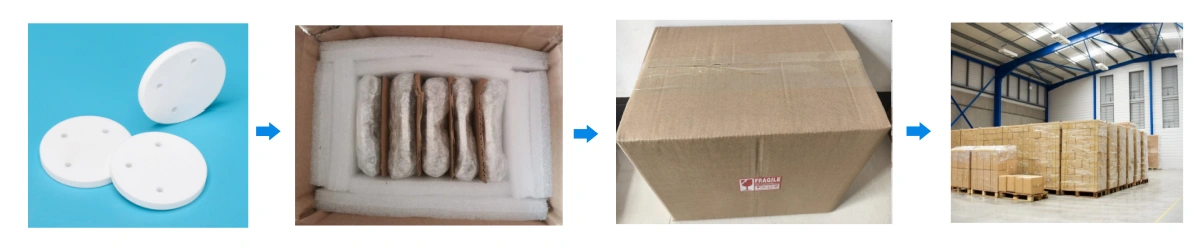

Alumina Ceramic Discs Packaging


Alumina Ceramic Disc Applications

  • Laboratory Ashing & High-Temp Sample Support

    ✅Key Advantages

    1. Stable up to typical lab furnace ranges (≤1500–1600 °C), minimizing warpage in repeated cycles.
    2. Flat, clean surfaces reduce contamination and keep sample contact uniform.
    3. Rigid, non-conductive support prevents current paths inside heated fixtures.

    ✅ Problem Solved

    Switching to a 99.7% alumina disc with flatness ≤0.1 mm/100 mm cut re-runs by 18% over one quarter because samples no longer slid or tipped at temperature; breakage claims dropped to <2% after edge-radius adoption and improved packaging.

  • High-Voltage Electrical Insulation & Isolation

    ✅Key Advantages

    1. High dielectric strength (typically >10 kV/mm, thickness-dependent) reduces leakage risk.
    2. Low CTE drift (≈7–8×10⁻⁶/K) maintains clamping force across heat cycles.
    3. Machinable holes/slots allow secure fastening without metallic shims.

    ✅ Problem Solved

    After replacing laminated spacers with alumina discs of controlled thickness ±0.10 mm, leakage events during hipot dropped from 3/1000 units to <1/1000 and torque re-checks per batch decreased by 30% due to thermal stability.

  • Industry Precision Fixturing / Lapping & Polishing Support

    ✅Key Advantages

    1. Hard, wear-resistant contact resists slurry abrasion in lapping lines.
    2. Double-sided ground/one-sided polished options hold parallelism for even pressure.
    3. Laser-ID enables disc rotation tracking to analyze wear patterns.

    ✅ Problem Solved

    A polishing cell using discs with specified parallelism ≤0.02 mm and matte + polished combo surface improved thickness uniformity by 12% and reduced pad change frequency by 1 cycle/week, saving ~8 hours monthly.

Alumina Ceramic Discs Usage Instructions

  • Use

    1. Mount discs on clean, flat support surfaces to avoid rocking and uneven loading.
    2. Prevent point loading on thin discs; distribute load with smooth plates or compliant pads.
    3. Always re-check clamp torque after the first heat cycle, since initial shrink-fit or bow correction can shift load balance.
    4. For electrical insulation uses, verify that disc edges are free of micro-chips before assembly.

  • Storage

    1. Keep in sealed, dry bags with desiccant packs to prevent moisture absorption that could lower dielectric strength.
    2. Use interlayers (foam, soft paper, or plastic films) to prevent edge-to-edge contact.
    3. Store vertically on edge racks for discs thinner than 1 mm to minimize bowing or creep.
    4. Maintain storage areas below 40% relative humidity, away from corrosive vapors or vibration.

  • Cleaning

    1. Use non-metallic tools to avoid scratching or introducing conductive particles.
    2. Suitable methods: mild ultrasonic cleaning, isopropanol or ethanol wipe, or DI-water rinse with quick dry.
    3. Avoid hydrofluoric acid or strong alkalis (NaOH, KOH) that chemically attack Al₂O₃.
    4. After cleaning, handle discs with powder-free gloves to prevent finger oils that may cause hot spots or leakage.

  • Common mistakes & fixes

    1. Edge chipping during handling → specify discs with chamfer or radius; handle with trays or vacuum pick-up tools.
    2. Uneven heating marks → confirm required flatness grade (e.g., ≤0.1 mm/100 mm) and ensure uniform support; avoid three-point clamping that causes hot spots.
    3. Electrical leakage spikes → check for surface moisture or contamination; pre-bake at 150–200 °C to remove absorbed water before hipot testing.
    4. Warping of thin discs → store vertically and clamp evenly; for long cycles above 1200 °C, specify reinforced support or lower bow tolerance.
    5. Surface contamination during polishing → cover discs with protective film until ready for use; request clean-room level packaging if used in sensitive assemblies.


Alumina Ceramic Discs FAQ

  1. What is the melting point of an alumina disc?
    The intrinsic melting point of alumina is ~2050 °C; for long-term service, discs are commonly specified for ≤1500–1600 °C depending on size and finish.
  2. What are the thermal properties I should know?
    Coefficient of thermal expansion is about 7–8×10⁻⁶/K; thermal conductivity is moderate and stable with temperature compared with glass or mica laminates.
  3. Is alumina disc transmittance relevant?
    Dense alumina is opaque/low-transmittance in visible light; if optical transmission is required, specify thickness and wavelength so we can advise feasibility or alternatives.
  4. Do you supply alumina discs for sale from stock?
    Yes—common ODs and thicknesses are stocked for fast shipment; thin or ultra-flat formats are made to order.
  5. Q: Do you manufacture alumina ceramic discs in China?
    A: Yes. ADCERAX produces alumina ceramic discs at our factory in China. We supply both standard 99.5%–99.7% Al₂O₃ discs and custom-made designs based on drawings or samples. Each batch is checked for tolerance, flatness, and surface quality, and packaged clean for export. This way, buyers can source factory-direct alumina ceramic discs from China with reliable quality and stable lead times.
  6. Q: What purity should I choose—alumina disc 99.5 or 99.7?
    A: The choice depends on your application. 99.5% alumina discs are suitable for most general uses such as insulation, ashing, and routine high-temperature support. If your process requires tighter stability, lower contamination, or more consistent dielectric performance, 99.7% alumina discs are recommended. ADCERAX can provide both grades and help you compare options based on your technical needs and budget.

What Our Customers Say about Alumina Ceramic Disc

  • ⭐️⭐️⭐️⭐️⭐️
    “We switched to alumina ceramic discs with controlled flatness, and hipot leakage problems disappeared. Reorders matched our drawings and required no extra qualification.”
    -- Maria V., Process Engineer, VoltGrid Power
  • ⭐️⭐️⭐️⭐️⭐️
    “Stock alumina discs for sale covered our routine ashing work. Thin custom discs with edge radius reduced chipping, and batch labels made tracking easier.”
    -- Kenji T., Lab Manager, Seikaku Materials
  • ⭐️⭐️⭐️⭐️⭐️
    “The 99.5% Al₂O₃ disc kept thickness consistent across cycles, improving clamp repeatability. Holes and chamfers were accurate, which shortened assembly time.”
    -- Ethan G., Operations, Northbridge Instruments
  • ⭐️⭐️⭐️⭐️⭐️
    “For our quarterly build, the wholesale alumina discs from ADCERAX arrived in clean packs with stable flatness, ensuring fixture pressures stayed uniform.”
    -- Lena M., Buyer, EuroTech Controls
customize size

Customize Alumina Ceramic Disc

1. Geometry & Tolerance

  • Outer diameter (OD) / thickness: e.g., Ø5–Ø200 mm, 0.3–10 mm; tolerance classes such as OD ±0.05 / ±0.10 / ±0.20 mm, thickness ±0.02 / ±0.05 / ±0.10 mm (choose per part size).
  • Flatness & parallelism (per 100 mm OD): target grades like ≤0.05 mm, ≤0.10 mm, ≤0.20 mm; define measurement method (granite plate + feeler/RGA or CMM).
  • Concentricity & runout for hole-to-OD or stepped features when the disc interfaces with rotating fixtures.
  • Warpage control for thin discs: bow limit per diameter (e.g., ≤0.15 mm per 150 mm OD).

2. Machined Features

  • Holes & slots: hole Ø, P.C.D., quantity; countersink/counterbore angles/depths; elongated slots with end radii to reduce stress.
  • Reliefs & pockets: shallow recess, step, or pocket depth for weight reduction or adhesive pooling.
  • Alignment keys: notches or flats to define orientation in jigs.

3. Edges & Corners

  • Edge shaping: micro-chamfer (e.g., 0.2–0.5 mm×45°), full chamfer (up to 1.0 mm), or edge radius R0.2–R1.0 to reduce chipping.
  • Deburr grade: standard/fine (hand-lapped) for glove-safe handling.

Related Products

ADCERAX - Your Trusted Advanced Ceramics Manufacturing Partner

Direct factory manufacturing with comprehensive ceramic materials expertise and global supply capabilities

Direct Factory Manufacturing

China-based ceramic materials production facility with state-of-the-art equipment

Engineering Team

Experienced professionals in advanced ceramics applications and custom design

Quality Control

Strict quality control standards for technical ceramics manufacturing and quality management

Global Supply Chain

Serving customers worldwide with technical ceramics and rapid response

24/7 Technical Support

Round-the-clock support for ceramic components inquiries and technical assistance

500+ Satisfied Customers

Trusted by global customers for advanced ceramic materials and precision components

Get in touch with us

Our team will be happy to respond to you in less than 24 hours.

Adcerax's factory

Quick Quotation

*Our team will answer your inquiries within 24 hours.

*Your information will be kept strictly confidential.

Ready to Solve Your Engineering Challenge?

Partner with ADCERAX for reliable, high-performance advanced ceramic solutions. Our engineers are ready to discuss your project.

E-mail

info@adcerax.com

Phone

+(86) 0731-74427743 | WhatsApp: +(86) 19311583352

Response Time

Within 24 hours

Quick Quote

The more details you provide, the faster we can quote.

*We respond within 24 hours. All inquiries are confidential.

Download Catalog

Get Your Custom Sulution

The more details you provide, the faster we can respond.

customize size

*We respond within 24 hours. All inquiries are confidential.

Download Catalog