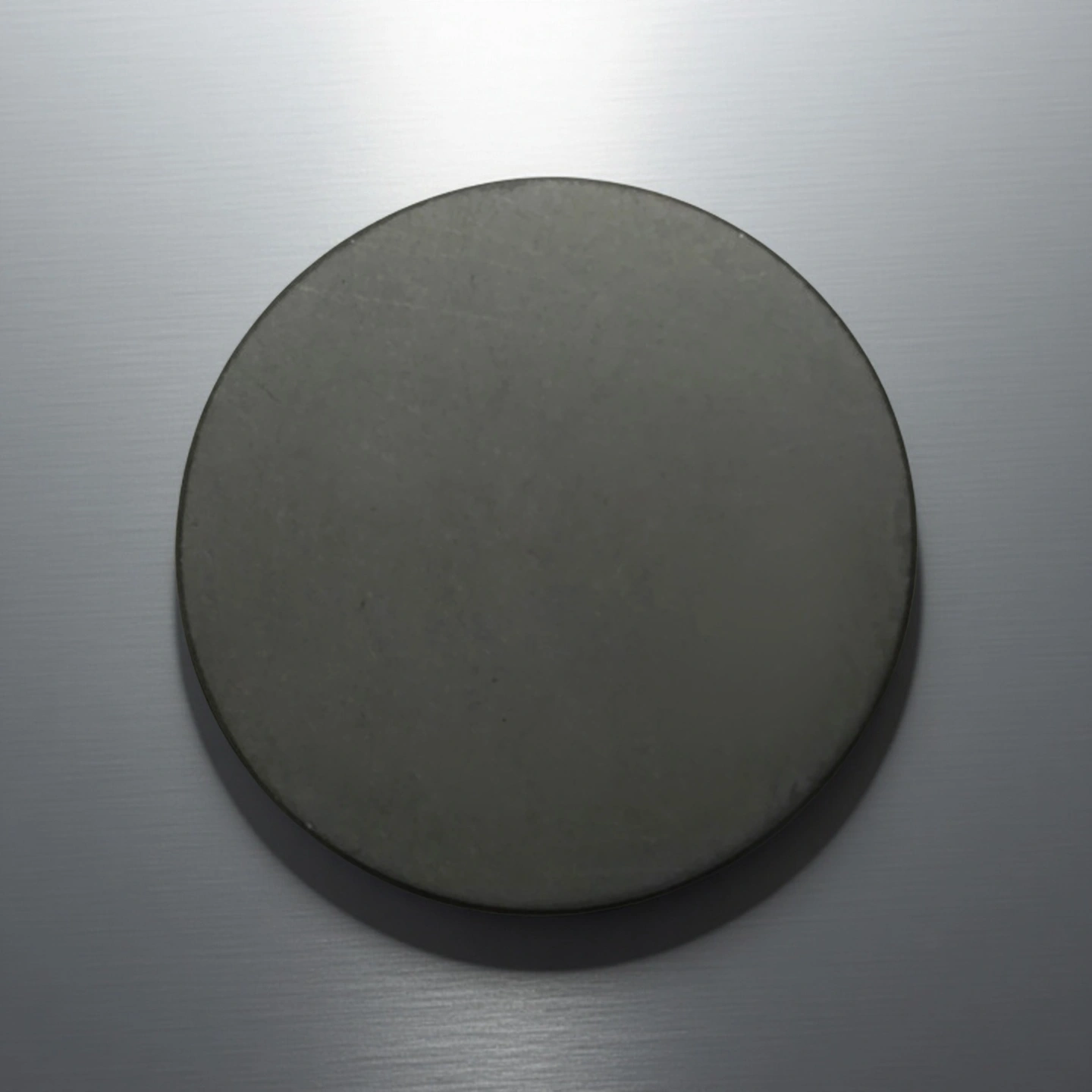
Custom Silicon Carbide Plates for Sintering and Furnace Fixtures

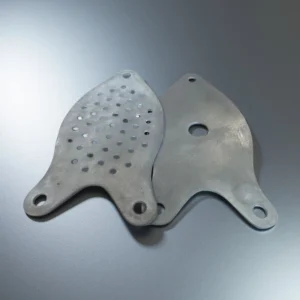
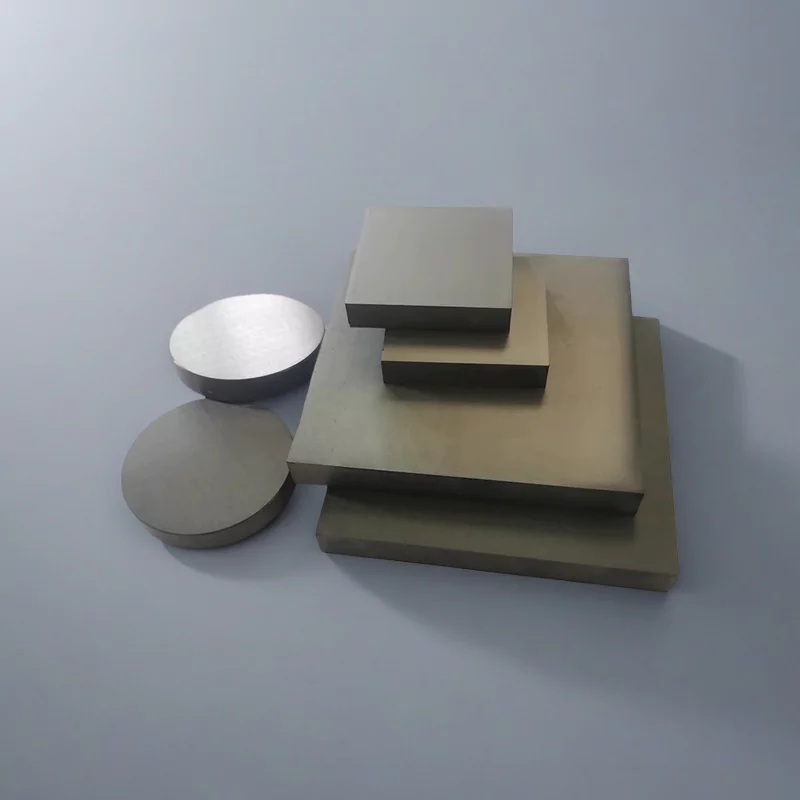
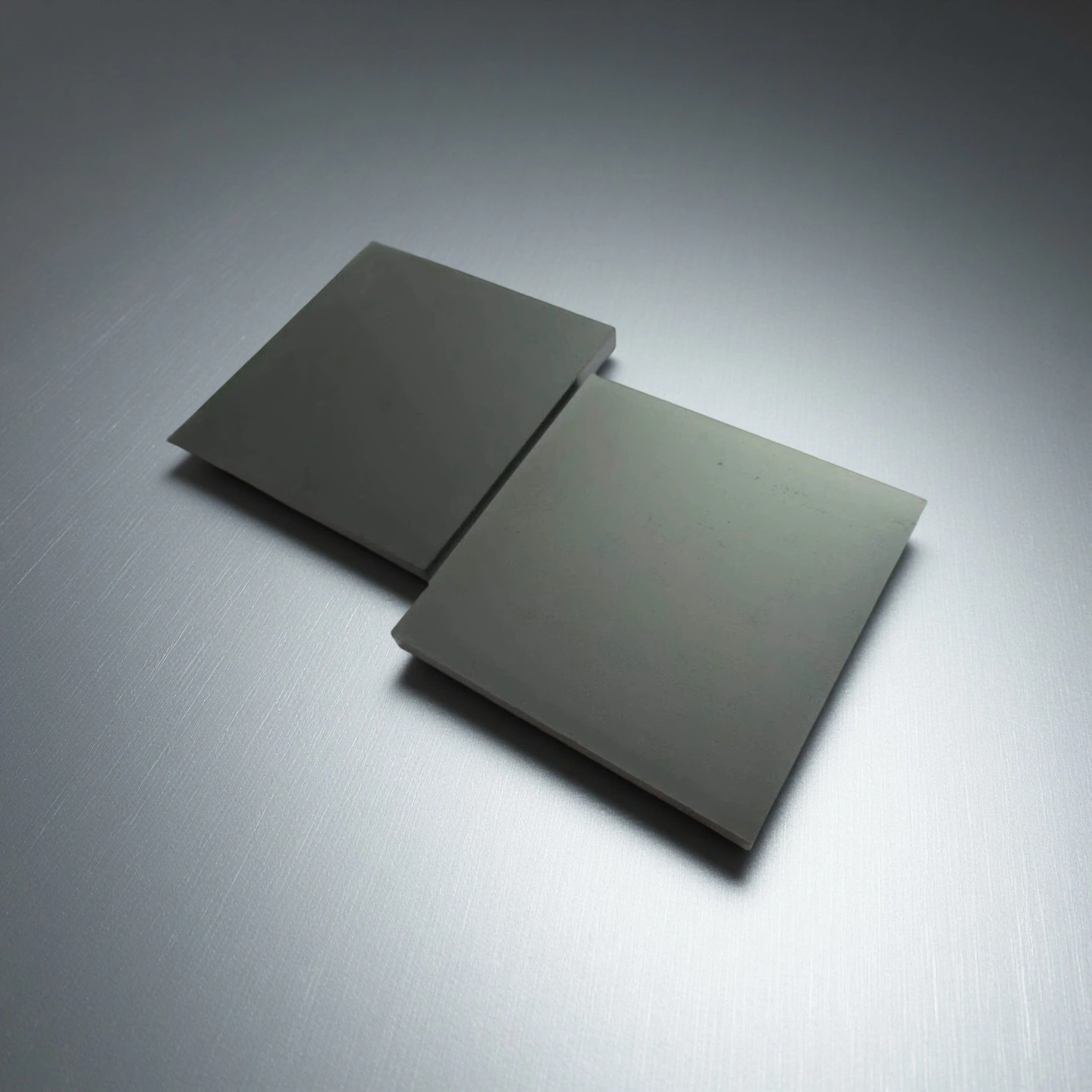
ADCERAX supplies custom silicon carbide plates for sintering setters, kiln furniture, furnace support fixtures, heat treatment trays and wear-resistant ceramic components. Available material options include RBSiC / SiSiC, NBSiC and SSiC, depending on temperature, load, atmosphere, flatness requirement and chemical exposure.

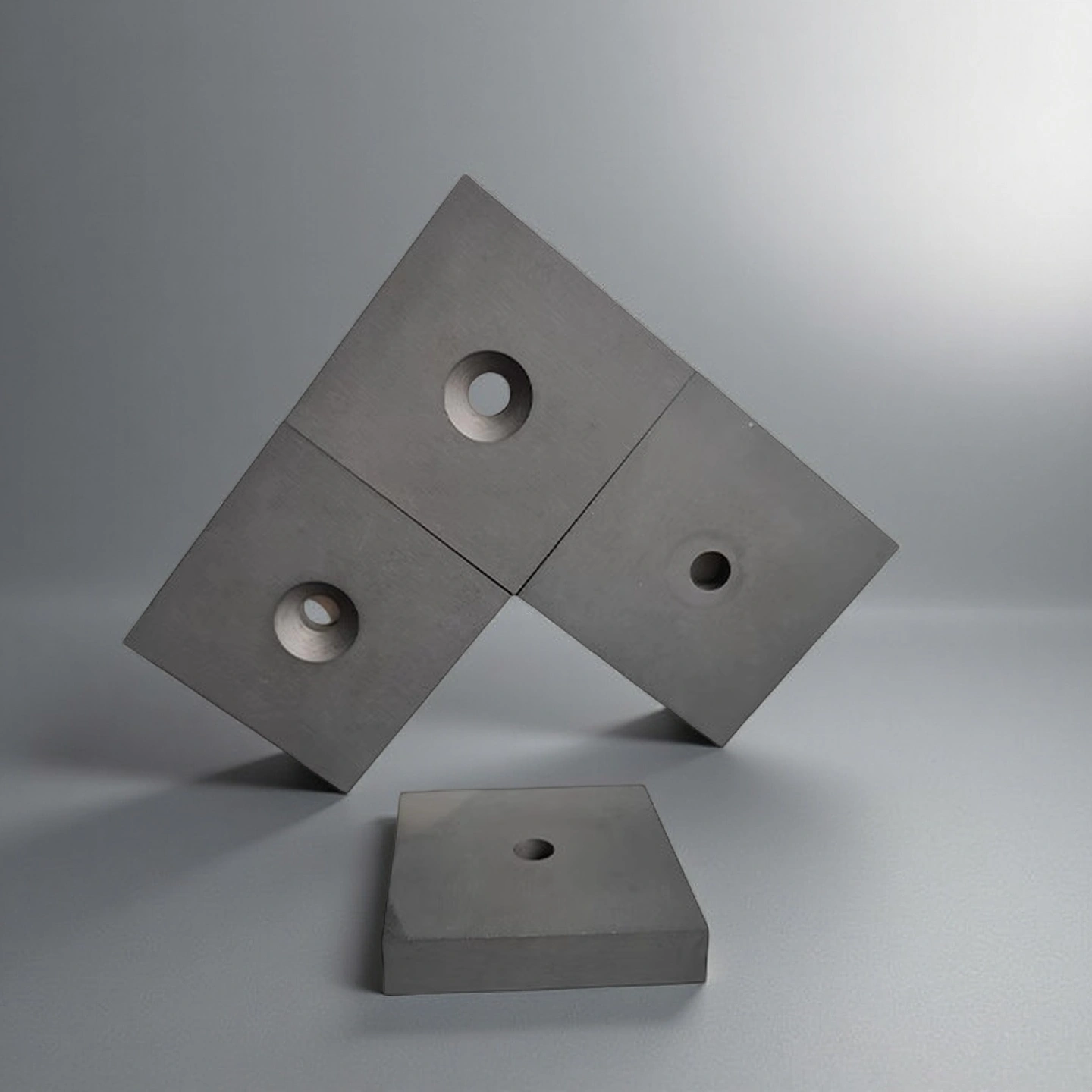
Each SiC plate can be reviewed according to your drawing, sample or application conditions, including length, width, thickness, holes, slots, edge profile, surface finish and inspection requirements.

Catalogue No. AT-SIC-P1001
Material Silicon Carbide
Density ≥ 3.00 g/cm³
Bending Strength ≥ 250 MPa
Dimensions/Sizes Download PDF
Engineering RFQ Review
Small-Batch Custom Support
Factory-Direct Manufacturing
Drawing & Process Review

What Are Silicon Carbide Plates?

Silicon carbide plates are flat SiC ceramic components used as setter plates, kiln shelves, furnace support plates, wear liners and high-temperature fixtures. They combine high thermal conductivity, thermal shock resistance, hardness and chemical stability, making them suitable for sintering, heat treatment, abrasive service and demanding furnace environments.

Compared with alumina, mullite or cordierite plates, SiC plates are often selected when the application requires better hot strength, faster heat transfer, improved resistance to deformation or a thinner support structure. The final material choice should be confirmed according to temperature, load, atmosphere, contact material and plate geometry.

Why Choose SiC Plates for High-Temperature Fixtures?

  • Silicon carbide plates are selected for high-temperature fixtures because they provide strong structural support under thermal and mechanical stress. In sintering, heat treatment and furnace loading applications, SiC plates can help support ceramic parts, powder metallurgy parts and industrial components where ordinary ceramic plates may deform, crack or lose stability.
  • Their thermal shock resistance makes them suitable for repeated heating and cooling cycles. This is especially important when the plate is exposed to temperature gradients, uneven loading or rapid furnace temperature changes. Compared with lower-conductivity ceramic materials, SiC can better withstand thermal stress when the plate design and support method are properly selected.
  • Another important advantage is high thermal conductivity. Faster heat transfer helps reduce local hot spots and supports more uniform thermal exposure during firing or sintering. This makes silicon carbide plates useful as setter plates, kiln shelves and furnace support plates where heat distribution directly affects process stability.
  • SiC plates also provide strong wear and corrosion resistance. They can be used in abrasive or chemically demanding environments where metal plates, refractory plates or lower-grade ceramics may wear too quickly. For applications involving powders, sliding contact or corrosive vapors, the SiC grade should be selected according to the actual atmosphere and contact material.
  • ADCERAX can review different material options, including RBSiC / SiSiC, NBSiC and SSiC. These options allow engineers to choose a suitable plate type based on working temperature, load, porosity, atmosphere, chemical exposure and cost target.
  • For custom projects, plate size, thickness, hole pattern, slot design, chamfer, edge profile, surface finish and inspection points can be reviewed before production. This helps match the silicon carbide plate to the furnace layout, loading method and application requirements.

Key Parameters for Selecting Silicon Carbide Plates

Parameter Typical Options or Values Why It Matters
Material Type RBSiC / SiSiC, NBSiC, SSiC The material type affects temperature capability, strength, porosity, corrosion behavior and cost.
SiC Content RBSiC / SiSiC: about 85%; NBSiC: about 80%; SSiC: about 99% Higher SiC content generally supports better hardness, chemical stability and high-temperature performance.
Density RBSiC / SiSiC: about 3.02 g/cm³; NBSiC: about 2.72 g/cm³; SSiC: about 3.10–3.15 g/cm³ Density affects mechanical strength, thermal mass and suitability for support fixtures.
Maximum Service Temperature RBSiC / SiSiC: up to about 1380°C; NBSiC: about 1550°C; SSiC: up to about 1600°C Temperature rating helps determine whether the plate is suitable for sintering, kiln furniture or furnace support.
Bending Strength RBSiC / SiSiC: about 250 MPa at room temperature; NBSiC: about 160 MPa; SSiC: about 380 MPa Bending strength is important when the plate supports load across a span.
Thermal Conductivity RBSiC / SiSiC: about 45 W/m·K at 1200°C; NBSiC: about 15 W/m·K; SSiC: about 74 W/m·K Higher thermal conductivity supports faster heat transfer and more even temperature distribution.
Porosity RBSiC / SiSiC and SSiC: below 0.1%; NBSiC: about 12% Porosity affects oxidation behavior, infiltration risk, cleaning and contact with powders or reaction products.
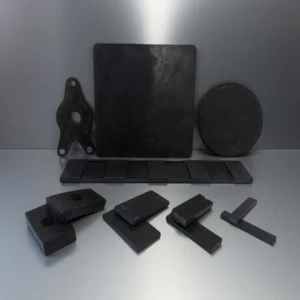
Plate Geometry Square, rectangular, round or drawing-based shapes Geometry affects loading method, furnace layout, contact area and stress distribution.

Specifications of Silicon Carbide Plates

Type 1-Square SiC Plate

Item Length(mm) Width(mm) Thickness(mm)
AT-SIC-P1001 5 5 1
AT-SIC-P1002 5 5 3
AT-SIC-P1003 5 5 5
AT-SIC-P1004 10 10 4
AT-SIC-P1005 10 10 10
AT-SIC-P1006 20 20 3
AT-SIC-P1007 25 50 2
AT-SIC-P1008 25 50 10
AT-SIC-P1009 25 50 5
AT-SIC-P1010 25 50 6
AT-SIC-P1011 25 50 8
AT-SIC-P1012 30 30 10
AT-SIC-P1013 40 40 1
AT-SIC-P1014 40 40 5
AT-SIC-P1015 50 50 1
AT-SIC-P1016 50 50 2
AT-SIC-P1017 50 50 3
AT-SIC-P1018 50 50 4
AT-SIC-P1019 50 50 5
AT-SIC-P1020 50 50 6
AT-SIC-P1021 50 50 8
AT-SIC-P1022 50 50 10
AT-SIC-P1023 100 100 3
AT-SIC-P1024 100 100 4
AT-SIC-P1025 100 100 5
AT-SIC-P1026 100 100 7
AT-SIC-P1027 100 100 10
AT-SIC-P1028 100 100 11
AT-SIC-P1029 100 100 15
AT-SIC-P1030 100 100 20
AT-SIC-P1031 150 150 5
AT-SIC-P1032 150 150 6
AT-SIC-P1033 150 150 8
AT-SIC-P1034 150 150 10


Type 2-Round SiC Plate

Item Diameter(mm) Thickness(mm)
AT-SIC-P1035 10 2
AT-SIC-P1036 12 4
AT-SIC-P1037 15 3
AT-SIC-P1038 20 4.3
AT-SIC-P1039 30 2
AT-SIC-P1040 30 4
AT-SIC-P1041 30 6
AT-SIC-P1042 50 4
AT-SIC-P1043 50 6
AT-SIC-P1044 50 8
AT-SIC-P1045 100 5
AT-SIC-P1046 100 10


RBSiC, NBSiC and SSiC Plate Options

ADCERAX can review silicon carbide plate requirements based on the application environment and required material route. RBSiC / SiSiC plates are commonly considered for cost-effective high-temperature fixtures and wear-resistant parts. NBSiC plates are often used in kiln furniture and furnace support applications where thermal shock resistance and hot strength are important. SSiC plates are preferred when higher density, higher hardness, lower porosity and stronger chemical resistance are required.

The best choice depends on furnace temperature, atmosphere, load, span, contact material, cleaning method and whether the plate is used as a setter, shelf, liner, support fixture or precision ceramic component.

Silicon Carbide Plates Packing

Silicon carbide plates are packaged according to size, thickness, edge condition and surface finish requirements to reduce the risk of edge chipping or transit damage. Custom packaging can be reviewed for large, thin or precision-machined SiC plates.
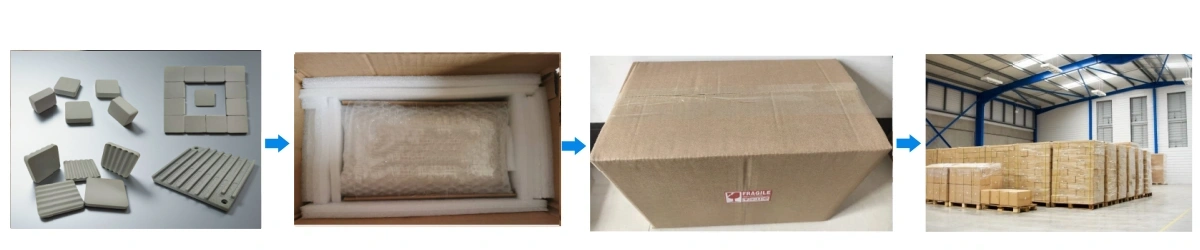

Silicon Carbide Plates Packing

Applications of Silicon Carbide Plates

Silicon carbide plates are used in high-temperature, high-load and chemically demanding applications where ordinary refractory plates, alumina plates or metal support plates may deform, crack, oxidize or wear too quickly. Their combination of hot strength, thermal shock resistance, thermal conductivity and wear resistance makes them suitable for furnace fixtures, sintering setters, kiln shelves and custom equipment components.

ADCERAX can review each application according to plate size, thickness, working temperature, loading method, furnace atmosphere, contact material and required surface finish before recommending RBSiC / SiSiC, NBSiC or SSiC.

Sintering Setter Plates

Silicon carbide plates are widely used as setter plates for ceramic sintering, powder metallurgy, ferrite parts, alumina components, zirconia parts and silicon nitride products. During sintering, the plate must support the workpiece while maintaining dimensional stability under high temperature and repeated thermal exposure.

SiC setter plates are suitable when the customer needs better heat transfer, stronger support strength and reduced deformation risk compared with many traditional ceramic setters. For this application, buyers usually need to confirm the workpiece weight, contact area, firing temperature, atmosphere and whether the plate surface should be ground, polished or left as-fired.

Kiln Shelves and Furnace Support Plates

SiC plates can be used as kiln shelves, furnace plates and support fixtures in shuttle kilns, roller kilns, tunnel kilns, box furnaces, vacuum furnaces and heat treatment furnaces. They are selected when the plate needs to carry loads at elevated temperatures while resisting thermal shock and bending stress.

For kiln furniture applications, plate thickness, support span and loading layout are critical. A plate that is too thin or poorly supported may crack even if the material itself is suitable for the temperature. ADCERAX can review the furnace structure, support distance and load distribution to help select a more suitable SiC plate design.

Heat Treatment Trays and Fixture Plates

In heat treatment equipment, silicon carbide plates can work as support trays, spacing plates, fixture bases or positioning plates. They are useful when metal fixtures may oxidize, soften or contaminate the processed parts at high temperature.

This application is suitable for customers who need stable support during repeated heating and cooling. When requesting a quotation, it is recommended to provide the heating cycle, cooling method, supported part weight and whether the plate will be exposed to oxidizing, reducing or vacuum conditions.

Wear-Resistant and Corrosion-Resistant Plates

Silicon carbide plates can also be used as wear plates, liner plates and protective ceramic surfaces in abrasive or chemically demanding environments. They are suitable for contact with powders, granular materials, sliding components or corrosive process media where metal plates or lower-grade ceramics may wear too quickly.

For wear and corrosion applications, material selection is especially important. SSiC is often considered when low porosity and stronger chemical resistance are required, while RBSiC / SiSiC or NBSiC may be reviewed for high-temperature structural and kiln furniture applications. The correct choice depends on the medium, temperature, impact condition and cleaning method.

Custom Furnace and Equipment Components

Silicon carbide plates can be machined into custom equipment components according to drawings or samples. Common design features include holes, slots, grooves, chamfers, stepped profiles, positioning areas, polished contact surfaces and customized edge shapes.

This application is suitable for OEM equipment, furnace systems, thermal process tooling and industrial fixtures where a standard flat plate is not enough. Before production, ADCERAX can review the drawing to check whether the hole position, edge design, thickness and surface requirement are practical for SiC ceramic machining.

High-Temperature Support for Technical Ceramics and Powder Processing

SiC plates are often used in technical ceramic production and powder processing because they can provide stable support under high temperature while allowing efficient heat transfer. They are suitable for applications where the processed parts require clean support, controlled contact and stable thermal exposure.

For powder-related applications, buyers should confirm whether the material may react with SiC, whether powder residue needs to be cleaned after each cycle and whether a dense or low-porosity SiC grade is required. This helps reduce compatibility risks before placing an order.

Application Review Before Quotation

If you are not sure which SiC plate grade is suitable for your application, please send the drawing, working temperature, furnace atmosphere, load condition and usage method. ADCERAX can review the application before quotation and recommend a suitable material route, size and machining option.

Handling and Use Guidelines for SiC Plates

Silicon carbide plates are strong and thermally stable ceramic components, but correct handling, support and heating practice are still important for long-term use. The following guidelines help reduce cracking risk, edge damage and thermal stress during sintering, heat treatment and furnace loading applications.

Heating and Cooling Control

Use a controlled heating and cooling schedule whenever possible, especially for large, thin or precisely machined silicon carbide plates. Rapid temperature changes may create stress between the plate surface, edge area and support points.

For repeated firing or sintering cycles, avoid sudden thermal shock caused by direct cold air, uneven flame contact or immediate contact with cold metal tools after removal from the furnace. A stable thermal cycle helps maintain plate integrity and reduces the risk of unexpected cracking.

Proper Support During Loading

Support the silicon carbide plate evenly and avoid excessive span under heavy load. For setter plates, kiln shelves and furnace support plates, the support layout should be reviewed together with plate thickness, workpiece weight and furnace temperature.

If the plate carries heavy parts, use multiple support points or a suitable support frame to reduce bending stress. Uneven loading, point loading or unsupported edges may cause local stress even when the SiC material itself is suitable for the temperature.

Workpiece Placement

Place the workpieces evenly on the plate and avoid concentrating all weight in one small area. For sintering setters, the contact area between the workpiece and the plate should be considered carefully, especially when the part has sharp edges, small feet or uneven bottom surfaces.

If processed parts may shrink, react or release residue during firing, confirm whether surface finish, plate material and cleaning method are suitable before repeated use.

Handling and Edge Protection

Avoid mechanical impact during loading, unloading, transportation and cleaning. Silicon carbide has high hardness, but ceramic plates can still chip or crack if struck at the edge or dropped onto a hard surface.

For thin plates or plates with holes, slots, grooves or custom machining features, handle the plate with extra care. Machined corners and edge details should not be used as lifting points unless the design has been reviewed for that purpose.

Cleaning After Use

Clean the plate with a soft brush, dry cloth or suitable non-aggressive cleaning method after each cycle. Avoid heavy hammering, sharp scraping or grinding the surface unless the cleaning method has been confirmed for the specific plate grade and application.

If powder residue, flux, metal droplets or reaction products remain on the surface, remove them before the next cycle when possible. Residue buildup may affect heat transfer, contact behavior and future part cleanliness.

Atmosphere and Material Compatibility

If the silicon carbide plate will contact molten metal, reactive powders, fluxes, corrosive vapors or reducing atmospheres, material compatibility should be confirmed before use. Different SiC grades may behave differently depending on temperature, atmosphere, contact material and exposure time.

For applications involving corrosive media, powder processing or direct contact with reaction products, ADCERAX can review whether RBSiC / SiSiC, NBSiC or SSiC is more suitable for the working environment.

Before Placing an Order

Before ordering custom silicon carbide plates, please provide the drawing or required dimensions, working temperature, furnace atmosphere, loading method, supported weight, heating and cooling cycle, surface finish requirement and whether holes, slots, chamfers or grooves are needed.

This information helps ADCERAX review the plate thickness, material route, machining feasibility and inspection points before quotation.

Need Help Selecting the Right SiC Plate?

If you are unsure about the correct plate thickness, SiC grade or support method, please send your drawing and application conditions. ADCERAX can review the working temperature, load, atmosphere and plate design before recommending a suitable silicon carbide plate option.

Silicon Carbide Plate FAQ

  1. Q: What are silicon carbide plates used for?
    A: Silicon carbide plates are used as sintering setters, kiln shelves, furnace support plates, heat treatment fixtures, wear liners and custom ceramic equipment parts. They are selected when the application requires high-temperature strength, thermal shock resistance, hardness and better heat transfer than many oxide ceramic plates.
  2. Q: What is the difference between RBSiC, NBSiC and SSiC plates?
    A: RBSiC / SiSiC plates are often used for cost-effective high-temperature fixtures and wear-resistant parts. NBSiC plates are commonly considered for kiln furniture and furnace support applications where thermal shock resistance is important. SSiC plates are preferred when low porosity, high hardness and stronger chemical resistance are required.
  3. Q: Are silicon carbide plates better than alumina or mullite plates?
    A: Silicon carbide plates are often better when the application needs higher thermal conductivity, stronger thermal shock resistance, higher hot strength or thinner support structures. Alumina, mullite or cordierite may still be suitable for lower-load or lower-cost applications. The correct choice depends on temperature, load, atmosphere, contact material and required service conditions.
  4. Q: Can silicon carbide plates be custom machined with holes or slots?
    A: Yes. Silicon carbide plates can be reviewed for custom length, width, thickness, holes, slots, chamfers, grooves and surface finish. Hole and slot design should avoid sharp internal corners where possible because stress concentration can increase the risk of cracking during machining or thermal cycling.
  5. Q: What information is needed for a silicon carbide plate quotation?
    A: A quotation usually requires the drawing or target dimensions, material preference, thickness, tolerance requirement, working temperature, furnace atmosphere, supported load, heating and cooling cycle, surface finish and quantity. If the material type is uncertain, application conditions can be reviewed before recommending RBSiC, NBSiC or SSiC.
  6. Q: Can silicon carbide plates be used in direct contact with molten metal or corrosive materials?
    A: Material compatibility must be confirmed before direct contact with molten metal, fluxes, reactive powders, corrosive vapors or aggressive chemical media. Different SiC grades behave differently in different atmospheres, so the plate material and surface condition should be reviewed according to the actual process.
customize size

Custom Silicon Carbide Plate Manufacturing

ADCERAX supports custom silicon carbide plates made according to drawings, samples or application requirements. Each plate can be reviewed for material type, length, width, thickness, flatness, hole pattern, slot design, edge profile, surface finish and inspection points before production.

Custom SiC plates are suitable for sintering setters, kiln shelves, furnace support plates, heat treatment fixtures, wear-resistant plates and equipment-specific ceramic components. The final design should be selected according to working temperature, load, support span, furnace atmosphere, contact material and required surface condition.

Available Custom Options

Silicon carbide plates can be supplied in square, rectangular, round or drawing-based shapes. Common custom features include controlled thickness, chamfered edges, drilled holes, slots, grooves, stepped profiles, polished contact surfaces and as-fired or ground surface finishes.

For plates with holes, slots or sharp internal corners, the design should be reviewed carefully because these features may increase stress concentration during machining, loading or thermal cycling.

Material Selection Support

ADCERAX can review RBSiC / SiSiC, NBSiC and SSiC material options according to the actual working environment. RBSiC / SiSiC is often considered for cost-effective high-temperature fixtures and wear-resistant parts. NBSiC is commonly used for kiln furniture and furnace support applications where thermal shock resistance is important. SSiC is preferred when low porosity, high hardness and stronger chemical resistance are required.

Drawing Review Before Quotation

Before quotation, please provide the drawing or target dimensions, material preference, working temperature, furnace atmosphere, supported load, heating and cooling cycle, surface finish requirement and quantity. If the plate will contact powders, molten materials, fluxes or corrosive vapors, the contact medium should also be confirmed.

This information helps review the plate thickness, material route, machining feasibility, edge design and inspection requirements before production.

Need a Custom SiC Plate for Your Equipment?

Send your drawing, size requirements and application conditions. ADCERAX can review the silicon carbide plate design and recommend a suitable material route, machining option and inspection approach before quotation.

Related Products

ADCERAX - Your Trusted Advanced Ceramics Manufacturing Partner

Direct factory manufacturing with comprehensive ceramic materials expertise and global supply capabilities

China-Based Manufacturer

ADCERAX supplies ceramic components for overseas OEMs, equipment builders, and labs.

Custom Drawing Support

We review drawings, dimensions, materials, and application conditions before quotation.

Ceramic Process Control

Forming, sintering, machining, grinding, and finishing are arranged by part requirements.

Pre-Shipment Inspection

Dimensional checks, visual inspection, and packaging review help reduce procurement risk.

Get in Touch with Us

Our team will be happy to respond to you in less than 24 hours.

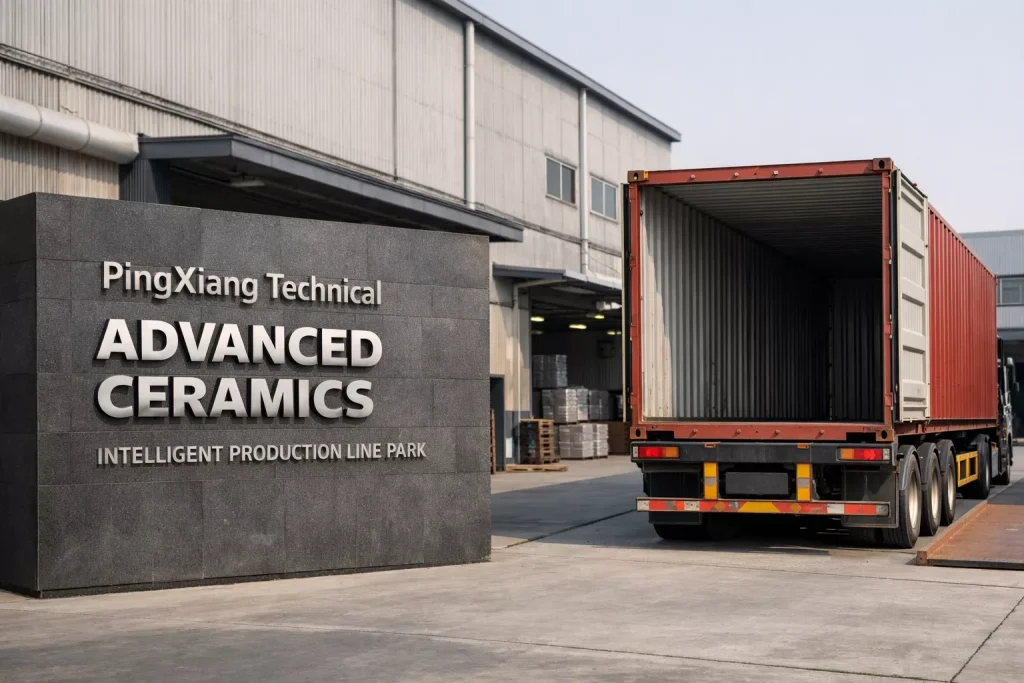
Pingxiang Factory — Silicon carbide, silicon nitride, high-temperature ceramics

Quick Quotation

*Our team will answer your inquiries within 24 hours.

*Your information will be kept strictly confidential.

Ready to Solve Your Engineering Challenge?

Partner with ADCERAX for reliable, high-performance advanced ceramic solutions. Our engineers are ready to discuss your project.

E-mail

info@adcerax.com

Phone

+(86) 0731-74427743 | WhatsApp: +(86) 19311583352

Response Time

Within 24 hours

Quick Quote

The more details you provide, the faster we can quote.

*We respond within 24 hours. All inquiries are confidential.

Get Your Custom Solution

The more details you provide, the faster we can respond.

customize size

*We respond within 24 hours. All inquiries are confidential.

Download Catalog