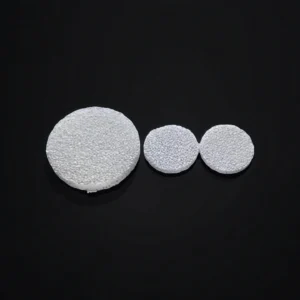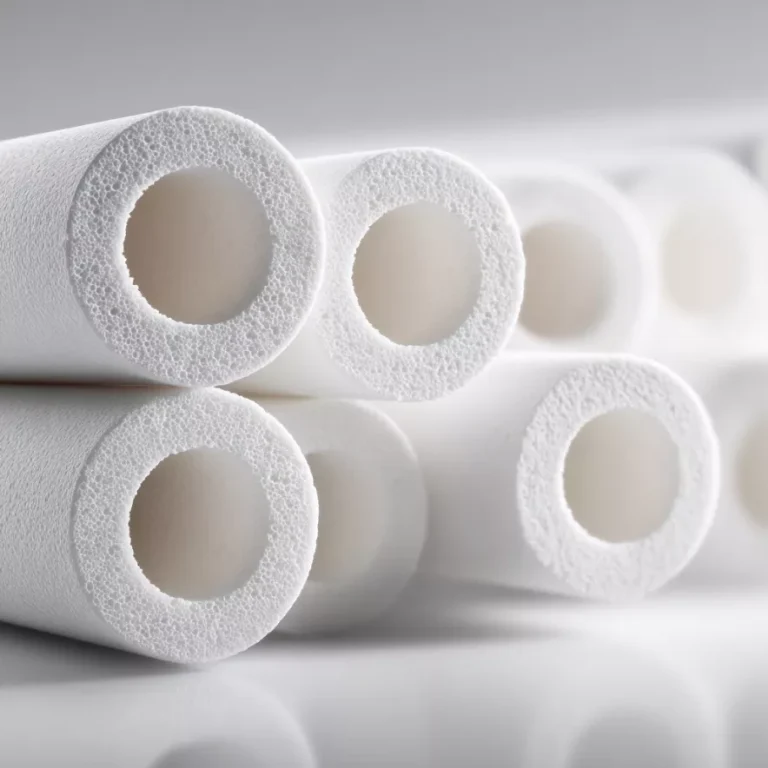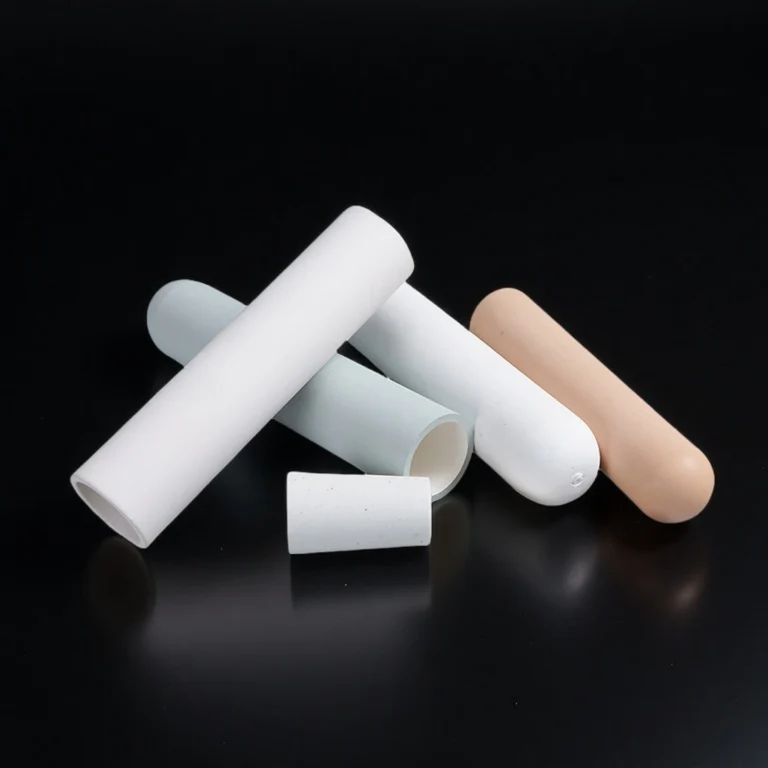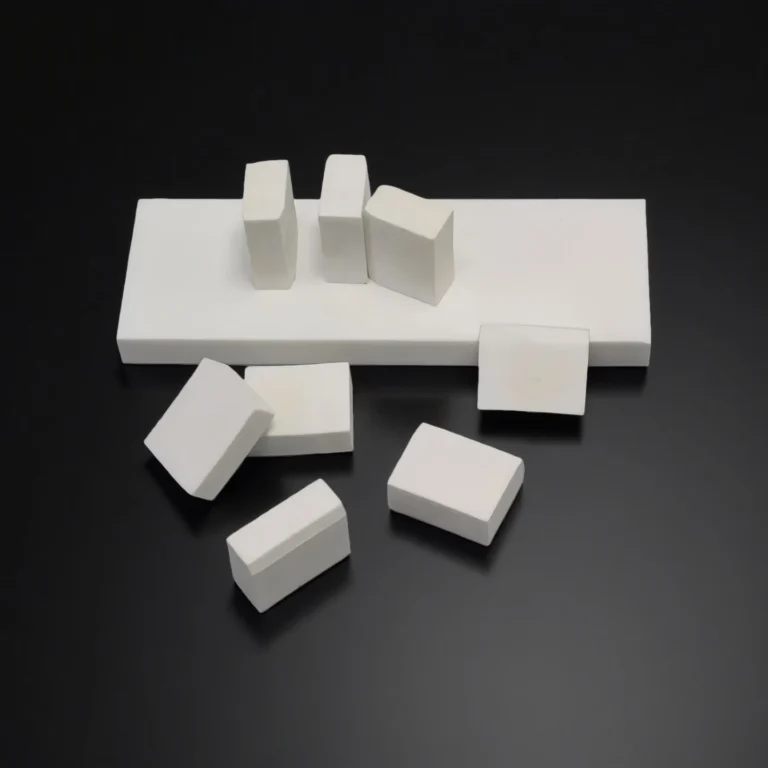
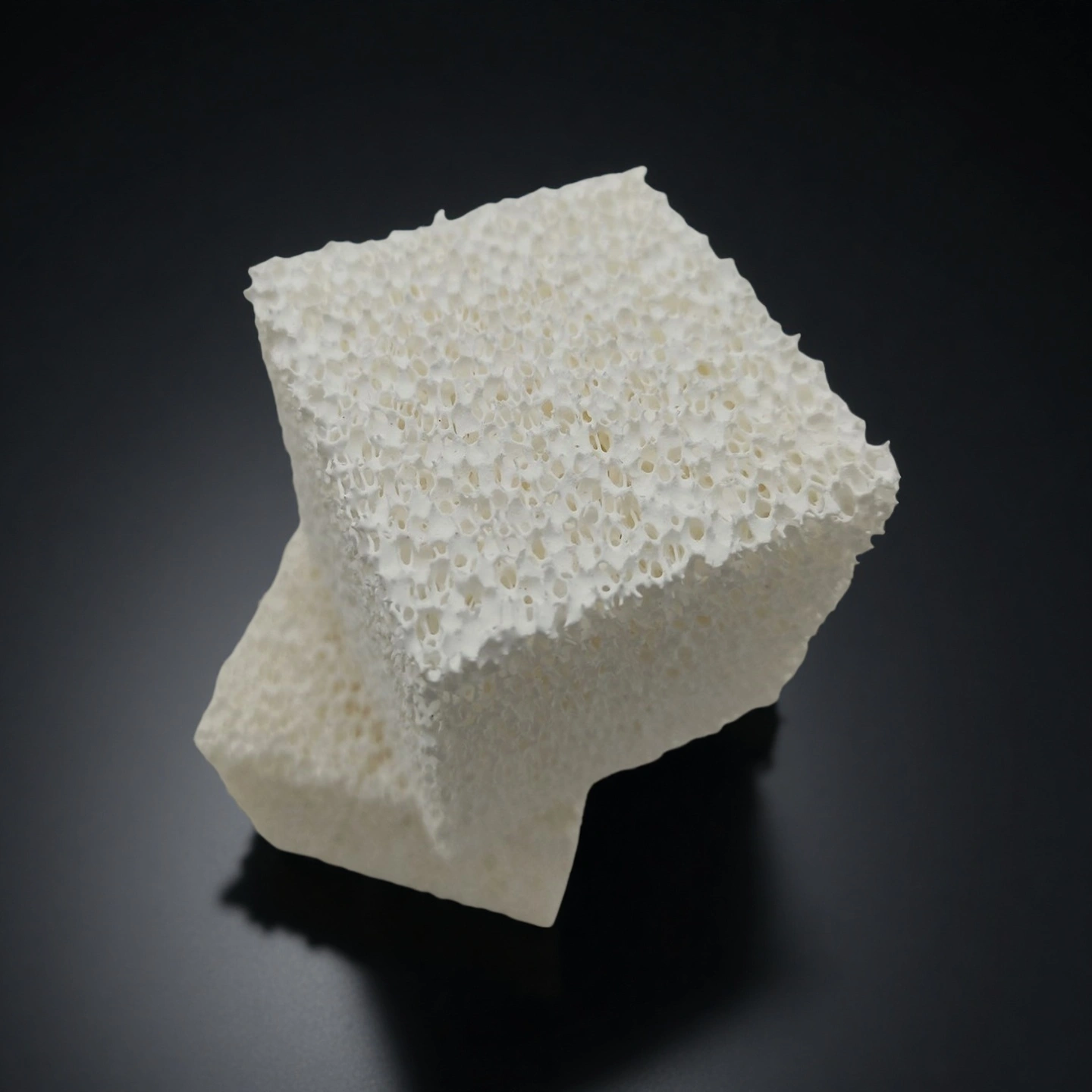
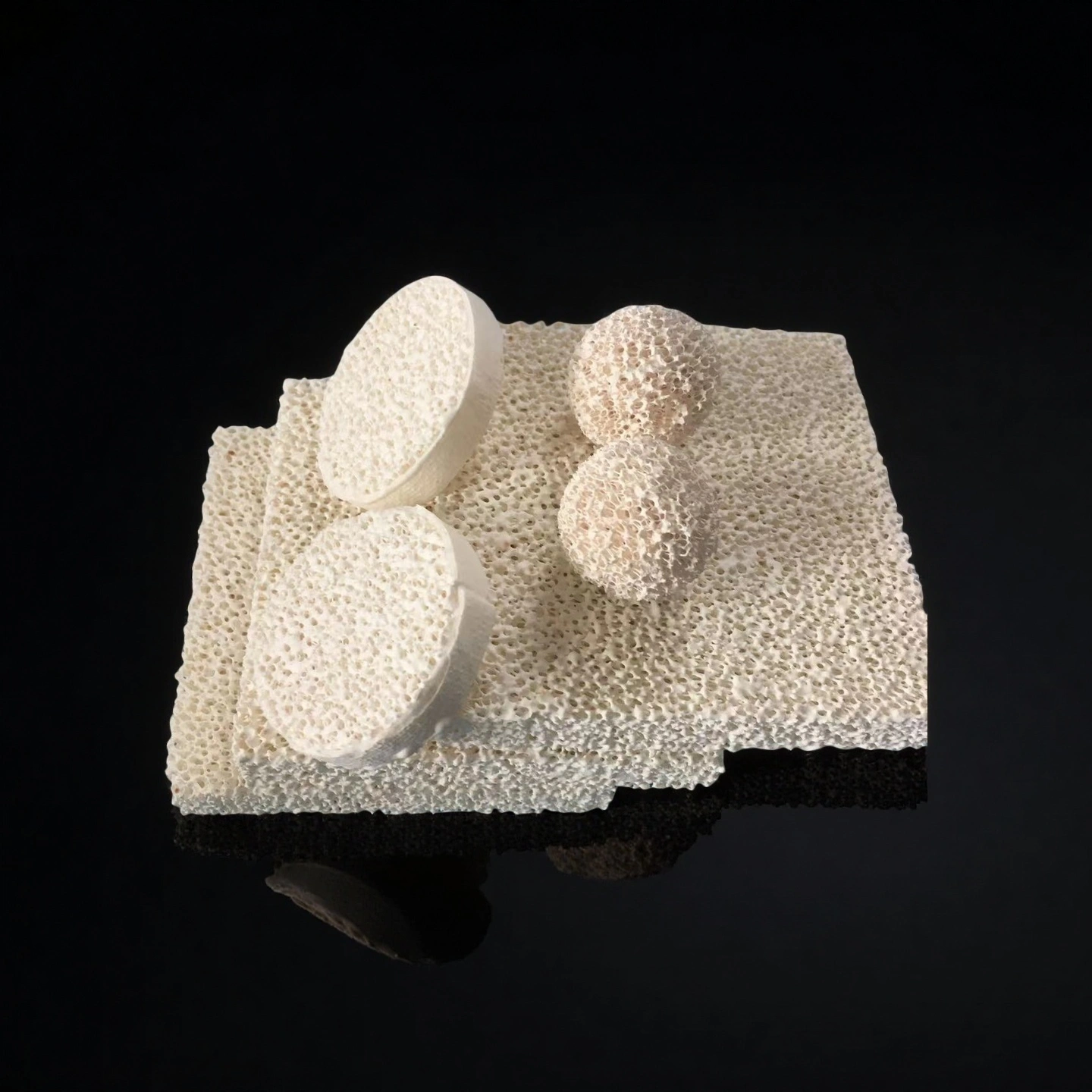
Alumina Ceramic Foam Filter — Foundry Filtration Media (10–60 PPI, 80–90% Porosity)

This alumina foam filters product is manufactured in graded PPI structures to trap non-metallic inclusions and stabilize molten flow for aluminum and other non-ferrous castings, available in standard plate sizes or custom shapes to customer drawings.

Catalog No. AT-YHL-PM001
Material ≥ 96% Al2O3
Porosity (PPI) 10 – 60 PPI (typical grades used: 10, 20, 30, 40, 50, 60)
Operating Temp Up to 1350°C
Dimensions/Sizes Download PDF
24H Standard Dispatch
Small Batch Support OEM
Factory Direct
Expert Engineering Support

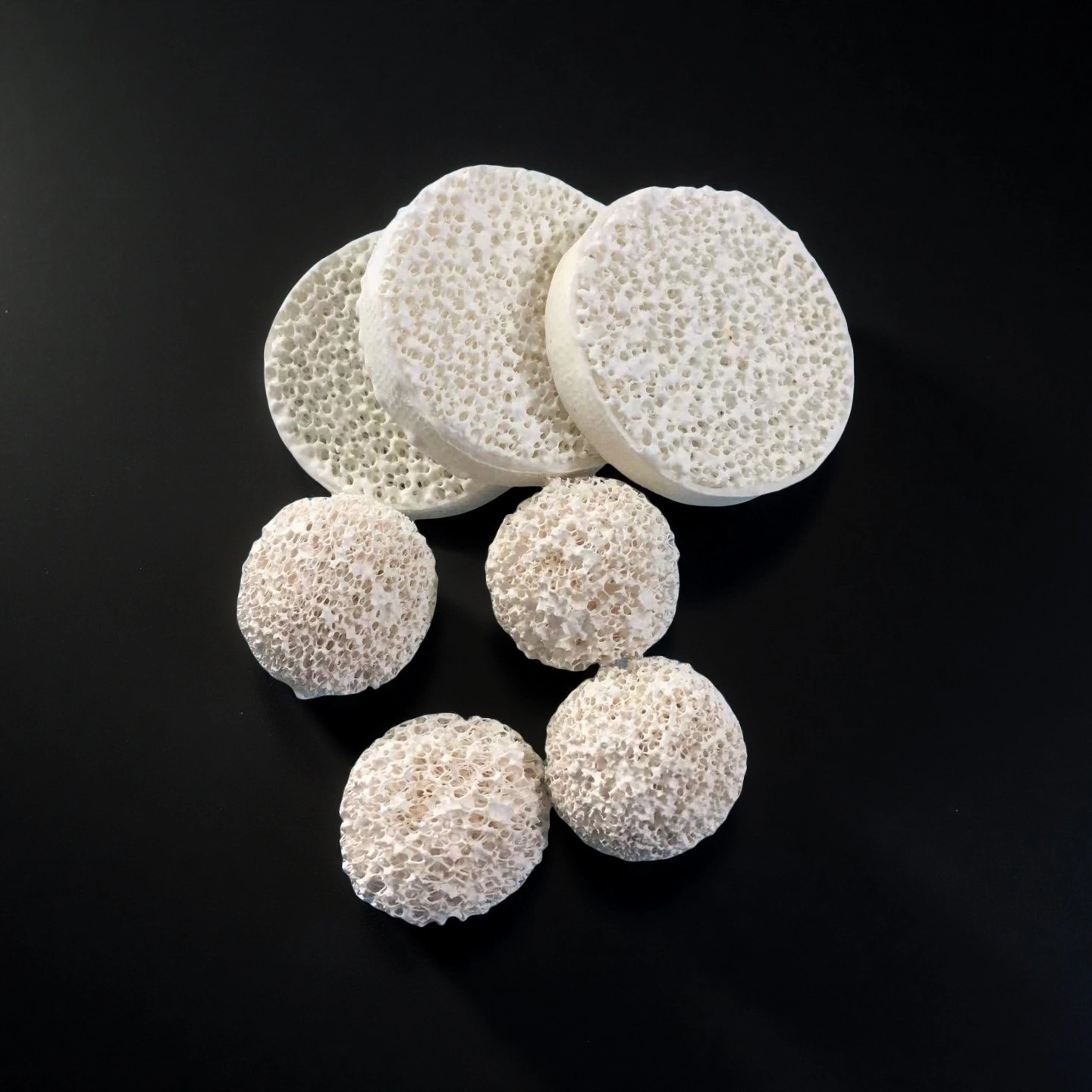
Alumina ceramic foam filter is a manufactured, open-cell filtration element composed primarily of aluminum oxide (Al₂O₃). It features a three-dimensional interconnected pore network that provides controlled filtration of molten non-ferrous metals and alloys while allowing laminar melt flow.

Alumina Ceramic Foam Filter Benefits

  • Controlled pore grading (PPI) to balance inclusion capture and melt flow control for different casting types.
  • High open porosity for low pressure drop and laminar melt feeding.
  • Stable chemistry (Al₂O₃ matrix) with operating windows suited to aluminum alloy casting.
  • Available in standard sizes with on-demand custom shapes and thicknesses to match gating systems.
  • Mechanical integrity adequate for handling and installation in filter boxes or refractory supports.


Alumina Foam Filter Properties

Property Unit 99.5% Al₂O₃ 99.6% Al₂O₃ 99.7% Al₂O₃ 99.8% Al₂O₃ 99.9% Al₂O₃ 99.99% Al₂O₃
Alumina content % 99.5 99.6 99.7 99.8 99.9 99.99
Density g/cm³ 3.89 3.91 3.92 3.93 3.94 3.98
Open porosity % 0
Color Ivory Ivory Ivory Ivory Ivory Ivory
Water absorption % 0 0 0 0 0
Young’s modulus (Elastic modulus) GPa 375 356 357 358 359 362
Shear modulus GPa 152
Bulk modulus GPa 228
Poisson’s ratio 0.22
Compressive strength MPa 2600 2552 2554 2556 2558 2570
Flexural strength MPa 379 312 313 314 315 320
Fracture toughness MPa·m¹ᐟ² 4
Hardness GPa 14.1 (≈1440 kg/mm²) 23 24 25 26 30
Thermal conductivity W/m·K 35 32–37 33–38 34–39 35–40 36–42
Thermal shock resistance ΔT °C 222 223 224 225 228
Maximum use temperature (no load) °C ≤1750 1755 1760 1765 1770 1800
Coefficient of thermal expansion 10⁻⁶/°C 8.4
Specific heat J/kg·K 880
Volume resistivity Ω·cm >1×10¹⁴ >1×10¹⁴ >1×10¹⁴ >1×10¹⁴ >1×10¹⁴ >1×10¹⁴
Dielectric constant (relative permittivity) 9.8 9.83 9.84 9.85 9.86 9.92
Dielectric strength kV/mm 16.9 23.2 23.4 23.6 23.8 24
Dissipation factor (loss factor @ 1 kHz) 0.0002


Alumina Ceramic Foam Filter Sizes

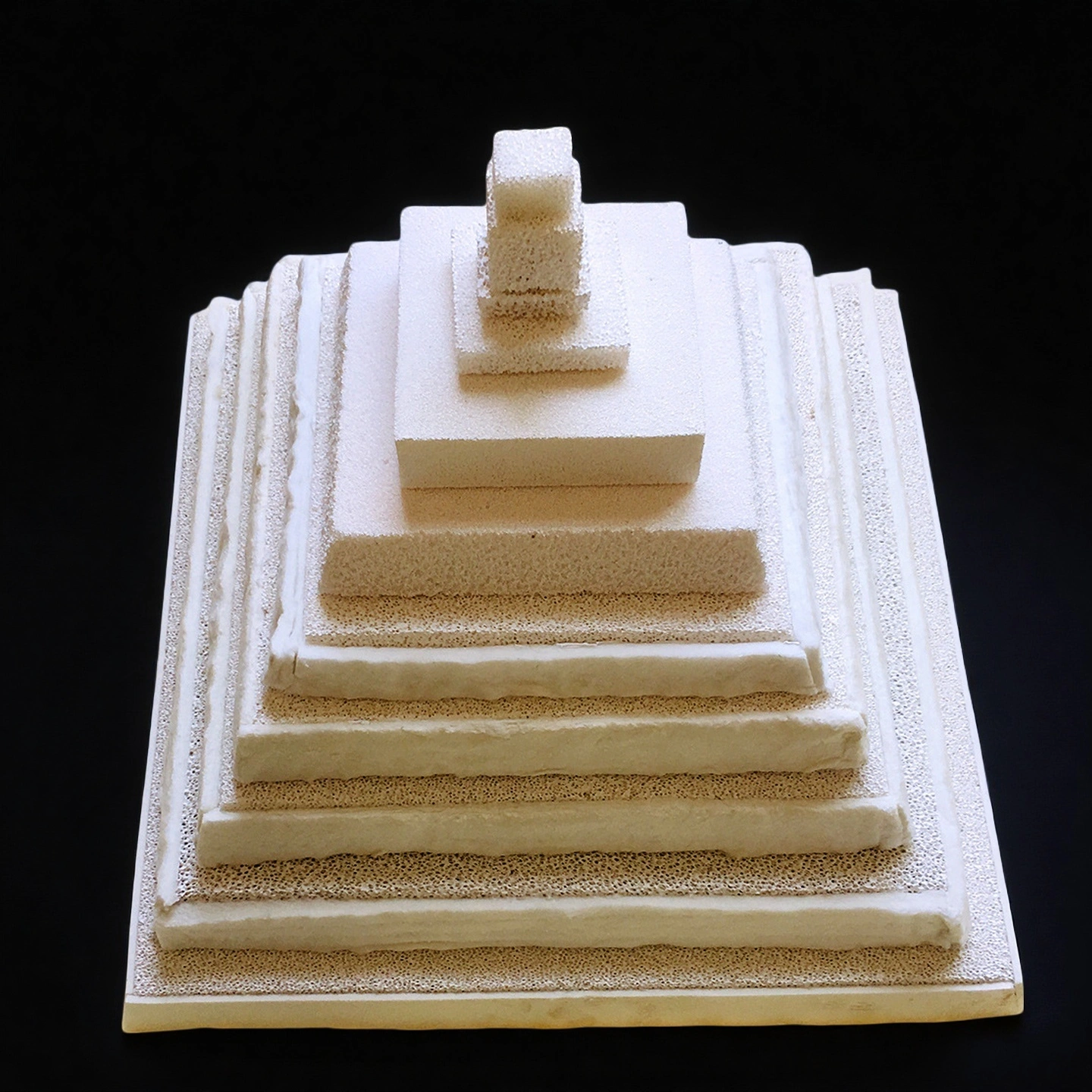
Type 1: Square alumina foam filter
Square alumina foam filter

Square alumina foam filter
Item No. Length * Width *Thickness(mm) PPI Aperture ratio% Flow rate(Kg/s) Flow(Kg) Shape
AT-YHL-PM001 584*584*50 20/30/40/50 80~90 40~120 80~240 Square
AT-YHL-PM002 508*508*50 20/30/40/50 80~90 40~120 80~240 Square
AT-YHL-PM003 432*432*50 20/30/40/50 80~90 40~120 80~240 Square
AT-YHL-PM004 381*381*50 20/30/40/50 80~90 40~120 80~240 Square
AT-YHL-PM005 305*305*50 20/30/40/50 80~90 40~120 80~240 Square
AT-YHL-PM006 228*228*50 20/30/40/50 80~90 40~120 80~240 Square


Type 2: Round alumina foam filter

Round alumina foam filter

Round alumina foam filter
Item No. Diameter PPI Aperture ratio% Flow rate(Kg/s) Flow(Kg) Shape
AT-YHL-PM007 φ30-φ500mm 10-90 80~90 40~120 80~240 Round


Alumina Ceramic Foam Filter Packaging

  • Each alumina ceramic filter is individually wrapped with foam and packed into moisture-resistant cartons.
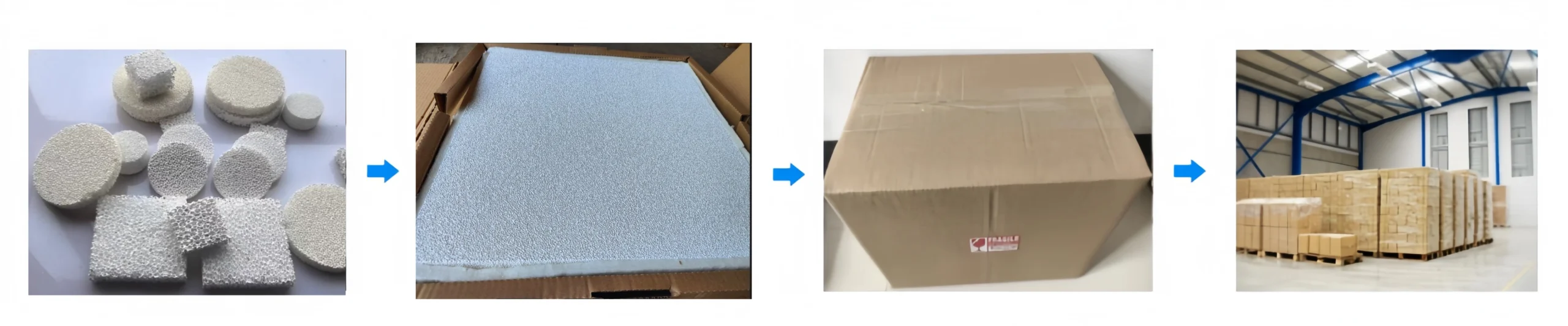

Alumina Ceramic Foam Filter Packaging


Alumina Ceramic Foam Filter Uses

  • Aluminium Casting Industry

    ✅ Key Advantages

    1. 30 PPI filter reduces turbulence, cutting porosity rates by up to 35% in gravity castings.
    2. Lowers downstream machining rejects, improving yield from 92% to 97% in typical aluminum housings.
    3. Maintains consistent metal flow with pore grading matched to feed rate, ensuring stable throughput.

    ✅ Problem Solved

    A mid-sized foundry producing automotive gearbox housings installed 30 PPI alumina ceramic foam filters in its runner system. After adoption, X-ray inspections showed porosity levels dropped by 33%, and machining rejects fell from 8% to 3%. The result was an annual savings of $180,000 in scrap reduction and rework. Production line uptime improved due to fewer stoppages linked to inclusion defects.

  • Energy & Power Generation

    ✅ Key Advantages

    1. Standard 178×178×50 mm plates enable filter swaps in under 2 minutes.
    2. Prevents downtime, increasing line availability by up to 12 hours per month.
    3. Supports high-volume production with rapid-change design, keeping takt times stable.

    ✅ Problem Solved

    A die casting plant producing aluminum transmission cases faced frequent maintenance delays during filter replacements. Switching to standardized alumina ceramic foam filters allowed each replacement in under two minutes. This reduced downtime by 11 hours per month, enabling an additional 1,200 units of production. Scrap linked to inclusions decreased by 28%, delivering both capacity gains and improved quality with a direct cost saving of $95,000 per quarter.

  • Construction & Heavy Machinery

    ✅ Key Advantages

    1. Stocked 178×178×50 mm plates allow for under 10 minutes replacement time, minimizing downtime.
    2. Stable filtration maintains alloy cleanliness, extending mould life by up to 20%.
    3. Supports flexible production with modular filter sizes tailored for smaller casting lines.

    ✅ Problem Solved

    A construction equipment manufacturer operating small die casting cells adopted alumina ceramic foam filters for routine maintenance cycles. By standardizing 178×178×50 mm stocked filters, replacement was achieved in under 8 minutes per cell, reducing scheduled downtime by 30%. Alloy cleanliness improved, extending tool life from 45,000 to 54,000 shots. The result was an annual saving of 400 machine hours and cost reduction exceeding $180,000 in tooling and downtime expenses.

Alumina Foam Filter Usage Instructions

  • Installation

    1. Pre-installation inspection: Check each ceramic foam filter for cracks, chips, or other visible damage. Minor surface dust is acceptable but structural defects are not.
    2. Orientation & placement: Install the filter on a refractory support or in the designated filter box with the open-cell side facing the incoming melt. Proper orientation ensures maximum filtration efficiency.
    3. Support considerations: Use compatible backing materials (e.g., steel or ceramic supports) to distribute load and prevent breakage during melt flow. Avoid direct contact with sharp edges or uneven surfaces.
    4. Tips:

    a. For large filters (>300×300 mm), consider pre-heating the support to avoid thermal shock.
    b. When using multiple filters in series, maintain at least 5–10 mm spacing to allow uniform metal flow.

  • Storage

    1. Environment: Keep filters in a dry, ventilated area to prevent moisture absorption.
    2. Stacking: Stack flat with protective spacers (e.g., ceramic or high-temperature cardboard) between layers.
    3. Load precautions: Do not place heavy objects on top; even moderate pressure can cause micro-cracks, reducing filtration efficiency.
    4. Shelf life: If stored properly, most alumina foam filters maintain performance for 12–18 months.

  • Cleaning & Handling

    1. Single-use policy: Ceramic foam filters are designed for single-use only in molten metal filtration; do not attempt to reuse after casting.
    2. Handling during installation:

    a. Avoid dropping or striking the filter.
    b. Use gloves or clean handling tools to prevent contamination.
    c. Dust can be gently brushed off; do not use water or solvents, which may introduce moisture.
    3. Pre-installation preparation: For moisture-prone environments, filters can be pre-dried in an oven at 80–100°C for 30–60 minutes.

  • Common Misuse & Remedies

    1. Forcing an oversized filter into the box
    This can cause mechanical stress and may crack the filter. The proper approach is to select a correctly sized filter or use tapered packing spacers to assist installation, avoiding any forced insertion.

    2. Exposure to moisture followed by rapid heating
    If the filter absorbs moisture and then comes into contact with molten metal too quickly, thermal shock may occur, leading to cracking. To prevent this, dry the filter thoroughly before use and follow controlled heating rates, typically 5–10°C per minute.

    3. Incorrect orientation in the filter box
    If the filter is installed with the wrong orientation, molten metal may bypass the open-cell side, reducing filtration efficiency. Always ensure the open-cell side faces the incoming melt.

    4. Excessive stacking during storage
    Over-stacking can crush the filter or cause micro-cracks, compromising performance. Limit stack height during storage and place protective spacers between layers to distribute weight evenly.

Alumina Ceramic Foam Filter FAQ

  1. Q: What is the optimal pore size (PPI) for aluminum casting?
    A: 30–40PPI alumina ceramic foam filters are generally used for aluminum gravity casting, depending on alloy flow rate and impurity size.
  2. Q: Can you make custom-dimension alumina filters?
    A: Yes, filters can be produced upon request. Dimensions such as 150×200×25mm or round shapes with center holes are available.
  3. Q: What is the highest working temperature that your filters support?
    A: Our alumina foam filters operate safely up to 1350°C with standard alloy types (pure aluminum, A380, ADC12, etc.).
  4. Q: Are these suitable for copper-based metal casting?
    A: Yes, we supply copper foundries using 40PPI and 50PPI alumina filters reinforced for higher metal density and reaction risk.
  5. Q: How do your filters compare with silicon carbide (SiC) ones?
    A: SiC filters are used for gray cast iron; for aluminum and brass, alumina filters are preferred due to weight and pore geometry differences.
  6. Q: What is the main difference between alumina ceramic foam filters and sediment filters?
    A: Alumina Ceramic Foam Filter: Designed for molten metal filtration, features a highly porous open-cell structure that captures oxide inclusions and non-metallic particles during casting. Ideal for steel, aluminum, and other non-ferrous metals.
    Sediment Filter: Typically used in water or air filtration systems to remove sand, dirt, and other large particles. Not designed to withstand high temperatures or molten metal exposure.

  7. Q: What types of impurities can alumina ceramic foam filters remove?
    A: Alumina ceramic foam filters are designed to remove non-metallic inclusions, oxide films, and solid particles from molten metals such as steel, aluminum, and copper.

What Our Clients Say about Alumina Ceramic Foam Filters

  • ⭐️⭐️⭐️⭐️⭐️
    The alumina ceramic foam filter bought from Adcerax effectively removed oxide inclusions and gas bubbles from our molten aluminum, resulting in significantly cleaner castings
    -- John Smith (Technical Manager, Global Foundry Solutions)
  • ⭐️⭐️⭐️⭐️⭐️
    The alumina ceramic foam filter purchased wholesale from ADCERAX improved our casting yield by 15%, reducing surface defects and enhancing internal uniformity.
    -- Maria Gonzalez (Quality Control Supervisor, Precision Castings Ltd.)
  • ⭐️⭐️⭐️⭐️⭐️
    With the alumina foam filter, impurities in the molten metal were efficiently captured, stabilizing our casting quality and boosting production efficiency.
    -- David Lee (Production Manager, Aluminum Alloys Inc.)

  • ⭐️⭐️⭐️⭐️⭐️
    The alumina foam filter maintained its structural integrity under high-temperature conditions, ensuring smooth casting operations and consistent internal quality.
    -- Chen Wei (Casting Engineer, Shanghai Casting Works)
customize size

Customize Alumina Ceramic Foam Filter

ADCERAX provides production-to-order alumina foam filters to your drawings or requirements. Parameters include:

• PPI / pore grading: choose from 10 / 20 / 30 / 40 / 50 / 60 PPI (or combined stacked grades). 
• Outer dimensions: square/rectangular/round plates — standard sizes available; custom sizes on request (tolerance guidance below). 
• Thickness: typical ranges (10–50 mm standard), custom thickness up to project requirement.
• Shape: flat plates, discs, blocks, or shaped inserts to match gating geometry.
• Surface finish/edge treatment: raw cut / chamfered edges / machined mating faces.
• Porosity/density targets: specify target open porosity (typical 80–90%) or bulk density for process matching.

Typical manufacturing tolerances (practical guide): standard product tolerances are commonly ±2–3 mm for larger plates; tighter tolerances (±0.5 mm to ±1.0 mm) can be produced for small-format parts, subject to feasibility and inspection acceptance. Use the drawing review to confirm achievable tolerances for the requested geometry.

Related Products

ADCERAX - Your Trusted Advanced Ceramics Manufacturing Partner

Direct factory manufacturing with comprehensive ceramic materials expertise and global supply capabilities

Direct Factory Manufacturing

China-based ceramic materials production facility with state-of-the-art equipment

Engineering Team

Experienced professionals in advanced ceramics applications and custom design

Quality Control

Strict quality control standards for technical ceramics manufacturing and quality management

Global Supply Chain

Serving customers worldwide with technical ceramics and rapid response

24/7 Technical Support

Round-the-clock support for ceramic components inquiries and technical assistance

500+ Satisfied Customers

Trusted by global customers for advanced ceramic materials and precision components

Get in touch with us

Our team will be happy to respond to you in less than 24 hours.

Adcerax's factory

Quick Quotation

*Our team will answer your inquiries within 24 hours.

*Your information will be kept strictly confidential.

Ready to Solve Your Engineering Challenge?

Partner with ADCERAX for reliable, high-performance advanced ceramic solutions. Our engineers are ready to discuss your project.

E-mail

info@adcerax.com

Phone

+(86) 0731-74427743 | WhatsApp: +(86) 19311583352

Response Time

Within 24 hours

Quick Quote

The more details you provide, the faster we can quote.

*We respond within 24 hours. All inquiries are confidential.

Download Catalog

Get Your Custom Sulution

The more details you provide, the faster we can respond.

customize size

*We respond within 24 hours. All inquiries are confidential.

Download Catalog