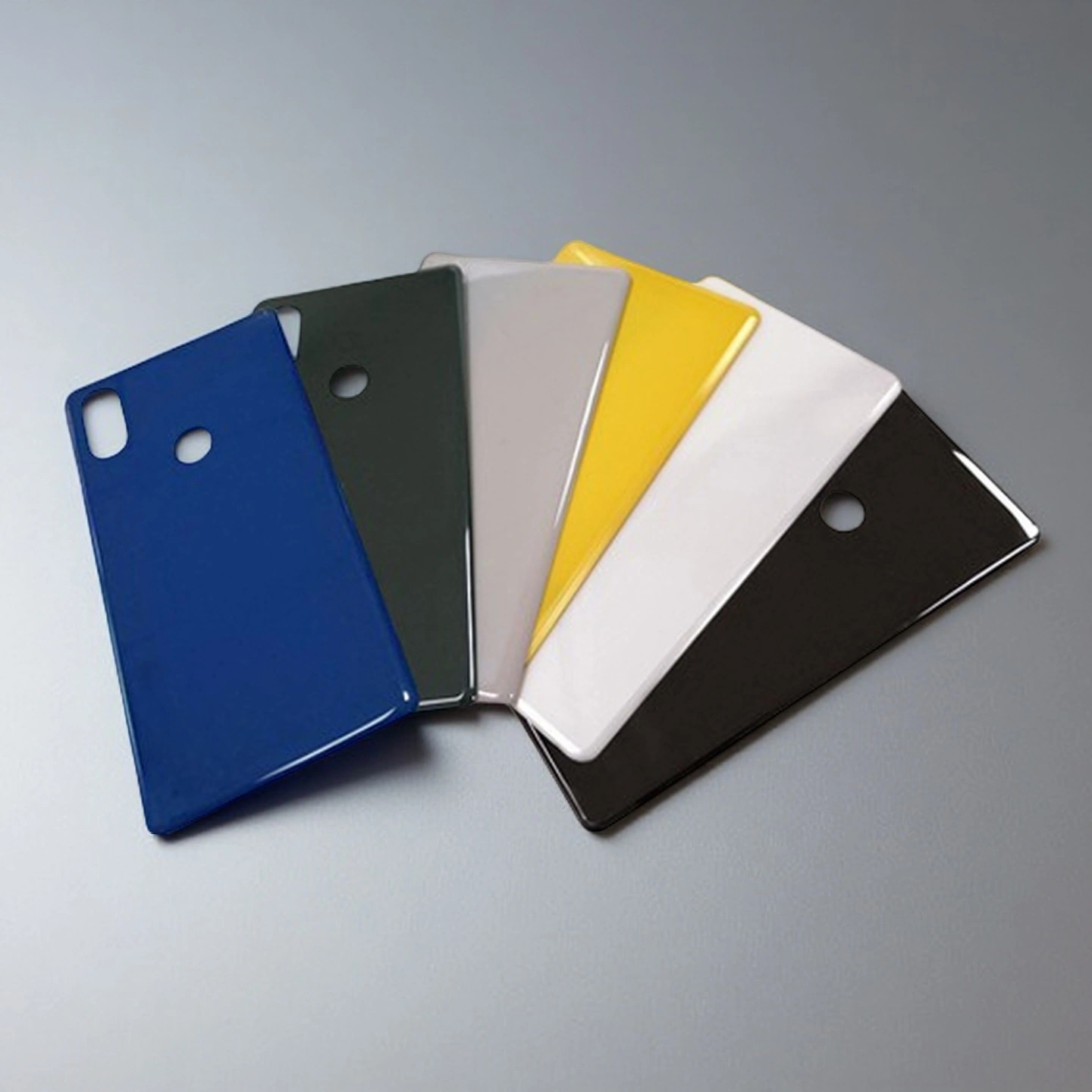
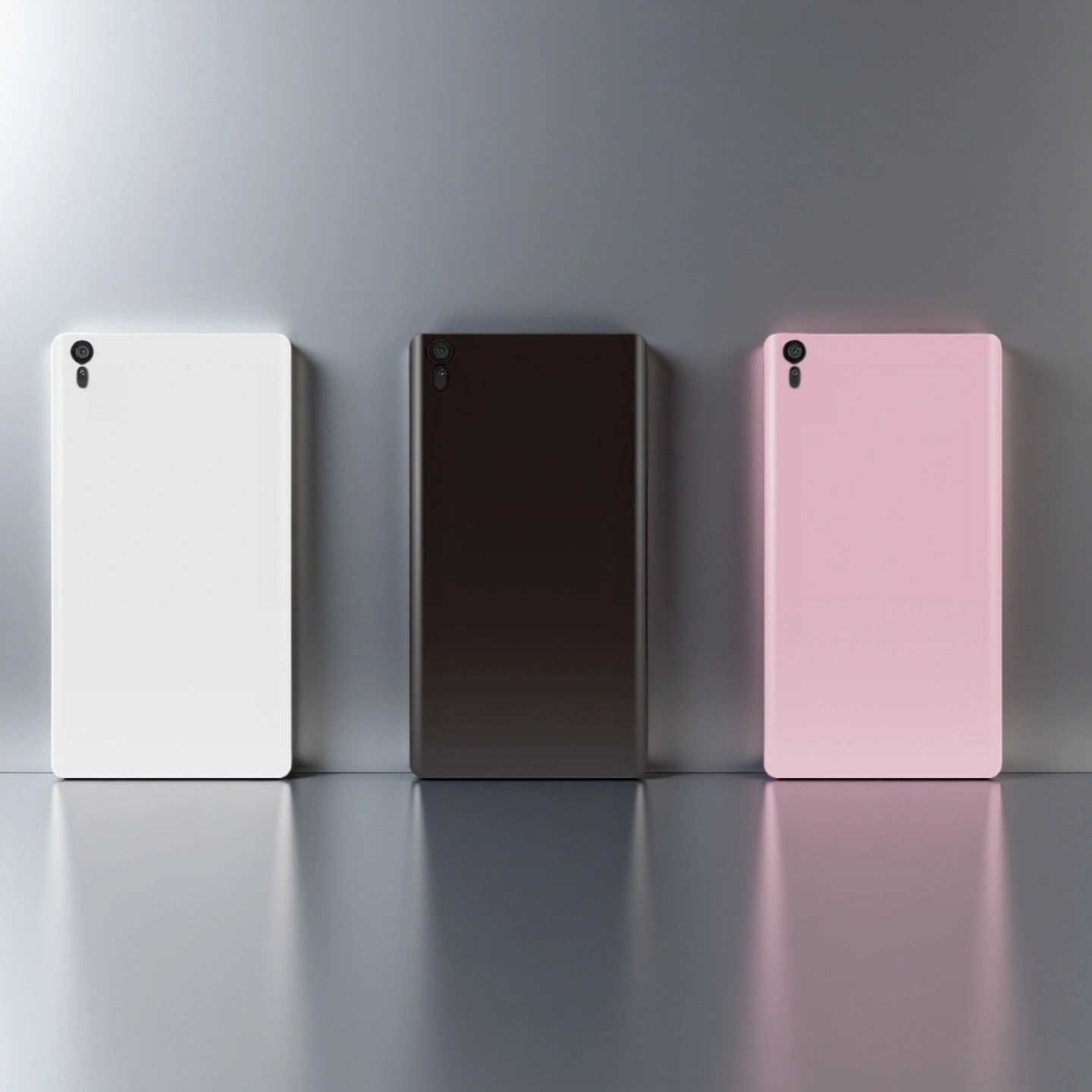
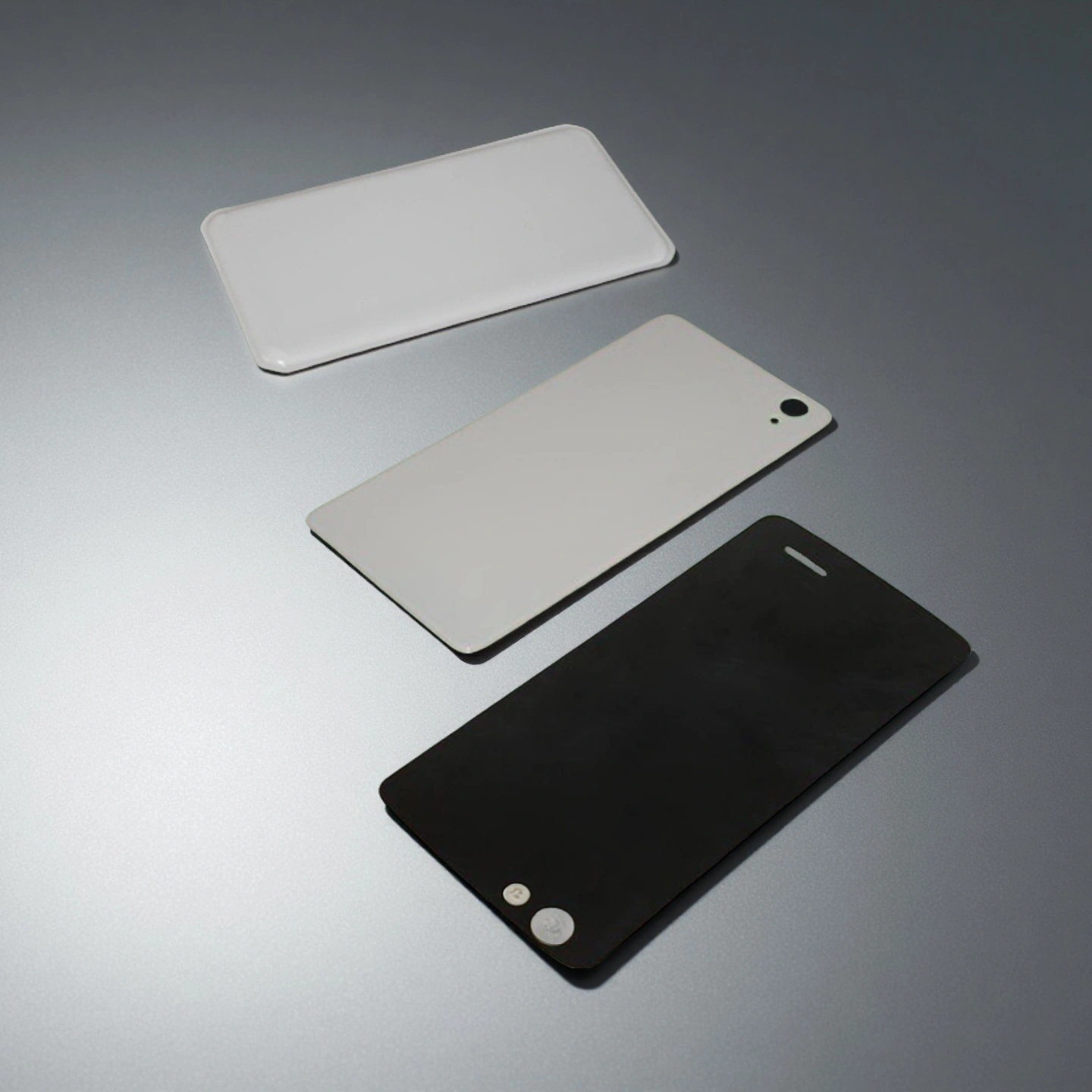
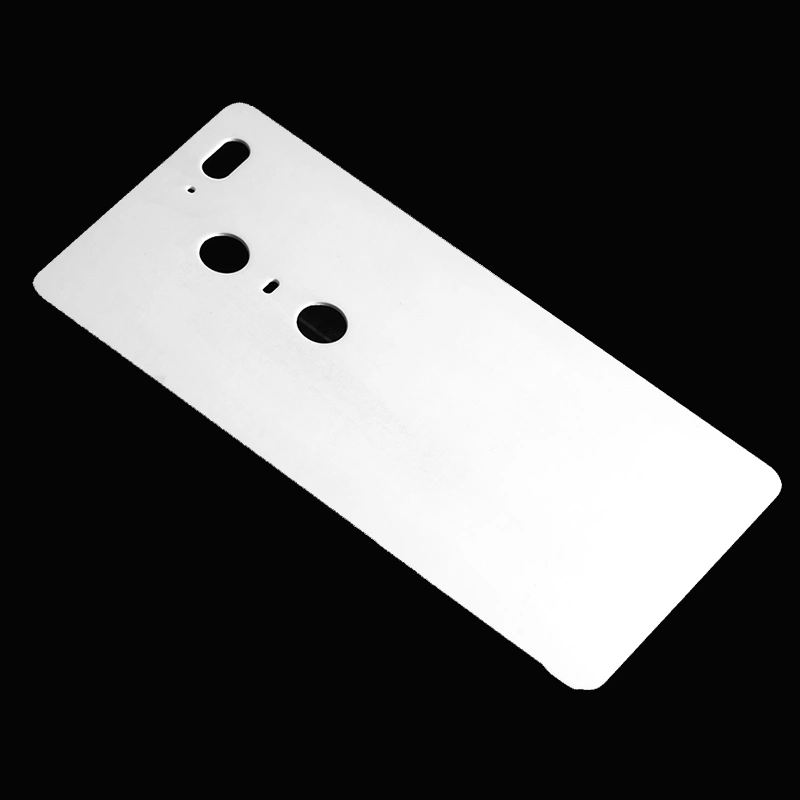
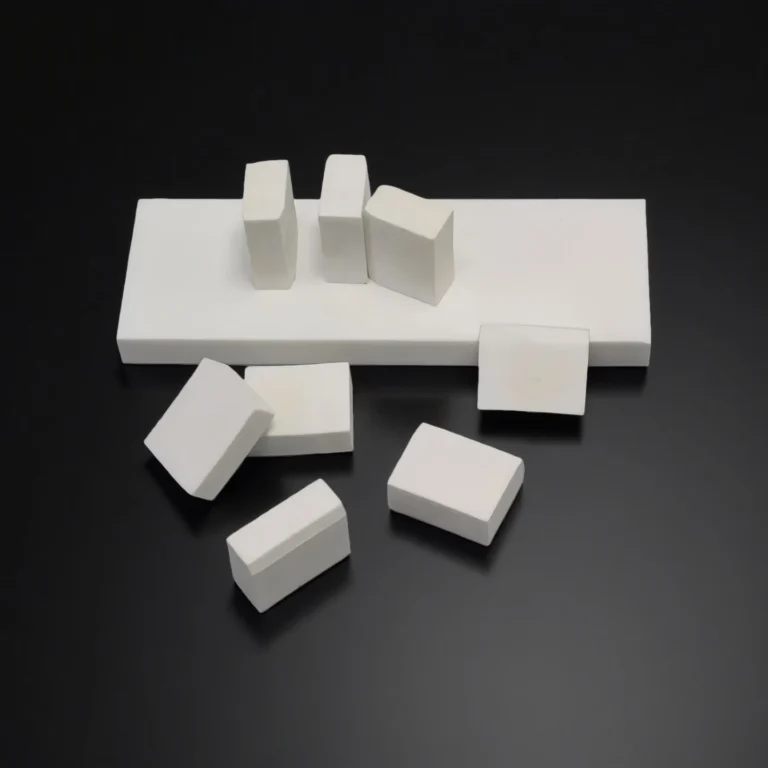
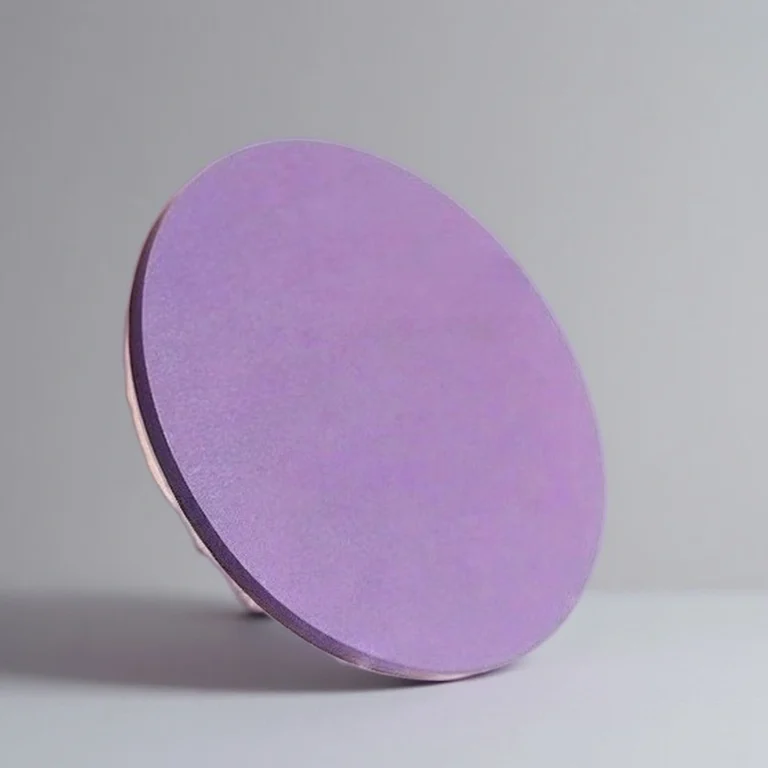
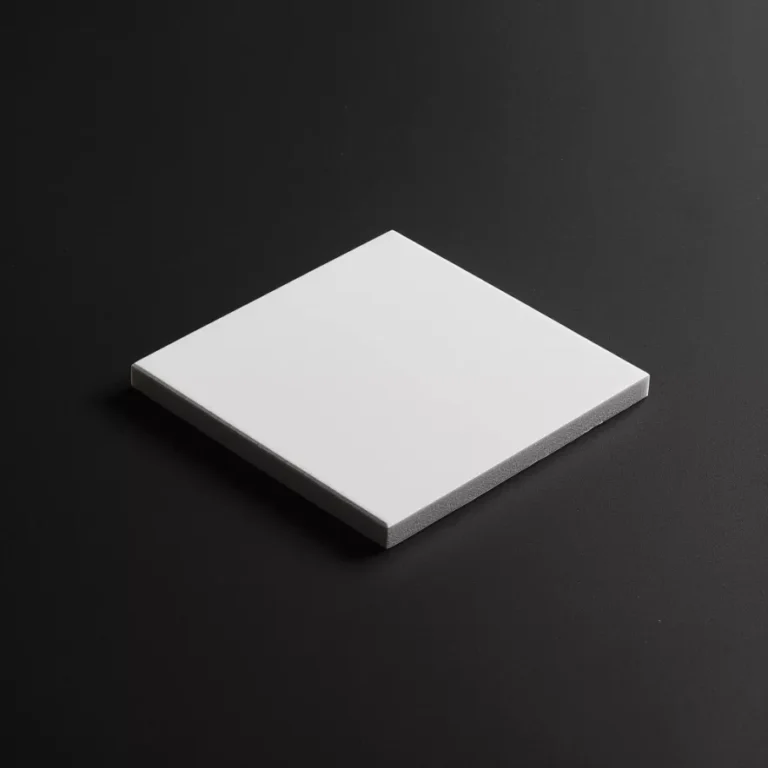
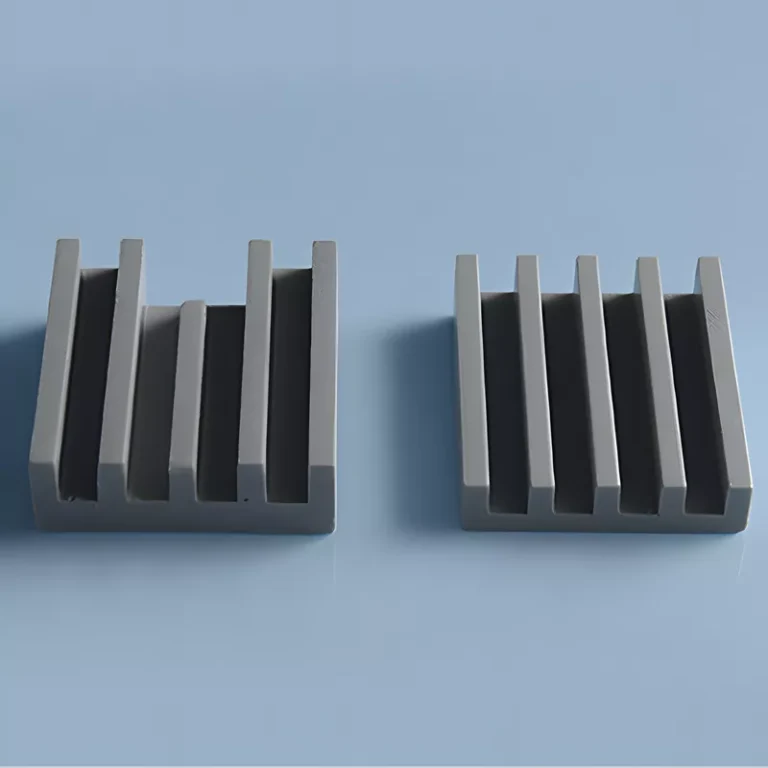
ADCERAX® Zirconia Ceramic Back Cover is engineered for advanced smartphones requiring high durability, scratch resistance, and seamless signal transmission. It provides a dense, polished surface with exceptional tactile quality and long-term stability. This non-conductive and non-magnetic material supports 5G and wireless charging without electromagnetic interference. Zirconia Ceramic Back Cover enables high-end devices to combine mechanical protection with design aesthetics.
Features of Zirconia Ceramic Back Cover
- Bending Strength ≥ 800 MPa ensures resilience under drop conditions common in mobile use. This level exceeds most aluminosilicate glass covers by over 3×.
- Fracture Toughness 8–10 MPa·m½ provides crack resistance under edge stress, maintaining integrity in thin-walled regions.
- No cracking in 1.5 m drop tests on corner impact under MIL‑STD‑810G equivalent validates its suitability for flagship phones.
- Mohs Hardness ~8.5 resists key scratches and pocket abrasion, outperforming hardened glass (typically ~6.5).
- Surface wear depth < 1 µm after 1000-cycle sandpaper test confirms long-term cosmetic durability.
- ΔE < 1.5 color deviation* across batch production maintains visual consistency for premium product lines.
- Dielectric Constant ~20–25 supports radio wave transparency at 3–6 GHz bands used by 5G networks.
- Loss Tangent tanδ < 0.001 at 1 GHz ensures minimal signal attenuation in antenna path regions.
- >95% wireless charging efficiency retained when tested with Qi 2.0 pads under 10 W load.
Technical Properties for Zirconia Ceramic Back Cover
Zirconia Ceramic Back Cover delivers a combination of structural integrity, electromagnetic transparency, and surface durability optimized for 5G-enabled device applications. Its material properties meet the requirements for long-life use under thermal, mechanical, and electronic stress conditions.
| Property |
Specification |
| Material Type |
Yttria-Stabilized Zirconia (3 mol%) |
| Density |
≥ 6.05 g/cm³ |
| Bending Strength |
≥ 800 MPa |
| Fracture Toughness |
8–10 MPa·m½ |
| Vickers Hardness |
> 1200 HV10 |
| Mohs Hardness |
~8.5 |
| Thermal Expansion Coefficient |
~10.2 × 10⁻⁶ /K (25–500 °C) |
| Dielectric Constant (1 MHz) |
~22–25 |
| Loss Tangent tanδ (1 GHz) |
< 0.001 |
| Surface Roughness (Ra) |
≤ 0.05 µm |
| Color Deviation (ΔE*) |
≤ 1.5 |
| Electrical Conductivity |
< 10⁻⁸ S/cm |
Specifications of Zirconia Ceramic Back Cover
|
Zirconia Ceramic Back Cover |
|
Item No. |
Type |
Thickness (mm) |
Purity (mm) |
|
AT-YHG-SJ001 |
2.5D |
Customize |
|
AT-YHG-SJ002 |
3D |
Customize |
Packaging of Zirconia Ceramic Back Cover
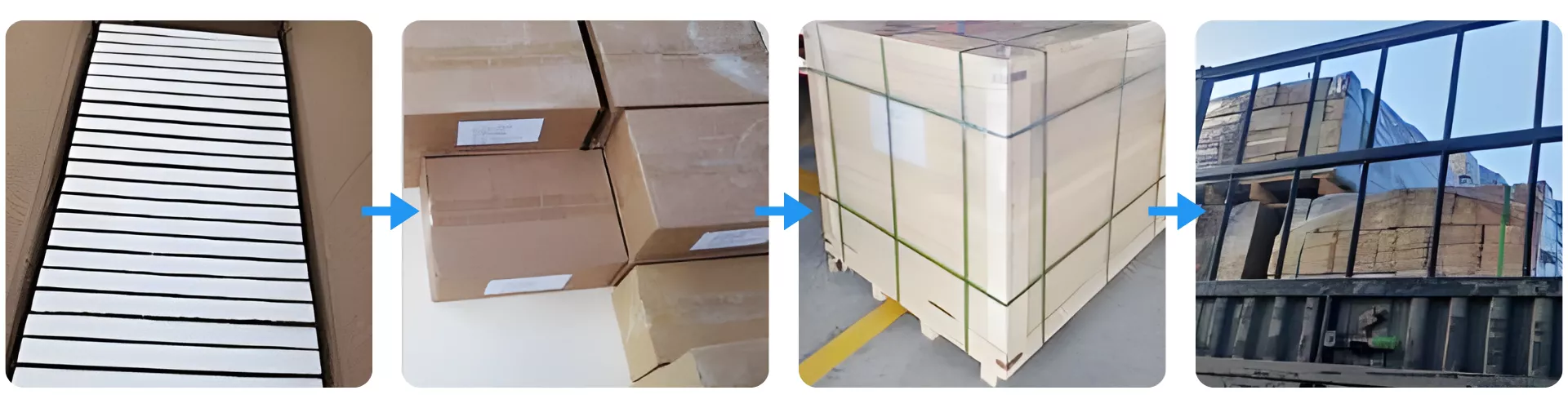
Zirconia Ceramic Back Cover products are individually cushioned and aligned in foam-lined trays to prevent surface damage. Units are packed in labeled export cartons, then reinforced with shrink-wrap and strapped wooden crates. Palletized shipments are container-loaded for global logistics protection.
Application-Specific Challenges Solved by ADCERAX® Zirconia Ceramic Back Cover
ADCERAX® Zirconia Ceramic Back Cover addresses mission-critical challenges in smartphone engineering where mechanical durability, electromagnetic transparency, and long-term cosmetic stability are non-negotiable. The following three sectors illustrate how ADCERAX solutions meet precise functional demands.
-
Zirconia Ceramic Back Cover in Drop-Prone Rugged Smartphones
✅Key Advantages
1. Edge Impact Resistance – The back cover achieves fracture toughness of 8–10 MPa·m½, allowing survival in 1.5 m concrete drop tests with zero edge cracking. This resilience ensures reliability for field-deployed devices used by industrial and logistics operators.
2. Surface Integrity Retention – With a Mohs hardness of 8.5, the zirconia layer resists abrasion from rough glove contact and dust exposure, maintaining a glossy finish after 500 abrasion cycles.
3. Stress Uniformity under Load – Finite element testing shows <0.3 mm deformation at 30 N point load, confirming consistent energy dispersion across curved back housings during impact.
✅ ️Problem Solved
Rugged phone OEMs reported that chemically strengthened glass backs fractured in 22% of field test drops from 1.5 m, resulting in service returns and downtime. After switching to ADCERAX® Zirconia Ceramic Back Cover, drop survival improved to over 97% across 200 simulated impacts under IEC 60068-2-31 protocols. The switch cut warranty replacement rates by 70%, reduced after-sales cost, and provided a longer usable life without loss of cosmetic appeal.
-
Zirconia Ceramic Back Cover in 5G Millimeter-Wave Flagship Devices
✅Key Advantages
1. RF Signal Transparency – The cover’s dielectric constant of 22–25 and loss tangent below 0.001 enable 28 GHz mmWave transmission with <2 dB attenuation, ensuring stable data rates in urban environments.
2. Thermal Stability in High-Frequency Use – Tested at up to 80 °C continuous load, zirconia retained full mechanical strength and showed <1% variation in permittivity, maintaining antenna alignment stability.
3. Electromagnetic Non‑Shielding Design – As a non-conductive, non‑magnetic medium, it allows antenna arrays to function through the housing without the need for extra window zones, simplifying internal module layout.
✅ ️Problem Solved
A European smartphone manufacturer faced 30–35% mmWave throughput loss when using magnesium alloy housings. ADCERAX® introduced a Zirconia Ceramic Back Cover with precise YSZ formulation, verified by a third‑party EMC lab to sustain 98% antenna efficiency at 28 GHz in a full‑device enclosure. The adoption not only restored signal performance but also eliminated the need for external antenna cutouts, enabling a seamless premium finish with technical integrity.
-
Zirconia Ceramic Back Cover for High-Cycle Wireless Charging Ecosystems
✅Key Advantages
1. Inductive Charging Efficiency – The material’s low dielectric loss (tanδ < 0.001) preserved >95% power transfer efficiency under Qi 2.0 10 W conditions, ensuring consistent charging without heat hotspots.
2. Thermal Fatigue Resistance – After 2000 continuous charge cycles, surface temperature variation remained within ±3 °C, indicating superior heat dissipation stability compared to polymer-based backs.
3. Wear and Gloss Retention – Accelerated friction tests showed <1 µm surface wear depth and 95% gloss retention after repetitive pad contact, maintaining long-term visual quality.
✅ ️Problem Solved
Consumer testing showed that glass-backed phones exhibited charging efficiency drops of up to 8% after 800 cycles due to surface wear and heat accumulation. Integrating ADCERAX® Zirconia Ceramic Back Cover increased charging consistency to above 95% even after 2000 cycles, confirmed in continuous charging simulations at 45 °C ambient. Retail feedback indicated a 40% reduction in visible surface degradation, enhancing brand reputation for durability and high-end quality.
User Guide for Zirconia Ceramic Back Cover
Zirconia Ceramic Back Cover is a precision structural component used in signal-sensitive mobile devices. To ensure its full performance across wireless communication, thermal stability, and cosmetic durability, ADCERAX provides essential handling, assembly, and maintenance guidelines tailored to B2B customers. These instructions are based on actual integration cases from flagship device manufacturers.
-
Handling and Storage Precautions
1. Always handle with nitrile gloves to avoid oil residue affecting surface finish or adhesion quality. Store covers in dry environments below 60% relative humidity to prevent moisture absorption at connector edges. Avoid stacking trays beyond 5 layers to eliminate edge-loading risk.
2. Maintain flat support during handling. Uneven placement of unfinished backs can introduce micro-stress before bonding, especially on larger radii. Transport covers using anti-static, foam-lined trays with uniform base support.
3. Avoid exposure to acidic vapors or fine dusts, especially during PCB or assembly line proximity. Surface discoloration or polishing degradation has been observed after prolonged contact with unfiltered environments.
-
Assembly and Bonding Considerations
1. Use adhesives rated for ceramics with low thermal expansion mismatch (CTE < 10 ppm/K). Silicone-modified epoxies or UV-curing adhesives are recommended for fixture points. Avoid cyanoacrylates that may crack under heat or pressure.
2. Pre-heat ceramic back covers to ~60 °C before final bonding when used in multi-layer housings to prevent shrinkage misfit during cure cycles. This stabilizes material response to localized expansion.
3. Keep clamping pressure below 15 N/cm² when bonding into composite or multi-part frame assemblies. Excessive pressure may induce invisible microcracks detectable only under magnification.
-
Quality Inspection and Surface Checkpoints
1. Inspect ΔE (color deviation) across batches to maintain cosmetic consistency in retail-visible devices. ADCERAX recommends maintaining ΔE ≤ 1.5* measured by D65 illuminant.
2. Confirm Ra ≤ 0.05 µm surface finish with non-contact profilometers to ensure polish level compatibility with logo printing or decorative film adhesion.
3. Conduct visual checks under 500–800 lux lighting at 30° oblique angle to detect fine scratches or edge imperfections. Final QC should verify full radius integrity at antenna slot transitions.
-
End-Use and Lifecycle Maintenance Advice
1. Design thermal vents away from central back surface to prevent localized heat buildup during wireless charging. Material fatigue may occur at temperatures >80 °C if airflow is restricted.
2. Avoid ultrasonic cleaning or abrasive contact with the outer surface, as zirconia polish layers can degrade under high-frequency vibration. Use ethanol wipes and anti-static cloths only.
3. When recycling or refurbishing, ensure full demagnetization of any adjacent parts before cover reuse to prevent signal loss in devices with NFC or Qi coils. ADCERAX supports disassembly compatibility evaluation upon request.