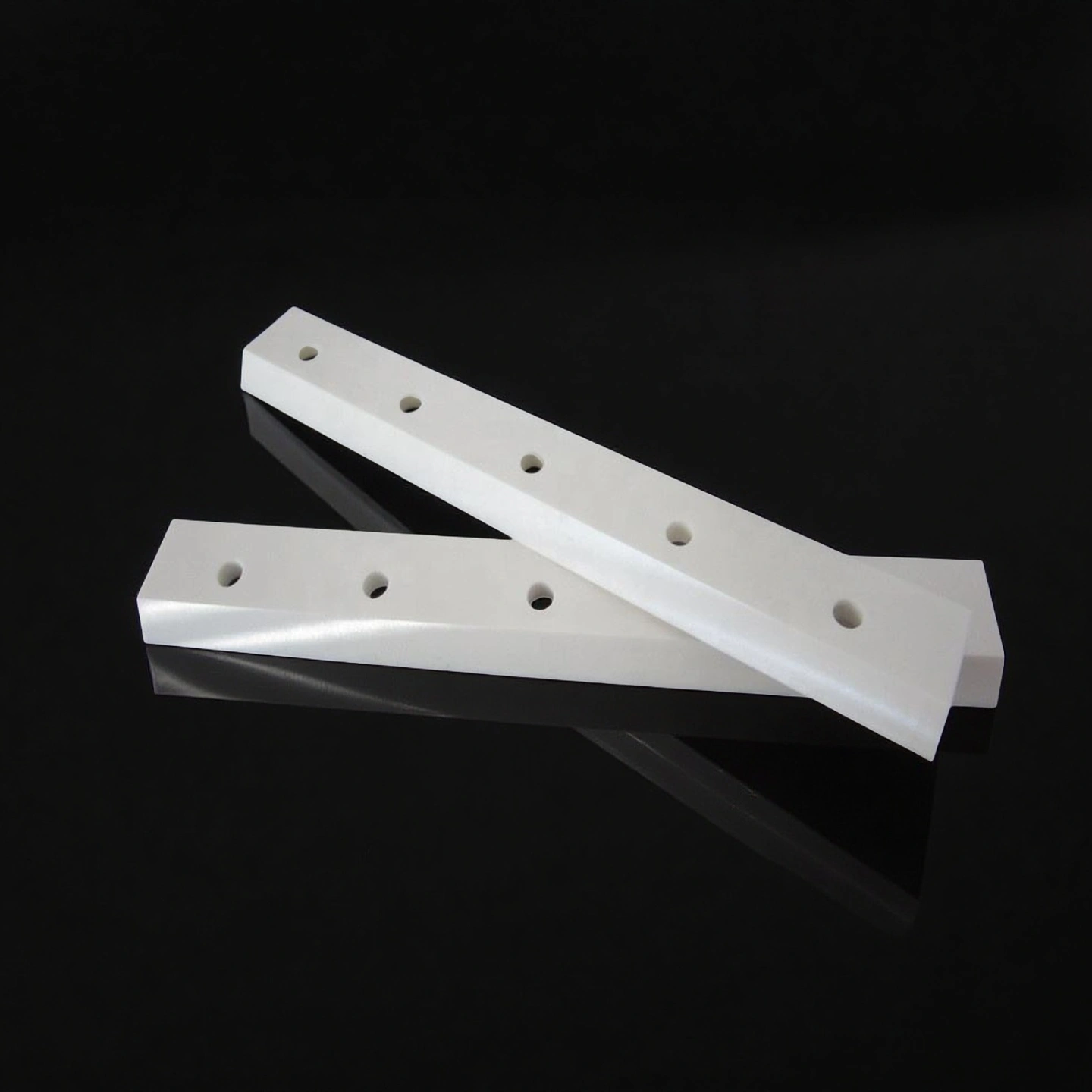
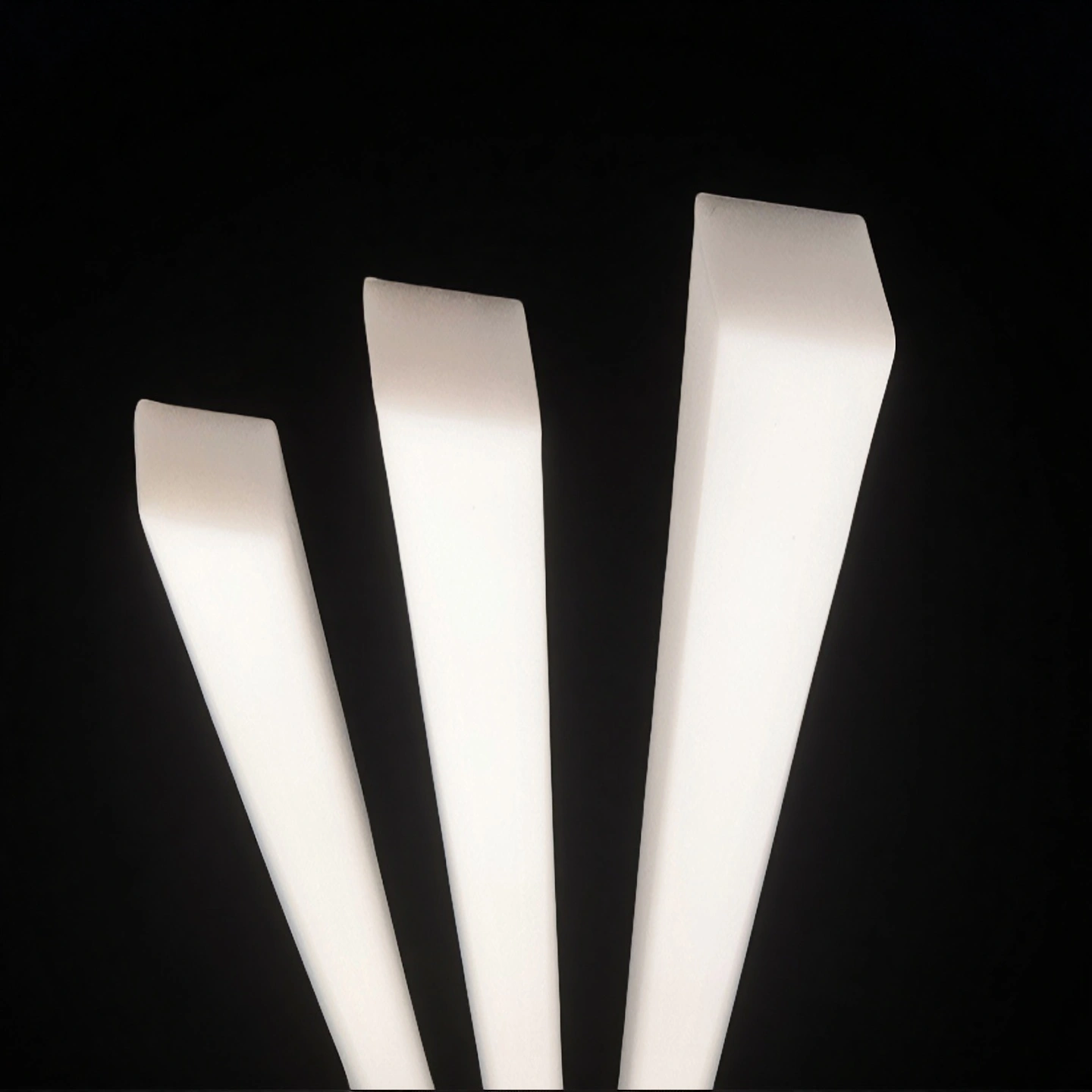
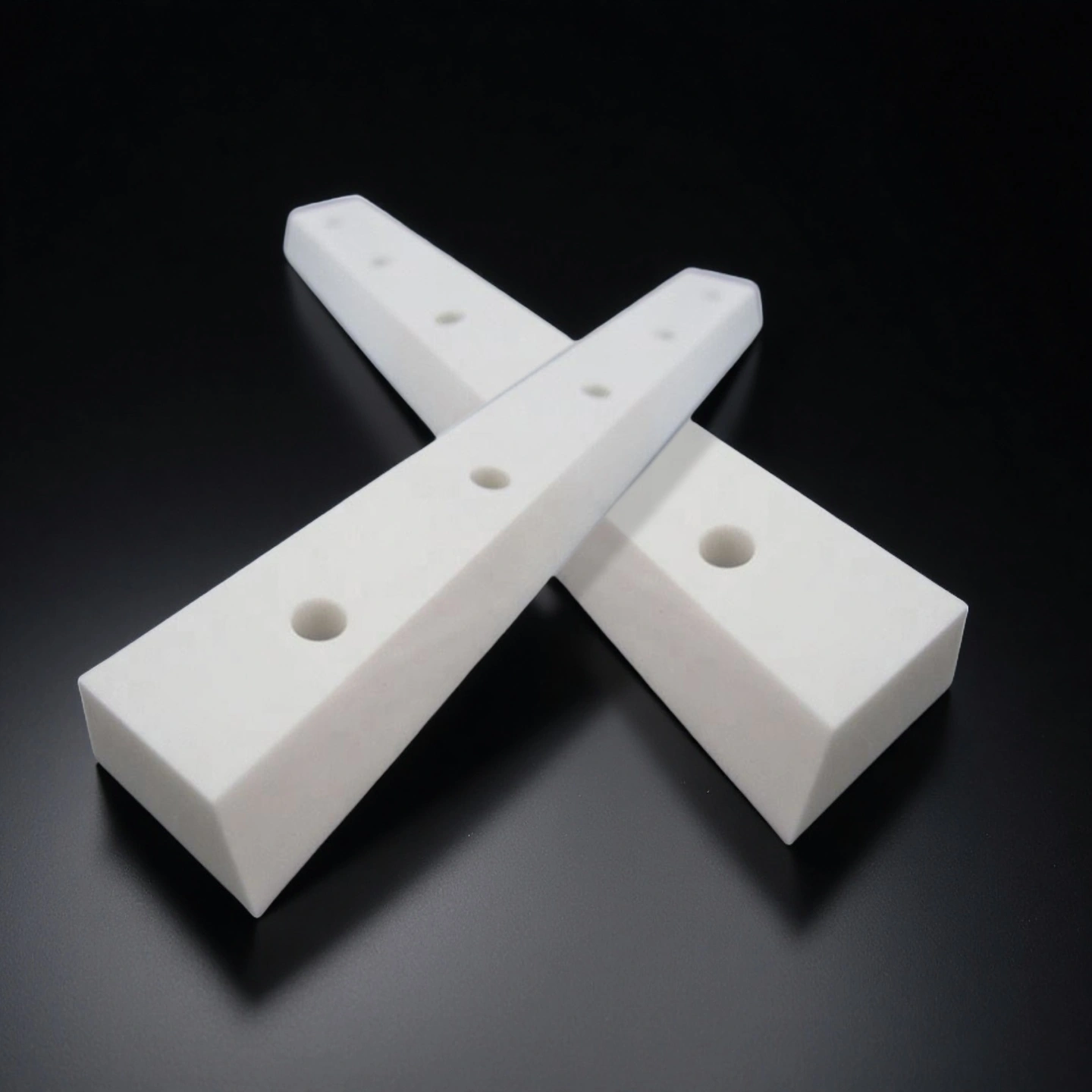
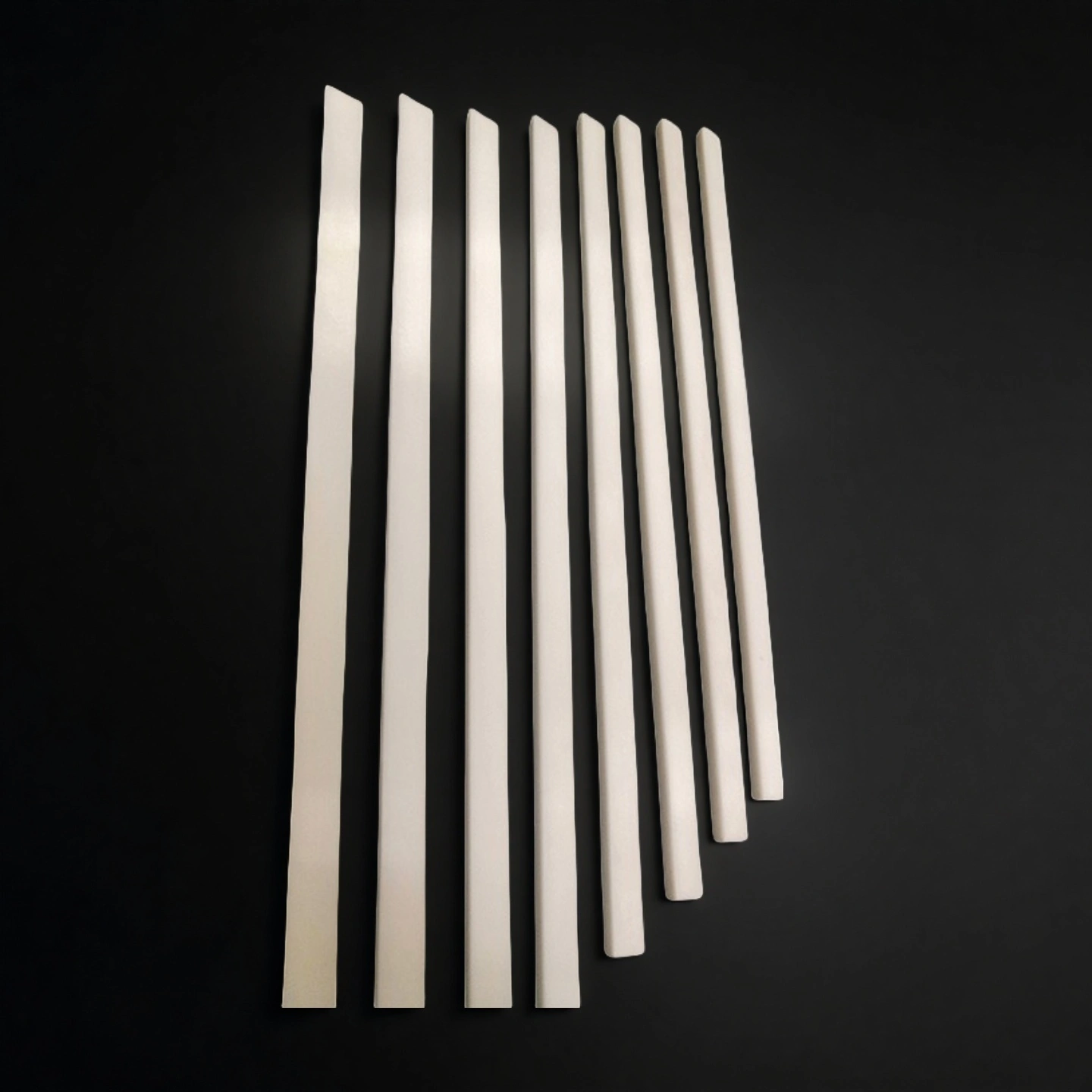
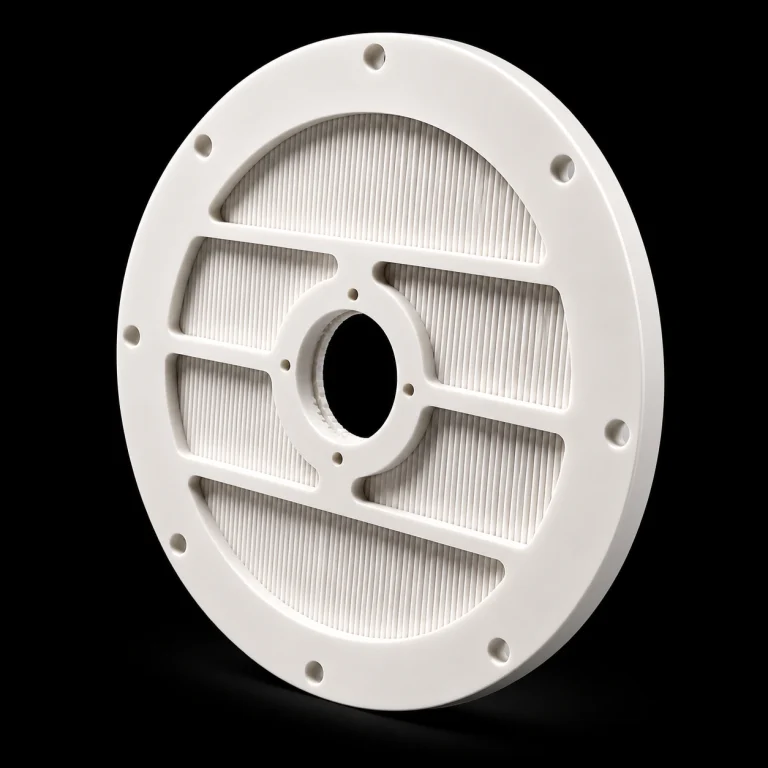
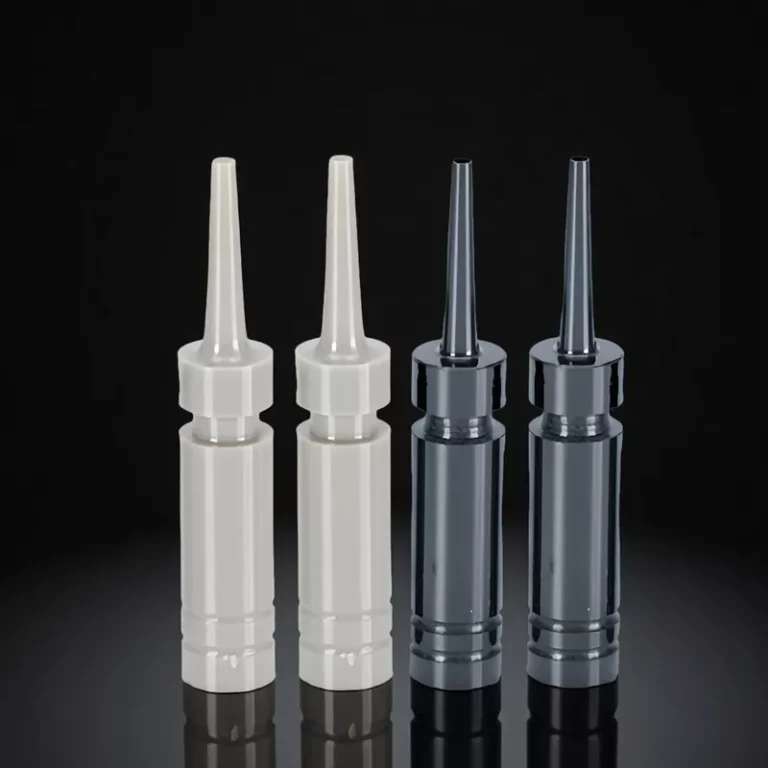
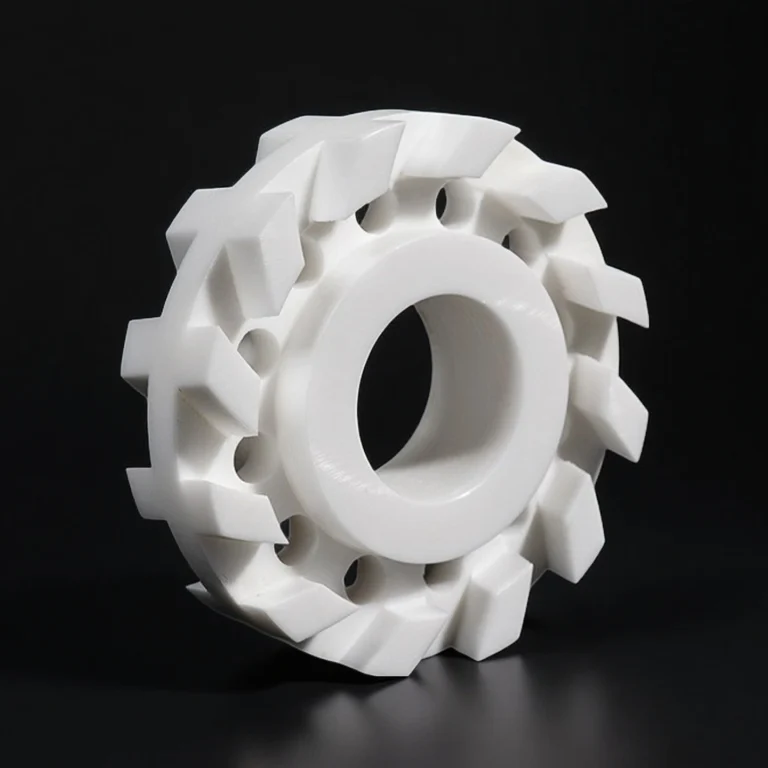
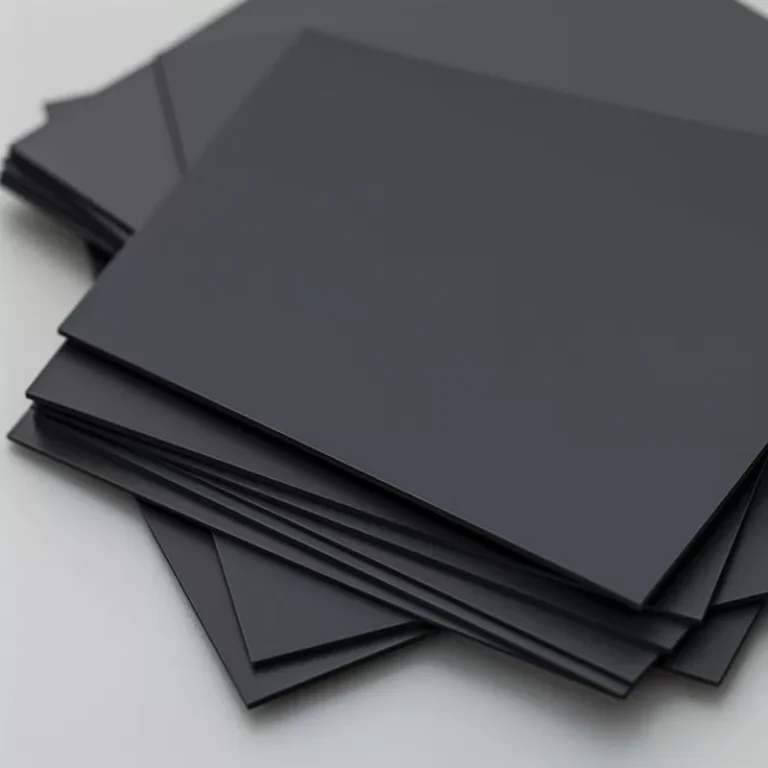
ADCERAX® Zirconia Ceramic Scraper is made from yttria‑stabilized zirconia through forming and high‑temperature sintering, resulting in high mechanical strength and long service performance. Its dense microstructure and polished working edge allow stable ink, coating, and adhesive leveling across continuous production environments without chemical degradation from solvents or reactive materials. This makes it suitable for industrial screen printing, electronics assembly, plastic film coating, and finishing lines where consistent film thickness and process reliability are required.
Technical Features of Zirconia Ceramic Scraper for High-Performance Coating and Printing
-
Vickers Hardness ≥ 12 GPa
This ensures the blade edge maintains its integrity under continuous pressure in high-speed coating systems. The hardness level is more than 3× higher than hardened stainless steel, significantly reducing edge wear.
-
Bending Strength > 900 MPa
It allows the scraper to withstand high-pressure loading without deformation. This level of strength prevents bending-induced film defects during extended operations.
-
Compressive Strength > 2000 MPa
Suitable for demanding installations where high clamping force is applied. This eliminates the risk of blade fracture during fixture tightening or mechanical impact.
-
Abrasive Wear Depth < 5 µm (100 h Test)
The scraper maintains edge geometry even after exposure to abrasive inks and fillers. This wear rate is proven to be up to 70% lower than polymer-based blades.
-
Edge Deformation < 0.03 mm (500 h Operation)
Sustains coating line precision with minimal dimensional drift. This enables uninterrupted production over longer cycles without quality degradation.
-
Friction Reduction ≥ 35% Compared to Steel Blades
The polished Ra < 0.1 µm edge surface ensures lower blade-substrate resistance. Reduced friction decreases heat build-up and ink accumulation during extended use.
-
Zero Ion Contamination in Acid/Alkali Tests
The scraper remains chemically stable in solvent-rich or pH-extreme environments. This prevents cross-contamination in sensitive electronic or optical film layers.
-
No Surface Oxidation up to 1000 °C
Oxidation resistance ensures blade integrity during thermal cycling in coating ovens. Maintains surface quality even under elevated drying conditions.
-
Solvent Resistance Verified with UV Resin and Conductive Paste Systems
No swelling, cracking, or material degradation observed. Compatible with a wide range of industrial printing and functional material systems.
Technical Properties of Zirconia Ceramic Scraper
The Zirconia Ceramic Scraper delivers consistent mechanical performance, thermal endurance, and chemical resistance across demanding industrial environments, ensuring stable coating quality and extended blade longevity in high-throughput operations.
| Property |
Specification |
| Material |
Yttria-Stabilized Zirconia (3Y-TZP) |
| Catalogue No. |
(To be filled) |
| Density |
≥ 6.05 g/cm³ |
| Vickers Hardness |
≥ 12 GPa |
| Bending Strength |
> 900 MPa |
| Compressive Strength |
> 2000 MPa |
| Fracture Toughness |
7–8 MPa·m¹ᐟ² |
| Maximum Service Temperature |
1000 °C (intermittent) |
| Thermal Expansion Coefficient |
~10 × 10⁻⁶ K⁻¹ |
| Thermal Conductivity |
2–3 W/m·K |
| Surface Finish (Edge) |
Ra < 0.1 µm |
| Open Porosity |
< 0.1% |
| Chemical Resistance |
Inert to acids, alkalis, solvents |
| Edge Stability (500 h test) |
Deformation < 0.03 mm |
| Wear Depth (100 h ink test) |
< 5 µm |
Specifications of Zirconia Ceramic Scraper
|
Zirconia Ceramic Scraper |
|
Item No. |
Diameter(mm) |
Height (mm) |
|
AT-YHG-GD1001 |
Customize |
Packaging of Zirconia Ceramic Scraper
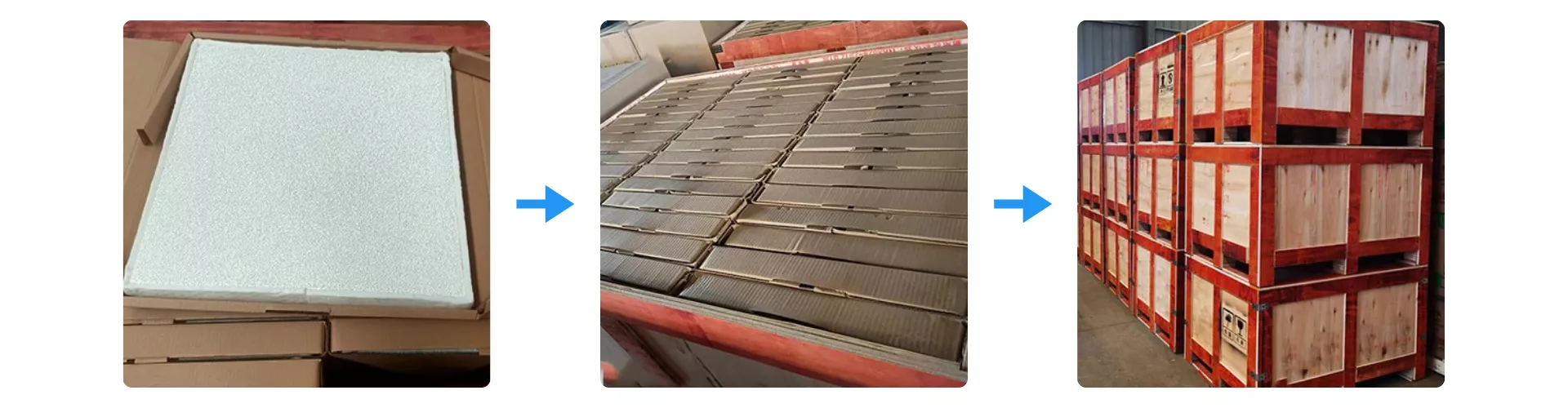
Zirconia Ceramic Scraper is first cushioned with dense foam layers and placed into individual cartons for surface protection. Multiple cartons are then consolidated into reinforced export-grade plywood crates to prevent damage during stacking and transit. All crates are clearly labeled and comply with international shipping standards.
Enhancing Precision Film Coating and Adhesive Application Across Industrial Lines with ADCERAX® Zirconia Ceramic Scraper
The Zirconia Ceramic Scraper from ADCERAX® is tailored to resolve critical coating and leveling challenges in industrial printing, electronics assembly, and decorative surface finishing. In processes where thin-film uniformity, chemical exposure, and abrasive pastes are involved, traditional blades often result in inconsistent spread, premature edge wear, and unstable contact geometry. By leveraging the superior mechanical strength and chemical inertness of zirconia ceramics, ADCERAX® delivers a scraper solution capable of sustaining long cycles with minimal performance drift.
-
Uniform Ink Leveling in High-Speed Screen Printing Systems Using Zirconia Ceramic Scraper
✅Key Advantages
1. Edge Geometry Stability at High Line Speeds
The scraper maintains edge deformation ≤ 0.03 mm even under continuous operation above 60 m/min. This ensures uniform shear force across the screen mesh, preventing thickness drift during extended print runs.
2. Low-Friction Contact for Reduced Ink Drag
The mirror-polished edge (Ra < 0.1 µm) reduces surface resistance and heat buildup. This helps sustain consistent ink flow, particularly when working with UV‑reactive inks that tend to thicken under shear.
3. Wear Resistance Under Abrasive Ink Conditions
Abrasive ink tests confirm wear depth < 5 µm after 100 hours, significantly lower than polyurethane or steel blades. This preserves print clarity, fine-line fidelity, and repeatability over multiple production cycles.
✅ ️Problem Solved
A packaging converter running multi-color screen printing for flexible films reported recurring ghosting and banding due to gradual rounding of stainless scraper edges, requiring blade change every 2–3 shifts. After transitioning to ADCERAX® Zirconia Ceramic Scraper, the blade retained usable edge profile for 5× longer runtime, maintaining consistent line sharpness and reducing print rejects by 18% over the first production quarter. The reduced blade maintenance allowed the line to operate with fewer interruptions, stabilizing film thickness and improving color registration accuracy.
-
Controlled Application of Conductive Pastes in PCB Assembly and Electronics Coating Lines
✅Key Advantages
1. Resistance to Abrasive Metal-Filled Pastes
With Vickers hardness ≥ 12 GPa, the scraper resists edge micro-chipping caused by conductive silver epoxies. This prevents inconsistent bead formation and maintains stable film wet thickness.
2. Micron-Level Film Consistency
Edge stability testing shows uniformity deviation < 0.02 mm across continuous coating cycles. This is critical for electrical continuity in RF traces, antenna paths, and hybrid IC substrates.
3. Non-Contaminating Material Surface
The blade exhibits zero ion contamination when tested in conductive paste environments. This avoids trace-level impurities that could alter impedance or cause long-term oxidation failures.
✅ ️Problem Solved
A PCB module assembler experienced adhesive overflow and irregular conductor width due to micro-chipped steel blade edges after 24–36 hours of use with silver-filled conductive pastes. By adopting the ADCERAX® Zirconia Ceramic Scraper, paste spreading uniformity improved measurably, with coating thickness variation reduced from ±12 µm to ±4 µm. The line reported a 27% decrease in rework related to short circuits and extended continuous operation intervals to more than 120 hours per blade, stabilizing both throughput and downstream curing reliability.
-
Decorative and Protective Coating Deposition on Polymer Panels and Automotive Interiors
✅Key Advantages
1. Chemical Inertness in Solvent-Rich Coating Systems
The scraper demonstrates no swelling or surface oxidation in coatings with pH 2–11 or solvent-rich varnishes. This prevents blade-induced ripple or coating haze during deposition.
2. Thermal Stability During IR/UV Curing
With operational stability up to 1000°C intermittent, the blade maintains edge sharpness through IR flash zones and UV finishing ovens. This avoids edge deformation associated with thermal cycling.
3. High Compressive Strength for Fixture Retention
With compressive strength > 2000 MPa, the scraper withstands high clamping forces without microfracture. This ensures long-term dimensional reliability in automated finishing cells.
✅ ️Problem Solved
An automotive interior trim coater reported recurring surface haze, uneven gloss bands, and ripple defects traced to polyurethane blades softening under solvent exposure and heat during UV curing. After replacing them with ADCERAX® Zirconia Ceramic Scraper, coating uniformity improved noticeably, reducing gloss deviation across panels by 34% and eliminating ripple defects during continuous 8‑hour cycles. Maintenance intervals increased from once per shift to once per week, directly improving line stability and panel appearance consistency.
ADCERAX® Zirconia Ceramic Scraper User Guide for Long-Term Operational Stability and Coating Quality
The Zirconia Ceramic Scraper by ADCERAX® is designed to perform under rigorous industrial conditions, but optimal usage, handling, and maintenance are essential to maximize service life and achieve consistent coating results. This section provides key operational guidance to help users avoid edge damage, ensure uniform pressure distribution, and maintain stable film quality throughout production cycles.
-
Pre-Installation Checks for Zirconia Ceramic Scraper
1. Inspect edge and surface condition before each installation.
Use clean gloves to avoid surface contamination and visually check for micro-chips or cracks under proper lighting. Blades with visible edge wear or impact marks should not be reused.
2. Ensure scraper seat alignment with equipment base.
Misaligned holders can cause edge stress concentration, leading to premature failure. Alignment tools should be used to verify fixture parallelism.
3. Avoid overtightening during clamping procedures.
Excessive mechanical force on a ceramic scraper may induce micro-fractures. Use calibrated torque controls if necessary to maintain mechanical integrity.
-
Proper Handling and Storage of Zirconia Ceramic Scraper
1. Always store blades in individual cushioned packaging.
Direct contact between scrapers can result in unintended surface abrasion or edge chipping. Use foam-lined containers or original ADCERAX® protective packaging.
2. Avoid rapid temperature transitions during storage.
Sudden exposure to hot or cold environments can stress the ceramic material. Keep scrapers in a temperature-stable, low-humidity warehouse environment.
3. Label used vs. new blades clearly to avoid confusion.
Reinstalling worn blades can degrade coating quality and introduce process instability. Adopt visual tags or barcoding to separate usage states.
-
Operational Best Practices During Use
1. Control line pressure to maintain uniform contact.
Uneven pressure may lead to irregular ink spread or blade edge wear. Verify that squeegee or pressure bars distribute load evenly along the blade length.
2. Regularly clean blade edge with non-abrasive cloths.
Ink or adhesive buildup increases surface drag and film inconsistencies. Avoid sharp tools or solvents that may chemically interact with zirconia.
3. Monitor blade geometry every 100 production hours.
Even minor wear at the micron scale can affect film quality in high-precision lines. ADCERAX® recommends using profile gauges or edge scanners where applicable.
-
Maintenance and Replacement Strategy
1. Establish routine blade replacement cycles based on usage data.
For high-load or abrasive material lines, intervals of 300–500 hours are typical. Tracking MTBF (Mean Time Between Failures) helps optimize inventory planning.
2. Inspect post-use blade edges under 10x magnification.
This helps identify fatigue cracks or edge flaking before next installation. Documenting blade condition aids process traceability and QA.
3. Return damaged blades for failure analysis if possible.
Understanding breakage patterns supports corrective action in process settings. ADCERAX® provides optional fracture diagnostics upon request.