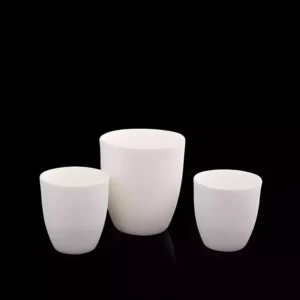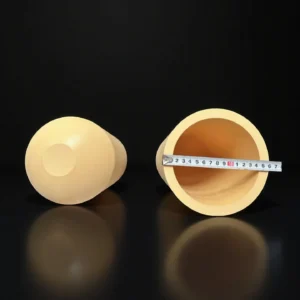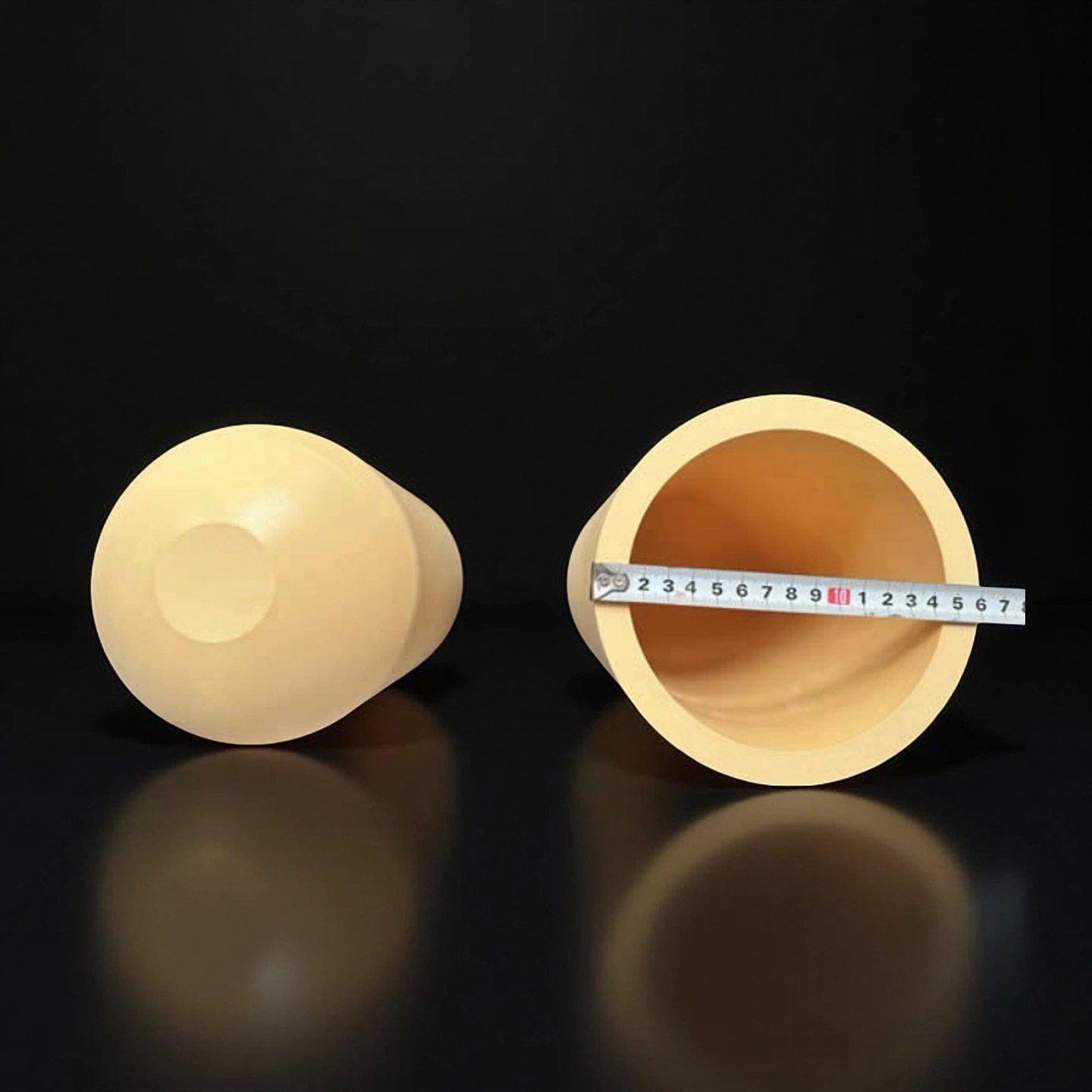
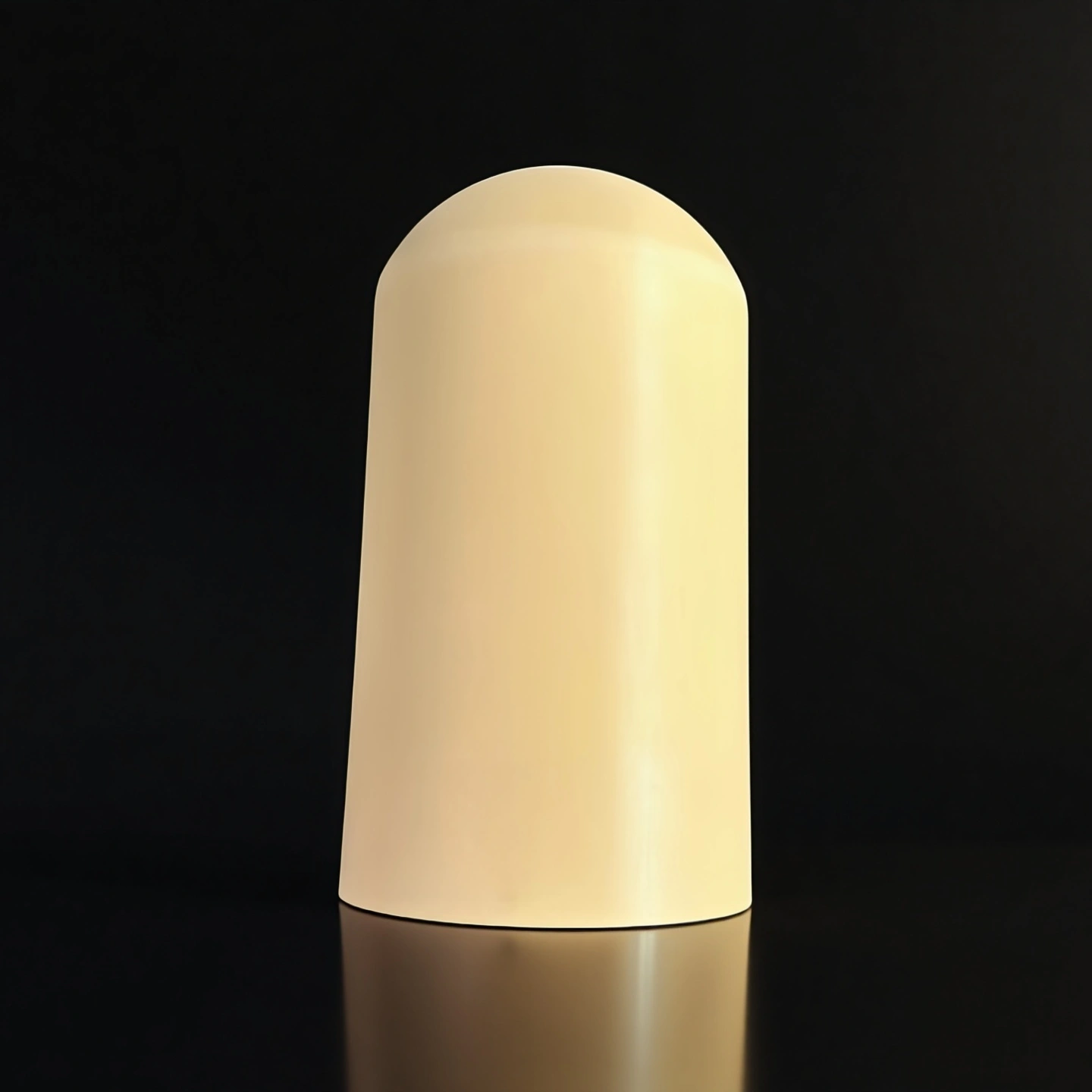
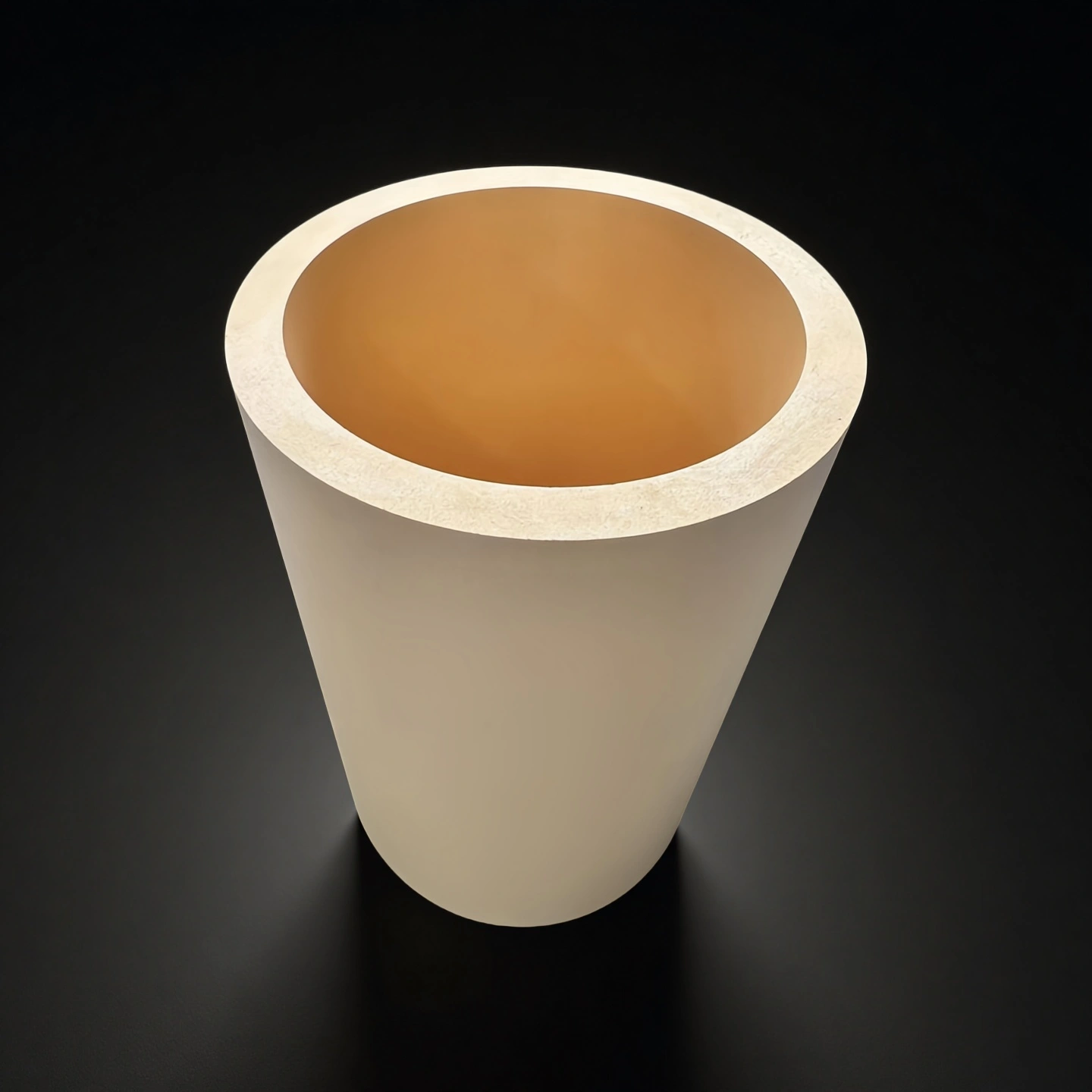
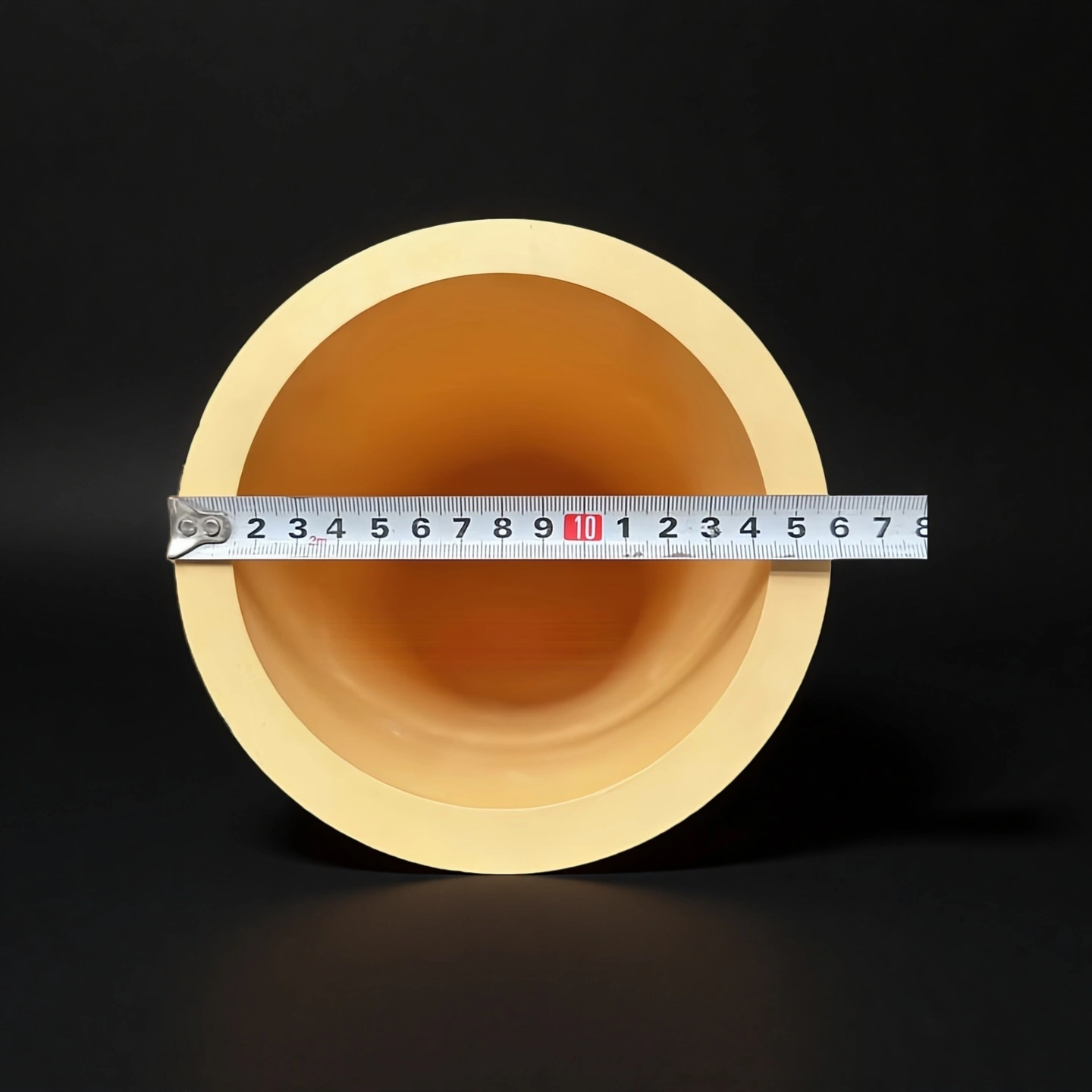
Engineers working with titanium and zirconium melts face a persistent problem: standard alumina and graphite crucibles react with these metals, introducing oxygen pickup or carbon contamination that degrades alloy purity and increases scrap rates. Magnesia Stabilized Zirconia Crucible solves this by providing a chemically inert, non-wetting containment surface rated for continuous operation at 2000 °C. The Mg-PSZ microstructure — cubic zirconia grains with transformation-toughened tetragonal precipitates — delivers fracture toughness of 6–7 MPa·m½, preventing the catastrophic cracking that ends campaigns with conventional ceramic crucibles.
Key Features of Magnesia Stabilized Zirconia Crucibles
Magnesia stabilized zirconia crucibles are selected for demanding high-temperature processes where ordinary ceramic crucibles may face cracking, erosion, chemical attack or mechanical damage. The material combines zirconia toughness with improved thermal-shock behavior, making it suitable for metal melting, alloy development, sintering, calcination and corrosive thermal processing.
- High-temperature processing suitability
MSZ zirconia crucibles are suitable for demanding thermal applications such as metal melting, alloy development, powder sintering and laboratory heating. Final suitability should be reviewed according to temperature, atmosphere and sample chemistry. - Improved thermal-shock resistance
The material helps reduce cracking risk during repeated heating and cooling cycles, especially when the crucible is exposed to changing furnace conditions. - Higher toughness than standard ceramics
MSZ zirconia provides better fracture resistance than many brittle ceramic materials, helping reduce edge chipping, wall cracking and handling damage. - Resistance to wear and melt erosion
The dense zirconia structure helps resist surface wear, molten material contact and mechanical abrasion during selected high-temperature processes. - Chemical compatibility for selected media
MSZ zirconia can be considered for selected acidic, alkaline or slag-contact environments, but compatibility should be confirmed by media composition, exposure time and temperature. - Custom design support
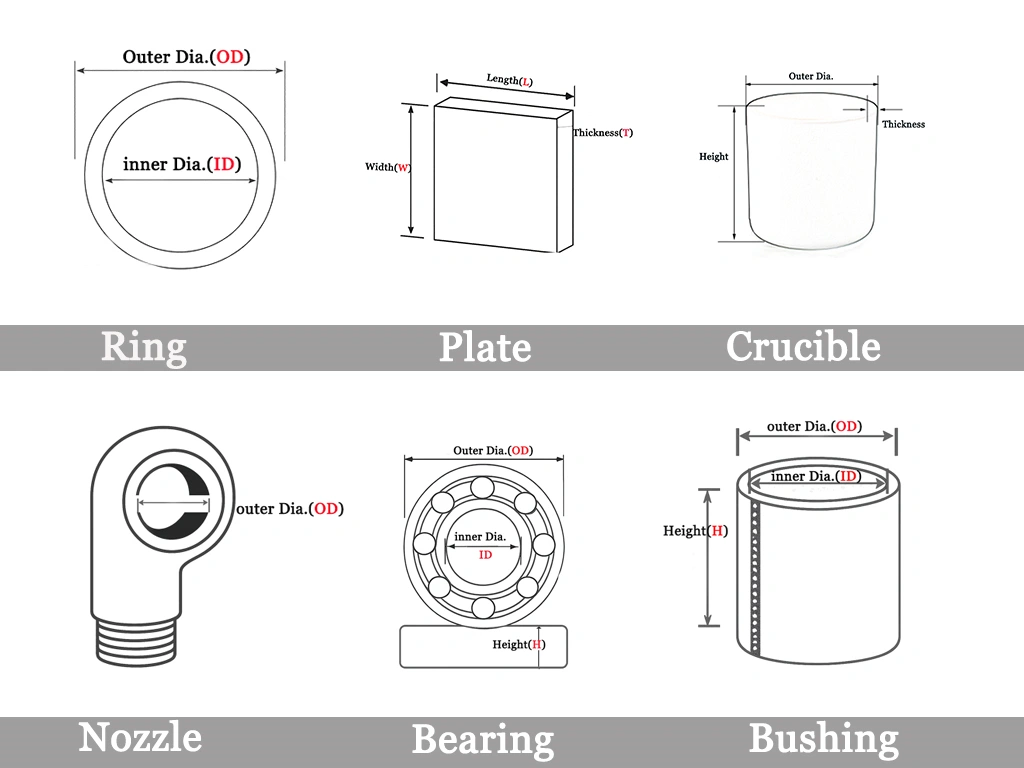
ADCERAX supports custom OD, ID, height, wall thickness, bottom design, rim structure and surface finish based on drawings or application requirements.
Technical Reference Properties for MSZ Zirconia Crucibles
The following section provides the core technical parameters of Magnesia Stabilized Zirconia Crucible, including material properties and performance data.
| Property | Typical Reference Value | Why It Matters for Buyers |
|---|---|---|
| Material System | ZrO₂ stabilized with MgO | This material system improves toughness and thermal-shock behavior compared with many conventional oxide ceramics. |
| Common Material Name | MSZ / Mg-PSZ / MgO-PSZ zirconia | These names help buyers compare drawings, specifications and supplier quotations correctly. |
| Density | Around 5.7 g/cm³ | Density helps buyers estimate part weight and compare material compactness. |
| Flexural Strength | Application-dependent reference value | Strength should be confirmed according to geometry, wall thickness and processing route. |
| Fracture Toughness | Higher than standard brittle ceramics | Toughness is important when crucibles face thermal cycling or mechanical handling. |
| Thermal Conductivity | Low thermal conductivity ceramic | Lower heat transfer may help reduce thermal gradient stress in selected furnace conditions. |
| Thermal Expansion | Must match the thermal process design | Thermal expansion should be reviewed when the crucible is used with fixtures, setters or rapid temperature changes. |
| Chemical Resistance | Depends on media and temperature | Acid, alkali, slag or molten metal contact should be confirmed before quotation. |
| Maximum Use Temperature | Confirm by application | Working temperature depends on atmosphere, heating rate, dwell time, material contact and crucible design. |
The values above are reference data for material selection and preliminary engineering review. Final suitability should be confirmed according to the crucible size, furnace atmosphere, thermal cycle, melt chemistry, heating rate and service requirements.
Dimensions of Magnesia Stabilized Zirconia Crucible
| Mg-PSZ Crucible | ||
| Item No. | Diameter(mm) | Height (mm) |
| AT-MGO-GG1001 | Customize | |
MSZ vs YSZ Zirconia Crucible: Which Material Should You Choose?
| Selection Factor | MSZ Zirconia Crucible | YSZ Zirconia Crucible |
|---|---|---|
| Stabilizer | Magnesium oxide stabilized zirconia | Yttria stabilized zirconia |
| Typical Advantage | Toughness and thermal-shock resistance in demanding thermal cycles | High-temperature stability and broad use in laboratory thermal processing |
| Selection Consideration | Suitable when cracking, erosion or reactive melt contact is the main concern | Suitable when high purity, stable sintering behavior or general zirconia performance is required |
| Application Fit | Reactive metal melting, alloy development and harsh thermal cycling | Sintering, thermal analysis, ceramic powder processing and laboratory heating |
| Quotation Note | Confirm melt chemistry and thermal cycle before selection | Confirm purity requirement, temperature and atmosphere before selection |
MSZ and YSZ zirconia crucibles should not be selected only by maximum temperature. The better choice depends on melt chemistry, thermal shock risk, purity requirement, atmosphere, geometry and expected handling conditions. ADCERAX can review the application and recommend a suitable zirconia ceramic material before quotation.
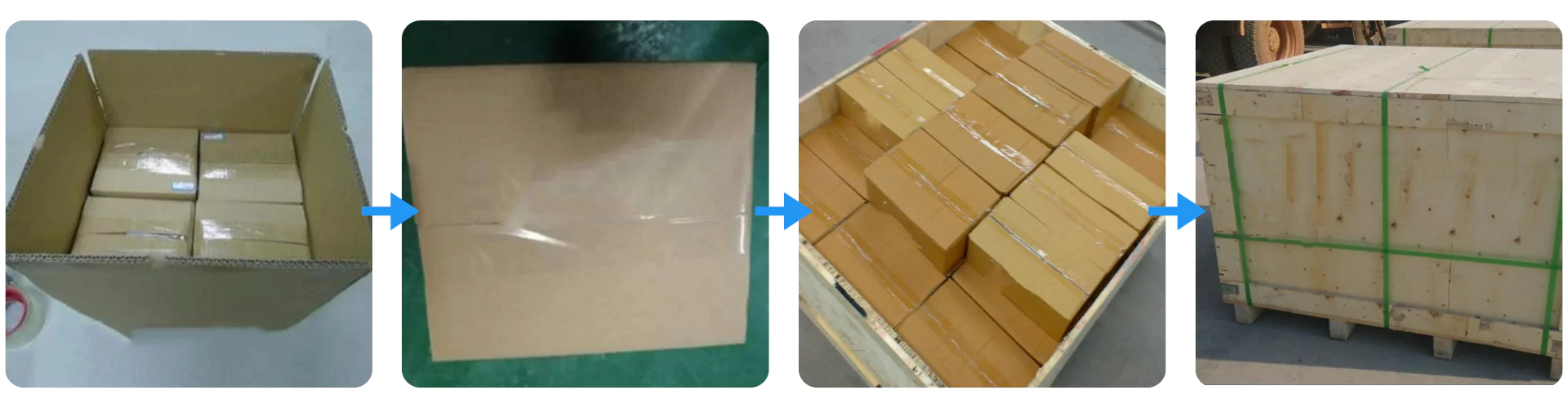
Packaging of Magnesia Stabilized Zirconia Crucible
Each Magnesia Stabilized Zirconia Crucible is first packed in a protective cardboard box to prevent vibration damage. Multiple boxes of MSZ Crucible are reinforced with tape and placed into wooden cases for safe handling. The final export package of MSZ Ceramic Crucible is secured with steel straps, ensuring stability during international shipping.