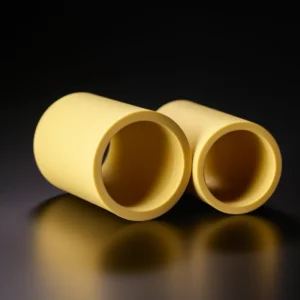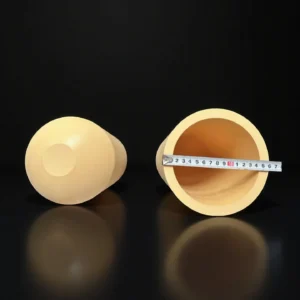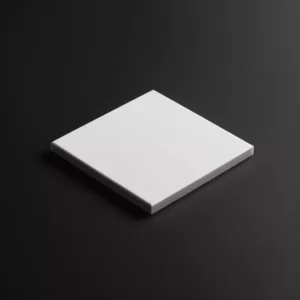
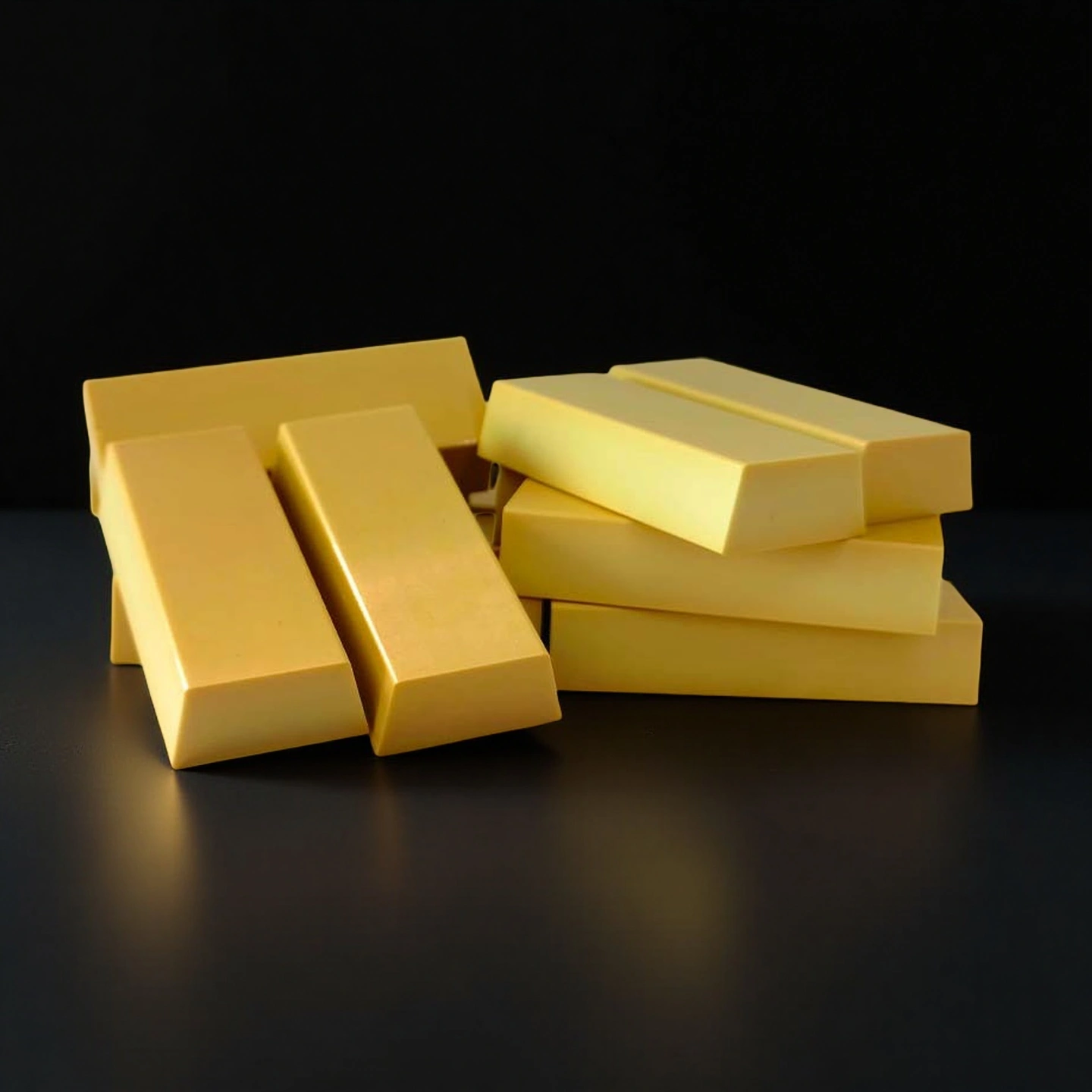
What is an MSZ Ceramic Plate?
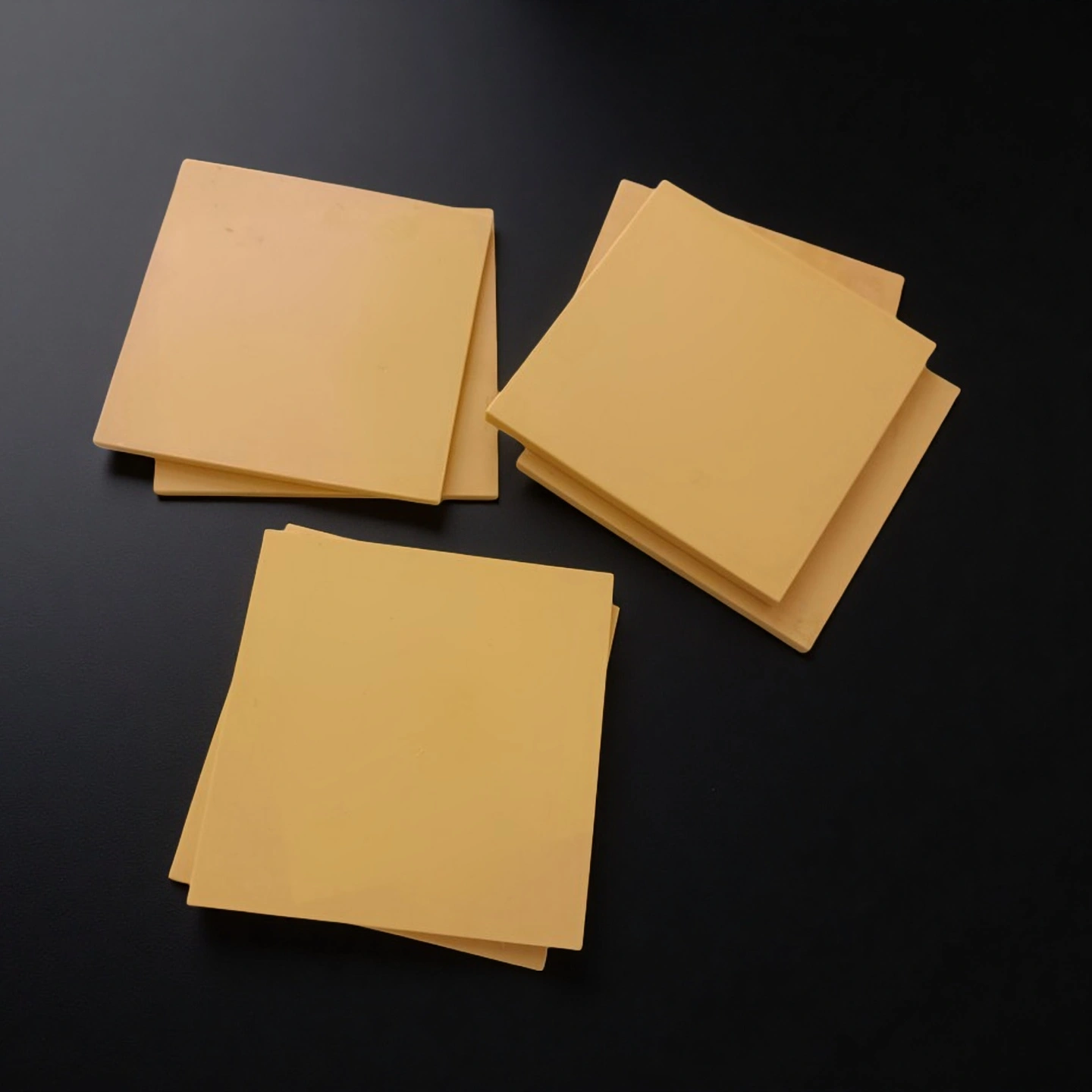
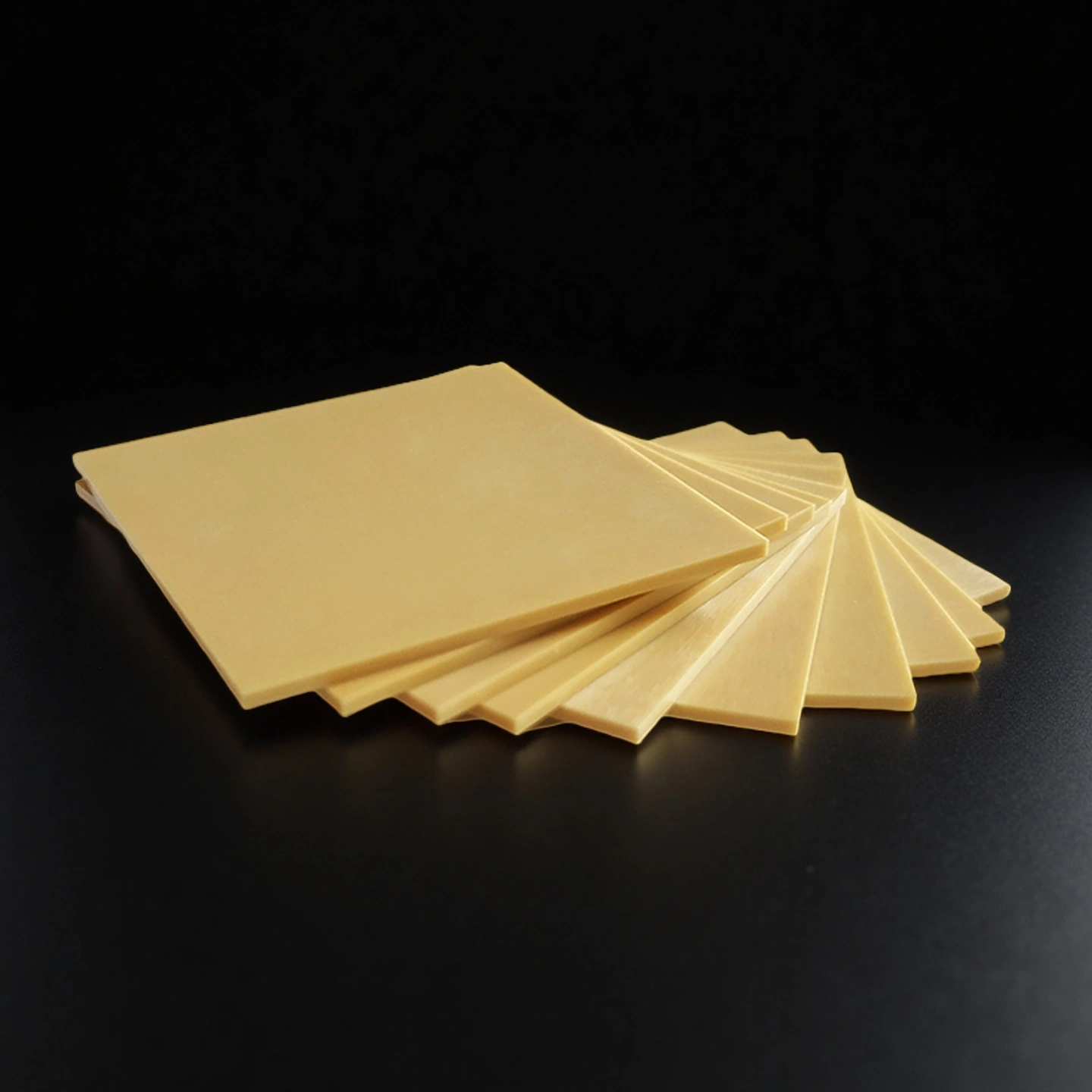
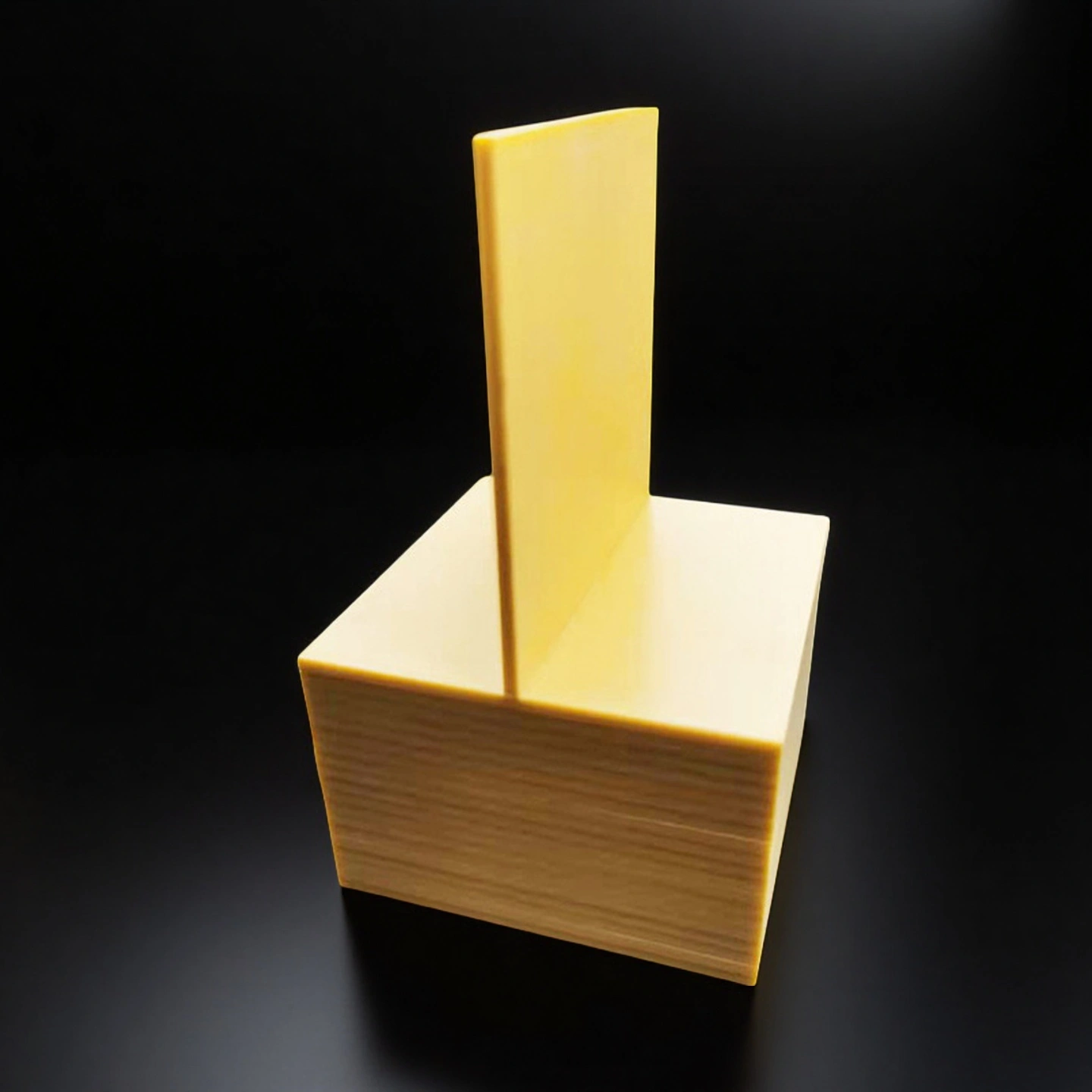
An MSZ ceramic plate is a magnesia-stabilized zirconia component designed for parts that must remain mechanically reliable under impact, wear, compressive load and repeated thermal cycling. Its toughened zirconia structure makes MSZ a strong material route to evaluate when conventional oxide ceramic plates are prone to edge chipping, cracking or premature wear.
Key Engineering Advantages of MSZ Ceramic Plate
Mechanical Support Under Load
MSZ ceramic plate offers high toughness and good resistance to crack propagation. It is suitable for support plates, spacers and structural ceramic parts exposed to compression, contact stress or repeated assembly load.
High-Temperature Fixture Use
MSZ ceramic plate can be used for furnace supports, thermal spacers and sintering fixtures where dimensional stability is important. Final selection should consider heating rate, cooling rate, plate thickness and fixture design.
Wear-Resistant Contact Surfaces
Dense zirconia structure helps MSZ ceramic plate resist abrasion in sliding, guiding and support applications. Surface finish and flatness should be specified when precision contact is required.
Electrical Insulation Support
MSZ ceramic plate can serve as an insulating ceramic base in selected high-temperature or harsh industrial assemblies. Voltage, humidity, temperature and creepage distance should be confirmed before final design.
Chemical-Contact Parts
Stabilized zirconia can be considered for corrosive or reactive environments where metal or polymer parts may degrade. Compatibility should be checked according to the exact acid, alkali, solvent or salt exposure.
Custom Mechanical Design
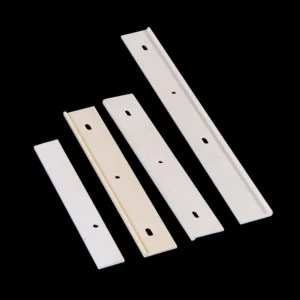
MSZ ceramic plates can be machined with holes, slots, chamfers, steps and special profiles. Drawings are recommended for tolerance, edge design and machining feasibility review.
Technical Properties for Magnesia Stabilized Zirconia Ceramic Plate
Magnesia Stabilized Zirconia Ceramic Plate is formulated for high mechanical integrity, thermal endurance, and chemical inertness in aggressive operating environments. Its dense microstructure and stabilized phase composition enable consistent performance in structural and insulating roles across thermal, mechanical, and corrosive applications.
| Property | Specification | Explanation |
|---|---|---|
| Bulk Density | 5.45 g/cm³ | This indicates a dense zirconia structure suitable for mechanical support and wear-resistant ceramic plate applications. |
| Water Absorption | 0.00% | Low water absorption helps maintain dimensional stability in humid, insulating or chemical-contact environments. |
| Vickers Hardness (HV0.5) | >1200 HV | High hardness supports abrasion resistance on sliding, guiding or contact surfaces. |
| Flexural Strength | >250 MPa | This helps the plate resist bending stress, but final performance depends on thickness, span and loading method. |
| Compressive Strength | >2000 MPa | High compressive strength makes MSZ suitable for support plates, spacers and compression-loaded ceramic parts. |
| Fracture Toughness (KIC) | >7 MPa·m¹/² | Higher toughness helps reduce crack propagation compared with many brittle ceramic materials. |
| Maximum Operating Temperature | >1000°C, oxidizing atmosphere | This supports use in selected high-temperature fixtures, but heating rate and thermal cycling should be reviewed. |
| Thermal Conductivity (25°C) | 2.5 W/m·K | Low thermal conductivity is useful where thermal isolation or heat-transfer control is required. |
| Thermal Expansion (RT–1000°C) | 9.8 × 10⁻⁶/K | Thermal expansion should be considered when MSZ is assembled with metals or other ceramic materials. |
| Volume Resistivity (25°C) | >10⁸ Ω·cm | This supports electrical insulation use in selected industrial and high-temperature assemblies. |
| Dielectric Strength | >10 kV/mm | Good dielectric strength makes the plate suitable for insulating bases and electrical support components. |
| Magnetic Susceptibility | <10⁻⁶ cm³/g, non-magnetic | Non-magnetic behavior is useful for instruments, sensors and assemblies sensitive to magnetic interference. |
| Acid Resistance (H₂SO₄, 10%, 72 h) | Weight loss <0.05% | This indicates good resistance to dilute sulfuric acid under the listed test condition. |
| Alkali Resistance (NaOH, 10%, 72 h) | Weight loss <0.04% | This indicates good resistance to dilute sodium hydroxide under the listed test condition. |
| Phase Composition | Tetragonal + Cubic, MgO-stabilized | The stabilized zirconia phase structure supports toughness, stability and engineering performance in MSZ ceramic plates. |
The above values are reference data for material selection. Final properties, tolerance and application suitability should be confirmed according to the required grade, geometry, processing route and working conditions.
Standard Size MSZ Ceramic Plate Options
| Magnesia Stabilized Zirconia Ceramic Plate | |||
| Item No. | Length(mm) | Width(mm) | Thickness(mm) |
| AT-MG-B001 | 60 | 40 | 10 |
| AT-MG-B002 | 65 | 65 | 3 |
| AT-MG-B003 | 80 | 50 | 5 |
| AT-MG-B004 | 100 | 50 | 3 |
| AT-MG-B005 | 100 | 60 | 5 |
| AT-MG-B006 | 100 | 100 | 10 |
Standard sizes are for early selection only. ADCERAX can review custom MSZ ceramic plates from drawings, samples or application requirements, including non-standard sizes, holes, slots, chamfers, grinding and polishing.
Packaging and Protection of Magnesia Stabilized Zirconia Ceramic Plate
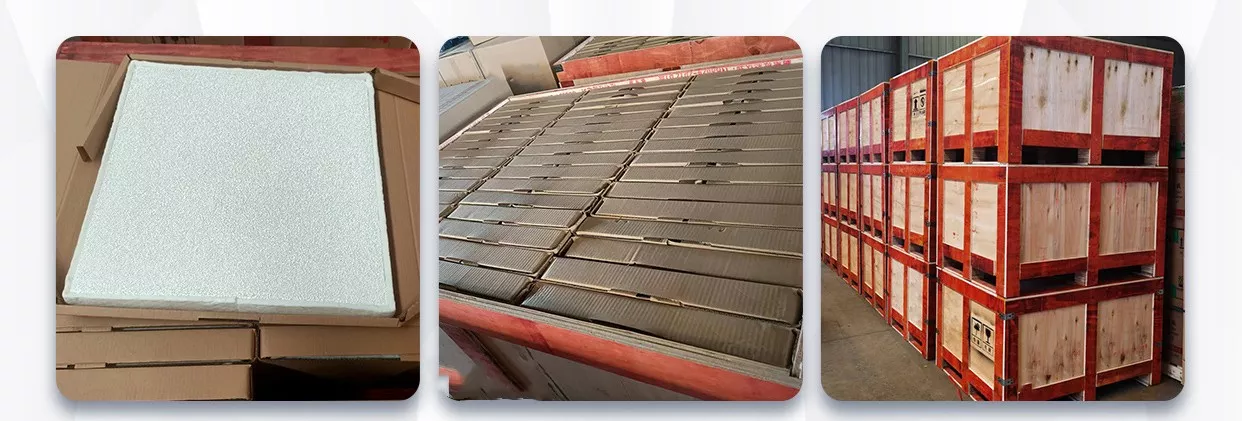
Magnesia Stabilized Zirconia MSZ Ceramic Plate is securely packed using foam-lined cartons for individual protection. Multiple units are stacked with interleaved corrugated layers to prevent edge chipping during handling. Export-grade fumigated wooden crates are used to ensure safe international transport.