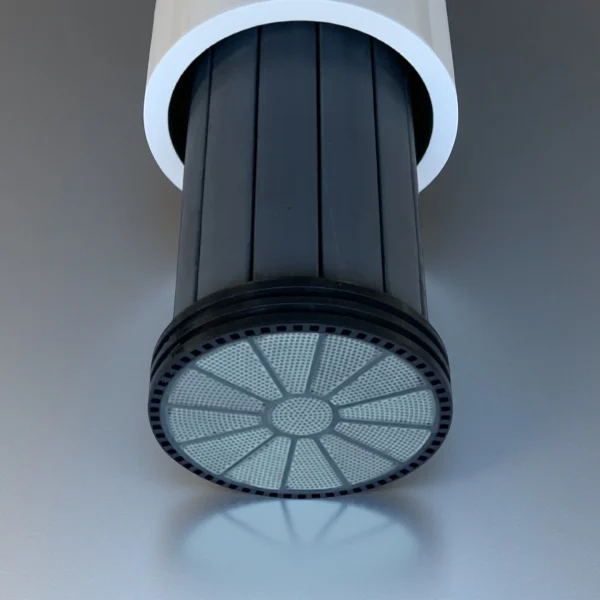
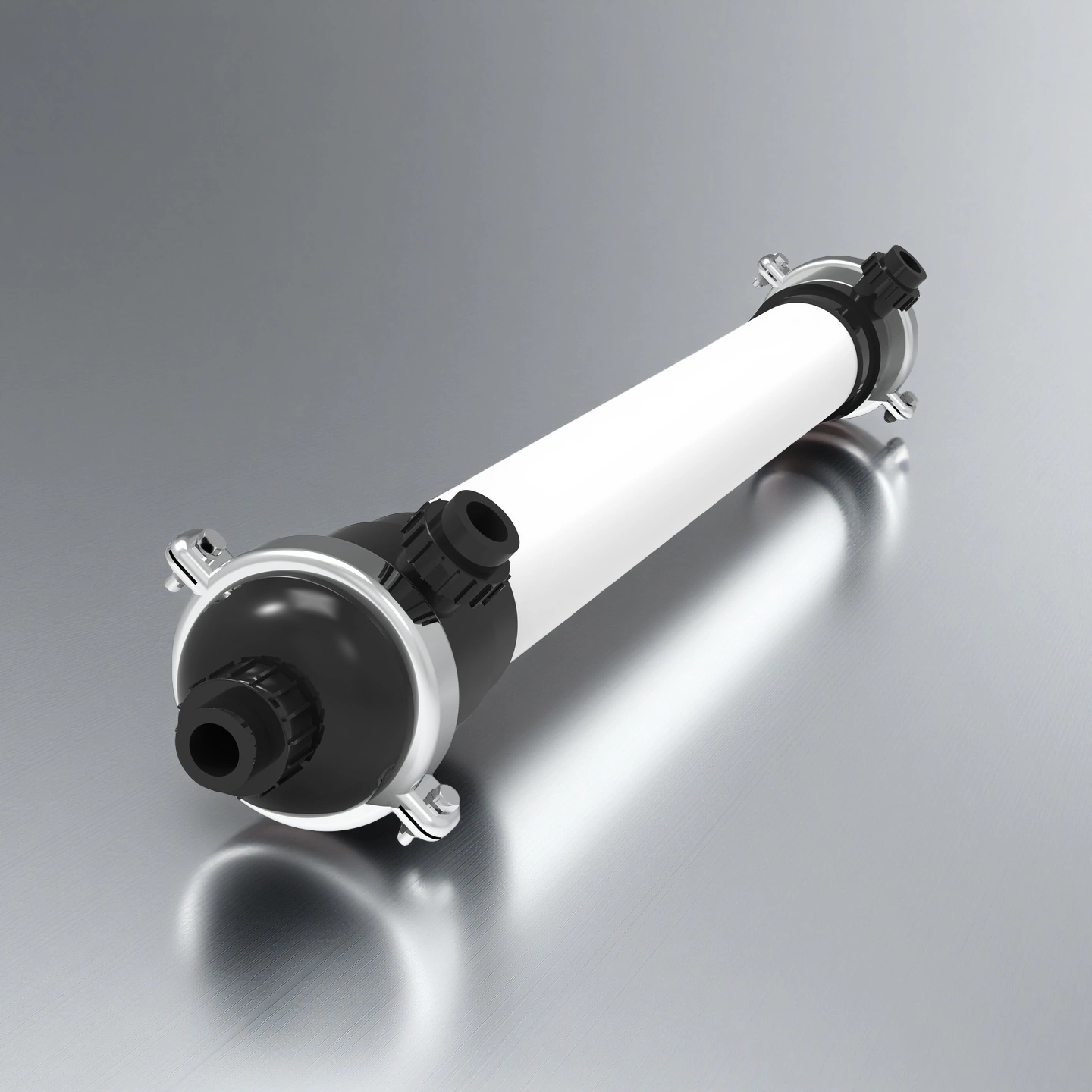
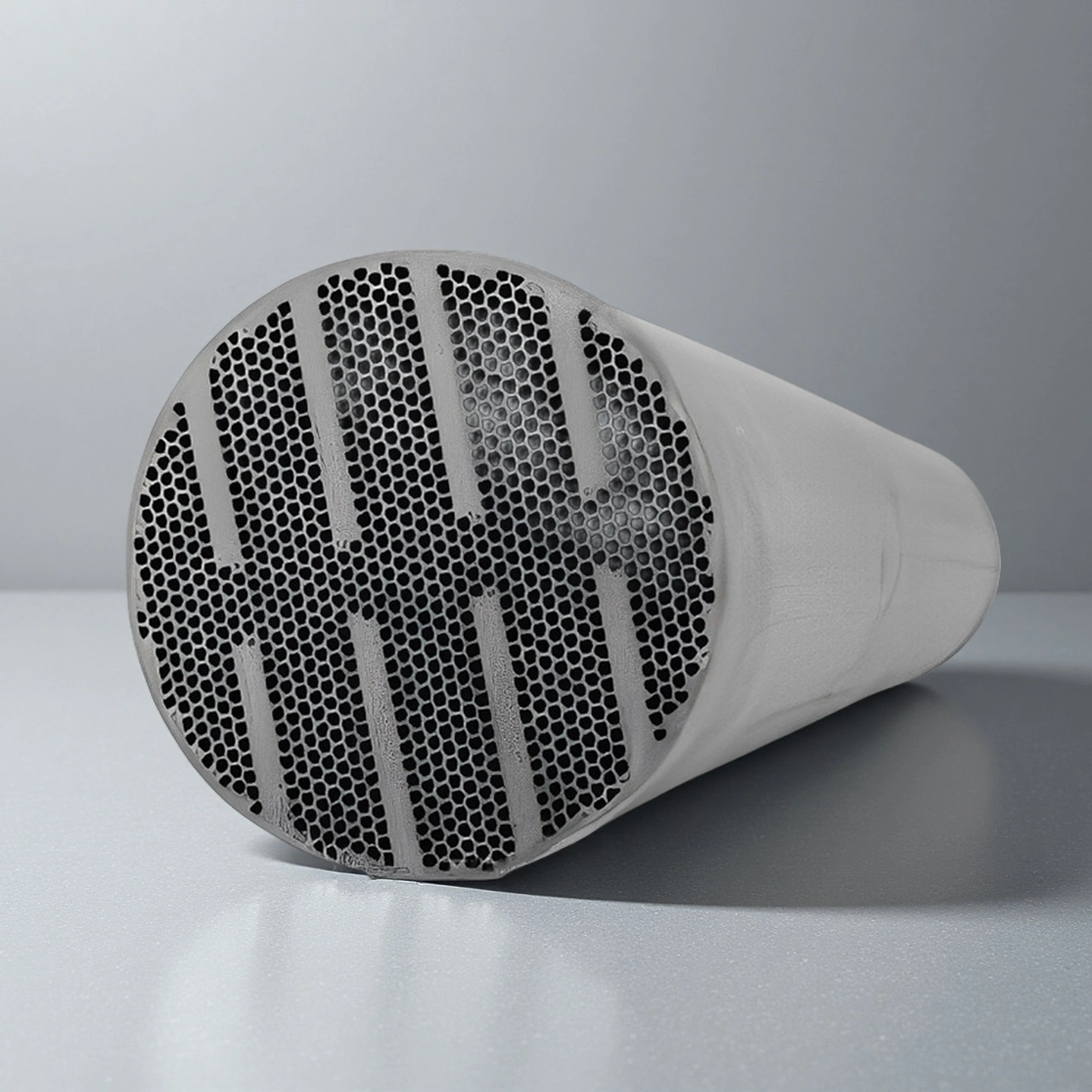
Hydrodynamic-Channel Silicon Carbide Ceramic Column Membrane Module for Liquid Purification Infrastructure

The Silicon Carbide Ceramic Column Membrane Module delivers stable filtration efficiency through its recrystallized SiC structure, high-porosity pathways, and chemically robust operation, enabling consistent flux and low fouling in municipal and industrial environments.

Catalogue No. AT-SICZ-1
Material Recrystallized Silicon Carbide (R-SiC)
Operating pH Range 1–14 chemical resistance for all major cleaning agents
Pure Water Flux Up to 3200 LMH under standard test conditions
Porosity Level >45% open-cell structure for enhanced permeability
24H Standard Dispatch
Small Batch Support OEM
Factory Direct
Expert Engineering Support

ADCERAX® Silicon Carbide Ceramic Column Membrane Module is engineered for stable ultrafiltration performance in municipal and industrial treatment systems where chemical variability, high suspended solids, and long operating cycles are common. Its recrystallized SiC structure, intrinsic hydrophilicity, and multi-channel flow design enable predictable permeability and reduced fouling under changing feedwater conditions. These characteristics allow continuous operation in applications such as drinking water purification, RO/NF pretreatment, mining wastewater, and chemical processing, ensuring consistent filtrate quality and reliable system uptime.

Advanced Material and Performance Features of Silicon Carbide Ceramic Column Membrane Module

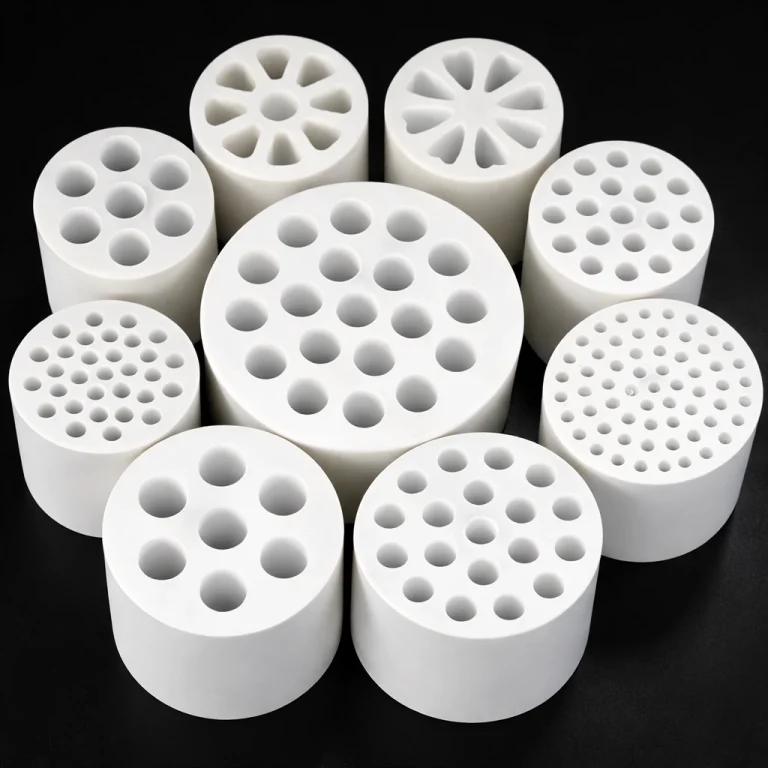
  • Recrystallized SiC Structure with High-Porosity Transport Pathways

    1. The membrane is formed through vapor–solid–vapor sintering at 2400°C, creating continuous SiC–SiC bonding that increases mechanical rigidity and maintains structural stability under variable feed pressures. The high-temperature process prevents micro-crack formation during long filtration cycles.

    2. The open-cell structure features >45% porosity, improving water transport velocity and reducing trans-membrane pressure growth over extended operation. This level of porosity supports sustained performance even in feed streams containing elevated TSS loads.

    3. Channel abrasion resistance is enabled by the inherent hardness of recrystallized SiC measured at Mohs 9, preventing erosion when handling particle concentrations commonly exceeding 500 mg/L in mining and industrial wastewater.

  • Intrinsic Hydrophilicity and Low Contact Angle Surface Behavior

    1. The SiC surface maintains a measured contact angle of 0.3°, eliminating the need for external hydrophilic coating and enabling rapid wetting at system start-up. This property reduces air-locking events and stabilizes flux during the first filtration cycles.

    2. The negative surface charge, with an iso-electric point near pH 3, lowers adsorption of colloids and organics across typical operating pH ranges from 2–12, reducing irreversible fouling accumulation. These electrostatic conditions improve flux recovery following chemical cleaning.

    3. Flux performance reaches up to 3200 LMH in clean-water tests, which is 2–5× higher than polymeric UF membranes operating under similar pressure conditions. This permeability advantage compensates for high-turbidity or oil-bearing feedwater fluctuations.

  • Chemical and Thermal Stability Across Harsh Operating Conditions

    1. The membrane maintains full chemical resistance across pH 1–14, allowing the use of strong acids, alkalis, and oxidants such as ozone and hydroxyl radicals. This compatibility supports aggressive cleaning cycles required in high-COD industrial wastewater.

    2. Thermal operating stability is maintained from 1–45°C, allowing the module to withstand temperature variation during shutdown and restart conditions. These thermal margins reduce stress fractures that are common in lower-density ceramic membranes.

    3. The module tolerates operating pressures up to 6 bar and maximum cross-flow TMP of 3 bar, enabling reliable performance during pressure surges and seasonal hydraulic fluctuations in municipal and RO pretreatment facilities.

Technical Specifications of Silicon Carbide Ceramic Column Membrane Module

The Silicon Carbide Ceramic Column Membrane Module operates with stable filtration efficiency under extreme chemical, thermal, and hydraulic conditions, supported by the material properties of recrystallized SiC, high-porosity transport channels, and a multi-channel geometry engineered for consistent flow and low fouling behavior.

Property Specification
Material Recrystallized Silicon Carbide (R-SiC)
Porosity Level >45% open-cell network
Filtration Precision 0.1 μm / 0.04 μm
Contact Angle 0.3° intrinsic hydrophilicity
Pure Water Flux Up to 3200 LMH
Operating pH Range 1–14
Chemical Cleaning pH Range 1–13
Oxidant Resistance Compatible with ozone & hydroxyl radicals
Operating Temperature Window 1–45°C
Maximum Operating Pressure 6 bar
Maximum Trans-Membrane Differential 3 bar
Flow Configuration Dead-end / Cross-flow (internal pressurization)
Surface Charge Behavior Negative charge above pH 3
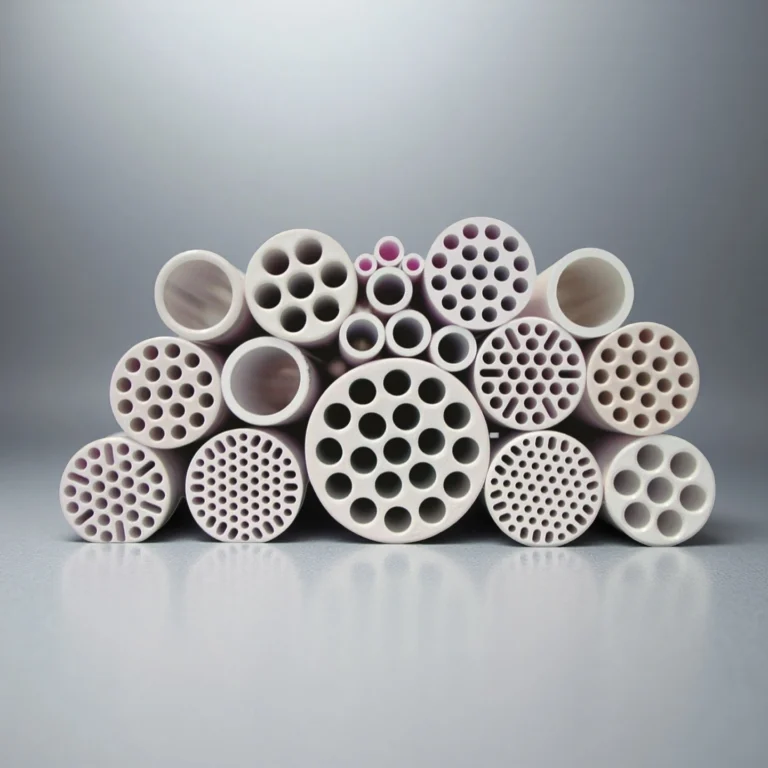
Membrane Geometry Multi-channel hydrodynamic structure
Housing Material Options UPVC / FRP / Stainless Steel

Specifications of Silicon Carbide Ceramic Column Membrane Module

Specifications Parameters
Effective Filtration Area 11m²
Total Length 2195mm
Center Distance 1613mm
Diameter 200mm
Flow Channel Diameter 4.5mm
Inlet/Concentrate Port Size DN150
Permeate Port Size DN50
Membrane Housing Material UPVC
Ceramic Membrane Core Material Silicon Carbide
Filtration Precision 0.02/0.04μm
Installation Method Vertical
Operating pH Range 2-12
Chemical Cleaning pH Range 1-13
Max Operating Pressure 6bar
Max Transmembrane Pressure Difference 3bar
Operating Temperature Range 1-45℃
Design Flux 150-400 LMH
Filtration Method Dead-end/Cross-flow, Inside-out Operation
Backwash Flux 200-600 LMH
Forward Flush 1-2 times the permeate capacity


Tubular Silicon Carbide Membrane
Model Effective Filtration Area Total Length Membrane Shell Diameter Membrane Shell Material Ceramic Membrane Core Material Filtration Precision Installation Method
AT-SICZ-1 11m² 1702mm 250mm UPVC Silicon Carbide 0.1/0.04 μm Vertical
AT-SICZ-2 13.5m² 1702mm 250mm UPVC Silicon Carbide 0.1/0.04 μm Vertical
AT-SICZ-3 14.5m² 2102mm 250mm UPVC Silicon Carbide 0.1/0.04 μm Vertical
AT-SICZ-4 17.5m² 2102mm 250mm UPVC Silicon Carbide 0.1/0.04 μm Vertical
AT-SICZ-5 21.0m² 2102mm 250mm UPVC/Stainless Steel/Fiberglass Silicon Carbide 0.1/0.04 μm Vertical
AT-SICZ-6 25m² 1885mm 245mm Fiberglass Silicon Carbide 0.1/0.04 μm Vertical
AT-SICZ-7 11m² 2195mm 250mm UPVC Silicon Carbide 0.02/0.04um Vertical
AT-SICZ-8 11.5m² 1960mm 250mm UPVC Silicon Carbide 0.02/0.04um Vertical
AT-SICZ-9 25.6m² 1885mm 245mm Fiberglass Silicon Carbide 0.02/0.04um Vertical
AT-SICZ-10 21m² 1885mm 245mm Fiberglass Silicon Carbide 0.02/0.04um Vertical

Packaging and Protection for Silicon Carbide Ceramic Column Membrane Module

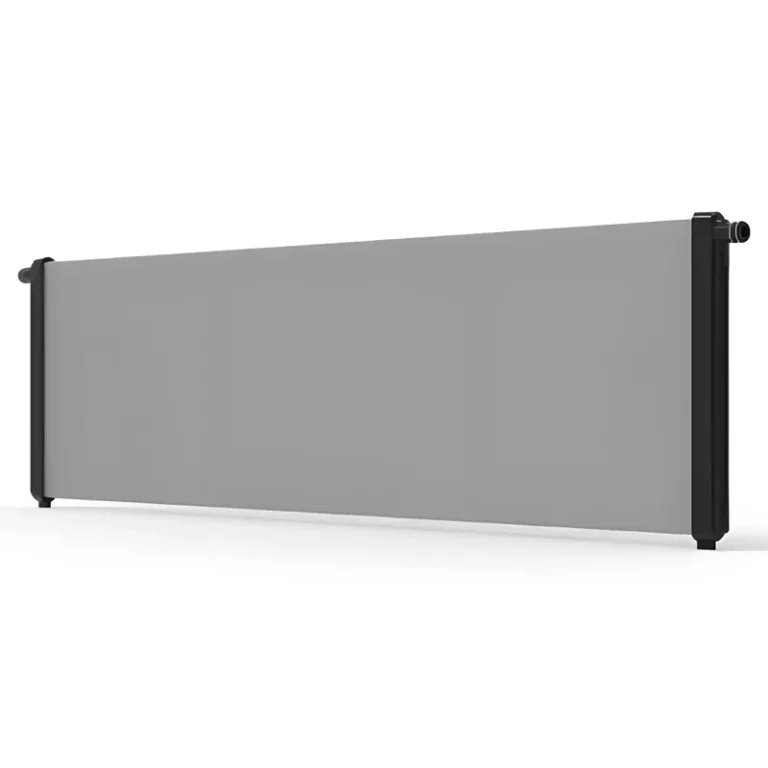
Silicon Carbide Ceramic Column Membrane Module is packed in reinforced multi-layer cartons to ensure safe handling during international transport. Each unit is further secured with internal cushioning and moisture-resistant wrapping to prevent vibration and surface damage. The outer wooden frame provides added rigidity for long-distance shipping and maintains structural safety during loading, storage, and on-site delivery.
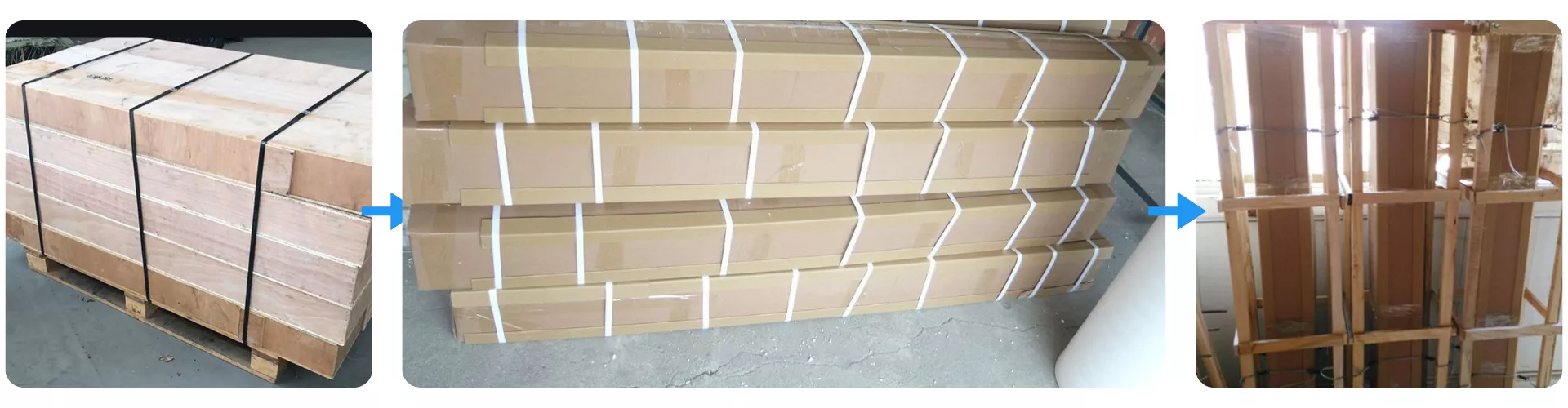

ADCERAX® Packaging of Silicon Carbide Membrane

Properties of Silicon Carbide Membrane

ADCERAX® Silicon Carbide Ceramic Column Membrane Module Resolves Critical Industrial Filtration Challenges

The Silicon Carbide Ceramic Column Membrane Module is deployed in complex liquid-treatment environments where fluctuating water chemistry, abrasive solids, and high organic loading routinely cause failure in polymeric or alumina-based filtration systems. By combining high open-porosity SiC channels, extreme chemical tolerance, and stable hydrophilicity, ADCERAX® enables predictable performance in mission-critical industrial processes that require high uptime and consistent filtrate quality.

ADCERAX® applies these characteristics to industrial scenarios that require reliable clarification, concentration, solvent recovery, and high-temperature fluid purification under continuous operation.

  • Silicon Carbide Ceramic Column Membrane Module for High-Turbidity Surface Water Stabilization

    ✅Key Advantages

    1. Stable Flux Under Turbidity Spikes
    When turbidity rises sharply within a few hours, the SiC multi-channel design maintains more than 80–90% of its initial flux while polymeric UF modules typically lose over 40% in the same period. This stability allows operators to keep filtration running during rainfall and seasonal sediment events without emergency shutdowns.

    2. Consistent SDI for Downstream Protection
    With a 0.1 μm cut-off and high-porosity structure above 45%, the module keeps SDI in a narrow band suitable for RO protection even when raw water quality deteriorates. This consistency reduces the need for frequent RO cleanings and supports long, uninterrupted operating campaigns.

    3. Fast Recovery After Cleaning Cycles
    Thanks to intrinsic hydrophilicity with a 0.3° contact angle, ADCERAX® modules typically recover more than 90% of baseline flux after routine chemical cleaning. This recovery profile remains stable over many cleaning cycles, improving long-term predictability for plant operators.

    ✅ ️Problem Solved

    A surface water plant handling river intake experienced large turbidity swings during rainy seasons, with suspended solids and colloids surging within half a day. Polymeric UF units in the existing line showed flux losses of more than 40% during these events, forcing cleaning every 2–3 days and making it difficult to keep outlet turbidity within target limits. After integrating ADCERAX® Silicon Carbide Ceramic Column Membrane Module into the pretreatment stage, flux during turbidity peaks remained within 10–20% of the baseline and cleaning intervals extended to 7–10 days. The plant reported stable SDI values suitable for RO operation even when raw water conditions were at their worst, and unplanned shutdowns due to membrane instability were effectively eliminated.

  • Silicon Carbide Ceramic Column Membrane Module for High-Salinity Produced Water and Brine Treatment

    ✅Key Advantages

    1. Resilience in High-TDS Brine Streams
    The SiC matrix remains structurally stable in produced water and brine streams with TDS levels often exceeding 40,000 mg/L, where polymeric UF membranes show swelling and fatigue. This resilience allows the module to operate continuously in desalination and ZLD pretreatment lines without structural softening.

    2. Full pH and Oxidant Compatibility
    With a working pH window of 1–14 and compatibility with oxidants such as ozone and hydroxyl radicals, ADCERAX® modules support aggressive cleaning regimes tailored to brine fouling profiles. This capability reduces irreversible fouling from oil–water emulsions and silica complexes that would otherwise shorten membrane life.

    3. Stable Permeability in Oil- and Silica-Rich Feeds
    The multi-channel SiC design provides stable hydraulic performance even when emulsified oils and fine silica particles are present in significant concentrations. Field data show that flux decline remains in the 15–25% range over extended runs, compared to losses exceeding 50% with conventional UF elements in similar brine conditions.

    ✅ ️Problem Solved

    In a produced-water treatment facility feeding a desalination unit, polymeric UF membranes experienced rapid permeability loss when exposed to high-TDS brine containing emulsified hydrocarbons and silica. Flux decline frequently exceeded 50% within a few weeks, forcing frequent chemical cleaning and causing RO feed SDI to rise above acceptable thresholds. After replacement with ADCERAX® Silicon Carbide Ceramic Column Membrane Module, the pretreatment stage maintained controlled flux decline in the 15–25% range over comparable operating periods. Cleaning frequency was reduced by roughly one third, and SDI at the RO inlet remained within the target band for extended campaigns, improving the stability of the entire desalination train.

  • Silicon Carbide Ceramic Column Membrane Module for Chemical-Industry Organics and Solvent-Laden Wastewater

    ✅Key Advantages

    1. Inert Response to Surfactants and Solvents
    The recrystallized SiC structure does not swell or soften in the presence of common organic solvents and surfactants found in fine-chemical wastewater. Testing shows that the module maintains more than 90% of its mechanical strength and geometry after repeated exposure to solvent-rich streams where polymeric membranes often deform.

    2. Controlled Flux Loss with High-COD Organics
    In streams containing dyes, polymers, and other high-COD macromolecules, ADCERAX® modules typically limit long-term flux decline to 20–30% over defined operating campaigns. This behavior contrasts with polymer UF systems, which can experience permeability reductions of 50% or more under similar organic loading.

    3. Stable Performance Across Repeated Oxidant Cleaning
    The SiC membrane withstands repeated oxidant-based cleaning cycles without loss of hydrophilicity or structural integrity. Plants report that flux recovery after each cleaning cycle consistently reaches 85–95% of the initial value, even after many months of operation in solvent-laden wastewater.

    ✅ ️Problem Solved

    A specialty-chemical plant treating colored, high-COD wastewater with surfactants and solvents initially relied on polymeric UF membranes that rapidly fouled and lost more than 50% of their permeability within a short number of operating weeks. Despite intensified cleaning, organic penetration and swelling led to frequent membrane replacement and unstable throughput. After installing ADCERAX® Silicon Carbide Ceramic Column Membrane Module, the same line showed controlled flux loss in the 20–30% range over similar operating durations. Routine oxidant cleaning restored 85–95% of the starting flux after each cycle, and the plant achieved stable hydraulic performance without recurring membrane change-outs driven by solvent attack.

How to Operate ADCERAX® Silicon Carbide Ceramic Column Membrane Module Safely and Efficiently

The Silicon Carbide Ceramic Column Membrane Module should be operated with clear installation, start-up, cleaning, and storage practices so that flux stability, SDI control, and service life are fully maintained across demanding projects. This user guide helps operators, engineers, and maintenance teams understand the key points that matter in day-to-day use, from first connection to long-term shutdown preparation.

  • Installation Checklist Before First Use

    1. Ensure the module is mounted in the designed vertical position with all flange connections tightened to the specified torque values. Pipework should be aligned so that no external stress is transmitted to the housing or nozzle region. Misalignment and unsupported pipe loads are common causes of seal damage and premature leakage.
    2. Rinse the entire line with clean water to remove debris, oil, and dust from new piping before introducing feedwater. All vent points should be opened during priming to remove trapped air and protect the SiC channels from water hammer. A smooth, gradual filling sequence reduces mechanical shock on the ceramic structure.
    3. Confirm that pressure gauges, flowmeters, and temperature sensors are calibrated and installed at the recommended locations around the module. This monitoring hardware enables precise control of TMP and flux during commissioning and later optimization. Accurate instrumentation is essential for interpreting performance trends and planning cleaning cycles.

  • Start-Up and Operating Condition Control

    1. During initial start-up, increase feed pressure slowly until the target flux range is reached rather than applying full pressure immediately. This approach allows the SiC membrane to wet fully and stabilizes permeate flow through the multi-channel structure. Rapid pressurization can create transient TMP spikes that shorten gasket life.
    2. Keep operating conditions inside the specified envelope of 1–45°C, pH 1–14, and a maximum operating pressure of 6 bar while observing a maximum TMP of 3 bar. Staying within these ranges ensures that the membrane, seals, and housing work in a balanced hydraulic regime. Consistent operation inside the design window greatly extends service life.
    3. Track flux, TMP, and SDI regularly and log them as part of routine plant data collection. Trend analysis helps identify gradual fouling or hydraulic changes long before performance reaches alarm limits. Early detection enables scheduled cleaning instead of unplanned shutdowns.

  • Cleaning Strategy for Stable Flux and Fouling Control

    1. Design cleaning recipes according to foulant type, using alkaline solutions for organic fouling and acidic solutions for inorganic scaling, keeping the cleaning pH within 1–13. Clean-in-place sequences should combine chemical action with appropriate soaking and flushing steps. A correctly chosen chemistry often restores flux more effectively than simply increasing cleaning frequency.
    2. Apply oxidants such as hypochlorite or ozone only within the recommended concentration limits and contact times, and always flush thoroughly after each step. The SiC membrane tolerates these oxidants, but seals and downstream equipment must also be protected. Proper neutralization prevents residual oxidant from affecting other process units.
    3. Evaluate cleaning effectiveness by comparing post-cleaning flux to the original baseline established at commissioning. When flux recovery remains above 85–95%, the cleaning program is considered effective; lower values may indicate incorrect chemistry or insufficient contact time. Regular evaluation helps refine cleaning protocols and keeps operating costs under control.

  • Storage, Handling, and Long-Term Shutdown Practices

    1. For short shutdowns, keep the module filled with clean permeate or treated water and protect it from freezing conditions. This prevents air ingress and minimizes the risk of biological growth in stagnant feedwater. Avoid draining the module repeatedly unless specified by plant procedures.
    2. For longer shutdowns, drain the module, rinse with clean water, and, if required, preserve with a suitable storage solution recommended by the engineering team. All connections should be capped or sealed to prevent dust and moisture ingress. Correct preservation reduces the need for deep cleaning when the system is restarted.
    3. During handling, lifting points on the housing or frame should be used, and the ceramic core must never be subjected to direct impact. Transport supports and packaging should be kept in place until the module is ready for final installation. Mechanical shocks during handling are one of the few conditions that can damage the SiC element despite its high compressive strength.

Technical FAQs on ADCERAX® Silicon Carbide Ceramic Column Membrane Module for Engineering Applications

  1. Q1: How does the Silicon Carbide Ceramic Column Membrane Module maintain flux stability during turbidity spikes?

    The Silicon Carbide Ceramic Column Membrane Module maintains stable flux because its SiC matrix features >45% open porosity and intrinsic hydrophilicity (0.3° contact angle), which keep water pathways fully wetted. This structure reduces sensitivity to sudden increases in suspended solids and colloidal loads. As a result, the module avoids the sharp permeability drops commonly observed in polymeric UF membranes. Engineers can rely on predictable performance even when raw water quality fluctuates within short time intervals.

  2. Q2: Why is the Silicon Carbide Ceramic Column Membrane Module suitable for brine and produced-water pretreatment?

    Its recrystallized SiC structure remains dimensionally stable under high-TDS and oxidant-rich conditions, where polymeric UF membranes often swell or degrade. The module withstands aggressive chemistries without losing permeability, even when exposed to dispersed oils and silica complexes. This results in significantly slower irreversible fouling rates. For plants operating in desalination or ZLD lines, this ensures controlled SDI values and reduces membrane replacement cycles.

  3. Q3: How does the Silicon Carbide Ceramic Column Membrane Module handle solvents and organics in chemical-industry wastewater?

    The module’s SiC composition is chemically inert, which prevents swelling or pore collapse when exposed to solvents, surfactants, or high-COD organics. These foulants tend to infiltrate or deform polymeric membranes, but they cannot chemically bind to or penetrate the SiC lattice. This stability allows permeate flux to remain within a predictable decline range during extended operation. As a result, cleaning cycles become more effective and less frequent.

  4. Q4: What advantages does the Silicon Carbide Ceramic Column Membrane Module offer in RO/NF pretreatment applications?

    It consistently maintains low SDI values, ensuring stable protection for downstream RO elements. Its negative surface charge above pH 3 helps repel colloids and organic macromolecules that typically increase colloidal fouling. Because of this surface behavior, the module delivers long-term flux uniformity under fluctuating feed conditions. RO systems benefit from reduced CIP frequency and improved membrane lifespan.

  5. Q5: How does the Silicon Carbide Ceramic Column Membrane Module respond to aggressive chemical cleaning cycles?

    The SiC membrane tolerates pH 1–14 and oxidants such as ozone and hydroxyl radicals without structural degradation. This enables operators to apply strong cleaning protocols for inorganic scaling, biological fouling, or organic deposition. Its hydrophilicity remains unchanged even after numerous cleaning cycles. Therefore, flux recovery typically returns to 85–95%, extending operational uptime and reducing maintenance cost.

Engineering Insights on ADCERAX® Silicon Carbide Ceramic Column Membrane Module Performance

  • ⭐️⭐️⭐️⭐️⭐️

    The Silicon Carbide Ceramic Column Membrane Module has demonstrated remarkably stable flux under variable raw-water conditions, even during seasonal turbidity peaks. Our surface-water treatment upgrade required predictable SDI control, and this module delivered consistent values across fluctuating feed loads. The engineering team noted rapid flux recovery after CIP, which simplified maintenance planning.
    — Matthew R., Water Process Division, NorthRiver Utilities

  • ⭐️⭐️⭐️⭐️⭐️

    Our produced-water pretreatment line had chronic fouling issues until switching to the Silicon Carbide Ceramic Column Membrane Module. Its resistance to oxidants and high-TDS chemistry proved critical in maintaining stable throughput across challenging brine compositions. The unit kept flux decline in a controlled range that no polymeric UF element previously achieved in this facility.
    — Dr. Helena M., Process Engineering Group, PetroWave Refining

  • ⭐️⭐️⭐️⭐️⭐️

    In our specialty-chemical wastewater project, the Silicon Carbide Ceramic Column Membrane Module maintained consistent permeability despite surfactants and solvent exposure. Conventional UF elements deteriorated quickly, but the SiC structure remained inert through repeated oxidant cleaning cycles. The module’s predictable hydraulic behavior has improved our operating windows and reduced unplanned downtime.
    — James K., Technical Operations, Solvion Materials Lab

  • ⭐️⭐️⭐️⭐️⭐️

    We integrated the Silicon Carbide Ceramic Column Membrane Module into a municipal RO pretreatment retrofit, and the improvement in stable SDI management was immediately noticeable. Even with fluctuating suspended solids, the membrane kept outlet water quality within specifications without increasing cleaning frequency. The engineering team appreciated the mechanical robustness of the SiC channels, which enhanced long-term reliability.
    — Laura S., Water Systems Engineering Unit, EastFlow Municipal Works

customize size

Customization Services for SiC  Column Membrane Module

ADCERAX® Silicon Carbide Ceramic Column Membrane Module can be configured to meet specialized engineering requirements across diverse industrial water-treatment conditions.

Membrane Surface and Functional Layer Customization

Surface behavior is optimized to support different fouling challenges and feed chemistries.

  • Surface Hydrophilicity
    Modified to improve wetting in fluctuating feedwater.

  • Charge Characteristics
    Tuned to reduce colloid attachment on the membrane.

  • Functional Coating
    Applied to support resistance to complex foulants.

Module Housing and Integration Customization

System compatibility is ensured for installation across multiple industrial environments.

  • Casing Material
    Selected to match chemical exposure conditions.

  • Interface Compatibility
    Designed for seamless integration with skid units.

  • Reinforcement Design
    Configured for stability during high-pressure operation.

Related Products

ADCERAX - Your Trusted Advanced Ceramics Manufacturing Partner

Direct factory manufacturing with comprehensive ceramic materials expertise and global supply capabilities

Direct Factory Manufacturing

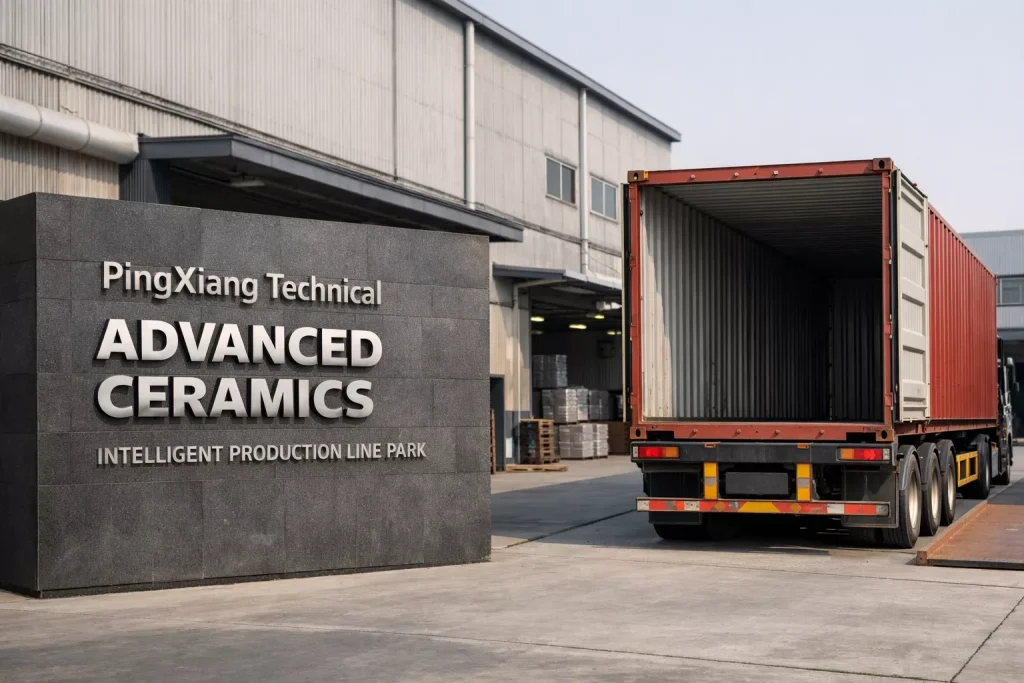
China-based ceramic materials production facility with state-of-the-art equipment

Engineering Team

Experienced professionals in advanced ceramics applications and custom design

Quality Control

Strict quality control standards for technical ceramics manufacturing and quality management

Global Supply Chain

Serving customers worldwide with technical ceramics and rapid response

24/7 Technical Support

Round-the-clock support for ceramic components inquiries and technical assistance

500+ Satisfied Customers

Trusted by global customers for advanced ceramic materials and precision components

Get in touch with us

Our team will be happy to respond to you in less than 24 hours.

Adcerax's factory

Quick Quotation

*Our team will answer your inquiries within 24 hours.

*Your information will be kept strictly confidential.

Ready to Solve Your Engineering Challenge?

Partner with ADCERAX for reliable, high-performance advanced ceramic solutions. Our engineers are ready to discuss your project.

E-mail

info@adcerax.com

Phone

+(86) 0731-74427743 | WhatsApp: +(86) 19311583352

Response Time

Within 24 hours

Quick Quote

The more details you provide, the faster we can quote.

*We respond within 24 hours. All inquiries are confidential.

Download Catalog

Get Your Custom Sulution

The more details you provide, the faster we can respond.

customize size

*We respond within 24 hours. All inquiries are confidential.

Download Catalog