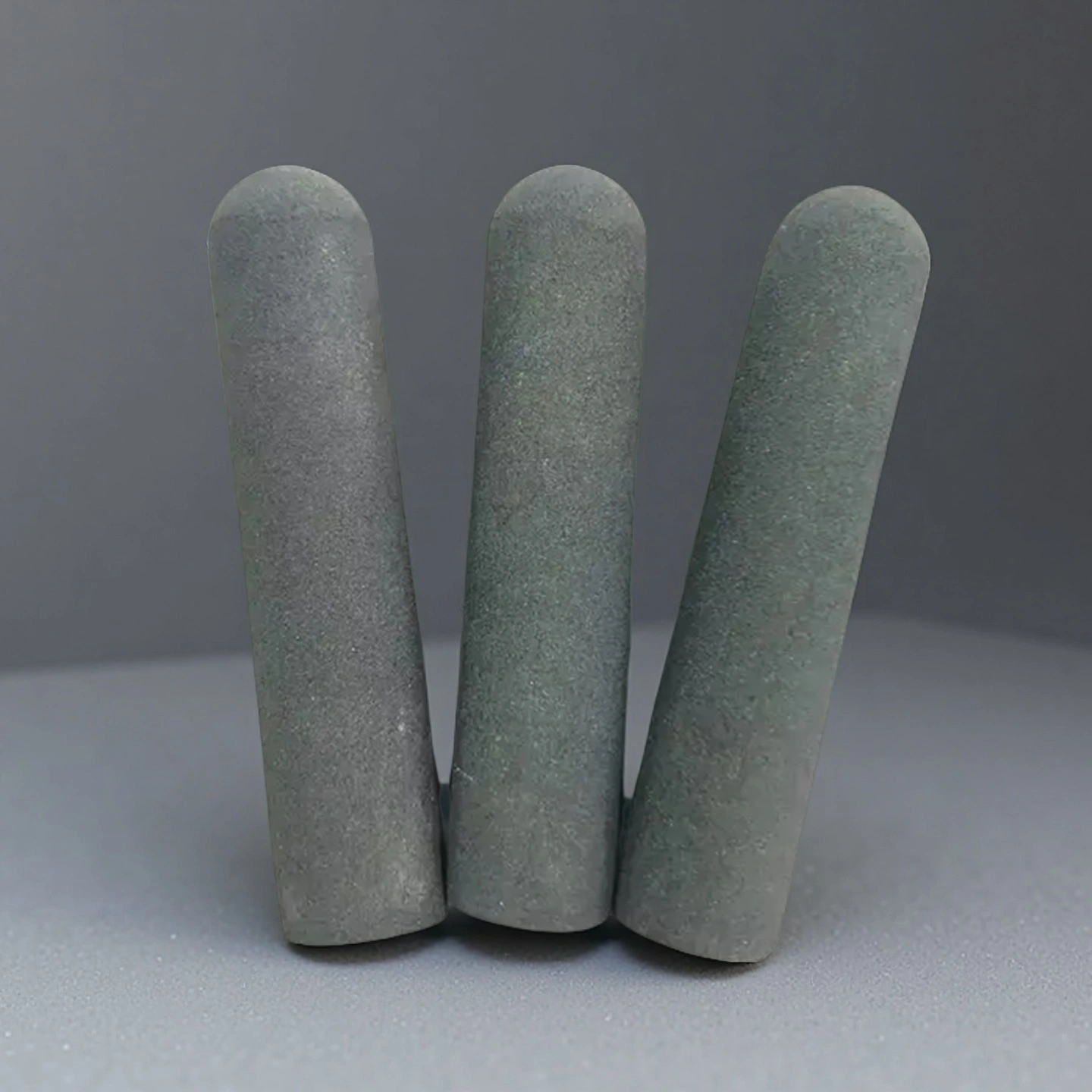
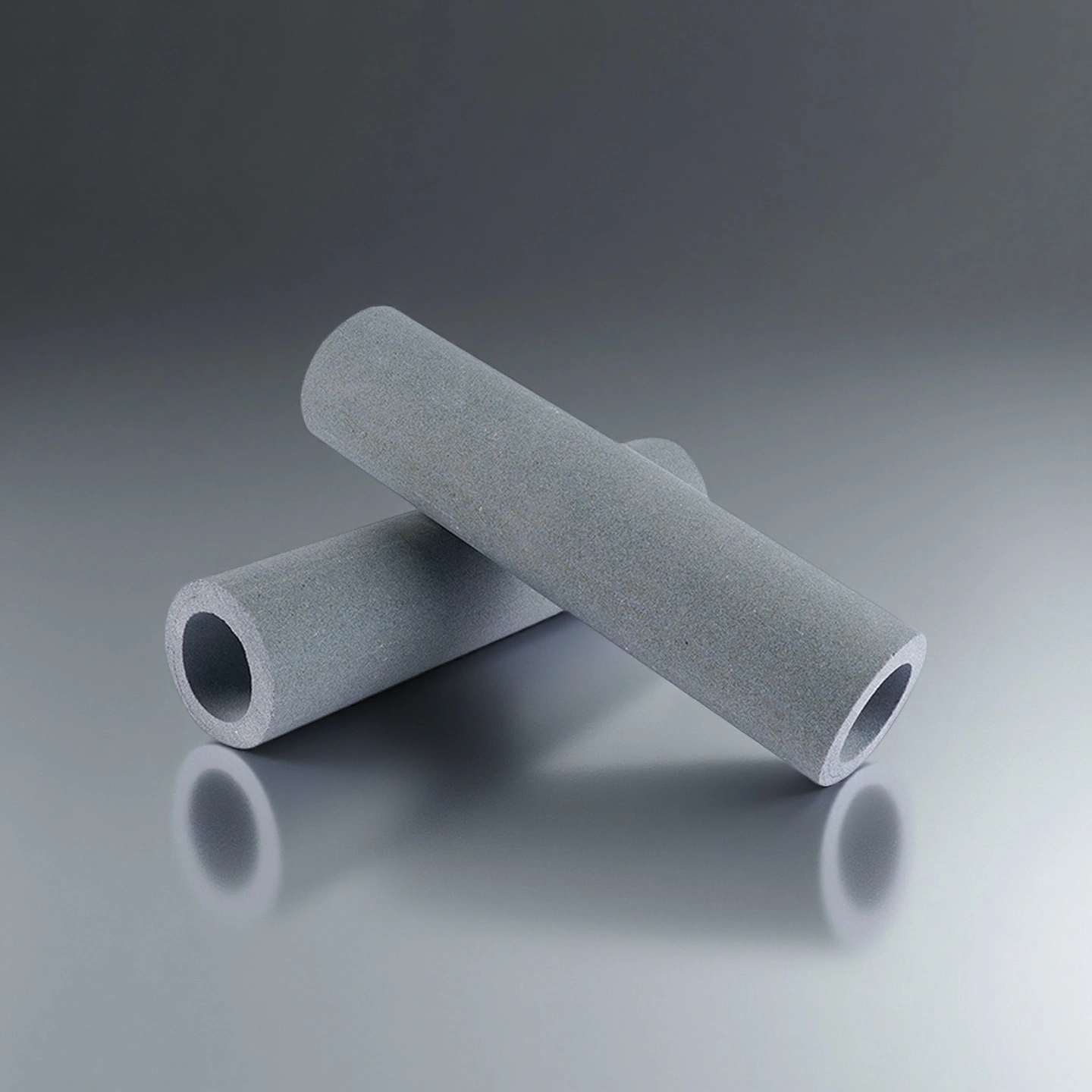
Silicon Carbide Membrane Tube for Industrial Filtration Systems

The Silicon Carbide Membrane Tube is designed for industrial liquid and process filtration where corrosion resistance, thermal stability, pore consistency and cleaning durability are critical. Its recrystallized SiC structure supports clarification, separation and concentration of wastewater, brine, chemical streams and particle-laden fluids under demanding operating conditions.

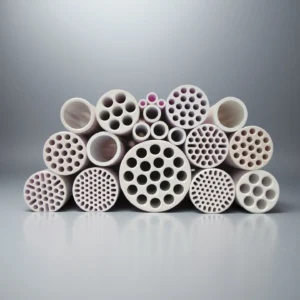
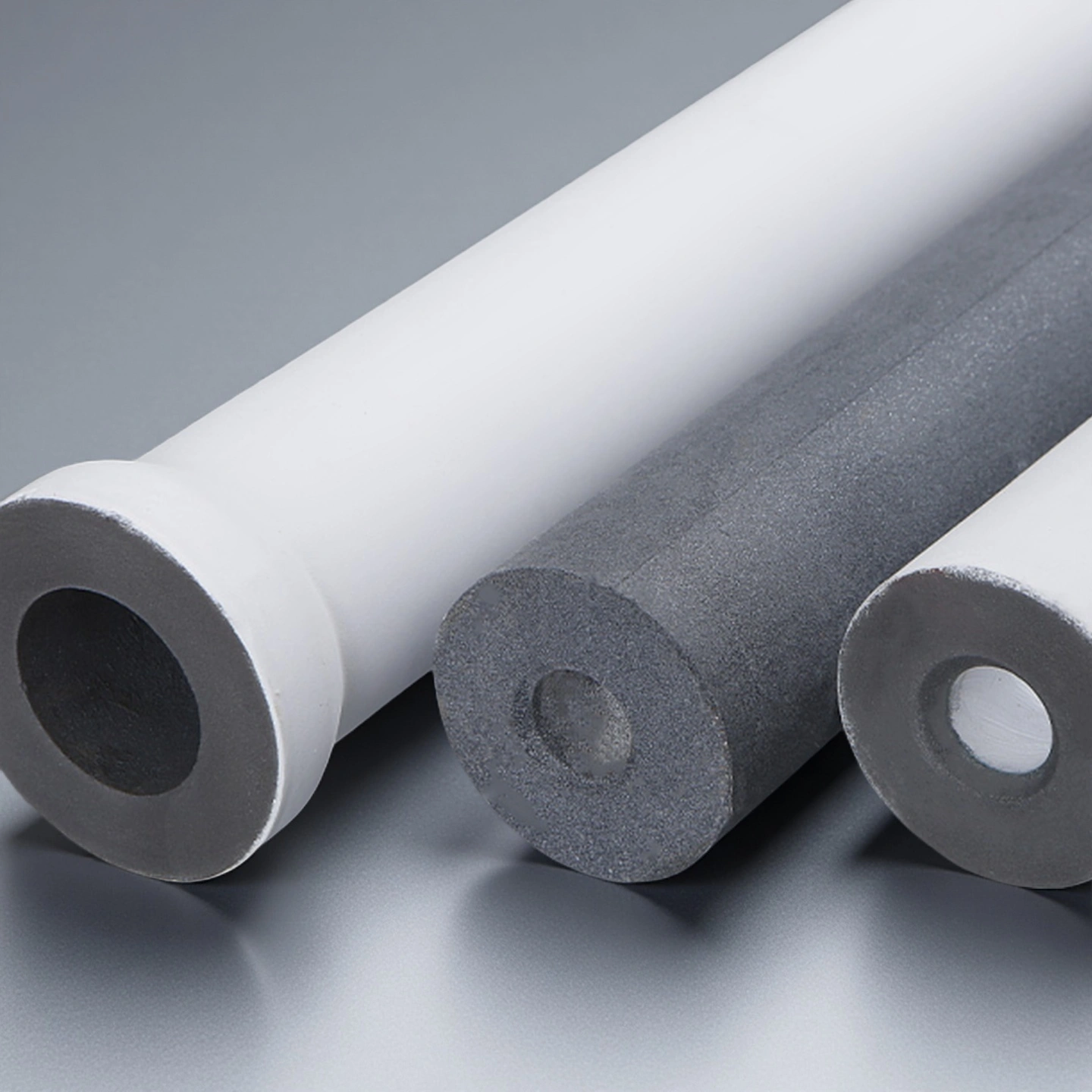
ADCERAX supports standard and custom SiC membrane tube configurations, including multi-channel designs, both-end-open tubes, one-end-closed tubes and flanged structures. Dimensions, pore size, channel layout and connection design can be reviewed according to the filtration system, feed composition and cleaning method.

Catalogue No. AT-THG-MG001
Material Recrystallized Silicon Carbide (SiC ≥98.5%)
Filtration Rating 0.1 nm precision, >95% efficiency
Operating Temperature Up to 900 °C continuous service
Maximum Working Pressure Up to 16 MPa hydraulic load
Dimensions/Sizes Download SiC Memberane Tube PDF
Engineering RFQ Review
Small-Batch Custom Support
Factory-Direct Manufacturing
Drawing & Process Review

What Is a Silicon Carbide Membrane Tube?

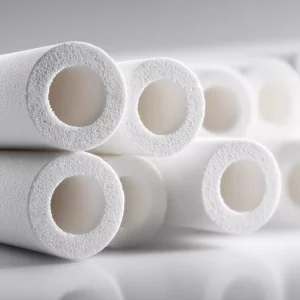
A silicon carbide membrane tube is a porous ceramic filtration element made from recrystallized SiC. It uses a controlled pore structure to separate suspended solids, colloids, particles or process contaminants from liquid or gas streams while maintaining chemical resistance, thermal stability and mechanical rigidity.

Compared with polymer membranes, SiC membrane tubes are more suitable for corrosive, high-temperature, abrasive or frequently cleaned filtration systems. They are commonly used in industrial wastewater treatment, brine purification, chemical process filtration, fermentation clarification, oily wastewater treatment and high-temperature condensate recovery.

Key Performance Factors for SiC Membrane Tube Selection

Selecting a silicon carbide membrane tube is not only about choosing a pore size. Buyers also need to consider the feed condition, filtration target, cleaning method, flow design and system compatibility. These factors directly affect filtration stability, pressure behavior, fouling control and long-term operating reliability.

  • Pore Size Rating
    Pore size determines which particles, suspended solids or colloidal materials the membrane can retain. Smaller pore sizes are suitable for fine clarification and higher separation precision, while larger pore sizes may be used for pre-filtration or higher-flow process streams. The final selection should match the particle size distribution, target permeate quality and required throughput.
  • Open Porosity
    Open porosity affects the membrane’s permeability, pressure drop and flow response. A well-connected porous structure helps maintain stable liquid passage while supporting filtration efficiency. For buyers, this factor is important because it influences pump load, operating pressure and cleaning frequency.
  • Channel Geometry
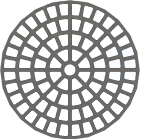
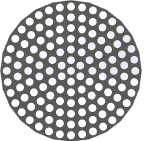
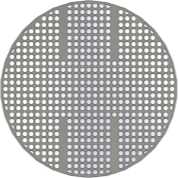
    The channel structure controls flow distribution inside the membrane tube. Multi-channel designs can increase membrane area within a compact tube body, while suitable channel diameter helps reduce blockage risk in particle-rich or viscous fluids. This is especially important for wastewater, brine, fermentation broth and high-solids process streams.
  • Chemical Resistance
    Silicon carbide offers strong resistance to many acidic, alkaline and oxidizing media. This makes SiC membrane tubes suitable for aggressive wastewater, chemical process filtration and CIP cleaning environments. However, the complete system should also consider seal materials, housing design and cleaning chemistry before final selection.
  • Thermal Stability
    SiC membrane tubes maintain ceramic structure under elevated temperature and thermal cycling conditions. This is useful for hot liquid filtration, steam cleaning and process fluid recovery applications where polymer membranes may deform or lose stability. Temperature fluctuation and thermal shock risk should still be reviewed according to the actual system design.
  • Cleaning Compatibility
    Cleaning behavior is a key factor in membrane operation. SiC membrane tubes can support backwashing, chemical cleaning or steam cleaning when the process conditions are properly matched. A suitable cleaning strategy helps control fouling, recover permeability and reduce unplanned downtime in industrial filtration systems.

Technical Specifications of Silicon Carbide Membrane Tube

The Silicon Carbide Membrane Tube uses a recrystallized SiC microstructure to support stable filtration, chemical resistance and ceramic body strength in demanding industrial environments. Its pore structure, thermal stability and cleaning compatibility should be reviewed together with the feed condition, operating pressure and system design before final selection.

Property Typical Specification What It Means for Filtration Design
Material Recrystallized Silicon Carbide, SiC ≥98.5% Provides chemical resistance, thermal stability and ceramic body strength.
Pore Size Rating 0.1–20 μm available by configuration Supports different clarification, separation and pre-filtration requirements.
Open Porosity 35–45% typical interconnected structure Influences permeability, pressure drop and cleaning behavior.
Density 1.4–2.55 g/cm³, depending on structure Reflects the porous ceramic body design and support strength.
Tube Structure Multi-channel, both-end-open, one-end-closed or flanged Determines installation method, flow path and sealing interface.
Chemical Resistance Suitable for many acidic, alkaline and oxidizing media Helps filtration systems handle aggressive process streams and CIP cleaning.
Temperature Resistance Up to 900 °C, depending on process design Useful for hot liquid filtration, steam cleaning or thermal cycling conditions.
Pressure Resistance Reviewed according to tube geometry and system load Helps engineers select a safe structure for operating pressure and backwash cycles.
Cleaning Method Backwash, chemical cleaning or steam cleaning where suitable Supports fouling control and permeability recovery planning.

For applications requiring high-temperature structural ceramic tubes rather than porous filtration elements, review silicon carbide ceramic tube options.

Available Silicon Carbide Membrane Tube Dimensions

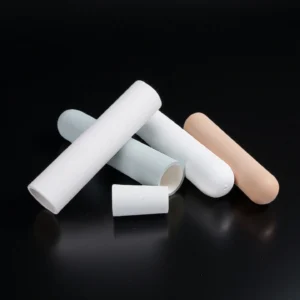
ADCERAX supplies SiC membrane tubes in multiple structural designs for different filtration systems. Available options include multi-channel tubular elements, both-end-open porous tubes, one-end-closed tubes and flanged tube structures. The suitable dimension should be selected according to the housing design, flow direction, feed composition, required filtration rating and cleaning method.

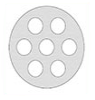
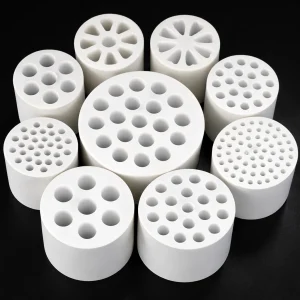
Type 1-Silicon Carbide Tubular Filtration Tube with Multiple Bore
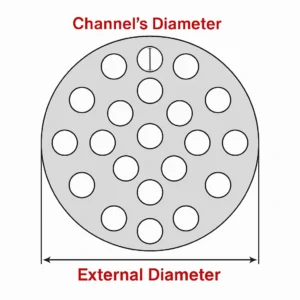
size

Item External Diameter(mm) Number of Channels(pcs) Channel Diameter(mm) Membrane Area (m²) Filtration Rating(μm) Total Length(mm) Picture
AT-THG-MG001 30 7 6 0.13 40/100/500/1000 100-1200
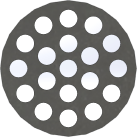
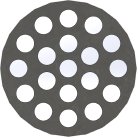
AT-THG-MG002 30 19 4 0.24 40/100/500/1000 100-1200
AT-THG-MG003 40 19 6 0.43 40/100/500/1000 100-1200
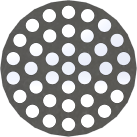
AT-THG-MG004 40 37 4 0.56 40/100/500/1000 100-1200
AT-THG-MG005 46 61 4 0.92 40/100/500/1000 1230
AT-THG-MG006 46 81 / 1.27 40/100/500/1000 1230
AT-THG-MG007 46 127 2.7 32.00  40/100/500/1000 1230
AT-THG-MG008 146 524 4.3 7.8 40/100/500/1000 1100

Type 2-Porous Silicon Carbide Membrane Tube with Both Ends Open
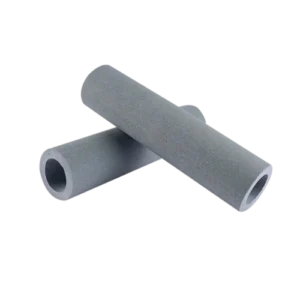
Type 2-Porous Silicon Carbide Membrane Tube with Both Ends Open

Item External Diameter(mm) Inner Diameter(mm) Total Length(mm) Filtration Rating(μm)
AT-THG-MG009 30 20 1000 0.1-20
AT-THG-MG010 35 20 1000 0.1-20
AT-THG-MG011 40 20 1000 0.1-20
AT-THG-MG012 50 30 1000 0.1-20
AT-THG-MG013 60 40 1000 0.1-20
AT-THG-MG014 70 40-50 1000 0.1-20
AT-THG-MG015 80 50 1000 0.1-20
AT-THG-MG016 100 60-70 1000 0.1-20
AT-THG-MG017 150 90-100 1000 0.1-20
AT-THG-MG018 180 120 1000 0.1-20
AT-THG-MG019 200 140 1000 0.1-20
AT-THG-MG020 260 200 1000 0.1-20
AT-THG-MG021 300 230 1000 0.1-20

Type 3-Silicon Carbide Membrane Tube Porous One End Closed

Type 3-Silicon Carbide Membrane Tube Porous One End Closed

Item External Diameter(mm) Inner Diameter(mm) Length(mm) Filtration Rating(μm)
AT-THG-MG022 60 40 200 0.1-20
AT-THG-MG023 60 40 1500 0.1-20

Type 4-Porous Silicon Carbide Membrane Tube  One End Closed Flanged

Type 4-Porous Silicon Carbide Membrane Tube  One End Closed Flanged

Item External Diameter(mm) Inner Diameter(mm) Length(mm) Diameter of Flange (mm) Filtration Rating(μm)
AT-THG-MG024 60 40 1000 75 0.1-20
AT-THG-MG025 60 40 1500 75 0.1-20
AT-THG-MG026 70 44 1000 84 0.1-20

download picture Download Silicon Carbide Membrane Tube More Size


Packaging and Export Protection for SiC Membrane Tubes

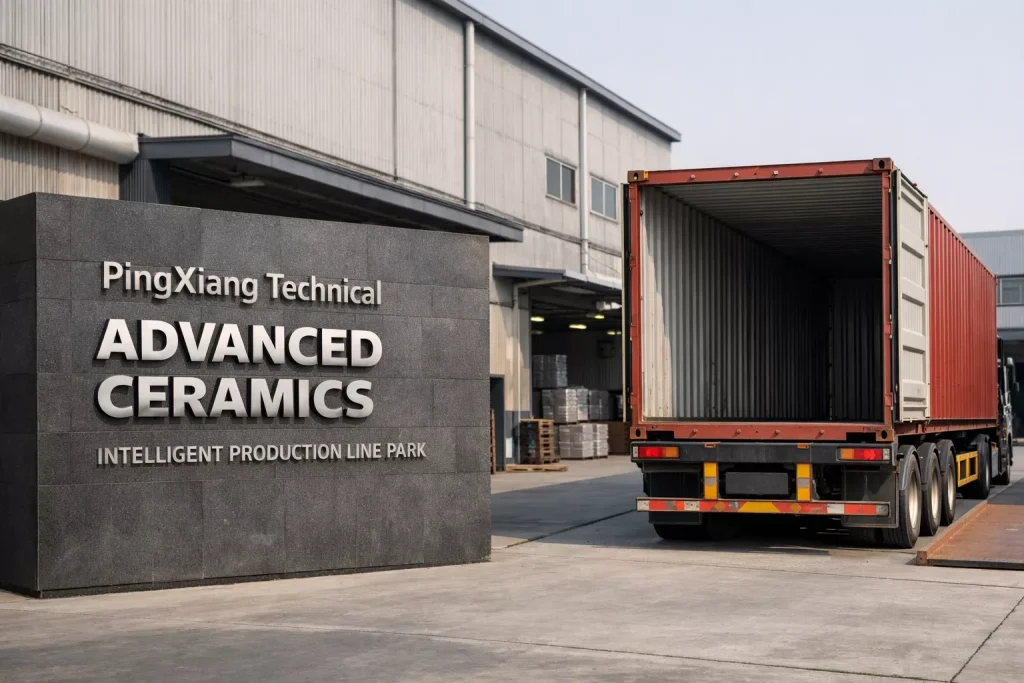
Silicon carbide membrane tubes are fragile porous ceramic components and require stable packaging during international transport. ADCERAX uses protective separation, internal cushioning and reinforced outer cartons or wooden cases according to tube size, quantity and shipping route.
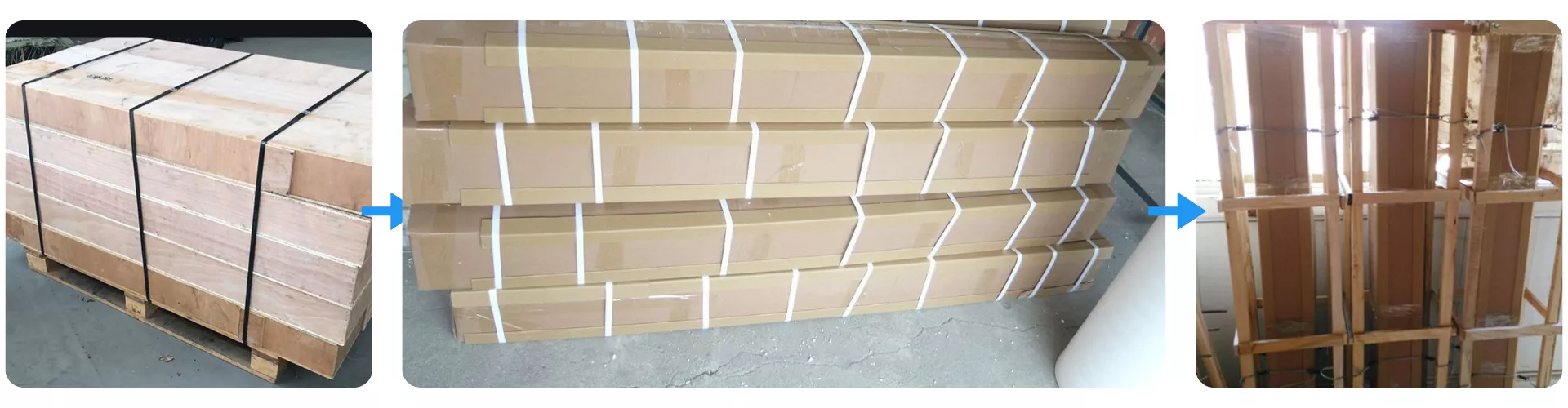

ADCERAX® Packaging of Silicon Carbide Membrane

Industrial Applications for Silicon Carbide Membrane Tubes

Silicon carbide membrane tubes are used where filtration systems must handle aggressive chemistry, suspended solids, temperature variation or frequent cleaning. Their ceramic pore structure and SiC material stability make them suitable for industrial separation processes that require more durability than polymer membranes and more chemical resistance than many conventional ceramic filtration elements.

  • Industrial Wastewater and Reuse

    In industrial wastewater treatment, SiC membrane tubes can be used for clarification, suspended solids removal, oily wastewater treatment and pretreatment before downstream separation processes. Their corrosion resistance and cleaning compatibility help filtration systems handle variable feed conditions, including particles, organics and cleaning chemicals.

    For buyers, the key selection points are pore size, feed solids content, crossflow velocity, cleaning method and housing compatibility. ADCERAX can review the tube structure and pore rating according to the target effluent quality and operating conditions.

  • Chemical Process and Brine Filtration

    Chemical plants and brine treatment systems often require membranes that can tolerate strong ionic strength, pH variation and chemical cleaning. Silicon carbide membrane tubes provide a chemically stable ceramic structure for clarification and particle separation in aggressive process streams.

    When used in brine, acid, alkaline or oxidizing environments, material compatibility should be reviewed together with pressure, temperature, sealing method and cleaning sequence. This helps reduce the risk of premature fouling, cracking or unsuitable membrane selection.

  • Food, Fermentation and Bio-Process Clarification

    SiC membrane tubes can support clarification of fermentation broth, beverage streams, protein-containing fluids and particle-rich process liquids where stable pore structure and cleaning resistance are important. Their rigid ceramic channels help maintain dimensional stability during repeated filtration and cleaning cycles.

    For these applications, buyers should confirm pore size, flow rate, sterilization method, cleaning chemistry and product-contact requirements before selecting a membrane tube. ADCERAX can support dimension and structure review for non-standard filtration systems.

  • High-Temperature Condensate and Process Fluid Recovery

    For hot condensate, process fluid recovery and high-temperature filtration loops, silicon carbide membrane tubes offer thermal stability and resistance to many corrosive media. Their porous ceramic body helps maintain filtration structure where polymer membranes may deform or lose performance.

    The final design should consider temperature fluctuation, thermal shock risk, feed composition, pressure load and cleaning cycles. For demanding systems, ADCERAX recommends reviewing drawings or operating conditions before confirming the tube structure.

For filtration designs that require oxide ceramic alternatives, alumina membrane tubes and zirconia porous filter tubes can also be reviewed.

Using Silicon Carbide Membrane Tubes in Industrial Filtration Systems

This section provides practical guidance for installing, operating, cleaning and storing SiC membrane tubes in industrial filtration systems. Proper system matching, gradual start-up and suitable cleaning procedures help protect the porous ceramic structure and support stable filtration performance.

Installation and System Matching

Before installation, confirm the tube size, sealing interface, flow direction and housing compatibility. The membrane tube should match the filtration housing, gasket material, end connection and support structure before the system is started.

Avoid direct metal impact, uneven clamping or point loading on the ceramic tube. For long SiC membrane tubes or multi-channel structures, proper alignment is important because bending stress, vibration or misalignment may cause cracks during operation.

Operating Conditions

During system start-up, operating pressure, flow rate and temperature should be increased gradually. Sudden pressure shock, rapid temperature change or uncontrolled backwash pressure may damage the porous ceramic structure.

The operating range should be selected according to pore size, tube length, channel geometry, filtration medium and system design. For high-solids, viscous or particle-rich fluids, stable crossflow velocity and controlled pressure difference are important for reducing fouling and maintaining filtration stability.

Cleaning and Regeneration

Cleaning methods may include backwashing, chemical cleaning or steam cleaning when they are suitable for the feed condition and system materials. The cleaning method should be selected according to the fouling type, such as inorganic scale, organic deposits, oily contamination, biological solids or fine suspended particles.

For chemical cleaning, the concentration, temperature and contact time should be controlled carefully. Strong cleaning agents should be reviewed together with seal materials, housing components and downstream equipment to avoid system compatibility problems.

Shutdown and Maintenance

Before shutdown, the system should be flushed according to the process requirements to reduce residual solids, crystallization or organic deposits inside the membrane channels. If the filtration medium may dry, harden or crystallize, the membrane tube should not be left with untreated residue for a long time.

After cleaning, inspect the tube ends, sealing area and visible surface for cracks, chips or abnormal deposits. If filtration pressure rises quickly after cleaning, the system should be checked for pore blockage, unsuitable cleaning chemistry, feed changes or housing leakage.

Handling and Storage

SiC membrane tubes should be handled as precision porous ceramic components. Keep the tubes separated during storage, protect the edges and avoid impact during transport, inspection or installation.

The tubes should be stored in a clean and dry environment to avoid contamination of the porous structure. For long tubes, horizontal support should be stable enough to prevent bending or rolling. Do not stack heavy parts directly on the membrane tube.

Silicon Carbide Membrane Tube FAQs

  1. Q1: What is a silicon carbide membrane tube used for?

    A silicon carbide membrane tube is used for industrial filtration, clarification, separation and concentration of liquid or gas streams. It is commonly selected for wastewater treatment, brine purification, chemical process filtration, oily wastewater treatment, fermentation clarification and high-temperature process fluid recovery where corrosion resistance, pore stability and cleaning durability are important.

  2. Q2: How do I choose the right pore size for a SiC membrane tube?

    The right pore size depends on the particle size, suspended solids content, target permeate quality and filtration process. Smaller pore sizes are used for fine clarification and colloid removal, while larger pore sizes may be selected for pre-filtration or higher-flow separation. ADCERAX can review the feed condition and filtration target before recommending a suitable pore rating.

  3. Q3: Can silicon carbide membrane tubes handle strong acids, alkalis or cleaning chemicals?

    Silicon carbide has strong chemical resistance and is suitable for many acidic, alkaline and oxidizing environments. However, the complete filtration system should also consider seals, housings, adhesives and cleaning sequence. For aggressive chemical processes, ADCERAX recommends confirming the medium, concentration, temperature and cleaning method before final selection.

  4. Q4: Are SiC membrane tubes better than polymer membranes?

    SiC membrane tubes are often preferred when polymer membranes cannot withstand high temperature, aggressive chemistry, abrasive particles or frequent chemical cleaning. Polymer membranes may still be suitable for lower-temperature and less aggressive filtration systems. The best choice depends on feed composition, operating pressure, cleaning frequency, target service conditions and total maintenance cost.

  5. Q5: Can ADCERAX customize silicon carbide membrane tubes?

    Yes. ADCERAX can support custom silicon carbide membrane tubes based on drawings, samples or filtration system requirements. Custom options may include outer diameter, inner diameter, length, channel count, channel diameter, pore size, end structure, flange design and sealing interface. Technical review is recommended before quotation.

  6. Q6: What information should I provide for a SiC membrane tube quotation?

    For a faster quotation, please provide the tube drawing or size, pore size requirement, filtration medium, operating temperature, pressure range, flow direction, cleaning method, quantity and any housing or connection details. If the exact specification is not available, ADCERAX can review the application conditions and suggest a suitable structure for discussion.

customize size

Customization Services for SiC Membrane Tube

A wide range of configuration choices for Silicon Carbide Membrane Tube can be supported by ADCERAX® to meet diverse industrial separation requirements under varying chemical, mechanical, and thermal conditions.

Channel Geometry Customization

Adaptation of internal flow architecture is enabled to optimize hydraulic stability.

  • Multi-Channel Layout
    Supports efficient distribution in complex separation processes.

  • Hydraulic Flow Path
    Enhances turbulence for controlled anti-fouling behavior.

  • Cross-Section Design
    Improves fluid uniformity throughout full-length filtration.

Surface and Filtration Layer Configuration

Adjustment of membrane surface characteristics is permitted for targeted filtration behavior.

  • Pore Surface Tuning
    Enhances selective retention of fine suspended solids.

  • Layer Density Control
    Enables consistent permeation under variable operating loads.

  • Surface Texture Optimization
    Reduces adhesion tendencies in organic-rich feed streams.

Related Products

ADCERAX - Your Trusted Advanced Ceramics Manufacturing Partner

Direct factory manufacturing with comprehensive ceramic materials expertise and global supply capabilities

China-Based Manufacturer

ADCERAX supplies ceramic components for overseas OEMs, equipment builders, and labs.

Custom Drawing Support

We review drawings, dimensions, materials, and application conditions before quotation.

Ceramic Process Control

Forming, sintering, machining, grinding, and finishing are arranged by part requirements.

Pre-Shipment Inspection

Dimensional checks, visual inspection, and packaging review help reduce procurement risk.

Get in Touch with Us

Our team will be happy to respond to you in less than 24 hours.

Pingxiang Factory — Silicon carbide, silicon nitride, high-temperature ceramics

Quick Quotation

*Our team will answer your inquiries within 24 hours.

*Your information will be kept strictly confidential.

Ready to Solve Your Engineering Challenge?

Partner with ADCERAX for reliable, high-performance advanced ceramic solutions. Our engineers are ready to discuss your project.

E-mail

info@adcerax.com

Phone

+(86) 0731-74427743 | WhatsApp: +(86) 19311583352

Response Time

Within 24 hours

Quick Quote

The more details you provide, the faster we can quote.

*We respond within 24 hours. All inquiries are confidential.

Get Your Custom Solution

The more details you provide, the faster we can respond.

customize size

*We respond within 24 hours. All inquiries are confidential.

Download Catalog