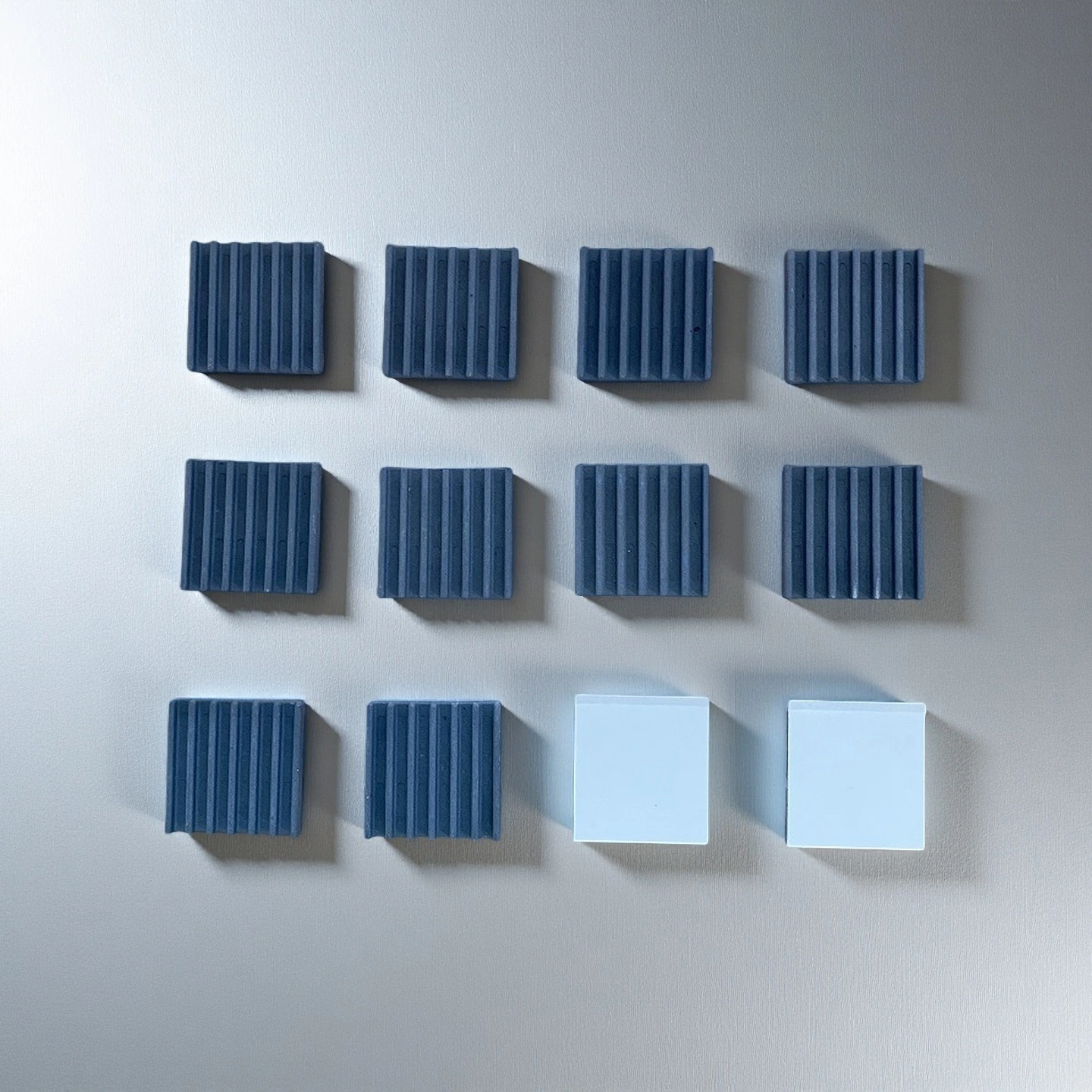
Custom Silicon Carbide Ceramic Plate and SiC Sheet

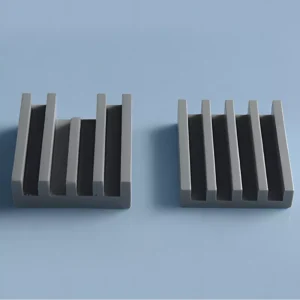
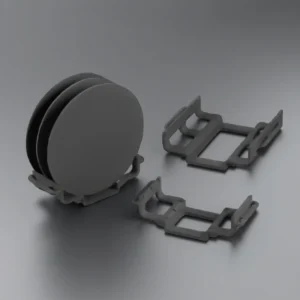
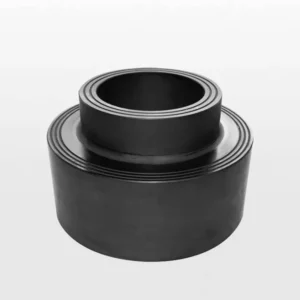
A silicon carbide ceramic plate is a flat SiC component used where high thermal conductivity, wear resistance, thermal shock stability and dimensional accuracy must work together. ADCERAX produces custom SiC plates in SSiC, SiSiC and NBSiC grades for thermal management, furnace fixtures, wear liners and industrial assemblies.

Catalogue No. AT-SIC-P1047
Material Silicon Carbide
Thermal Expansion Coefficient 4.0–5.0 ×10⁻⁶/K
Dimensional Tolerance ±0.1 mm (customizable)
Engineering RFQ Review
Small-Batch Custom Support
Factory-Direct Manufacturing
Drawing & Process Review

What Is a Silicon Carbide Ceramic Plate?

A silicon carbide ceramic plate is a high-performance SiC component used where heat, wear, corrosion and dimensional stability must be controlled at the same time. Compared with alumina ceramic plates, SiC plates offer higher thermal conductivity, stronger thermal shock resistance and better wear performance in harsh industrial environments.

ADCERAX supplies SiC ceramic plates and sheets for thermal management, furnace fixtures, equipment liners, wear plates and custom structural parts. Standard sizes are available for quick selection, while custom plates can be produced according to drawings, samples or assembly requirements.

Silicon Carbide Ceramic Plate Advantages

  • High thermal conductivity helps improve heat spreading in thermal management assemblies.
  • Strong thermal shock resistance supports repeated heating and cooling cycles.
  • High hardness and wear resistance make SiC suitable for abrasive or sliding-contact applications.
  • Good corrosion and oxidation resistance supports use in harsh industrial environments.
  • Custom thickness, surface finish, holes and edge details can be reviewed according to drawings.

When to Choose SiC Ceramic Plate?

Silicon carbide ceramic plate is usually selected when metal, alumina or zirconia plates cannot provide enough heat transfer, wear resistance or thermal shock stability. It is suitable for working positions where the part may face high temperature, repeated heating and cooling, abrasive contact, corrosive media or high-power heat concentration.

For power electronics and laser systems, SiC plates help spread heat while maintaining electrical insulation. For furnace and industrial equipment, SiC plates help resist deformation, oxidation and mechanical wear during long operating cycles.

Silicon Carbide Ceramic Sheet Properties

Item

Unit

Reaction-Bonded SiC/SiSiC

Nitride-Bonded SiC/NBSiC

Pressureless Sintered SiC / SSiC
SiC Content

%

85

80

99

Free  Silicon Content

%

15

0

0

Density

g/cm³

3.02

2.72

3.1-3.15

Max. Service Temp.

≤1380

1550

≤1600

Vickers Hardness

kg/mm2(HV)

2500

2500

2800

Coefficient of Thermal Expansion

×10⁻⁶/K

4.5

5

4.1

Bending Strength

MPa(20℃)

250

160

380

MPa(1200℃)

280

180

400

Modulus of Elasticity

 GPa(20℃)

330

220

420

 GPa(1200℃)

300

/

/

Thermal Conductivity

W/m.k(1200℃)

45

15

74

Porosity

%

<0.1

12

<0.1

Standard Silicon Carbide Ceramic Plate Sizes

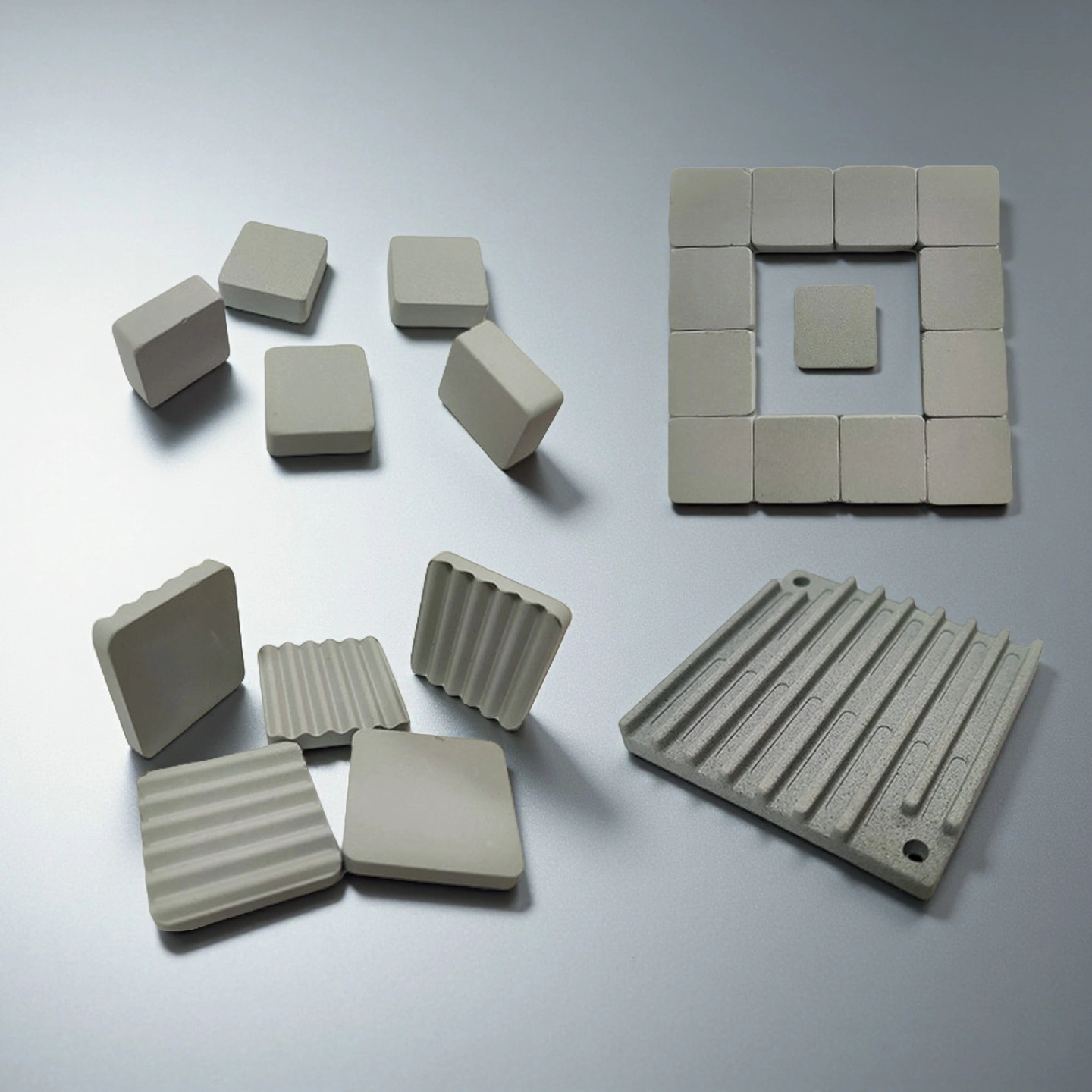
The listed sizes are reference options for quick selection. Custom length, width, thickness, holes, slots, grooves, bevels, chamfers and surface finishes can be reviewed according to drawings or samples. Final feasibility depends on material grade, plate geometry, machining allowance and application conditions.

Silicon Carbide Tray for ICP
Item No. Length(mm) Width(mm) Thickness Shape
AT-SIC-P1047 10 10 1.5 Tablet
AT-SIC-P1048 10 10 2 Tablet
AT-SIC-P1049 10 10 3 Tablet
AT-SIC-P1050 10 10 5 Tablet
AT-SIC-P1051 10 12 2.5 Tablet
AT-SIC-P1052 10 15 2 Tablet
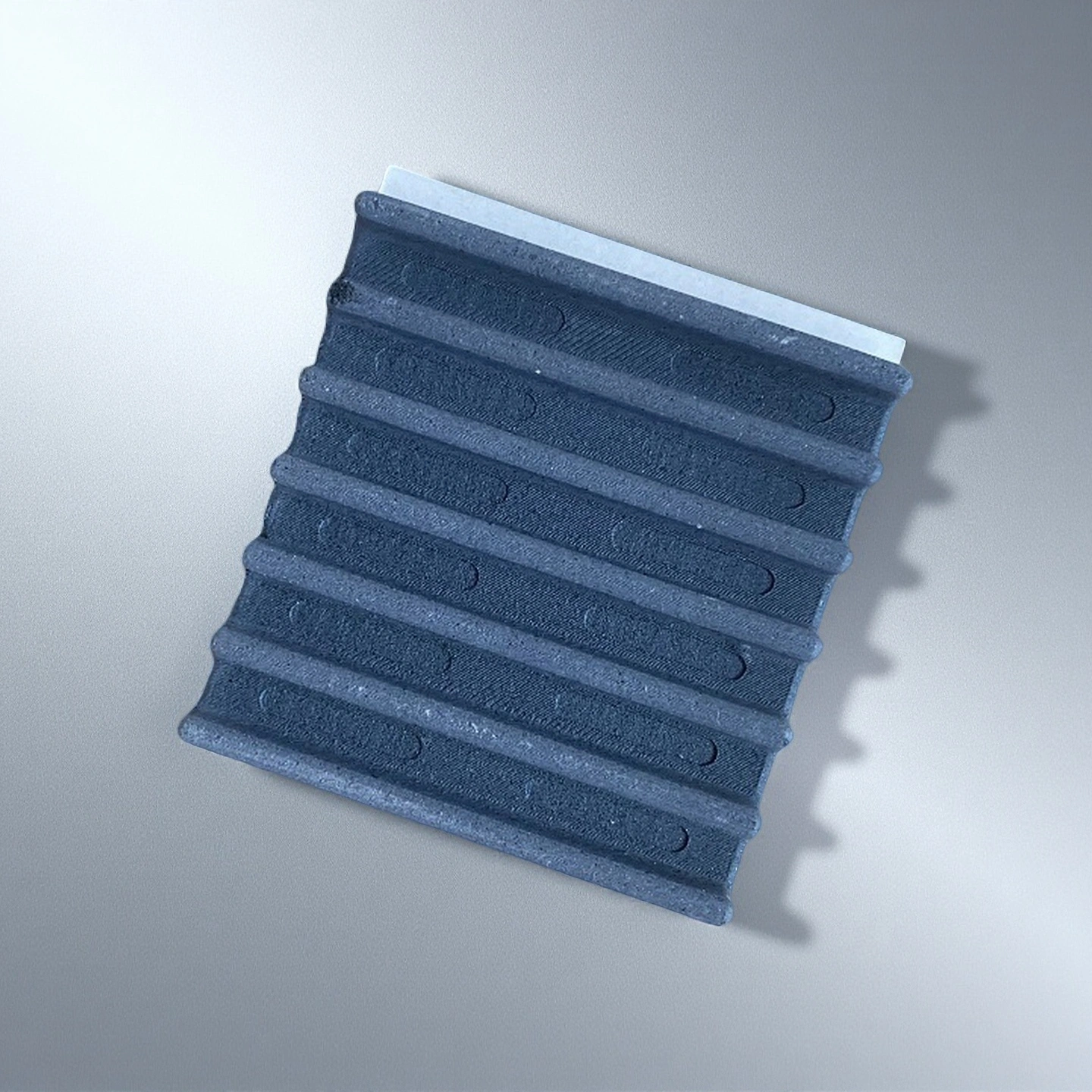
AT-SIC-P1053 11 13 5 Ripple
AT-SIC-P1054 15 15 2 Tablet
AT-SIC-P1055 15 15 3 Tablet
AT-SIC-P1056 15 15 4 Tablet
AT-SIC-P1057 15 15 5 Tablet
AT-SIC-P1058 20 20 10 Tablet
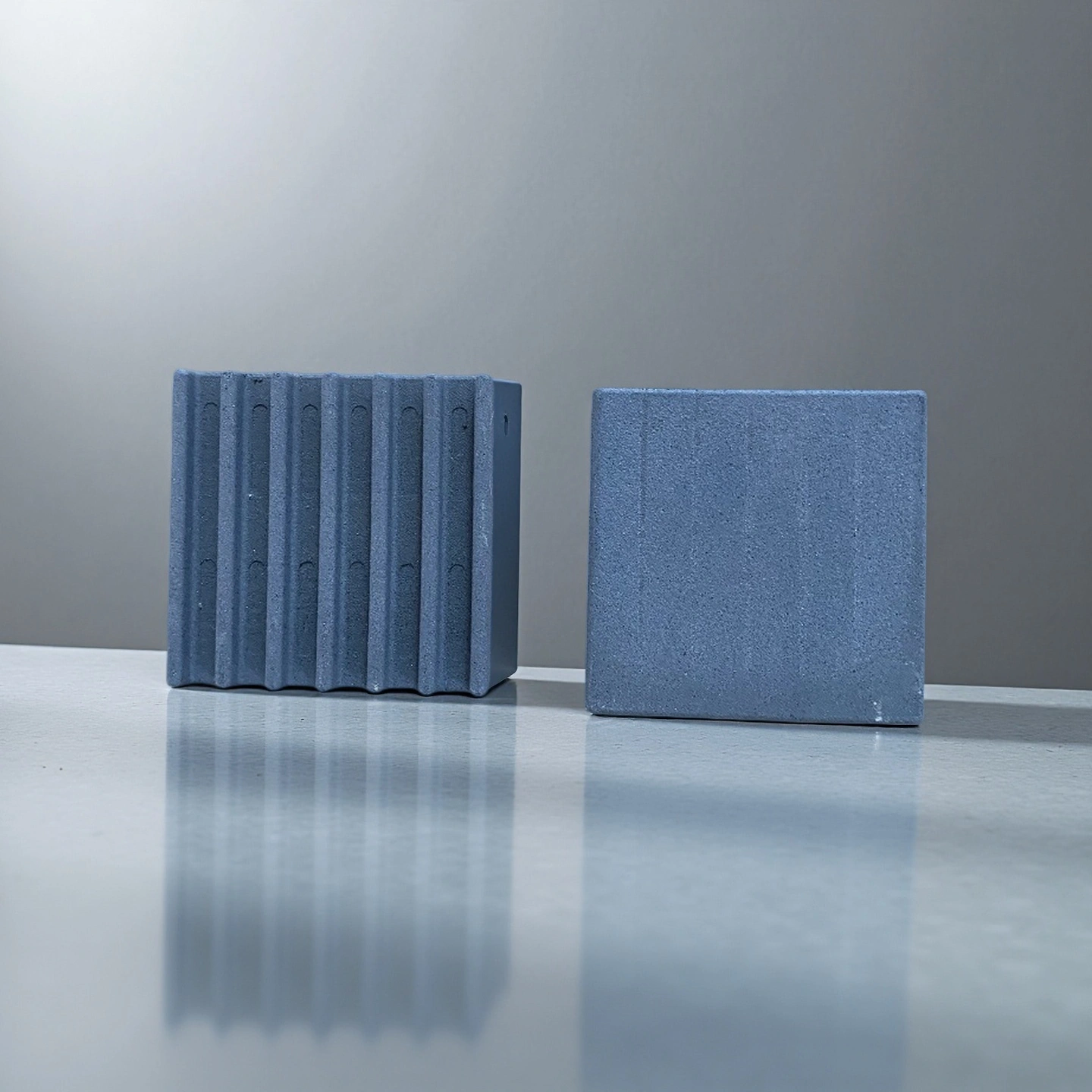
AT-SIC-P1059 20 20 10 Groove
AT-SIC-P1060 20 20 2.5 Tablet
AT-SIC-P1061 20 20 2 Tablet
AT-SIC-P1062 20 20 5 Tablet
AT-SIC-P1063 20 20 5 Ripple
AT-SIC-P1064 25 25 10 Ripple
AT-SIC-P1065 25 25 2.5 Tablet
AT-SIC-P1066 25 25 3 Tablet
AT-SIC-P1067 25 25 5 Tablet
AT-SIC-P1068 25 25 5 Ripple
AT-SIC-P1069 25 25 8 Ripple
AT-SIC-P1070 30 30 10 Ripple
AT-SIC-P1071 30 30 2.5 Tablet
AT-SIC-P1072 30 30 5 Tablet
AT-SIC-P1073 30 30 5 Ripple
AT-SIC-P1074 30 30 8 Ripple
AT-SIC-P1075 35 35 10 Ripple
AT-SIC-P1076 40 40 3 Tablet
AT-SIC-P1077 40 40 4 Tablet
AT-SIC-P1078 40 40 5 Tablet
AT-SIC-P1079 40 40 5 Ripple
AT-SIC-P1080 40 40 7 Ripple
AT-SIC-P1081 40 40 8 Ripple
AT-SIC-P1082 50 50 5 Tablet
AT-SIC-P1083 50 50 5 With hole
AT-SIC-P1084 60 60 5 Tablet
AT-SIC-P1085 60 60 8 Tablet

SiC Ceramic Plate vs Alumina and Aluminum Nitride

Material Main Advantage Limitation Best Fit
Silicon Carbide High thermal conductivity, wear resistance and thermal shock stability. More difficult to machine than alumina. Thermal management, furnace fixtures, wear plates and harsh equipment parts.
Alumina Cost-effective insulation and general high-temperature use. Lower thermal conductivity and weaker thermal shock resistance than SiC. Insulators, standard plates and general ceramic structures.
Aluminum Nitride High thermal conductivity and electrical insulation. Usually selected for electronic substrate applications, not heavy wear positions. Power electronics substrates and thermal interface components.


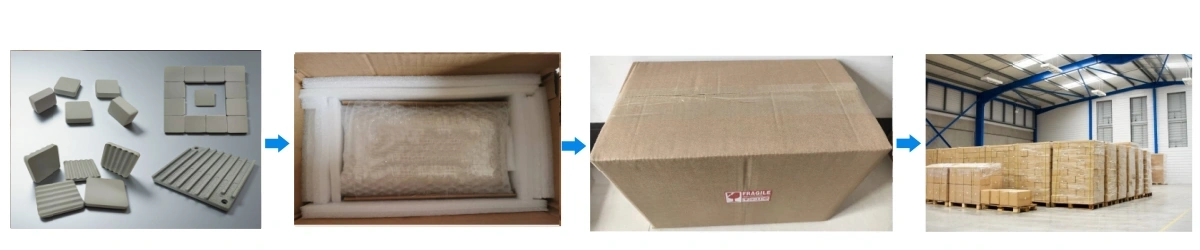
Silicon Carbide Ceramic Sheet Packing

  • Each heat sink is individually packed in anti-static foam
  • Sealed and moisture-proof packaging
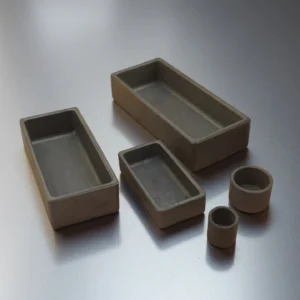
Silicon Carbide Ceramic Sheet Packing

Applications of Silicon Carbide Ceramic Plates

Silicon carbide ceramic plates are used where heat, wear, corrosion and dimensional stability must be controlled at the same time. Compared with common metal plates, alumina plates or zirconia plates, SiC ceramic plates are better suited for high-temperature, abrasive, corrosive and thermal cycling environments.

Thermal Management Applications:

SiC ceramic plates are used as heat-spreading plates, insulation support plates and cooling interface components in power modules, EV inverters, laser systems and high-power electronic assemblies. Their thermal conductivity helps distribute heat more efficiently while maintaining ceramic stability under operating stress.

Furnace and High-Temperature Fixtures:

SiC plates are used as setter plates, support plates, kiln furniture, furnace liners and thermal processing fixtures. They are suitable for repeated heating and cooling cycles where thermal shock resistance, oxidation resistance and shape stability are important.

Wear-Resistant Equipment Parts:

SiC ceramic plates can be used as wear liners, sliding plates, guide plates, protective plates and impact surfaces in equipment exposed to abrasive powders, mineral particles, slurry or mechanical friction. They help protect key equipment areas from surface wear and erosion.

Chemical and Corrosive Equipment:

In corrosive or high-temperature process environments, SiC plates can be used as protective liners, support plates and structural components where metal parts may corrode, scale or lose dimensional accuracy. Material compatibility should be reviewed according to the actual media and working temperature.

Custom Industrial Assemblies:

ADCERAX supplies custom SiC ceramic plates for equipment builders, thermal system designers and industrial maintenance teams. Plate size, thickness, holes, slots, surface finish and mounting details can be reviewed according to drawings, samples or application requirements.

SiC Ceramic Plate Usage Instructions

Proper installation, handling and maintenance help reduce cracking, edge chipping, surface contamination and thermal stress in SiC ceramic plates. Before use, confirm that the plate size, thickness, flatness and mounting method match the working position.

Installation:

Ensure flat and even contact between the SiC ceramic plate, heat source, heat sink or supporting fixture. Avoid point loading or uneven clamping pressure. If the plate is used for thermal management, apply a suitable thermal interface material (TIM) when needed to improve heat transfer and reduce air gaps.

Mounting:

Do not over-tighten mounting screws or clamps. Excessive local pressure may cause cracking, especially near holes, slots or thin edges. Use washers, soft pads or floating fixture designs when the assembly requires mechanical fastening.

Cleaning:

Clean the surface with isopropyl alcohol, deionized water or other compatible non-abrasive cleaning methods. Avoid acidic or alkaline cleaners unless chemical compatibility has been confirmed. Do not use metal brushes or hard tools that may scratch the surface.

Storage:

Store SiC ceramic plates in a dry, dust-free environment. Keep each plate separated with protective padding or soft spacers. Avoid stacking heavy parts directly on the plate surface, especially for thin sheets or polished surfaces.

Handling:

Handle the plate with gloves to prevent contamination from oil, dust or moisture. Avoid dropping, bending, impact loading or direct contact between ceramic edges. For large or thin plates, use two-hand support or fixture support during transfer.

Maintenance:

Inspect the plate before reuse. Check for cracks, edge chips, surface scratches, abnormal discoloration or mounting-area damage. Do not continue using plates with visible cracks in high-temperature, thermal cycling or load-bearing positions.

Common Misuse:

Over-tightening mounting screws may cause stress concentration and cracking. Using incompatible thermal interface materials may reduce thermal performance. Uneven support, rapid temperature change or hard mechanical impact may also shorten service life.

Silicon Carbide Ceramic Plate FAQ

  1. Q: What is a silicon carbide ceramic plate used for?
    A: A silicon carbide ceramic plate is used for thermal management, furnace fixtures, wear-resistant liners, chemical equipment parts and custom industrial assemblies where heat, wear, corrosion and dimensional stability must be controlled.
  2. Q: Can SiC ceramic plates be customized from drawings?
    A: Yes. ADCERAX can produce custom SiC plates and sheets according to drawings, samples or application requirements. Size, thickness, holes, slots, grooves, chamfers and surface finish can be reviewed before quotation.
  3. Q: Is silicon carbide ceramic plate electrically insulating?
    A: Silicon carbide ceramics can provide electrical insulation in many applications, but the final insulation behavior depends on material grade, temperature, surface condition and design requirements. Electrical requirements should be confirmed before production.
  4. Q: How does SiC plate compare with alumina ceramic plate?
    A: SiC plate usually provides higher thermal conductivity, better thermal shock resistance and stronger wear performance than alumina. Alumina is often more cost-effective for general insulation, while SiC is better for harsh thermal or abrasive environments.
  5. Q: Can the surface be polished or prepared for bonding?
    A: Yes. Surface finish options may include ground, polished, sandblasted or metallization-ready preparation, depending on the plate geometry, flatness requirement and bonding method.
  6. Q: What information is needed for a custom SiC ceramic plate quote?
    A: Please provide drawings or dimensions, thickness, tolerance, hole or slot details, working temperature, load condition, contact media, surface finish requirement and expected quantity. These details help confirm material selection and machining feasibility.
customize size

Custom Machining Options for SiC Plates and Sheets

ADCERAX supplies custom SiC ceramic plates and sheets for thermal systems, equipment assemblies and wear-resistant structures. Size, thickness, holes, slots, grooves, chamfers and surface finish can be produced according to drawings or samples.

Before quotation, we review temperature, load, mounting method and tolerance requirements to confirm material suitability and machining feasibility.

  • Outer/inner dimensions: ±0.1mm tolerance
  • Lengths: up to 1000mm
  • Thickness: 0.5mm to 20mm
  • End details: open, closed, beveled
  • Cross-section shape: square, rectangular, irregular
  • Surface finish: raw, polished, sandblasted
  • Optional: metalized surface (Ag, Cu) for bonding

Related Products

ADCERAX - Your Trusted Advanced Ceramics Manufacturing Partner

Direct factory manufacturing with comprehensive ceramic materials expertise and global supply capabilities

China-Based Manufacturer

ADCERAX supplies ceramic components for overseas OEMs, equipment builders, and labs.

Custom Drawing Support

We review drawings, dimensions, materials, and application conditions before quotation.

Ceramic Process Control

Forming, sintering, machining, grinding, and finishing are arranged by part requirements.

Pre-Shipment Inspection

Dimensional checks, visual inspection, and packaging review help reduce procurement risk.

Get in Touch with Us

Our team will be happy to respond to you in less than 24 hours.

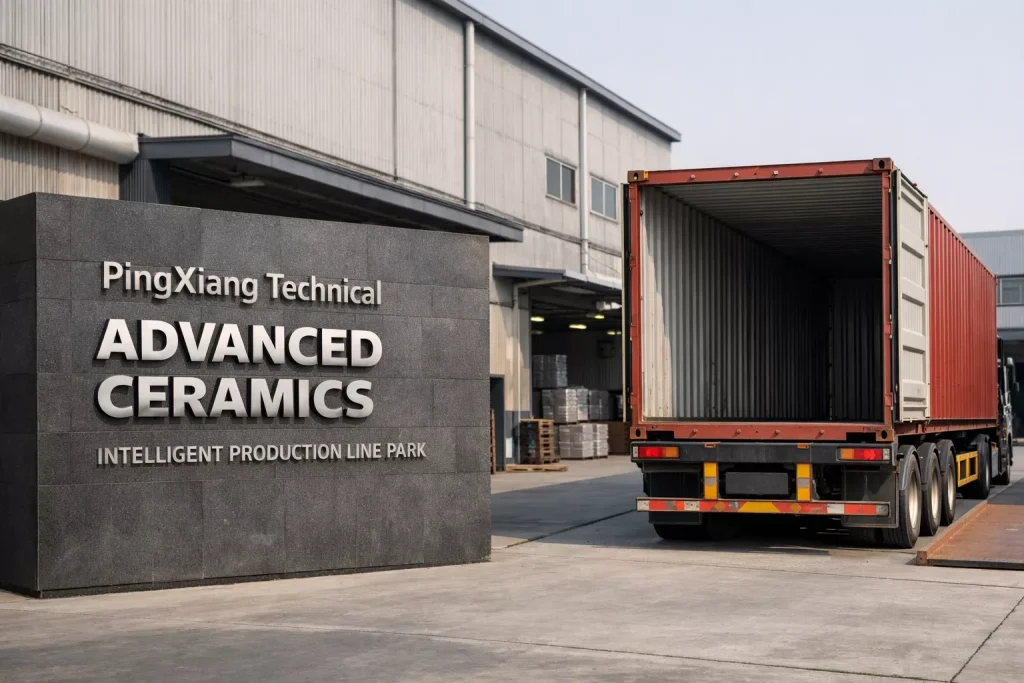
Pingxiang Factory — Silicon carbide, silicon nitride, high-temperature ceramics

Quick Quotation

*Our team will answer your inquiries within 24 hours.

*Your information will be kept strictly confidential.

Ready to Solve Your Engineering Challenge?

Partner with ADCERAX for reliable, high-performance advanced ceramic solutions. Our engineers are ready to discuss your project.

E-mail

info@adcerax.com

Phone

+(86) 0731-74427743 | WhatsApp: +(86) 19311583352

Response Time

Within 24 hours

Quick Quote

The more details you provide, the faster we can quote.

*We respond within 24 hours. All inquiries are confidential.

Get Your Custom Solution

The more details you provide, the faster we can respond.

customize size

*We respond within 24 hours. All inquiries are confidential.

Download Catalog