Custom Silicon Carbide Bearing Balls for High-Speed and High-Temperature Systems

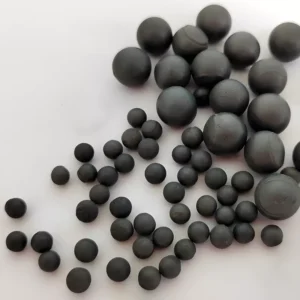
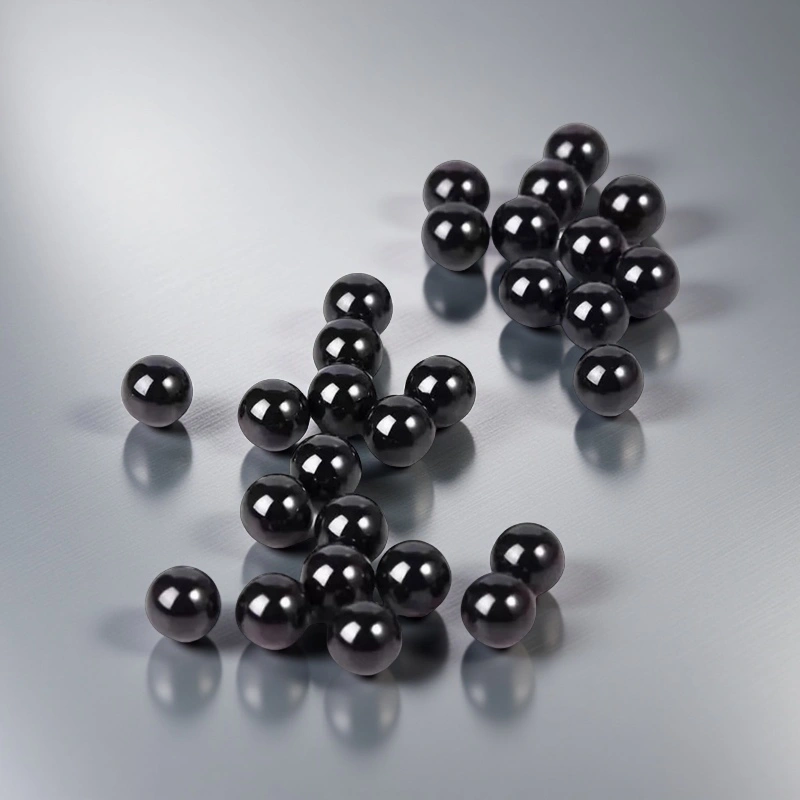
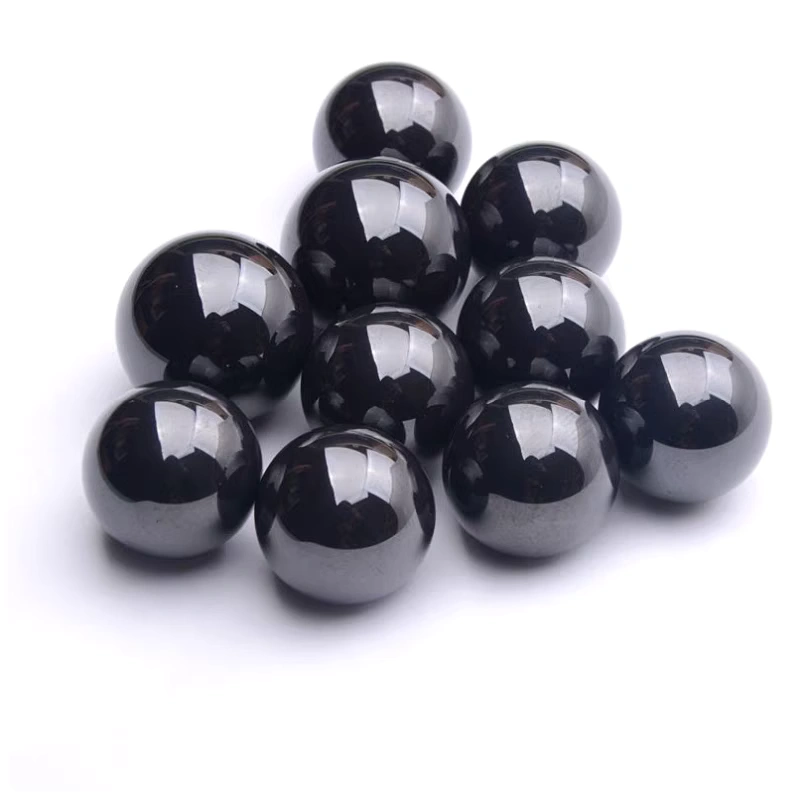
ADCERAX supplies custom silicon carbide bearing balls for high-speed bearings, thermal equipment, pump assemblies, mixers, and corrosion-exposed rotating systems.

SiC bearing balls provide high hardness, low thermal expansion, good chemical resistance, and stable rolling geometry where steel or oxide ceramic balls may deform, corrode, or generate excessive vibration.

Catalogue No. AT-SIC-Q1004
Material Silicon Carbide (≥98–99% purity)
Hardness >2200 HV (supports high Hertzian load)
Thermal Expansion 4.2–4.5×10⁻⁶/K (ensures stability under temperature cycles)
Surface Roughness (Ra) 0.02–0.03 μm (reduces vibration in high-speed bearings)
Engineering RFQ Review
Small-Batch Custom Support
Factory-Direct Manufacturing
Drawing & Process Review

What Are SiC Bearing Balls?

SiC bearing balls are silicon carbide ceramic balls used as rolling elements in precision bearings and rotating assemblies. They are selected when the bearing system requires high hardness, low thermal expansion, corrosion resistance, and stable dimensional behavior under thermal or chemical stress.

ADCERAX supports standard and custom SiC ceramic balls for OEM bearing manufacturers, spindle systems, pump assemblies, mixers, hot-end equipment, and other engineering applications where metallic balls may suffer from oxidation, deformation, or surface wear.

Key Engineering Properties of SiC Bearing Balls

Silicon carbide bearing balls are selected for bearing designs that require high hardness, low thermal expansion, corrosion resistance and stable rolling geometry. These properties help engineers reduce common risks such as surface wear, heat-related clearance change, corrosion exposure and vibration growth in demanding rotating systems.

The final performance still depends on bearing design, load, speed, cage material, lubrication, working temperature and assembly accuracy. ADCERAX recommends reviewing the complete operating condition before confirming SiC, Si3N4, zirconia, alumina or steel balls for the application.

Property Engineering Meaning
High hardness above 2200 HV Helps resist rolling contact wear and surface damage under suitable bearing design.
Low thermal expansion Helps maintain bearing clearance when temperature changes during operation.
High stiffness Supports dimensional stability in precision bearing and spindle systems.
Chemical resistance Helps reduce corrosion-related surface degradation in selected media.
Controlled surface finish Supports smoother rotation and lower friction variation when properly specified.
Custom size and finish review Allows the ball design to match bearing speed, load, cage material and inspection requirements.

Technical Specifications of SiC Bearing Balls

ADCERAX® SiC Bearing Balls exhibit stable mechanical, thermal, and chemical behavior supported by a high-density silicon carbide microstructure, enabling reliable performance in high-speed, high-temperature, and corrosion-exposed precision bearing systems.

Parameter Typical Value / Available Range Engineering Relevance
Material Silicon Carbide Ceramic Suitable for high-hardness, corrosion-resistant and thermally stable bearing designs.
SiC Purity ≥98–99% SiC, depending on grade Higher SiC content supports chemical stability and consistent microstructure.
Density 3.05–3.15 g/cm³ Lower than steel, helping reduce centrifugal load in high-speed rotation.
Hardness >2200 HV Helps resist wear, micro-spalling and rolling contact surface damage.
Compressive Strength >2200 MPa Supports load-bearing stability under Hertzian contact stress.
Elastic Modulus 380–420 GPa Provides high stiffness for precision bearing and spindle systems.
Thermal Expansion 4.2–4.5 × 10⁻⁶/K Helps maintain clearance stability during temperature changes.
Thermal Conductivity 80–120 W/m·K Helps transfer heat away from the rolling contact zone.
Surface Roughness Ra 0.02–0.03 μm, when specified Supports smoother rotation and lower friction variation.
Chemical Resistance Application-dependent acid and alkali resistance Material compatibility should be reviewed according to media, temperature and exposure time.

Dimensions of SiC Bearing Balls

The listed dimensions represent common SiC bearing ball sizes available for engineering review. Actual grade, roundness, surface finish, tolerance and inspection method should be confirmed according to bearing speed, load, cage design, operating temperature and lubrication condition.

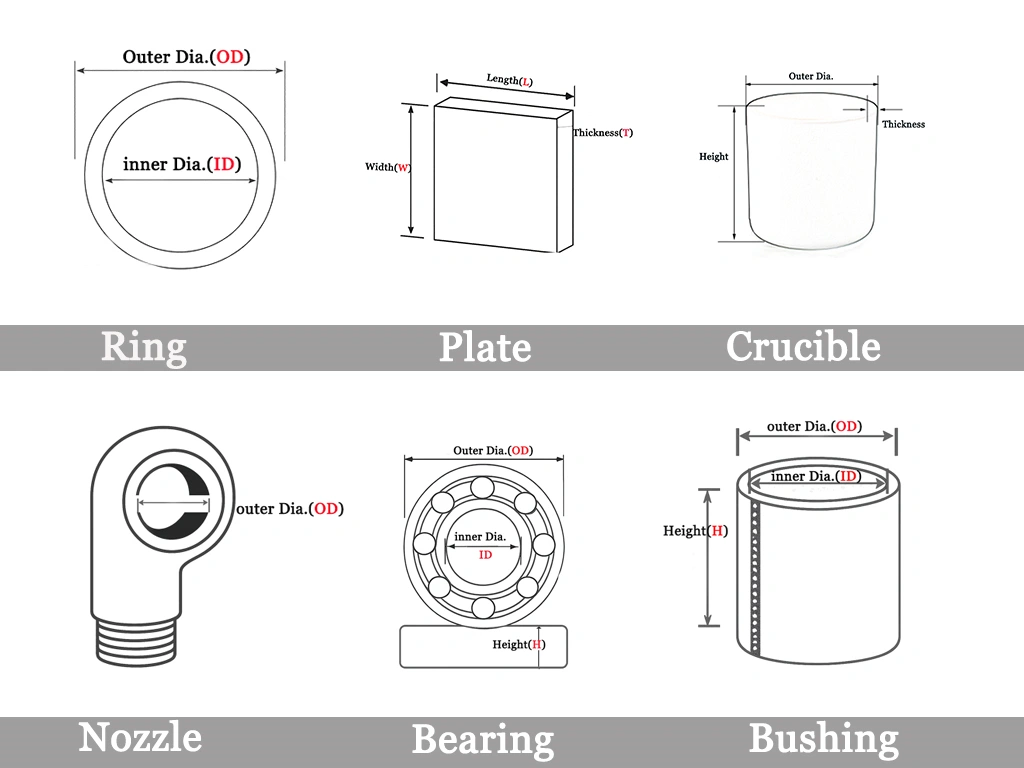
For non-standard assemblies, ADCERAX can review custom diameter, batch quantity, surface finish, material grade and packaging requirements before quotation.
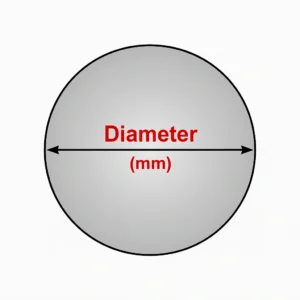
size for beads

SiC Bearing Balls
Model No. Diameter(mm)
AT-SIC-Q1004 1.588
AT-SIC-Q1006 2.381
AT-SIC-Q1007 3.175
AT-SIC-Q1008 3.969
AT-SIC-Q1009 4.763
AT-SIC-Q1011 5.556
AT-SIC-Q1012 5.953
AT-SIC-Q1013 6.35
AT-SIC-Q1014 6.747
AT-SIC-Q1015 7.144
AT-SIC-Q1016 7.938
AT-SIC-Q1018 8.731
AT-SIC-Q1019 9.525
AT-SIC-Q1024 12.7
AT-SIC-Q1022 11.113
AT-SIC-Q1026 13.494
AT-SIC-Q1028 14.288
AT-SIC-Q1030 15.081
AT-SIC-Q1031 15.875
AT-SIC-Q1033 16.669
AT-SIC-Q1035 17.463
AT-SIC-Q1037 18.256
AT-SIC-Q1039 19.05
AT-SIC-Q1040 19.844
AT-SIC-Q1042 20.638
AT-SIC-Q1044 22.225
AT-SIC-Q1045 23.813
AT-SIC-Q1047 25.4
AT-SIC-Q1049 26.988
AT-SIC-Q1052 28.575
AT-SIC-Q1055 30.163
AT-SIC-Q1056 31.75
AT-SIC-Q1058 33.337
AT-SIC-Q1059 34.925
AT-SIC-Q1060 36.513
AT-SIC-Q1062 38.1
AT-SIC-Q1064 41.275
AT-SIC-Q1066 42.8625
AT-SIC-Q1067 44.45
AT-SIC-Q1068 47.625
AT-SIC-Q1069 48.419
AT-SIC-Q1071 50.8
AT-SIC-Q1072 53.975
AT-SIC-Q1073 57.15
AT-SIC-Q1075 63.5
AT-SIC-Q1078 76.2
AT-SIC-Q1079 79.375
AT-SIC-Q1080 81.788
AT-SIC-Q1081 82.55
AT-SIC-Q1082 85.725
AT-SIC-Q1083 88.9

Material Selection Guide: SiC vs Si3N4, Zirconia, Alumina and Steel Balls

Choosing the right bearing ball material depends on operating speed, temperature, corrosion exposure, load condition, lubrication method and cost target. Silicon carbide is often selected for bearing systems that require high hardness, low thermal expansion, chemical resistance and stable geometry under harsh operating conditions. The comparison below helps buyers understand when SiC is more suitable than Si3N4, zirconia, alumina or steel balls.

Material Strength in Bearing Use Limitation Best-Fit Use Case
Silicon Carbide High hardness, low expansion, corrosion resistance and high thermal stability. Higher cost and more difficult machining than common ceramics. Corrosive, high-temperature or thermally sensitive bearing systems.
Silicon Nitride Low density, good toughness and strong high-speed bearing performance. Chemical resistance may vary by environment. High-speed hybrid bearings and spindle applications.
Zirconia Good toughness and smooth surface finish. Higher thermal expansion than SiC and Si3N4. Moderate-speed bearings, wear parts and precision ceramic balls.
Alumina Cost-effective ceramic option with good hardness. Lower toughness and thermal shock resistance than SiC or Si3N4. General ceramic balls, electrical insulation and low-to-medium duty applications.
Steel Low cost, mature supply and high toughness. Corrosion, oxidation and thermal expansion risks. Standard bearings in normal temperature and non-corrosive environments.

Packaging for SiC Bearing Balls

SiC bearing balls are packed to reduce surface contact, contamination and impact risk during international shipment. Depending on ball size and order quantity, packaging may include sealed bags, plastic containers, inner cushioning, cartons, drums or export wooden crates.

For precision bearing applications, ADCERAX can review separated batch labeling, anti-contamination handling, moisture protection and inspection documentation before shipment.
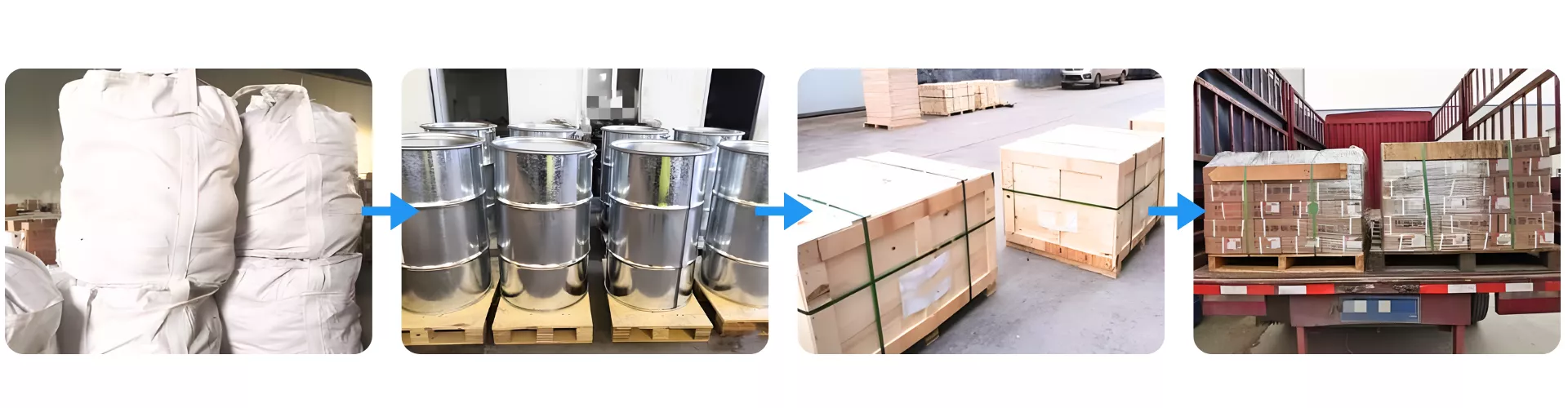
ADCERAX® Packaging of SiC Bearing Balls

ADCERAX SiC Bearing Balls Applications

These challenges may accelerate wear, corrosion, thermal expansion or surface instability in steel and some oxide ceramic rolling elements. Silicon carbide can help reduce these risks when the bearing design, lubrication method and operating environment are properly matched.

  • High-Speed Spindle and Precision Bearing Systems

    SiC bearing balls are used in high-speed spindle bearings where low mass, high stiffness and controlled surface finish are important for stable rotation. Compared with steel balls, silicon carbide balls help reduce thermal expansion effects and centrifugal loading during high-rpm operation. This makes them suitable for machine tool spindles, precision instruments, small motors and compact bearing assemblies that require consistent torque behavior.

  • Pump, Mixer and Chemical-Duty Bearings

    In pumps, mixers and rotating equipment exposed to moisture, chemical vapor or corrosive liquids, metallic balls may suffer from oxidation, pitting or surface roughness growth. SiC ceramic balls provide strong chemical resistance and a non-metallic rolling surface, helping maintain more stable friction behavior in corrosive environments. Material compatibility should still be reviewed according to the fluid, temperature and exposure time.Chemical-Duty and Moisture-Exposed Bearings in Pumps, Mixers, and Plant Equipment

  • High-Temperature and Hot-End Equipment

    SiC balls are suitable for selected hot-end bearing applications where thermal stability is more important than low-cost steel replacement. Their low thermal expansion and high hardness help maintain geometry during heating cycles. For furnace conveyors, thermal processing equipment and high-temperature test systems, the final material selection should consider bearing design, lubricant stability, cage material and operating atmosphere.

  • Engineering and Test Equipment

    SiC bearing balls can also be used in laboratory instruments, test rigs, precision positioning systems and non-metallic bearing prototypes. These applications often require stable dimensions, corrosion resistance and smooth rolling behavior rather than high-volume standard bearing production.

Practical User Guide for ADCERAX® SiC Bearing Balls in Precision Bearing Systems

SiC Bearing Balls require careful handling, inspection, and assembly practices to fully leverage their mechanical stability and thermal behavior in demanding bearing environments. A structured approach to lubrication, contamination control, storage, and installation helps maintain rotational consistency and prevents performance degradation. This guide outlines essential engineering recommendations that support repeatable bearing quality and long-term functional reliability.

  • Handling & Cleanliness Requirements Before Assembly

    1. Contamination Prevention
    Any particulate contamination may alter rolling smoothness, so all contact surfaces must be kept particle-free prior to assembly. Cleaning should be performed using filtered solvents rated for precision bearing components. Assembly areas should maintain controlled dust levels to avoid trapped debris.
    2. Surface Integrity Protection
    Although SiC exhibits high hardness, improper handling can introduce micro-abrasion, affecting long-term rotation uniformity. Balls should be handled with non-abrasive tools or gloves to avoid direct impact. Avoid dragging or sliding balls on metallic trays that could mark their surface.
    3. Inspection Prior to Use
    A pre-installation check ensures no foreign material or residue is present on the rolling elements. Visual inspection should be performed under sufficient illumination. Troublesome residues must be removed using non-reactive cleaning agents.

  • Lubrication Compatibility and Application Guidance

    1. Lubricant Selection
    For consistent rotational behavior, lubricants must match the operating temperature range and intended bearing load. Synthetic oils or greases with stable viscosity under heat fluctuations are recommended. Lubricants containing particulates or aggressive additives should be avoided.
    2. Application Method
    Lubrication must be uniformly distributed to prevent localized friction rise during startup or extended operation. Controlled dispensing tools ensure consistent coating and reduce the risk of over-lubrication. Avoid manual smearing that may introduce fibers or airborne contaminants.
    3. Re-Lubrication Interval
    Under high-speed or elevated-temperature scenarios, lubricant stability diminishes faster, requiring periodic replenishment. Maintenance schedules should follow equipment duty cycles to maintain rolling stability. Any sign of lubricant discoloration warrants immediate replacement.

  • Storage, Transport, and Environmental Control

    1. Humidity and Corrosion Resistance
    While SiC itself is inert, improper storage can expose bearings to contaminants that affect installation quality. Storage areas should maintain low humidity to protect associated metal bearing components. Use sealed containers to prevent airborne particle adsorption.
    2. Vibration-Free Transport
    During transport, excessive vibration can cause impact clustering, leading to minor surface markings on SiC balls. Packed units should be cushioned inside rigid crates or metal drums. Palletized bases ensure stable stacking and reduce handling shocks.
    3. Temperature Stability
    Extreme thermal cycling during storage may alter lubricant condition when balls are delivered pre-lubricated. Storage temperatures should remain within stable indoor ranges. Rapid transitions should be minimized to maintain assembly readiness.

  • Installation, Alignment, and Post-Assembly Verification

    1. Cage and Raceway Alignment
    Proper alignment ensures uniform load distribution across all rolling elements during rotation. Misalignment can introduce vibration signatures that undermine the stability advantage of SiC balls. Precision jigs or fixtures are recommended during assembly.
    2. Torque and Preload Setting
    Preload must be set carefully to avoid excessive stress concentration on the rolling elements. Automated torque controls help maintain consistency across production batches. Incorrect preload settings may reduce the benefits of SiC’s rigidity and dimensional stability.
    3. Operational Verification
    After assembly, functional testing confirms no irregular friction or unexpected noise within the bearing system. Short-duration rotation tests simulate warm-up behavior and identify anomalies early. Any abnormal readings require immediate disassembly for root-cause evaluation.

Technical FAQs with ADCERAX SiC Bearing Balls

  1. Q1: What are silicon carbide bearing balls used for?

    Silicon carbide bearing balls are used in precision bearings, pump assemblies, mixers, spindle systems, hot-end equipment and corrosion-exposed rotating components. They are selected when the application requires high hardness, low thermal expansion, chemical resistance and stable rolling geometry under demanding operating conditions.

  2. Q2: Are SiC bearing balls better than steel balls?

    SiC bearing balls are not a universal replacement for steel balls, but they perform better in selected environments where steel may corrode, oxidize, expand under heat or generate surface wear. Steel remains suitable for standard low-cost bearings, while SiC is more suitable for high-temperature, corrosive, high-hardness or non-metallic bearing designs.

  3. Q3: How should I choose between SiC, Si3N4, zirconia and alumina ceramic balls?

    SiC is preferred for chemical resistance, high hardness and thermal stability. Si3N4 is often selected for high-speed bearing systems because of its low density and good toughness. Zirconia offers good toughness and smooth surface finish for moderate-duty applications. Alumina is a cost-effective ceramic option for general wear and insulation applications.

  4. Q4: Can ADCERAX supply custom sizes for silicon carbide bearing balls?

    Yes. ADCERAX can review custom SiC bearing ball requirements based on diameter, tolerance, roundness, surface roughness, material grade, batch quantity and application conditions. For accurate quotation, buyers should provide drawings, target size, operating temperature, load, speed, lubrication method and working media.

  5. Q5: What information is needed before ordering SiC bearing balls?

    Please provide the required ball diameter, quantity, tolerance or grade requirement, surface roughness requirement, bearing type, operating speed, load condition, temperature range, lubrication method and chemical exposure. If the balls are used in an existing bearing assembly, sharing the cage and raceway material helps confirm compatibility.

  6. Q6: Are silicon carbide balls suitable for corrosive or high-temperature bearings?

    SiC balls are suitable for many corrosive and high-temperature bearing environments, but final suitability depends on the media, temperature, load, lubrication, cage material and exposure time. ADCERAX recommends reviewing the full working conditions before confirming material selection for harsh-service bearing systems.

customize size

Customization Services for SiC Bearing Balls

ADCERAX supports drawing-based and application-based customization for silicon carbide bearing balls. Before quotation, our team reviews the required diameter, tolerance, roundness, surface roughness, material grade, batch quantity, operating temperature, load condition, lubrication method and chemical exposure.

Custom options may include non-standard diameter, controlled surface finish, selected inspection grade, sample batch support, repeat-production review and application-specific packaging. For high-speed or high-temperature bearing systems, please share the bearing type, cage material, operating speed, load direction and working atmosphere for material suitability review.

Customized Surface & Microstructure Conditioning

A controlled modification pathway is applied to meet specific bearing performance targets.

  • Surface Finish Profile
    enhanced for reduced friction behavior

  • Microstructure Refinement
    optimized to support stable rolling motion

  • Surface Stability Treatment
    adjusted to maintain uniform rotation

Specialized Functional & Integration Enhancements

Functional characteristics are selectively adjusted to support targeted bearing integration needs.

  • Thermal Behavior Tuning
    aligned with high-speed operating cycles

  • Mechanical Load Adaptation
    reinforced to sustain demanding load cases

  • Environmental Compatibility Prep
    adjusted for use in aggressive atmospheres

Related Products

ADCERAX - Your Trusted Advanced Ceramics Manufacturing Partner

Direct factory manufacturing with comprehensive ceramic materials expertise and global supply capabilities

China-Based Manufacturer

ADCERAX supplies ceramic components for overseas OEMs, equipment builders, and labs.

Custom Drawing Support

We review drawings, dimensions, materials, and application conditions before quotation.

Ceramic Process Control

Forming, sintering, machining, grinding, and finishing are arranged by part requirements.

Pre-Shipment Inspection

Dimensional checks, visual inspection, and packaging review help reduce procurement risk.

Get in Touch with Us

Our team will be happy to respond to you in less than 24 hours.

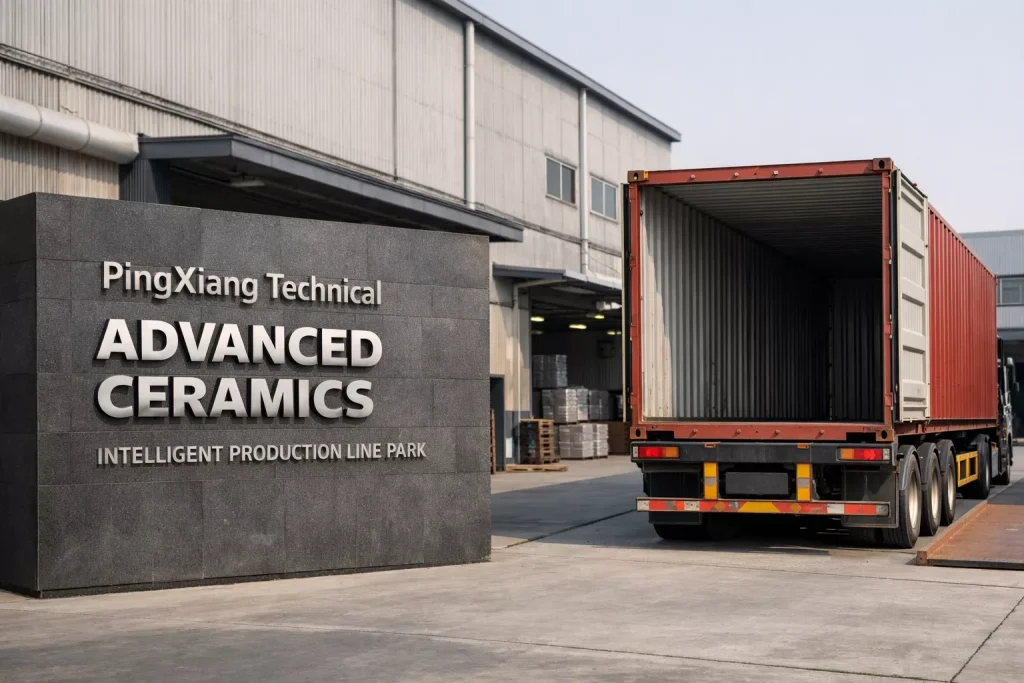
Pingxiang Factory — Silicon carbide, silicon nitride, high-temperature ceramics

Quick Quotation

*Our team will answer your inquiries within 24 hours.

*Your information will be kept strictly confidential.

Ready to Solve Your Engineering Challenge?

Partner with ADCERAX for reliable, high-performance advanced ceramic solutions. Our engineers are ready to discuss your project.

E-mail

info@adcerax.com

Phone

+(86) 0731-74427743 | WhatsApp: +(86) 19311583352

Response Time

Within 24 hours

Quick Quote

The more details you provide, the faster we can quote.

*We respond within 24 hours. All inquiries are confidential.

Get Your Custom Solution

The more details you provide, the faster we can respond.

customize size

*We respond within 24 hours. All inquiries are confidential.

Download Catalog