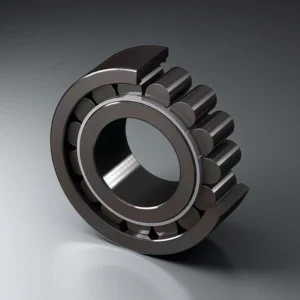
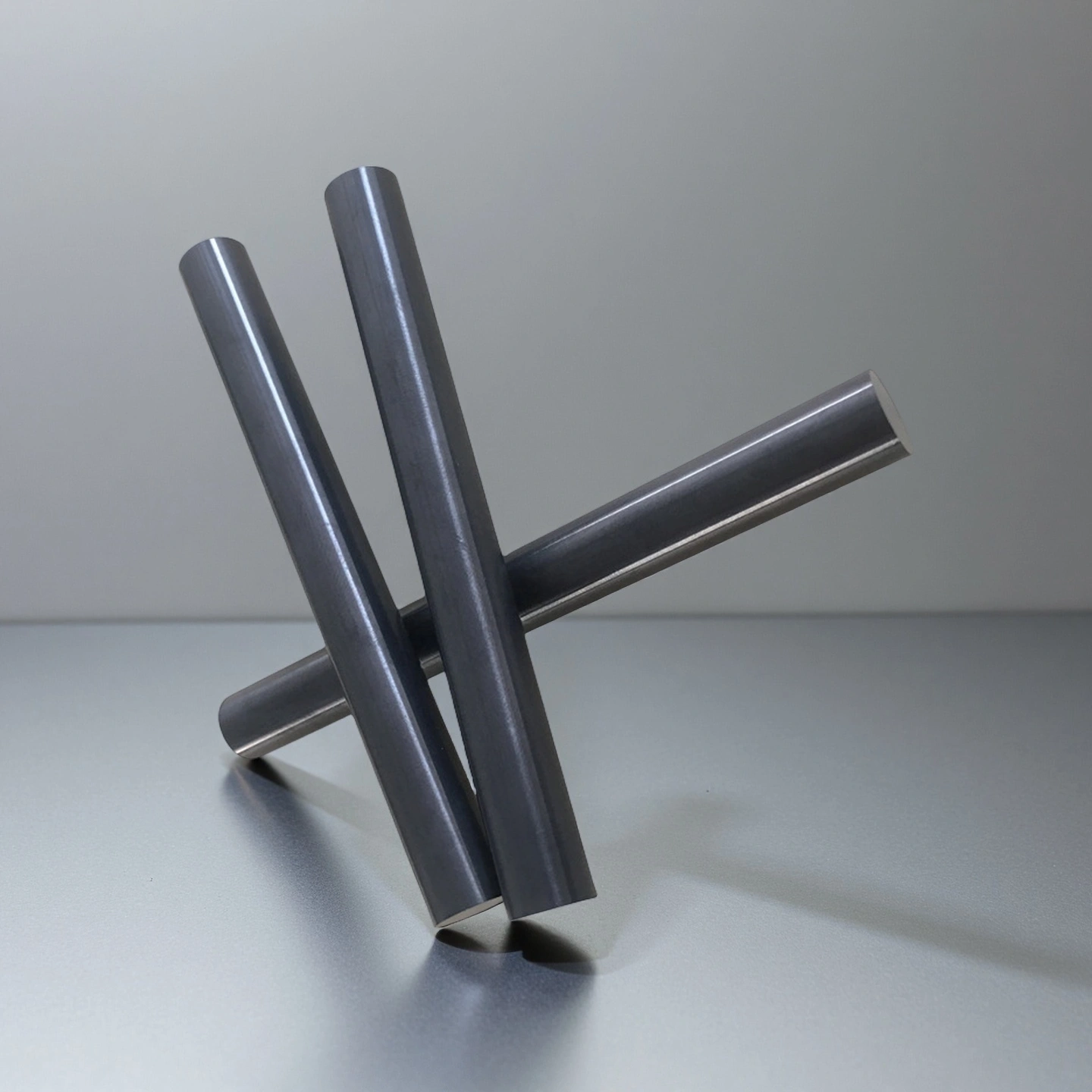
Silicon Nitride Rods for Heat-Treatment, Casting, and Machinery

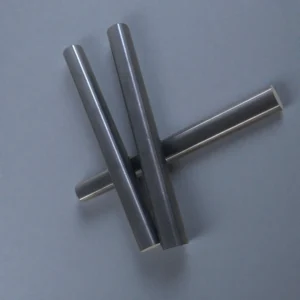
Silicon nitride rods are available in standard diameters and lengths with precision grinding and custom end forms; custom sizes can be produced to drawings for furnace fixtures, aluminum handling, and insulating standoffs.

Catalogue No. AT-SIN-GZ001
Material Silicon Nitride
Flexural Strength  ≥ 800 MPa
Thermal Expansion Coefficient ≤3.2 × 10⁻⁶/K
Dimensional tolerances  ±0.02–0.05 mm (ground) /±0.1 mm (as-fired)
24H Standard Dispatch
Small Batch Support OEM
Factory Direct
Expert Engineering Support

Silicon nitride rods are solid ceramic components made from Si₃N₄, a covalently bonded advanced ceramic known for its high strength, low thermal expansion, thermal shock resistance, and electrical insulation. These rods are commonly manufactured by isostatic pressing or injection molding followed by high-temperature sintering and optional precision grinding to achieve tight dimensional tolerances.

Silicon Nitride Rods Benefits

  • Dimensional stability under thermal cycling ensures the rod maintains straightness and tolerance even after repeated heating and cooling, preventing fixture misalignment and reducing recalibration efforts.

  • Non-wetting to aluminum minimizes metal adhesion and oxide buildup, allowing easier removal during maintenance and extending service intervals in die casting and melt-transfer zones.

  • High wear resistance supports long-term use in sliding, guiding, or indexing mechanisms such as positioning rods, pump shafts, and mechanical linkage points where abrasion is constant.

  • Electrical insulation maintained at elevated temperatures enables safe use in heating elements, resistance welding fixtures, and test setups without risk of short circuits or dielectric breakdown.

  • Precision end options (chamfer, step, through-hole, thread) allow rods to be installed directly into fixtures or holders without secondary machining, improving interchangeability and assembly accuracy.


Silicon Nitride Ceramic Rod

Si3N4 Type Gas pressure sintering Si3N4 Hot pressing sintering Si3N4 High thermal conductivity Si3N4
Density (g/cm3) 3.2 3.3 3.25
Flexture strength (MPa) 700 900 600~800
Young Modulus (GPa) 300 300 300~320
Poisson's ratio 0.25 0.28 0.25
Compressive strength (MPa) 2500 3000 2500
Hardness (GPa) 15 16 15
Fracture toughness (MPa*m1/2) 5~7 6~8 6~7
Maximum working temperature (℃) 1100 1300 1100
Thermal conductivity (W/m*K) 20 25 80~100
Thermal expansion coefficient (/℃) 3*10-6 3.1*10-6 3*10-6
Thermal shock resistance (ΔT ℃) 550 800 /


Si3N4 Rods Specifications

Type1: Silicon Nitride Round Rods
Non-Wetting Rods for Aluminum Handling

Silicon Nitride Round Rods
Item No. Diameter (mm) Length (mm) Purity(%)
AT-SNR-0001 2 20 85-99
AT-SNR-0002 2 50 85-99
AT-SNR-0003 3 20 85-99
AT-SNR-0004 3 50 85-99
AT-SNR-0005 4 12 85-99
AT-SNR-0006 4 50 85-99
AT-SNR-0007 5 12 85-99
AT-SNR-0008 6 12 85-99
AT-SNR-0009 6 30 85-99
AT-SNR-0010 6.75 22 85-99
AT-SNR-0011 7.5 100 85-99
AT-SNR-0012 8 30 85-99
AT-SNR-0013 10 40 85-99
AT-SNR-0014 10 100 85-99
AT-SNR-0015 12 10 85-99
AT-SNR-0016 12 40 85-99
AT-SNR-0017 15 10 85-99
AT-SNR-0018 15 40 85-99
AT-SNR-0019 20 10 85-99
AT-SNR-0020 20 40 85-99
AT-SNR-0021 25 10 85-99
AT-SNR-0022 25 40 85-99
AT-SNR-0023 30 40 85-99
AT-SNR-0024 2-80 20-200 85-99


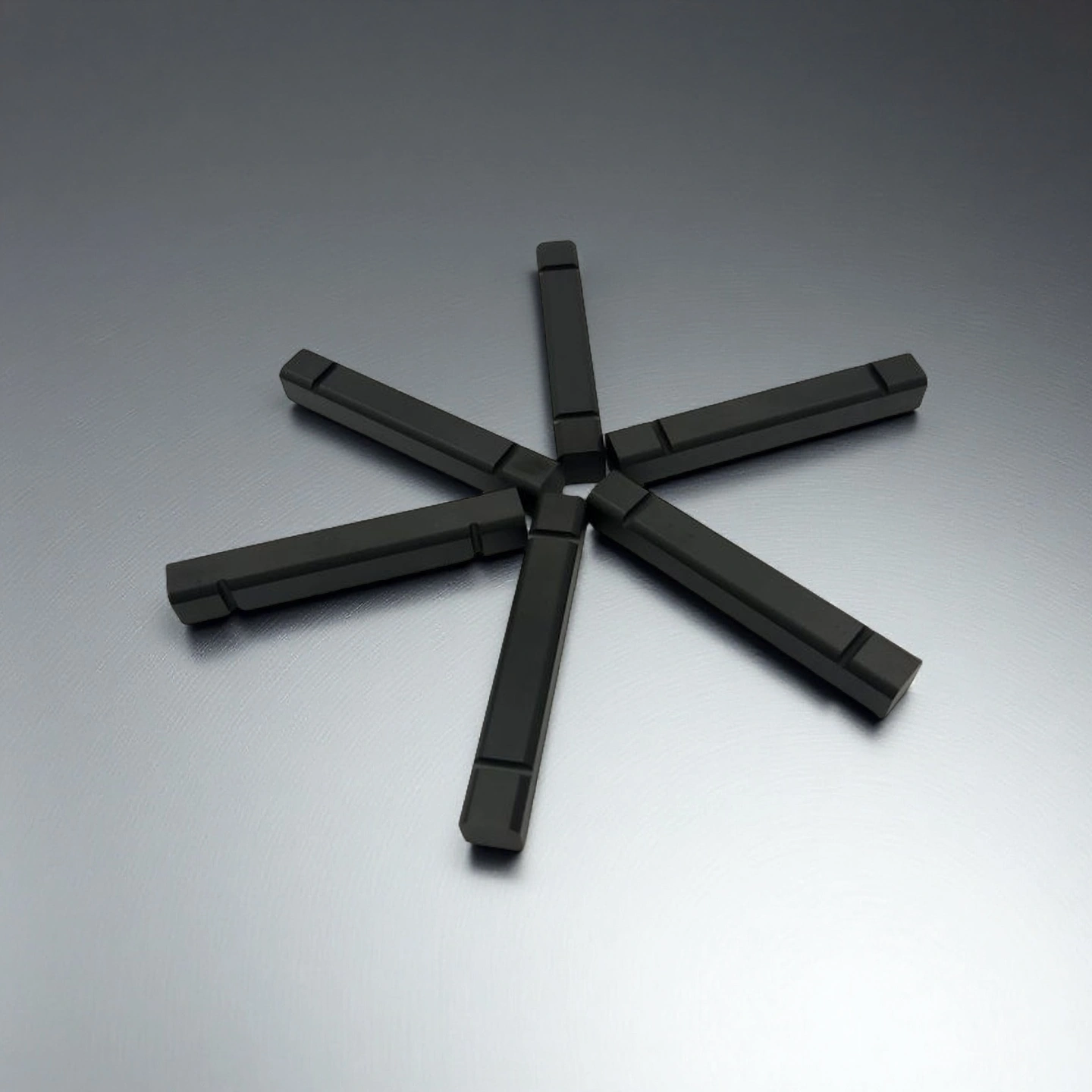
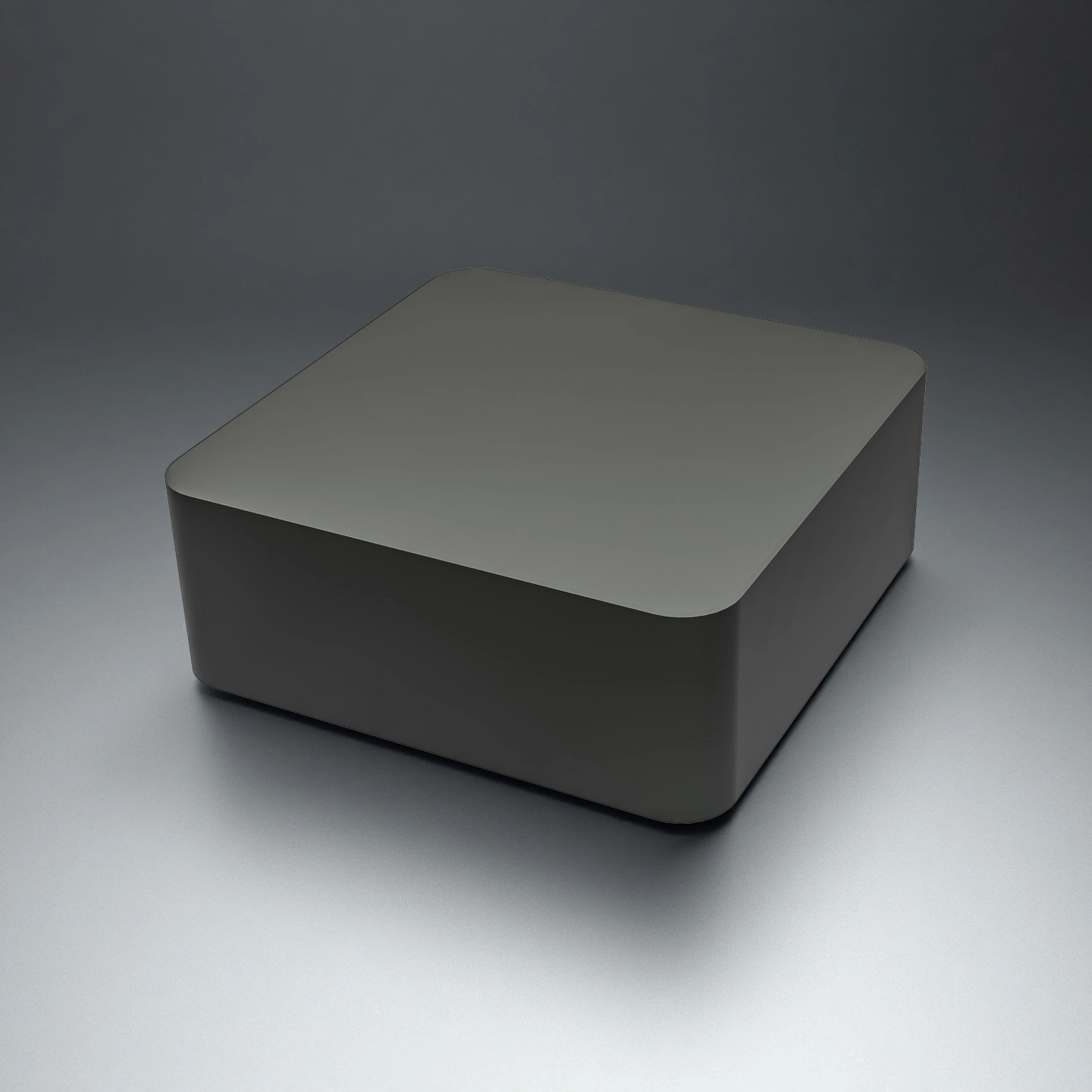
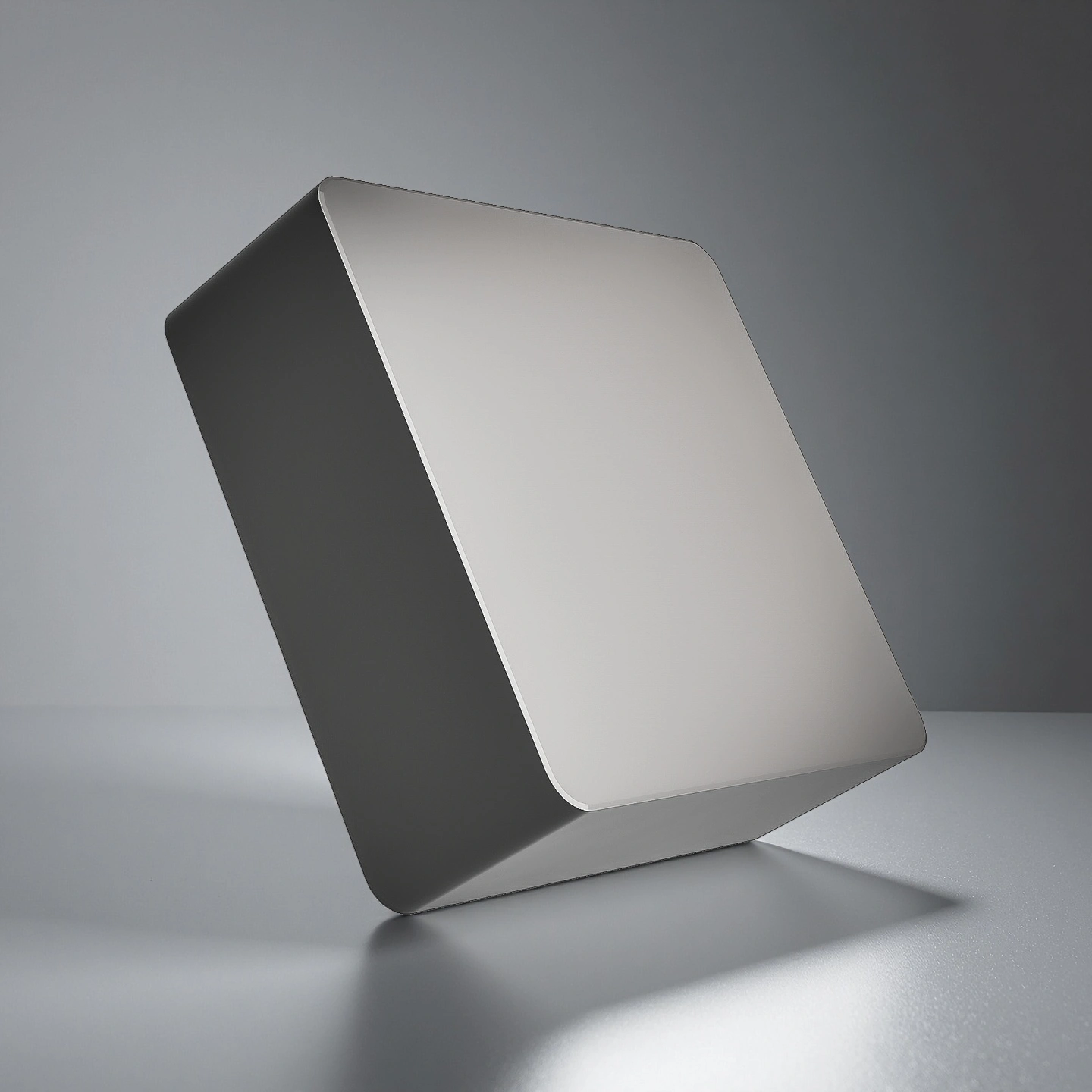
Type 2: Silicon Nitride Square Rods

Silicon Nitride Rods Ground Finish

Silicon Nitride Square Rods
Item No. Width (mm) Height (mm) Length (mm) Purity(%)
AT-SNR-1002 5 5 40 85-99
AT-SNR-1003 10 10 70 85-99
AT-SNR-1004 35 22 60 85-99
AT-SNR-1005 40 32 100 85-99
AT-SNR-1006 60 20 105 85-99
AT-SNR-1007 75 75 90 85-99


Silicon Nitride Bar Packaging

  • Each rod is individually wrapped in anti-static foam and sealed to prevent static discharge.
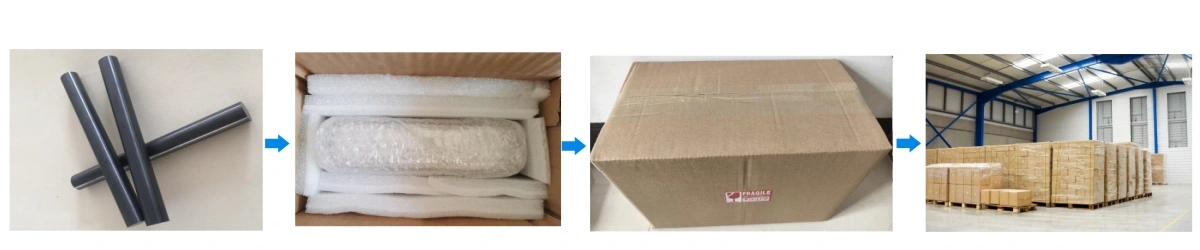
Silicon Nitride Bar Packaging

Silicon Nitride Ceramic Rod Applications

  • Silicon Nitride Rods in Furnace & Heat-Treatment Tooling

    ✅Key Advantages

    1. Stable Alignment After 500+ Heat Cycles
    Maintains ≤0.15 mm straightness deviation after 500 cycles between 200 °C and 900 °C, preventing fixture drift and misalignment.

    2. Minimal Thermal Expansion for Tight-Fit Fixtures
    Thermal expansion rate around 2.8×10⁻⁶/K keeps 200–600 mm fixture rods within fit tolerance without binding during rapid heating.

    3. No Oxide Scaling in Air Atmosphere
    Surface remains dimensionally unchanged after 100 hours at 1000 °C in air, reducing surface grinding or resurfacing costs before reuse.

    ✅ Problem Solved

    A European heat-treatment tooling manufacturer replaced alloy steel guide rods with silicon nitride rods in a continuous furnace line. After 480 production cycles (room temperature to 850 °C), fixture misalignment dropped from 0.35 mm to below 0.1 mm. No oxide buildup or re-machining was required, cutting fixture recalibration downtime by 22 hours per month and reducing scrap caused by skewed positioning from 4.8% to 1.1%. The rods remained within original dimensional tolerance without post-service correction.

  • Silicon Nitride Rods in Aluminum Casting & Recycling

    ✅Key Advantages

    1. Zero Aluminum Adhesion After 50 Melt Cycles
    Non-wetting surface keeps aluminum buildup under 0.02 mm after 50 dipping cycles at 700–750 °C, avoiding cleaning downtime.

    2. Lower Tool Replacement Frequency
    Rods in the launder and degassing zones last 2.5–3× longer than steel pins or graphite rods, averaging service life of 800–1200 cycles.

    3. Dimensional Stability in Molten Metal Zones
    No measurable distortion (>0.05 mm) on 300 mm rods after continuous exposure to molten Al at 720 °C for 120 hours.

    ✅ Problem Solved

    A die-casting plant used silicon nitride rods for alignment pins in molten aluminum transfer fixtures. Previous steel pins required cleaning every 3–4 days due to oxide and aluminum adhesion. With silicon nitride rods, adhesion was <0.01 mm after 60 operations, and replacement intervals extended from 2 weeks to 6 weeks. Downtime for disassembly and cleaning was reduced by 18 hours per month, and fixture alignment errors dropped by 65%.

  • Si3N4 ceramic rod in Machinery, Pumps & Motion Systems

    ✅Key Advantages

    1. Wear Loss Under 0.005 mm After 100 km Sliding
    In dry sliding tests (stepped rod vs. alloy bushing), volume wear stayed below 0.005 mm over 100 km movement at 200 °C.

    2. Maintains Shaft Tolerance in Continuous Operation
    Shaft deflection below 0.02 mm after 300 hours at 3000 rpm in thermal fluid pumps, preventing seal failure and bearing misalignment.

    3. No Electrical Leakage in Mixed Metal Assemblies
    Volume resistivity remains >10¹² Ω·cm at 500 °C, preventing stray current damage in high-temperature motor isolation systems.

    ✅ Problem Solved

    A machinery OEM replaced hardened steel guide shafts with silicon nitride rods in a positioning system operating at 180 °C. Steel shafts showed 0.03 mm wear after 200 km movement, leading to misalignment and product rejects. Silicon nitride rods showed wear <0.006 mm after 500 km, keeping linear positioning accuracy within ±0.02 mm. Maintenance intervals were extended from every 6 weeks to every 5 months.

Si₃N₄ Ceramic Rod Usage Instructions

  • Installation

    1. Verify diameter and straightness using micrometres or plug gauges before assembly; avoid interference fits on ground surfaces to prevent micro-cracking.
    2. Support rods along the axis using soft jaws, rubber-lined clamps, or V-blocks to prevent edge chipping during positioning.
    3. For threaded, stepped, or slotted ends, apply torque only on designated flats or wrench points; never grip on ceramic surfaces.

  • In-Service Use

    1. Avoid point-loading or impact from metal tools; distribute contact through designed collars, sleeves, or ceramic spacers.
    2. During furnace or heat-treatment use, follow the equipment SOP for temperature ramp-up (≤5 °C/s) to avoid cold-to-hot thermal shock.
    3. Remove metallic smears, graphite dust, or burrs that can form abrasion tracks or initiate surface fatigue.

  • Storage

    1. Store in original foam trays or sleeved cartons; keep rods horizontal to prevent bending stress along the length.
    2. Separate precision-ground ends using soft dividers or caps; label by diameter, tolerance class, and batch/inspection number.
    3. Avoid moisture exposure during long-term storage (especially after grinding or machining) to prevent surface oxidation in humid environments.

  • Cleaning & Maintenance

    1. Use non-abrasive cloths and approved solvents (alcohol, deionized water, acetone if compatible); dry naturally or with oil-free compressed air.
    2. Do not use metal scrapers, wire brushes, or sandpaper on ground surfaces; choose nylon or ceramic-safe tools.
    3. For aluminum contact areas, follow the foundry SOP using non-metallic removal tools to avoid embedding metal into the ceramic surface.

  • Common Mistakes & Fixes

    Mistake Risk Fix
    Forcing misaligned fits into holders Micro-cracks, rod fracture during heating Re-machine holder; add chamfer or lead-in radius
    Unsupported overhangs in hot zones Rod deflection or snapping above 600 °C Add ceramic/metal collars or reduce unsupported length
    Cleaning with abrasive wheels or metal tools Surface scoring, loss of tolerance, stress points Use soft tools, solvent soaking, or plastic scrapers

Silicon Nitride Ceramic Rod FAQ

  1. Q: What is the maximum operating temperature of silicon nitride rods in continuous furnace environments?
    A: Silicon nitride rods can be used continuously up to 1000–1100 °C in air and up to 1200–1300 °C in inert gas without degradation or loss of strength, provided thermal ramp rates follow equipment SOP.
  2. Q: Can silicon nitride rods withstand rapid heating and cooling in thermal cycling applications?
    A: Yes. Due to a thermal expansion of ~2.8×10⁻⁶/K, rods can survive >500 heat cycles from room temperature to 800–900 °C with dimensional deviation below 0.15 mm, if not mechanically constrained improperly.
  3. Q: Do silicon nitride rods react with molten aluminum or cause buildup?
    A: No. They are non-wetting to aluminum, resulting in less than 0.02 mm buildup after 50 melt cycles at 720 °C, which reduc
  4. Q: Can I order silicon nitride rods with threads, holes, chamfers, or stepped ends?
    A: Yes. Rods can be machined with M-thread, UNC thread, blind or through-holes, 45° chamfer, counterbores, or stepped shoulders after sintering using diamond tools and precision grinding.

  5. Q: What dimensional tolerances can be achieved for silicon nitride rods?
    A: Standard tolerances are ±0.05–0.1 mm on diameter, ±0.2 mm on length, and straightness ≤0.3 mm/300 mm. For fully ground rods, we can achieve ±0.01–0.02 mm OD tolerance upon request.

  6. Q: Are silicon nitride rods electrically insulating at high temperatures?
    A: Yes. They retain volume resistivity of >10¹² Ω·cm at 500 °C, making them suitable for heating fixtures, resistance welding jigs, and electrically isolated furnace holders.
  7. Q: How do silicon nitride rods compare with alumina or zirconia rods in tooling applications?
    A: Silicon nitride offers higher fracture toughness (6–7 MPa·m½ vs alumina 3–4 MPa·m½), better thermal shock resistance, and does not crack when exposed to flame or cold air during maintenance, unlike alumina or zirconia.
  8. Q: How should silicon nitride rods be stored and transported to avoid damage?
    Store rods horizontally in padded trays, with ends separated using foam or plastic caps. Avoid stacking directly on one another. During transport, use foam-lined boxes or PVC tubes to eliminate vibration and impact.

Customer Reviews — Silicon Nitride Rods

  • ⭐️⭐️⭐️⭐️⭐️
    We integrated silicon nitride rods into our continuous furnace fixtures. After more than 450 heat cycles between 200 °C and 900 °C, the rods remain straight within 0.1 mm and seat perfectly in the holders. No oxide buildup and no regrinding needed. This is exactly the kind of stability we couldn’t get from alumina or steel pins.
    -- Lucas Meyer – Production Engineer, HeizTech Furnace Systems, Germany
  • ⭐️⭐️⭐️⭐️⭐️
    Our casting line used to replace steel locator pins every two weeks due to aluminum sticking. The Si₃N₄ ceramic rods we sourced kept clean after multiple cycles and lasted over six weeks before replacement. Cleaning downtime dropped by almost 20 hours per month — that convinced us to reorder.
    -- Miguel Alvarez – Maintenance Manager, AluCast Mexico
  • ⭐️⭐️⭐️⭐️⭐️
    We needed custom silicon nitride rods with a threaded end and 0.02 mm tolerance for a positioning jig. The supplier followed our drawings exactly — chamfer, thread depth, and concentricity were spot on. The parts fit directly into the assembly without any rework.
    -- Sarah Thompson – Tooling Design Lead, NorthForge Automation, USA
  • ⭐️⭐️⭐️⭐️⭐️
    We compared three silicon nitride rod suppliers. ADCERAX was not the cheapest, but they offered stable lead time, full inspection reports, and packaging that protected the ground surfaces well. For us, consistent quality and reliable delivery matter more than saving a small percentage on cost.
    --Hiroshi Tanaka – Purchasing Manager, Osaka Precision Parts, Japan
customize size

Silicon Nitride Ceramic Rod Customize

Many projects require drawing-based manufacturing. We support full customization of silicon nitride rods according to function, assembly interface, and tolerance requirements.

1. Dimensions & Tolerances

  • Outer diameter range and tolerance (e.g. ±0.02–0.1 mm depending on diameter)
  • Inner diameter tolerance for tubular forms
  • Maximum length, cut-length tolerance, and parallelism of ends

2. Geometric Accuracy

  • Straightness over full rod length
  • Concentricity between OD and any internal or stepped features
  • Roundness of ground surfaces
  • End-face squareness relative to the rod axis

3. End Features /Machining Options

  • Chamfered, radius or flat ends
  • Stepped shoulders or reduced tips
  • Countersink or counterbore
  • Through-hole, blind-hole, vent hole
  • Threaded ends (metric/inch) or anti-rotation flats
  • Precision centre hole for alignment or assembly pins

4. Cross-Section or Special Profiles

  • Solid round rods (standard)
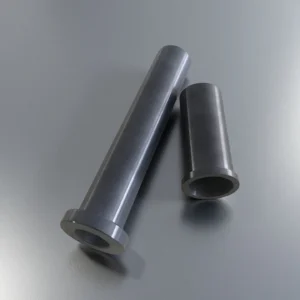
  • Tubular rods (hollow core or partially bored)
  • Square, rectangular, slotted, or keyed cross-sections
  • Multi-faceted ends for torque transfer applications

5. Surface Condition

  • As-fired surface for non-critical areas
  • OD/ID precision-ground for tight tolerance fits
  • Lapped or polished end faces (Ra < 0.4 μm if required)
  • Sandblasted or matte finish for bonding areas

Related Products

ADCERAX - Your Trusted Advanced Ceramics Manufacturing Partner

Direct factory manufacturing with comprehensive ceramic materials expertise and global supply capabilities

Direct Factory Manufacturing

China-based ceramic materials production facility with state-of-the-art equipment

Engineering Team

Experienced professionals in advanced ceramics applications and custom design

Quality Control

Strict quality control standards for technical ceramics manufacturing and quality management

Global Supply Chain

Serving customers worldwide with technical ceramics and rapid response

24/7 Technical Support

Round-the-clock support for ceramic components inquiries and technical assistance

500+ Satisfied Customers

Trusted by global customers for advanced ceramic materials and precision components

Get in touch with us

Our team will be happy to respond to you in less than 24 hours.

Adcerax's factory

Quick Quotation

*Our team will answer your inquiries within 24 hours.

*Your information will be kept strictly confidential.

Ready to Solve Your Engineering Challenge?

Partner with ADCERAX for reliable, high-performance advanced ceramic solutions. Our engineers are ready to discuss your project.

E-mail

info@adcerax.com

Phone

+(86) 0731-74427743 | WhatsApp: +(86) 19311583352

Response Time

Within 24 hours

Quick Quote

The more details you provide, the faster we can quote.

*We respond within 24 hours. All inquiries are confidential.

Download Catalog

Get Your Custom Sulution

The more details you provide, the faster we can respond.

customize size

*We respond within 24 hours. All inquiries are confidential.

Download Catalog