DSC alumina crucibles are often blamed only after data fails; consequently, engineers search for stability when experiments already risk repetition, delays, or invalid conclusions.
DSC alumina crucibles play a decisive role in high-temperature thermal analysis, yet their stability is frequently misunderstood or oversimplified. This article consolidates practical engineering knowledge on high-temperature stability, linking material behavior, geometry, and verification methods directly to DSC data reliability across demanding laboratory conditions.

Understanding High-Temperature Stability in DSC
High-temperature stability in DSC is often oversimplified; however, in real laboratory workflows it represents a compound behavior emerging over time, cycles, and measurement sensitivity rather than a single temperature limit.
-
High-temperature stability is not equivalent to maximum temperature resistance
Many laboratory engineers initially interpret stability as the highest temperature an alumina pan can physically withstand. In practice, DSC experiments involve dynamic heating, isothermal holding, and repeated thermal cycling, during which subtle changes may occur long before any visible damage appears. For example, alumina sample pans may tolerate brief exposure above 600 °C, yet gradually introduce baseline drift during prolonged holds, thereby compromising data quality even though the pan remains intact.
Consequently, stability must be evaluated as sustained performance over the full experimental timeline rather than survival at a peak temperature. -
Stability must be judged through DSC signal behavior, not material labels
From the perspective of thermal analysis, stability is meaningful only insofar as it preserves signal integrity. Engineers frequently observe that marginally stable DSC alumina crucibles exhibit increasing baseline curvature, noise amplification, or peak asymmetry at elevated temperatures, even though no macroscopic deformation is visible. In several laboratory validation runs, empty-pan baselines deviating more than 5% after multiple high-temperature cycles have been traced back to pan-related effects rather than instrument drift.
Therefore, stability should be interpreted operationally, using measurable signal behavior instead of nominal material specifications. -
Alumina is preferred for DSC, yet not all alumina pans behave identically
Alumina is selected for DSC alumina crucibles because of its thermal inertness, high melting point, and low reactivity with most samples. Nevertheless, laboratory experience shows that pans with identical alumina designations can perform differently during high-temperature DSC measurements, particularly during extended isothermal segments. Variations in purity, densification, porosity, and geometric consistency can alter heat-flow paths enough to affect reproducibility within the resolution limits of modern DSC instruments.
As a result, high-temperature stability emerges from the combined effects of material quality, processing control, and geometric precision rather than from alumina composition alone.
Overall, understanding what high-temperature stability truly represents allows engineers to interpret DSC alumina crucible behavior correctly and prevents misattributing stability-related artifacts to samples or instruments during advanced thermal analysis work.
Typical High-Temperature Failure Modes of DSC Sample Pans
In daily DSC1 operations, high-temperature instability rarely appears as sudden failure; instead, it develops progressively, and therefore many issues are first detected through subtle signal anomalies2 rather than visible damage.
-
Progressive geometric distortion under thermal stress
At elevated temperatures, repeated heating and cooling can induce minor geometric changes in DSC alumina crucibles, particularly at the pan base where heat flux is most concentrated. Laboratory engineers have reported baseline deviations exceeding 4–6% after 6–10 thermal cycles, even though the pan appears visually unchanged. Such micro-distortions alter thermal contact with the sensor, thereby affecting heat-flow symmetry and baseline stability.
As a result, geometric integrity must be considered a functional parameter rather than a purely dimensional one. -
Microstructural relaxation and densification drift
During prolonged exposure above typical operating temperatures, alumina sample pans may undergo microstructural relaxation, especially if initial densification was incomplete. In several materials laboratories, empty-pan scans showed noise amplitude increases of approximately 15% after extended high-temperature holds, which were later correlated with subtle changes in internal porosity distribution. These changes remain invisible to routine inspection but nevertheless influence thermal uniformity.
Consequently, microstructural stability becomes critical in long-duration or cyclic DSC methods. -
Chemical interaction and surface contamination effects
High-temperature DSC experiments involving reactive, oxidizing, or volatile samples frequently expose the limits of pan stability. Even when alumina remains chemically inert overall, surface adsorption or reaction residues can accumulate, modifying surface emissivity and heat-transfer behavior. Engineers working with inorganic decomposition studies have observed baseline curvature shifts after only three high-temperature runs due to residue buildup.
Therefore, chemical cleanliness and surface condition are inseparable from stability considerations. -
Cumulative memory effects across repeated use
Repeated reuse of DSC alumina crucibles can introduce cumulative “memory effects,” where prior experiments influence subsequent measurements. These effects often manifest as gradual baseline offsets or inconsistent peak shapes across runs, typically becoming noticeable after 8–12 cycles. Importantly, such behavior is often mistaken for instrument drift rather than pan-related instability.
Accordingly, understanding cumulative degradation mechanisms is essential for interpreting long-term DSC data trends.
Together, these observed failure modes illustrate that high-temperature instability usually evolves incrementally, underscoring the need for proactive evaluation rather than reactive troubleshooting.
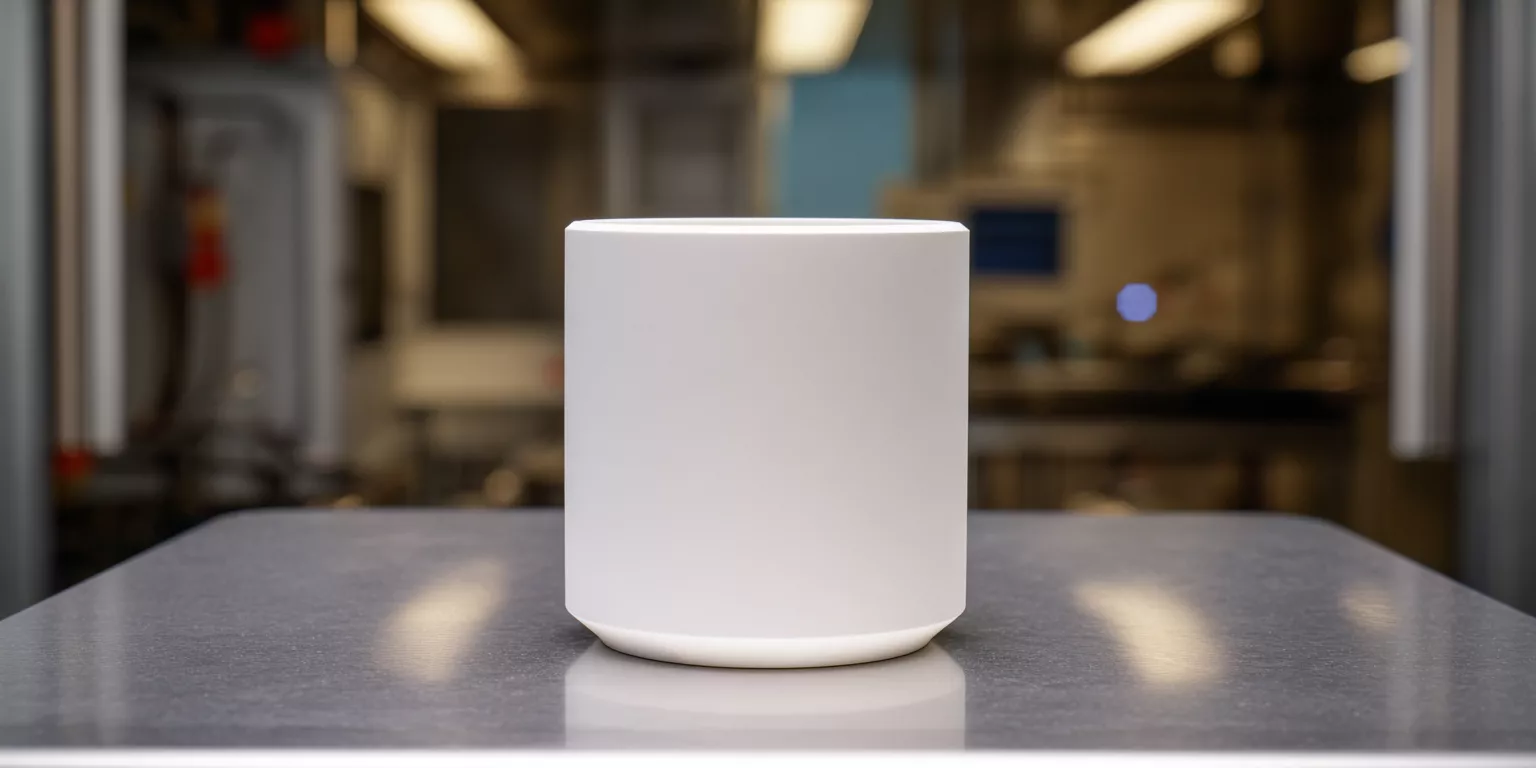
How High-Temperature Stability Directly Affects DSC Data Quality
High-temperature stability exerts a direct and quantifiable influence on DSC outputs; therefore, understanding its impact on signal behavior is essential for reliable data interpretation in advanced thermal analysis.
Influence on Baseline Drift and Signal Noise
Baseline stability represents the foundation of all DSC measurements, and consequently even minor pan-related instabilities can propagate into significant analytical uncertainty.
In controlled laboratory evaluations, empty DSC alumina crucibles exhibiting insufficient high-temperature stability have shown baseline drift rates exceeding 0.2 μW/min during isothermal holds above 600 °C. Moreover, noise amplitude often increases concurrently, with fluctuations rising by 10–20% compared to initial scans. These effects are particularly evident during extended measurements, where cumulative deviations become statistically significant.
Experienced analysts frequently recount situations where apparent sample-related anomalies disappeared once a more stable alumina pan was substituted, confirming that baseline instability originated from the container rather than the material under test. This experiential evidence highlights how pan stability governs baseline reliability long before catastrophic failure occurs.
Ultimately, stable DSC alumina crucibles minimize baseline drift and noise growth, thereby preserving the sensitivity and resolution required for high-temperature thermal analysis.
Typical Baseline Behavior at Elevated Temperatures
| Parameter | Stable Pan | Marginally Stable Pan |
|---|---|---|
| Baseline drift rate (μW/min) | ≤0.05 | ≥0.20 |
| Noise amplitude change (%) | ≤5 | 10–20 |
| Repeatability after 5 cycles (%) | ≥95 | ≤85 |
Effects on Peak Shape, Onset Temperature, and Thermal Events
Beyond baseline behavior, high-temperature stability directly affects the fidelity of thermal event characterization, including peak shape and onset determination.
During DSC experiments involving phase transitions or decomposition reactions, unstable pans may distort peak symmetry, leading to broadened or skewed thermal signals. In comparative studies, onset temperature deviations of 2–4 °C have been recorded when using pans with marginal stability during high-temperature scans. Such deviations are sufficient to alter conclusions regarding reaction kinetics or phase boundaries.
Laboratory engineers often note that these distortions become more pronounced at higher heating rates, where thermal gradients amplify the influence of pan geometry and material consistency. Consequently, the reliability of peak interpretation is closely tied to the stability of the DSC alumina crucible.
Therefore, maintaining high-temperature stability is not merely a matter of signal aesthetics but a prerequisite for accurate thermodynamic interpretation.
Observed Peak Behavior Differences
| Metric | Stable Pan | Unstable Pan |
|---|---|---|
| Onset temperature shift (°C) | ≤1 | 2–4 |
| Peak symmetry deviation (%) | ≤5 | ≥15 |
| Peak reproducibility across runs (%) | ≥97 | ≤88 |
Reproducibility Across Runs and Long-Term Method Reliability
Reproducibility is a defining criterion of valid DSC methods; accordingly, pan stability plays a decisive role in long-term method performance.
In multi-run validation protocols, laboratories have reported reproducibility losses exceeding 12% after ten high-temperature cycles when using alumina sample pans with inconsistent densification. By contrast, well-stabilized DSC alumina crucibles maintained reproducibility above 95% under identical conditions. These differences directly affect confidence in comparative studies and longitudinal research.
From a workflow perspective, unstable pans increase the likelihood of re-runs, method adjustments, and internal disputes over data validity. Engineers often recall scenarios where weeks of work were delayed because subtle reproducibility issues were traced back to pan-related instability rather than sample behavior.
Consequently, high-temperature stability underpins not only individual measurements but also the overall efficiency and credibility of DSC-based research programs.
Reproducibility Performance Indicators
| Indicator | Stable Pan | Marginal Pan |
|---|---|---|
| Reproducibility after 10 cycles (%) | ≥95 | ≤88 |
| Method re-validation frequency | Low | High |
| Data rejection incidence (%) | ≤3 | ≥10 |
In summary, high-temperature stability directly governs baseline behavior, peak fidelity, and reproducibility in DSC measurements. Understanding these relationships provides the necessary foundation for evaluating stability through practical verification methods, which will be addressed in the following section.
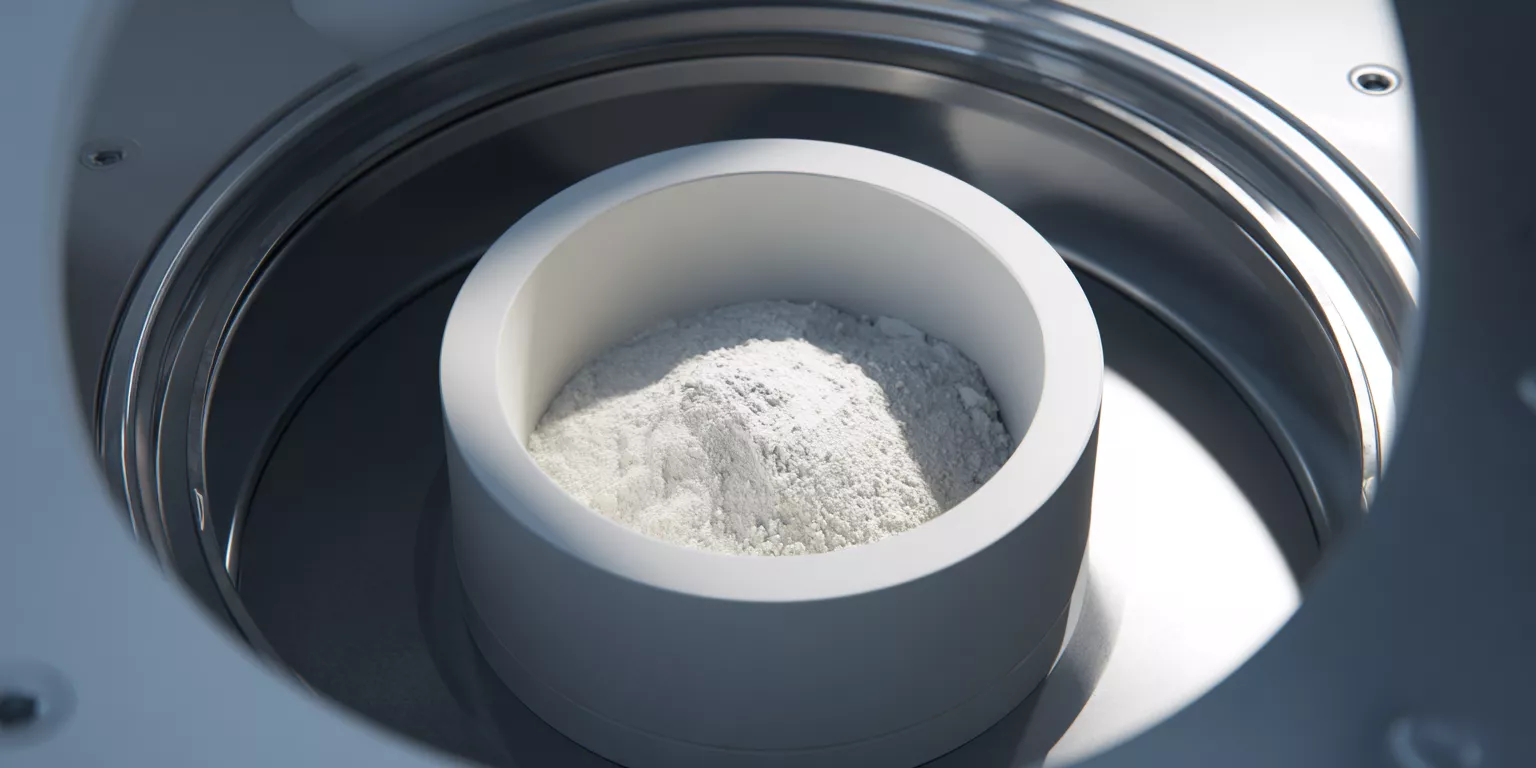
Verifying High-Temperature Stability Before Trusting the Data
Before DSC results are interpreted or reported, high-temperature stability must be demonstrated rather than assumed; therefore, verification steps should be embedded directly into routine laboratory workflows.
Empty-Pan Baseline Scans as a Primary Stability Indicator
Empty-pan baseline scans represent the most direct and sensitive method for evaluating the high-temperature stability of DSC alumina crucibles. By removing sample-related variables, engineers can isolate the thermal contribution of the pan itself and observe how it behaves across the intended temperature range.
In practical laboratory settings, stable DSC alumina crucibles typically maintain baseline deviation within ±2–3% throughout heating and cooling cycles up to their operating limit. However, marginally stable pans often show gradual curvature, offset drift, or noise amplification as temperature increases, especially beyond 70–80% of the maximum test temperature. Engineers performing routine method checks frequently detect these issues during baseline runs long before sample measurements are affected.
As a result, empty-pan scans should be considered a mandatory qualification step whenever new batches of alumina sample pans are introduced or when operating conditions are extended to higher temperatures.
Baseline Evaluation Criteria for High-Temperature DSC
| Evaluation Parameter | Recommended Threshold |
|---|---|
| Baseline deviation (%) | ≤3 |
| Noise increase vs initial scan (%) | ≤5 |
| Drift rate during isothermal hold (μW/min) | ≤0.05 |
| Reproducibility after 3 cycles (%) | ≥97 |
Repeat-Cycle Testing to Reveal Progressive Instability
While single baseline scans provide an initial assessment, repeat-cycle testing is essential for uncovering time-dependent instability mechanisms. DSC alumina crucibles that appear stable in the first run may exhibit cumulative changes after repeated heating and cooling.
In multi-cycle evaluations, laboratory engineers often perform 5–10 consecutive empty-pan scans under identical conditions. Stable pans typically show minimal divergence between cycles, whereas unstable ones demonstrate incremental baseline shifts or increased noise with each repetition. In one materials laboratory, pans that passed initial checks still exhibited a 7–9% reproducibility loss after eight cycles at elevated temperatures, prompting early replacement.
Therefore, repeat-cycle testing provides critical insight into long-term stability and helps laboratories avoid gradual degradation that would otherwise compromise extended research programs.
Multi-Cycle Stability Indicators
| Indicator | Stable Behavior | Unstable Behavior |
|---|---|---|
| Baseline overlap after 5 cycles | Near-identical | Noticeable divergence |
| Noise growth across cycles (%) | ≤5 | ≥12 |
| Signal drift accumulation | Minimal | Progressive |
| Suitability for long-term methods | High | Limited |
Reference Material Validation at Elevated Temperatures
Beyond empty-pan testing, reference material validation offers a complementary approach to verifying high-temperature stability under realistic thermal loads. By using well-characterized standards, engineers can assess whether alumina sample pans influence peak position or shape under operating conditions.
In high-temperature DSC workflows, deviations in reference material onset temperatures greater than 1–2 °C often indicate pan-related effects rather than sample anomalies. Analysts conducting comparative studies have found that stable DSC alumina crucibles preserve reference peak positions across multiple runs, whereas marginal pans introduce subtle yet consistent shifts. These shifts become particularly evident at higher heating rates, where thermal gradients magnify pan-related inconsistencies.
Consequently, incorporating reference materials into stability verification strengthens confidence that observed thermal events reflect true sample behavior rather than container-induced artifacts.
Reference Validation Benchmarks
| Metric | Acceptable Range |
|---|---|
| Onset temperature deviation (°C) | ≤1–2 |
| Peak shape consistency (%) | ≥95 |
| Repeatability across runs (%) | ≥97 |
| High-temperature signal distortion | Absent |
Collectively, these verification strategies establish a practical framework for confirming high-temperature stability before DSC data is trusted. With stability verified, engineers can then focus on understanding which material and design factors most strongly determine long-term performance.
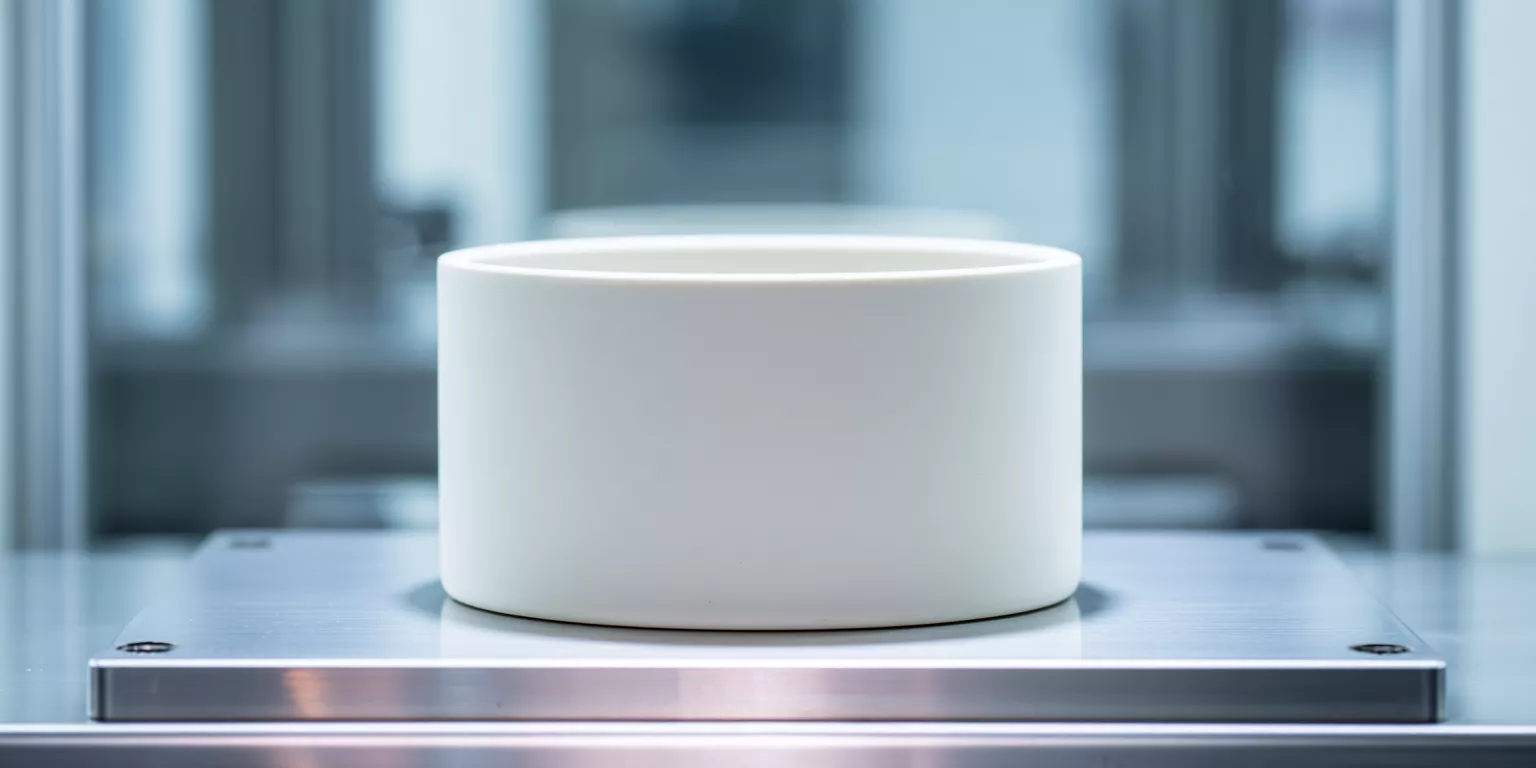
Design and Material Factors That Determine High-Temperature Stability
High-temperature stability is ultimately engineered rather than assumed; therefore, understanding how material quality and design choices influence DSC alumina crucible behavior is essential for informed selection.
Alumina Purity and Its Practical Influence on Stability
Alumina purity is frequently cited as a primary indicator of performance; however, its practical impact on DSC stability depends on how purity interacts with microstructure and processing. High-purity alumina generally reduces the likelihood of secondary phase formation at elevated temperatures, which can otherwise alter thermal response.
In laboratory comparisons, DSC alumina crucibles with purity above 99.5% typically demonstrate lower baseline drift during high-temperature holds than lower-purity alternatives. Nevertheless, engineers have observed that purity alone does not guarantee stability, particularly when densification is inconsistent. For example, a high-purity pan with residual porosity may still exhibit noise amplification exceeding 10% during extended tests.
Thus, alumina purity should be considered a necessary but not sufficient condition for achieving high-temperature stability in DSC applications.
Densification, Porosity, and Thermal Uniformity
Densification level directly influences how heat is distributed within a DSC alumina crucible, making it a critical determinant of stability. Insufficient densification leaves residual porosity that disrupts uniform heat flow and amplifies sensitivity to thermal gradients.
During high-temperature evaluations, pans with higher densification consistently show smoother baseline behavior and improved reproducibility across cycles. In contrast, pans with uneven porosity distribution often produce localized hot spots, leading to baseline curvature and increased noise. Engineers analyzing long-duration DSC runs frequently identify densification variability as the root cause of gradual signal degradation.
Therefore, controlling densification and minimizing porosity are central to maintaining thermal uniformity and long-term stability.
Densification and Stability Relationship
| Property | High Densification | Low Densification |
|---|---|---|
| Porosity (%) | ≤1 | ≥3 |
| Baseline smoothness | High | Reduced |
| Noise increase at high T (%) | ≤5 | ≥15 |
| Cycle-to-cycle reproducibility (%) | ≥95 | ≤85 |
Geometry: Bottom Flatness, Wall Thickness, and Mass Distribution
Geometry plays a disproportionate role in DSC stability because heat transfer occurs primarily through the pan base. Even minor deviations in bottom flatness or wall thickness can alter thermal contact with the sensor and introduce measurable signal artifacts.
Laboratory engineers often recall cases where two pans of identical material composition produced different results solely due to geometric inconsistency. Measurements have shown that bottom flatness deviations beyond a few micrometers can increase baseline drift by more than 4% at elevated temperatures. Similarly, uneven wall thickness affects mass distribution, subtly shifting heat-flow dynamics.
Consequently, precise geometric control is essential for ensuring that DSC alumina crucibles behave predictably under high-temperature conditions.
Surface Condition and Its Impact on Stability
Surface condition influences both chemical cleanliness and thermal behavior, making it a critical yet often overlooked factor in stability. Rough or contaminated surfaces can adsorb residues that modify emissivity and heat-transfer characteristics at high temperatures.
In practice, pans with smoother, well-controlled surfaces tend to exhibit more stable baseline behavior during repeated use. Engineers conducting high-temperature DSC studies have reported reduced noise and improved reproducibility after switching to pans with optimized surface finishes. Conversely, poorly controlled surfaces often accumulate residues that progressively distort signals.
Accordingly, surface condition should be evaluated as part of a comprehensive stability assessment rather than treated as a cosmetic attribute.
In essence, high-temperature stability emerges from the combined effects of purity, densification, geometry, and surface control. Understanding these factors enables engineers to select DSC alumina crucibles that support reliable measurements rather than undermine them.
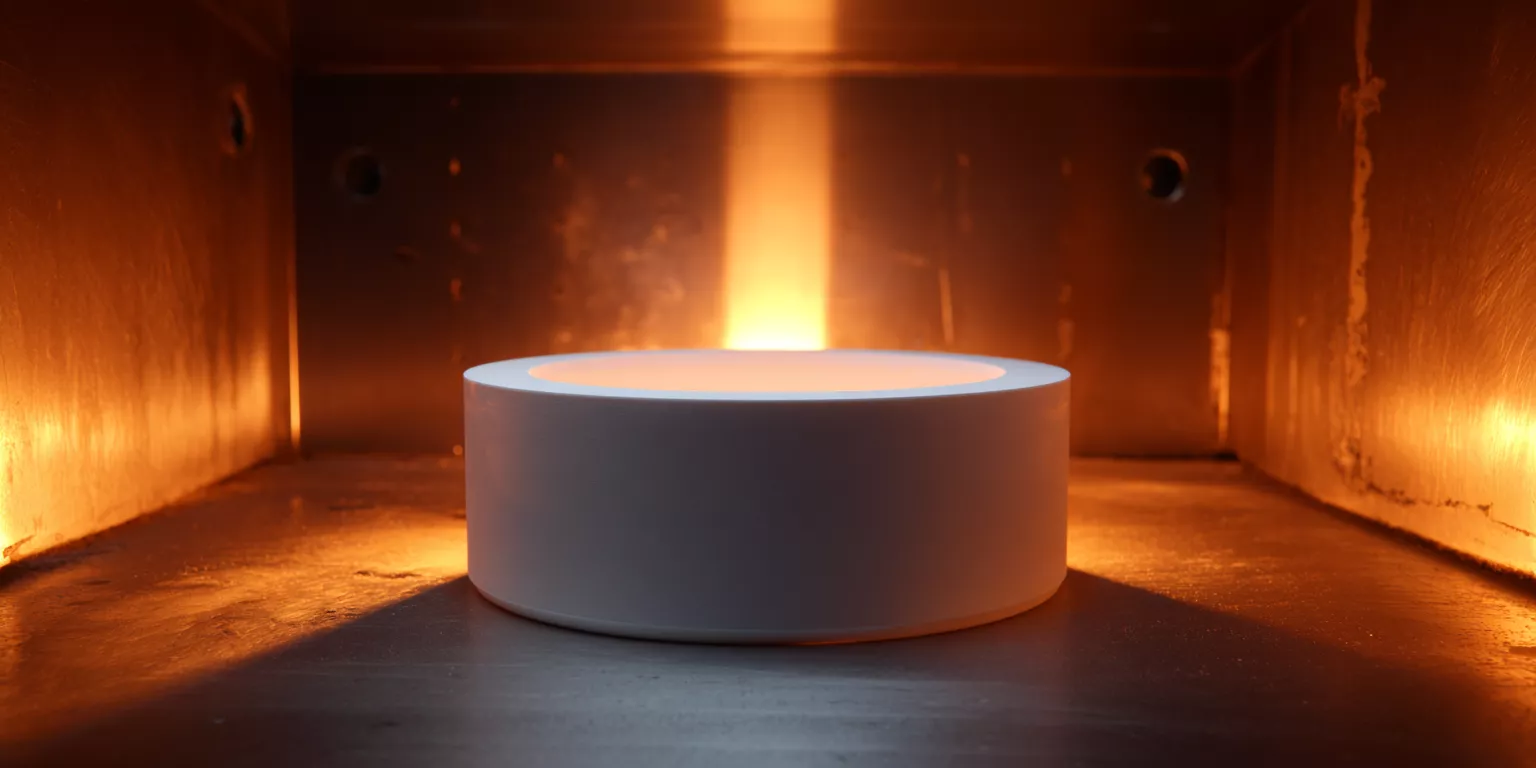
In the next section, these design principles will be applied to specific material systems, illustrating how stability requirements vary across different high-temperature DSC applications.
Application-Specific Considerations for High-Temperature DSC Work
High-temperature stability requirements vary significantly depending on sample chemistry, thermal history, and experimental objectives; therefore, DSC alumina crucibles must be evaluated in the context of specific application scenarios rather than generic specifications.
Polymer Decomposition and High-Temperature Degradation Studies
In polymer DSC analysis, high-temperature stability becomes critical once experiments approach decomposition or oxidative breakdown regions. At these temperatures, volatile byproducts and rapid mass loss amplify the influence of pan behavior on signal interpretation.
In real laboratory workflows, engineers studying polymer degradation above 500–600 °C frequently observe that marginally stable DSC alumina crucibles introduce baseline curvature during rapid exothermic events. For instance, noise levels can increase by 12–18% when degradation gases interact with pan surfaces or when thermal gradients intensify during fast heating ramps. Such effects complicate kinetic modeling and can obscure subtle transitions preceding full decomposition.
Accordingly, polymer-focused DSC work demands alumina sample pans with proven stability under both high heating rates and chemically aggressive environments to ensure that observed thermal events truly originate from the sample.
Stability Indicators for Polymer DSC Applications
| Indicator | Recommended Range |
|---|---|
| Heating rate tolerance (°C/min) | ≥20 |
| Baseline deviation during degradation (%) | ≤3 |
| Noise increase at peak decomposition (%) | ≤8 |
| Repeatability across runs (%) | ≥95 |
Ceramics, Metals, and Inorganic Material Analysis
For ceramics and inorganic materials, DSC experiments often involve extended high-temperature holds and repeated thermal cycling. Consequently, time-dependent stability becomes more critical than peak temperature resistance alone.
Laboratory engineers conducting sintering or phase transformation studies above 800 °C frequently report that DSC alumina crucibles with insufficient densification exhibit gradual signal drift during long isothermal segments. In one documented workflow, baseline offsets accumulated steadily over a 90-minute hold, resulting in a 6% deviation relative to the initial scan. Such drift can mask subtle phase transitions or falsely suggest ongoing reactions.
Therefore, DSC alumina crucibles used for inorganic materials must maintain geometric and microstructural integrity over extended durations to support accurate interpretation of slow thermal processes.
Requirements for Inorganic DSC Measurements
| Requirement | Typical Expectation |
|---|---|
| Isothermal hold duration (min) | ≥60 |
| Baseline drift during hold (%) | ≤2 |
| Cycle-to-cycle reproducibility (%) | ≥96 |
| Structural integrity after cycling | Maintained |
Reactive, Oxidizing, and Volatile Sample Systems
Reactive and volatile samples impose compounded demands on high-temperature stability, as both chemical interaction and thermal stress act simultaneously. In such cases, pan-related effects can dominate the DSC signal if not carefully controlled.
Engineers analyzing oxidizing materials or volatile precursors often observe residue accumulation or surface modification on alumina pans after only a few runs. These changes can alter emissivity and heat transfer, leading to apparent shifts in peak position or baseline slope. In several laboratory cases, onset temperature deviations of 2–3 °C were eliminated simply by switching to more stable, better-controlled alumina crucibles.
Thus, application-specific stability considerations must include not only temperature and time but also the chemical environment generated by the sample itself.
Overall, application context determines which aspects of high-temperature stability are most critical. Recognizing these differences enables engineers to align DSC alumina crucible selection with experimental objectives rather than relying on one-size-fits-all assumptions.
Best Practices to Maximize High-Temperature Stability in Daily Use
Even well-designed DSC alumina crucibles can underperform if handled improperly; therefore, daily laboratory practices play a decisive role in preserving high-temperature stability.
-
Pre-use thermal conditioning and controlled thermal history
Before critical measurements, many laboratories perform controlled preheating or conditioning cycles to stabilize DSC alumina crucibles. This practice reduces first-run effects and helps equilibrate microstructural stresses that might otherwise influence baseline behavior. Engineers report improved reproducibility, often exceeding 95%, when preconditioning is integrated into routine workflows.
As a result, conditioning should be viewed as a preventive stability measure rather than an optional step. -
Cleaning protocols and contamination control
Improper cleaning can introduce residues that compromise stability, particularly at elevated temperatures. Aggressive mechanical cleaning or incompatible chemical treatments may damage surfaces or leave residues that amplify noise during subsequent runs. Laboratories adhering to standardized cleaning protocols consistently observe lower baseline drift and extended pan lifetimes.
Consequently, cleanliness management is inseparable from high-temperature stability considerations. -
Defined retirement criteria for repeated-use pans
Repeated use inevitably accumulates thermal and chemical stress, even in stable DSC alumina crucibles. Experienced engineers often establish retirement thresholds based on cycle count, baseline deviation, or reproducibility loss, typically identifying 8–15 high-temperature cycles as a practical upper limit depending on conditions. Ignoring such criteria increases the risk of subtle data degradation.
Therefore, systematic retirement policies help maintain data integrity across long-term DSC programs.
In practice, these best practices translate design-level stability into consistent day-to-day performance, bridging the gap between material capability and analytical reliability.
Before interpreting supplier claims or specifications, it is necessary to examine how “high-temperature stability” is commonly described in technical documentation and where such descriptions may obscure critical engineering details.
Interpreting Manufacturer Claims About High-Temperature Stability
Claims regarding high-temperature stability often appear straightforward; however, in DSC practice they frequently lack the operational context required for meaningful evaluation.
-
Rated temperature versus usable stability window
Many manufacturers state a maximum temperature rating without clarifying time dependence or cycling behavior. In laboratory experience, DSC alumina crucibles rated above 1600 °C may still exhibit measurable baseline drift when held at 700–800 °C for extended periods. Engineers therefore learn that rated temperature alone does not define stability under real DSC conditions.
Consequently, users should interpret temperature ratings as boundary conditions rather than guarantees of signal neutrality. -
Material descriptors without process transparency
Terms such as “high-purity alumina” or “advanced ceramic” are commonly used but rarely specify densification level, porosity distribution, or forming consistency. In comparative laboratory trials, pans with similar purity labels have shown reproducibility differences exceeding 10% during high-temperature cycling. Such variation highlights the importance of processing control rather than nomenclature.
As a result, stability claims must be evaluated alongside evidence of manufacturing consistency. -
Absence of signal-based validation data
Manufacturer documentation often emphasizes physical properties while omitting DSC-relevant signal metrics. Laboratory engineers, however, rely on baseline behavior, noise growth, and peak reproducibility to judge stability. When such data are absent, claims remain theoretical and require independent verification.
Therefore, engineers should treat unvalidated stability claims as hypotheses to be tested rather than conclusions to be accepted.
Overall, interpreting stability claims requires translating marketing language into measurable DSC performance indicators that align with laboratory realities.
From Engineering Requirements to a Reliable Supply Strategy
As DSC methods mature, stability considerations shift from individual experiments toward long-term reliability; therefore, supply strategy becomes an integral part of method robustness.
-
Consistency across batches and time
High-temperature DSC programs depend on the assumption that replacement pans behave identically to those previously qualified. In practice, laboratories have reported method disruptions when new batches introduced baseline deviations of 4–6% despite identical specifications. Such events highlight that batch-to-batch consistency is as critical as single-pan stability.
Accordingly, supply reliability directly affects experimental continuity. -
Alignment between application conditions and manufacturing control
Different DSC applications stress pans in different ways, requiring alignment between laboratory conditions and how pans are produced. Engineers increasingly favor suppliers who understand application-specific constraints rather than offering generic products. This alignment reduces the need for repeated qualification and lowers long-term risk.
Thus, engineering communication becomes part of stability assurance. -
Risk minimization through validation-friendly sourcing
Laboratories operating near upper temperature limits often prefer suppliers who support validation workflows, such as small-batch trials or consistent specifications over time. Such practices reduce uncertainty and help maintain reproducibility above 95% across extended projects.
Consequently, a reliable supply strategy functions as a risk-control mechanism rather than a procurement convenience.
In essence, stable DSC results depend not only on pan design but also on the continuity and predictability of supply.
How ADCERAX Supports Reliable High-Temperature DSC Applications
While high-temperature stability must ultimately be demonstrated in the laboratory, manufacturing approach plays a decisive supporting role.
ADCERAX focuses on DSC alumina crucibles engineered for signal stability rather than nominal temperature ratings. Material selection emphasizes controlled purity and densification, while forming processes prioritize geometric consistency critical to heat-flow symmetry. These controls aim to reduce baseline drift, noise amplification, and reproducibility loss under high-temperature DSC conditions.
Additionally, ADCERAX supports laboratories requiring application-specific configurations or small-batch validation prior to broader adoption. This approach allows engineers to verify stability within their own workflows before committing to long-term use. Importantly, such support is oriented toward end users conducting thermal analysis rather than toward instrument OEM or distribution channels.
Conclusion
Ultimately, reliable high-temperature DSC data depend on understanding, verifying, and controlling the stability of DSC alumina crucibles throughout the experimental lifecycle.
For laboratories requiring DSC alumina sample pans with proven high-temperature stability, ADCERAX provides engineering-focused support for validation and application-specific requirements.
FAQ
Q1: Why does high-temperature stability matter more than maximum temperature rating for DSC alumina sample pans?
High-temperature stability determines whether DSC alumina sample pans remain thermally neutral during prolonged heating, isothermal holds, and repeated cycles. Even if a pan withstands a high peak temperature, insufficient stability can still cause baseline drift, noise amplification, or onset shifts. Therefore, stability directly governs data reliability rather than mere survivability.
Q2: How can laboratory engineers verify the high-temperature stability of DSC alumina sample pans in daily practice?
High-temperature stability should be verified through empty-pan baseline scans, repeat-cycle testing, and reference material validation. Stable DSC alumina sample pans typically maintain baseline deviation within 3% and reproducibility above 95% across multiple high-temperature cycles. These signal-based checks provide more meaningful confirmation than material labels alone.
Q3: What design factors most strongly influence the high-temperature stability of DSC alumina sample pans?
High-temperature stability depends on a combination of alumina purity, densification level, porosity control, geometric precision, and surface condition. Among these, bottom flatness and uniform densification have the greatest impact on heat-flow symmetry and baseline behavior. Consequently, stability is engineered through manufacturing control rather than guaranteed by composition alone.
Q4: Are DSC alumina sample pans with high-temperature stability reusable for long-term DSC programs?
Yes, but only within defined limits. Even DSC alumina sample pans with high-temperature stability gradually accumulate thermal and chemical stress, which may reduce reproducibility after repeated use. Many laboratories establish retirement thresholds between 8 and 15 high-temperature cycles to preserve data integrity and method consistency.
References: