
ADCERAX is a China-based manufacturer of metallized ceramics with over 20 years of experience. We produce custom metallized ceramic components—substrates, insulators, and feedthrough bodies—using Mo-Mn, Ag-Pd, and Cu metallization with Ni/Au finishing. Our factory delivers precise sealing, stable bonding, and fast global supply for power and industrial applications.
👉 Get a quick quotation or share your drawing today—our engineers will turn it into a finished solution.
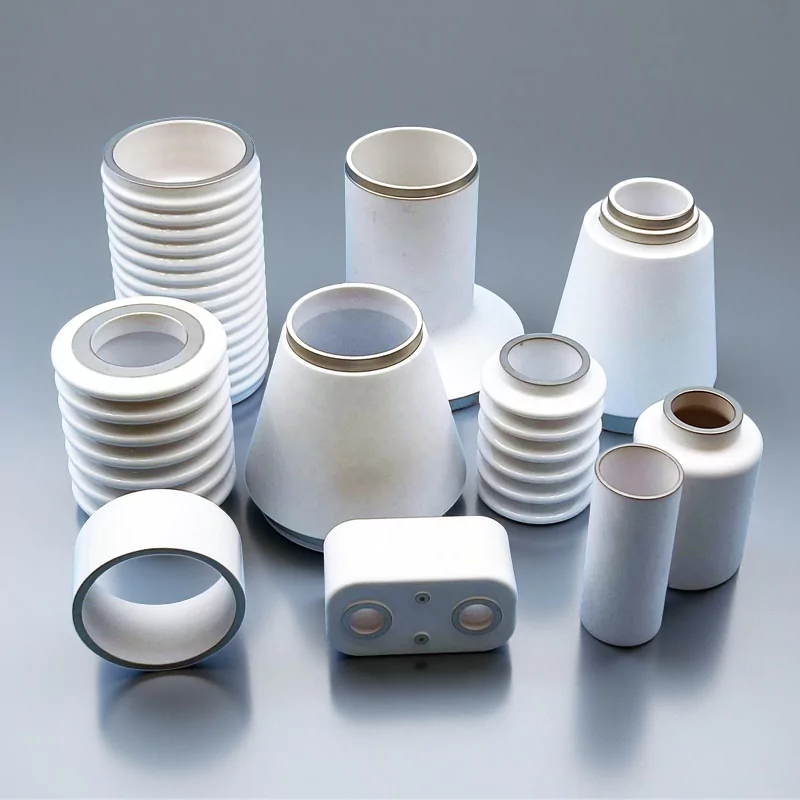
Metallized ceramics combine high-strength ceramic bodies with conductive metallic layers through a process known as ceramic metallization.
This technology allows ceramic components—such as substrates, insulators, rings, and feedthrough bodies—to form reliable electrical and hermetic joints with metals.
They are widely used in power electronics, vacuum devices, sensors, and industrial heating systems where insulation and bonding strength are required.
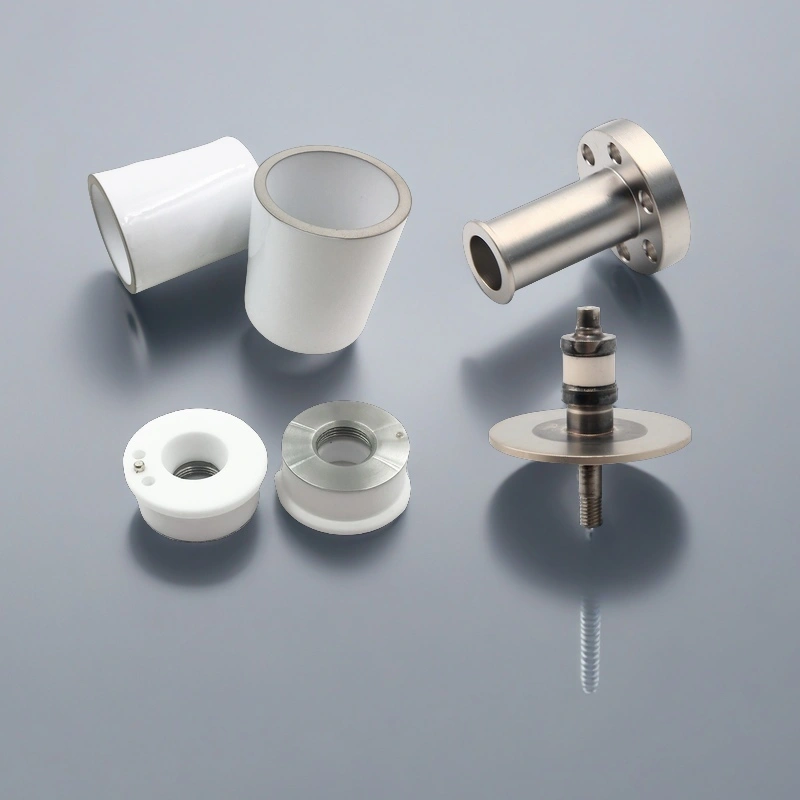
Metallization Materials & Application Overview
| Ceramic Material | Metallization Type | Typical Finishing | Main Applications |
| Alumina (Al₂O₃) | Mo-Mn / Ag-Pd / Cu | Ni / Au plating | Power electronics, vacuum feedthroughs, high-voltage insulators |
| Aluminum Nitride (AlN) | Mo-Mn / Cu | Ni / Au plating | Thermal management modules, high-power LED bases, RF components |
| Silicon Nitride (Si₃N₄) | Ag-Pd / Cu | Ni / Ag plating | Mechanical sealing parts, sensors, and plasma-resistant components |
| Beryllium Oxide (BeO) | Mo-Mn / Ag-Pd | Ni / Au plating | High thermal conductivity substrates for military and aerospace modules |
| Zirconia (ZrO₂) | Ag-Pd / Cu | Ni / Ag plating | Medical equipment, high-strength joints, precision valves |
| Sapphire (Al₂O₃ single crystal) | Ti / W / Pt metallization | Au finishing | Optical windows, semiconductor lasers, vacuum viewports |
Through Mo-Mn, Ag-Pd, or Cu metallization followed by Ni/Au finishing, the ceramic surface becomes solderable, brazing-compatible, and electrically stable.
This process provides strong adhesion, gas-tight sealing, and consistent conductivity under thermal cycling.
ADCERAX applies ceramic metallization on alumina (Al₂O₃), aluminum nitride (AlN), and silicon nitride (Si₃N₄) to meet the needs of power and vacuum applications.
Metallized ceramics offer high mechanical strength, thermal stability, electrical insulation, and hermetic sealing. Their ceramic metallization ensures strong metal-to-ceramic adhesion and stable conductivity on alumina (Al₂O₃), AlN, and Si₃N₄ for reliable high-performance applications.
Metallized ceramics maintain high flexural strength and tight tolerances after firing and plating.
High thermal stability and insulation enable consistent conductivity in power and high-voltage assemblies.
Gas-tight joints provide long service life in vacuum and pressure environments.
Mo-Mn, Ag-Pd, or Cu metallization with Ni/Au finishing delivers wettable, bond-ready surfaces.
ADCERAX produces metalized ceramic tubes, substrates, rings, and electrodes with stable ceramic-to-metal bonding for high-temperature, vacuum, and power applications. Each component offers durable sealing, strong conductivity, and precise fit for industrial and electronic systems.
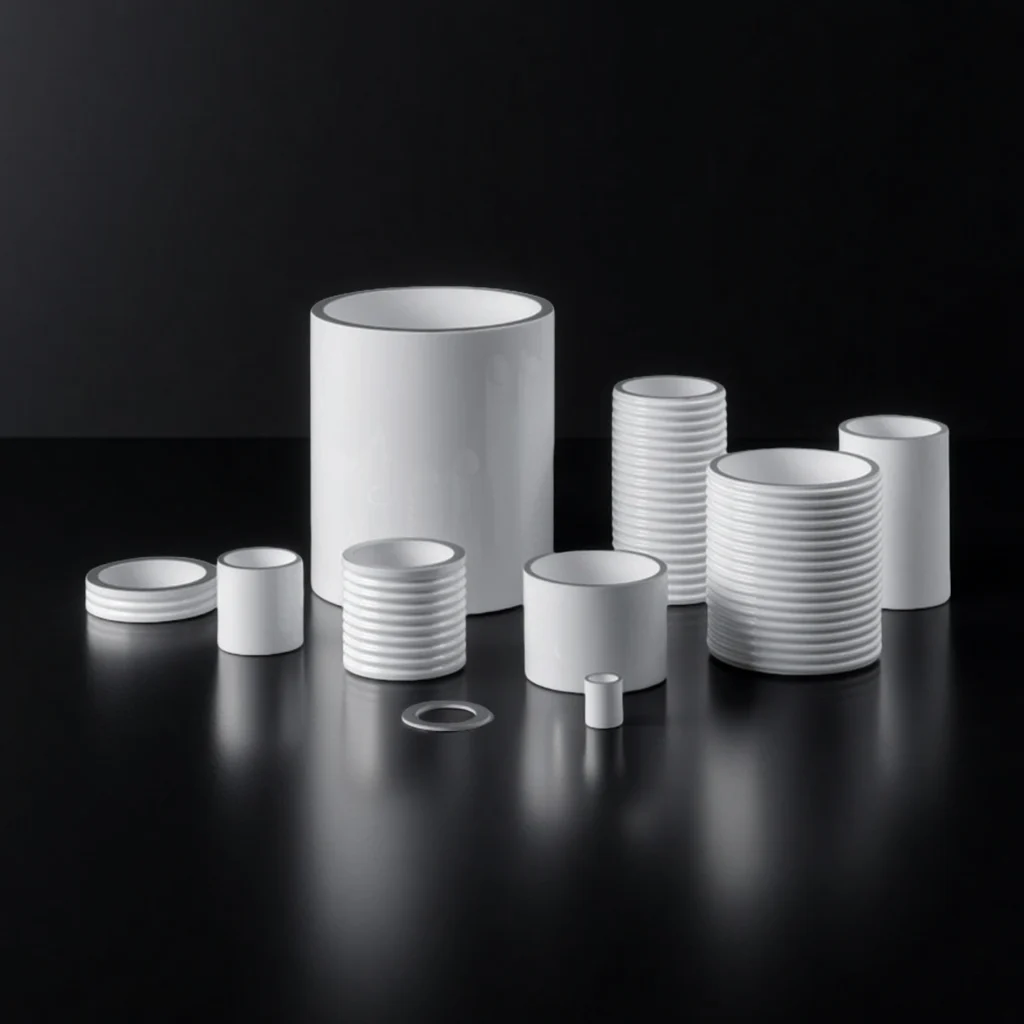
Metallized ceramic tubes provide thermal stability, electrical insulation, and corrosion resistance under high temperature or vacuum conditions.
They maintain strong metal-to-ceramic bonding and reliable sealing during brazing and repeated heating cycles.
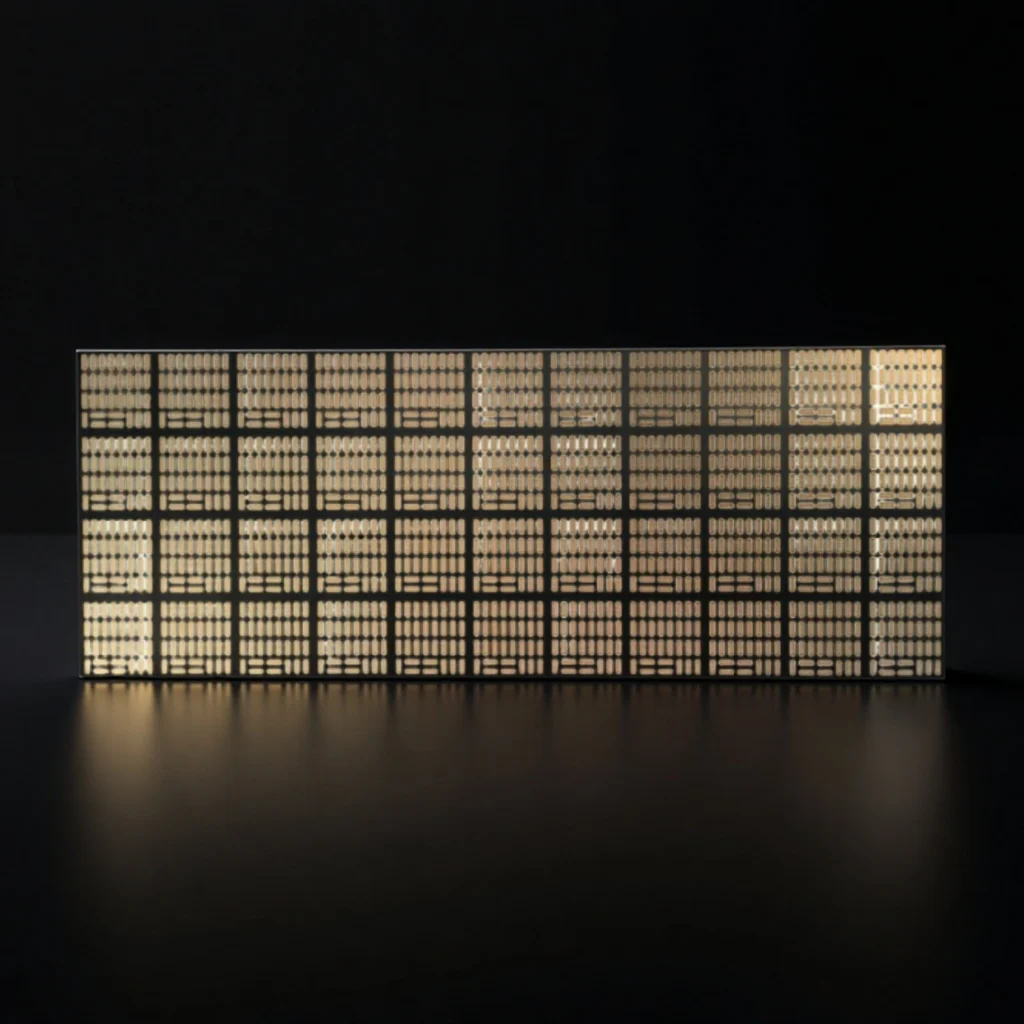
Metallized ceramic substrates provide high thermal conductivity, electrical insulation, and strength for power and electronic systems.
Their metallization enables strong bonding, accurate patterns, and stable performance under heat and high voltage.
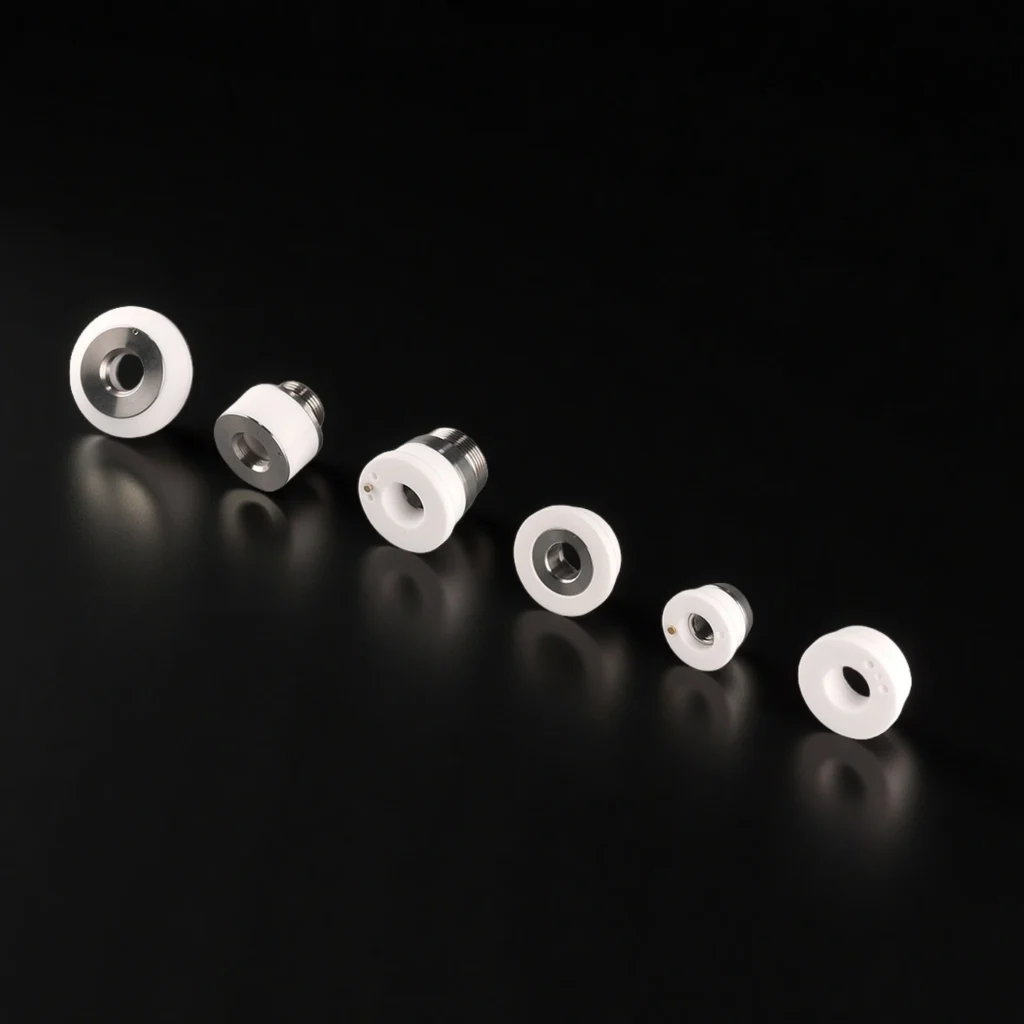
Ceramic rings for laser cutting machines provide high precision, thermal stability, and strong insulation for optical and mechanical alignment.Their dense structure resists heat shock and ensures consistent beam focus during continuous high-power operation.

Ceramic electrodes for vacuum coating machines provide strong insulation, high heat resistance, and reliable bonding.Their dense structure performs stably under vacuum and plasma, ensuring consistent coating quality and long service life.
From alumina and aluminum nitride to silicon nitride metallized ceramics, we supply certified, customizable components with fast lead times and factory-direct pricing — trusted by power, vacuum, and electronics manufacturers worldwide.
Metalized ceramics are widely used in power electronics, vacuum systems, medical devices, and industrial heating equipment where reliable ceramic-to-metal bonding and electrical insulation are required. By applying conductive metal layers on ceramic surfaces, ADCERAX produces components with stable sealing, high bonding strength, and consistent electrical performance under demanding operating conditions.
 Application: Inverters, rectifiers, power modules, and high-voltage insulators.
 Challenges: Manufacturers face cracking or delamination at high thermal loads, leading to reduced lifetime of power modules.
Application: Feedthroughs, vacuum chamber connectors, and electrodes for coating or sputtering systems.
Challenges: Standard ceramics often leak or lose adhesion when subjected to repeated vacuum cycles or plasma exposure.Application: High-frequency imaging systems, X-ray tube insulators, and ultrasonic transducers.
Challenges: Medical device makers require ultra-clean, high-insulation ceramics that can also provide precise electrode connections.Application: Furnace terminals, heater assemblies, thermocouple protection parts, and high-temperature sensors
Challenges: Thermal cycling and oxidation easily degrade metal joints in conventional components.An American furnace manufacturer encountered coating delamination and electrode oxidation above 1,200 °C in high-load heating elements.
Implementing ADCERAX metallized ceramic tubes and electrodes with Cu metallization and Ni finishing stabilized conductivity and reduced surface oxidation by 30% after 1,000 hours of continuous operation.
The modification extended component lifespan by over 40%, improving production consistency and reducing replacement frequency.
ADCERAX specializes in custom metallized ceramic components, engineered to your drawings or samples. We support complex shapes, selective metallization areas, and precision bonding layers with full in-house control — from prototyping to mass production, typically delivered within 3–9weeks.
Extra-large / Extra-small diameters, non-standard thicknesses, and ultra-long / ultra-short lengths.
Provide higher - level dimensional accuracy and concentricity control than the standard.
Flanges, steps, threads, drilling holes, grooves, etc.
Adjust the material according to the application requirements.
Polish and grind the surface to achieve a specific surface roughness.
Send us your drawing, CAD file, or physical sample with material grade, dimensions, tolerances, and quantity. Our engineers will evaluate the design and provide a detailed quotation with lead time and pricing.
Once the quote is approved, we proceed with sample prototyping (1–50 pcs) if needed, for testing and validation.
After sample approval or direct confirmation, we begin batch manufacturing using CNC machining, sintering, and polishing. All parts undergo dimensional checks, material purity testing, and surface finish inspection.
Finished products are securely packed and shipped via DHL/FedEx/UPS or your preferred method. We support global delivery with full documentation.
ADCERAX is a professional metallized ceramics manufacturer in China with over 20 years of factory experience. We operate advanced metallization and firing lines to ensure precise coating control, strong ceramic-to-metal bonding, and stable mass-production quality.
Competitive pricing with strict quality control from raw material sourcing to final delivery
Professional team providing comprehensive technical support and collaborative design
Small batch orders to large-scale production with complex geometries and tight tolerances
24-hour response and 24-hour dispatch for standard items, 3-7 weeks for custom orders.
ADCERAX integrates ceramic forming, metallization, plating, and inspection into a single workflow. Our one-stop manufacturing system ensures strong bonding, precise pattern control, and fast delivery from prototype to mass production.


ADCERAX specializes in metallized ceramics production, integrating precision ceramic forming with advanced metal coating and brazing technologies. Each component is engineered for strong ceramic-to-metal bonding, excellent electrical insulation, and reliable sealing under high temperature, vacuum, and high-voltage conditions.
| Manufacturing Capabilities Overview | |||
|---|---|---|---|
| Capability Item | Typical Value / Description | ||
| Material Grades | Alumina (Al₂O₃ 96–99.7%), Aluminum Nitride (AlN), Zirconia (ZrO₂), and Beryllium Oxide (BeO) with high dielectric strength and thermal conductivity. | ||
| Metallization Types | Mo-Mn, Ag-Pd, or Cu metallization followed by Ni/Au or Ag plating for strong adhesion, solderability, and brazing compatibility. | ||
| Forming Methods | CNC machining, isostatic pressing, and precision sintering ensure dense microstructure and dimensional stability before metallization. | ||
| Processing Capabilities | Screen printing, vacuum deposition, or selective brushing achieve metallization thickness from 5–30 μm with ±0.02 mm pattern accuracy. | ||
| Surface Finish | Polished ceramic surfaces reach Ra < 0.3 μm to support smooth metallization and consistent coating adhesion. | ||
| Adhesion & Hermeticity | Bond strength ≥ 35 MPa and leak rate ≤ 1×10⁻⁹ atm·cc/s guarantee reliable sealing for vacuum and pressure assemblies. | ||
Metalized ceramics are carefully engineered using a combination of materials:
Metallization creates a conductive, bondable layer on a ceramic surface through a controlled, multi-step process:
Surface prep – Clean/activate the ceramic to ensure adhesion.
Apply metallization – Deposit Mo-Mn, Ag-Pd or Cu by screen printing, brushing, spraying, or vacuum deposition.
Firing/sintering – Fire in a controlled atmosphere to bond the metal layer to the ceramic.
Finishing (optional) – Plate Ni/Au (or Ag) for solderability/brazing and corrosion resistance.
Pattern/feature control – Define pads, keep-outs, holes/slots to match the drawing.
Inspection & testing – Verify thickness, adhesion, dielectric strength, and helium-leak for hermeticity.
This yields a solderable/braze-ready ceramic part with reliable ceramic-to-metal bonding.
Metalized ceramics bring several key benefits to the table:
Absolutely! Metalized ceramics are highly customizable. Adcerax has decades of experience in metalized ceramics for industries like semiconductor and electronics. with the necessary equipment and expertise to meet your specific requirements, including complex geometries, tight tolerances, and specialized materials. And ensures rigorous quality control.
Several factors are crucial to consider during the design phase of a project involving metalized ceramics:
Careful consideration of these factors during the design phase will ensure the successful implementation of metalized ceramics in your application.
Stringent quality control measures are employed throughout the manufacturing process:
Metalized ceramics combine the insulating strength of advanced ceramics with the electrical connectivity of metals.
They enable reliable ceramic-to-metal joints with strong adhesion, gas-tight sealing, and stable conductivity, making them ideal for high-voltage, vacuum, and thermal cycling environments where standard ceramics cannot provide bonding or electrical integration.
Polished ceramic surfaces can reach Ra < 0.3 µm before coating, ensuring smooth metallization and excellent adhesion of Mo-Mn or Ag-Pd layers.
You can buy metallized ceramics for electronics from ADCERAX, a professional metallized ceramics factory in China.
We produce substrates, insulators, feedthroughs, and custom ceramic-to-metal parts.
As a direct factory, ADCERAX provides stable quality and competitive pricing for electronic and vacuum applications.
Please send your drawings, material specifications, and quantity to info@adcerax.com. Our engineering team will evaluate the design and provide a tailored quotation within 24 hours.
Typical capability windows (actual limits depend on material, thickness, panel size, and artwork complexity):
Screen-printed Mo-Mn / Ag-Pd:
a. Min line/space: 0.15–0.20 mm / 0.15–0.20 mm (conservative design: 0.20/0.20 mm).
b. Metal thickness (fired): 5–15 µm typical (locally up to ~25 µm).
c. Registration (layer to edge/datum): ±0.02–0.05 mm.
Cu (DBC/AMB/DPC/seed-layer + plating):
a. Trace/space: 0.20–0.30 mm for heavy copper; finer possible with thin copper and tighter controls.
b. Cu thickness: 100–300 µm (DBC/AMB typical); 10–60 µm for DPC/plated copper.
Finish layers: Ni 2–7 µm, Au 0.05–0.20 µm (or Ag 2–10 µm), depending on brazing/soldering method.
Keep-outs/edge rules (guideline): pad-to-edge ≥0.3–0.5 mm, hole-to-edge ≥0.5 mm, annular ring ≥0.20–0.30 mm.
Flatness impact: larger/ thinner substrates require looser line/space; specify allowable warpage to balance yield.
Note: For high-current paths or thermal spreaders, choose wider traces and thicker Cu; for fine electrodes/sensors, prioritize thinner layers and tighter registration.
We believe that Adcerax will become your best partner!
Please fill in your contact information in the form or call us.
*Our team will answer your inquiries within 24 hours.
*Your information will be kept strictly confidential.
At ADCERAX, we combine advanced metallizing techniques with strict firing control to ensure high bonding strength and hermetic sealing.
Our engineers support custom drawings and material matching for complex assemblies across global industries.
info@adcerax.com
+(86) 0731-74427743 | WhatsApp: +(86) 19311583352
Within 24 hours
WhatsApp us
The more details you provide, the faster we can respond.

*We respond within 24 hours. All inquiries are confidential.
The more details you provide, the faster we can quote.
*We respond within 24 hours. All inquiries are confidential.


