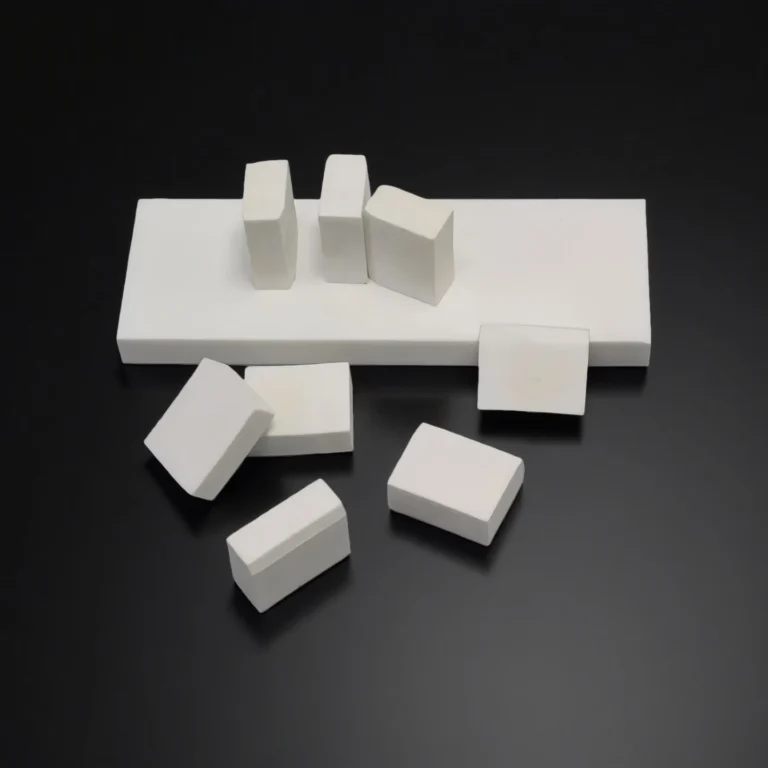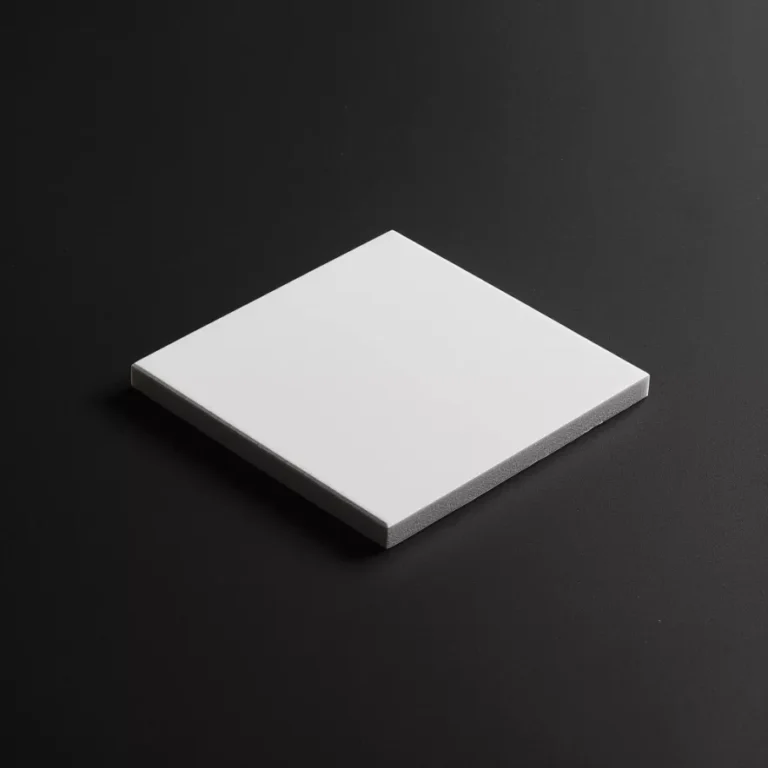
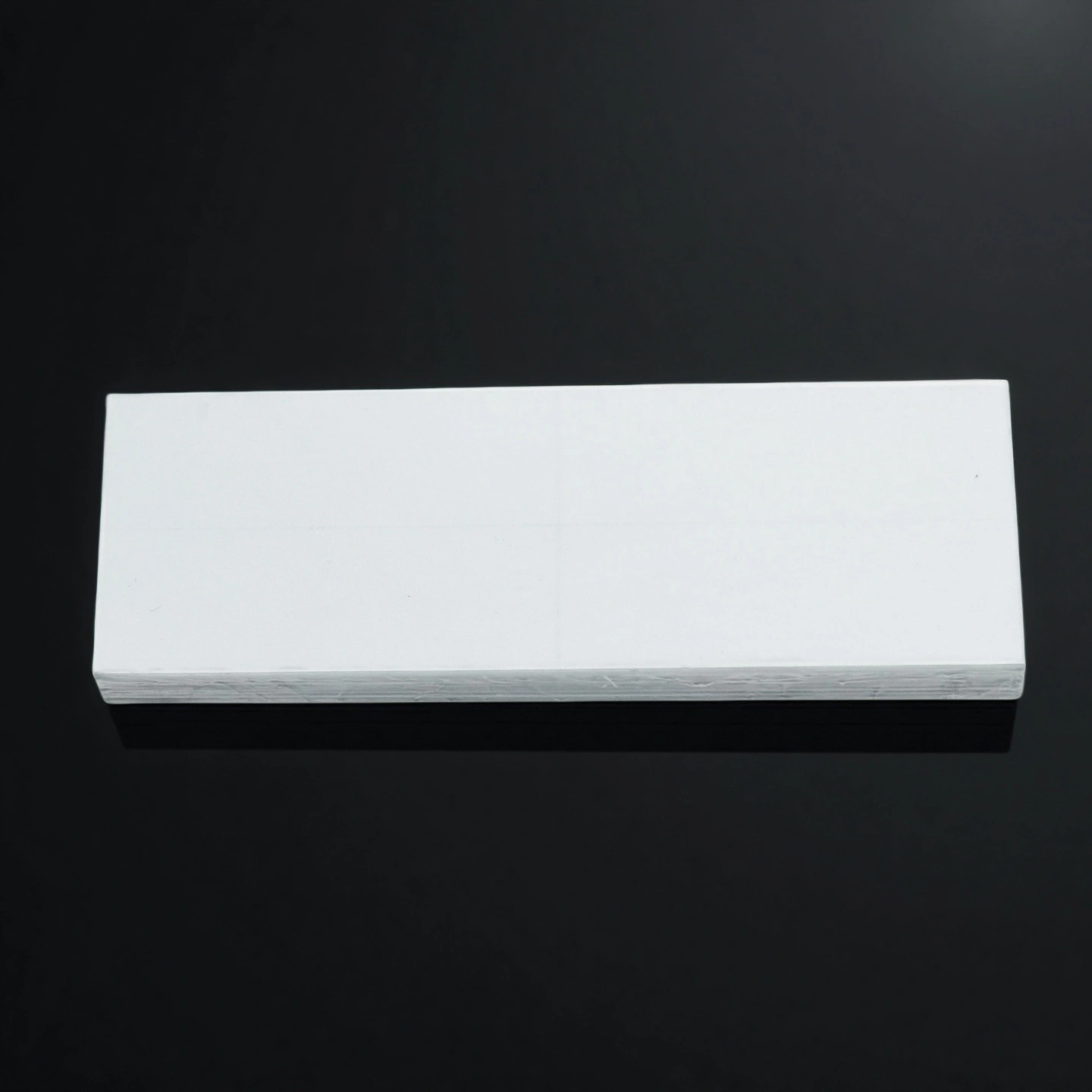
Alumina TLC Plates for Neutral, Basic & Acidic Chromatography

Alumina TLC plates with neutral or basic alumina coating for clean separations of basic/weakly polar compounds; glass, aluminum, or polyester backing; optional UV254 indicator; standard sizes and custom options.

Catalog No. AT-AGF254-1
Material ≥Al2O3
Coating Thickness 200–250 μm (customizable)
Particle size (median) 5–25 µm
Dimensions/Sizes Download PDF


24H Standard Dispatch
Small Batch Support OEM
Factory Direct
Expert Engineering Support

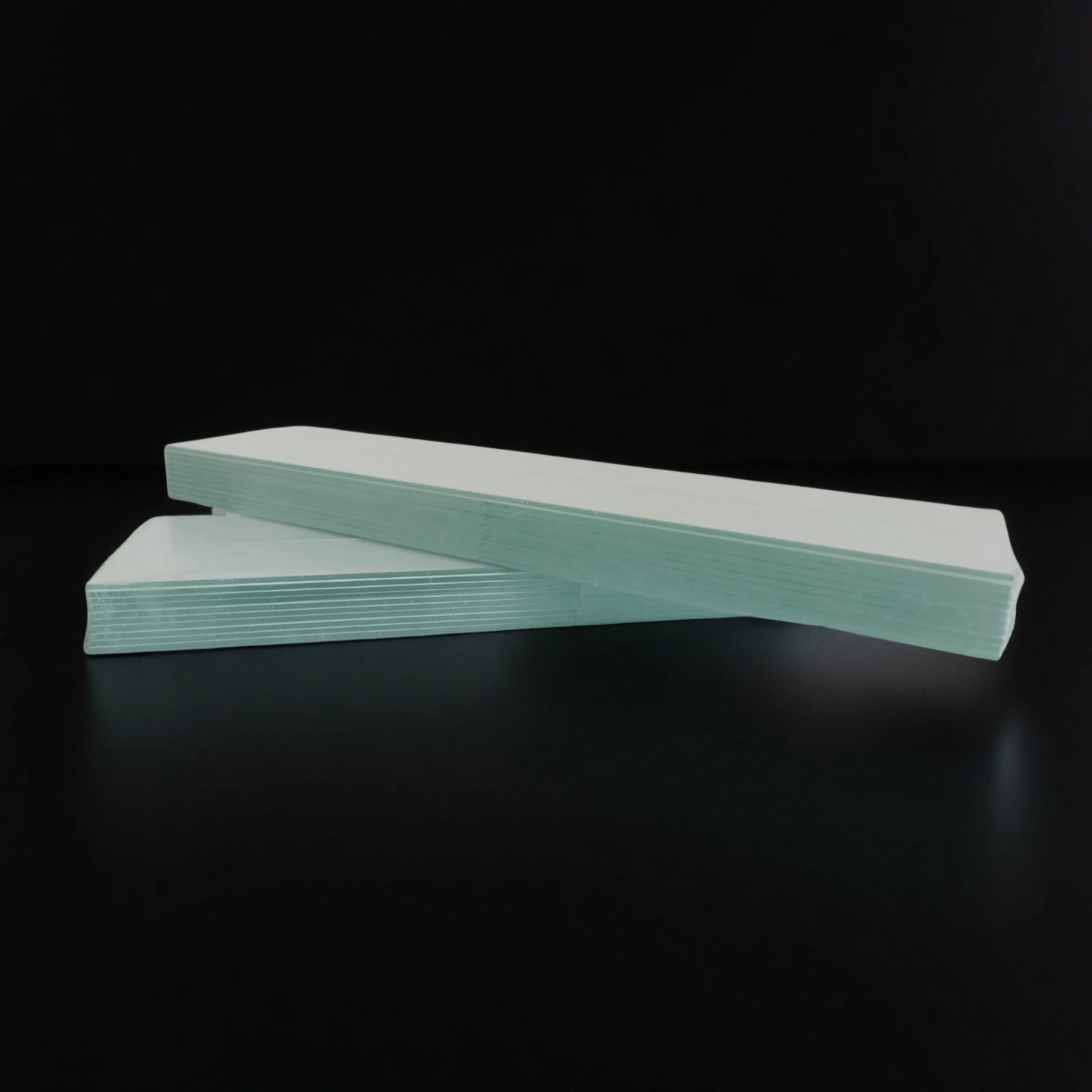
Alumina TLC plates are thin-layer chromatography (TLC) plates coated with high-purity alumina (Al₂O₃) instead of the more common silica gel. They are widely used in analytical and preparative chemistry when compounds of interest—such as amines, alkaloids, steroids, or other basic and weakly polar molecules—do not separate well on silica.


Alumina TLC Plate Benefits

  • Stable selectivity for basic analytes: reduces tailing vs. silica when separating amines, steroids, alkaloids.
  • Flexible backings: glass for rigidity and scanning, aluminum/polyester for cutting and field use.
  • Repeatable Rf: controlled layer thickness and particle size support method transfer and lot-to-lot consistency.
  • Fast readout: UV254 indicator option for immediate visualization under UV lamps.
  • Prep & analytical choices: thin layers for sharp bands, thick layers for higher loading and scraping.


Alumina TLC Plate Properties

Property Unit 99.5% Al₂O₃ 99.6% Al₂O₃ 99.7% Al₂O₃ 99.8% Al₂O₃ 99.9% Al₂O₃ 99.99% Al₂O₃
Alumina content % 99.5 99.6 99.7 99.8 99.9 99.99
Density g/cm³ 3.89 3.91 3.92 3.93 3.94 3.98
Open porosity % 0
Color Ivory Ivory Ivory Ivory Ivory Ivory
Water absorption % 0 0 0 0 0
Young’s modulus (Elastic modulus) GPa 375 356 357 358 359 362
Shear modulus GPa 152
Bulk modulus GPa 228
Poisson’s ratio 0.22
Compressive strength MPa 2600 2552 2554 2556 2558 2570
Flexural strength MPa 379 312 313 314 315 320
Fracture toughness MPa·m¹ᐟ² 4
Hardness GPa 14.1 (≈1440 kg/mm²) 23 24 25 26 30
Thermal conductivity W/m·K 35 32–37 33–38 34–39 35–40 36–42
Thermal shock resistance ΔT °C 222 223 224 225 228
Maximum use temperature (no load) °C ≤1750 1755 1760 1765 1770 1800
Coefficient of thermal expansion 10⁻⁶/°C 8.4
Specific heat J/kg·K 880
Volume resistivity Ω·cm >1×10¹⁴ >1×10¹⁴ >1×10¹⁴ >1×10¹⁴ >1×10¹⁴ >1×10¹⁴
Dielectric constant (relative permittivity) 9.8 9.83 9.84 9.85 9.86 9.92
Dielectric strength kV/mm 16.9 23.2 23.4 23.6 23.8 24
Dissipation factor (loss factor @ 1 kHz) 0.0002


Alumina TLC Plate Specifications

Alumina TLC Plates
Item No. Type Model Particle Size Coating Thickness Dimensions Quantity/Box
AT-AGF254-1 Neutral alumina tlc plates AGF254 10-40um 0.2 ± 0.03mm 25×75mm 80 pieces
AT-AGF254-2 Neutral alumina tlc plates AGF254 10-40um 0.2 ± 0.03mm 25×100mm 80 pieces
AT-AGF254-3 Neutral alumina tlc plates AGF254 10-40um 0.2 ± 0.03mm 50×200mm 20 pieces
AT-AGF254-4 Neutral alumina tlc plates AGF254 10-40um 0.2 ± 0.03mm 100×200mm 10 pieces
AT-AGF254-5 Neutral alumina tlc plates AGF254 10-40um 0.2 ± 0.03mm 200×200mm 20 pieces
AT-AGF254-6 Alkaline alumina tlc plates AGF254 10-40um 0.2 ± 0.03mm 25×75mm 80 pieces
AT-AGF254-7 Alkaline alumina tlc plates AGF254 10-40um 0.2 ± 0.03mm 25×100mm 80 pieces
AT-AGF254-8 Alkaline alumina tlc plates AGF254 10-40um 0.2 ± 0.03mm 50×200mm 20 pieces
AT-AGF254-9 Alkaline alumina tlc plates AGF254 10-40um 0.2 ± 0.03mm 100×200mm 10 pieces
AT-AGF254-10 Alkaline alumina tlc plates AGF254 10-40um 0.2 ± 0.03mm 200×200mm 20 pieces
AT-AGF254-11 Acidic alumina tlc plates AGF254 10-40um 0.2 ± 0.03mm 25×75mm 80 pieces
AT-AGF254-12 Acidic alumina tlc plates AGF254 10-40um 0.2 ± 0.03mm 25×100mm 80 pieces
AT-AGF254-13 Acidic alumina tlc plates AGF254 10-40um 0.2 ± 0.03mm 200×200mm 30 pieces
AT-AGF254-14 Neutral Alumina Preparative Plate AGF254 10-40um 0.35 ± 0.03mm 200×200mm 20 pieces
AT-AGF254-15 Neutral Alumina Preparative Plate AGF254 10-40um 0.5 ± 0.05mm 200×200mm 20 pieces
AT-AGF254-16 Basic Alumina Preparative Plate AGF254 10-40um 0.35 ± 0.03mm 200×200mm 20 pieces
AT-AGF254-17 Basic Alumina Preparative Plate AGF254 10-40um 0.5 ± 0.05mm 200×200mm 20 pieces
AT-AGF254-18 Acidic Alumina Preparative Plate AGF254 10-40um 0.5mm 200×200mm 20 pieces
AT-AGF254-19 Acidic Alumina Preparative Plate AGF254 10-40um 1mm 200×200mm 20 pieces


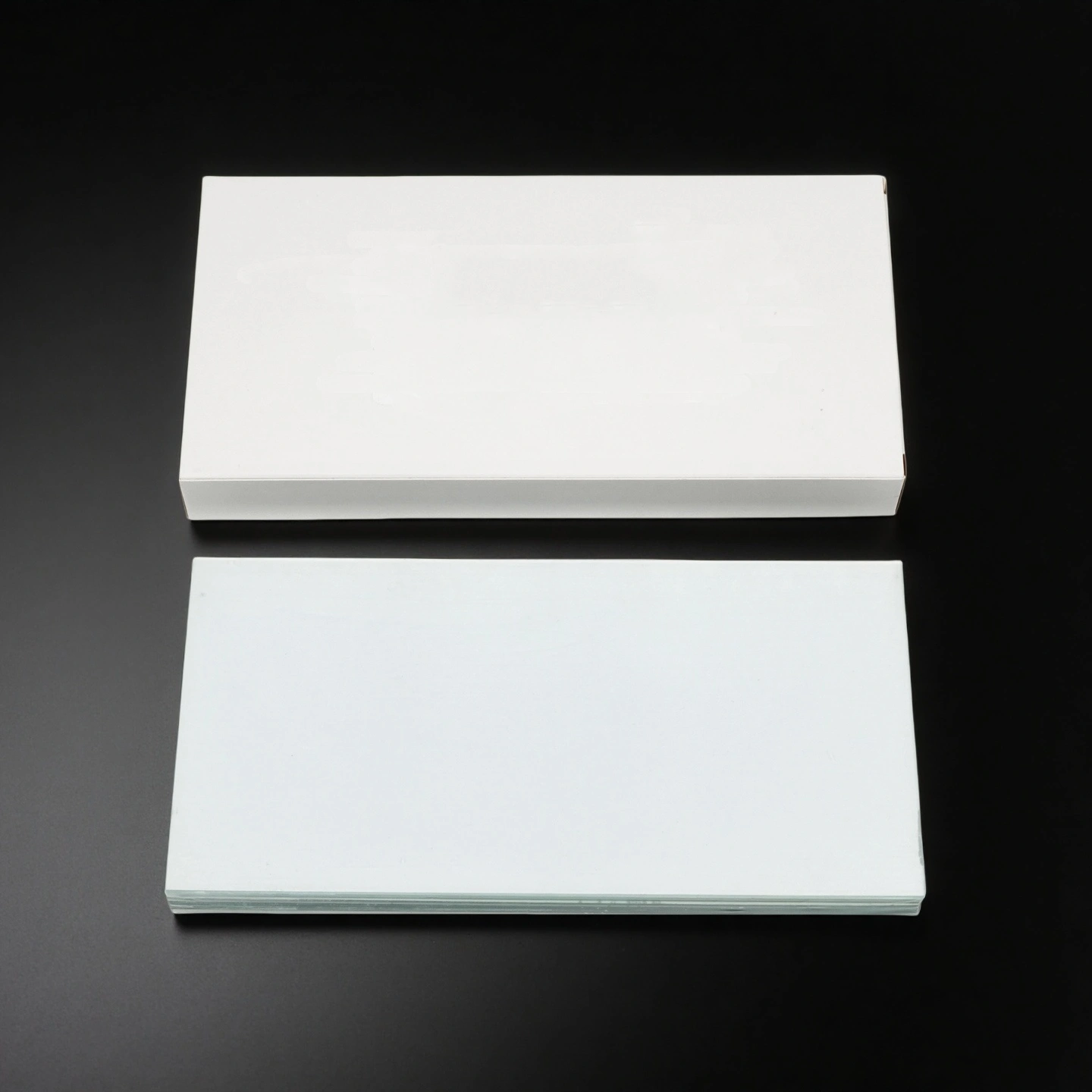
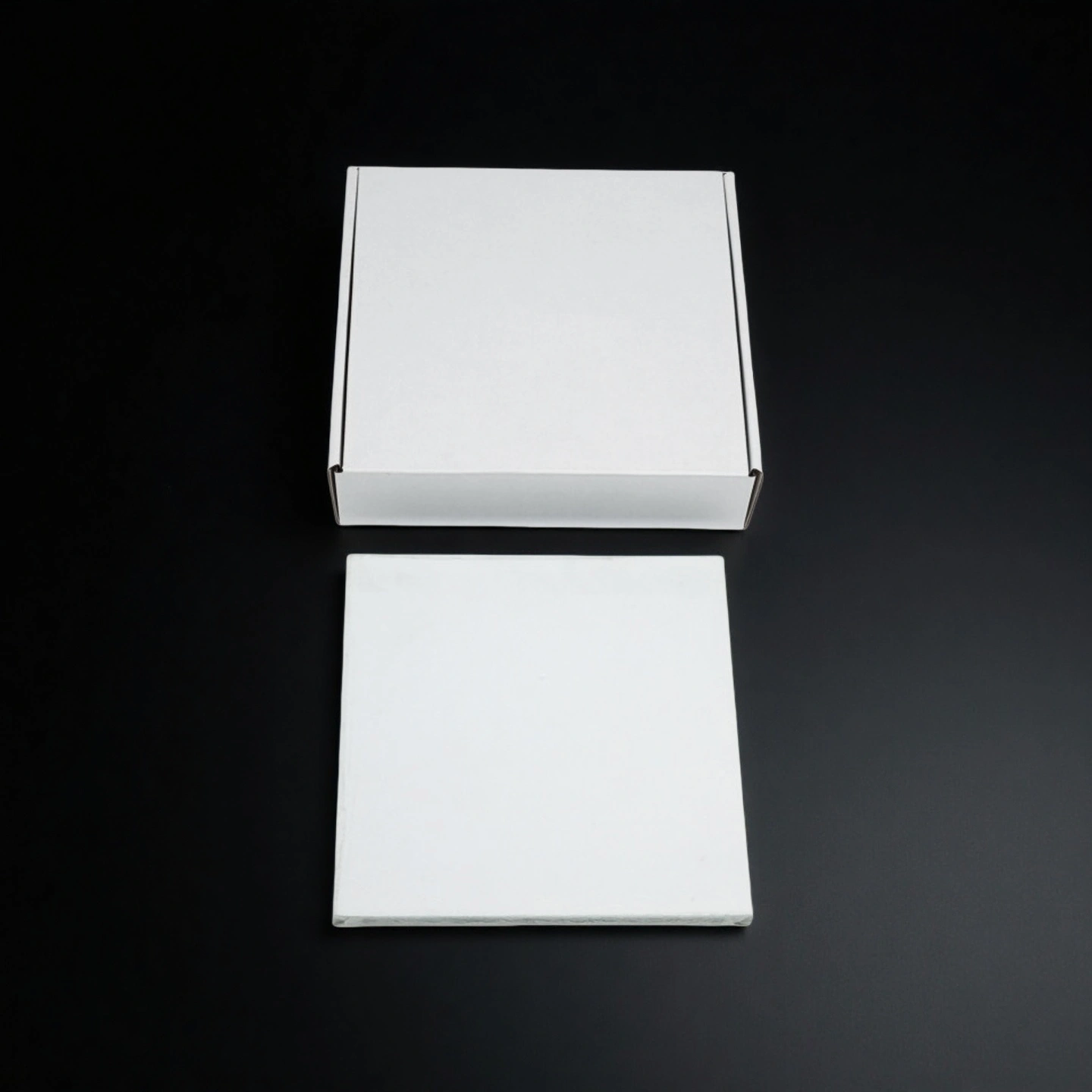
Alumina TLC Plates Packaging

  • Inner: sealed packs with desiccant (10–25 plates per pack depending on size/backing).
  • Outer: impact-protected cartons with corner guards for glass-backed plates.

Alumina TLC Plates Packaging

Al2O3 TLC Plates Applications

Our alumina TLC plates are applied across pharmaceutical quality control, fine chemical development, and teaching laboratories, each scenario highlighting performance traits that silica plates cannot match.

  • Pharmaceutical Quality Control — Basic APIs & Intermediates

    ✅ Key Advantages

    1. Reduced Tailing on Basic Analytes — Switching to basic alumina TLC plates cuts amine/steroid tailing factors from ~1.8–2.0 to ~1.2–1.3, with Rf SD ≤0.02 over 5–6 runs.
    2. Lot-to-Lot Rf Consistency — Controlled alumina layer (0.25 ± 0.02 mm; 5–7 µm) holds Rf drift within ±0.02, supporting validated SOP transfer.
    3. Faster Visualization with UV254 — Built-in UV254 eliminates reagent sprays, reducing per-batch documentation time by ~15–25%.

    ✅ Problem Solved

    Routine release checks for a tertiary-amine intermediate showed streaking and variable Rf on silica, causing 3–4 repeat runs per lot. After moving to basic alumina TLC plates, tailing dropped ~35% and Rf variation tightened to ±0.02. The lab eliminated spray-reagent steps via UV254 plates, saving ~12 minutes per batch. Retests fell from 3.2 to 1.1 per lot, closing validation 10 days earlier.

  • Fine Chemicals & Catalysis — Process Development

    ✅ Key Advantages

    1. Prep-Friendly Loading — 1.0 mm alumina layers handle 200–500 µg per lane without unacceptable broadening, enabling direct scraping yields of ≥1 mg/plate.
    2. Rapid Screens — 0.25 mm / 5–7 µm plates complete 8 cm developments in ~6–9 min with hexane/EtOAc systems for quick route scouting.
    3. Fewer Base Modifiers Needed — Alumina’s lower acidity vs. silica often removes 1–2% TEA modifiers, trimming solvent consumption by ~10–20%.

    ✅ Problem Solved

    During salt-selection screens on basic intermediates, silica required 1–2% TEA to prevent smearing, increasing solvent use and clean-up. Basic alumina TLC plates delivered sharp bands without TEA, cutting solvent usage ~15% per campaign. Prep plates (1.0 mm) provided scrapes adequate for NMR (≥0.8–1.2 mg). Cycle time for a 7-system screen dropped ~25%, improving weekly throughput.

  • Teaching & Research — Organic Analysis

    ✅ Key Advantages

    1. High Throughput from One Sheet — Foil/PET-backed alumina TLC plates can be cut into 20–24 strips (≈10 × 2 cm) from a 20 × 20 cm sheet for multi-student labs.
    2. Lower Breakage & Waste — PET backing keeps plate loss <2% with novice handling vs. ~8% for glass, stabilizing class logistics.
    3. Low Per-Run Consumable Cost — Per student spend stays < $2 including shared solvent/UV checks when strips are used efficiently.

    ✅ Problem Solved

    In an introductory organic module focused on amines, full-size silica glass plates broke frequently and required sprays that slowed turnover. Switching to cuttable alumina TLC plates (PET backing) reduced breakage by ~70% and kept Rf consistent for basic compounds. One sheet supported 20–24 students per session, bringing consumables down ~18% and keeping each lab inside a 45-minute window.

Alumina TLC Plates Usage Instructions

  • Use:

    Place alumina TLC plates in a saturated developing chamber; mark baseline 1–2 cm from the edge; apply small, equal-volume spots (nL–µL range) with capillaries or micro-syringes, keeping spacing consistent; run the plate in a sealed chamber to ensure reproducible solvent fronts; after development, dry the plate at room temperature and visualize under UV254 or with spraying reagents.

  • Storage:

    a. Keep plates in their sealed foil packs with desiccant; maintain storage at 20–25 °C and <50% RH;
    b. avoid direct sunlight and volatile solvent exposure; always record the batch number and opening date to track performance across runs.

  • Cleaning &Handling:

    Never wipe the coated surface; gently remove dust with an air bulb or nitrogen stream; hold plates only at the edges to prevent surface damage; handle glass-backed plates carefully to prevent chipping and use scissors for foil/PET plates to avoid creasing.

  • Preparation Before Use:

    For maximum reproducibility, pre-activate plates by heating at 100–120 °C for 10–15 minutes to remove residual moisture, especially in humid environments.

  • Common Mistakes:

    a.Over-spotting → broad bands → reduce spotting volume or dilute samples.
    b.Plate moisture → uneven fronts → pre-dry plate at 100–110 °C for 10–15 min.
    c.Touching surface → contamination → handle with forceps or gloves at edges only.
    d.Solvent over-saturation → distorted runs → equilibrate chamber with filter paper lining and allow 20–30 min for vapour balance.
    e.Incorrect storage → loss of activity → reseal packs immediately with desiccant after opening.

Alumina TLC Plate FAQ

  1. Q: What are basic alumina TLC plates used for?
    A: Basic alumina TLC plates are suitable for compounds sensitive to acidic surfaces, such as amines and alkaloids, reducing streaking and improving reproducibility.
  2. Q: When should neutral alumina TLC plates be selected?
    A: Neutral alumina TLC plates are ideal for broad applications, offering balanced selectivity for weakly polar molecules while maintaining consistent Rf values.
  3. Q: What are acidic alumina TLC plates?
    A: Acidic alumina TLC plates are less common but used when compounds require mild acidic interactions to achieve separation efficiency.
  4. Q: How does alumina TLC plate polarity affect separation?
    A: The polarity of the alumina surface determines interaction with analytes; basic plates enhance selectivity for basic compounds, while neutral plates provide general polarity balance.
  5. Q: How are alumina TLC plates made?
    A: They are produced by depositing a slurry of alumina particles onto a backing material, drying, and activating under heat to create a uniform, adherent coating.
  6. Q: Why use alumina TLC plates for chromatography instead of silica?
    A: Alumina TLC plates offer superior separation of basic and weakly polar compounds, whereas silica plates are generally better for acidic and strongly polar substances. Many labs use both depending on analyte chemistry.
  7. Q: How to cut alumina TLC plates?
    A: Glass-backed alumina TLC plates can be scored and snapped with a cutter, while aluminum or polyester-backed versions can be cut cleanly with scissors to create smaller strips for teaching or field use.

Client Reviews about Alumina TLC Plates

  • ⭐️⭐️⭐️⭐️⭐️
    “Switching to basic alumina TLC plates reduced tailing on amines; our QC checks became easier to standardize.”
    — QA Manager, mid-size API manufacturer
  • ⭐️⭐️⭐️⭐️⭐️
    “Foil-backed alumina TLC plates cut cleanly into teaching strips and held up well through multiple classes.”
    — Lab Instructor, university chemistry department
  • ⭐️⭐️⭐️⭐️⭐️
    “Prep runs with 1.0 mm alumina layers gave enough loading for quick scrapes before flash chromatography.”
    — Process Chemist, fine chemicals
  • ⭐️⭐️⭐️⭐️⭐️
    “Mixed carton of glass and polyester alumina TLC plates helped us match documentation needs and ad-hoc cuts.”
    Purchasing Lead, contract lab
customize size

Customize Alumina TLC Plates

Our alumina TLC plates can be customized in grade, thickness, backing, and size to match specific laboratory needs. What you can specify:

  • Sorbent grade: Neutral (Al₂O₃-N) or Basic (Al₂O₃-B)
  • Layer thickness: 0.20 / 0.25 / 0.50 / 1.00 mm
  • Particle size band: ~5–7 µm (high resolution) or ~10–25 µm (loading/robustness)
  • Backing: Glass (1–1.2 mm thick), Aluminum foil, Polyester sheet
  • Plate size: 20×20 cm, 10×20 cm, 5×10 cm, or drawing-based custom cuts
  • Indicator: With or without UV254
  • Edge & pre-scoring: uncut, scored, or pre-cut strips; corner radius on request
  • Labelling & traceability: batch/ID print, QR lot code, orientation mark


Related Products

ADCERAX - Your Trusted Advanced Ceramics Manufacturing Partner

Direct factory manufacturing with comprehensive ceramic materials expertise and global supply capabilities

Direct Factory Manufacturing

China-based ceramic materials production facility with state-of-the-art equipment

Engineering Team

Experienced professionals in advanced ceramics applications and custom design

Quality Control

Strict quality control standards for technical ceramics manufacturing and quality management

Global Supply Chain

Serving customers worldwide with technical ceramics and rapid response

24/7 Technical Support

Round-the-clock support for ceramic components inquiries and technical assistance

500+ Satisfied Customers

Trusted by global customers for advanced ceramic materials and precision components

Get in touch with us

Our team will be happy to respond to you in less than 24 hours.

Adcerax's factory

Quick Quotation

*Our team will answer your inquiries within 24 hours.

*Your information will be kept strictly confidential.

Ready to Solve Your Engineering Challenge?

Partner with ADCERAX for reliable, high-performance advanced ceramic solutions. Our engineers are ready to discuss your project.

E-mail

info@adcerax.com

Phone

+(86) 0731-74427743 | WhatsApp: +(86) 19311583352

Response Time

Within 24 hours

Quick Quote

The more details you provide, the faster we can quote.

*We respond within 24 hours. All inquiries are confidential.

Download Catalog

Get Your Custom Sulution

The more details you provide, the faster we can respond.

customize size

*We respond within 24 hours. All inquiries are confidential.

Download Catalog