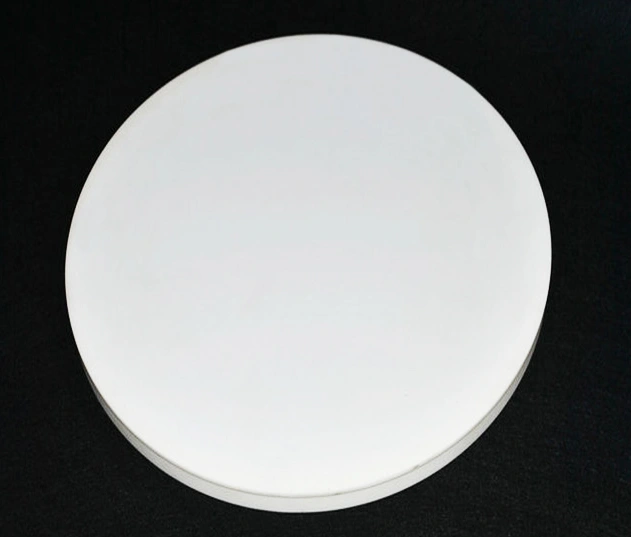
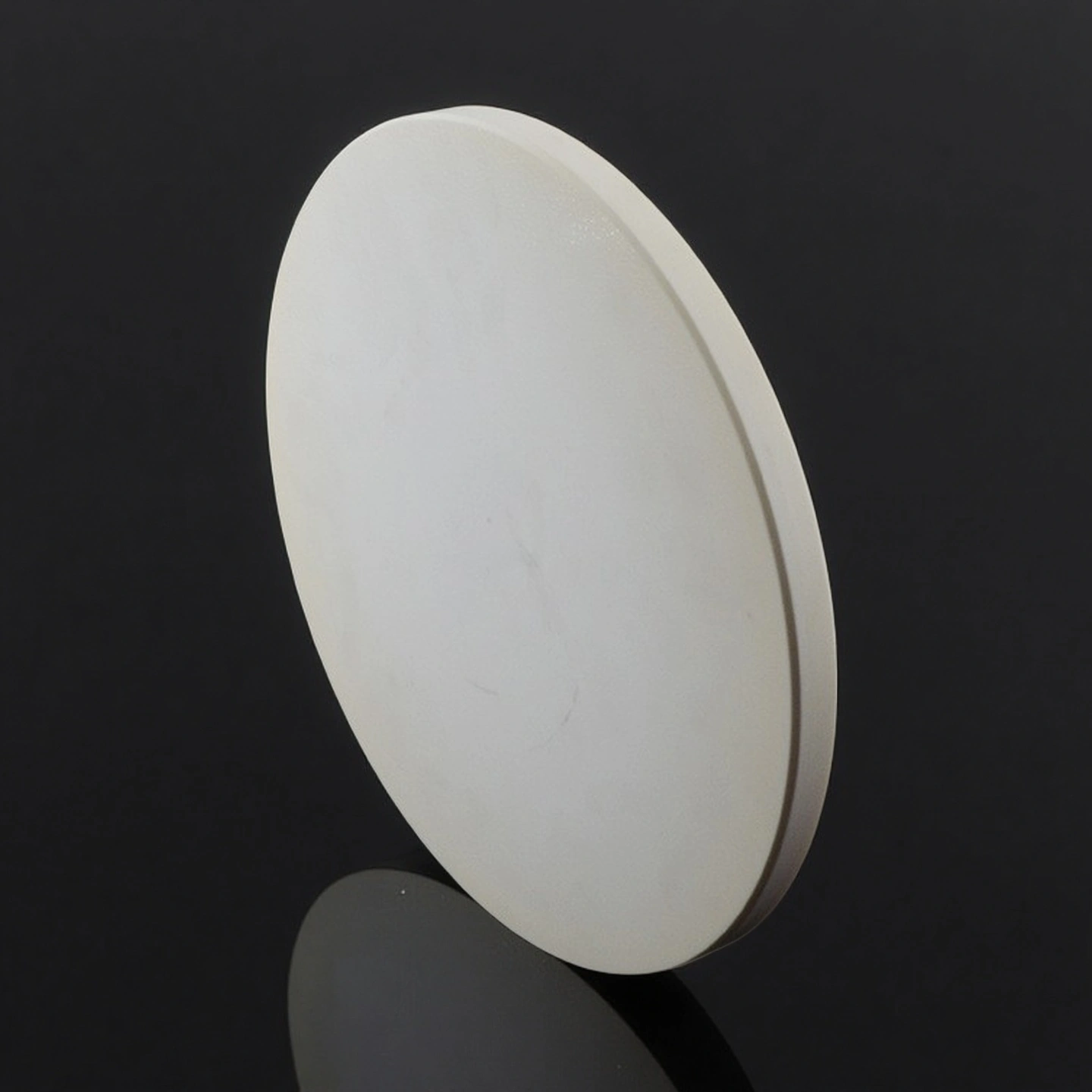
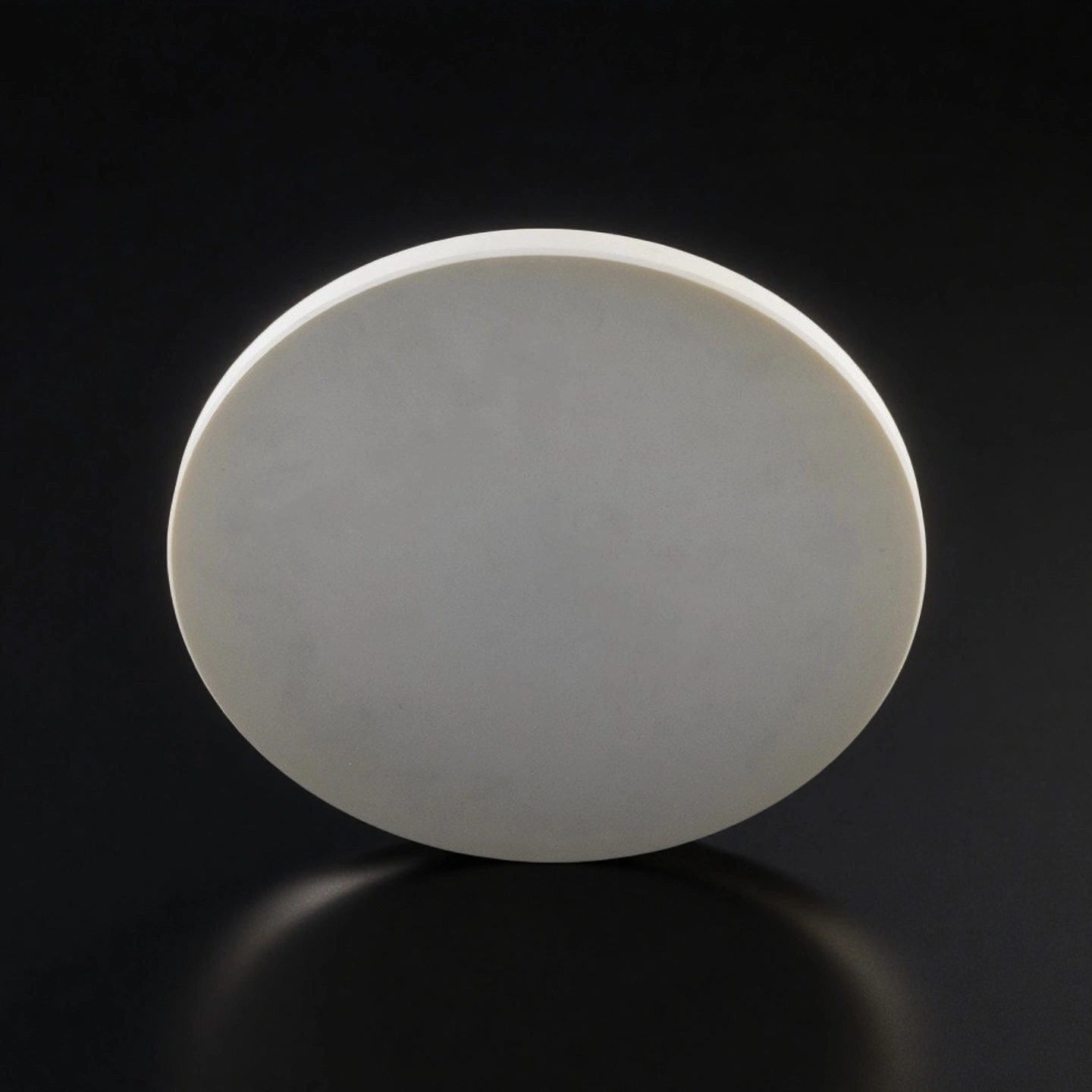
Alumina Wafer Polishing Carrier for CMP and Lapping of Semiconductor and Sapphire Wafers

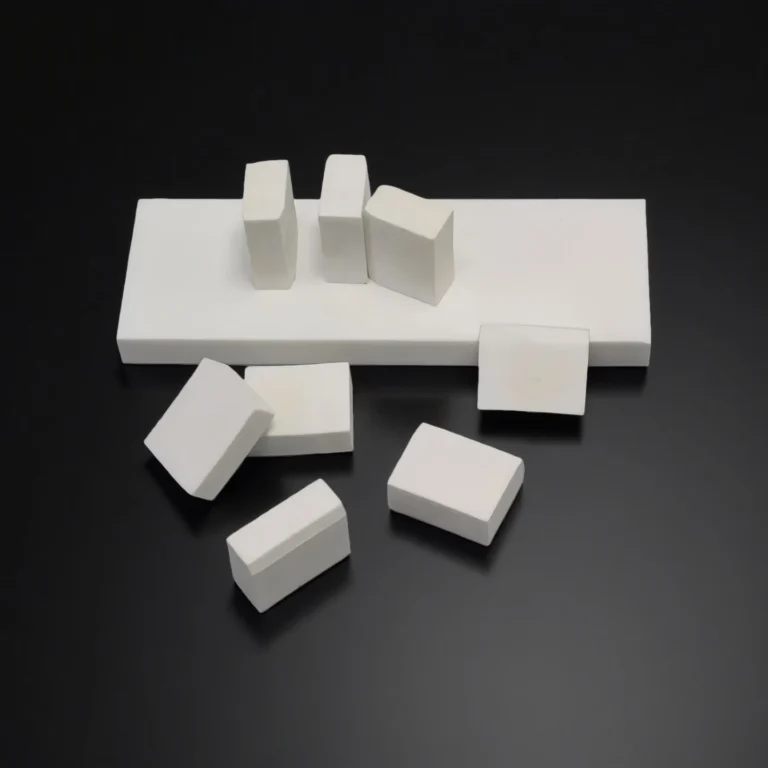
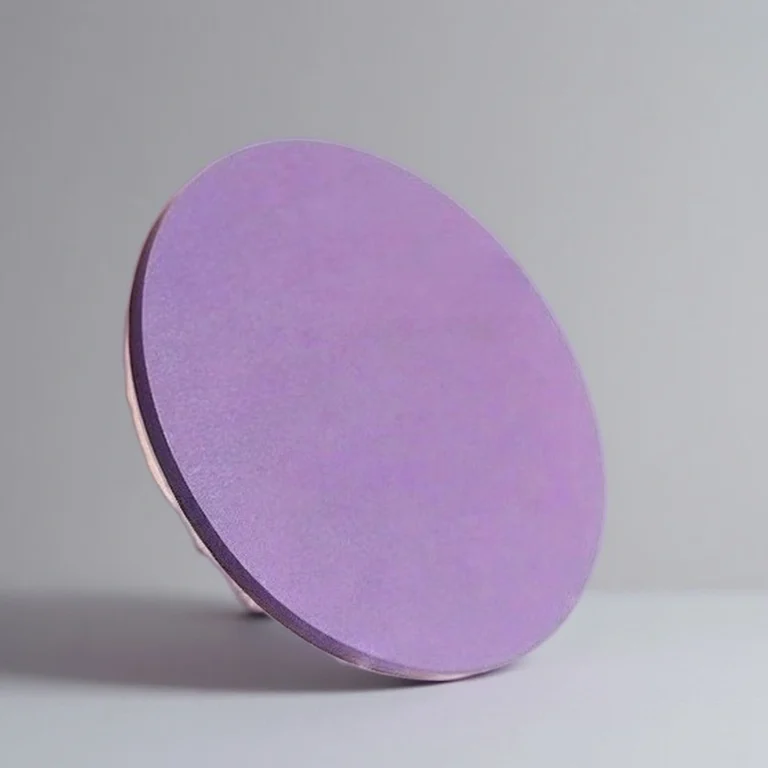
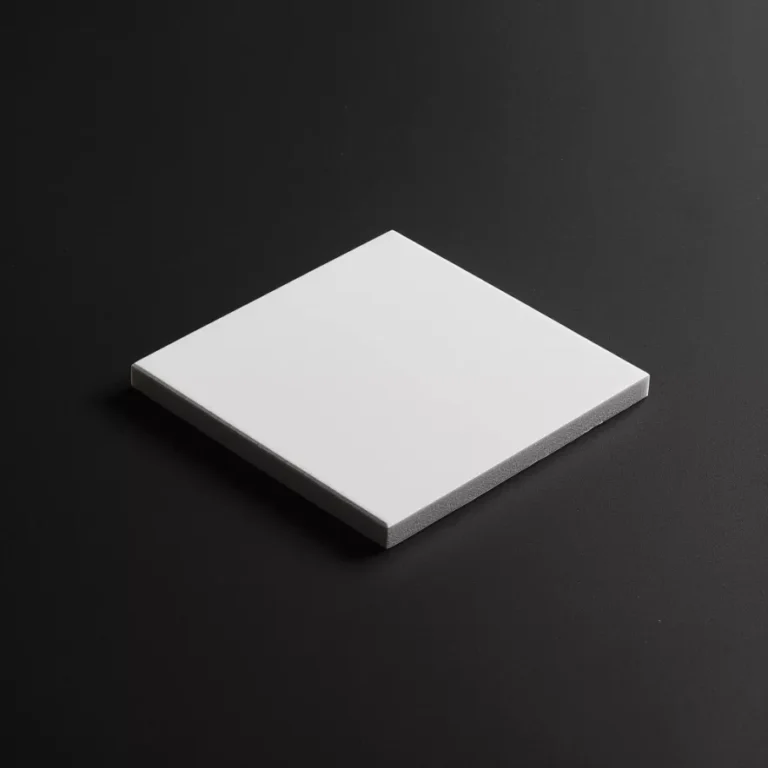
Alumina wafer carriers are ceramic plates, rings or boats designed to stabilize wafer handling and control contamination across multiple process steps. Standard 4″, 6″ and 8″ formats allow customized pockets, grooves and thicknesses, machined to ±0.05–0.1 mm in disc, ring or boat geometries, with optional polished surfaces for precision applications.

Catalog No. AT-BDT-B001
Material ≥ 96% Al2O3
Max Working Temperature 1700–1750 °C
Dimensional Tolerance ±0.2mm
Global flatness across carrier ≤1 µm (polished carrier variants)
24H Standard Dispatch
Small Batch Support OEM
Factory Direct
Expert Engineering Support

An alumina wafer carrier is a high-purity ceramic fixture—made from 99.7–99.9% alumina—designed to hold and support silicon, sapphire, and compound semiconductor wafers during processes such as diffusion, oxidation, wet cleaning, RIE and CMP. Its stable, inert structure protects wafers from deformation, particle contamination and metallic impurities while maintaining flatness through high-temperature and chemical environments.

Alumina Wafer Carrier Benefits

  • Designed for high temperature wafer processing
    Alumina wafer carriers tolerate furnace and diffusion steps up to roughly 1700–1750 °C, allowing repeated thermal cycling without the softening or deformation seen in many polymer-based carriers.

  • Flatness and stability for polishing and lapping
    Polished alumina polishing plates and carrier plates are specified with flatness down to the micrometer and even sub-micrometer level across large diameters, supporting uniform material removal in CMP and lapping.

  • Low contamination for higher wafer yield
    Industry studies show that particulate contamination can contribute to more than 60% of wafer yield loss, so robust, low-particle carriers are critical; high purity alumina carriers reduce organic outgassing compared with polymer boxes and contribute less micro-debris than many metal fixtures.

  • Chemically resistant in aggressive chemistries
    Alumina carrier plates withstand common wet cleaning chemistries and CMP slurries used in wafer cleaning and polishing processes, where they are exposed to oxidizers and abrasive suspensions over long periods.

  • Flexible geometries for different tools
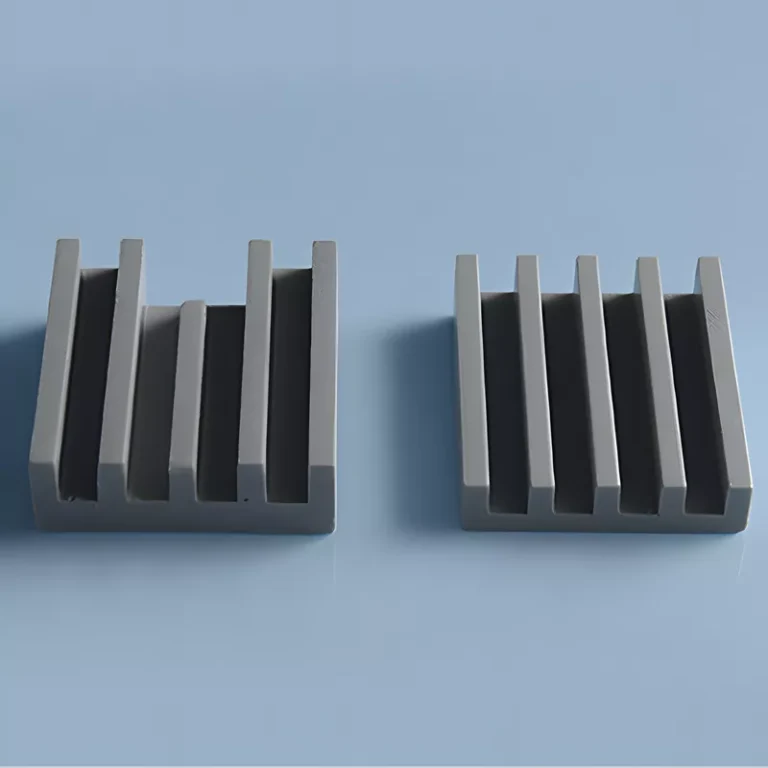
    Commercial alumina polishing plates and carrier plates are available as discs, rings and complex grooved forms up to several hundred millimeters in diameter, making it practical to match the fixture design to the diffusion furnace, CMP tool or cleaning bench.

Alumina Ceramic Wafer Carrier Properties

Property Unit 99.5% Al₂O₃ 99.6% Al₂O₃ 99.7% Al₂O₃ 99.8% Al₂O₃ 99.9% Al₂O₃ 99.99% Al₂O₃
Alumina content % 99.5 99.6 99.7 99.8 99.9 99.99
Density g/cm³ 3.89 3.91 3.92 3.93 3.94 3.98
Open porosity % 0
Color Ivory Ivory Ivory Ivory Ivory Ivory
Water absorption % 0 0 0 0 0
Young’s modulus (Elastic modulus) GPa 375 356 357 358 359 362
Shear modulus GPa 152
Bulk modulus GPa 228
Poisson’s ratio 0.22
Compressive strength MPa 2600 2552 2554 2556 2558 2570
Flexural strength MPa 379 312 313 314 315 320
Fracture toughness MPa·m¹ᐟ² 4
Hardness GPa 14.1 (≈1440 kg/mm²) 23 24 25 26 30
Thermal conductivity W/m·K 35 32–37 33–38 34–39 35–40 36–42
Thermal shock resistance ΔT °C 222 223 224 225 228
Maximum use temperature (no load) °C ≤1750 1755 1760 1765 1770 1800
Coefficient of thermal expansion 10⁻⁶/°C 8.4
Specific heat J/kg·K 880
Volume resistivity Ω·cm >1×10¹⁴ >1×10¹⁴ >1×10¹⁴ >1×10¹⁴ >1×10¹⁴ >1×10¹⁴
Dielectric constant (relative permittivity) 9.8 9.83 9.84 9.85 9.86 9.92
Dielectric strength kV/mm 16.9 23.2 23.4 23.6 23.8 24
Dissipation factor (loss factor @ 1 kHz) 0.0002

Alumina Wafer Carrier Specifications

Item No. Outer Dia(mm) Height(mm) Purity(%)
AT-BDT-B001 240 15 99.5
AT-BDT-B002 240 25 99.6
AT-BDT-B003 245 25 99.6
AT-BDT-B004 263 25 99.6
AT-BDT-B005 300 20 99.6
AT-BDT-B006 310 20 99.6
AT-BDT-B007 350 15 99.5
AT-BDT-B008 355 16 99.6
AT-BDT-B009 360 16 99.6
AT-BDT-B010 400 15 99


Alumina Ceramic Wafer Carrier Packaging

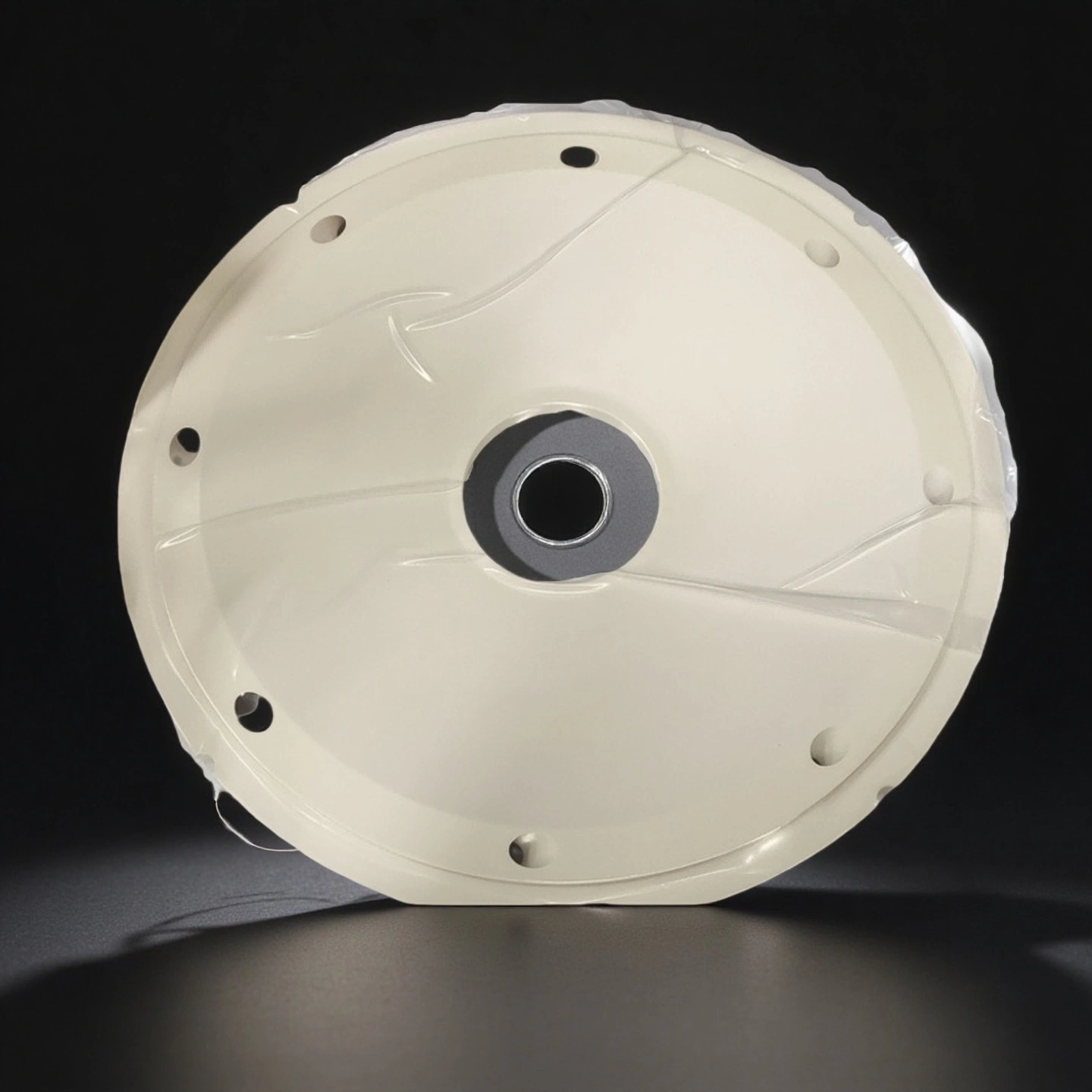
  • Carriers are first wrapped in clean, lint-free protective material to limit particle generation during transport, consistent with practices used for ceramic and polished wafer plates.
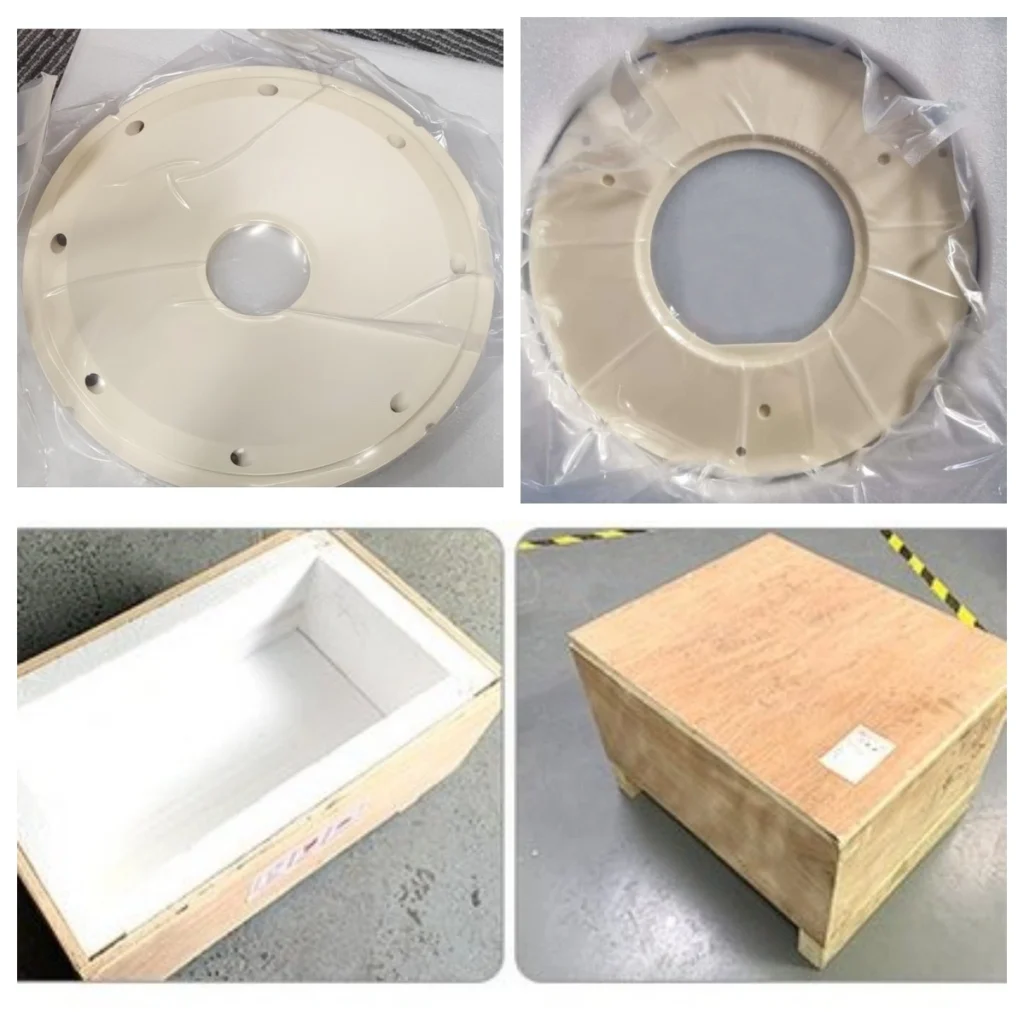

Packing


Al2O3 Ceramic Wafer Carrier Applications

  • Power semiconductor and SiC/GaN lines

    ✅Key Advantages

    1. High temperature diffusion and annealing carrier
    Alumina wafer carriers withstand multi-cycle heat treatments near 1700 °C in power device and SiC/GaN lines, where SiC carriers and alumina boats are already used in diffusion and oxidation equipment.

    2. Contamination-aware handling fixture
    By limiting particles and organic outgassing compared with polymer containers, alumina carriers contribute to reducing contamination that otherwise can account for over 60% of wafer yield loss.

    3. Stable geometry for tight device tolerances
    Flatness and dimension control similar to polished alumina substrates and plates supports uniform thermal distribution and mechanical support, which is critical when wafer bow and stress can impact device performance in power electronics.

    ✅ Problem Solved

    In many power semiconductor lines, micro-contamination and non-uniform thermal load during diffusion are major sources of latent defects. Published work on yield loss shows that particles alone can explain more than 60% of defective dies in some scenarios, and metallic or organic contamination from carriers and wet chemistries further impacts lifetime and cell efficiency. By using high purity alumina carriers with stable flatness and low outgassing instead of polymer boxes or heavily coated metals, fabs can better control contamination introduced during pre-diffusion cleaning and loading, mitigating a known contributor to yield loss.

  • CMP polishing and wafer thinning

    ✅Key Advantages

    1. Sub-micrometre flatness for CMP carrier plates
    Alumina polishing plates and carrier plates for CMP are specified with flatness values down to about 1 µm or even ≤0.05 µm surfaces across large diameters, addressing the flatness needed for defect-controlled polishing.

    2. Wear-resistant carrier for abrasive environments
    CMP and lapping use alumina or diamond slurries that would quickly wear softer metals; high purity alumina plates are documented as abrasion-resistant and capable of maintaining surface shape over long operation.

    3. Support for sapphire, semiconductor and optical wafers
    Alumina CMP carriers are already widely used for sapphire, silicon and other wafer types in CMP and lapping consumables, tying directly into existing polishing processes and slurries.

    ✅ Problem Solved

    In CMP, insufficiently flat or unstable carriers can create non-uniform removal, generate scratches and increase rework in sapphire, sensor and IC wafers. Technical data on alumina polishing plates shows that 99.7–99.9% alumina plates with micrometer-scale flatness and controlled surface roughness are now used to replace metal carriers, giving more stable surface shape and extending plate life under abrasive slurries. As a result, wafer manufacturers can reduce scrap from polishing defects and maintain tighter thickness and flatness control across batches.

  • PV, LED and research wafer handling

    ✅Key Advantages

    1. High throughput PV and LED wafer support
    Carriers and boats are needed to support silicon solar cells and LED wafers through high-temperature steps such as diffusion and firing, where ceramic carriers help maintain wafer alignment and reduce breakage.

    2. Laboratory cleaning and RIE carrier
    Wet cleaning procedures for SC-1/SC-2 and RIE chamber preparation commonly reference the use of wafer carriers to hold and move wafers safely through chemical benches and RIE tools. Alumina carriers offer a ceramic option for labs needing higher temperature capability or lower organic contamination.

    3. Flexible formats for university and R&D fabs
    Small lots, partial wafers and special substrates are often handled in custom carriers; alumina carrier plates can be machined in small sizes with polished surfaces and tight tolerances similar to alumina substrates used in electronics research.

    ✅ Problem Solved

    In PV and LED lines, as well as university micro-fabrication facilities, throughput and budget constraints make it important to avoid wafer breakage and extend fixture life. Ceramic carrier plates and boats for PV and LED equipment are already used to achieve stable handling at high temperatures. Combining this with alumina’s resistance to cleaning chemistries used in academic recipes gives operators a reusable wafer carrier that outlasts many polymer solutions and reduces the frequency of fixture replacement and tool cleaning.


Alumina Wafer Carrier Usage Instructions

  • Installation and setup

    1. Verify that the alumina wafer carrier dimensions and pocket layout match the tool specification and wafer size before loading.
    2. Inspect the carrier visually under suitable lighting for edge chips or surface cracks that could shed particles during handling.
    3. When first integrating into CMP or furnace tools, run a short test sequence with dummy wafers to confirm clearances and temperature ramp compatibility.

  • Operation

    1. Load wafers gently into the pockets or onto the carrier surface, avoiding sliding that could scratch polished surfaces.
    2. Follow the tool’s ramp-up and ramp-down recommendations to minimize thermal shock, especially at temperatures approaching 1700 °C.
    3. In wet cleaning benches, keep the carrier fully submerged during chemical steps and rinses so that wafers remain supported, following established SC-1/SC-2 and DI rinse protocols.

  • Storage

    1. After use and cleaning, store alumina carriers in clean, closed containers or racks to avoid dust accumulation and contact with hard metallic edges.
    2. Keep storage environments dry and at room temperature; avoid stacking carriers directly on each other without spacers.

  • Cleaning and maintenance

    1. Remove loose particles by rinsing with deionized water and, if needed, using ultrasonic cleaning in a suitable solvent or cleaning solution, similar to the methods used for alumina ceramics and wafer cleaning.
    2. Dry carriers in a clean oven or laminar flow area to prevent re-deposition of airborne particles.
    3. Inspect carriers periodically for wear in pocket edges and surface scratches; replace when defects could translate into wafer damage or increased particles.

  • Typical user mistakes and how to handle them

    1. Rapid thermal cycling cracking the carrier
    If a carrier has been exposed to sudden temperature changes beyond the tool’s ramp profile, micro-cracks may appear. In this case, remove the carrier from service and inspect similar carriers; adjust furnace or tool recipes to respect recommended ramp rates for ceramic fixtures.

    2. Residual slurry or cleaner on carrier surfaces
    In CMP and wet cleaning, leftover slurry or chemicals can dry on the carrier and later generate particles. Use a complete post-process cleaning flow with DI rinses and, where appropriate, dedicated ceramic cleaners before drying.

    3. Using damaged pockets that chip the wafer edges
    If users continue to load wafers into chipped pockets, edge cracks and breakage will increase. Establish a visual inspection routine and mark or retire carriers with clear pocket damage to prevent wafer loss.

Alumina Wafer Carrier FAQ

  1. Q: Why choose an alumina wafer carrier instead of a polymer carrier?
    A: Polymer carriers can outgas and introduce organic contaminants, while alumina wafer carriers tolerate high temperatures and contribute fewer volatile species and particles, helping to reduce contamination-related yield loss.
  2. Q: What wafer sizes can an alumina wafer carrier handle?
    A: Typical alumina wafer carriers are made for 4", 6" and 8" wafers, with custom designs also used for special sizes, sapphire wafers and non-standard substrates in polishing and diffusion applications.
  3. Q: How flat can an alumina wafer carrier be made?
    A: Data for alumina polishing plates and substrates shows flatness down to the micrometre and even sub-micrometre range across large diameters so that alumina wafer carriers can be specified with similar flatness for CMP and lapping.
  4. Q: What is the maximum recommended temperature for an alumina wafer carrier?
    A: Alumina wafer boats and plates used in semiconductor and polishing applications are rated for long-term operation up to around 1700–1750 °C, provided that heating and cooling rates are controlled to avoid thermal shock.
  5. Q: Is an alumina wafer carrier suitable for CMP processes?
    A: Yes. Alumina wafer polishing plates are already used as CMP carrier plates, where their hardness, wear resistance and flatness stability support controlled material removal in chemical mechanical polishing of sapphire and semiconductor wafers.
  6. Q: How should an alumina wafer carrier be cleaned?
    A: Cleaning methods for alumina ceramics involve immersion in suitable cleaning agents, ultrasonic agitation, thorough DI water rinsing and clean drying, similar to the procedures described for wafer cleaning and alumina components.

Alumina Ceramic Wafer Carriers Reviews

  • ⭐️⭐️⭐️⭐️⭐️
    We introduced alumina wafer carriers on one of our SiC diffusion tools to replace older metal fixtures. The carriers held shape at our higher anneal temperatures and contributed to a measurable drop in particle-related excursions.
    -- Dr. Laura Stein – Process Engineer, Helios Power Devices GmbH
  • ⭐️⭐️⭐️⭐️⭐️
    Using alumina wafer polishing carriers with controlled flatness has helped our CMP line maintain thickness targets on sapphire wafers. The carriers run longer between reconditioning than our earlier metal plates.
    -- Michael Harris – Operations Director, Northshore Wafer Polishing Inc.
  • ⭐️⭐️⭐️⭐️⭐️
    Working with a Chinese factory like ADCERAX for alumina wafer carriers gave us access to custom pocket patterns in small batches. Pricing remained competitive while still meeting the tolerances our engineers requested.
    -- Kenji Sato – Purchasing Manager, Osaka Sensor Systems Co., Ltd.
  • ⭐️⭐️⭐️⭐️⭐️
    For our RIE and wet benches, alumina wafer carriers from an overseas supplier have been a reliable option. Custom sizes, quick drawing support and consistent quality allowed us to standardize fixtures across different tools.
    -- Ana Rodriguez – Lab Manager, Centro de Microfabricación Universitario
customize size

Custom Alumina Wafer Carrier

A dedicated alumina wafer carrier line allows you to match the carrier geometry, flatness and surface finish to your diffusion furnace, CMP tool or cleaning bench.

1. Wafer size and format
4″, 6″ and 8″ wafers, partial wafers, diced-die carriers or special formats tailored to specific tool recipes and throughput requirements.

2. Overall carrier dimensions
Outer/inner diameters, carrier thickness and step heights, with machining tolerances typically held within ±0.05–0.1 mm depending on geometry and wafer seating requirements.

3. Pocket and groove patterns
Pocket count, pocket diameter, groove width, depth and alignment layout to fit required wafer numbers (e.g., 11–12 pieces of 4″ wafers per boat-type carrier), including custom chip-support recesses for fragile substrates.

4. Carrier type /geometry
Flat plate carriers, CMP polishing discs, ring carriers for turntables, or boat-style carriers for vertical/horizontal diffusion lines, each configurable for airflow, thermal uniformity and wafer spacing control.

5. Surface finish options
As-sintered, fine-ground or mirror-polished surfaces, with functional faces available down to ~0.05 μm Ra for CMP, precision lapping or low-defect wafer support applications.

6. Material grade selection
Multiple alumina grades available to match mechanical, thermal and chemical requirements; higher grades selectable for CMP, sapphire processing or ultra-clean wafer handling environments.

7. Colour and identification
White, ivory or black alumina options to support visual contrast, tool tracking, laser marking or ID coding aligned with factory automation systems.

8. Edge, chamfer and corner details
Custom chamfer radii, bevels and rounded edges to reduce wafer edge stress, particle generation and contact damage during high-cycle operations.

9. Mounting and handling features
Optional slots, tabs, notches or pin-alignment features for automated loaders, transfer robots, or furnace rail systems.

10. Thermal and structural design adjustments
Carrier mass, ribbing structures and airflow channels configurable to optimize heat distribution and minimize warpage during high-temperature steps.

Related Products

ADCERAX - Your Trusted Advanced Ceramics Manufacturing Partner

Direct factory manufacturing with comprehensive ceramic materials expertise and global supply capabilities

Direct Factory Manufacturing

China-based ceramic materials production facility with state-of-the-art equipment

Engineering Team

Experienced professionals in advanced ceramics applications and custom design

Quality Control

Strict quality control standards for technical ceramics manufacturing and quality management

Global Supply Chain

Serving customers worldwide with technical ceramics and rapid response

24/7 Technical Support

Round-the-clock support for ceramic components inquiries and technical assistance

500+ Satisfied Customers

Trusted by global customers for advanced ceramic materials and precision components

Get in touch with us

Our team will be happy to respond to you in less than 24 hours.

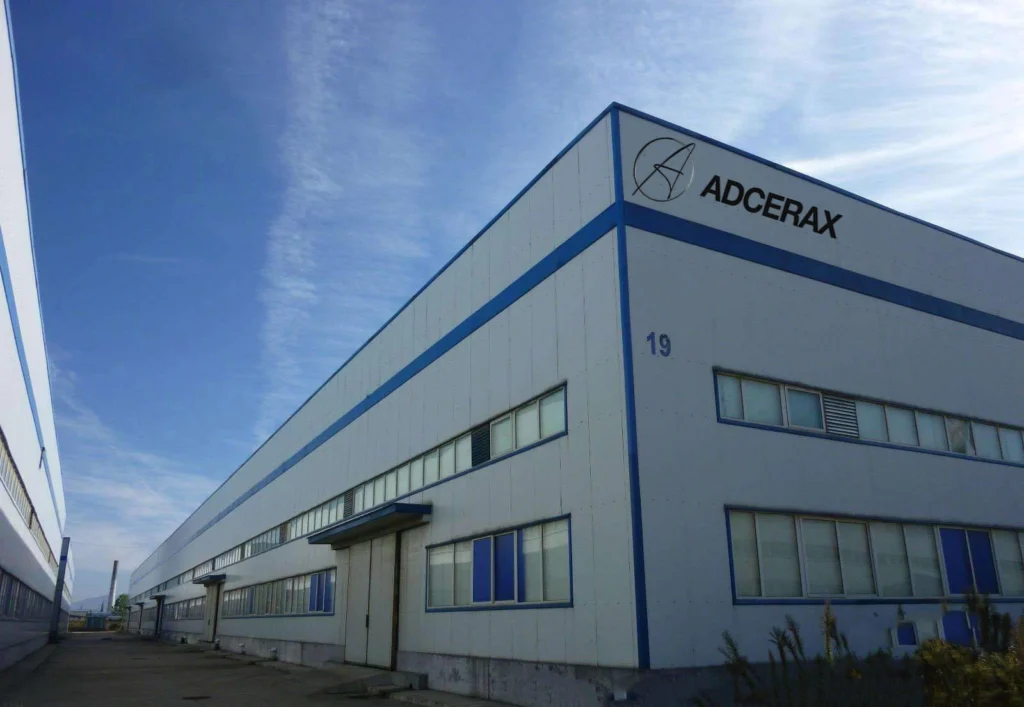
Adcerax's factory

Quick Quotation

*Our team will answer your inquiries within 24 hours.

*Your information will be kept strictly confidential.

Ready to Solve Your Engineering Challenge?

Partner with ADCERAX for reliable, high-performance advanced ceramic solutions. Our engineers are ready to discuss your project.

E-mail

info@adcerax.com

Phone

+(86) 0731-74427743 | WhatsApp: +(86) 19311583352

Response Time

Within 24 hours

Quick Quote

The more details you provide, the faster we can quote.

*We respond within 24 hours. All inquiries are confidential.

Download Catalog

Get Your Custom Sulution

The more details you provide, the faster we can respond.

customize size

*We respond within 24 hours. All inquiries are confidential.

Download Catalog