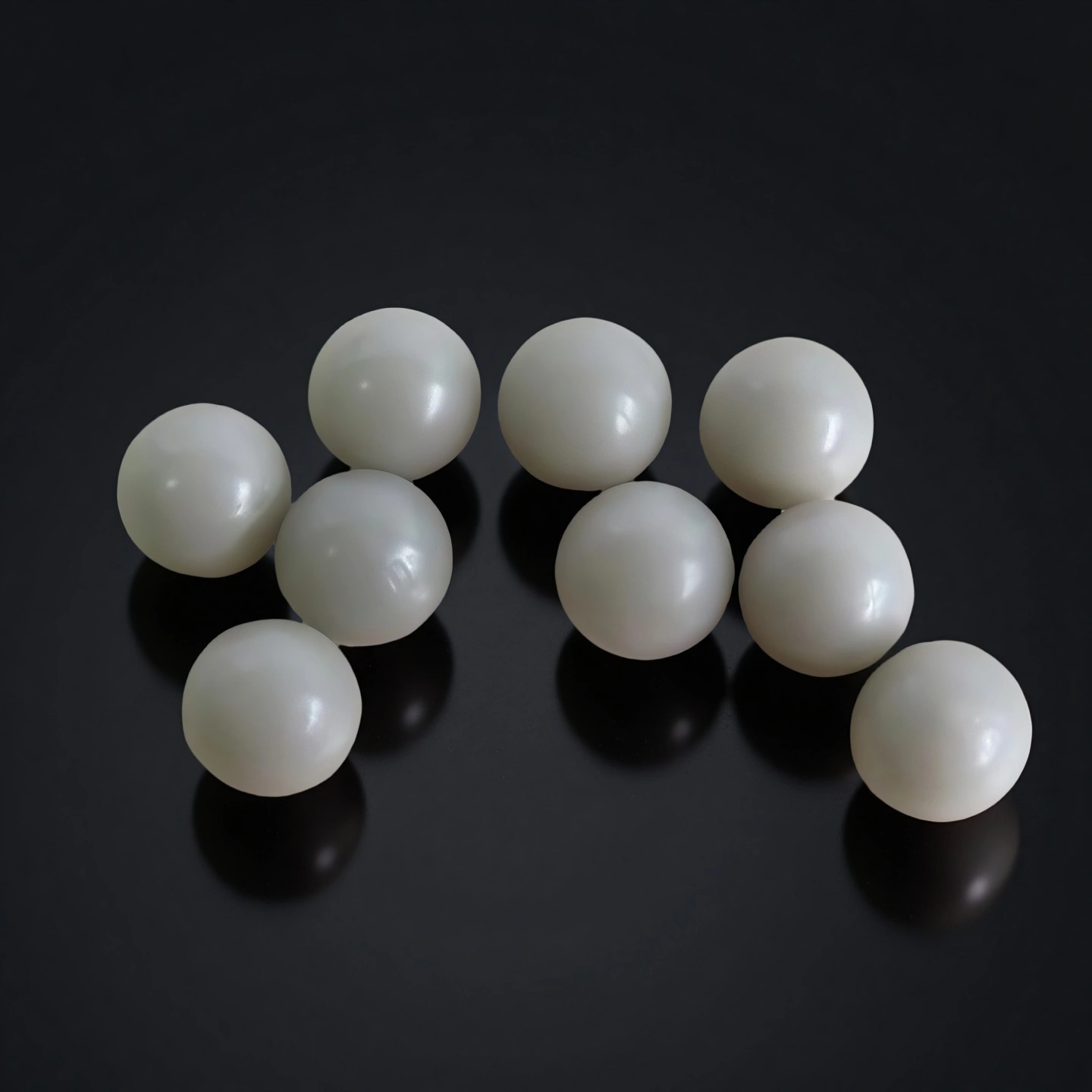
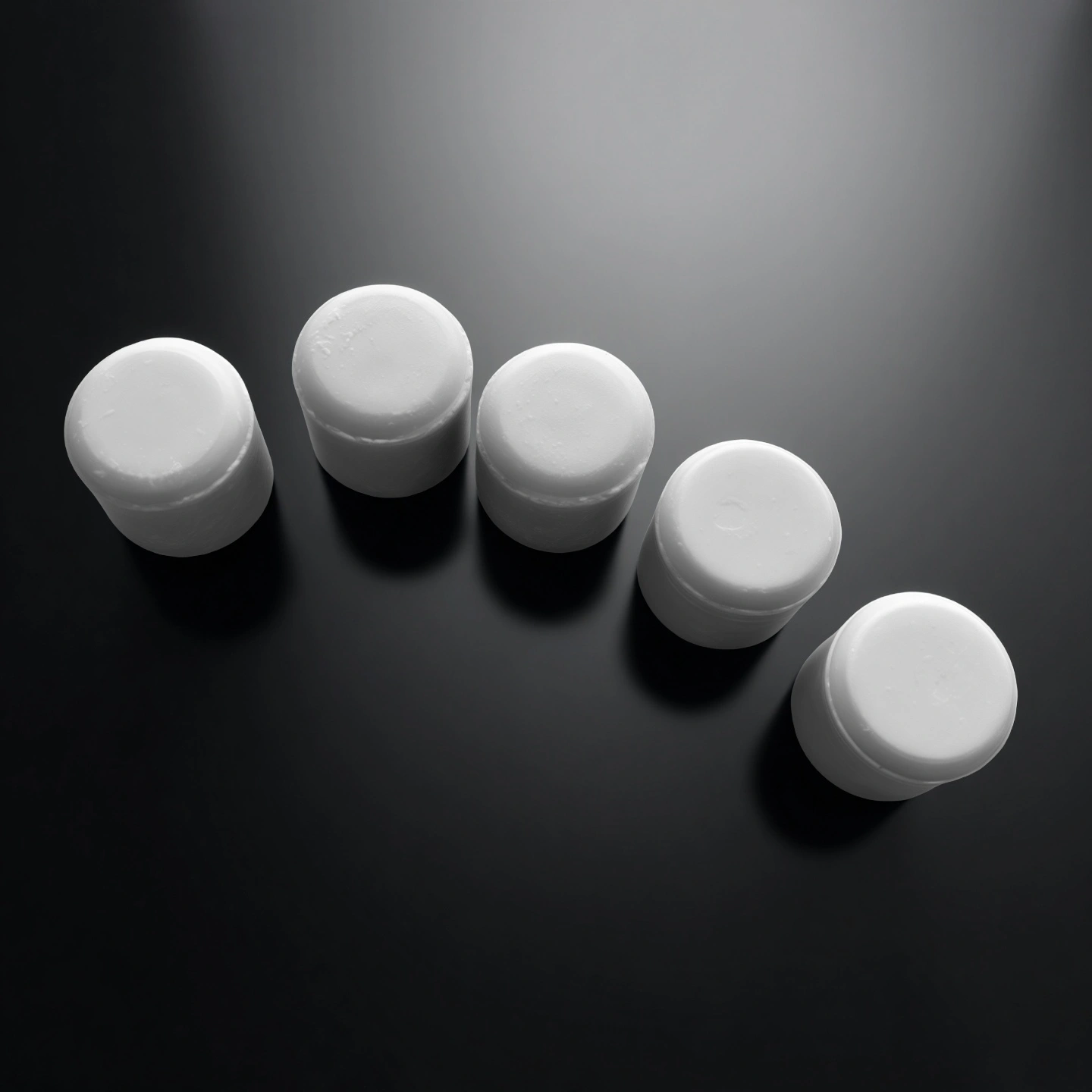
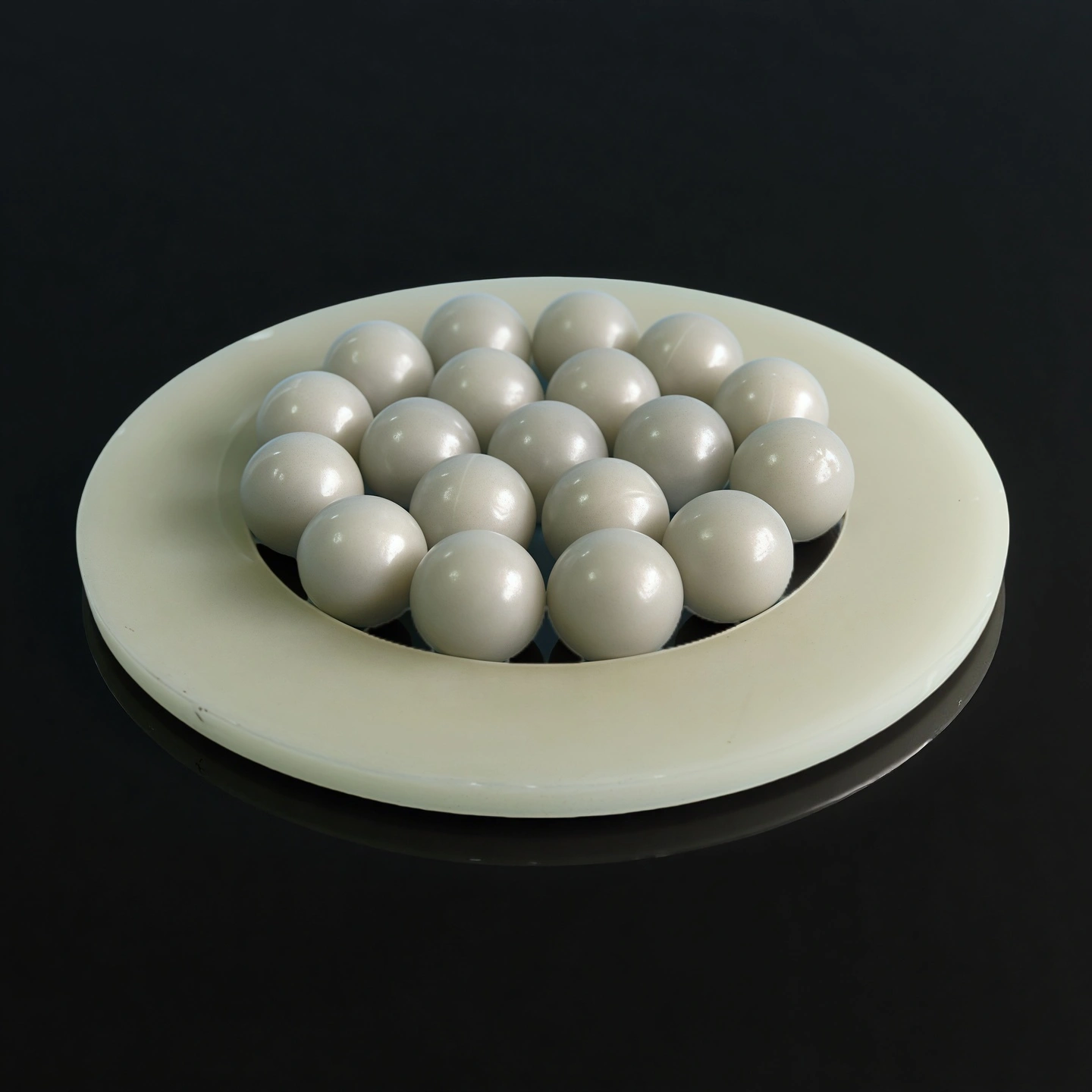
Aluminum Nitride Ceramic Ball for Thermal and Electrical Insulation

ADCERAX supplies aluminum nitride ceramic ball in standard diameters from 0.5 mm to 10 mm and supports custom aluminum nitride ceramic ball designs up to around 20 mm diameter with defined tolerances, surface roughness and lot-to-lot consistency, based on customer drawings or samples.

Catalogue No. AT-AIN-001
Material  Aluminum Nitride
Thermal Conductivity 170–190 W/m·K at room temperature
Volume Resistivity  ≥10¹³–10¹⁴ Ω·cm at room temperature
Coefficient of Expansion ~4.5–4.7 ×10⁻⁶ K⁻¹ (20–300°C)
24H Standard Dispatch
Small Batch Support OEM
Factory Direct
Expert Engineering Support

Aluminum nitride ceramic ball is a spherical advanced-ceramic component made from high-purity aluminum nitride (AlN), engineered to deliver high thermal conductivity, strong electrical insulation, and stable mechanical performance in compact spaces. It is widely used in power electronics, SiC/GaN modules, LED cooling systems, precision valves, insulating bearings, and laboratory thermal setups where heat must be transferred efficiently without introducing electrical pathways.


Aluminium Nitride Ceramic Ball  Benefits

  • Efficient Spherical Heat Conduction
    Each aluminum nitride ceramic ball provides isotropic heat conduction with thermal conductivity typically in the 170–190 W/m·K range, improving heat flow through packed beds or interface layers compared with alumina-based balls.

  • Combined Thermal and Electrical Functions
    The material’s high volume resistivity above 10¹³–10¹⁴ Ω·cm allows the aluminum nitride ceramic ball to act as both a thermal path and an electrical insulator in compact designs where metal balls cannot be used safely.

  • Precision Diameter and Sphericity
    AIN ceramic balls can be produced with controlled diameter tolerances down to about ±0.01–0.02 mm for small sizes and defined sphericity grades, supporting accurate clearances in valves, seats and bearing races.

  • Low Contamination and Clean Surfaces
    Aluminum nitride ceramic ball does not introduce metallic debris or corrosion products into the system, which is important in clean fluids, vacuum environments and sensitive electronic assemblies.

  • Stable Performance at Elevated Temperatures
    The ceramic maintains mechanical strength and insulating properties across a wide temperature range, often up to 800–900°C in air and higher in inert atmospheres, which supports long-term operation in hot zones of power electronics and process equipment.

Aluminium Nitride Bead Properties

Property Content Unit Unit ALN-170 ALN-200 ALN-230
Basic Properties Color gray light yellow light yellow
Density g/cm³ 3.2-3.3 3.2-3.3 3.2-3.3
Surface Roughness μm 0.2-0.75 0.2-0.75 0.2-0.8
Camber length ‰ ≤3‰ ≤3‰ ≤3‰
Hardness HV 1100 1100 1100
Thermal Properties Max Operating Temperature °C 1100 1100 1100
Thermal Conductivity W/m·K 170-190 190-220 220-230
Coefficient of Thermal Expansion 10⁻⁶/K(20-400°c) 4-5 4-5 4-5
Coefficient of Thermal Expansion 10⁻⁶/K(400-800°c) 5-6 5-6 5-6
Mechanical Properties Flexural Strength MPa 300-400 350-450 400-500
Tensile Strength MPa 200-300 250-350 280-380
Compressive Strength MPa 2000-3000 2200-3200 2500-3500
Electrical properties Dielectric Constant at 1MHz 8-9 8-9 8-9
Dielectric strength KV/mm ≥15 ≥15 ≥15
Volume resistivity 20℃ Ω.cm ≥1014 ≥1014 ≥1014


Aluminium Nitride Ceramic Ball  Specifications

Aluminum Nitride Ceramic Ball
Item No. Diameter (mm)
AT-AIN-001 5.0
AT-AIN-002 5.2
AT-AIN-003 11.2


Aluminium Nitride Ball Packaging

  • Aluminum nitride ceramic balls are packed in clean, anti-static or neutral plastic bags or blister trays to keep sizes separated and avoid surface damage.
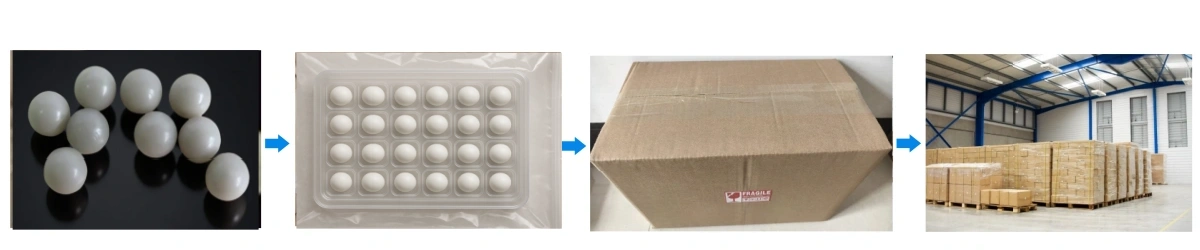
Aluminium Nitride Ball Packaging

Aluminum Nitride Ceramic Ball Applications

  • Power Electronics and Thermal Interface Systems

    ✅Key Advantages

    1. Thermal Path in Packed Structures – Aluminum nitride ceramic ball forms a high thermal conductivity packing bed around modules or heat sources, helping to reduce local temperature peaks.
    2. Electrically Insulated Filler – The AIN ceramic ball works as an insulating thermal filler between live components and grounded housings, reducing the risk of short circuits.
    3. Geometry for Flowable Filling – Spherical geometry allows aluminum nitride ball to flow into cavities or channels where plates or blocks cannot be installed easily.

    ✅ Problem Solved

    A power electronics manufacturer used alumina-based filler around a SiC module and recorded case temperatures around 95–100°C at a given load. After switching to aluminum nitride ceramic ball as the main thermal filler, with similar packing density, measured case temperatures were reduced by approximately 8–12°C under the same operating conditions, which increased estimated module lifetime according to their internal thermal-cycle models.

  • Precision Valves and Fluid Control Components

    ✅Key Advantages

    1. Stable Spherical Sealing Element – Aluminum nitride ceramic ball can act as a ceramic valve ball in corrosive or electrically sensitive fluids, combining sealed contact with insulation.
    2. Consistent Diameter for Leakage Control – Tight control of ball diameter and sphericity helps reduce internal leakage and improve repeatability of opening and closing behavior.
    3. Non-Metallic Option for Special Fluids – For fluids that must avoid metallic contamination, aluminum nitride ball provides a non-metallic sealing and throttling element.

    ✅ Problem Solved

    A European valve producer previously used stainless-steel balls in a test valve for an electrically sensitive fluid. They observed micro-corrosion and small but measurable changes in fluid conductivity over several weeks. After replacing the metallic balls with aluminum nitride ceramic balls of matched size, the corrosion-related deposit was no longer observed and leakage rates stayed within their tight specifications over more than 100,000 open–close cycles in laboratory endurance tests.

  • Bearings, Rolling Elements and Laboratory Systems

    ✅Key Advantages

    1. Lightweight, Insulating Rolling Element – Aluminum nitride ceramic ball provides an insulating rolling element option with lower density than many metals, which helps reduce inertia in certain bearing designs.
    2. Use as Precision Spacers and Supports – Laboratory setups use AIN precision balls as defined-height supports and spacers in furnaces or test rigs.
    3. Thermal Stability in Hot Zones – The aluminum nitride ceramic ball maintains its geometry and functional properties across repeated thermal cycles in many lab furnaces or hot stages.

    ✅ Problem Solved

    A materials lab used steel balls as support contacts in a high-temperature fixture and noticed that repeated heating and cooling caused oxidation and dimension change, requiring frequent replacement. When they adopted aluminum nitride ceramic ball supports for the same fixture, the supports stayed within dimensional tolerance after multiple hundreds of hours of operation at elevated temperature, reducing fixture maintenance intervals and improving measurement repeatability.

AlN Ceramic Ball Usage Instructions

  • Installation

    1. Verify the aluminum nitride ceramic ball diameter and grade against the design drawing before assembly.
    2. When pressing balls into seats or cages, use appropriate jigs and avoid impact loads that can induce micro-cracks.
    3. For packed-bed or filler applications, fill gradually and monitor packing density to avoid excessive mechanical stress on individual balls.

  • Usage

    1. Keep operating temperature and atmosphere within the recommended range for aluminum nitride ceramics and for the specific design.
    2. Avoid sudden mechanical impacts on loaded AIN ceramic balls, especially in thin-walled seats or high-stress points.
    3. For bearing or rolling applications, check that the lubrication or fluid medium is compatible with both the ceramic and any metallic partner surfaces.

  • Storage1. Store aluminum nitride ceramic balls in their labeled original packaging in a dry, clean area.
    2. Do not stack heavy items on top of packages containing precision balls to avoid deformation of trays or bags.
    3. Separate different sizes and grades clearly to prevent mixing during production.
  • Cleaning

    1. Clean aluminum nitride ceramic balls with suitable solvents or deionized water when required, then dry completely to avoid leaving residues.
    2. Avoid harsh mechanical cleaning methods such as aggressive blasting that can change surface roughness or diameter.
    3. For critical electronic or vacuum applications, consider final cleaning and handling under controlled conditions.

  • Common Use Issues and Handling

    1. Issue: Ball Surface Damage from Hard Tools
    Possible cause: Using metal tweezers or tools directly on the ceramic surface.
    Handling: Use soft or coated tools to hold and place aluminum nitride ceramic ball, especially for small diameters.

    2. Issue: Unexpected Leakage or Play in Valves or Seats
    Possible cause: Ball size mismatch or incorrect tolerance selection.
    Handling: Confirm ball diameter and grade; review drawings and define tighter tolerances for sealing-critical locations.

    3. Issue: Ball Fracture During Assembly
    Possible cause: Excessive local mechanical force or misalignment.
    Handling: Adjust assembly process, use alignment fixtures, and distribute loads more evenly across multiple balls or wider areas.

FAQ – Aluminum Nitride Ceramic Ball

  1. Q: How does an aluminum nitride ceramic ball differ from an alumina ceramic ball?
    A: Aluminium nitride ceramic ball typically has thermal conductivity in the 170–190 W/m·K range, several times higher than common alumina ceramics, while both materials remain electrical insulators.
  2. Q:Can aluminum nitride ceramic balls replace metal balls in valves or bearings?
    A: Aluminum nitride ceramic balls can replace metal balls where electrical insulation, corrosion resistance or lower contamination is required, but the design must be reviewed to account for the different toughness and stiffness of ceramics.
  3. Q: What tolerances can be achieved on aluminum nitride ceramic ball diameter?
    A: For many sizes of aluminum nitride ceramic ball, tolerances on diameter can be set in the range of about ±0.01–0.03 mm depending on the ball size and grade, and higher precision can be evaluated for special applications.
  4. Q: Is aluminum nitride ceramic ball suitable for thermal filler or packed-bed applications?
    A: Yes, aluminum nitride ceramic ball is often used as a high thermal conductivity ceramic ball in thermal filler, packed beds or interface zones where heat must be conducted while maintaining electrical insulation.
  5. Q: What information is needed to design a custom aluminum nitride ceramic ball?
    A: For a custom AIN ceramic ball, diameter, tolerance, grade, surface roughness, operating temperature, atmosphere and expected annual volume are important parameters to define.
  6. Q: How do aluminum nitride ceramic balls compare with silicon nitride ceramic balls?
    A: Aluminum nitride ceramic ball offers higher thermal conductivity and strong insulation, while silicon nitride ceramic ball is typically chosen when higher fracture toughness and mechanical shock resistance are required.

Aluminum Nitride Ceramic Ball Reviews

  • ⭐️⭐️⭐️⭐️⭐️
    We introduced aluminum nitride ceramic balls from ADCERAX into a thermal interface layer around our SiC modules. The packing arrangement lowered the measured case temperature by around 10°C at full load compared with our previous filler and helped us reach our lifetime target.
    -- Daniel K., Power Module Design Engineer, GridWave Technologies (USA)
  • ⭐️⭐️⭐️⭐️⭐️
    Our team needed non-metallic balls for a prototype valve used with electrically sensitive fluids. The aluminum nitride ceramic ball sizes from ADCERAX matched our drawings closely, and the leakage and durability results from internal testing were within specification without design changes.
    -- Sofia L., Procurement Manager, EuroValve Systems (Germany)
  • ⭐️⭐️⭐️⭐️⭐️
    We used micro-size aluminum nitride ceramic balls as part of a thermal filler concept in a compact LED board. The ability to define both size distribution and surface finish gave us more control over the heat path from the junction to the housing.
    -- Jaehoon P., Senior Process Engineer, Lumisemi Lighting (Korea)
  • ⭐️⭐️⭐️⭐️⭐️
    For a high-temperature testing fixture we replaced metallic supports with aluminum nitride ceramic balls. The fixture now shows more repeatable temperature profiles, and the balls have remained dimensionally stable over multiple long tests.
    -- Maria G., R&D Lab Supervisor, ThermoLab Instruments (Italy)
customize size

Customize Aluminum Nitride Ceramic Ball

ADCERAX offers custom aluminum nitride ceramic ball production where you can define diameter range, tolerances, surface finish and inspection criteria to match your existing equipment and process requirements.

  • Diameter Range
    You can define ball diameters from 0.3 mm to 20 mm, with size-specific tolerance bands and measurement criteria.

  • Diameter Tolerances
    Micro aluminum nitride ceramic balls can target ±0.01 mm, while larger sizes typically follow ±0.02–0.03 mm, depending on production feasibility and intended application.

  • Sphericity /Grade Level
    Grades such as G5–G20 can be specified when the aluminum nitride ceramic ball is used in precision valves, micro bearings, or alignment structures that rely on strict spherical geometry.

  • Surface Roughness Requirements
    Surface finish can be set between Ra 0.1–0.4 μm to match sealing interfaces, rolling contacts, or dense packing applications.

  • Bulk Density and Porosity Control
    Target density or porosity levels may be defined to ensure consistent thermal conductivity, mechanical strength, and batch uniformity.

  • Thermal /Electrical Performance Targets
    Minimum thermal conductivity, volume resistivity, and temperature stability requirements can be added to align with thermal interface, insulation, or high-temperature duty cycles.

  • Batch Inspection Specifications
    You can define sampling rules, D10/D50/D90 size distribution checks, dimensional statistics, and visual inspection thresholds for lot acceptance.

  • Cleanliness Standards
    Cleanliness levels—general industrial, low-contamination, or lab-grade—can be specified for applications involving electronics, vacuum systems, and sensitive fluids.

  • Special Operating Conditions
    Maximum operating temperature, environment (air /inert gas/vacuum), and mechanical load limits can be provided to guide appropriate material processing and finishing routes.

Related Products

ADCERAX - Your Trusted Advanced Ceramics Manufacturing Partner

Direct factory manufacturing with comprehensive ceramic materials expertise and global supply capabilities

Direct Factory Manufacturing

China-based ceramic materials production facility with state-of-the-art equipment

Engineering Team

Experienced professionals in advanced ceramics applications and custom design

Quality Control

Strict quality control standards for technical ceramics manufacturing and quality management

Global Supply Chain

Serving customers worldwide with technical ceramics and rapid response

24/7 Technical Support

Round-the-clock support for ceramic components inquiries and technical assistance

500+ Satisfied Customers

Trusted by global customers for advanced ceramic materials and precision components

Get in touch with us

Our team will be happy to respond to you in less than 24 hours.

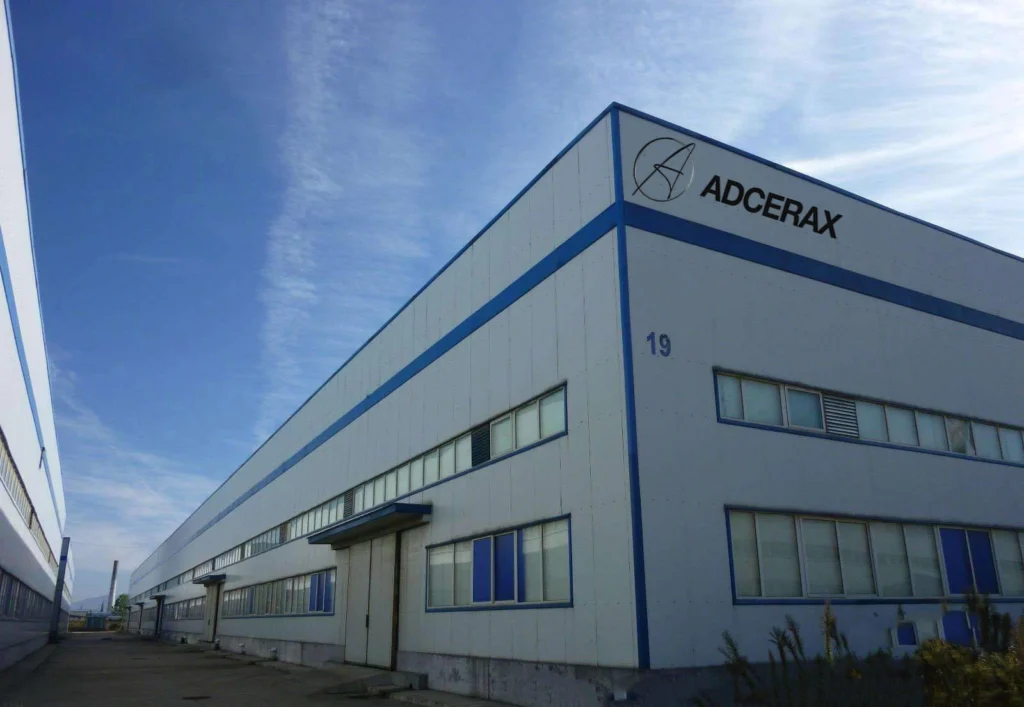
Adcerax's factory

Quick Quotation

*Our team will answer your inquiries within 24 hours.

*Your information will be kept strictly confidential.

Ready to Solve Your Engineering Challenge?

Partner with ADCERAX for reliable, high-performance advanced ceramic solutions. Our engineers are ready to discuss your project.

E-mail

info@adcerax.com

Phone

+(86) 0731-74427743 | WhatsApp: +(86) 19311583352

Response Time

Within 24 hours

Quick Quote

The more details you provide, the faster we can quote.

*We respond within 24 hours. All inquiries are confidential.

Download Catalog

Get Your Custom Sulution

The more details you provide, the faster we can respond.

customize size

*We respond within 24 hours. All inquiries are confidential.

Download Catalog