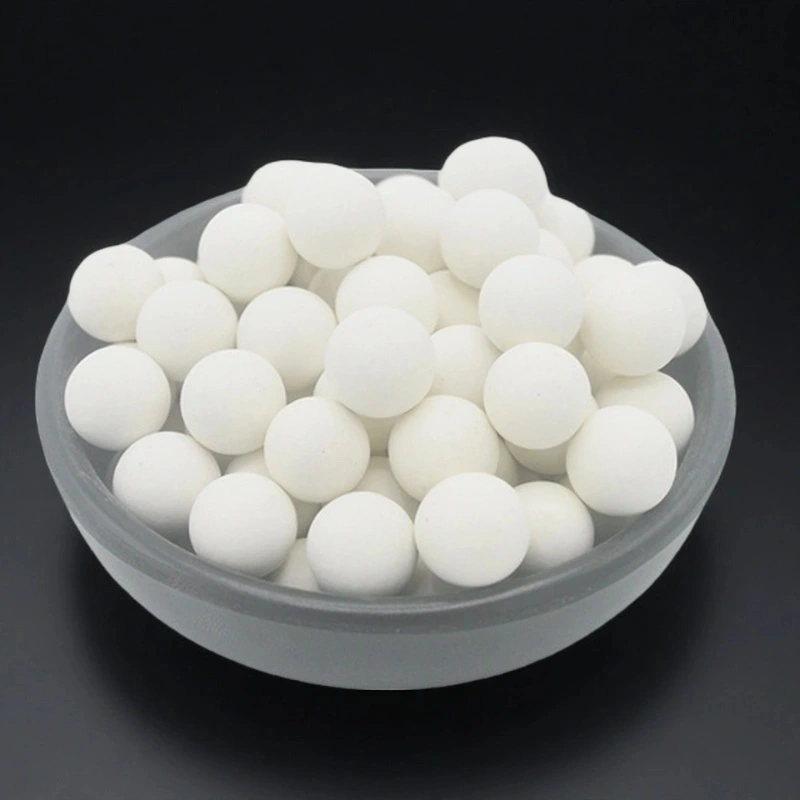
High Alumina Refractory Balls for Furnaces, Reactors and Heat Storage Beds

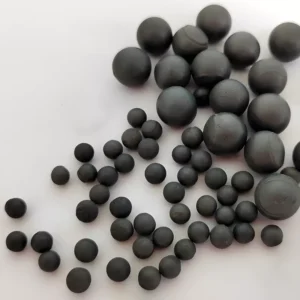
ADCERAX supplies high alumina refractory balls for heat storage beds, catalyst support layers, regenerative furnaces, hot blast stoves, RTO systems and high-temperature ceramic packing. Available alumina grades, diameters and packing designs can be reviewed according to operating temperature, chemical atmosphere, bed load, pressure drop and replacement requirements.

Catalogue No. AT-YM-H001
Alumina Content (Al₂O₃) 92% – 99%
Crushing Strength (per ball) ≥ 8,500 N (for Ø25mm ball)
Maximum Service Temperature ≥1400°C(92% )
Dimensions/Sizes Available by diameter and loading design
Engineering RFQ Review
Small-Batch Custom Support
Factory-Direct Manufacturing
Drawing & Process Review

High alumina refractory balls are dense Al₂O₃ ceramic spheres used as heat storage media, inert support media and high-temperature packing in furnaces, reactors and regenerative thermal systems. Compared with ordinary refractory fillers, they provide higher thermal stability, better crushing strength, lower dust generation and improved resistance to chemical attack in demanding industrial environments.

What Are High Alumina Refractory Balls?

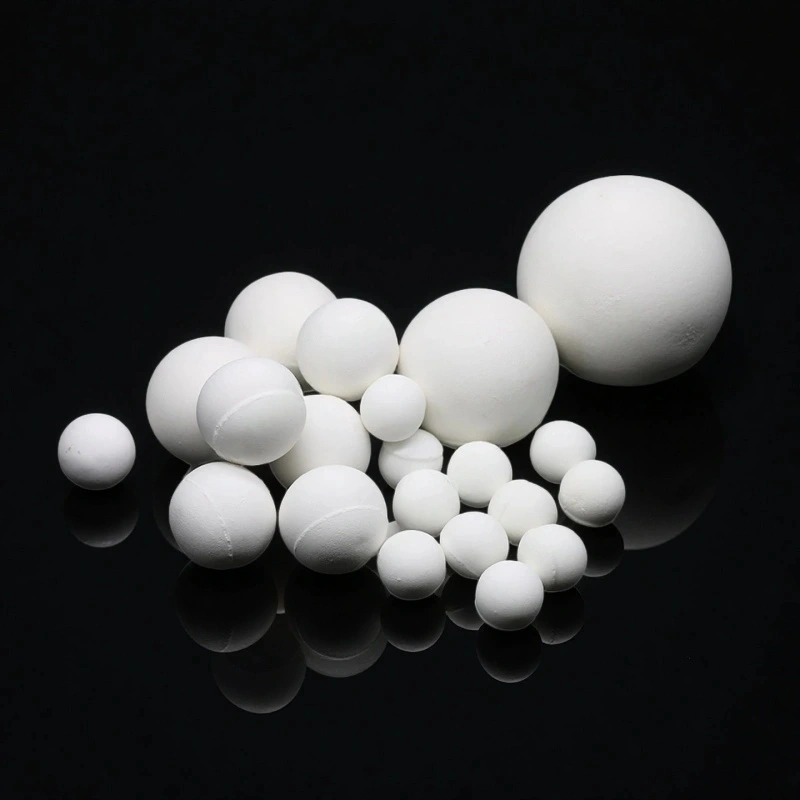
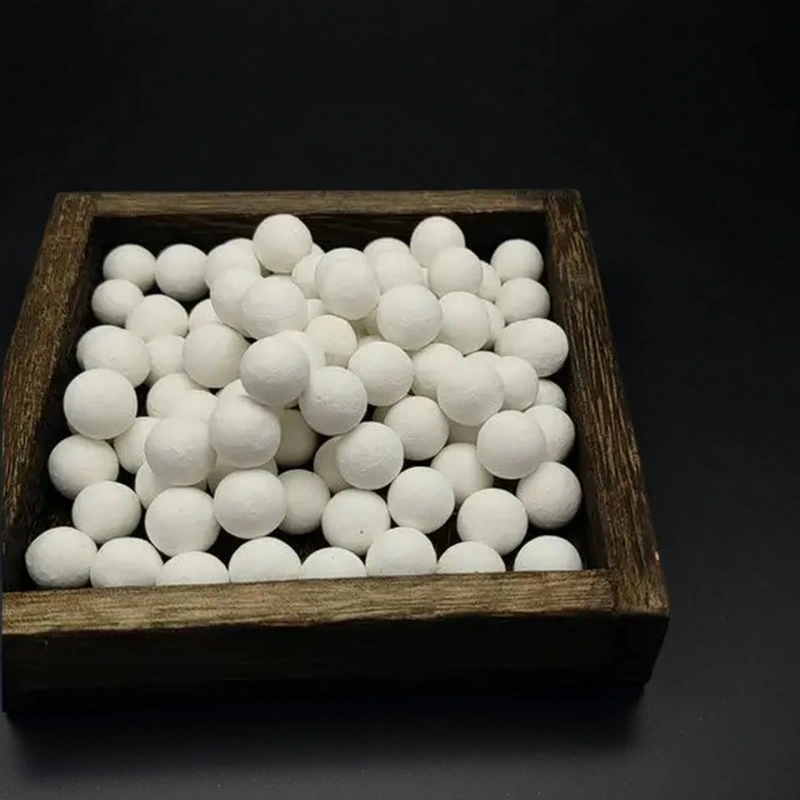
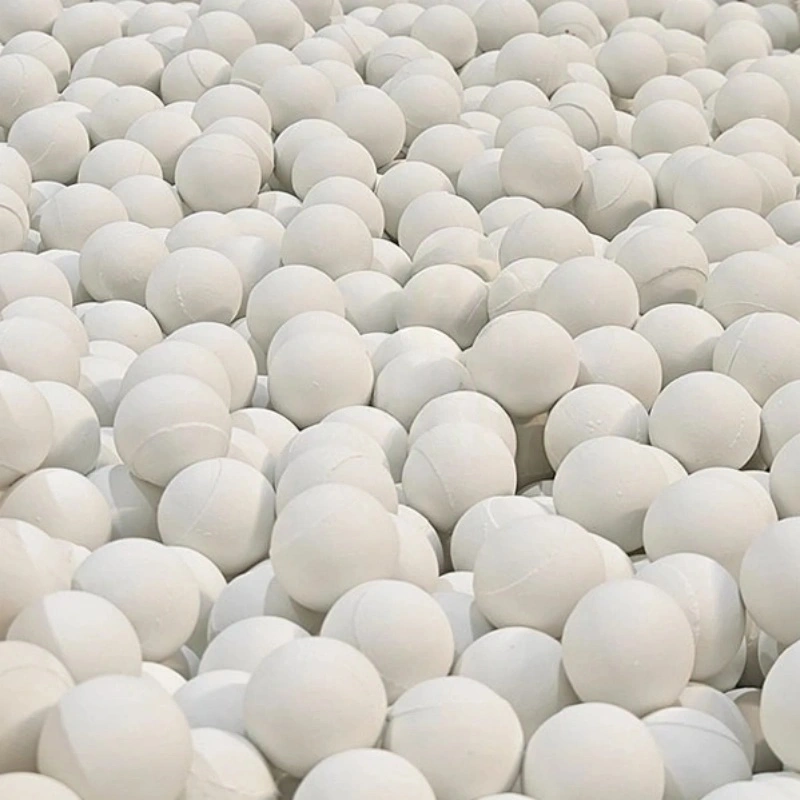
High alumina refractory balls are heat-resistant ceramic balls made mainly from alumina-based ceramic materials. They are designed to withstand high temperature, mechanical loading, thermal cycling and chemical exposure inside packed beds or heat storage chambers.

In industrial systems, they are commonly used to store and transfer heat, support catalyst layers, distribute gas flow, protect downstream catalyst beds, and maintain stable packed-bed structure. The final material grade should be selected according to temperature, chemical atmosphere, impurity sensitivity and mechanical loading conditions.

Key Advantages for Furnace and Reactor Service

High temperature stability

High alumina refractory balls can maintain structural stability in high-temperature furnace and reactor environments where ordinary ceramic or low-grade refractory fillers may deform, crack or generate dust.

Strong crushing resistance

A dense ceramic structure helps the balls withstand static bed load and repeated thermal cycling, reducing the risk of broken particles blocking gas passages or increasing pressure drop.

Chemical inertness

High-purity alumina grades help reduce unwanted reactions with process gases, chemicals or catalyst systems. For catalyst support applications, low silica and low impurity content are especially important.

Stable heat storage performance

The spherical shape and dense alumina structure support repeatable heat absorption and heat release in regenerative furnace systems, hot blast stoves and RTO heat recovery beds.

Reduced contamination risk

Properly selected high alumina balls can reduce dusting, leaching and impurity release compared with lower-grade ceramic packing materials.

Material Grades and Technical Properties

Parameter Typical Option Why It Matters
Alumina Content 92%, 95%, 99%, selected higher purity grades Higher purity is preferred for catalyst support, chemical reactors and low-contamination applications.
Ball Diameter 3 mm to 75 mm, depending on bed design Diameter affects pressure drop, void ratio, heat transfer and bed stability.
Crushing Strength Confirmed by diameter and grade Important for packed beds exposed to load, vibration and thermal cycling.
Bulk Density Reviewed by grade and packing method Helps estimate bed weight, thermal mass and replacement quantity.
Water Absorption Low absorption preferred Reduces moisture-related cracking and contamination risk.
Thermal Shock Resistance Application dependent Important in RTO systems, regenerative burners and frequent heating-cooling cycles.
Chemical Resistance Alumina grade dependent Needed for reactors, chemical gas streams and catalyst protection.
Operating Temperature Confirmed by grade and atmosphere Final suitability depends on load, atmosphere and thermal cycling, not temperature alone.


Standard Sizes of High Alumina Refractory Balls
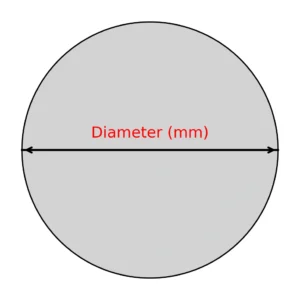
alumina balls size of diameter

High Alumina Refractory Ball
Item No. Diameter (mm)
AT-YM-H001 0.5
AT-YM-H002 1
AT-YM-H003 2
AT-YM-H004 3
AT-YM-H005 4
AT-YM-H006 5
AT-YM-H007 6
AT-YM-H008 7
AT-YM-H009 8
AT-YM-H010 9
AT-YM-H011 10
AT-YM-H012 11
AT-YM-H013 12
AT-YM-H014 13
AT-YM-H015 14

How to Select the Right Alumina Grade

92% alumina balls are usually suitable for heat storage beds, regenerative furnaces, metallurgical heating systems and general high-temperature packing where thermal stability and mechanical strength are the main concerns.

95% alumina balls can be considered when higher purity, better wear resistance or lower impurity content is required, but the application does not require very high-purity 99% alumina.

99% alumina balls are preferred for catalyst support, chemical reactors and low-contamination process environments where silica, iron and other impurities need closer control.

The final grade should be selected based on operating temperature, chemical atmosphere, catalyst sensitivity, bed load, pressure drop and maintenance interval.

High Alumina Refractory Ball Packaging

  • High alumina refractory balls are packaged in 25 kg heavy-duty plastic bags, which are then placed inside 1-ton jumbo bags with inner waterproof liners. The jumbo bags are palletized and shrink-wrapped for secure, moisture-free international transport.
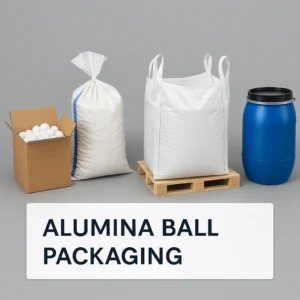
High Alumina Refractory Ball Packaging

High Alumina Refractory Ball Applications

  • Steel and Metallurgical Furnace Heat Storage Beds

    High alumina refractory balls are used in hot blast stoves, regenerative furnaces and selected metallurgical heating systems where stable heat storage and repeated thermal cycling are required. Their dense alumina structure helps maintain bed strength, reduce dust formation and support efficient heat transfer between hot gas and incoming air or fuel gas.

    Key selection points include operating temperature, bed height, thermal cycling rate, gas velocity, pressure drop and replacement interval.

  • Catalyst Bed Support in Chemical and Petrochemical Reactors

    High-purity alumina refractory balls can be used as inert ceramic support media in fixed-bed reactors, catalyst protection layers and chemical processing towers. They help distribute flow, support catalyst layers and reduce direct mechanical stress on catalyst particles.

    For this application, buyers should pay close attention to alumina purity, silica content, iron content, crushing strength, particle size distribution and chemical compatibility with the process medium.

  • Regenerative Thermal Oxidizer Heat Recovery Beds

    In RTO systems, high alumina refractory balls can work as ceramic heat recovery media exposed to repeated heating and cooling cycles. The spherical geometry supports gas flow through the bed, while the alumina ceramic body helps store and release heat during valve-switching operation.

    Important selection factors include thermal shock condition, gas contaminants, dust loading, bed depth, cleaning method and expected maintenance cycle.

  • High-Temperature Ceramic Packing and Gas Distribution

    High alumina refractory balls may also be used as ceramic packing or flow distribution media in selected furnaces, kilns, towers and thermal processing equipment. They provide a stable ceramic filling material where metal packing or low-grade refractory materials may suffer from oxidation, deformation or contamination.

Usage and Maintenance Guide for High Alumina Refractory Balls

Proper handling and maintenance of high alumina balls will extend their service life and reduce your operational costs.

  • Installation

    Before loading, confirm that the support grid, screen, retaining layer and reactor or furnace bottom are clean, stable and suitable for the selected ball diameter. Load the balls carefully to avoid excessive drop height, edge impact or concentrated mechanical shock. For layered beds, each size should be loaded according to the specified bed design.

  • Operation

    1. Avoid sudden, extreme temperature shocks during the initial heat-up. Follow a controlled temperature ramp-up schedule, such as 50-100°C per hour.
    2. Ensure process gases are filtered to prevent particulate matter from fouling the bed.
    3. Monitor the pressure drop across the bed; a gradual increase may indicate fouling or ball breakage.

  • Cleaning

    For dry dust, compressed air or controlled vacuum cleaning may be used when the equipment design allows it. For sticky deposits or chemical contamination, the cleaning method should be reviewed before use because aggressive cleaning, rapid quenching or incompatible chemicals may damage the ceramic media.

  • Replacement

    Replacement should be considered when the bed shows severe crushing, abnormal pressure drop, reduced heat recovery efficiency, excessive dust, chemical attack or visible bed collapse. For critical reactors and RTO systems, inspection should be planned during scheduled shutdowns.

  • Common Issues & Solutions

    1. Issue: Increased pressure drop.
    Possible Cause: Ball breakage or particulate fouling.
    Solution: Investigate the top layer for dust. If breakage is suspected, a partial or full replacement may be needed at the next scheduled shutdown. Contact our technical support for analysis.

High Alumina Refractory Ball FAQ

  1. What are high alumina refractory balls used for?
    High alumina refractory balls are used as heat storage media, inert catalyst bed support, ceramic packing and gas distribution media in furnaces, reactors, hot blast stoves, regenerative burners and RTO systems. They help support packed-bed structure, improve heat transfer and reduce contamination from lower-grade fillers.
  2. What is the difference between refractory balls and inert alumina ceramic balls?
    Refractory balls are often selected for heat storage and high-temperature furnace service, while inert alumina ceramic balls are usually selected for catalyst support and chemical reactor applications. In many projects, the same alumina ceramic ball may need to satisfy both thermal stability and chemical inertness requirements.
  3. Should I choose 92% or 99% alumina refractory balls?
    92% alumina balls are commonly used for heat storage beds, hot blast stoves and general furnace packing. 99% alumina balls are preferred for catalyst support, chemical reactors and low-contamination applications where lower silica and lower impurity content are important.
  4. What ball size should be used in a packed bed?
    The correct ball size depends on bed height, gas flow, pressure drop, support grid opening, catalyst particle size and heat transfer requirements. Smaller balls provide tighter packing and higher surface area, while larger balls help reduce pressure drop and improve flow stability in thick beds.
  5. Can high alumina refractory balls withstand thermal shock?
    High alumina refractory balls can handle many high-temperature thermal cycling conditions, but the actual thermal shock resistance depends on alumina grade, ball diameter, heating rate, cooling rate and process atmosphere. For RTO and regenerative furnace service, the start-up and shutdown procedure should be reviewed carefully.
  6. Will high alumina balls contaminate catalysts?
    High-purity alumina balls are selected for catalyst support because they can reduce silica leaching, dust generation and unwanted chemical reaction risk. For sensitive catalyst systems, buyers should confirm alumina purity, silica content, iron content and other impurity limits before ordering.
  7. What information is needed for a quotation?
    Useful RFQ information includes alumina grade, ball diameter, required quantity, equipment type, operating temperature, process atmosphere, chemical medium, bed height, pressure drop condition, packaging requirement and any required inspection standard.

RFQ Information Needed

To review your high alumina refractory ball requirement, please provide the following information when available:

  1. Equipment type, such as reactor, furnace, hot blast stove, RTO system or regenerative burner.
  2. Required alumina grade or impurity limit.
  3. Ball diameter or existing bed loading design.
  4. Operating temperature and thermal cycling condition.
  5. Process gas, chemical medium or catalyst sensitivity.
  6. Bed height, loading volume or estimated replacement quantity.
  7. Required crushing strength, bulk density or pressure drop condition.
  8. Packaging, shipment and inspection requirements.
customize size

Customization Services for High Alumina Balls

We provide engineering support to produce high alumina balls tailored to your specific application drawings and process conditions. What you can specify:

1. Alumina Content & Purity

  • Standard Grades: 92% Al₂O₃ for thermal use, 99% Al₂O₃ for high-purity, inert applications.
  • Custom Options: Tailored Al₂O₃ levels (e.g., 95%, 99.5%) with controlled impurities (low SiO₂, Fe₂O₃) to avoid catalyst poisoning.

2. Size & Precision

  • Diameter Range: 3 mm – 75 mm.
  • Tolerance: ±1.0 mm for bulk, ±0.2 mm for precision needs.
  • Sphericity: Controlled roundness for stable packing and flow.

3. Porosity & Density

  • Porosity: <1% for strength, 5–10% for surface area.
  • Bulk Density: Adjustable for heat capacity and strength balance.

4. Surface Finish

  • As-Fired: Cost-effective for general use.
  • Polished: Smooth, low-friction, dust-free for grinding or fluid applications.
  • Custom Ra: For specialized flow control.

5. Mechanical & Thermal Performance

  • Crushing Strength: Defined minimum to prevent breakage under load.
  • Thermal Shock Resistance: Optimized for processes with rapid temperature cycling.

Related Products

ADCERAX - Your Trusted Advanced Ceramics Manufacturing Partner

Direct factory manufacturing with comprehensive ceramic materials expertise and global supply capabilities

China-Based Manufacturer

ADCERAX supplies ceramic components for overseas OEMs, equipment builders, and labs.

Custom Drawing Support

We review drawings, dimensions, materials, and application conditions before quotation.

Ceramic Process Control

Forming, sintering, machining, grinding, and finishing are arranged by part requirements.

Pre-Shipment Inspection

Dimensional checks, visual inspection, and packaging review help reduce procurement risk.

Get in Touch with Us

Our team will be happy to respond to you in less than 24 hours.

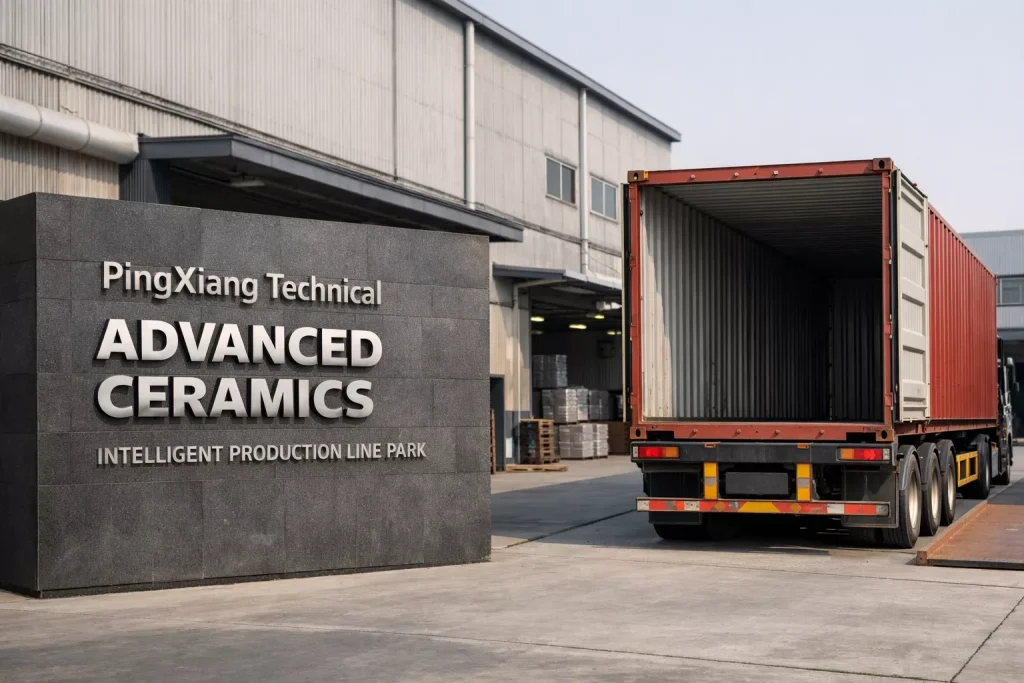
Pingxiang Factory — Silicon carbide, silicon nitride, high-temperature ceramics

Quick Quotation

*Our team will answer your inquiries within 24 hours.

*Your information will be kept strictly confidential.

Ready to Solve Your Engineering Challenge?

Partner with ADCERAX for reliable, high-performance advanced ceramic solutions. Our engineers are ready to discuss your project.

E-mail

info@adcerax.com

Phone

+(86) 0731-74427743 | WhatsApp: +(86) 19311583352

Response Time

Within 24 hours

Quick Quote

The more details you provide, the faster we can quote.

*We respond within 24 hours. All inquiries are confidential.

Get Your Custom Solution

The more details you provide, the faster we can respond.

customize size

*We respond within 24 hours. All inquiries are confidential.

Download Catalog