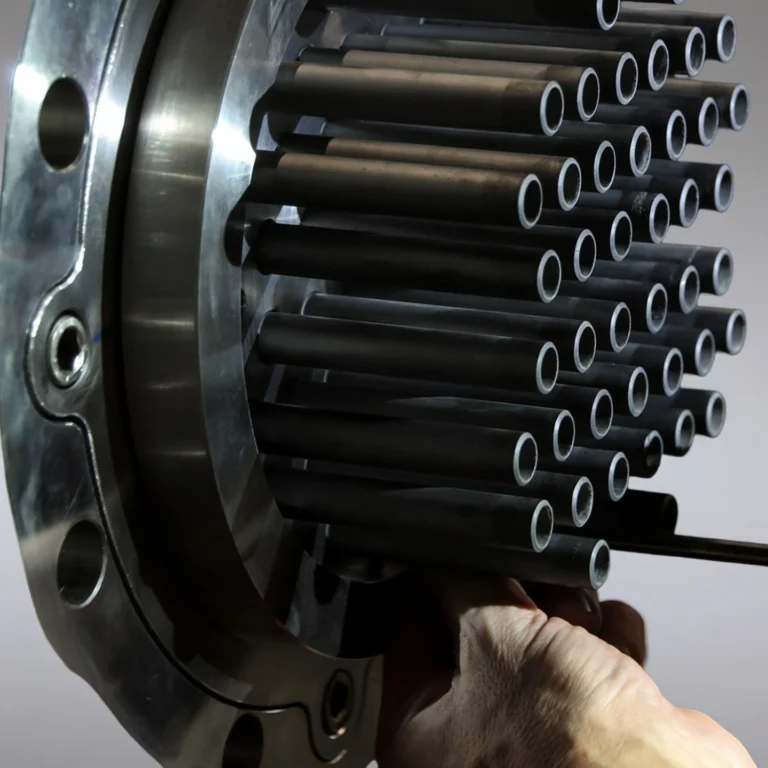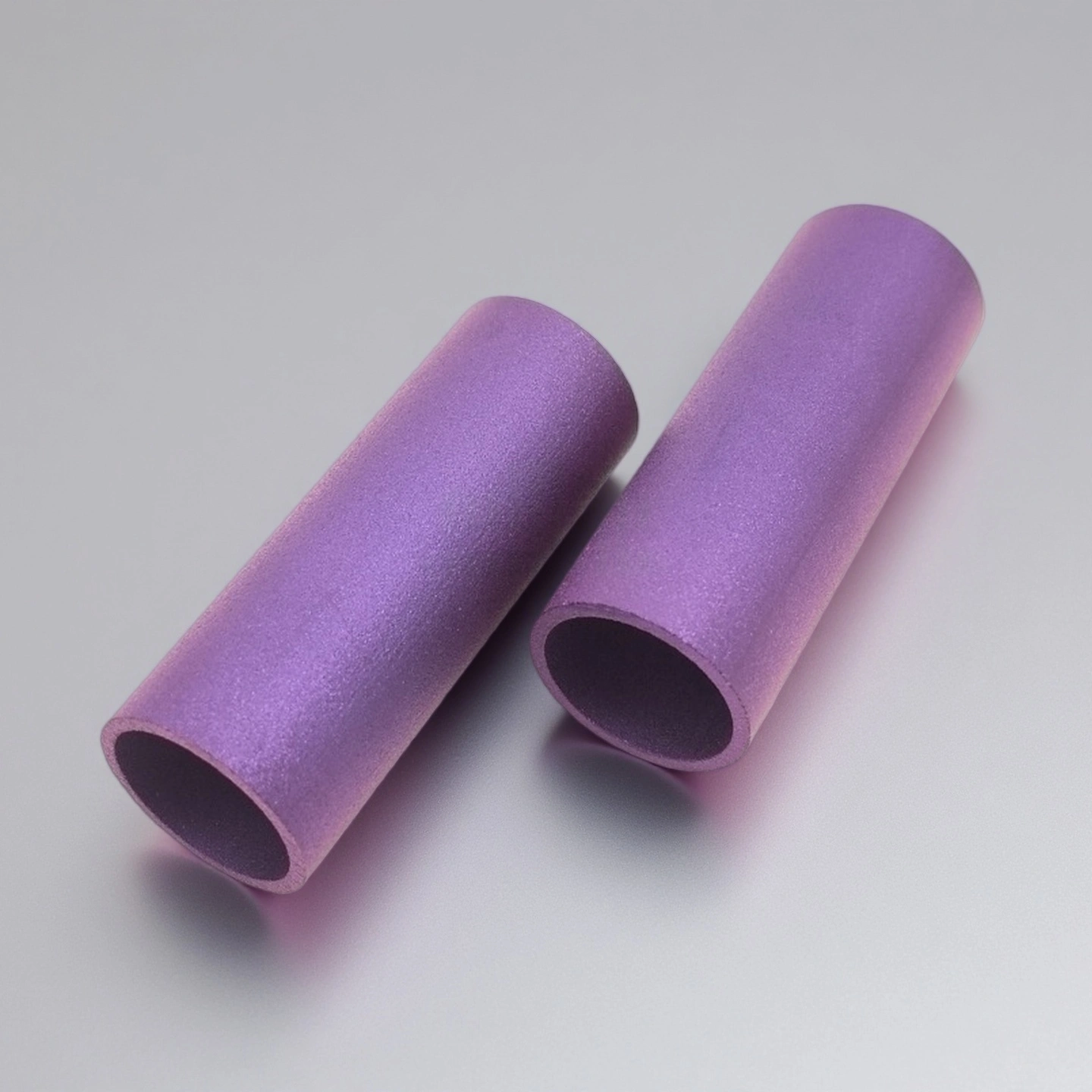
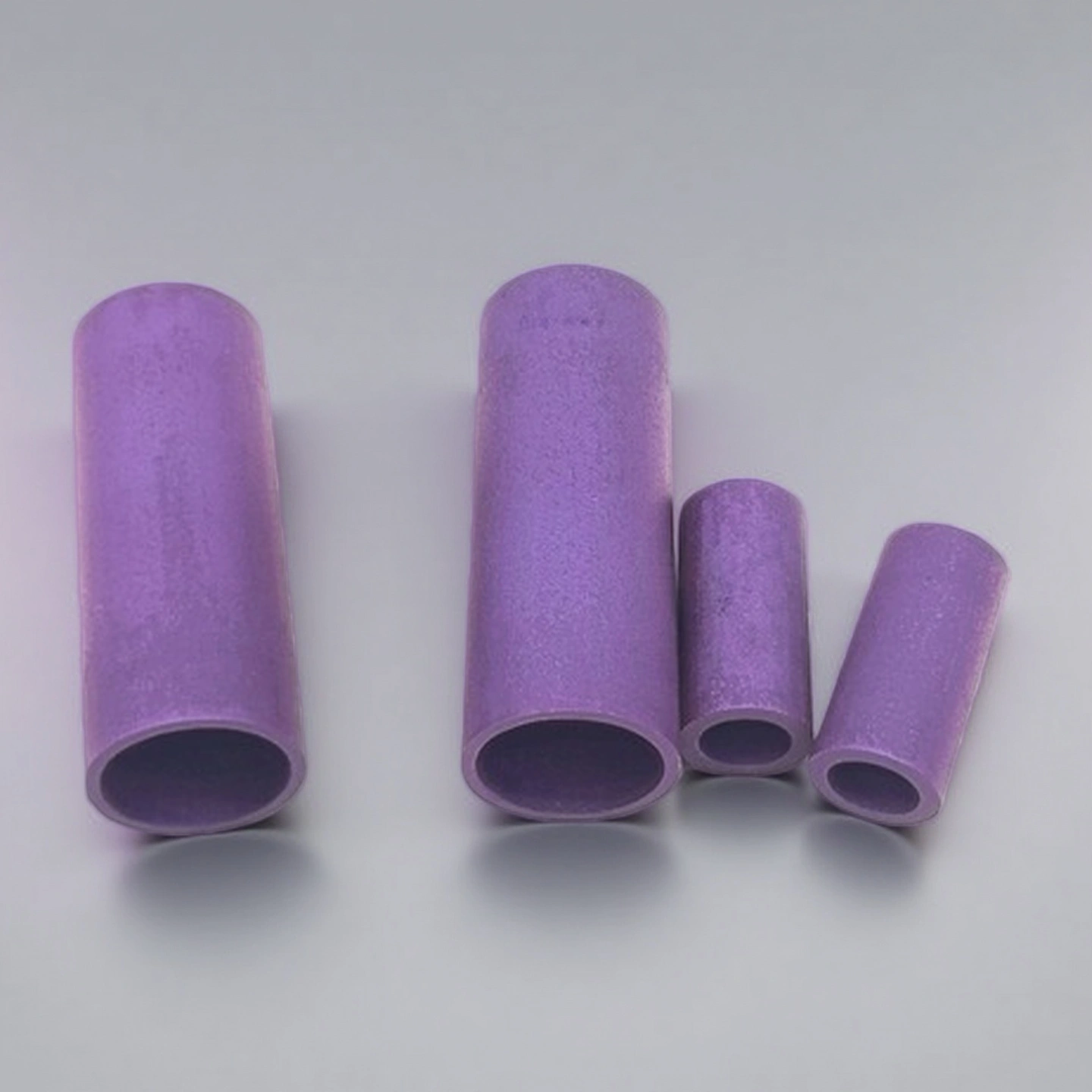
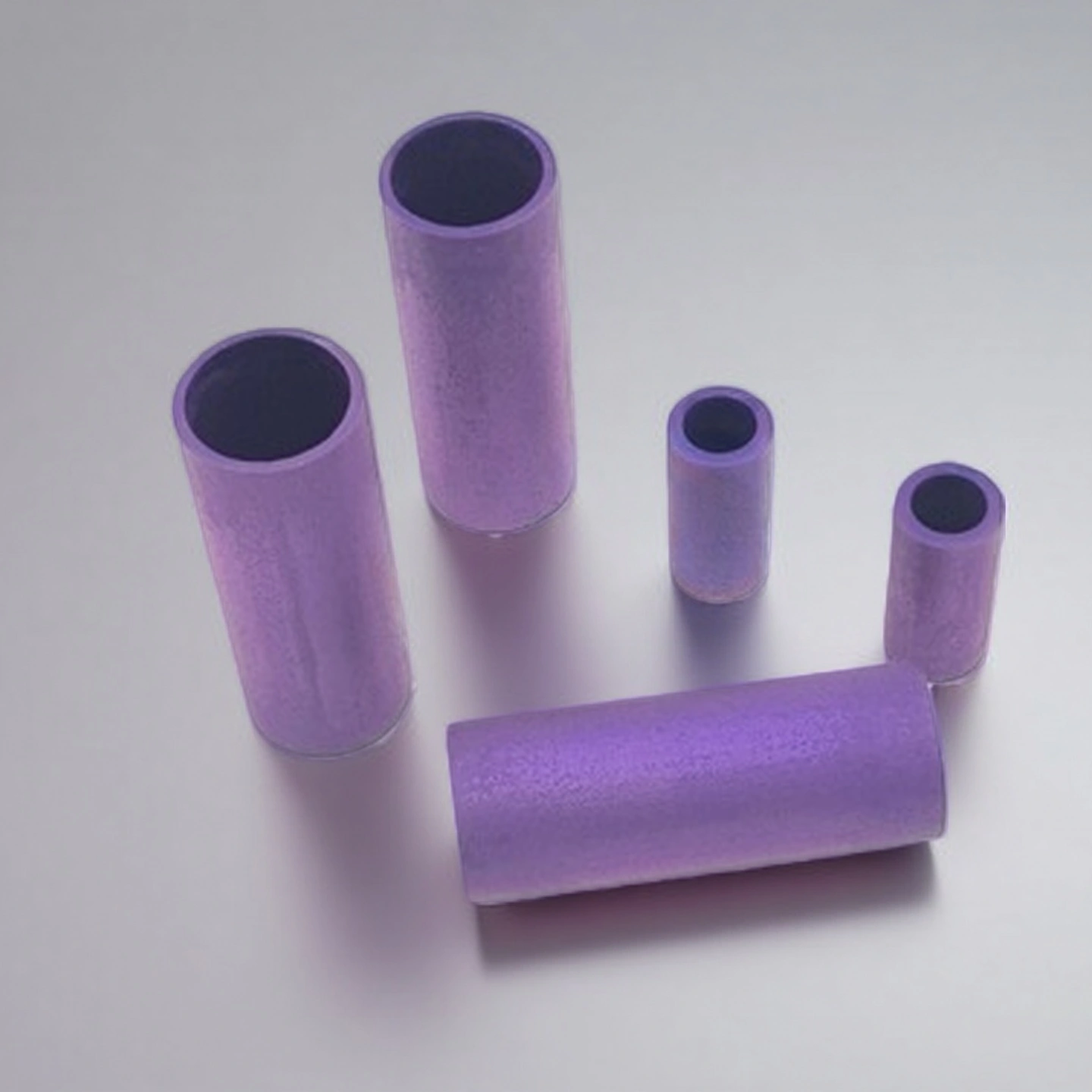
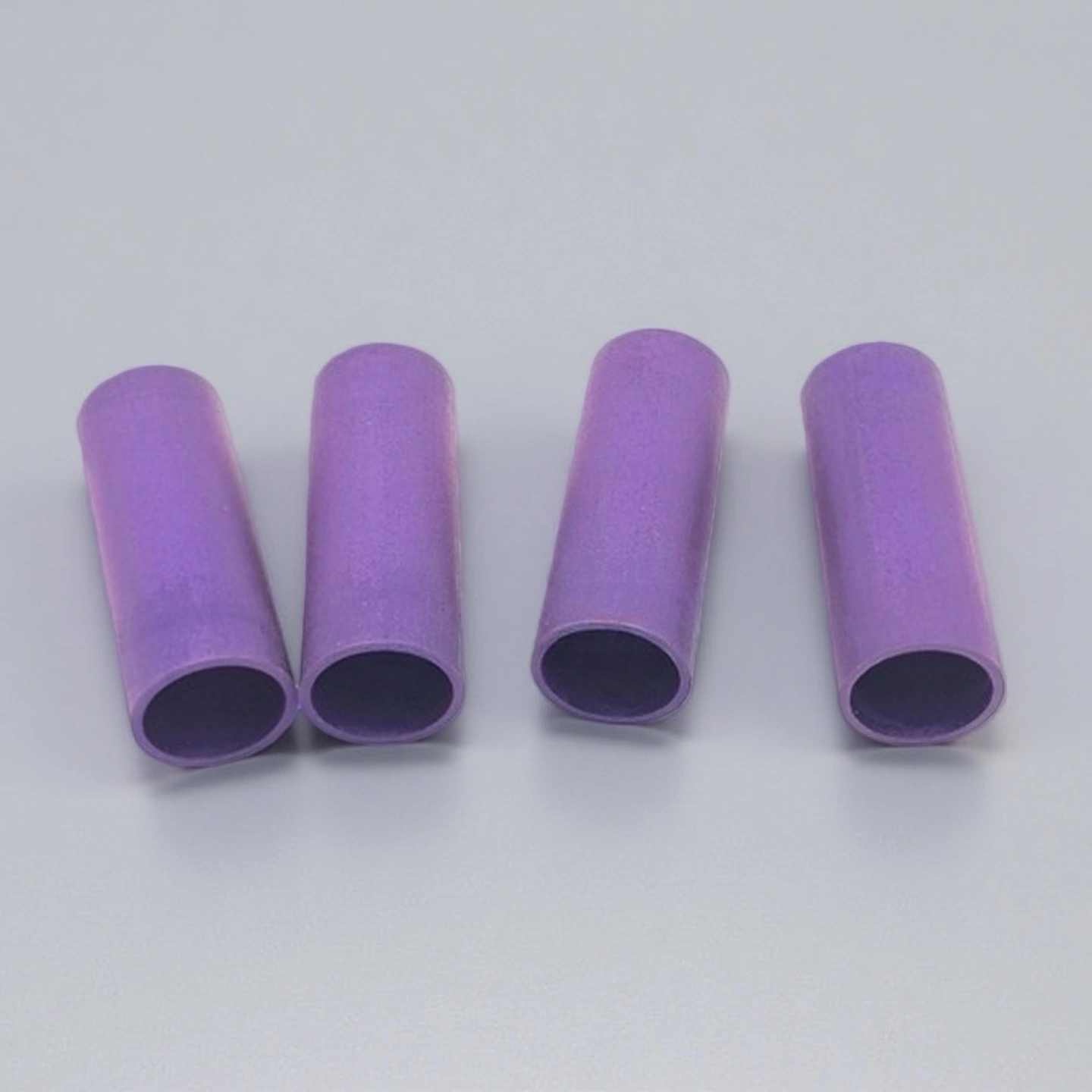
Lanthanum Hexaboride Cathode Tube Benefits
Microflat selection for beam control: microflat sizes are available from 2 μm to 320 μm, so the effective source size can be matched to different optics and resolution requirements. Smaller microflats help define a tighter probe and higher spatial resolution, while larger microflats support higher usable current and longer time between replacements. This gives engineers a clear parameter to standardize across instruments and replacement cycles.
Cone geometry choices: typical options include 60° or 90° included cone angles for different Wehnelt and gun designs. Keeping cone angle consistent with the original setup reduces the time needed to re-tune extraction fields and focus after a cathode change. For retrofit projects or mixed microscope fleets, defining cone geometry in the order helps service teams avoid trial-and-error fitting.
Defined operating window: a typical 1700–1900 K operating range supports controlled emission without pushing unnecessary thermal load into the cathode or surrounding parts. Running within this window allows users to reach saturation, then back off to the lowest stable power that still delivers the required signal. This approach improves day-to-day stability and makes lifetime behaviour more predictable for planning purposes.
Vacuum-driven lifetime planning: long-life guidance explicitly targets gun pressures of ≤5×10⁻⁷ torr, with 1×10⁻⁷ torr often quoted as the preferred condition for extended service life. When vacuum is held in this range, emission drift and premature wear are significantly reduced compared with operation near 10⁻⁶ torr. Stating the vacuum requirement alongside the cathode spec helps maintenance and purchasing teams set realistic service intervals and avoid misdiagnosing vacuum issues as emitter failures.
Brightness advantage vs tungsten: product literature commonly states around 10× brightness compared with tungsten filaments for LaB₆ sources. In practical terms this allows higher probe current or shorter acquisition times at a given resolution, which is valuable for high-throughput imaging and microanalysis. For many systems it provides a meaningful performance step without changing the overall gun architecture or control electronics.
LaB6 Cathode Tube Properties
| Lanthanum Hexaboride Ceramics (LaB6) | ||
| Property | Typical Value / Range | Performance Highlights / Notes |
| Melting Point | ≈ 2528 K (about 2250 °C) | Refractory ceramic that remains structurally stable at very high temperatures. |
| Density | ~4.7 g/cm³ | Compact, robust ceramic body suitable for small high-power cathodes and inserts. |
| Thermal Conductivity | ~47–60 W/m·K at 20 °C | Efficiently spreads heat across the emitter, reducing local hot spots. |
| Thermal Expansion (CTE) | ~6.2–6.5 ×10⁻⁶ /K (20–900 °C) | Good thermal shock resistance and predictable expansion for brazed or clamped assemblies. |
| Electrical Resistivity | ~15 μΩ·cm at 20 °C | High electrical conductivity, ideal for thermionic cathodes and other electron-emitting parts. |
| Typical Operating Temperature (Cathode) | ~1400–1800 °C in vacuum | Provides strong electron emission while maintaining long-term structural stability. |
| Emission Current Density | ~20–50 A/cm² at 1400–1800 °C | Delivers high beam brightness for electron microscopes, X-ray sources and plasma devices. |
| Work Function | ≈ 2.6–2.7 eV | Low work function enables high emission at lower temperatures than conventional tungsten cathodes. |
LaB6 Cathode Tube Specifications
| Lanthanum Hexaboride Cathode Tube | ||
| Item No. | Diameter (mm) | Thickness (mm) |
| AT-LB-A1001 | Customize | |
Lanthanum Hexaboride Cathode Tube Packaging
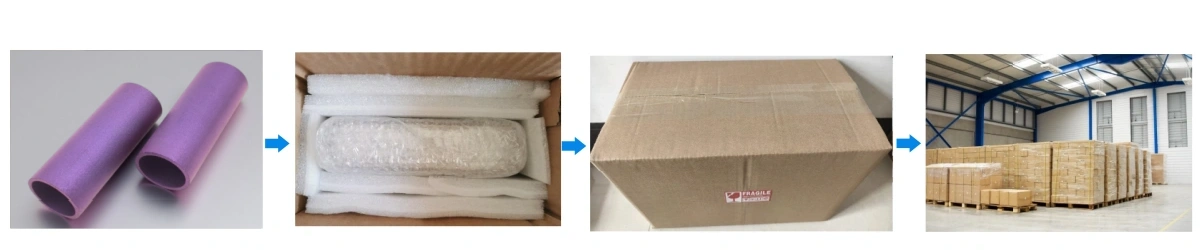
- Rigid transport container: the cathode base is secured to prevent tip contact and vibration shock during transit.