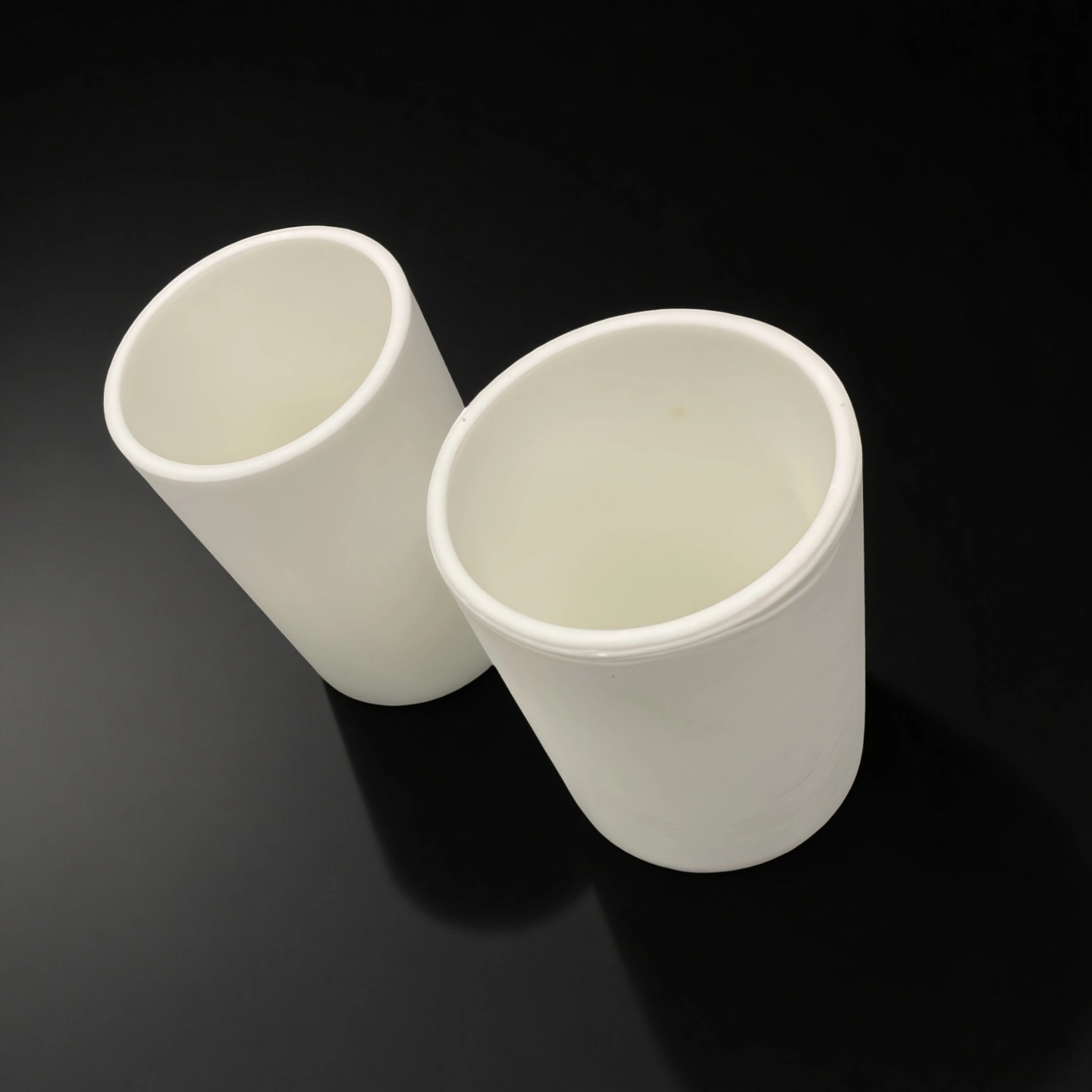
Magnesium Oxide Crucibles for Calcination, Melting & Glass Trials

High-purity MgO crucibles for alkaline melts, alloy sampling, calcination, and speciality glass trials. ADCERAX supports cylindrical, square, boat, lidded, and drawing-based custom crucibles for furnace fit, charge volume control, and contamination-sensitive heating.

Catalogue No. AT-MG-GG1001
Material MgO Ceramic
Maximum Operating Temperature Maximum Material Rating: Up to 2200°C, grade-dependent
Wall Thickness Tolerance ±0.20 mm
Density g/cm³ 2.8–3.1 g/cm³, grade-dependent
Engineering RFQ Review
Small-Batch Custom Support
Factory-Direct Manufacturing
Drawing & Media Review

Magnesium oxide crucibles are high-purity MgO ceramic vessels used for calcination, alkaline flux work, alloy sampling, speciality glass trials, and high-temperature laboratory heating. They are selected when low contamination, basic slag resistance, and stable geometry are required. ADCERAX supports standard and custom MgO crucibles with options for ID, OD, wall thickness, lid design, cavity shape, and furnace-fit geometry.

Advantages of the MgO Ceramic Crucible

  • Alkaline melt compatibility — MgO matrix resists basic slags where Al₂O₃ picks up chemistry.
  • Low contamination — high-purity MgO reduces silica/alumina ingress in purity-critical syntheses.
  • Shape coverage — cylindrical/conical/boat geometries plus lids improve handling and volatilization control.
  • Dimensional repeatability — managed OD/ID/wall tolerances for fixture fit and thermal cycling.
  • Thick-wall options — enhanced integrity for larger charges and longer soaks.


Magnesium Oxide Crucibles Properties

1. High Purity Magnesium Oxide Crucibles

Parameter Typical Value Engineering Note
Material MgO ceramic Use for basic slags, alkaline fluxes, and selected high-temperature lab work.
MgO Content 99% or higher Confirm grade for contamination-sensitive processes.
Density Needs confirmation Use one consistent unit and value.
Apparent Porosity Needs confirmation Separate dense MgO and porous/refractory MgO grades.
Recommended Service Range 1750–1900°C Depends on geometry, atmosphere, load, and cycling.
Maximum Material Rating Up to 2200°C Use only when ADCERAX confirms grade and test condition.
Thermal Shock Behavior Moderate Requires staged drying and gradual heating.


2. Chemical Composition of Magnesium/Magnesia–Alumina Crucibles (%)

Type MgO SiO₂ Al₂O₃ CaO Fe₂O₃
M Type (Magnesia) ≥97.5 ≤0.70 ≤0.10 ≤1.10 ≤0.46
MA Type (Magnesia–Alumina) ≥74.5 ≤0.74 ≤22.2 ≤1.20 ≤0.51


2. Physical Properties of Magnesium/Magnesia–Alumina Crucible

Property Unit M Type (Magnesia) MA Type (Magnesia–Alumina)
Porosity % 14–19 18–22
Cold Crushing Strength (at room temp.) MPa ≥19.6 ≥14.7
Thermal Expansion Coefficient (20–1300 °C) ×10⁻⁶ /K ≤13 ≤9
Thermal Shock Resistance (cycles at 1200 °C) N ≥40 ≥40
Bulk Density kg/m³ 2.9–3.1 × 10³ 2.8–3.05 × 10³
Maximum Service Temperature °C 1750 1750


Specifications of MgO Crucibles

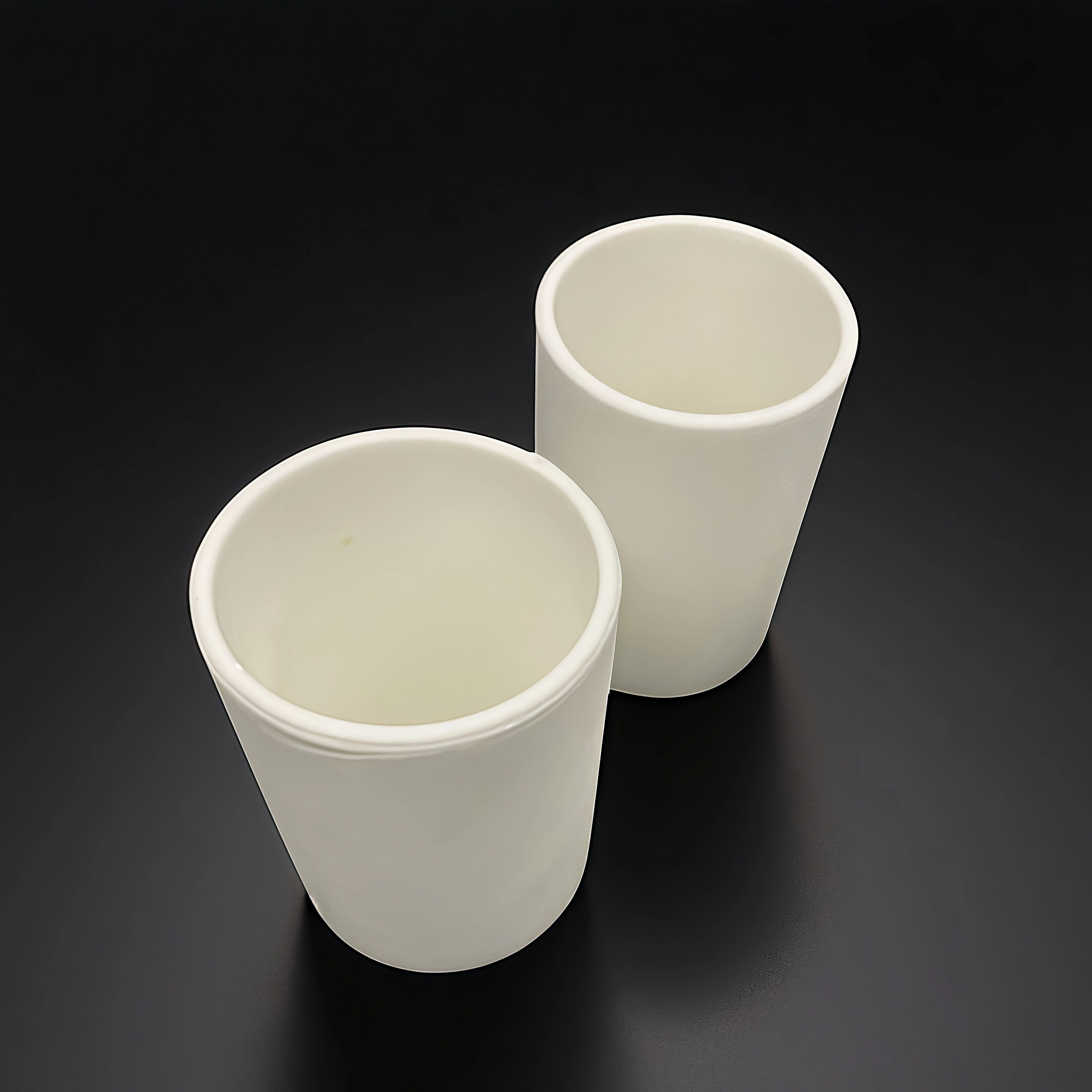
Type 1: Cylindrical Magnesium Oxide Crucible
Custom magnesium oxide crucibles for metal melting

Cylindrical Magnesium Oxide Crucible
Item Outer Diameter(mm) Inner Diameter(mm) Height(mm) MgO(%)
AT-MG-GG1001 7.6 5.5 4.7 99
AT-MG-GG1002 10 7 5 99
AT-MG-GG1003 12 8.5 27.5 99
AT-MG-GG1004 15 12 6 99
AT-MG-GG1005 18.5 14.5 5 99
AT-MG-GG1006 21 19 54 99
AT-MG-GG1007 23 19 80 99
AT-MG-GG1008 25 21 50 99
AT-MG-GG1009 30 22 25 99
AT-MG-GG1010 30 25 92 99
AT-MG-GG1011 32 26 100 99
AT-MG-GG1012 35 30 50 99
AT-MG-GG1013 40 31 59 99
AT-MG-GG1014 40 31 70 99
AT-MG-GG1015 45 33 70 99
AT-MG-GG1016 48 42 68 99
AT-MG-GG1017 50 40 115 99
AT-MG-GG1018 50 40 143 99
AT-MG-GG1019 60 50 100 99
AT-MG-GG1020 68.5 60 107.5 99
AT-MG-GG1021 70 60 110 99
AT-MG-GG1022 85 72 13 99
AT-MG-GG1023 99 92 130 99
AT-MG-GG1024 107 82 128 99


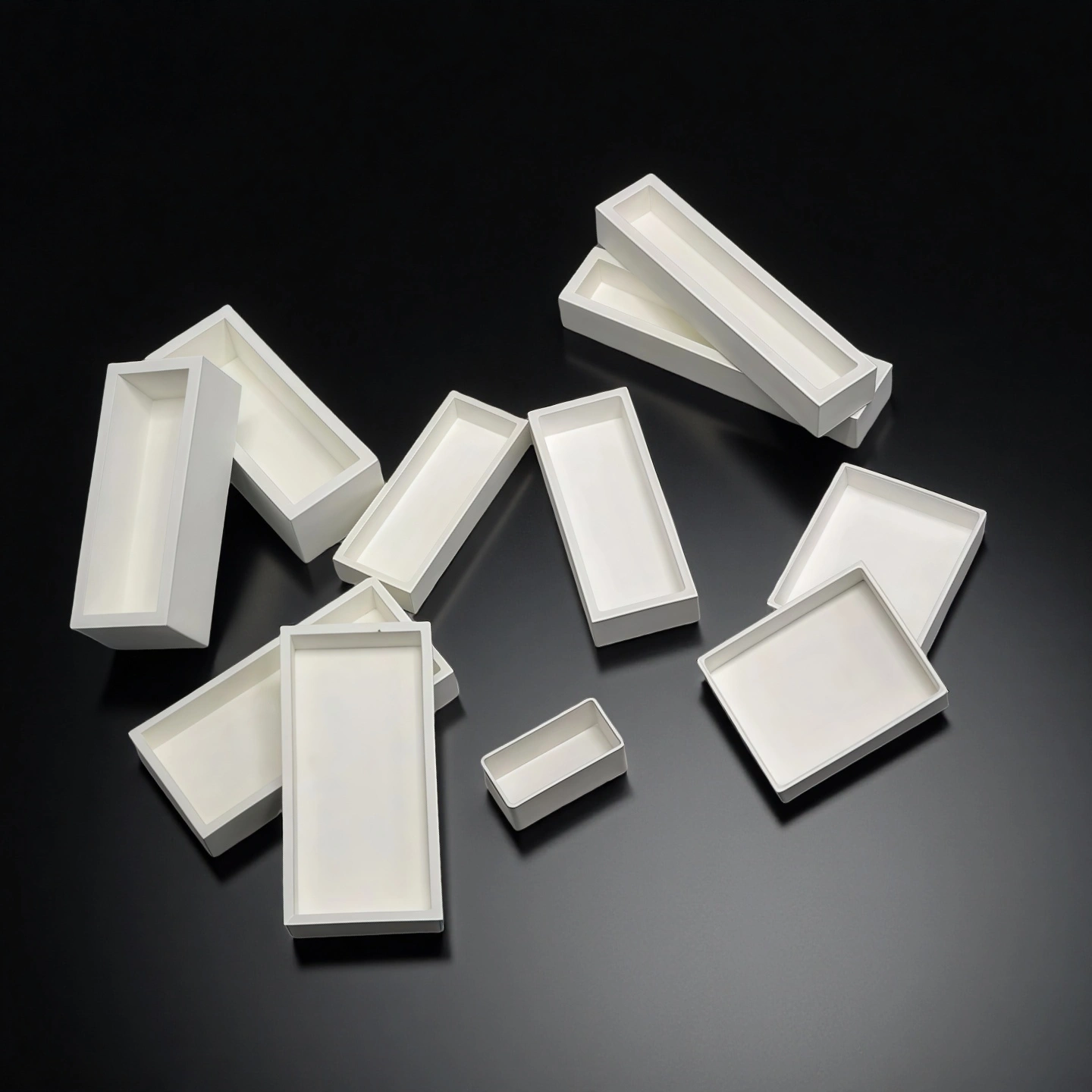
Type 2: Square Magnesium Oxide Crucible
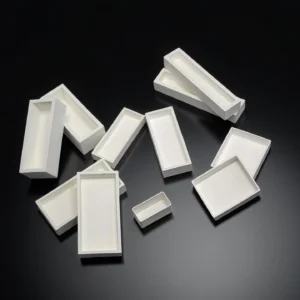
Magnesium oxide crucible with matching lid

Square Magnesium Oxide Crucible
Item Outer Diameter(mm) Inner Diameter(mm) Height(mm) MgO(%)
AT-MG-GG2001 27 25 21 99
AT-MG-GG2002 50 24 20 99
AT-MG-GG2003 77 63 19 99
AT-MG-GG2004 99 39 18 99
AT-MG-GG2005 116 46 34 99
AT-MG-GG2006 148 33 22 99
AT-MG-GG2007 149 33 22 99


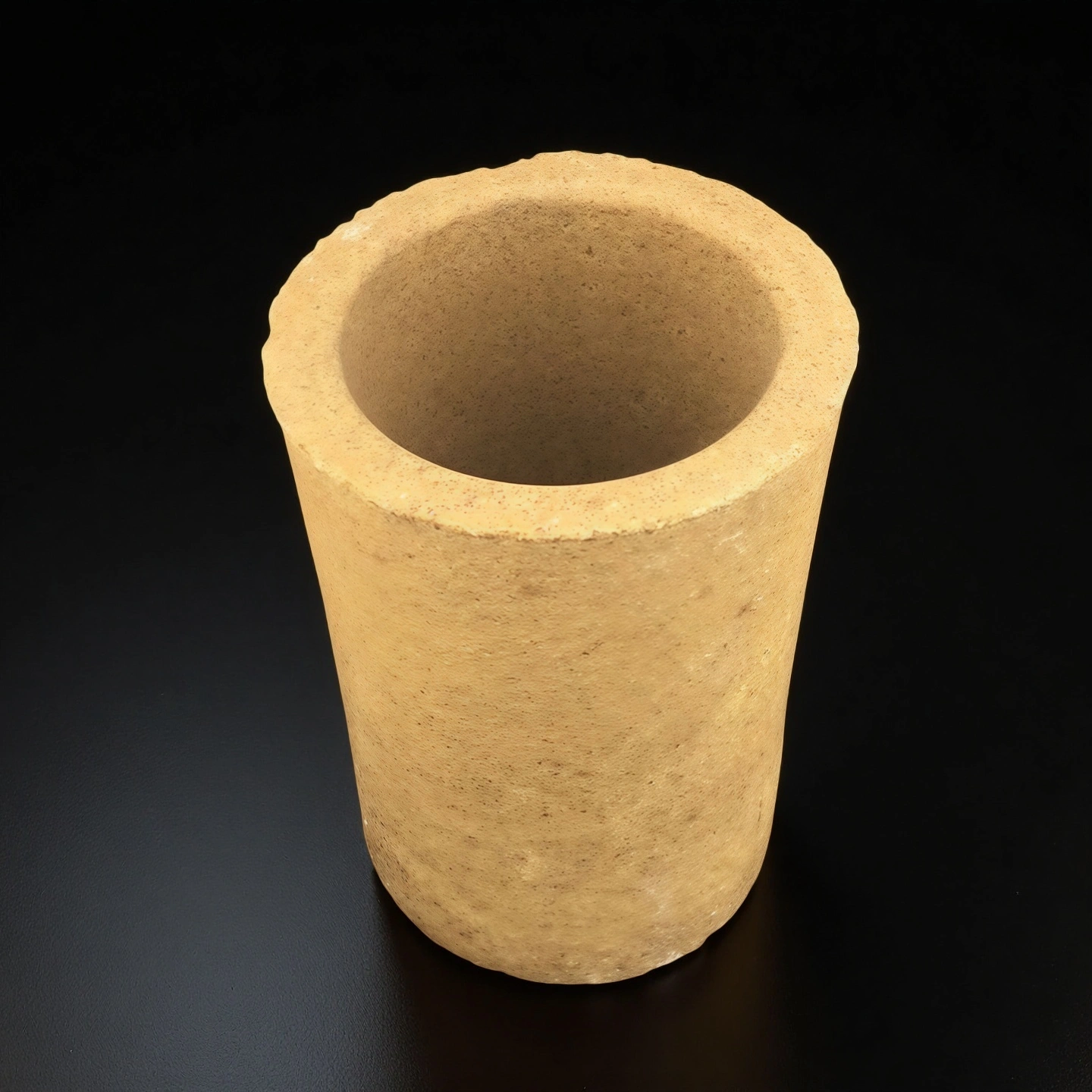
Type 3: Magnesium Crucibles /Magnesium-aluminum Crucibles
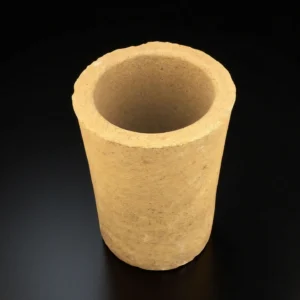
Packaged magnesium oxide crucibles for shipment

Magnesium Crucibles /Magnesium-aluminum Crucibles
Item NO. Outer Diameter(mm) Inner Diameter(mm) Outer Height(mm) Inner Height(mm) Volume(kg)
AT-M(MA)-1001 42 30 60 54 0.2
AT-M(MA)-1002 50 37 100 93 0.3
AT-M(MA)-1003 42 26 140 130 0.4
AT-M(MA)-1004 55 35 135 120 0.5
AT-M(MA)-1005 70 50 100 80 0.7
AT-M(MA)-1006 70 50 140 125 1
AT-M(MA)-1007 100 80 100 85 1.2
AT-M(MA)-1008 100 80 150 140 1.3
AT-M(MA)-1009 70 50 195 185 1.5
AT-M(MA)-1010 80 60 145 135 1.8
AT-M(MA)-1011 85 70 165 150 2
AT-M(MA)-1012 118 90 180 150 4.5
AT-M(MA)-1013 130 106 200 180 8.5
AT-M(MA)-1014 130 106 225 200 9.5
AT-M(MA)-1015 135 110 230 220 11
AT-M(MA)-1016 140 116 245 220 13
AT-M(MA)-1017 150 120 240 225 14
AT-M(MA)-1018 160 130 225 210 15
AT-M(MA)-1019 150 120 300 285 18
AT-M(MA)-1020 160 130 280 265 20
AT-M(MA)-1021 170 140 280 265 23
AT-M(MA)-1022 160 130 335 315 24
AT-M(MA)-1023 175 140 325 300 25
AT-M(MA)-1024 180 150 340 300 28
AT-M(MA)-1025 175 140 380 355 30
AT-M(MA)-1026 215 165 300 270 35
AT-M(MA)-1027 230 178 330 285 50
AT-M(MA)-1028 230 178 380 340 60
AT-M(MA)-1029 245 200 410 370 75
AT-M(MA)-1030 250 205 520 480 120
AT-M(MA)-1031 335 285 520 475 200
AT-M(MA)-1032 400 330 645 600 300


Magnesium Oxide Crucible Packaging

  • Cleanroom bag + cushioned tray to limit abrasion and dust.
  • Lid and stand are packed separately with corner protection.
  • Outer carton with foam blocks; large sizes may use inner compartments.
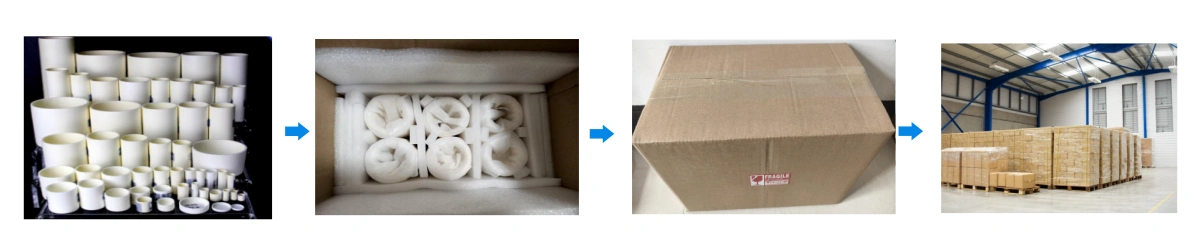
Magnesium Oxide Crucible Packaging

Magnesium Oxide Crucible Applications

ADCERAX MgO crucibles are used in high-temperature laboratory, metallurgy, ceramics, and glass-processing trials where basic slag resistance, low contamination, and stable furnace-fit geometry are required. Custom shapes, lids, wall thicknesses, and cavity designs can be adjusted according to the sample, furnace, and heating process.

  • Alkaline Flux Calcination

    MgO crucibles are used for alkaline fluxes, oxide powder calcination, and high-temperature material synthesis where alumina or silica contamination should be reduced. They are suitable for laboratory trials involving basic oxides, refractory powders, ceramic raw materials, and mineral-based samples. ADCERAX can adjust wall thickness, cavity depth, and lid design to support long soak times, controlled heating, and stable sample containment.

  • Metal Melting & Alloy Sampling

    For small alloy heats, metal oxide melts, and metallurgical sampling trials, MgO crucibles help handle basic slags and oxide-rich melt environments when the furnace temperature and heating rate are properly controlled. They are often considered when the sample chemistry may react with alumina, quartz, or graphite containers. Custom MgO crucibles can be designed with reinforced bottoms, thicker walls, or fitted lids for better handling during high-temperature testing.

  • Speciality Glass Batch Trials

    Boat-type or lidded MgO crucibles can support speciality glass, fluoride-bearing batches, alkaline glass compositions, and experimental melt trials where residue control and stable sample geometry are important. MgO is useful when the glass batch has a basic or MgO-compatible chemistry and when contamination from other ceramic containers must be minimized. ADCERAX can provide shallow boat designs, square cavities, or covered crucibles according to batch volume and furnace layout.

  • Covered MgO Crucibles for Volatile Materials

    Covered MgO crucibles help reduce material loss, splashing, and airborne contamination in selected high-temperature trials involving volatile or reactive materials. A lid or protected cavity can help maintain sample consistency during heating, soaking, and cooling. ADCERAX can customize loose covers, fitted lids, rim shapes, and cavity dimensions according to the sample behaviour, furnace atmosphere, and handling requirements.

MgO vs Alumina Crucible Selection Guide

Choosing between MgO and alumina crucibles depends mainly on melt chemistry, contamination limits, and heating conditions. MgO crucibles are preferred for basic slags, alkaline fluxes, oxide-rich melts, and samples that cannot tolerate Al/Si contamination. Alumina crucibles are more suitable for general laboratory heating and repeated thermal cycling.

Selection Factor MgO Crucible Alumina Crucible Choose MgO When
Basic slag resistance Stronger Weaker in alkaline melts Basic slags or alkaline fluxes are present.
General lab heating Good but needs pre-drying Very common Contamination control is more important than cycling speed.
Thermal shock Moderate Usually better Heating can be controlled gradually.
Moisture sensitivity Higher Lower Dry storage and preheating can be controlled.
Contamination risk Lower for selected alkaline systems May add Al/Si in some systems The sample cannot tolerate Al/Si pickup.

Magnesia Crucibles Usage Instructions

Proper handling and operation of magnesium oxide crucibles (MgO crucibles) directly influence their lifespan, test accuracy, and cost efficiency. The following guide provides detailed procedures for installation, use, storage, cleaning, and common troubleshooting during high-temperature operations.

  •  Installation & Setup

    1. Inspect the crucible visually before use — any micro-cracks or chipped edges can lead to failure during heating.
    2. Place the crucible on a refractory setter plate or MgO stand to avoid direct contact with furnace elements or hearth bricks.
    3. Maintain at least 5–10 mm clearance from furnace walls to allow uniform heating and thermal expansion.
    4. For boat-type crucibles, ensure even load distribution and avoid point loading at the base.

  • Preheating & Operation

    1. Pre-drying: Remove moisture by holding at 120–150 °C for 2–3 h before high-temperature operation.
    2. Temperature ramp: Increase temperature gradually — no more than 100–150 °C per hour up to 800 °C, then ramp to target temperature to minimize thermal shock.
    3. Soak period: Keep heating uniform; avoid local flame impingement or direct radiant focus.
    4. Use of lids: Cover the crucible to limit volatilization and contamination, particularly during fluxed or alloy melts.
    5. Charging materials: Only add dry, pre-screened powders or metals; wet or coarse materials can cause spalling or cracking from steam pressure.
    6. Atmosphere control: MgO performs well in oxidizing or neutral environments; in reducing atmospheres, protect surfaces from carbon pickup with suitable spacers or coatings.

  • Cooling & Removal

    1. Do not quench the crucible. Allow controlled cooling inside the furnace or under an insulated cover.
    2. Avoid cold air drafts when the temperature is above 800 °C; rapid cooling can cause hairline fractures.
    3. Remove with pre-heated tongs to reduce thermal gradient stress.

  • Cleaning & Maintenance

    1. After each use, allow complete cooling and gently remove residues with a soft scraper or alumina wool.
    2. Avoid steel tools or aggressive abrasion; they introduce stress points or contamination.
    3. For metal or slag residues, heat to ~900 °C and gently tap out remaining deposits once softened.
    4. Inspect wall thickness; retire crucibles when visible thinning or >20% mass loss occurs.
    5. Store cleaned crucibles in dry cabinets or sealed containers with desiccant to prevent hydration (MgO readily absorbs moisture forming Mg(OH)₂)

  • Common Misuse & Solutions

    1. Cracking during first heating: Caused by rapid temperature ramp or residual moisture → follow staged preheat protocol.
    2. Glassy or reacted inner surface: From acidic or silica-rich melts → use high-purity MgO or apply protective coatings.
    3. Contamination in product: Often from reused ware beyond its cycle life → implement crucible rotation or replacement after a fixed campaign count.
    4. Wall softening or bulging: Indicates over-temperature exposure beyond 1900 °C → reduce soak temperature or switch to a thicker-wall model.
    5. Powder adhesion to base: Prevent by applying thin MgO powder layer or setter plate before loading.

Magnesium Oxide Crucible FAQ

  1. Q: What is the typical purity of a magnesium oxide crucible?
    A: Standard high-purity MgO crucibles are produced from ≥ 99.0 – 99.5 % MgO material, with total impurities (Fe₂O₃ + SiO₂ + Al₂O₃) below 0.8 %. This ensures minimal interference in analytical or experimental results.
  2. Q: What sizes and shapes are available for magnesium oxide crucibles?
    A: Common shapes include cylindrical, conical, and boat-type crucibles, with volumes from 10 mL to 5000 mL. Custom designs such as rectangular cavities, lids, spouts, or chamfered rims are available to fit specific furnace setups or loading methods.
  3. Q: How should a magnesium oxide crucible be preheated before use?
    A: Always dry at 120–150 °C for 2–3 hours, then heat gradually (≤ 100 °C/h up to 800 °C) before reaching process temperature. Rapid heating of a cold crucible can cause cracks due to residual moisture expansion or thermal shock.
  4. Q: Can magnesium oxide crucibles be reused?
    A: Yes. With proper preheating and controlled cooling, MgO crucibles can typically be reused, depending on working temperature, atmosphere, melt chemistry, and visible wall condition. Regular inspection of wall thickness and surface integrity is essential.
  5. Q: What is the maximum safe operating temperature for MgO crucibles?
    A: In static furnace or controlled-lab conditions, MgO crucibles can safely operate up to ≈ 1900 °C. Beyond this temperature, wall softening or structural creep may occur.
  6. Q: Are magnesium oxide crucibles suitable for vacuum or PVD evaporation experiments?
    A: Yes, MgO evaporation crucibles are frequently used for specific oxides or alkaline source materials. They offer high purity and low vapor contamination during vacuum deposition or thin-film synthesis.
  7. Q: What are the common failure causes of magnesium oxide crucibles?
    A: Typical causes include moisture absorption before heating, over-temperature operation, acidic flux attack, or rapid quenching. All can be avoided through correct pre-drying, gradual ramping, and matching crucible chemistry to process needs.
  8. Q: Can I order customized magnesium oxide crucibles according to my drawing?
    A: Absolutely. You can specify inner/outer diameters, wall thickness (3–12 mm), cavity shape (round, conical, rectangular), as well as surface finish and accessories (lid, stand, support ring). Customized designs ensure furnace fit and consistent experimental reproducibility.
  9. Q: How does a magnesium oxide crucible differ from an alumina crucible?
    A: While both are oxide ceramics, MgO crucibles outperform alumina in alkaline or basic slag environments and at slightly higher temperatures. Alumina is more suitable for acidic or neutral oxides, but it reacts faster with alkaline melts. In contrast, MgO maintains chemical stability and low contamination.
    Parameter Magnesium Oxide Crucible (MgO) Alumina Crucible (Al₂O₃) Key Takeaway
    Chemical Composition ≥ 99.0–99.5 % MgO ≥ 99.5–99.7 % Al₂O₃ Both are high-purity oxide ceramics, but MgO is more basic in chemistry.
    Chemical Stability Excellent in alkaline, metallic oxide, and reducing atmospheres Excellent in acidic or neutral atmospheres; reacts with basic slags MgO preferred for basic or metal-rich melts; alumina for acid oxides.
    Maximum Service Temperature Up to 1900 °C (static furnace) Up to 1750–1800 °C (depending on purity) MgO tolerates slightly higher continuous heat.
    Thermal Conductivity (at 1000 °C) ~ 30 W/m·K ~ 20 W/m·K MgO conducts heat more efficiently for uniform melting.
    Thermal Expansion Coefficient (20–1300 °C) ≈ 12 × 10⁻⁶ /K ≈ 8 × 10⁻⁶ /K Alumina shows lower expansion; MgO expands more under heat.
    Resistance to Thermal Shock Moderate (requires staged preheat) Good (better shock tolerance under rapid ramp) Alumina is safer for frequent temperature cycling.
    Contamination Risk Very low – MgO is inert to most alkaline or metal melts Moderate – may release Si/Al into basic melts MgO is ideal for purity-critical alkaline or alloy systems.
    Mechanical Strength (Room Temp.) ~ 19 MPa (CCS typical) ~ 15 MPa (CCS typical) MgO is slightly stronger under compression.
    Moisture Sensitivity Hygroscopic – absorbs moisture forming Mg(OH)₂ Stable – non-hygroscopic MgO must be stored in dry, sealed containers.
    Common Applications Metal & alloy melting, alkaline flux calcination, glass R&D, PVD source crucibles Ceramic sintering, thermal analysis (TGA/DSC), chemical ashing, general lab use MgO suits alkaline and metallic environments; alumina suits general and acidic use.
customize size

Customize Magnesium Oxide Crucibles

To ensure precise fit and process consistency, ADCERAX supports full customization of magnesium oxide crucibles — from inner geometry to surface texture — enabling smooth integration into diverse furnace types and thermal cycles.

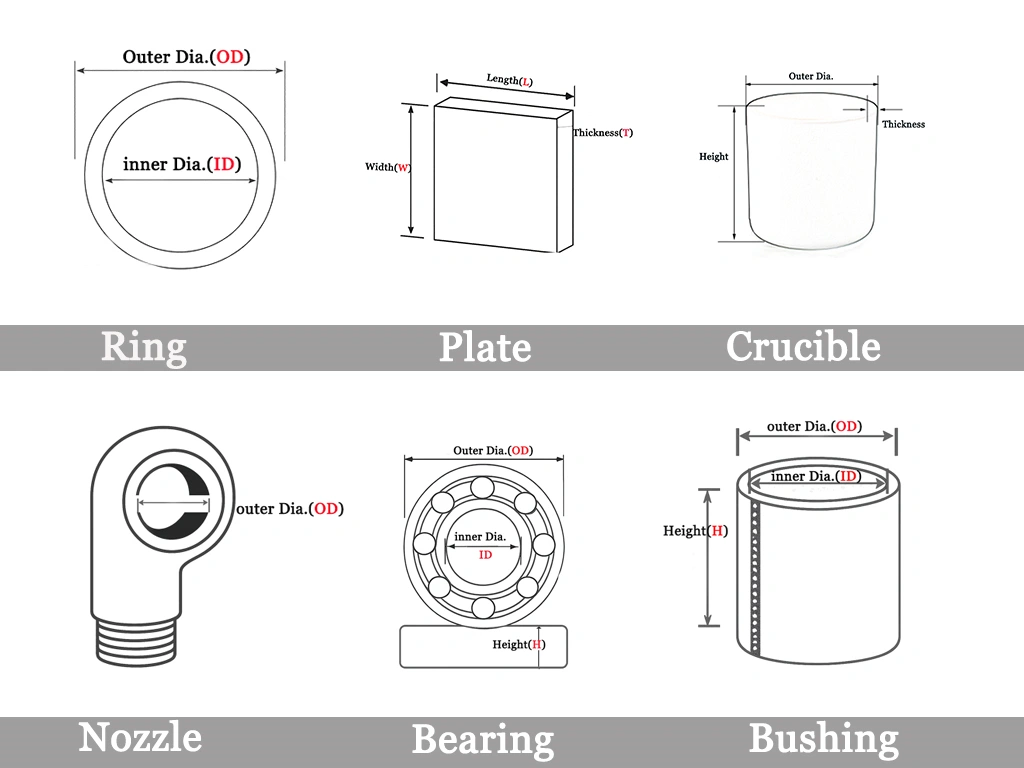
1.Inner / Outer Diameters & Height
Range: ID 20–150 mm, height 20–200 mm; Standard tolerance ±0.3 mm, optional precision ±0.2 mm for smaller units.
Custom aspect ratios can be optimized for charge volume or fixture fit.

2. Wall Thickness & Thermal Design
Thin-wall (3–5 mm) models accelerate heating and cooling in laboratory analysis; thick-wall (6–12 mm) types sustain long soak cycles and heavy loads without deformation.

3. Ends & Edges
Open or with a tight-fitting MgO lid, optional pour spout, chamfered lip, or bevelled edge for smoother pouring and minimized splash.

4. Cross-section & Cavity Geometry
Available as cylindrical, conical, rectangular, or boat-type cavities; step-transitions or double-layer cavities can be designed for temperature gradient control.

5. Functional Features

  • Flat or slightly radiused bottom for even load distribution
  • Vent or slot options to relieve internal pressure
  • Laser-engraved or stamped capacity marks/batch codes for tracking
  • Optional groove or locator notch for automated fixture alignment

6. Surface Condition
Supplied as-pressed, light-polished, or sandblasted on contact faces for better coating adhesion or friction control.

7. Purity Window
Typically 99.0–99.5% MgO, with total Fe₂O₃ + SiO₂ + Al₂O₃ impurities ≤ 0.8%; alternative grades with minor Al₂O₃ reinforcement available for thermal shock resistance.

8. Accessories & Integration

  • Matching MgO lid (flat or domed type)
  • Stand or support ring for even heating and protection against floor hot-spots
  • Handling tongs guard tabs for safe manual removal under high-temperature operation

Related Products

ADCERAX - Your Trusted Advanced Ceramics Manufacturing Partner

Direct factory manufacturing with comprehensive ceramic materials expertise and global supply capabilities

China-Based Manufacturer

ADCERAX supplies ceramic components for overseas OEMs, equipment builders, and labs.

Custom Drawing Support

We review drawings, dimensions, materials, and application conditions before quotation.

Ceramic Process Control

Forming, sintering, machining, grinding, and finishing are arranged by part requirements.

Pre-Shipment Inspection

Dimensional checks, visual inspection, and packaging review help reduce procurement risk.

Get in Touch with Us

Our team will be happy to respond to you in less than 24 hours.

Pingxiang Factory — Silicon carbide, silicon nitride, high-temperature ceramics

Quick Quotation

*Our team will answer your inquiries within 24 hours.

*Your information will be kept strictly confidential.

Ready to Solve Your Engineering Challenge?

Partner with ADCERAX for reliable, high-performance advanced ceramic solutions. Our engineers are ready to discuss your project.

E-mail

info@adcerax.com

Phone

+(86) 0731-74427743 | WhatsApp: +(86) 19311583352

Response Time

Within 24 hours

Quick Quote

The more details you provide, the faster we can quote.

*We respond within 24 hours. All inquiries are confidential.

Get Your Custom Solution

The more details you provide, the faster we can respond.

customize size

*We respond within 24 hours. All inquiries are confidential.

Download Catalog