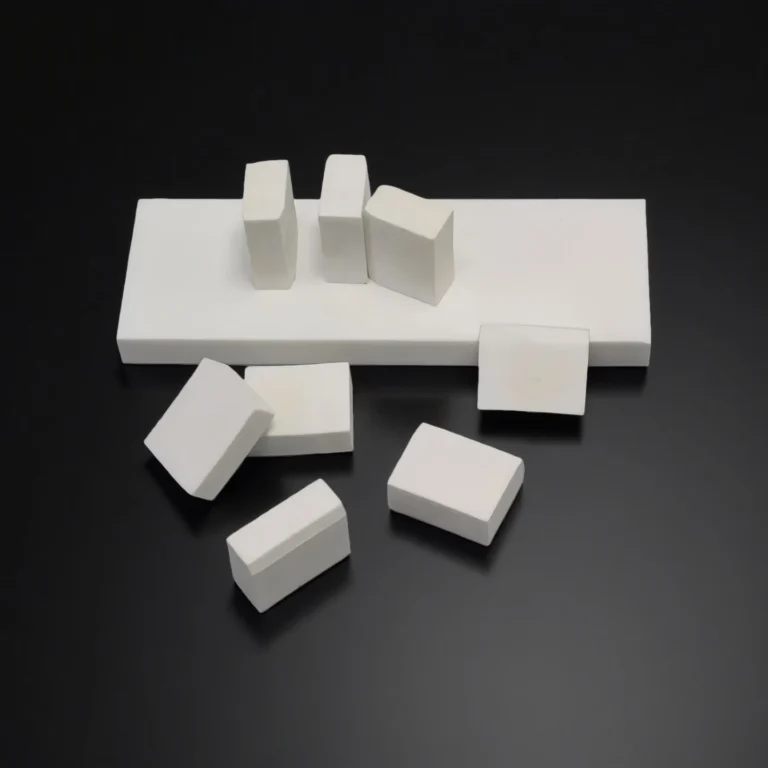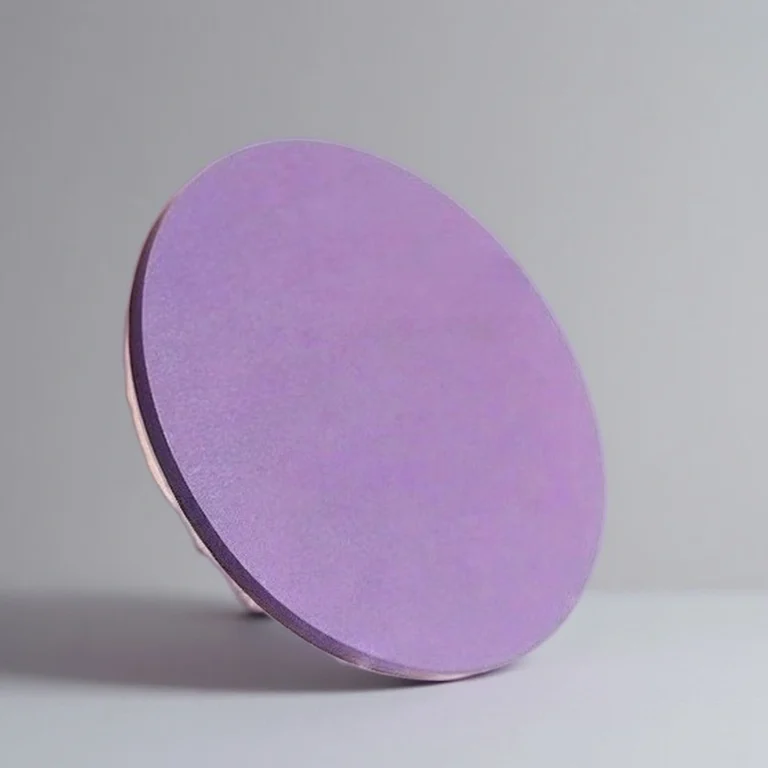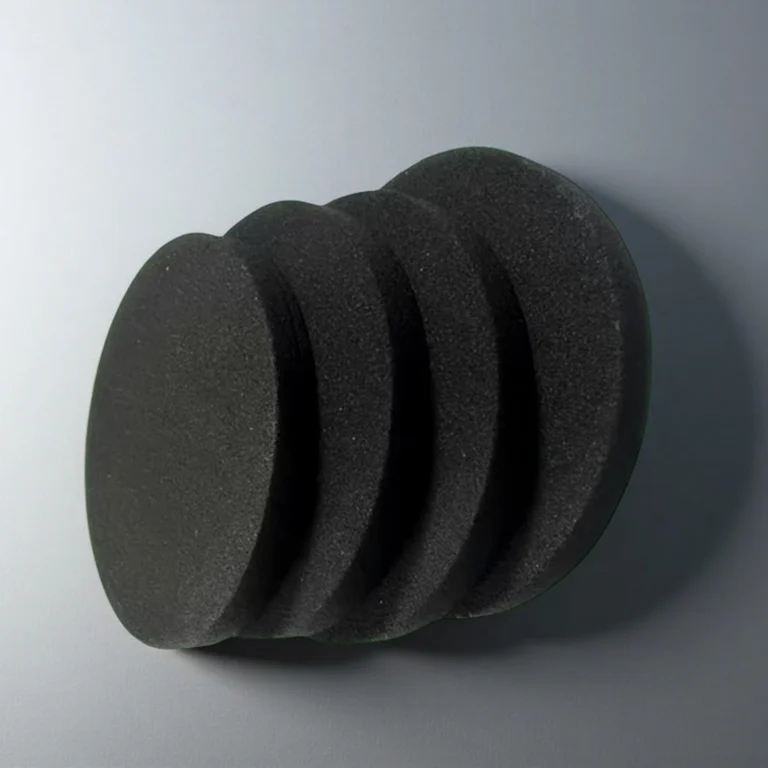
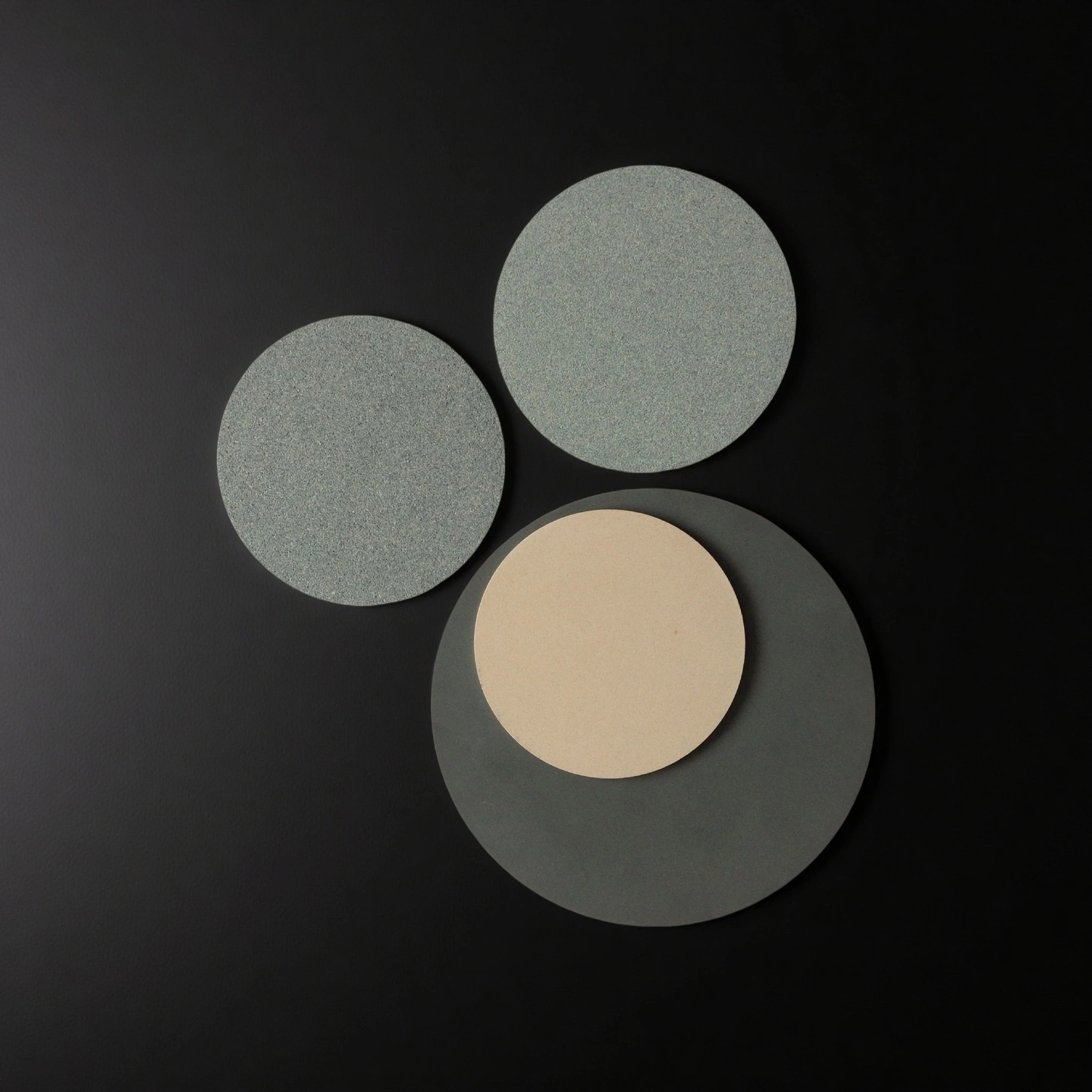
Porous Alumina Vacuum Chuck for Uniform, Mark-Free Holding

Porous alumina vacuum chuck engineered for uniform, mark-free holding with selectable pore size, zoned manifolds, and flatness classes; available in standard formats and fully customized builds.

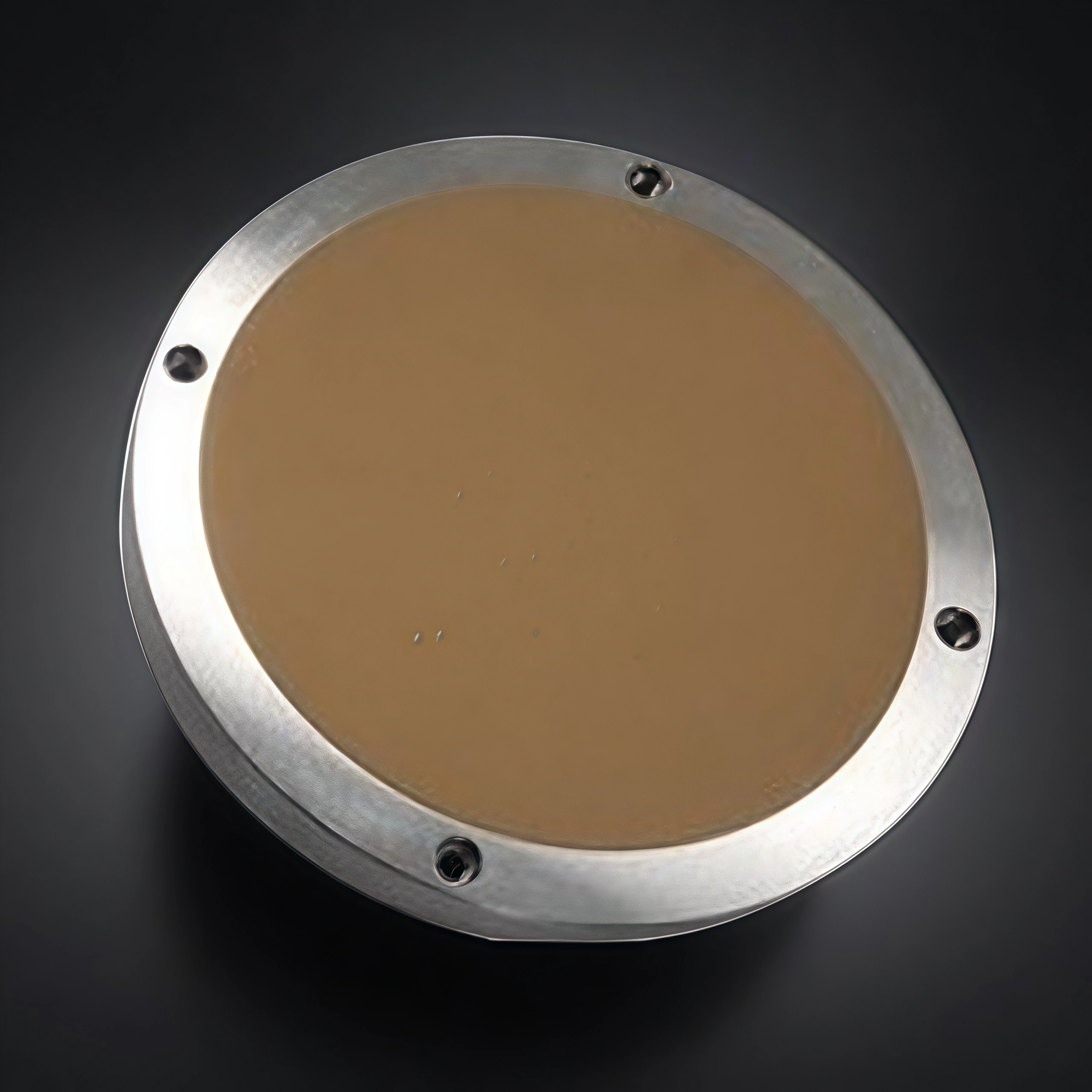
Catalog No. AT-YHL-XP001
Material ≥ 96% Al2O3
Working-Area Flatness Class A: ≤ 5–8 µm; Class B: ≤ 10–15 µm (choose per accuracy need)
Nominal Pore Size 5–30 µm (select to balance flow, holding force, and mark-free contact)
Dimensions/Sizes Download PDF
24H Standard Dispatch
Small Batch Support OEM
Factory Direct
Expert Engineering Support

Porous alumina vacuum chuck is a precision holding platform made from sintered alumina ceramic with a uniformly porous surface. Instead of relying on discrete suction holes, the entire surface is filled with micro-pores (typically 5–30 µm in diameter), which allows vacuum pressure to be distributed evenly across the working area.


Porous Alumina Vacuum Chuck Benefits

  • Uniform vacuum distribution — Full-area porosity minimizes localized pressure peaks and reduces visible suction artifacts on fragile substrates.
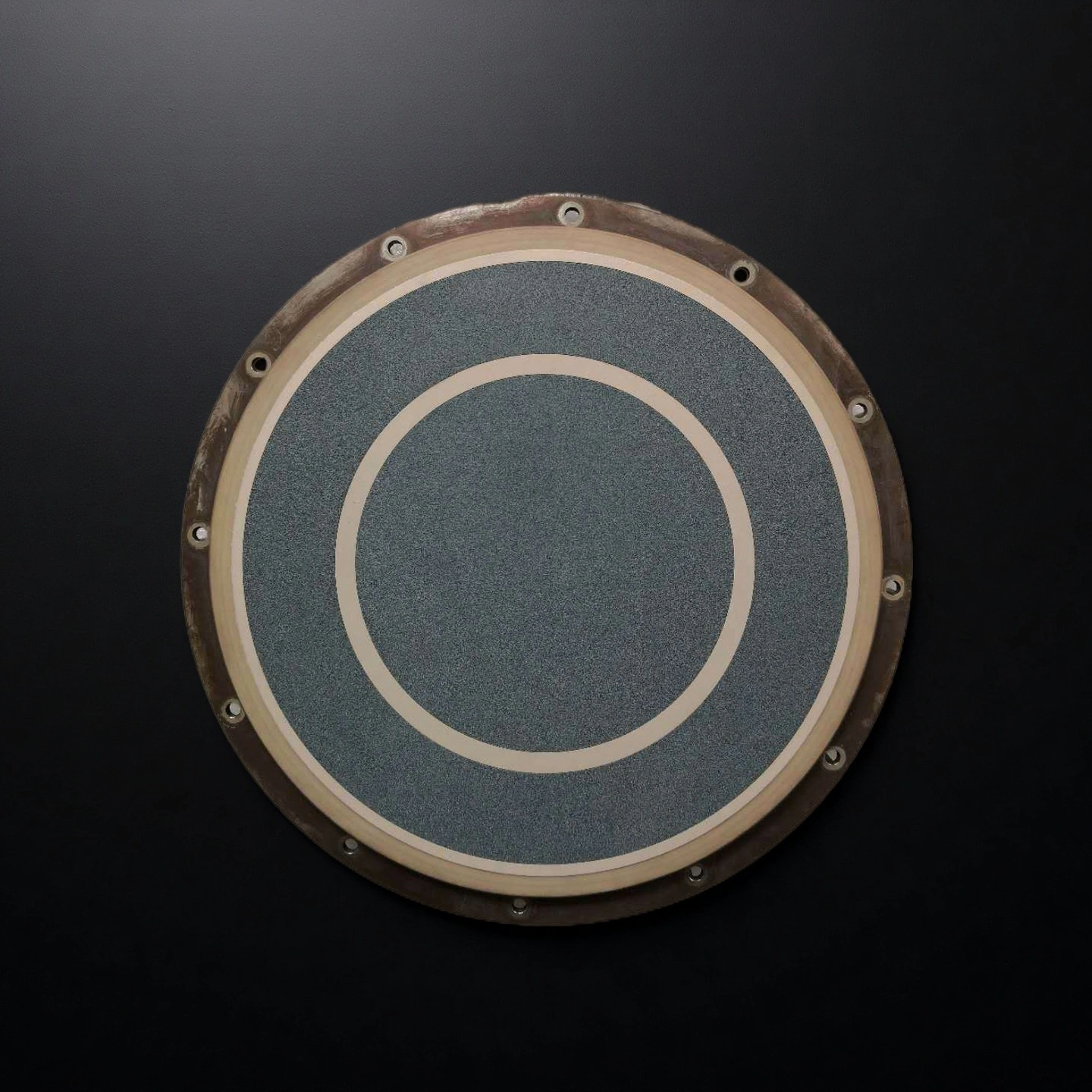
  • Zoned vacuum control — Manifold channels allow segment activation for coupons, windows, and step-and-repeat processes without tooling changes.
  • Optical surface options — White/black alumina and low-Ra finishes support back-lighting, glare control, and stable edge detection.
  • Integrated datum features — Alignment pins, fiducials, countersinks, and reliefs improve placement repeatability and handling safety.
  • Clean-usage orientation — Dense ceramic matrix and compatible cleaning methods support low particle generation compared with soft porous polymers.


Porous Alumina Vacuum Chuck Properties

Property Unit 99.7% Al₂O₃ 99.5% Al₂O₃ 99% Al₂O₃ 96% Al₂O₃
Color   Ivory White Ivory White Ivory White Ivory White
Density g/cm³ 3.94 3.9 3.83 3.6-3.75
Water Absorption % 0 0 0 0
Hardness Mohs Hardness 9.1 9 9 8.8
Flexural Strength (20°C) Mpa 330 320 300 260
Compressive Strength (20°C) Mpa 2300 2300 2210 1910
Maximum Operating Temperature °C 1730 1700 1680 1450
Thermal Expansion Coefficient(25°C to 800°C) 10⁻⁶/°C 7.6 7.6 7.6 7.6
Thermal Conductivity (25°C) W/(m·K) 29 27 24 22
Dielectric Strength (5mm thickness) AC-kv/mm 22 21 19 15
Dielectric Loss at 25°C@1MHz --- < 0.0001 < 0.0001 0.0003 0.0004
Dielectric Constant at 25°C@1MHz --- 9.8 9.7 9.5 9.2
Volume Resistivity (20°C) Ω·cm³ >10¹⁴ >10¹⁴ >10¹⁴ >10¹⁴
Volume Resistivity (300°C) Ω·cm³ 2*10¹² 2*10¹² 4*10¹¹ 2*10¹¹


Porous Alumina Vacuum Chuck Specifications

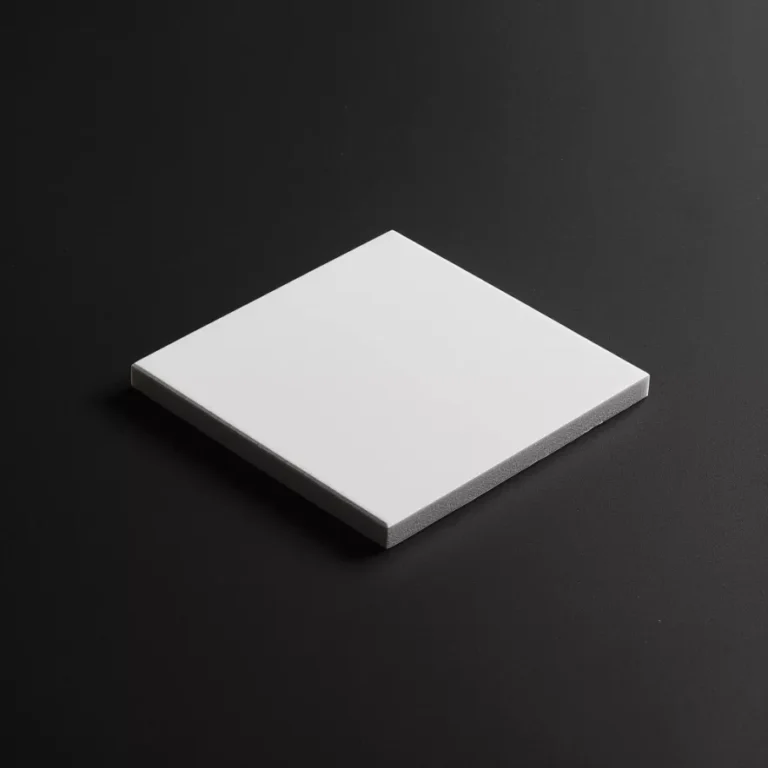
Type 1: Square Microporous Alumina  Vacuum Chuck
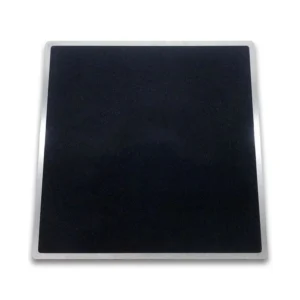
Square Microporous Alumina  Vacuum Chuck 

Square Microporous Alumina  Vacuum Chuck 
Item NO. Length (mm) Width (mm) Thickness (mm) Material
AT-YHL-XP001 305 305 14 316 stainless steel + microporous ceramic (brown)
AT-YHL-XP002 305 305 14 316 stainless steel + microporous ceramic (brown)
AT-YHL-XP003 420 275 20 Aluminum alloy + microporous ceramic
AT-YHL-XP004 450 200 20 SKD61 + porous ceramic
AT-YHL-XP005 520 520 20 Aluminum alloy + microporous ceramic


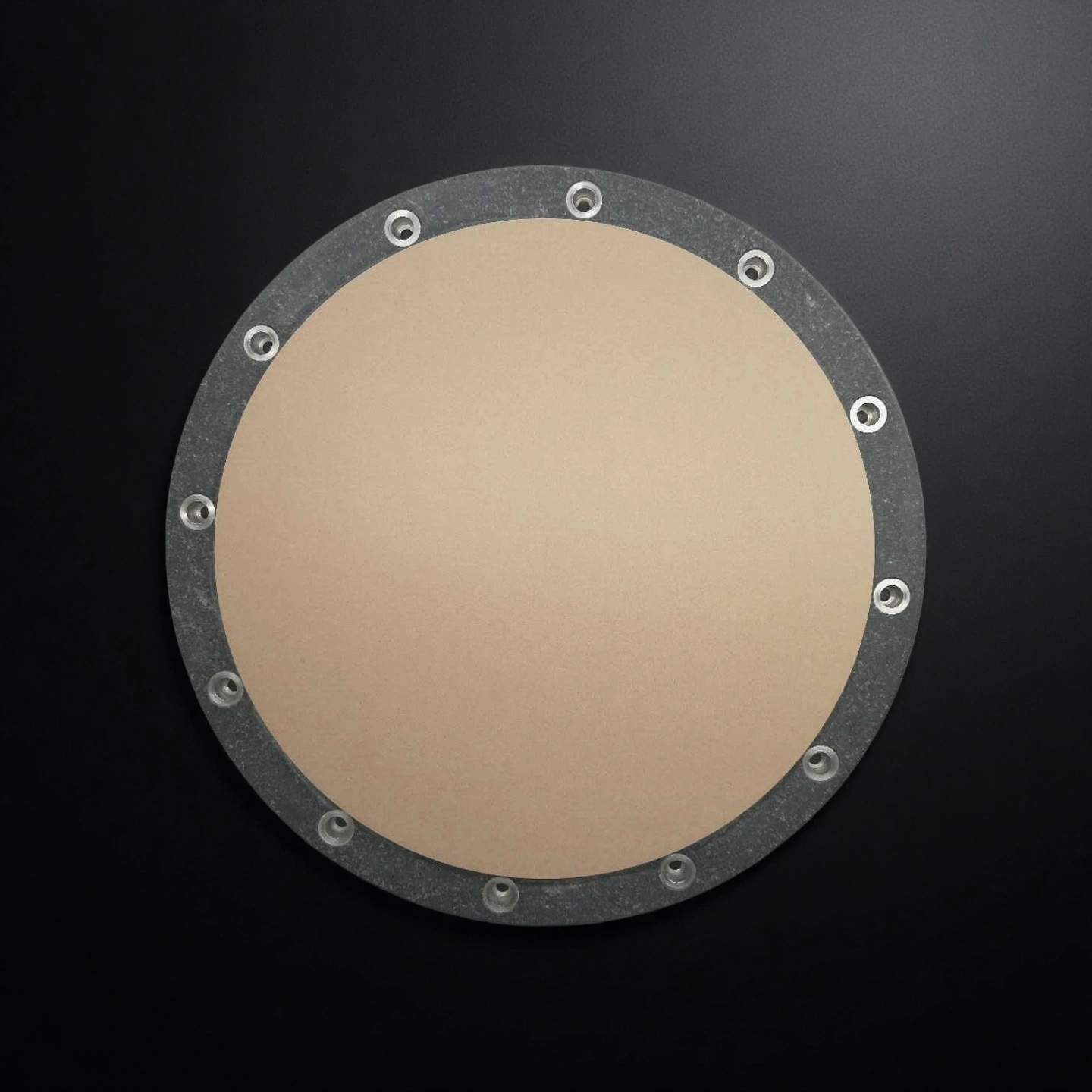
Type 2: Round Microporous Alumina Vacuum Chuck
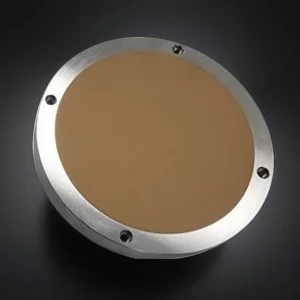
side view ceramic vacuum fixture mounting base

Round Microporous Alumina Vacuum Chuck
Item NO. Diameter (mm) Thickness (mm) Material
AT-YHL-XP006 174 10 316 stainless steel + microporous ceramic
AT-YHL-XP007 220 35 Only alumina ceramic
AT-YHL-XP008 230 16 316 stainless steel + microporous ceramic
AT-YHL-XP009 239 12 Aluminum alloy + microporous ceramic
AT-YHL-XP010 240 12 316 stainless steel + microporous ceramic
AT-YHL-XP011 286 20 Only alumina ceramic
AT-YHL-XP012 320 16 316 stainless steel + microporous ceramic
AT-YHL-XP013 325 12 Aluminum alloy + microporous ceramic


Porous Alumina Vacuum Chuck Packaging

  • Clean pack:Vacuum wrap → anti-shock foam → rigid carton;
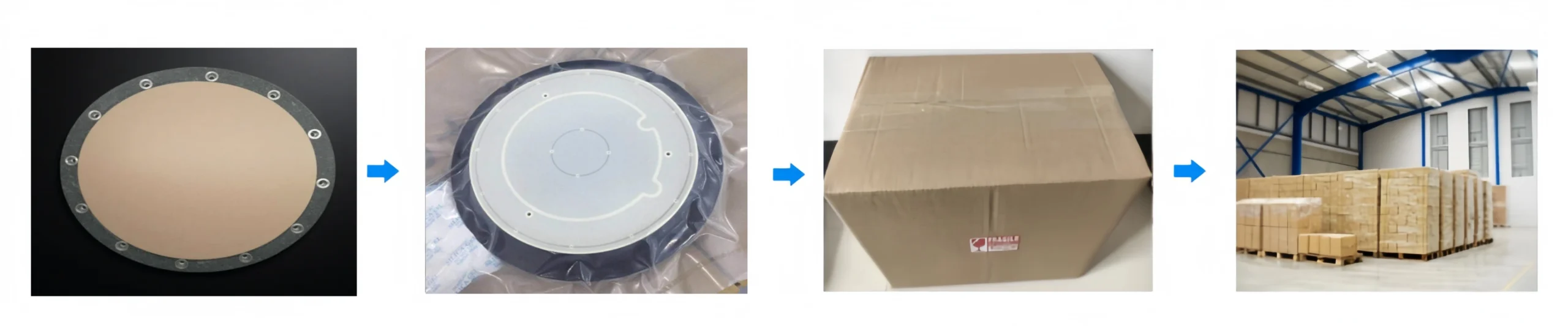
Porous Alumina Vacuum Chuck Packaging

Porous Alumina Vacuum Chuck Applications

  • Electronics & Optics Industry— Thin Glass Inspection & Transfer

    ✅Key Advantages

    1. Even holding across the surface reduces imprint risk compared with hole-type plates, enabling sub-10 µm flatness classes.
    2. White/black alumina with low-Ra finish supports stable edge detection under back-lighting.
    3. Edge-relief and corner radii reduce chipping during manual load/unload on ≤0.3 mm glass.

    ✅ Problem Solved

    During AOI of 0.25 mm glass, migrating from a perforated metal plate to a porous alumina vacuum chuck with low-Ra finish cut cosmetic mark rejects and stabilized focus height. Over four weeks, first-pass yield improved by ~3–5%, and rework tied to suction artifacts decreased.

  • Electronics & PCB Manufacturing— PCB/Film Fixturing for Vision/Coating

    ✅Key Advantages

    1. Zoned manifolds secure partial panels or small coupons without changing tooling.
    2. Flow-tuned pores (10–20 µm) balance holding force and air consumption for conveyor speeds.
    3. Integrated fiducials and datum holes keep registration consistent across multiple runs.

    ✅ Problem Solved

    On a film-coating station, a two-zone porous alumina chuck stabilized thin PET sheets at lower vacuum, reducing edge lift and improving coating uniformity. The station reported fewer web breaks and shorter restart times after stops.

  • Renewable Energy Industry— Solar Cell Sorting & Transfer

    ✅Key Advantages

    1. Low-marking contact reduces visible pickup traces on fragile solar cells.
    2. Large-format options and segmented zones handle multi-cell arrays and test coupons.
    3. Black alumina variants improve camera contrast for crack and chip detection.

    ✅ Problem Solved

    After switching to a segmented porous alumina chuck, a solar cell sorting line saw fewer mis-picks across mixed cell sizes. Scrap attributed to handling marks dropped during a two-week observation, improving takt time and downstream QA stability.

Porous Alumina Vacuum Chuck Usage Instructions

  • Setup

    1. Verify working-area size and flatness class.
    2. Connect vacuum lines; leak-check to target vacuum; cap unused ports.
    3. Confirm surface cleanliness before first use; run a quick hold-force test with a dummy coupon.

  • Operation

    1. Start at a lower vacuum and increase until stable; avoid excessive negative pressure on ultra-thin or soft-coated parts.
    2. Match plate colour/finish to imaging (white for back-light, black for glare control).
    3. Use edge-relief and datum pins to minimize chips and slides during handling.

  • Cleaning

    1. Filtered air to remove debris; lint-free wipes with neutral cleaner.
    2. Where allowed, ultrasonic clean in compatible media; dry thoroughly before reuse.
    3. Avoid abrasive pads that can alter Ra or open the pore surface.

  • Storage

    Re-pack in dust-free materials; protect the porous face; store horizontally on a flat surface.

  • Common Misuse & Fixes

    1. Suction marks → Lower vacuum, choose finer pore size, use polished face.
    2. Flow imbalance → Inspect seals, re-cap unused zones, check gasket compression.
    3. Part shift on accel → Increase zone coverage, add datum pins, soften motion ramps.

Porous Alumina Vacuum Chuck FAQ

  1. Why choose alumina ceramic instead of metal or polymer for a vacuum chuck?
    Alumina offers high flatness, stable thermal expansion, and low particle generation. Compared with metal hole-type plates, it reduces suction marks; compared with polymer porous media, it lasts longer and performs better in cleanroom environments.
  2. What pore size ranges are available for the porous alumina vacuum chuck?
    Typical pore sizes are 5–30 µm. Smaller pores (5–10 µm) are used for delicate coated surfaces, medium pores (10–20 µm) for general thin glass and wafers, and larger pores (20–30 µm) where higher flow and stronger holding force are required.
  3. How flat are porous alumina vacuum chucks?
    Flatness classes are available: Class A (≤5–8 µm) for metrology and inspection, and Class B (≤10–15 µm) for transfer or general handling. Flatness maps can be provided with the product.
  4. Can I order custom designs, or are only standard sizes available?
    Both options are possible. Standard chucks cover common work areas, while custom versions can specify working dimensions, zoning layout, porting positions, surface finish, and edge features.
  5. Will porous alumina vacuum chucks leave suction marks?
    The porous surface distributes the vacuum evenly and reduces marking risk. Final results depend on vacuum level, pore size, surface finish, and substrate type—these parameters can be adjusted to minimize visible artifacts.
  6. Are porous alumina vacuum chucks compatible with cleanroom use?
    Yes. Alumina ceramic is dense, generates low particles, and withstands approved cleaning methods, making it suitable for cleanrooms in electronics, optics, and R&D labs.

What our Clients Say about the Porous Alumina Vacuum Chuck

  • ⭐️⭐️⭐️⭐️⭐️
    “Using a porous alumina vacuum chuck for thin glass inspection gave us higher image contrast and fewer pickup marks. On 0.25 mm glass, the improvement was immediate and consistent.”
    -- Process Engineer, Optical Components (USA)
  • ⭐️⭐️⭐️⭐️⭐️
    “The custom porous alumina vacuum chuck with zoned ports allowed us to run small samples without redesigning fixtures. Flatness verification matched our CMM data, which sped up validation.”
    -- Equipment Integrator (Germany)
  • ⭐️⭐️⭐️⭐️⭐️
    “After adjusting pore size and vacuum settings, the porous alumina vacuum chuck stabilized the solar cell transfer. Mis-picks dropped significantly during long production runs.”
    -- Solar Line Supervisor (Korea)
  • ⭐️⭐️⭐️⭐️⭐️
    “The low-Ra surface finish and precision edge features on the porous alumina vacuum chuck kept fragile substrates steady. Repeatability in optical tests improved across multiple shifts.”
    -- R&D Technician (Japan)
customize size

Customize Porous Alumina Vacuum Chuck

Clients can define critical parameters, from working dimensions to pore architecture, to achieve reliable performance in their specific applications. What you can specify:

  • Working area & outline: Length/width/height; thickness tolerance per class; plate stiffness targets.
  • Porting layout: Bottom/side vacuum ports, zoned channels, manifold thread types, and quick-connect options.
  • Pore architecture: Nominal pore size 5–30 µm; graded porosity by area for flow balancing.
  • Surface & colour: Polished, fine-ground, or low-Ra finishes; white/black alumina for optical needs.
  • Edge & datum features: Chamfers, corner radii, alignment pins, fiducial marks, countersinks/counterbores.

Related Products

ADCERAX - Your Trusted Advanced Ceramics Manufacturing Partner

Direct factory manufacturing with comprehensive ceramic materials expertise and global supply capabilities

Direct Factory Manufacturing

China-based ceramic materials production facility with state-of-the-art equipment

Engineering Team

Experienced professionals in advanced ceramics applications and custom design

Quality Control

Strict quality control standards for technical ceramics manufacturing and quality management

Global Supply Chain

Serving customers worldwide with technical ceramics and rapid response

24/7 Technical Support

Round-the-clock support for ceramic components inquiries and technical assistance

500+ Satisfied Customers

Trusted by global customers for advanced ceramic materials and precision components

Get in touch with us

Our team will be happy to respond to you in less than 24 hours.

Adcerax's factory

Quick Quotation

*Our team will answer your inquiries within 24 hours.

*Your information will be kept strictly confidential.

Ready to Solve Your Engineering Challenge?

Partner with ADCERAX for reliable, high-performance advanced ceramic solutions. Our engineers are ready to discuss your project.

E-mail

info@adcerax.com

Phone

+(86) 0731-74427743 | WhatsApp: +(86) 19311583352

Response Time

Within 24 hours

Quick Quote

The more details you provide, the faster we can quote.

*We respond within 24 hours. All inquiries are confidential.

Download Catalog

Get Your Custom Sulution

The more details you provide, the faster we can respond.

customize size

*We respond within 24 hours. All inquiries are confidential.

Download Catalog