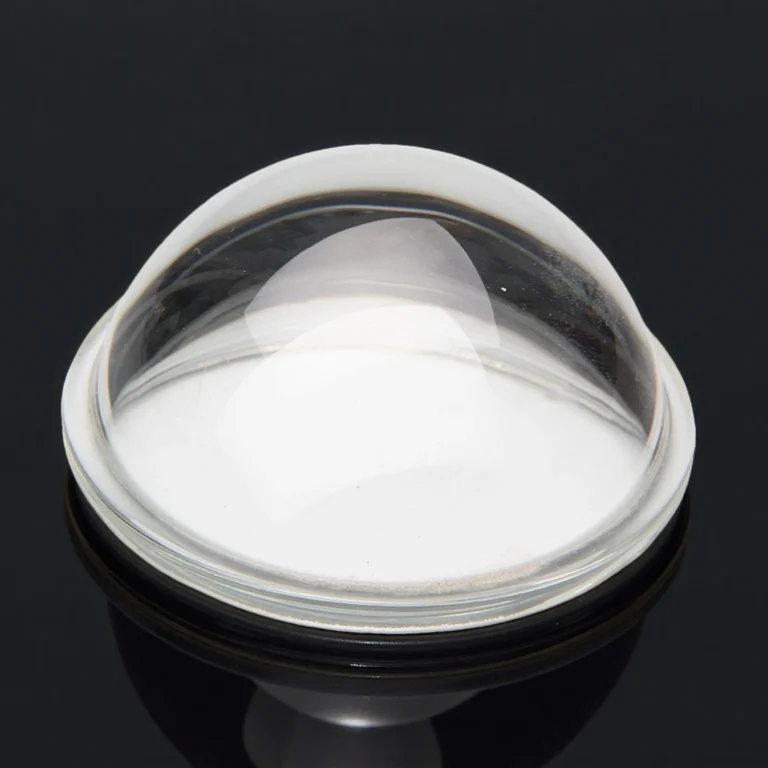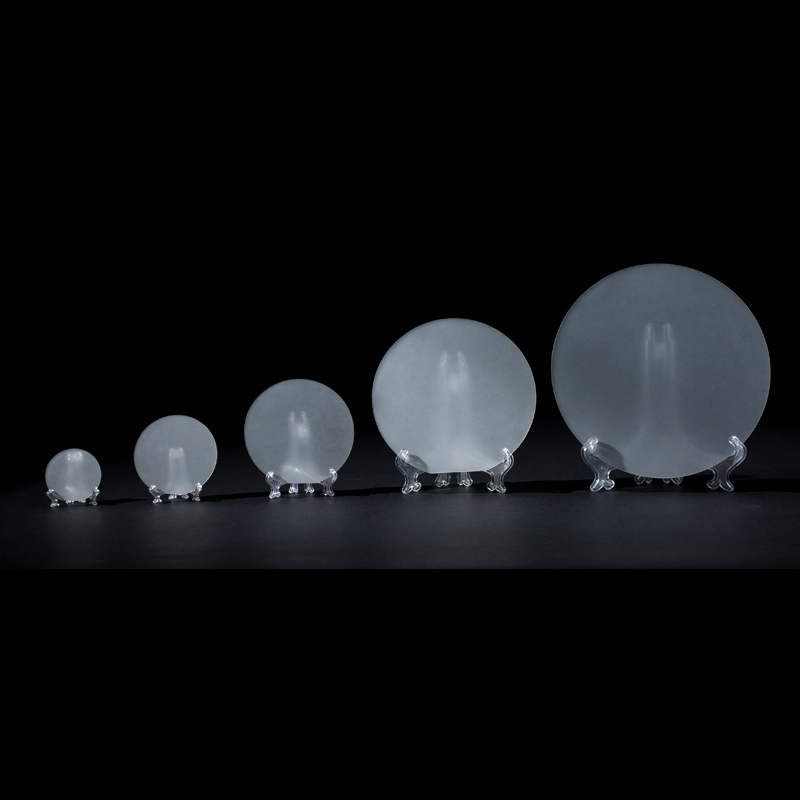
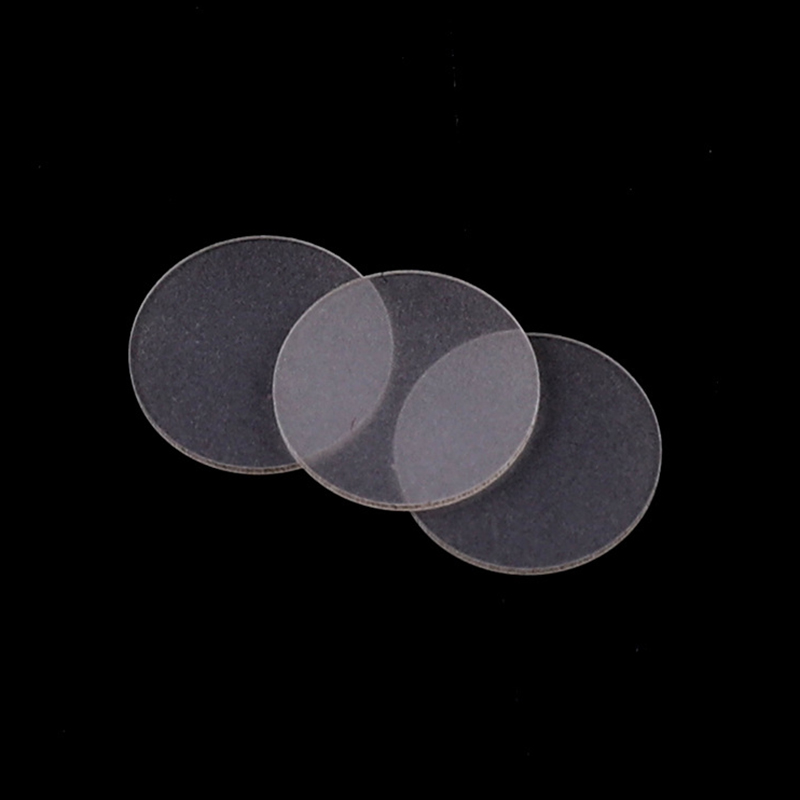
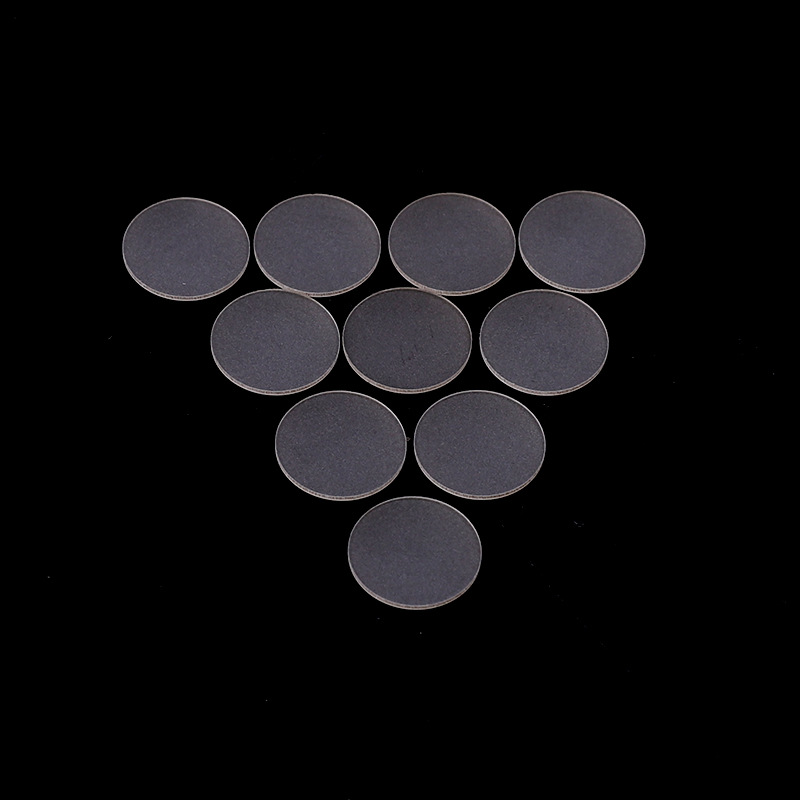
Sapphire Substrate — Epi-Ready Sapphire Wafers and Optical Windows for LED, Laser and Precision Optics

Epi-ready and polished sapphire substrates in standard and custom sizes for LED epitaxy, precision optics, and laser windows — available with controlled crystal orientation, surface finish and tight dimensional tolerance.

Catalogue No. AT-BS-JP1001
Material Al₂O₃
Surface Roughness Ra < 1nm (Double Side Polished)
Crystal Orientation C-plane (0001) or R-plane (1-102)
Dimensions/Sizes Download PDF
24H Standard Dispatch
Small Batch Support OEM
Factory Direct
Expert Engineering Support

A sapphire substrate is a single-crystal Al₂O₃ wafer used as a base material for growing compound semiconductors like GaN and AlN. It provides high thermal conductivity, chemical stability, and optical transparency, making it essential for LED, LD, and optical coating applications.

Sapphire Substrate Benefits

  • Epi-ready surface options: single- or double-side epi-polished finishes to support GaN growth and minimize nucleation defects.
  • Orientation control: choice of c-plane, m-plane, or r-plane to match device design and crystal growth requirements.
  • Dimensional range: stocked standard diameters with custom cutting to match tool pockets and fixture footprints.
  • Low intrinsic defect options: material grades and process options that reduce dislocation density for improved epitaxial yield.

Sapphire Substrate Properties

Property Value
Material Al2O3 (monocrystalline structure)
Purity 99.999%
Max. Working Temperature 1950℃
Transmissivity >86% (280-3500nm)
Refractive Index (λ ≈ 546 nm) 1.76
Density 3.98-4.1g/cm3
Hardness 1700Hv
Compressive Strength 2100MPa
Tensile Strength 200MPa
Bending Strength 445MPa
Elasticity Modulus 380GPa
Poisson's Ratio 0.28
Thermal Conductivity 28-32W/m*K
Thermal Expansion Coefficient 6*10-6/K
Refractive Index 1.76
Volume Resistivity >1.5*1016Ohm*cm
Dielectric Strength 48KV/mm
Lattice Constant (a, c) a = 4.758 Å, c = 12.991 Å
Double-Side Polished Surface Ra < 0.5 nm
Decomposition Point > 2000 °C (in air)

Sapphire Substrate Specifications

C-Plane(0001) Sapphire Substrate
Item NO. Inch Diameter (mm) Thickness (μm) TTV/Bow/Warp Purity
AT-BS-JP1001 1 Inch 25.4±0.1 430±25 TTV < 5 μm Bow < 5 μm Warp < 5 μm 99.999%
AT-BS-JP1002 2 Inch 50.8±0.1 430±25 TTV < 10 μm Bow < 10 μmWarp < 10 μm 99.999%
AT-BS-JP1003 3 Inch 76.2±0.1 500±25 TTV < 15 μm Bow < 15 μmWarp < 15 μm 99.999%
AT-BS-JP1004 4 Inch 100±0.1 650±25 TTV < 20 μm Bow < 20 μmWarp < 20 μm 99.999%
AT-BS-JP1005 5 Inch 125±0.1 650±25 TTV < 20 μm Bow < 20 μmWarp < 20 μm 99.999%
AT-BS-JP1006 6 Inch 150±0.2 1300±25 TTV < 25 μm Bow < 25 μmWarp < 25 μm 99.999%
AT-BS-JP1007 8 Inch 200±0.2 1300±25 TTV < 30 μm Bow < 30 μmWarp < 30 μm 99.999%


Sapphire Substrate Packaging

  • Individual protective carrier (foam or clean plastic carrier) for each wafer.
  • Batch trays with vacuum foam inserts for mixed size orders.
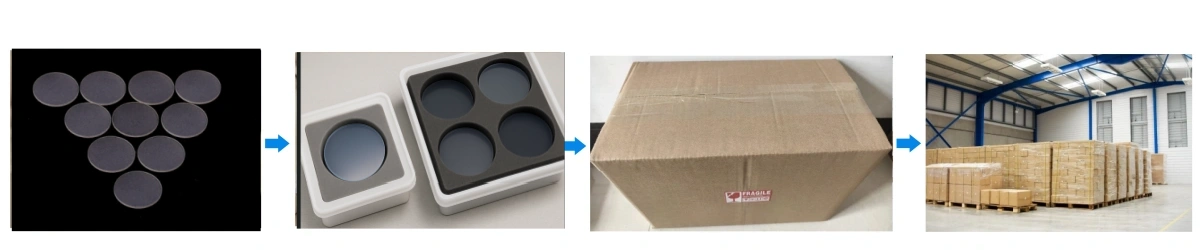
Sapphire Substrate Packaging

Sapphire Substrate Applications

  • LED Epitaxy & LED Manufacturing

    ✅Key Advantages

    1. Crystal orientation and epi-ready surface reduce nucleation defects in GaN growth.
    2. Controlled thickness and geometry ensure consistent thermal management during processing.
    3. Repeatable wafer geometry supports automation and high throughput assembly.

    ✅ Problem Solved

    A mid-scale LED foundry reduced defective epilayers by shifting from unspecified sapphire to controlled c-plane epi-ready wafers; first-pass yield improved, cutting rework cycles and lowering per-die scrap by a measurable percentage during qualification (typical improvements reported by industry suppliers are in the low-double digits after process alignment).

  • Precision Optical Components & Windows

    ✅Key Advantages

    1. High optical transmission in visible and UV bands for precision imaging and window applications.
    2. Low birefringence orientation choices for reduced polarisation artefacts.
    3. Durable scratch resistance and thermal stability for instrument uptime.

    ✅ Problem Solved

    An optical instrument manufacturer replaced annealed glass windows with polished sapphire windows in a 24-unit instrument run; sapphire’s scratch resistance and thermal stability extended maintenance intervals, lowering in-service window replacements per year.

  • Laser & High-Power Optics

    ✅Key Advantages

    1. Crystal orientation and epi-ready surface reduce nucleation defects in GaN growth.
    2. Controlled thickness and geometry ensure consistent thermal management during processing.
    3. Repeatable wafer geometry supports automation and high throughput assembly.

    ✅ Problem Solved

    A laser integrator sourcing custom 150 mm rectangular windows achieved improved beam stability after switching to low-warp polished sapphire with controlled thickness tolerance, enabling consistent repeatable alignment across production lots.

Sapphire Substrate Usage Instructions

  • Installation

    1. Handle wafers or substrates only by the edges or with vacuum tweezers to prevent contamination and scratches on polished surfaces.
    2. Align orientation flats or laser marks precisely according to tool or fixture specifications to ensure uniform processing.
    3. Use soft, non-abrasive fixtures and distribute clamping pressure evenly to prevent mechanical stress or microcracks.
    4. Before installation, inspect surface flatness and edge integrity to avoid particle contamination or misalignment during use.
    5. When mounting into automated systems, verify sensor calibration and vacuum levels to ensure secure placement.

  • Use

    1. For epitaxy or CVD applications, strictly follow tool vendor recommendations regarding wafer mount methods, backside coatings, and bake/clean cycles.
    2. For optical and laser components, test AR coatings or reflective layers on representative samples before mass production to confirm optical uniformity.
    3. Maintain cleanroom-grade handling throughout the process; avoid exposure to fingerprints, dust, or solvents not specified for sapphire or ceramic surfaces.
    4. In thermal or plasma processes, gradually ramp temperatures to minimize thermal shock.

  • Storage

    1. Store in clean, dry, and temperature-stable environments; avoid rapid temperature changes to reduce stress fractures.
    2. Use dedicated wafer carriers or anti-static containers to prevent contamination and mechanical damage.
    3. For long-term storage, include desiccants or nitrogen-purged packaging to control humidity and preserve surface quality.
    4. Avoid stacking wafers directly; use spacers or protective films between layers.

  • Cleaning

    1. Clean only with approved solvents (e.g., isopropyl alcohol or deionized water) using lint-free wipes or ultrasonic cleaning systems.
    2. Avoid acidic or alkaline cleaners that may etch or haze the sapphire surface.
    3. After cleaning, dry with filtered nitrogen or in a clean oven at controlled temperature.
    4. Inspect surfaces under cleanroom lighting to ensure no residues, watermarks, or particles remain before reuse.

Transparent Sapphire Substrate FAQ

  1. Q: What are the main crystal orientations available for sapphire substrates?
    A: Common orientations include C-plane (0001) for GaN epitaxy, A-plane (11-20) and R-plane (1-102) for optical and lattice-matched applications. Each orientation offers different surface atomic arrangements suited for various film growth behaviors.
  2. Q: How is a polished sapphire substrate different from an as-cut one?
    A:  Polished substrates have one or both sides mechanically and chemically finished to nanometer-level flatness, ideal for thin-film epitaxy or precision optics. As-cut substrates are rougher and primarily used in structural or experimental testing.
  3. Q: What factors influence sapphire substrate pricing?
    A:  Prices depend on diameter (2"–6"), crystal orientation, polishing grade (SSP/DSP/epi-ready), and thickness tolerance. For example, 2-inch DSP C-plane substrates typically range from USD 50–150 per piece, while large-diameter or patterned wafers cost significantly more due to yield and precision requirements.
  4. Q: What surface finishes are available for sapphire substrates?
    A: Available finishes include as-cut, ground, single-side polished (SSP), double-side polished (DSP), and epi-ready polish with AFM-verified surface roughness below 0.5 nm Ra for GaN MOCVD growth.
  5. Q: What are patterned sapphire substrates (PSS), and why are they used for LEDs?
    A: Patterned sapphire substrates have micro-cone or nano-array structures etched onto the surface to improve light extraction and reduce dislocation density in GaN films. This design increases LED luminous efficiency by 15–25% compared with flat wafers.
  6. Q: How should sapphire substrates be cleaned before deposition or coating?

    A: The cleaning process for sapphire substrates is designed to remove particulates, organic residues, and surface contaminants without damaging the crystal or altering its surface finish. A standard procedure includes:
    a. Initial Rinse – Rinse the substrate in deionized (DI) water to remove loose particles.
    b.Degreasing – Immerse in acetone for 5–10 minutes using an ultrasonic bath to dissolve organic residues such as wax or oil.
    c.Secondary Cleaning – Transfer to isopropyl alcohol (IPA) for another 5–10 minutes of ultrasonic cleaning to eliminate fine contaminants.
    d.Rinse & Dry – Rinse again with DI water and blow dry with filtered nitrogen to avoid watermarks.
    e.Optional Oxygen Plasma Cleaning – For epi-ready or optical-grade wafers, apply oxygen plasma or UV-ozone cleaning for 5–15 minutes to remove carbon traces and increase surface energy.
    f. Storage – Store cleaned wafers in class 100 cleanroom conditions, using anti-static carriers to prevent recontamination.

  7. Q: What is the manufacturing process for sapphire substrates?

    A: Sapphire substrates are produced through a multi-stage crystal growth and precision processing workflow designed to achieve optical- and semiconductor-grade quality. The main stages include:
    a.Crystal Growth
    High-purity aluminum oxide (Al₂O₃) is melted and crystallized using methods such as Czochralski (CZ), Kyropoulos (KY), or Edge-Defined Film-Fed Growth (EFG). These processes form large single-crystal boules with controlled lattice orientation, typically C-plane or A-plane.
    b. Ingot Cutting
    The sapphire boule is oriented and sliced into wafers using diamond wire saws or ID saws, ensuring tight tolerance in thickness and maintaining crystal alignment.
    c. Lapping and Grinding
    Both sides of each wafer are lapped to remove saw damage and to achieve uniform thickness. Double-side grinding improves parallelism and prepares the surface for polishing.
    d. Polishing and Surface Finishing
    The wafers undergo mechanical and chemical-mechanical polishing (CMP) to reach optical-grade smoothness, achieving Ra ≤ 0.5 nm for epi-ready surfaces. Polishing steps may differ for single-side (SSP) and double-side (DSP) finishes.
    e. Cleaning and Inspection
    Substrates are cleaned through ultrasonic and DI water rinsing, followed by oxygen plasma treatment to remove micro-contaminants. Each wafer is then inspected for flatness, bow, and surface defects under interferometric measurement.
    f. Packaging
    Finished substrates are placed in anti-static wafer carriers, vacuum-sealed, and labeled with lot traceability codes for cleanroom-grade shipment.
    Each step—from raw Al₂O₃ feedstock to final wafer—directly impacts crystal integrity, dislocation density, and surface flatness, which are critical for applications in LED, laser diode, and optical coating industries.

Customer Reviews About Sapphire Substrates

  • ⭐️⭐️⭐️⭐️⭐️
    The performance remains stable under high-temperature conditions, with no deformation or cracking issues, thanks to the ceramic robotic arm we purchased from Adcerax.
    Daniel Kim, Senior Process Engineer — OptoLED Co.
  • ⭐️⭐️⭐️⭐️⭐️
    Polished sapphire windows met our flatness criteria; batch traceability reports helped our incoming inspection process.
    Elena Rossi, QA Manager — LumiOptics Ltd.
  • ⭐️⭐️⭐️⭐️⭐️
    ADCERAX factory, one of the reliable sapphire substrate suppliers from China, provided cut-to-size sapphire pieces for a pilot lot; the quality matched expectations and communication was efficient and direct.
    Michael Chen, Procurement Lead — ADCERAX Partner (Distributor)
  • ⭐️⭐️⭐️⭐️⭐️
    We ordered small custom rectangles with transparent sapphire substrate for laser tests; tolerances were consistent, and sample support was detailed.
    Dr. Sarah Liu, Research Scientist — University Photonics Lab
customize size

Customize Sapphire Substrate

Below are common options you can specify. What you can specify:

Custom dimensions & tolerances

  • We cut outer diameters and custom shapes to customers’ drawings, and we can hold dimensional tolerances as tight as ±0.1 mm on many common sizes.
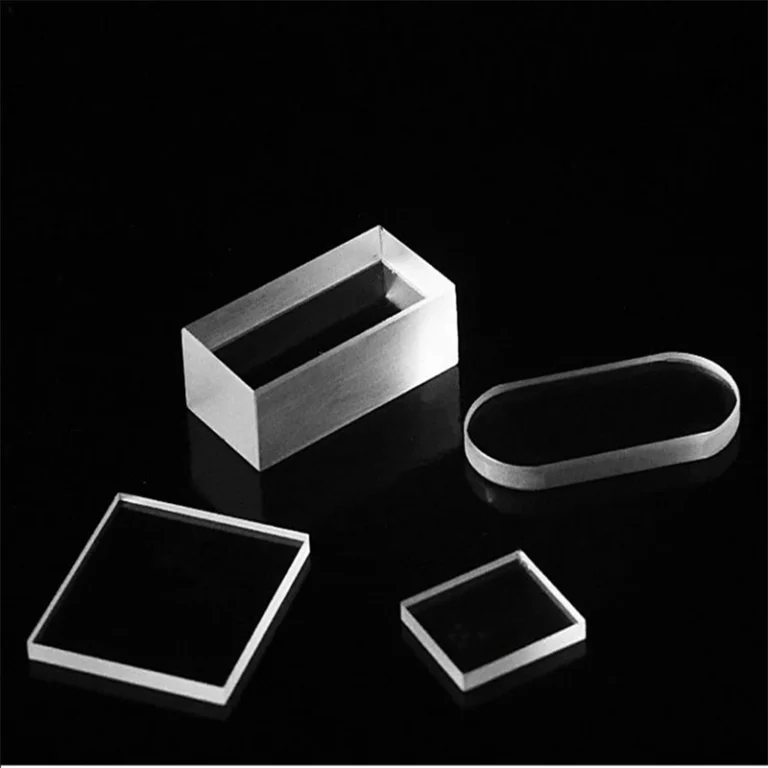
  • We supply cut-to-size pieces such as strips, squares, and rectangular windows for fixture-ready integration.

Thickness options

  • Thickness is produced from thin membranes up to and beyond 1.3 mm, with tolerance options that can be specified per order.
  • We can deliver wafers with controlled warp and thickness uniformity tailored for your coating or epitaxy process.

Crystal orientation

  • Crystal orientation choices include C-plane (0001), M-plane, A-plane and R-plane to match epitaxial, optical or birefringence requirements.
  • Orientation flats or laser marks can be added to simplify alignment in your tools.

Surface finish & polish

  • Surface finish options include as-cut, ground, single-side polished (SSP), double-side polished (DSP) and epi-ready polish with measurable Ra targets on request.
  • We can support specific surface metrology requirements such as scratch-dig limits and AFM/RMS roughness targets.

Edge, end and shape details

  • Edge and end treatments available are flat, chamfer, bevel, and custom fixture clips to reduce chipping and ease handling.
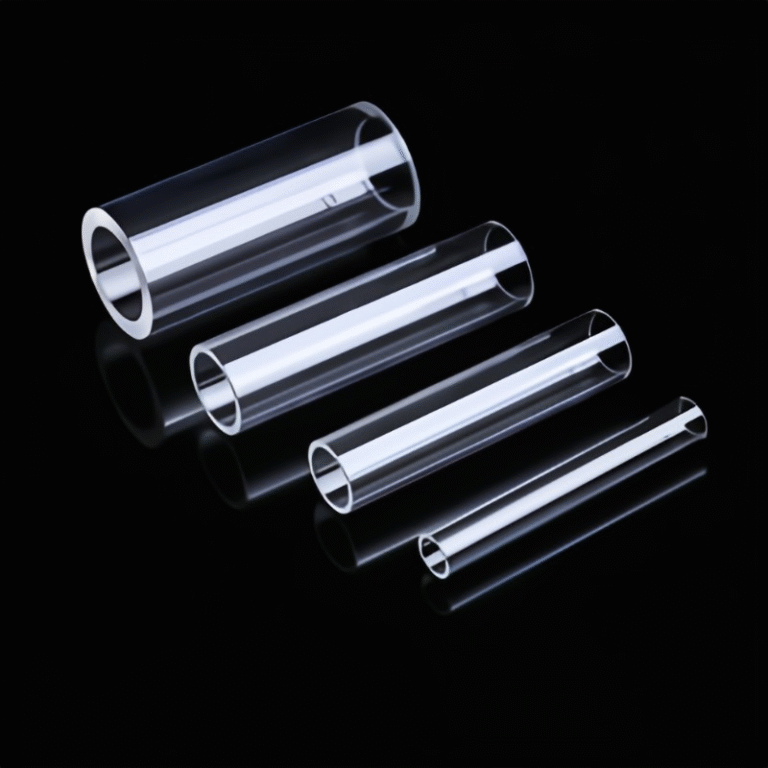
  • Custom cross-sections or cavities (square, rectangular, triangular) are available for special fixture or optical designs.

Special processing & prep

  • Optional processing includes stress-relief anneal, AR-coating preparation, and vacuum-compatible cleaning to meet downstream process needs.
  • Lot identification, custom marking, and QR/barcode traceability can be applied for quality control and batch tracking.

Related Products

ADCERAX - Your Trusted Advanced Ceramics Manufacturing Partner

Direct factory manufacturing with comprehensive ceramic materials expertise and global supply capabilities

Direct Factory Manufacturing

China-based ceramic materials production facility with state-of-the-art equipment

Engineering Team

Experienced professionals in advanced ceramics applications and custom design

Quality Control

Strict quality control standards for technical ceramics manufacturing and quality management

Global Supply Chain

Serving customers worldwide with technical ceramics and rapid response

24/7 Technical Support

Round-the-clock support for ceramic components inquiries and technical assistance

500+ Satisfied Customers

Trusted by global customers for advanced ceramic materials and precision components

Get in touch with us

Our team will be happy to respond to you in less than 24 hours.

Adcerax's factory

Quick Quotation

*Our team will answer your inquiries within 24 hours.

*Your information will be kept strictly confidential.

Ready to Solve Your Engineering Challenge?

Partner with ADCERAX for reliable, high-performance advanced ceramic solutions. Our engineers are ready to discuss your project.

E-mail

info@adcerax.com

Phone

+(86) 0731-74427743 | WhatsApp: +(86) 19311583352

Response Time

Within 24 hours

Quick Quote

The more details you provide, the faster we can quote.

*We respond within 24 hours. All inquiries are confidential.

Download Catalog

Get Your Custom Sulution

The more details you provide, the faster we can respond.

customize size

*We respond within 24 hours. All inquiries are confidential.

Download Catalog