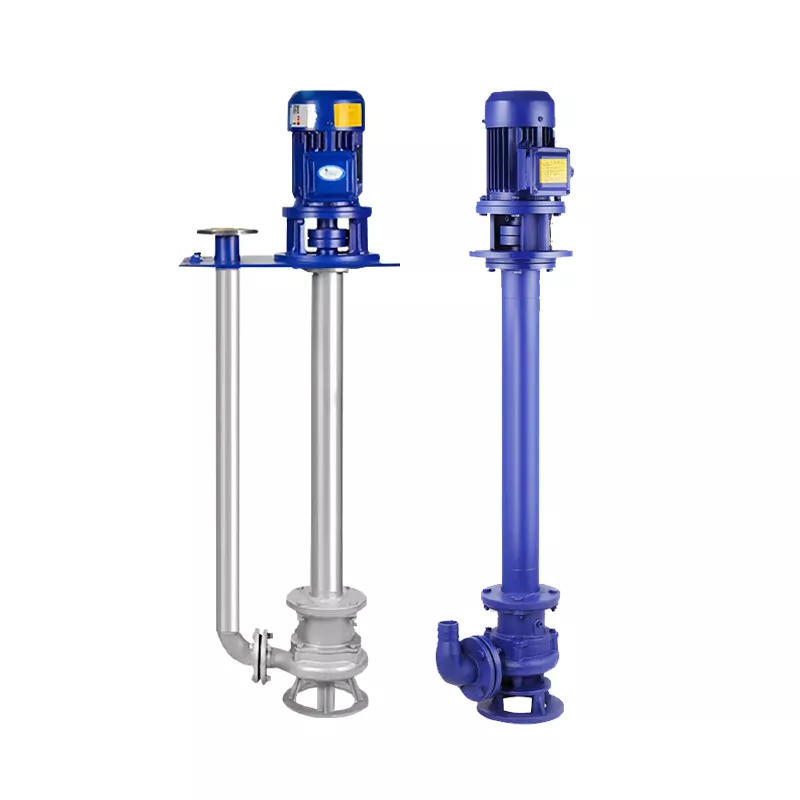
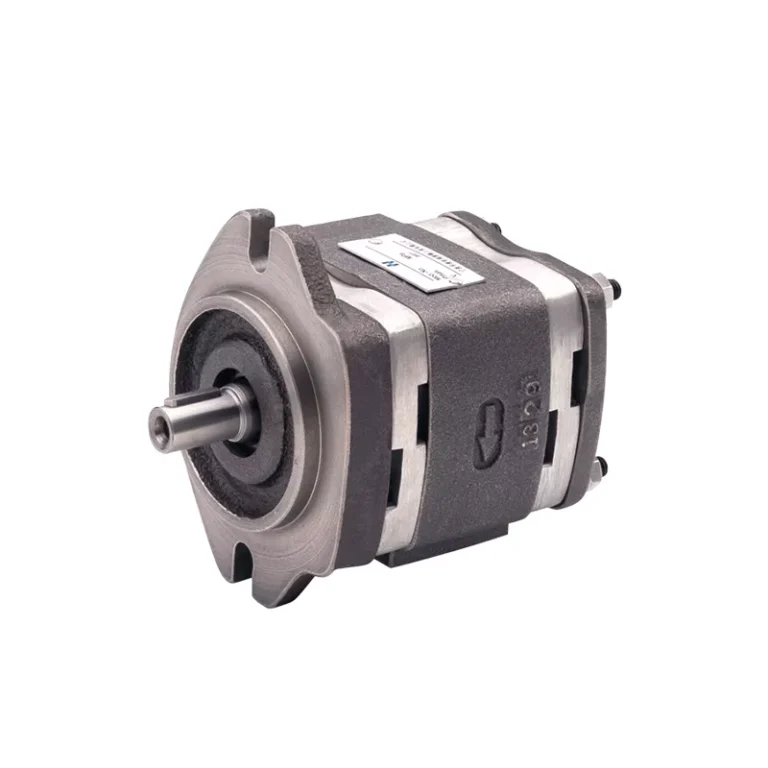
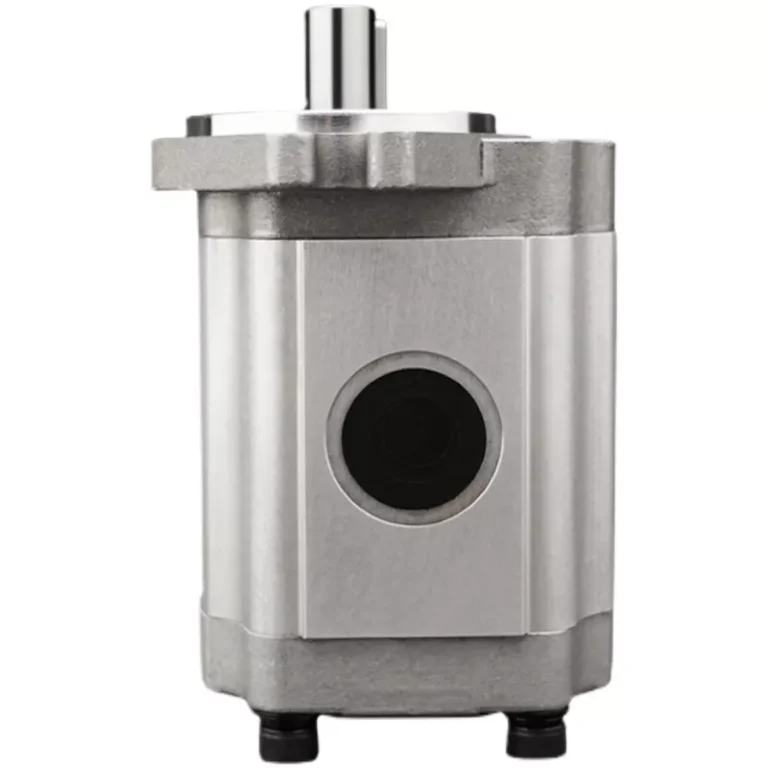
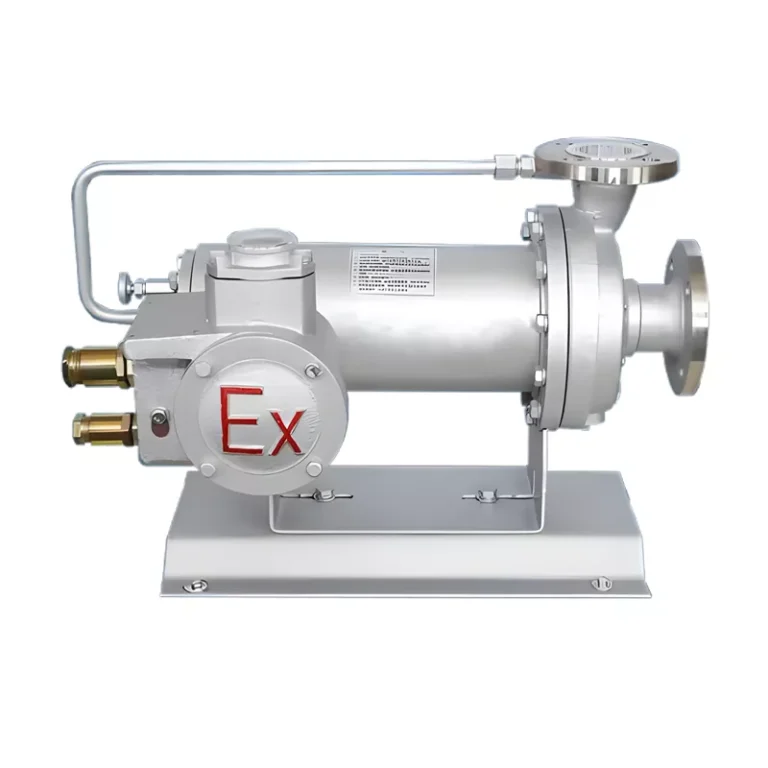
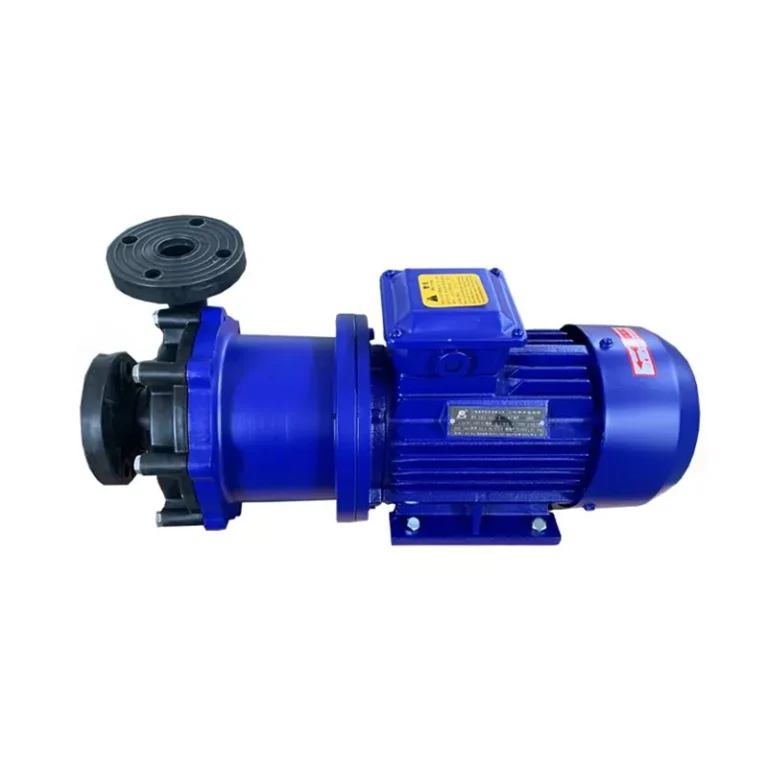
ADCERAX® Silicon Carbide Vertical Sump Pump is engineered to maintain stable hydraulic performance in corrosive, abrasive and thermally fluctuating tank environments where conventional metallic or polymer pumps frequently fail. Its SiC-bearing support structure preserves shaft alignment under slurry impact and low-lubricity chemical conditions, enabling continuous operation within chemical processing, hydrometallurgy and surface-treatment systems. By integrating high-integrity wetted components with long-shaft stability, the Silicon Carbide Vertical Sump Pump provides a dependable transfer solution for facilities seeking extended service life, predictable maintenance cycles and consistent operational uptime across demanding industrial processes.
Advanced SiC-Enhanced Performance Architecture for the Silicon Carbide Vertical Sump Pump
- Extreme Hardness for Wear Control
With SiC hardness exceeding HV 2200, the bearing interfaces resist abrasive scoring from slurry particles, enabling stable shaft motion during extended duty cycles. This high hardness reduces radial displacement under particulate impact, supporting predictable MTBF even when solid content exceeds 10–20 wt%.
- Thermal Conductivity Supporting Film Stability
SiC’s thermal conductivity of 120–180 W/m·K accelerates heat dissipation across bearing surfaces, reducing lubrication-film breakdown in low-viscosity acids. This property minimizes thermal distortion during rapid temperature shifts of ±40 °C, preserving bearing geometry in crystallizer discharge systems.
- Chemical Inertness Across Broad pH Range
SiC remains dimensionally stable in media ranging from pH 0 to pH 14, preventing corrosive swelling or grain-boundary attack common in polymer and metal bearings. This chemical inertness sustains operational alignment in chloride brines with dissolved metal concentrations above 15 g/L.
- Multi-Bushing Support for Vibration Reduction
Distributed SiC bushings spaced along shaft lengths reaching 1–4 m suppress lateral vibration and critical-speed interference. This arrangement maintains hydraulic efficiency by reducing shaft deflection amplitudes by 20–35% during high-load operation.
- Efficiency Retention Across Long Service Cycles
SiC wear rings limit clearance growth to less than 0.02 mm/month, allowing hydraulic efficiency to remain within ±5% of initial performance. Such dimensional consistency reduces energy consumption in continuous-duty plants processing over 100 m³/h.
- Extended Bearing Life Under Abrasive Conditions
Field data from hydrometallurgy plants show SiC bearing life increases by 3–5× compared to metallic bearings when transporting high-solid slurries. The reduced wear rate lowers annual downtime by 15–25%.
Technical Specifications of Silicon Carbide Vertical Sump Pump
The Silicon Carbide Vertical Sump Pump is engineered with a ceramic tribological system, corrosion-resistant hydraulic components, and a long-shaft support framework that maintains structural integrity and fluid stability under corrosive, abrasive, and thermally variable industrial environments.
| Property |
Specification |
| SiC Bearing Hardness |
HV 2200–2500 |
| Thermal Conductivity (SiC) |
120–180 W/m·K |
| Chemical Compatibility Range |
pH 0–14 |
| Maximum Slurry Solid Content |
20–25 wt% |
| Operating Temperature Range |
−20 to 180 °C |
| Corrosion Resistance (H₂SO₄) |
up to 30 wt% |
| Corrosion Resistance (HCl) |
up to 20 wt% |
| Radial Shock Load Capacity |
up to 2.5 kN |
| Allowable Particle Size in Slurry |
200–300 µm |
| Cavitation Reduction Efficiency |
25–40% vs horizontal pumps |
| Gas Entrained Tolerance |
8–12% gas volume fraction |
| Wear Ring Clearance Growth |
<0.02 mm/month |
| Shaft Deflection Reduction |
20–35% with multi-bushing support |
| Flow Stability Variation |
within ±5% over long cycles |
Dimensions of Silicon Carbide Vertical Sump Pump
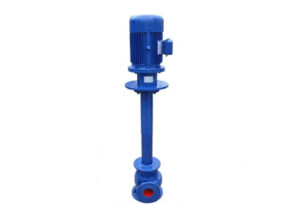
,
Packaging Process for Silicon Carbide Vertical Sump Pump
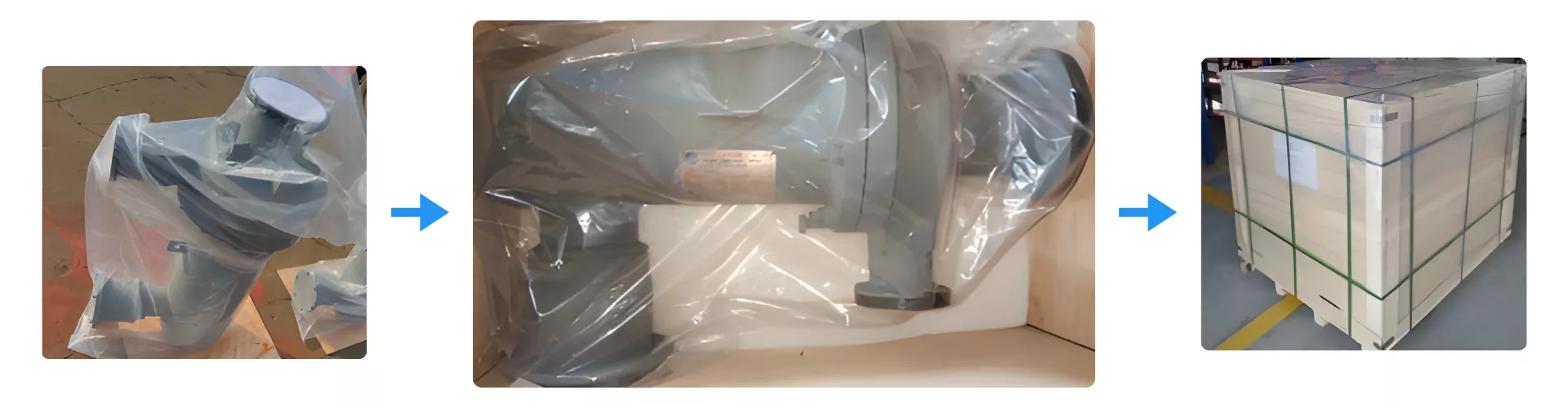
Silicon Carbide Vertical Sump Pump packaging begins with moisture-protected wrapping to isolate all wetted components from humidity during long-distance transport. The wrapped pump body is then secured inside a reinforced wooden crate to prevent vibration and impact throughout handling and shipment. Finally, the boxed unit is palletized and fully banded to ensure stable stacking and safe loading for international freight conditions.
ADCERAX® Silicon Carbide Vertical Sump Pump Overcomes Critical Process Challenges in Corrosive and Abrasive Industrial Systems
The Silicon Carbide Vertical Sump Pump from ADCERAX® is engineered to resolve failure modes that chemical, hydrometallurgical, and surface-treatment facilities encounter during continuous liquid transfer. Its SiC-reinforced bearing system, long-shaft immersed structure, and corrosion-stable hydraulic assembly allow the pump to maintain efficiency and alignment under corrosive, abrasive, and thermally fluctuating operating conditions that routinely damage traditional metal or polymer pumps.
-
Silicon Carbide Vertical Sump Pump in Acid, Alkali, and Chloride Transfer for Chemical & Fine Chemical Plants
✅Key Advantages
1. Corrosion-Resistant SiC Bearing Interfaces
The SiC bearing and sleeve system remains structurally stable in media spanning pH 0–14, including mixed acids and chlorides. In accelerated corrosion tests simulating acid circulation, surface degradation depth stays below 5 µm after 1,000 hours of continuous exposure, while comparable metallic bearings show visible pitting and geometry loss.
2. Reduced Cavitation and Flow Instability Under Variable Load
By maintaining shaft alignment in aggressive liquids, the ADCERAX® Silicon Carbide Vertical Sump Pump reduces cavitation incidence by 25–40% compared with conventional vertical metal pumps in the same duty. In production lines with fluctuating tank levels and changing blend ratios, flow variation is kept within ±5%, supporting more stable reactor and storage-tank circulation.
3. Stable Performance in Thermally Cycled Chemical Processes
SiC components tolerate repeated temperature swings of ±40 °C without measurable deformation, even in batch processes with frequent heating and cooling phases. Post-test measurements show shaft support concentricity maintained within 0.02 mm after extended thermal cycling, limiting efficiency loss and vibration growth.
✅ ️Problem Solved
A European fine-chemical plant operating mixed acid and chloride transfer loops previously saw metal-bearing vertical pumps lose stability after only a few months of continuous service, with cavitation and vibration increasing noticeably toward the end of each cycle. After switching critical tank-transfer points to the ADCERAX® Silicon Carbide Vertical Sump Pump, bearing inspection intervals were extended to more than 12 months, and recorded cavitation alarms dropped by over 30% on the same production line. Flow deviation in reactor recirculation loops decreased from around ±10% to within ±4–5%, improving process control and reducing the number of corrective maintenance interventions per year. The plant documented a clear reduction in unscheduled pump-related stoppages across its acid and alkali circuits while keeping the original piping and tank geometry unchanged.
-
Silicon Carbide Vertical Sump Pump for Abrasive Slurry Transfer in Hydrometallurgy and Battery-Materials Production
✅Key Advantages
1. SiC Bearings Optimized for High-Solid Slurry Impact
In slurry streams containing 20–25% solids with particle sizes up to 300 µm, SiC bearing surfaces retain functional geometry far longer than metal alternatives. Test runs in simulated leach slurry show wear depth remaining below 10 µm after 2,000 operating hours, whereas metal bearings in the same rig reach critical wear limits within a fraction of that time.
2. Multi-Bushing Shaft Support for Vibration Suppression
The long shaft of the ADCERAX® Silicon Carbide Vertical Sump Pump is supported by distributed SiC bushings, lowering lateral vibration amplitudes by 20–35% at extended immersion depths. Vibration spectrum measurements in battery-material slurry circuits demonstrate a reduction in peak displacement values that keeps the system within acceptable operating envelopes over long campaigns.
3. Flow Stability in Variable-Density Slurry Conditions
Even when slurry density fluctuates due to upstream solids loading or precipitation kinetics, the hydraulic section maintains discharge flow within approximately ±5% of the nominal design point. In continuous recirculation loops, this stability reduces the frequency of process tuning events and limits the onset of cavitation that typically occurs at higher density deviations.
✅ ️Problem Solved
A hydrometallurgical plant processing nickel and cobalt intermediates reported that metal-bearing vertical pumps in its precipitation area required replacement every one to three months due to slurry-induced wear and escalating vibration. After installing the ADCERAX® Silicon Carbide Vertical Sump Pump on the most aggressive slurry lines, bearing service life extended to beyond 12 months under similar throughput conditions, with monitored vibration levels staying consistently below the previous alarm thresholds. Flow-rate fluctuations in leaching and precipitation recirculation circuits were reduced, helping keep slurry residence times within target ranges and decreasing the number of emergency pump inspections. Maintenance logs over the next full operating year showed fewer unscheduled pump interventions and a measurable improvement in line availability for battery-material production.
-
Silicon Carbide Vertical Sump Pump in Acid Pickling, Electroplating, and Metal Surface-Treatment Lines
✅Key Advantages
1. SiC Stability in Hot Metal-Laden Chemical Baths
SiC bearings and sleeves remain dimensionally stable in surface-treatment baths operating between 60–80 °C, even in the presence of dissolved metal ions that accelerate attack on metallic components. Post-operation measurements from continuous plating and pickling lines show no significant loss of roundness or bearing-seat fit after 1,500 hours of operation at elevated temperature.
2. Resistance to Pitting and Chemical Erosion in Mixed Chemistries
While nitric acid, electroplating solutions and degreasing agents promote localized pitting on metallic bearings, SiC surfaces maintain a smooth contact profile. Profilometry data from test coupons immersed in mixed-acid and surfactant solutions indicate roughness increases of less than 0.1 µm Ra over long-term exposure, helping preserve low-friction rotation and uniform pump behavior.
3. Vapor-Lock and Partial Dry-Run Mitigation in Fluctuating Tanks
The immersed impeller layout of the ADCERAX® Silicon Carbide Vertical Sump Pump reduces vapor-lock events and partial dry-run occurrences in tanks subject to level changes of several hundred millimetres. In surface-treatment lines with variable load and intermittent rack movement, logged pump trips attributed to vapor-related causes dropped by more than 25% after adopting this vertical configuration.
✅ ️Problem Solved
A metal finishing facility using hot nitric and electroplating baths experienced recurring failures of polymer-lined and metallic vertical pumps, particularly after periods of high production when bath temperatures and dissolved metal concentrations were elevated. By replacing the most problematic circulation stations with ADCERAX® Silicon Carbide Vertical Sump Pump units, the plant observed a reduction in pump trip events related to vapor-lock and bearing seizure by more than one quarter over the next reporting period. Inspection of the SiC bearings after a full campaign showed negligible pitting and minimal change in surface roughness, while bath circulation rates stayed within a narrow control band, supporting consistent coating thickness. As a result, the facility was able to extend its maintenance intervals on these lines and reduce the number of reactive interventions required to keep surface-treatment throughput stable.
ADCERAX® Silicon Carbide Vertical Sump Pump User Guide for Safe, Stable, and Efficient Operation
The Silicon Carbide Vertical Sump Pump requires structured operational practices to ensure stable hydraulic performance, predictable maintenance intervals, and long service life in corrosive or abrasive tank environments. This user guide provides practical, engineering-aligned recommendations that help operators avoid common failure modes, reduce downtime, and maintain consistent system output across demanding industrial applications.
-
Pre-Installation Checks for Correct System Integration
1. Verify tank compatibility
Three sentences: The operating tank must match the pump’s immersion depth and fluid characteristics to avoid unexpected vapor-lock conditions. Media containing solids or oxidizing agents should be assessed to confirm suitability for SiC bearings and shaft support elements. Incorrect tank selection increases mechanical load and reduces operational stability.
2. Inspect mounting and alignment surfaces
Three sentences: The support plate and installation flange should remain free of warpage, residue, or misalignment before installation. Any deviation can induce shaft eccentricity and accelerate wear of rotating components. Stable mounting directly improves hydraulic uniformity and vibration behavior.
3. Confirm electrical and safety provisions
Three sentences: Ensure that motor protection, grounding, and isolation switches comply with plant safety codes. Electrical mismatches can cause overheating under high-density slurry conditions. Proper electrical configuration safeguards pump startup and continuous duty.
-
Operational Guidelines for Corrosive and Abrasive Media
1. Control start-up and priming conditions
Three sentences: Gradual ramp-up prevents sudden shaft loading when pumping dense slurries or low-lubricity chemical solutions. Abrupt acceleration can increase cavitation frequency during circulation. Progressive startup extends bearing life under difficult media conditions.
2. Monitor bath temperature and media characteristics
Three sentences: Variations in temperature, pH or slurry concentration can influence frictional heat at bearing interfaces. Continuous monitoring helps operators detect shifts that may precede efficiency loss. Process stability reduces unexpected thermal distortion within the system.
3. Avoid intermittent dry-run events
Three sentences: Fluctuating tank levels or turbulence may expose the suction zone, increasing the chance of partial dry operation. Even short dry-run intervals can amplify wear on wetted surfaces. Preventing dry-run events protects long-shaft alignment and hydraulic balance.
-
Maintenance Recommendations for Extended Service Life
1. Schedule periodic bearing and shaft checks
Three sentences: Although SiC components exhibit strong wear resistance, accumulated particulate stress may still require periodic inspection. Operators should evaluate axial movement and bearing smoothness at predefined intervals. Regular checks sustain predictable maintenance cycles.
2. Examine hydraulic performance trends
Three sentences: Gradual declines in flow rate or increases in vibration can indicate early signs of slurry buildup or misalignment. Logging operational data enables timely corrective actions. Trend monitoring reduces the likelihood of unplanned shutdowns.
3. Clean and flush system after long exposure cycles
Three sentences: Residual chemicals, salts or particulates may settle after extended operation. Performing controlled flushing helps return the system to baseline flow conditions. Proper cleaning maintains long-term process consistency.
-
Storage, Handling, and Long-Distance Transportation Guidelines
1. Use protective wrapping before extended storage
Three sentences: Moisture-controlled packaging slows corrosion acceleration on metallic motor housings and auxiliary components. This is especially important in humid areas or temporary storage yards. Maintaining dryness preserves pump integrity prior to installation.
2. Prevent impact or torsional stress during handling
Three sentences: Vertical sump pumps rely on long-shaft assemblies that can deform under improper lifting. Use approved lifting points and stable support frames when moving the pump. Correct handling avoids alignment drift before commissioning.
3. Follow palletization and crate reinforcement for export shipments
Three sentences: Large-format crates and tight banding are essential for withstanding vibration in cross-border logistics. Proper cushioning absorbs movement during transport. Robust packaging ensures safe arrival for immediate deployment.