What Is a Silicon Carbide Lined External Gear Pump?
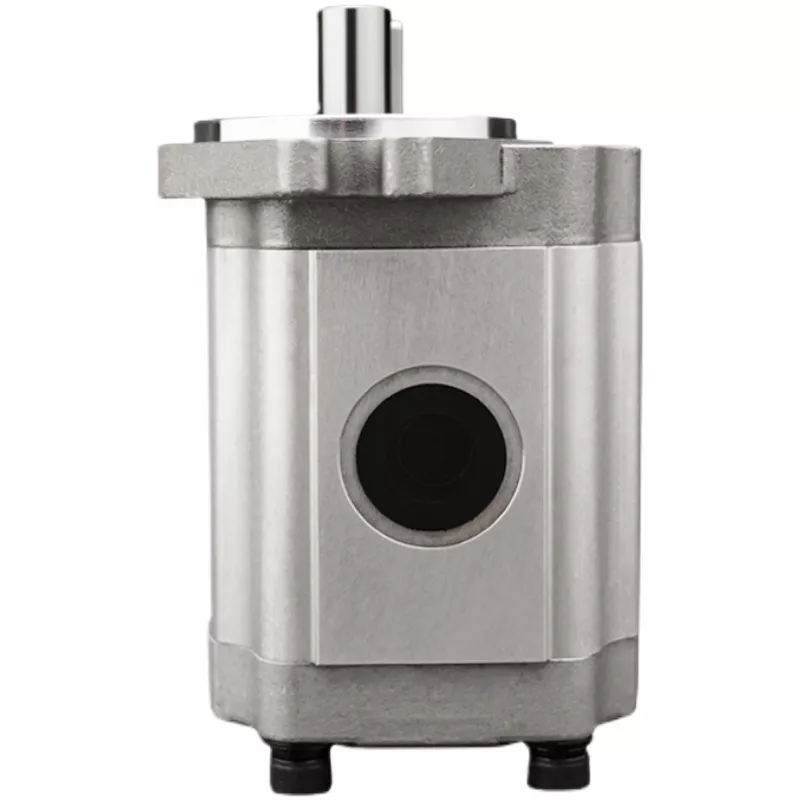
A silicon carbide lined external gear pump is a positive-displacement pump designed for controlled transfer or metering of corrosive, abrasive or viscous process fluids. The SiC-lined wet end helps reduce corrosion and wear on fluid-contact surfaces, while the external gear structure supports stable displacement in chemical, polymer, electrolyte and acid-recovery systems.
Why Silicon Carbide Lining Matters in External Gear Pumps?
In corrosive or high-viscosity service, external gear pumps are often limited by wear of wetted surfaces, chemical attack on metallic parts, seal degradation and clearance change between rotating components. A silicon carbide lined structure helps protect the wet end from direct media attack and supports more stable internal geometry during long-duty operation.
For chemical transfer, electrolyte dosing, polymer additive handling and acid recovery systems, the main value of SiC is not only hardness. It also provides chemical stability, low deformation under thermal load and strong resistance to abrasive contact. These properties help the pump maintain more predictable displacement behavior when the process fluid is difficult for stainless steel, alloy or polymer-lined alternatives.
Key Engineering Properties for SiC Lined External Gear Pump Design
Silicon Carbide Lined External Gear Pump is engineered to maintain structural stability, chemical resistance, and metering precision under high-corrosion, high-temperature, and high-viscosity operating conditions. Its material behavior, mechanical response, and chemical compatibility allow reliable performance across demanding chemical, polymer, and environmental systems.
| Property | Specification | What It Means for Pump Selection |
|---|---|---|
| SiC Hardness | >2200 HV | High hardness helps resist abrasive wear on wetted surfaces, especially when the fluid contains fine particles, crystals or abrasive additives. |
| Corrosion Rate in Mineral Acids | <0.01 mm/year | This indicates strong resistance to acid attack and supports use in corrosive chemical transfer or acid recovery applications. |
| Thermal Expansion Coefficient | 4.2 × 10⁻⁶ /K | Low thermal expansion helps maintain gear clearance and dimensional stability during temperature changes. |
| Maximum Operational Temperature (Seal-Dependent) | ≤250°C | The usable temperature depends on the seal, bearing and system design, so the complete pump structure should be reviewed before use. |
| Chemical pH Compatibility Range | 0–14 | The broad pH range supports acidic and alkaline media, but final compatibility should be checked by concentration, temperature and additives. |
| Dimensional Stability Retention After Acid Exposure | >98% | Stable dimensions help reduce internal clearance change, which is important for flow repeatability and metering consistency. |
| Flow Repeatability Deviation | <1% | Low flow deviation supports controlled transfer or dosing where consistent output is more important than bulk pumping. |
| Pulsation Reduction vs Polymer-Lined Pumps | ≈40% lower | Lower pulsation can help protect downstream instruments, reduce pressure fluctuation and improve process stability. |
| Abrasive Wear Reduction vs Hardened Steel | ≈90% lower | SiC contact surfaces can help reduce wear when the pump handles corrosive or abrasive media that may quickly damage metal parts. |
| Gear Tooth Accuracy Retention in High-Viscosity Media | >95% | Good tooth-profile retention helps maintain displacement accuracy when handling viscous fluids, polymer additives or heavy chemical streams. |
| Bearing Friction Variance at Elevated Temperatures | ±5% | Controlled friction variation helps the pump operate more predictably when temperature affects viscosity, torque demand and bearing contact behavior. |
Dimensions of Silicon Carbide Lined External Gear Pump
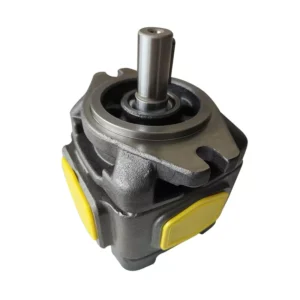
| Silicon Carbide Lined External Gear Pump | |
| Model no. | Size |
| AT-LMH-01 | Customized |
Key Parameters to Confirm Before Selecting a SiC Lined External Gear Pump
| Parameter | What to Confirm | Why It Matters |
|---|---|---|
| Fluid Chemistry | Acid, alkali, solvent, electrolyte, polymer or mixed chemical stream. | The fluid determines whether SiC, sealing materials and auxiliary components are suitable for long-term contact. |
| Viscosity Range | Minimum, normal and maximum viscosity under operating temperature. | Viscosity affects gear clearance, torque demand, flow stability and motor selection. |
| Flow Rate | Required continuous flow, dosing range or metering accuracy target. | The pump size and gear geometry should match the actual process demand rather than only the pipe size. |
| Pressure and Back Pressure | Normal pressure, peak pressure and downstream restriction conditions. | Pressure conditions influence sealing design, shaft loading and safe system integration. |
| Temperature | Startup temperature, normal process temperature and thermal cycling condition. | Temperature affects fluid viscosity, seal selection and dimensional stability of connected components. |
| Solids or Crystallization | Particle size, solids concentration and crystallization tendency. | Abrasive particles or salt crystals can change wear behavior and should be reviewed before final design. |
| Connection Interface | Port type, mounting dimensions, coupling method and available installation space. | Interface review reduces installation risk when replacing an existing pump or integrating into OEM equipment. |
Packaging Process for the Silicon Carbide Lined External Gear Pump
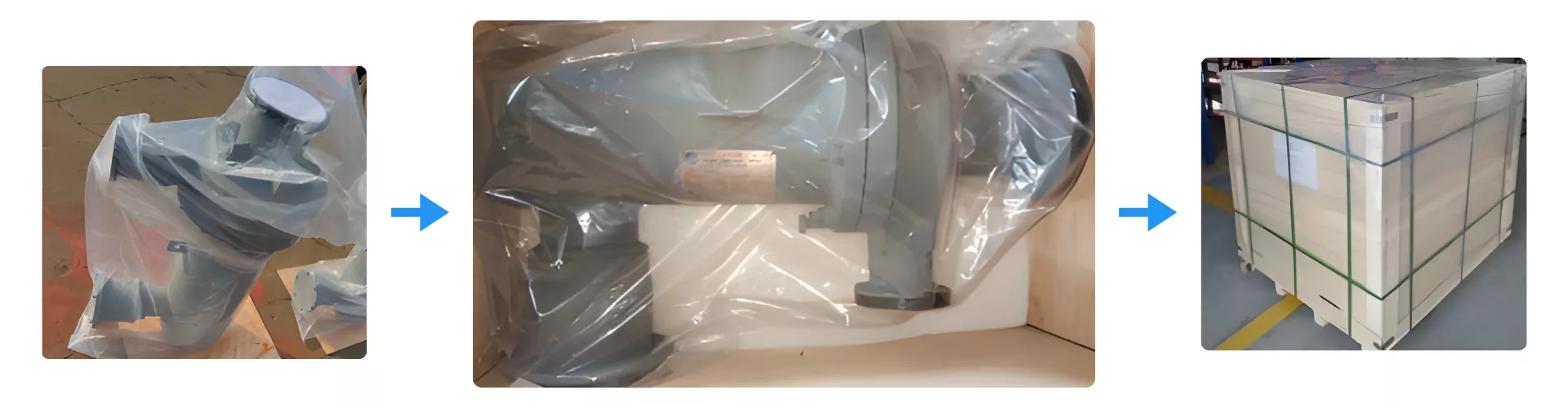
Silicon Carbide Lined External Gear Pump units are first sealed in protective plastic to prevent moisture or particulate intrusion during handling. Each pump is then secured within a reinforced wooden crate to stabilize the assembly and avoid impact-related movement in transit. The final palletized package ensures safe international shipment and maintains structural integrity throughout long-distance logistics.