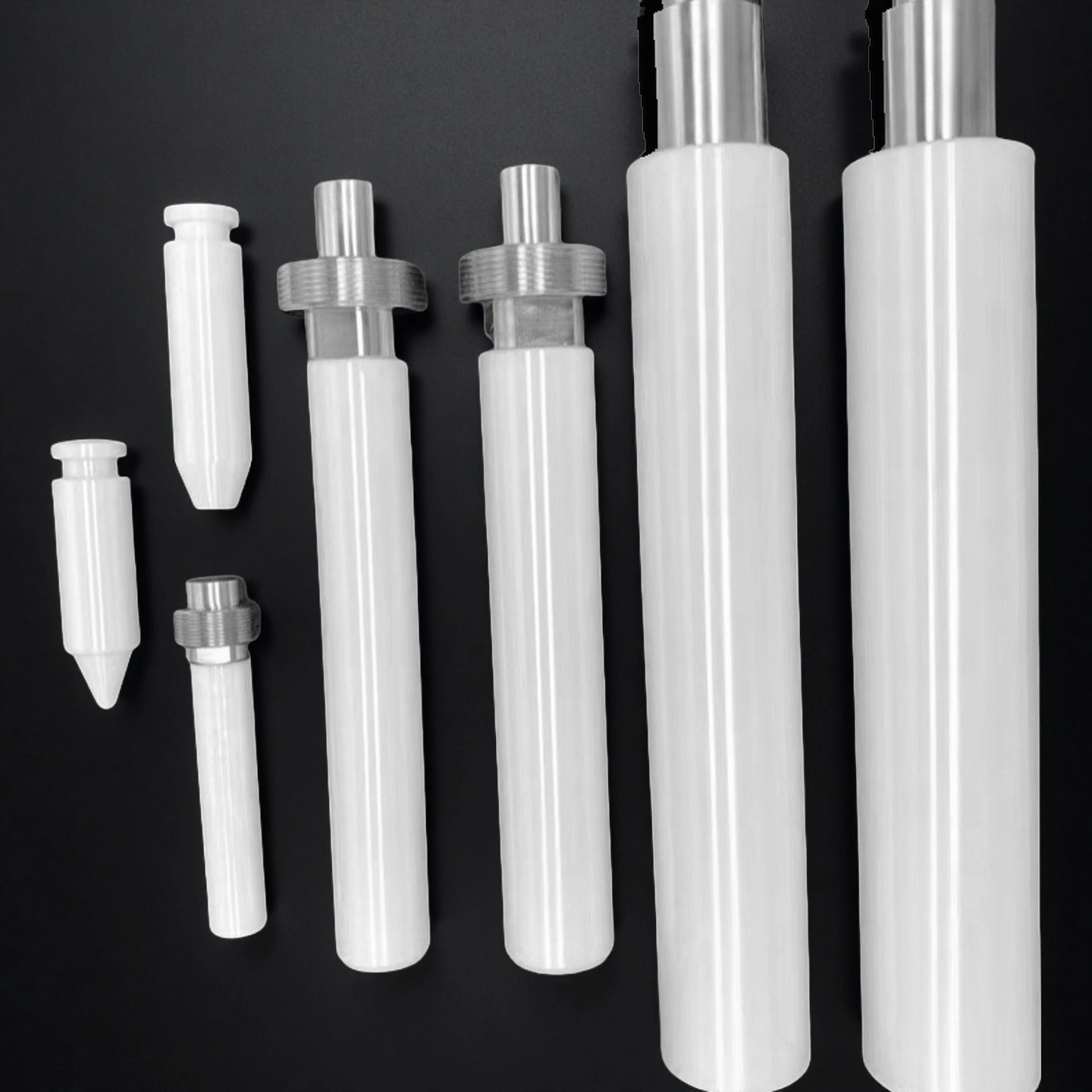
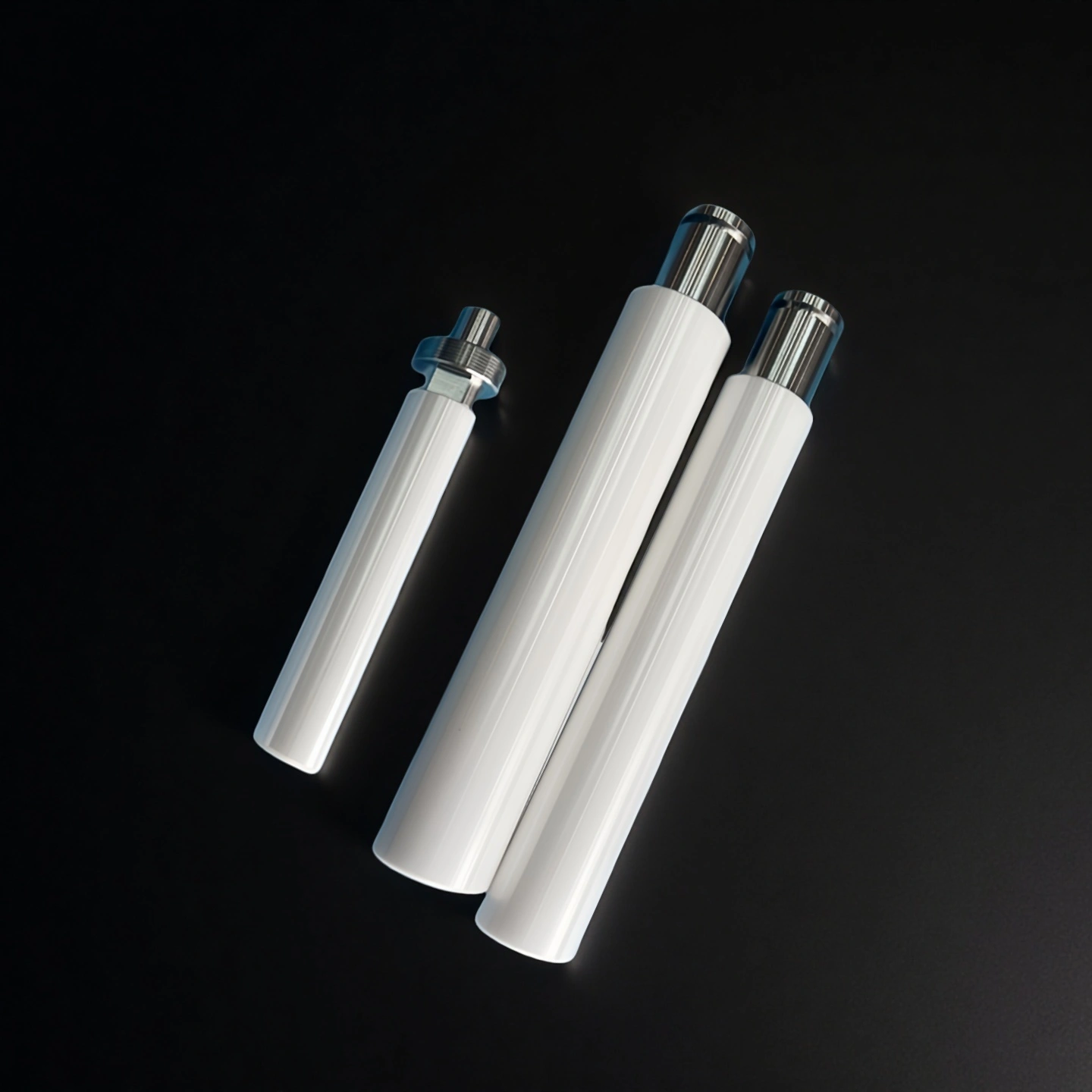
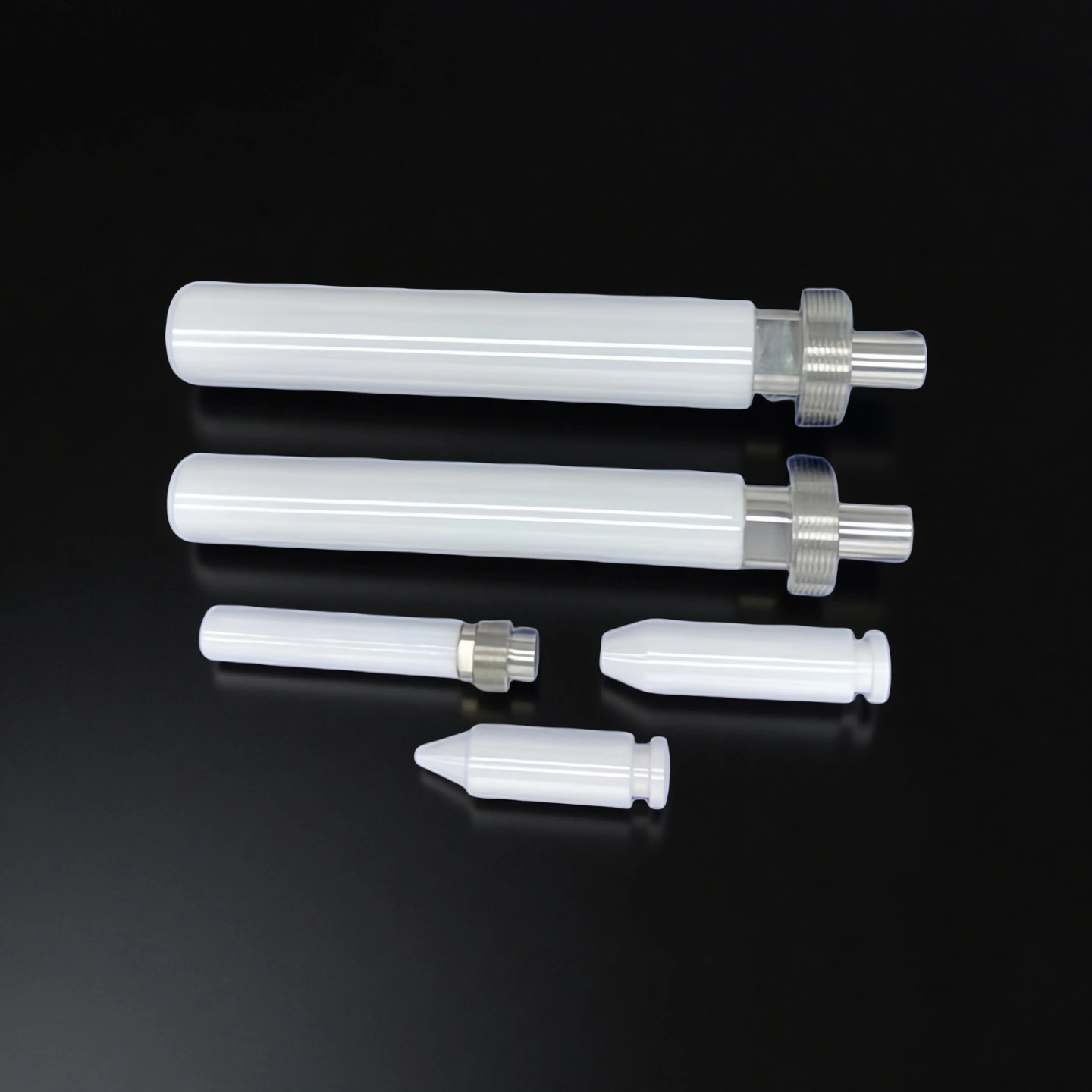
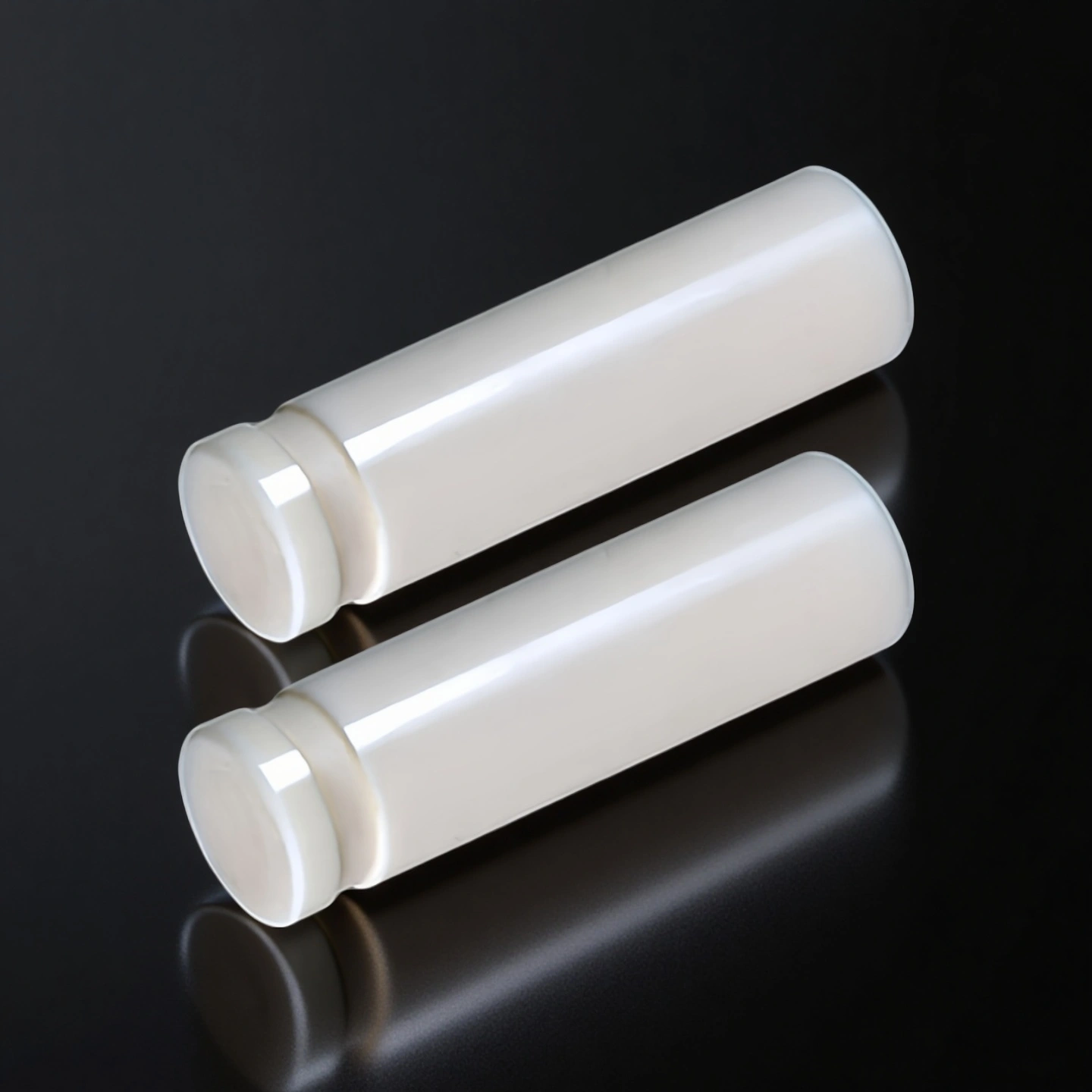
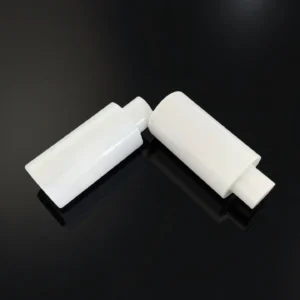
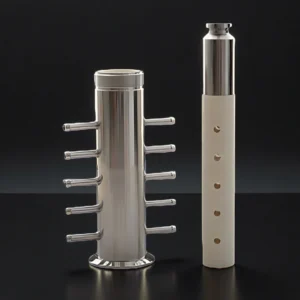
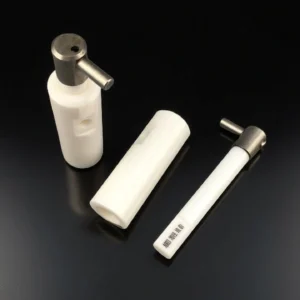
A zirconia ceramic piston is a precision-finished 3Y-TZP/YSZ component defined by its cylindrical accuracy, surface finish, and sealing-interface geometry. Its hard, corrosion-resistant ceramic surface helps control wear, particle generation, and dimensional drift during repeated operation.
Key Advantages for Pump and Fluid Control Systems
Wear-Resistant Sealing Contact
Zirconia ceramic has high hardness and good fracture toughness, making it suitable for repeated sliding contact against polymer seals, ceramic sleeves or precision pump liners. A polished piston surface can help reduce seal wear, stroke resistance and leakage risk when the pump is correctly aligned.
Chemical Stability for Dosing Media
Dense zirconia ceramic is selected when the process fluid may corrode metal pistons or cause contamination concerns. It can be reviewed for acids, alkalis, solvents, additives, slurries and other media according to actual concentration, temperature and exposure time.
Dimensional Stability in Repeated Stroke Cycles
Precision-ground zirconia pistons help maintain stable diameter, roundness and surface contact during repeated reciprocating movement. This is especially important for metering accuracy, pressure stability and repeatable dosing volume.
Clean Contact Surface for Sensitive Fluids
The non-porous zirconia ceramic surface helps reduce particle generation and metal contamination risk in precision fluid contact applications. Suitability should be confirmed according to pump design, sealing method, working media and cleaning process.
Technical Properties of Zirconia Ceramic Piston
The following values are typical reference properties for dense yttria-stabilized zirconia used in precision ceramic piston and plunger applications. Final material grade, dimension tolerance, surface finish and working suitability should be reviewed according to the drawing, pump structure, media condition and sealing method.
| Property |
Typical Reference Value |
Why It Matters |
| Material |
3Y-TZP / YSZ zirconia ceramic |
This material is commonly selected for high-strength and wear-resistant ceramic pump components. |
| Density |
About 6.0 g/cm³ |
Dense structure helps reduce porosity and fluid penetration risk. |
| Hardness |
About 1200–1350 HV |
Higher hardness helps resist abrasive wear during repeated sliding contact. |
| Flexural Strength |
About 900–1200 MPa |
Strength supports stable operation under mechanical load. |
| Fracture Toughness |
About 6–10 MPa·m¹ᐟ² |
Toughness helps reduce chipping risk compared with more brittle ceramics. |
| Surface Finish |
Polished surface available |
Surface finish affects seal wear, friction and leakage. |
| Water Absorption |
Near zero |
Low water absorption supports stable use in fluid-contact applications. |
| Thermal Expansion |
About 10 × 10⁻⁶/K |
This helps engineers evaluate fit with metal housings and pump assemblies. |
| Electrical Behavior |
Insulating ceramic |
Useful when electrical isolation is needed in the assembly. |
Available Options for Zirconia Ceramic Piston
|
Zirconia Ceramic Pistons |
|
Item NO. |
Diameter (mm) |
Width(mm) |
|
AT-YHG-HS1001 |
Customize |
Zirconia Ceramic Piston vs. Zirconia Ceramic Plunger
In many pump systems, the terms “ceramic piston” and “ceramic plunger” may be used for similar reciprocating parts. The difference usually depends on the pump design, sealing position and how the part moves inside the fluid chamber.
A zirconia ceramic piston or plunger should be selected according to diameter, length, sealing surface, stroke movement, end connection, mating sleeve and working media. These details help confirm the right ceramic structure and surface finish for stable pump operation.
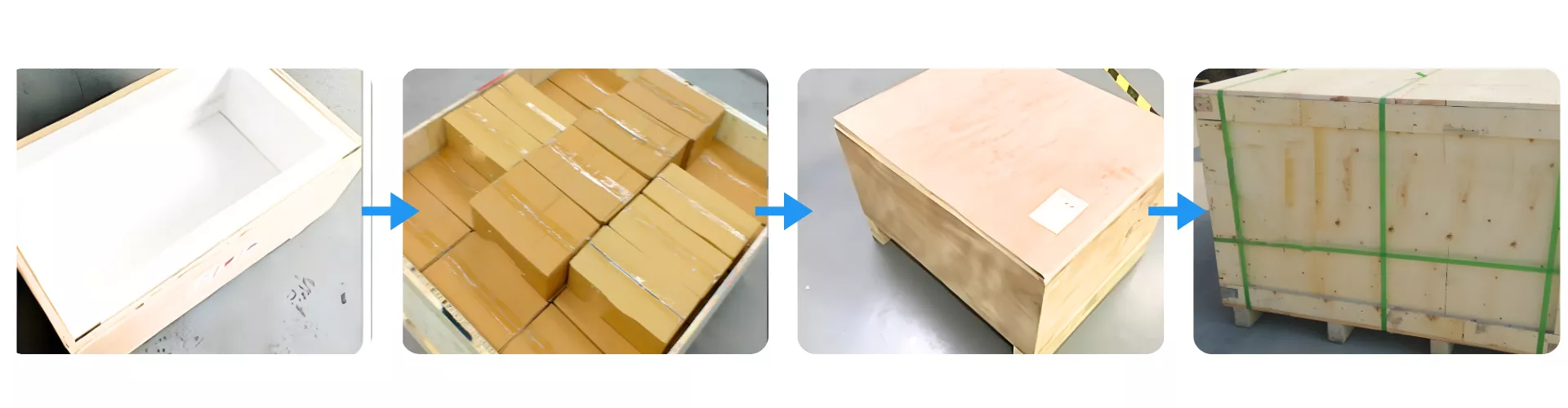
Packaging of Zirconia Ceramic Piston
- Individual Protection
Each zirconia ceramic piston is separately wrapped and positioned to reduce impact, scratching and ceramic-to-ceramic contact during transport.
- Surface and Edge Protection
Polished sealing surfaces and end features are protected with foam or reinforced packaging according to piston size, surface finish and order quantity.
Zirconia Ceramic Piston Applications
ADCERAX zirconia ceramic pistons are used in metering, dosing and precision fluid control systems where wear, corrosion, seal friction and dosing drift can affect pump stability. Dense zirconia provides a hard, polished and chemically stable contact surface for repeated stroke movement.
-
Zirconia Ceramic Piston in High-Purity Dosing and Analytical Pumps
Common Challenge
High-purity dosing, HPLC and analytical pump systems require smooth sealing contact, stable displacement and low contamination risk. Metal pistons may corrode, wear or release particles when exposed to aggressive solvents or sensitive process fluids.
How Zirconia Helps
Zirconia ceramic offers high hardness, chemical stability and a polished working surface. It helps reduce surface wear, seal abrasion and corrosion-related failure during repeated reciprocating motion.
What ADCERAX Reviews
ADCERAX reviews piston diameter, surface finish, roundness, seal material, solvent type, pressure, cleaning method and pump interface before confirming suitability.
-
Zirconia Ceramic Piston in Chemical and Wastewater Metering Pumps
Common Challenge
Chemical dosing pumps often handle acids, alkalis, coagulants, additives or particle-containing liquids. Metal or polymer pistons may wear, corrode or lose sealing stability, leading to leakage and unstable flow.
How Zirconia Helps
Zirconia ceramic provides strong wear resistance and stable chemical performance in many fluid-contact environments. Its smooth surface helps support dosing consistency and reduce seal contact damage.
What ADCERAX Reviews
ADCERAX checks working media, concentration, temperature, pressure, stroke frequency, slurry content, seal design and current failure mode.
-
Zirconia Ceramic Piston in Battery Slurry and Abrasive Fluid Systems
Common Challenge
Battery slurry and abrasive fluid systems can scratch piston surfaces, increase seal wear and cause flow instability during repeated metering or injection cycles.
How Zirconia Helps
Zirconia ceramic combines high hardness with better toughness than many traditional ceramics. A precision-ground zirconia piston helps resist abrasive wear and maintain stable stroke movement.
What ADCERAX Reviews
ADCERAX reviews particle size, slurry viscosity, working pressure, stroke speed, sealing surface, mating sleeve material and cleaning method.
Safe Handling and Operating Guidelines for Zirconia Ceramic Pistons
Zirconia ceramic pistons are precision-ground components. Proper inspection, installation and maintenance can help reduce seal wear, avoid surface damage and keep pump operation stable. The piston should always be handled together with the liner, seal, pump housing and working fluid conditions.
-
Pre-Installation Inspection
1. Check the surface. Inspect the piston for chips, cracks, scratches or dimensional mismatch before assembly.
2. Clean the contact surfaces. Ensure that the piston, liner and associated pump components are free of dust, grease or metallic particles before installation.
3. Confirm compatibility. Use suitable cleaning fluids and confirm chemical compatibility when acids, alkalis or solvents are involved.
-
Installation into Pump Systems
1. Avoid forced fitting. The piston should slide smoothly into the liner or housing. Excessive force may cause chipping or hidden cracks.
2. Maintain proper alignment. Misalignment can increase seal wear, stroke resistance and flow instability.
3. Protect connection areas. Do not apply twisting, impact or clamping force directly to ceramic features. Use suitable couplings where required.
-
Operating Guidelines
1. Avoid dry running. Make sure the fluid path is filled before starting the pump.
2. Monitor pump behavior. Leakage, noise, pressure fluctuation or unstable flow may indicate seal wear or alignment problems.
3. Avoid sudden condition changes. Rapid temperature changes or unexpected chemical exposure may increase the risk of damage.
-
Maintenance and Storage
1. Inspect during service. Check leakage, seal wear, stroke resistance and visible surface marks regularly.
2. Review the assembly when performance changes. Inspect the piston, seal and liner together if dosing accuracy decreases or leakage increases.
3. Store separately. Keep unused pistons clean, dry and protected. Avoid stacking or ceramic-to-ceramic contact.