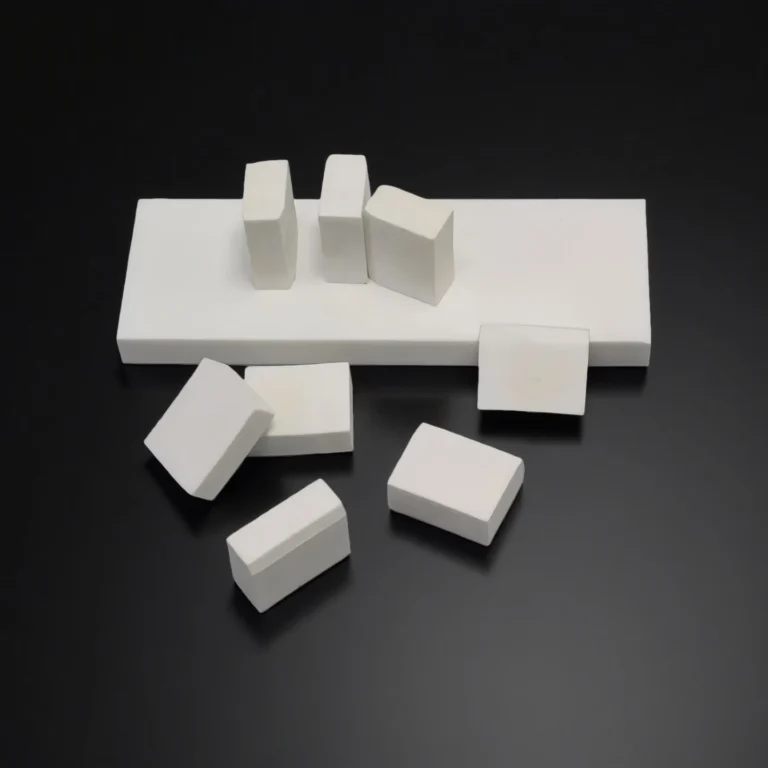
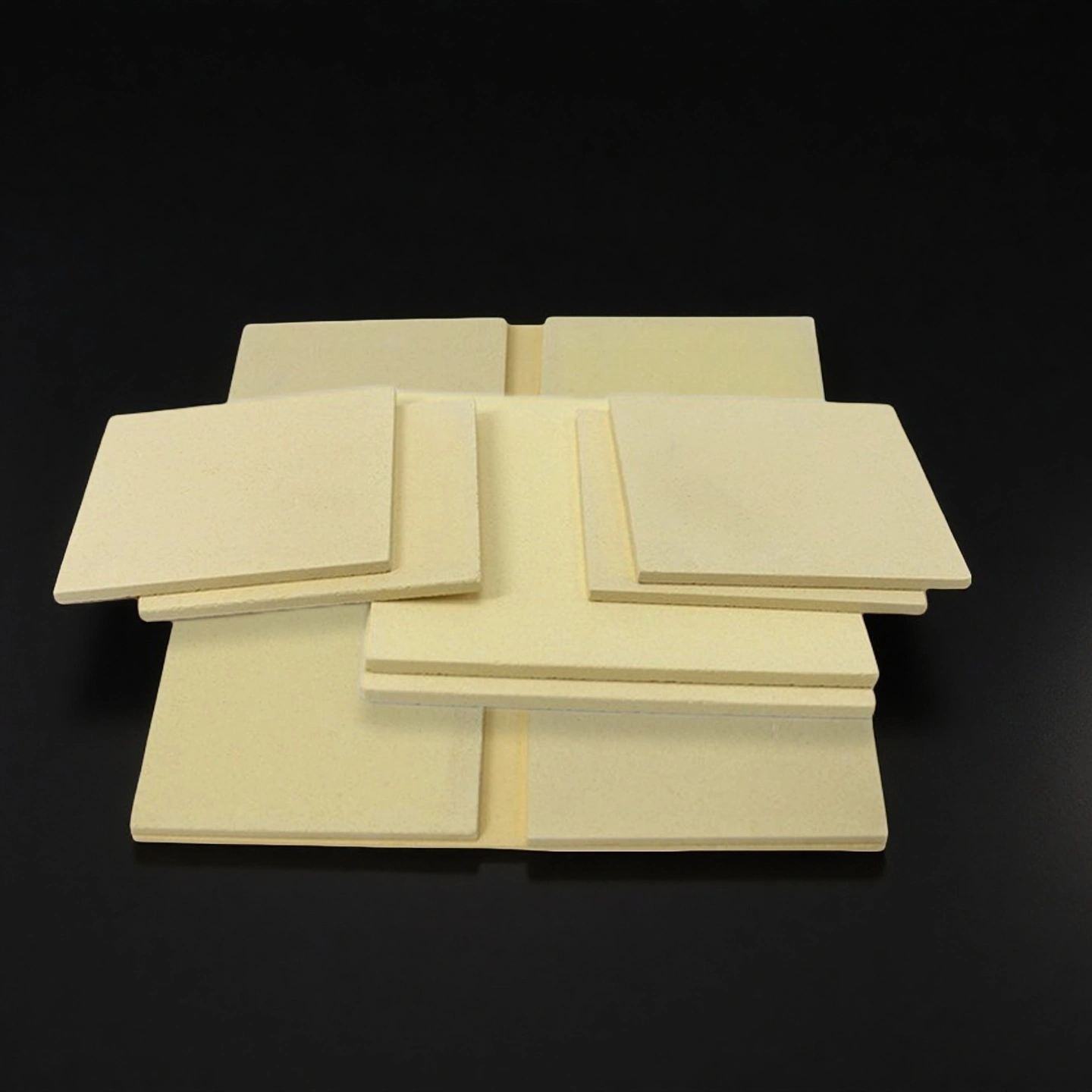
Oxide-Resistant Zirconia Ceramic Refractory Plate for Material Sintering Systems

Zirconia Ceramic Refractory Plate is designed to meet industrial demands for thermal stability, corrosion resistance, and load-bearing reliability in high-temperature sintering. Built from stabilized zirconia powder, each plate supports continuous furnace operations with consistent performance.

Catalogue No. AT-YHG-C1001
Material Yttria- or Calcia-Stabilized ZrO₂
Max Working Temp Up to 1600 ℃ continuous
Flexural Strength > 25 MPa (YSZ), > 20 MPa (CSZ)
Thermal Shock Resistance > 50 cycles (25–1500 ℃)
24H Standard Dispatch
Small Batch Support OEM
Factory Direct
Expert Engineering Support

ADCERAX® Zirconia Ceramic Refractory Plate is engineered to support high-temperature sintering applications in dielectric ceramics, powder metallurgy, and ferrite magnetic components. With strong resistance to molten oxide corrosion and thermal shock, it ensures stability across repeated furnace cycles. The material structure of each Zirconia Ceramic Refractory Plate is optimized for industrial batch production, enabling higher throughput and fewer surface reactions. Reliable performance at up to 1600 ℃ makes it a trusted carrier platform in demanding thermal processing environments.

Features of Zirconia Ceramic Refractory Plate

  • Continuous operation at 1600 ℃ enables reliable sintering cycles for dielectric ceramics and ferrite materials without structural degradation. Test data confirms shape retention after 40+ thermal cycles between 25–1500 ℃.
  • The stabilized zirconia matrix maintains phase integrity under heat, allowing consistent performance across 3–5 furnace campaigns. Thermal distortion rate remains < 0.5 mm per 500 × 400 mm plate at 1550 ℃.
  • Load softening temperature measured at ≥ 1600 ℃, ensuring dimensional reliability under prolonged thermal exposure and reducing deformation risk in full-load conditions.
  • Resistant to molten oxides and volatile metal species, Zirconia Ceramic Refractory Plate performs well in environments with aggressive flux residues. Weight loss after 8 hr immersion in Mn-Zn oxide at 1450 ℃ is < 0.2 %.
  • The calcia- and yttria-stabilized variants protect sintered components from unwanted adhesion or contamination. This reduces downstream polishing by over 35 % in ferrite applications.
  • Compared to alumina plates, zirconia shows 3× longer lifespan when exposed to borate-rich melts in multilayer ceramic capacitor (MLCC) processing.
  • Flexural strength of > 25 MPa (YSZ) and > 20 MPa (CSZ) allows the plate to carry heavier product loads per cycle, enabling tighter stacking in kilns and higher throughput per batch.
  • It withstands > 50 thermal shock cycles (25–1500 ℃) without visible cracking, reducing breakage losses in automated sintering lines.
  • With a bulk density up to 4.5 g/cm³, Zirconia Ceramic Refractory Plate minimizes porosity and extends functional service life under repetitive thermal cycling conditions.

Technical Properties for Zirconia Ceramic Refractory Plate

Zirconia Ceramic Refractory Plate is developed for high‑temperature sintering applications requiring exceptional thermal endurance, mechanical integrity, and corrosion resistance. Both yttria‑stabilized and calcia‑stabilized zirconia variants maintain stable crystalline phases under extreme furnace conditions, providing consistent reliability for industrial and laboratory use.

Property Specification
Material Type Yttria‑Stabilized (YSZ) / Calcia‑Stabilized (CSZ) Zirconia
ZrO₂ + Stabilizer Content ≥ 98.5 % (YSZ) / ≥ 98.2 % (CSZ)
Al₂O₃ Content ≤ 0.40 % (YSZ) / ≤ 0.50 % (CSZ)
SiO₂ Content ≤ 0.40 % (YSZ and CSZ)
TiO₂ Content ≤ 0.20 % (YSZ and CSZ)
Fe₂O₃ Content ≤ 0.10 % (YSZ and CSZ)
MgO Content ≤ 0.10 % (YSZ and CSZ)
Maximum Operating Temperature 1650 ℃ (YSZ) / 1600 ℃ (CSZ)
Bulk Density 4.1 – 4.5 g/cm³ (YSZ) / 4.0 – 4.3 g/cm³ (CSZ)
Linear Expansion @ 1000 ℃ 0.8 – 0.9 % (YSZ) / 0.9 – 1.0 % (CSZ)
Porosity 23 – 28 %
Phase Structure Stable cubic zirconia phase volume 70 – 80 %
Flexural Strength > 25 MPa (YSZ) / > 20 MPa (CSZ)
Sintering Load Capacity < 65 g/cm²
Thermal Shock Resistance (25–1500 ℃) > 50 cycles (YSZ) / > 40 cycles (CSZ)
Softening Temperature under Load 1650 ℃ (YSZ) / 1600 ℃ (CSZ)
Color Tone Light Yellow Grade II (CSZ) / Light Yellow Grade III (YSZ)

Specifications of Zirconia Ceramic Refractory Plate
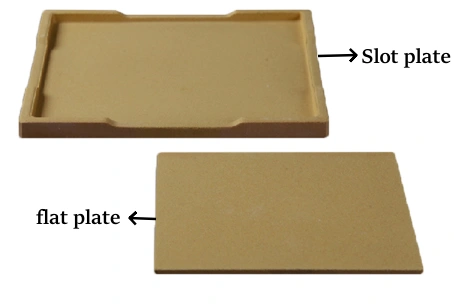
Shape of plate

Zirconia Ceramic Refractory Plate
Iten No. Length × Width (mm) Thickness (mm) Slot height (mm) Shape
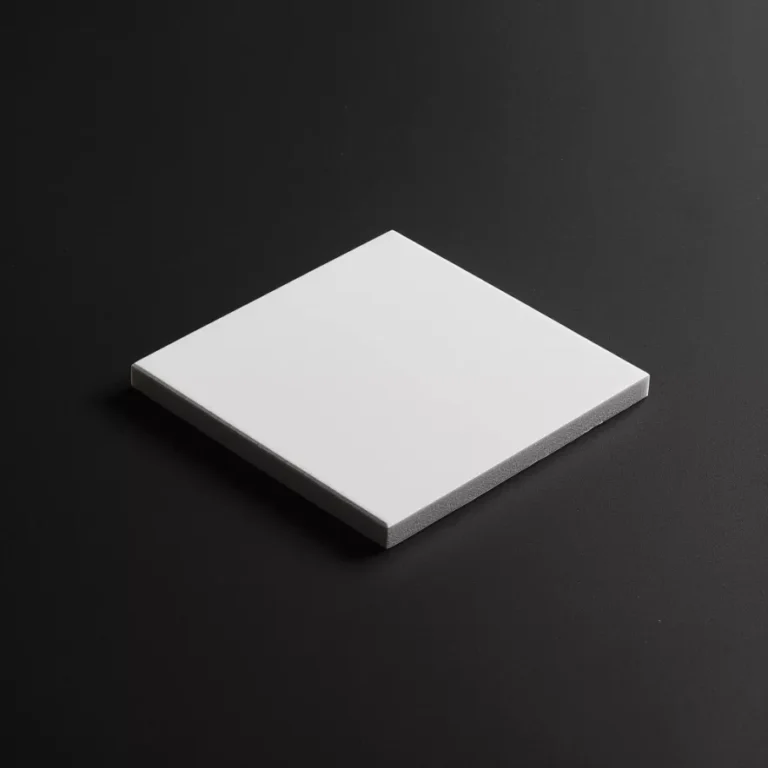
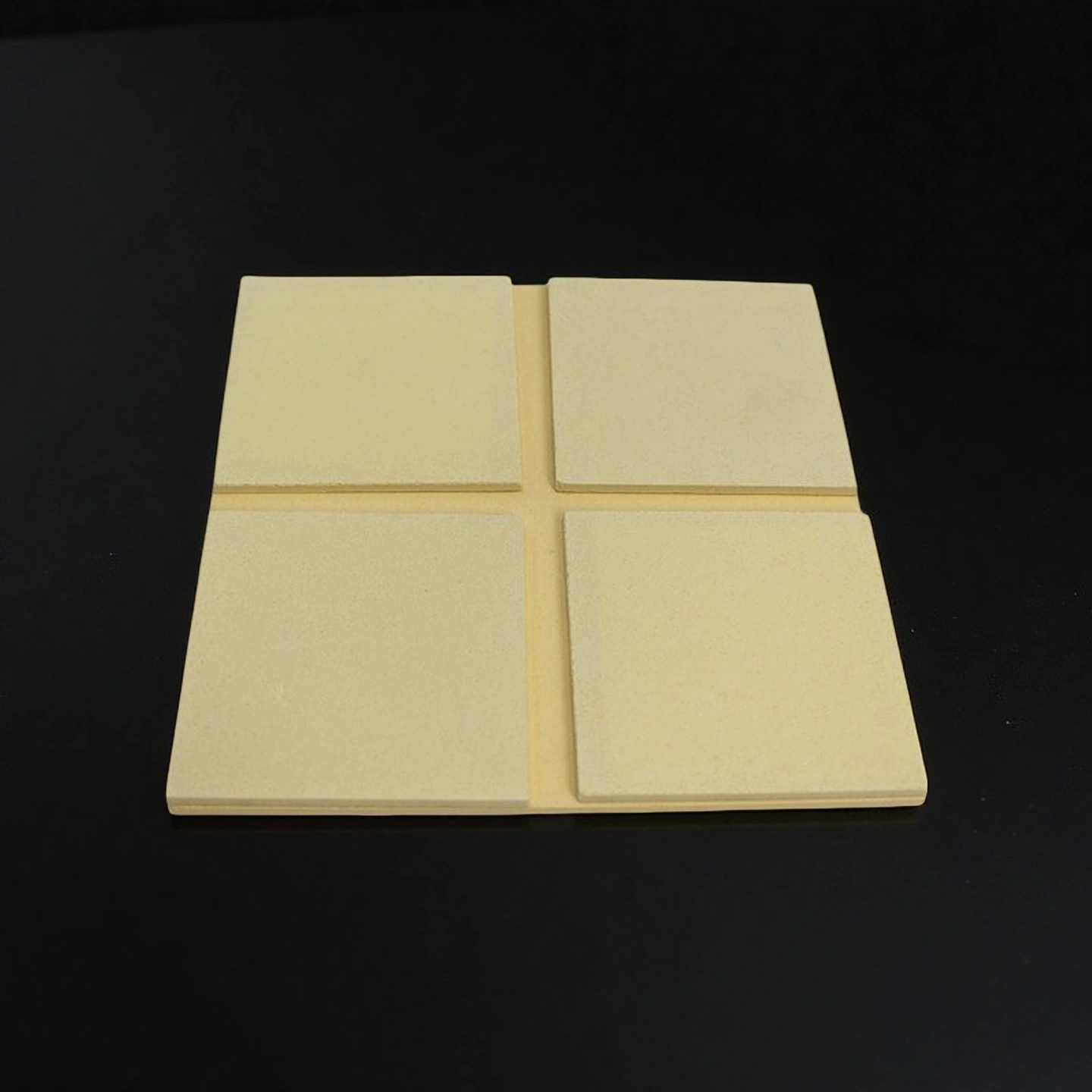
AT-YHG-C1001 75×75±0.8 3.5±0.2 0 flat plate
AT-YHG-C1002 90×72±0.8 3.5±0.2 0 flat plate
AT-YHG-C1003 98×85±0.8 3.5±0.2 0 flat plate
AT-YHG-C1004 98×98±0.8 3.5±0.2 0 flat plate
AT-YHG-C1005 100×75±0.8 3.5±0.2 0 flat plate
AT-YHG-C1006 100×100±0.8 3.5/4.0±0.2 0 flat plate
AT-YHG-C1007 106×75±0.8 3.5/4.0±0.2 0 flat plate
AT-YHG-C1008 115×60±0.8 3.5/4.0±0.2 0 flat plate
AT-YHG-C1009 140×140±1.0 4.0±0.3 0 flat plate
AT-YHG-C1010 150×150±1.0 4.0±0.3 0 flat plate
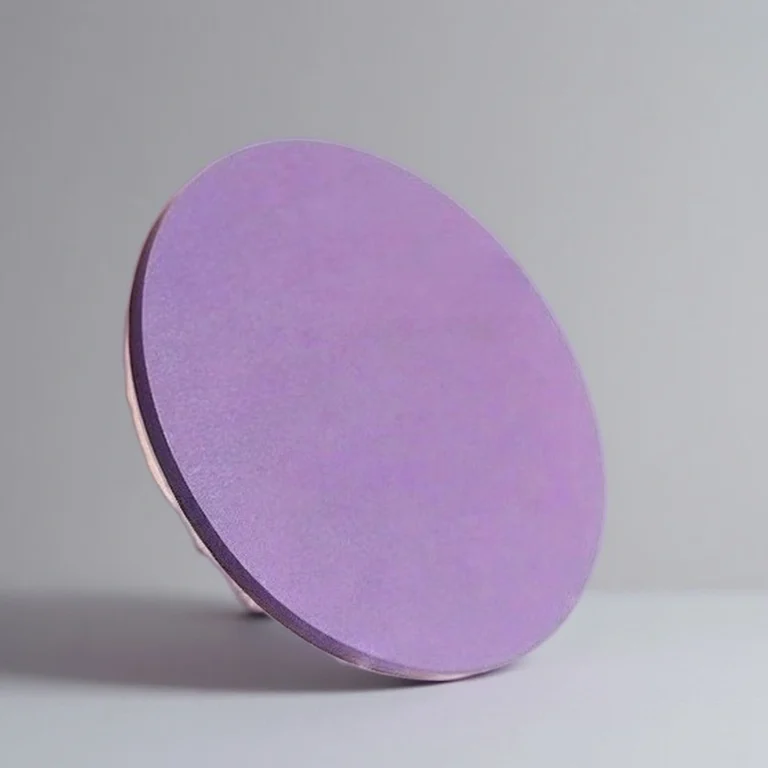
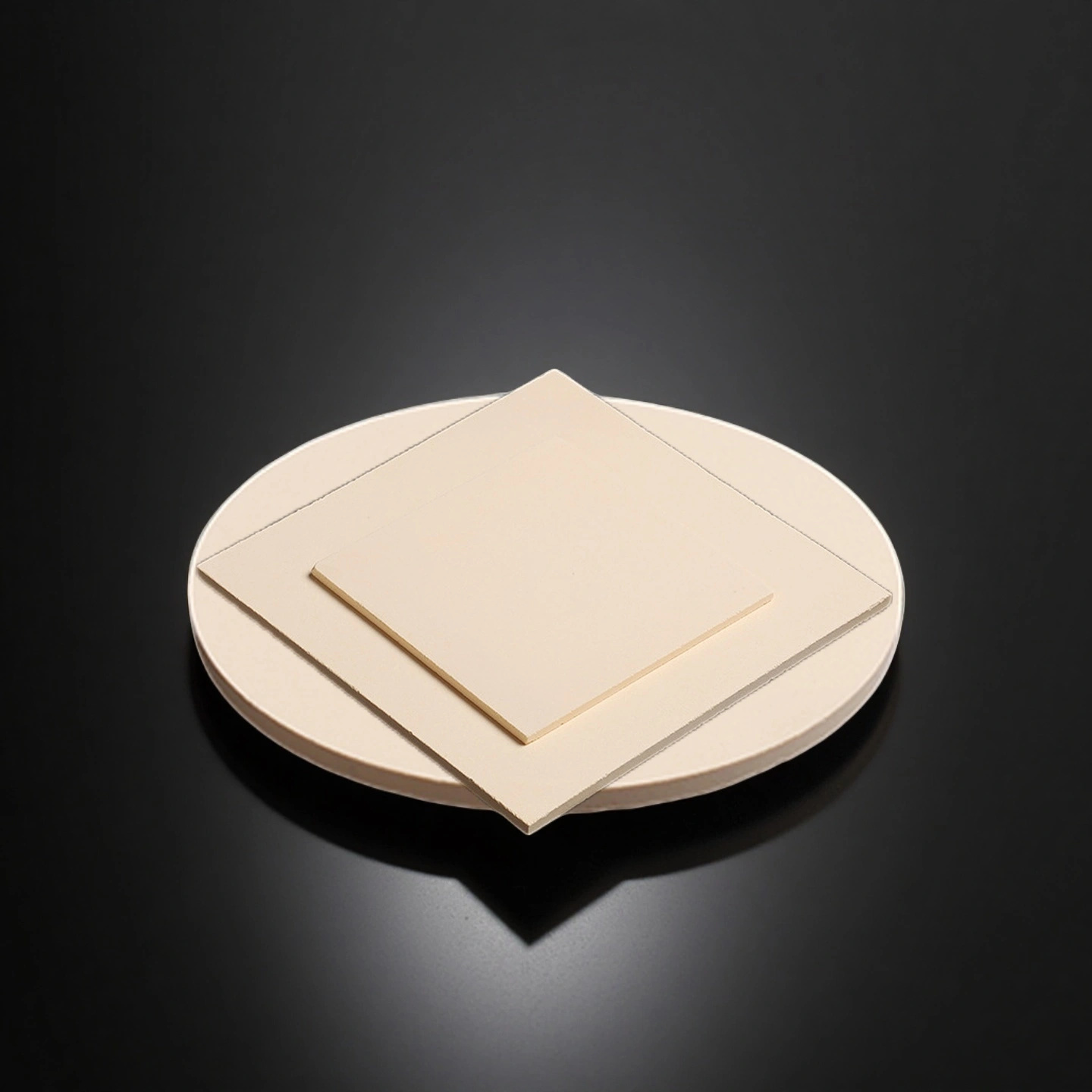
AT-YHG-C1011 Φ95±0.8 3.5±0.2 0 flat plate
AT-YHG-C1012 Φ115±0.8 3.5±0.2 0 flat plate
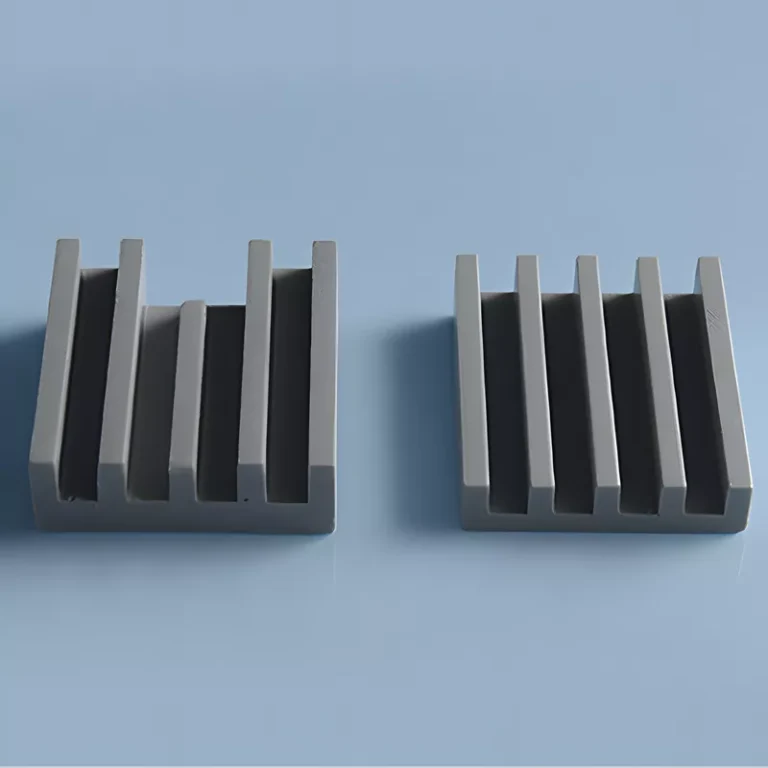
AT-YHG-C1013 75×75±0.8 3.5±0.3 4.5±0.3 Slot plate
AT-YHG-C1014 100×100±0.8 5.0±0.3 10±0.3 Slot plate
AT-YHG-C1015 115×60±0.8 4.0±0.3 4.5±0.3 Slot plate
AT-YHG-C1016 115×60±0.8 4.0±0.3 5.5±0.3 Slot plate
AT-YHG-C1017 115×60±0.8 4.5±0.3 6.0±0.3 Slot plate
AT-YHG-C1018 140×70±1.0 5.0±0.3 8.0±0.3 Slot plate
AT-YHG-C1019 150×150±1.0 5.5±0.3 13±0.3 Slot plate


  • Flat plate: for sintering of wafer ceramic capacitors and magnetic materials.
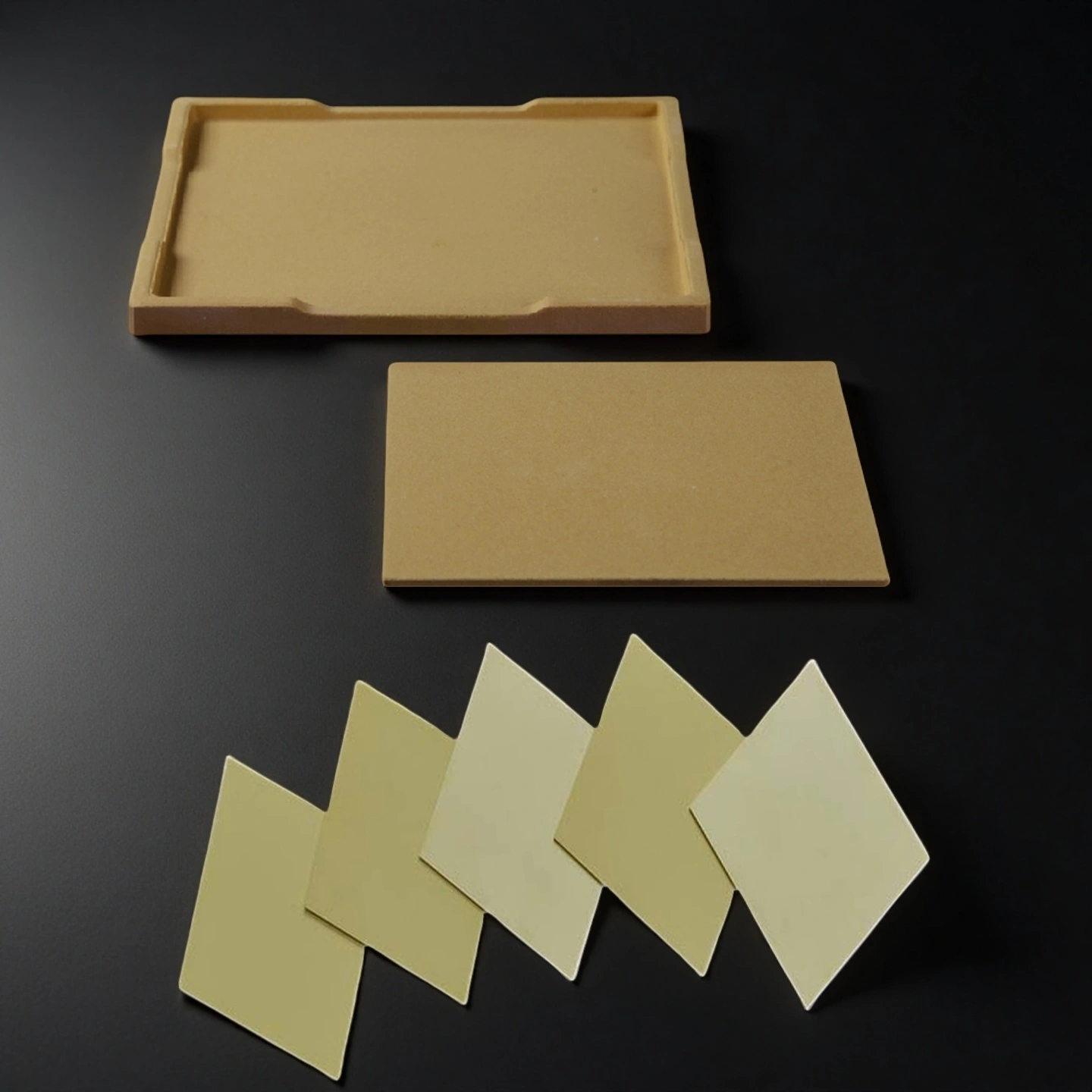
  • Smoothly Slot plate: Smooth surface, tiny pores, high strength, and excellent thermal stability. Resists deformation at high temperatures. The groove design ensures smooth airflow. Ideal for high-temperature sintering of electronic components, such as ceramic capacitors and chip inductors.
  • Rough Slot plate: Coarse-grain structure with high porosity, making it easy to absorb slurry. Ideal for coating and sintering low-frequency ceramic capacitors (MLCC), ensuring sufficient atmosphere during firing. Excellent thermal shock resistance and chemical stability provide an exceptionally long service life.


Packaging of Zirconia Ceramic Refractory Plate

Zirconia Ceramic Refractory Plate is individually cushioned with foam and packed in reinforced corrugated trays. Each batch is stacked in protective compartments to prevent edge damage during transit. Final packaging uses export-grade wooden crates for safe international shipment and forklift handling.
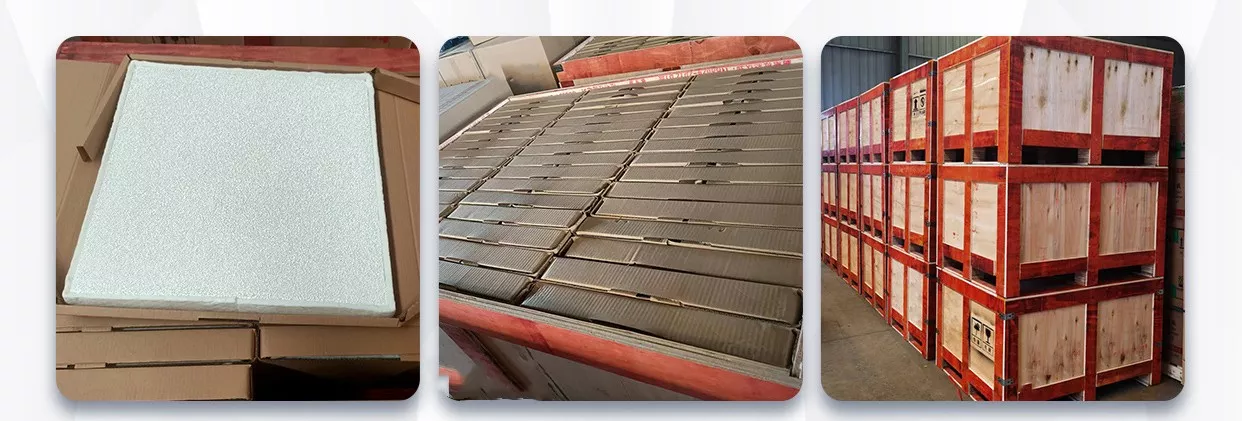

ADCERAX® Packaging of Zirconia Ceramic Refractory Plate

Application-Specific Performance of ADCERAX® Zirconia Ceramic Refractory Plate

ADCERAX® Zirconia Ceramic Refractory Plate plays a critical role in advanced thermal processing where component adhesion, dimensional instability, and surface contamination must be tightly controlled. Tailored for repeatable furnace cycles, its application value is best seen in material-specific sintering scenarios that demand both structural reliability and chemical neutrality.


  • Zirconia Ceramic Refractory Plate in Multilayer Capacitor (MLCC) Sintering

    ✅Key Advantages

    1. High Planarity Retention at Elevated Temperature
    Maintains surface flatness within ±0.5 mm across 500 mm even after three consecutive sintering cycles at 1250–1600 ℃. This stability preserves dielectric layer alignment and prevents lamination deformation during MLCC processing.
    2. Chemical Inertness Toward BaTiO₃-Based Dielectrics
    No visible interaction layer forms between the plate and ceramic substrate after 10 hours of sintering at 1300 ℃, confirmed by SEM–EDS analysis. This prevents discoloration and maintains electrical uniformity.
    3. Reduced Surface Adhesion and Contamination Risk
    Surface energy below 0.35 J/m² minimizes sticking of dielectric pastes, leading to a > 10 % increase in first-pass yield for automated inspection lines.

    ✅ ️Problem Solved

    A Japanese MLCC manufacturer experienced 14 % yield loss due to adhesion and microcracks caused by alumina setters reacting with BaTiO₃ layers. After switching to ADCERAX® Zirconia Ceramic Refractory Plate, no barium–zirconium interfacial compound was detected, and the yield improved to 98.6 % within two production batches. The switch also reduced plate replacement frequency by 40 %, cutting annual maintenance downtime by 72 hours across three sintering furnaces.

  • Zirconia Ceramic Refractory Plate in Ferrite Core Magnetic Sintering

    ✅Key Advantages

    1. Resistance to MnZn and NiZn Oxide Vapors
    Demonstrated < 0.2 % mass loss after 8 hours at 1450 ℃ in MnZn ferrite atmospheres, preventing the chemical erosion and glaze formation seen on alumina boards.
    2. Stable Geometry under Continuous Furnace Loading
    Maintains shape deviation under 0.3 mm across 400 mm span after 50 furnace cycles, ensuring uniform sintering pressure across multiple ferrite layers.
    3. Extended Service Life in Corrosive Environments
    Survives 3–5× longer than cordierite plates under identical operating conditions, reducing replacement intervals from biweekly to once per quarter in continuous belt furnaces.

    ✅ ️Problem Solved

    A Korean ferrite-core producer operating a 1450 ℃ continuous tunnel furnace reported frequent bonding between magnetic blocks and alumina setters, with an 18 % regrind rate. After implementing ADCERAX® Zirconia Ceramic Refractory Plate, surface adhesion was eliminated across 12 furnace runs, and product edge chipping decreased by 92 %. Equipment maintenance cycles extended from 10 days to 45 days, improving furnace utilization by 27 %.

  • Zirconia Ceramic Refractory Plate in Cobalt-Based Powder Metallurgy Sintering

    ✅Key Advantages

    1. Inert Behavior toward Co/Ni Alloy Systems
    Exhibits zero measurable reaction layer (< 0.1 µm) after 3 cycles at 1480 ℃ under argon, verified by metallographic cross-section. This prevents compositional drift and contamination of superalloy surfaces.
    2. Reduced Post-Sintering Surface Correction
    Average surface roughness of sintered parts decreased from Ra 1.8 µm to Ra 0.6 µm, cutting finishing time by 35 % per batch.
    3. Dimensional Stability under Vacuum or Inert Gas
    Maintains flexural integrity with > 25 MPa strength retention after repeated thermal cycling, ensuring precise tooling geometry and batch repeatability.

    ✅ ️Problem Solved

    A German aerospace components supplier producing Co–Cr dental blanks and turbine inserts faced contamination from silica plates, leading to 5 % hardness variance and visible interfacial residues. Replacing them with ADCERAX® Zirconia Ceramic Refractory Plate eliminated measurable contamination, stabilized hardness within ±0.3 HRA, and achieved full compliance with EN ISO 22674:2020 surface-quality standards. The customer reported a 20 % reduction in post-sintering polish time and a threefold extension of plate service life.

Usage and Maintenance Guidelines for Zirconia Ceramic Refractory Plate

To ensure maximum service life and consistent performance, Zirconia Ceramic Refractory Plate must be handled, inspected, and maintained under appropriate operating standards. The following guidance addresses key precautions during pre-use, in-use, and post-use stages based on practical field experience in high-temperature sintering processes.

  • Pre-Use Visual Inspection Before Each Furnace Cycle

    1. Check for visible cracks or surface erosion before loading parts. Even minor surface defects may lead to early failure during thermal cycling.
    2. Inspect for chipping or edge damage caused by prior handling or thermal shock events. Replace units showing delamination or corner loss.
    3. Confirm flatness and contact surface condition using a straightedge or feeler gauge, especially for MLCC or precision ceramics sintering.

  • Handling Practices During Loading and Unloading

    1. Avoid impact with tools, trays, or metal parts. Even micro-cracks from handling may propagate under thermal load.
    2. Use dedicated lifting or insertion tools when placing or removing plates inside furnace structures. Hand-drop or tilting must be avoided.
    3. Maintain vertical stacking alignment during multi-layer loading to avoid mechanical point-load stress.

  • In-Process Protection Against Thermal and Chemical Risks

    1. Do not overload the plate beyond designed surface weight limits. Maximum load should remain < 65 g/cm² for stable mechanical performance.
    2. Monitor furnace temperature ramp-up rates to avoid thermal shock. Recommend slope is < 5 ℃/min across 200–600 ℃.
    3. Prevent chemical vapor accumulation from volatile sintering materials. Use cover layers or shields if possible.

  • Post-Use Cleaning and Plate Preservation

    1. Remove adhered powders or glaze residues using soft brushes or low-speed abrasive tools. Avoid metal scraping tools.
    2. Inspect and record surface changes after each use. Track cumulative degradation for replacement planning.
    3. Store in dry, cushioned trays away from moisture and hard impact zones, preferably in original packaging materials.

FAQs: Technical Insights into Zirconia Ceramic Refractory Plate

  1. Q1: How does the Zirconia Ceramic Refractory Plate prevent part adhesion during high-temperature sintering?
    A1: The plate offers a chemically inert surface that resists reactions with dielectric and metal oxides. This ensures no bonding or sticking with MLCCs, ferrites, or cobalt alloys. It helps reduce post-sintering rework and maintains part surface integrity.
  2. Q2: Why is thermal shock resistance important in a Zirconia Ceramic Refractory Plate?
    A2: During rapid heating or cooling, inferior materials often crack or deform. Zirconia plates exhibit thermal shock resistance > 40 cycles (25–1500 ℃), maintaining stability across multiple furnace cycles. This improves process uptime and reduces unexpected breakage.
  3. Q3: What makes the Zirconia Ceramic Refractory Plate suitable for Mn-Zn and Ni-Zn ferrite sintering?
    A3: Volatile oxides from ferrites attack alumina and cordierite setters. This plate’s zirconia-rich phase structure offers superior resistance to such attacks. It prevents chemical erosion and surface fusion, eliminating manual part separation damage.
  4. Q4: Can the Zirconia Ceramic Refractory Plate withstand repeated high loads?
    A4: Yes. With a flexural strength > 25 MPa and recommended loading < 65 g/cm², the plate supports dense component layouts. This enhances batch productivity in multilayer capacitor or ceramic substrate sintering.
  5. Q5: How does the plate perform under extremely high sintering temperatures?
    A5: It tolerates sustained exposure up to 1650 ℃ (yttria-stabilized grade). This makes it ideal for sintering of high-performance ceramics and specialty powder metallurgy parts without mechanical degradation or creep.

What Global Users Say About Zirconia Ceramic Refractory Plate

  • ⭐️⭐️⭐️⭐️⭐️
    “The Zirconia Ceramic Refractory Plate has significantly reduced product sticking and contamination during MLCC sintering. The chemically inert surface makes a big difference in maintaining dielectric performance. After 25 cycles, the plates still show no surface deformation.”
    — Samuel D., Process Engineer, KELTRONIX Advanced Materials GmbH
  • ⭐️⭐️⭐️⭐️⭐️
    “In our ferrite core manufacturing line, these plates have eliminated most edge chipping issues. The high thermal shock resistance lets us run at 1480 ℃ without failure. Our yield improved by over 12% within two months.”
    — Julia M., Production Manager, CoreWave Magnetic Components Inc.
  • ⭐️⭐️⭐️⭐️⭐️
    “We've tested multiple setter materials, and this one is the most reliable for cobalt-based alloy sintering. The non-reactive interface prevents alloy discoloration and residue bonding. Post-sintering parts require minimal cleaning.”
    — Alex R., Metallurgical Lead, AeroForm Precision Metals LLC
  • ⭐️⭐️⭐️⭐️⭐️
    “What impressed us most is the mechanical strength under full load. We managed to reduce setter thickness while increasing furnace capacity by 15%, without introducing warpage or cracks.”
    — Laura B., Operations Director, FerroCeramics North America
customize size

Customization Services for ZrO2 Refractory Plate

ADCERAX® provides extensive customization services for Zirconia Ceramic Refractory Plate, addressing industrial sintering challenges with precision-engineered configurations for material performance, form factor, and operating environment.

Stabilizer System Selection

To ensure compatibility with your sintering atmosphere and materials, stabilizer variants can be tailored for optimal chemical resistance and thermal response.

  • Yttria-Stabilized Option: Higher thermal stability in oxygen-rich environments
  • Calcia-Stabilized Option: Balanced shock resistance and chemical inertness
  • Dual-Stabilized Structures: Customized for high cycling thermal conditions

Structural Density Adjustment

The internal grain and porosity structure of the plate can be adapted to match thermal load, mechanical stress, and atmosphere-specific behavior.

  • Closed-Porosity Control: Improves insulation and strength retention
  • High Grain Uniformity: Ensures consistent thermal expansion behavior
  • Microstructure Stabilization: Reduces risk of warping or creep

Related Products

ADCERAX - Your Trusted Advanced Ceramics Manufacturing Partner

Direct factory manufacturing with comprehensive ceramic materials expertise and global supply capabilities

Direct Factory Manufacturing

China-based ceramic materials production facility with state-of-the-art equipment

Engineering Team

Experienced professionals in advanced ceramics applications and custom design

Quality Control

Strict quality control standards for technical ceramics manufacturing and quality management

Global Supply Chain

Serving customers worldwide with technical ceramics and rapid response

24/7 Technical Support

Round-the-clock support for ceramic components inquiries and technical assistance

500+ Satisfied Customers

Trusted by global customers for advanced ceramic materials and precision components

Get in touch with us

Our team will be happy to respond to you in less than 24 hours.

Adcerax's factory

Quick Quotation

*Our team will answer your inquiries within 24 hours.

*Your information will be kept strictly confidential.

Ready to Solve Your Engineering Challenge?

Partner with ADCERAX for reliable, high-performance advanced ceramic solutions. Our engineers are ready to discuss your project.

E-mail

info@adcerax.com

Phone

+(86) 0731-74427743 | WhatsApp: +(86) 19311583352

Response Time

Within 24 hours

Quick Quote

The more details you provide, the faster we can quote.

*We respond within 24 hours. All inquiries are confidential.

Download Catalog

Get Your Custom Sulution

The more details you provide, the faster we can respond.

customize size

*We respond within 24 hours. All inquiries are confidential.

Download Catalog