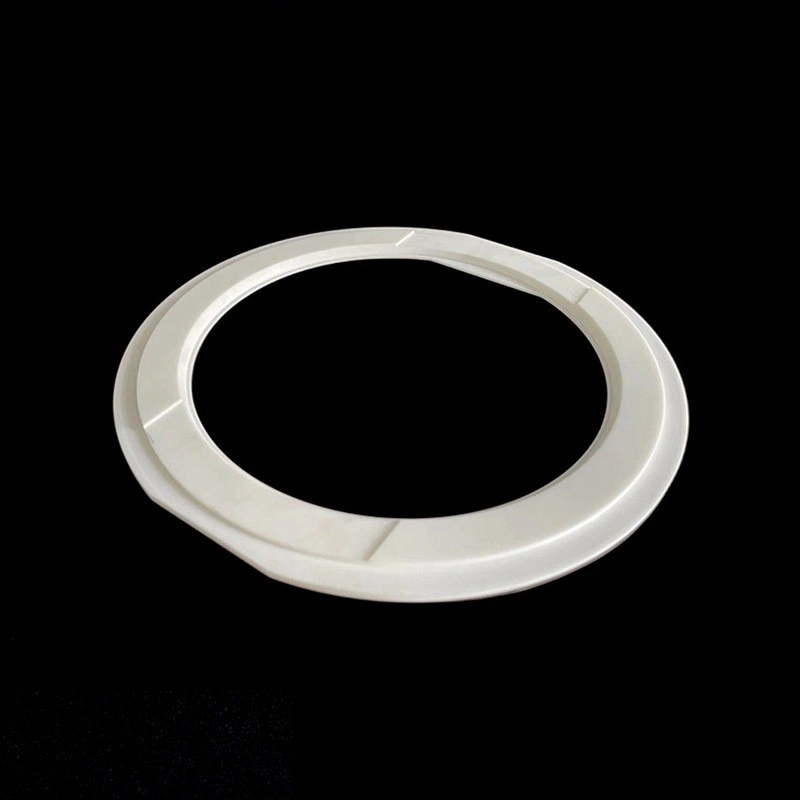
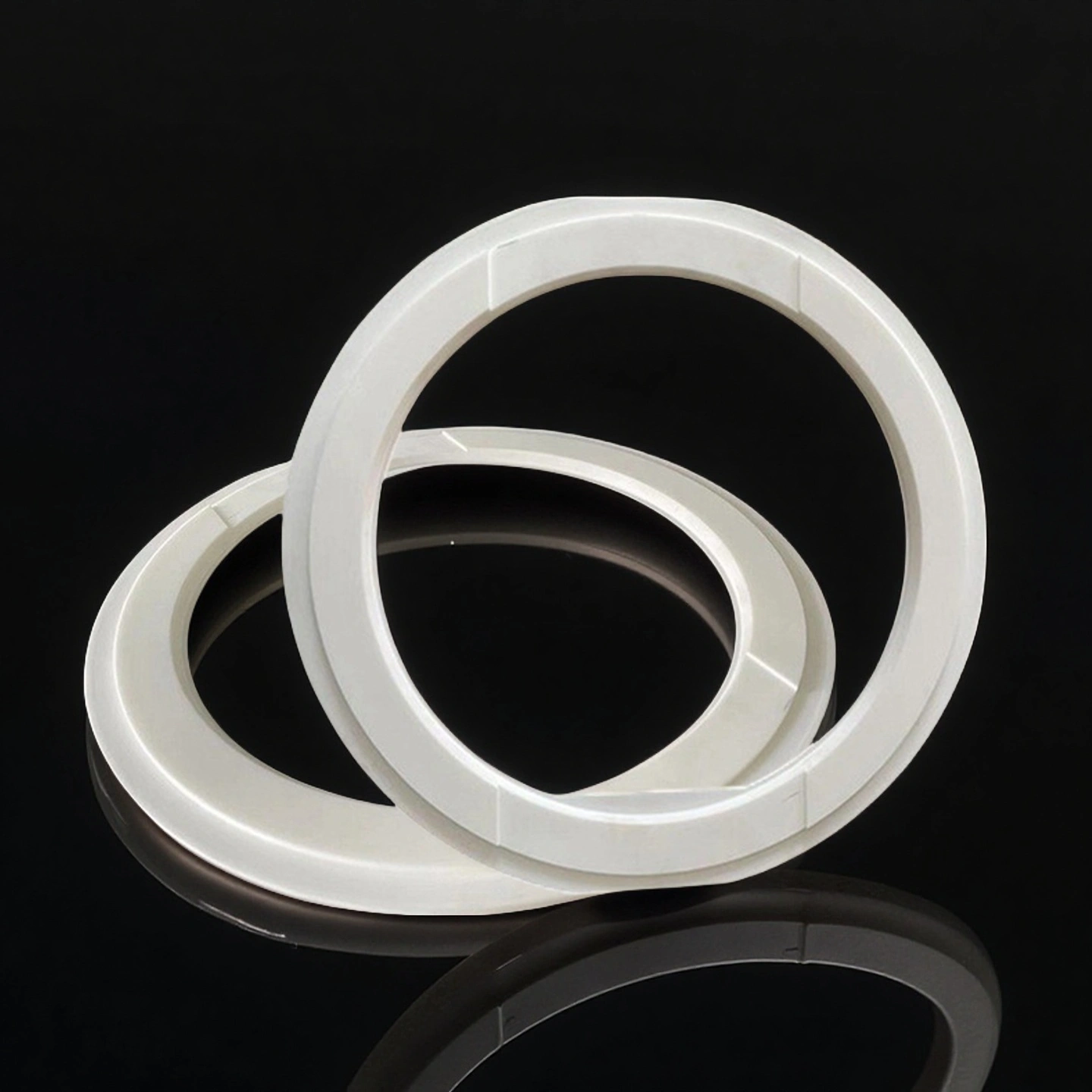
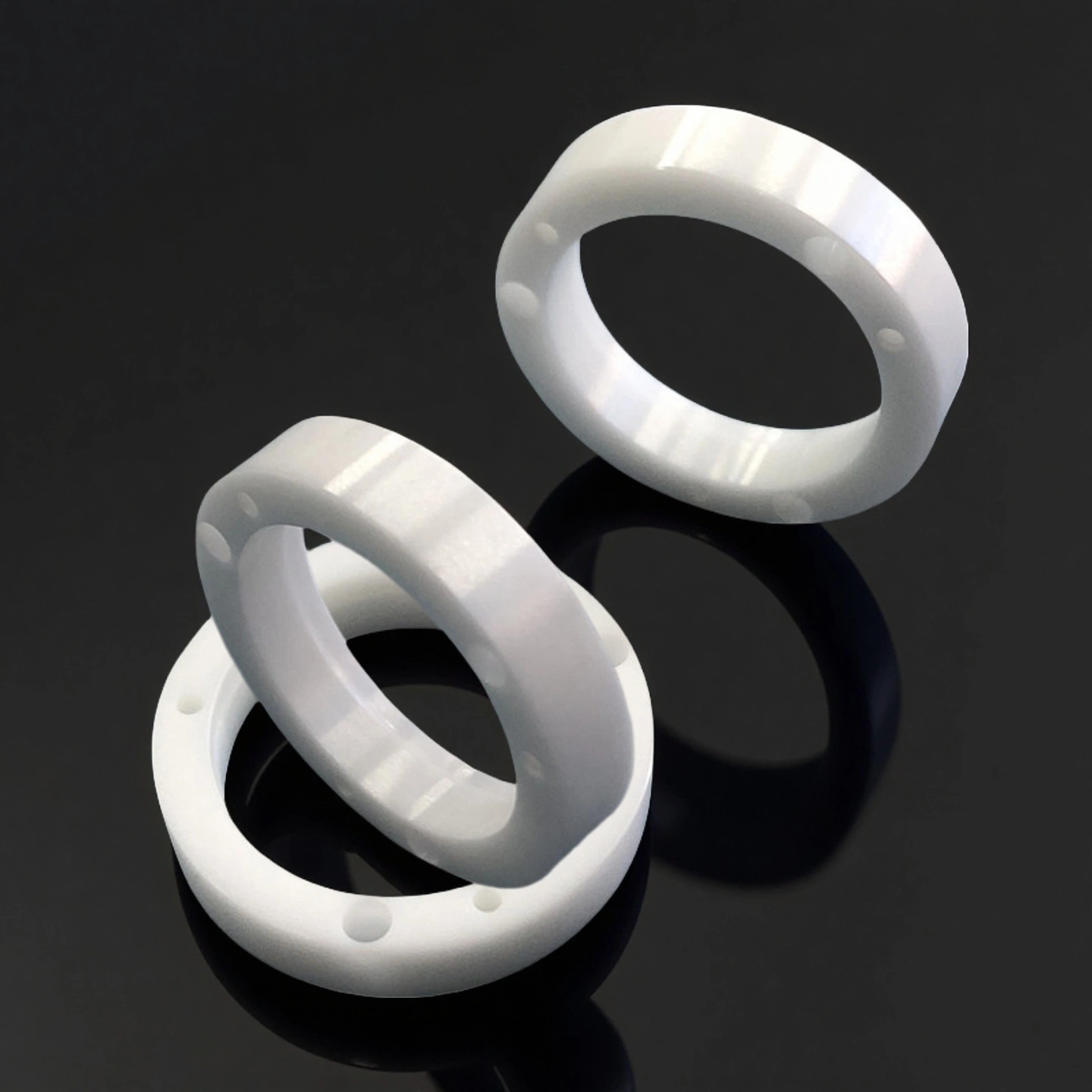
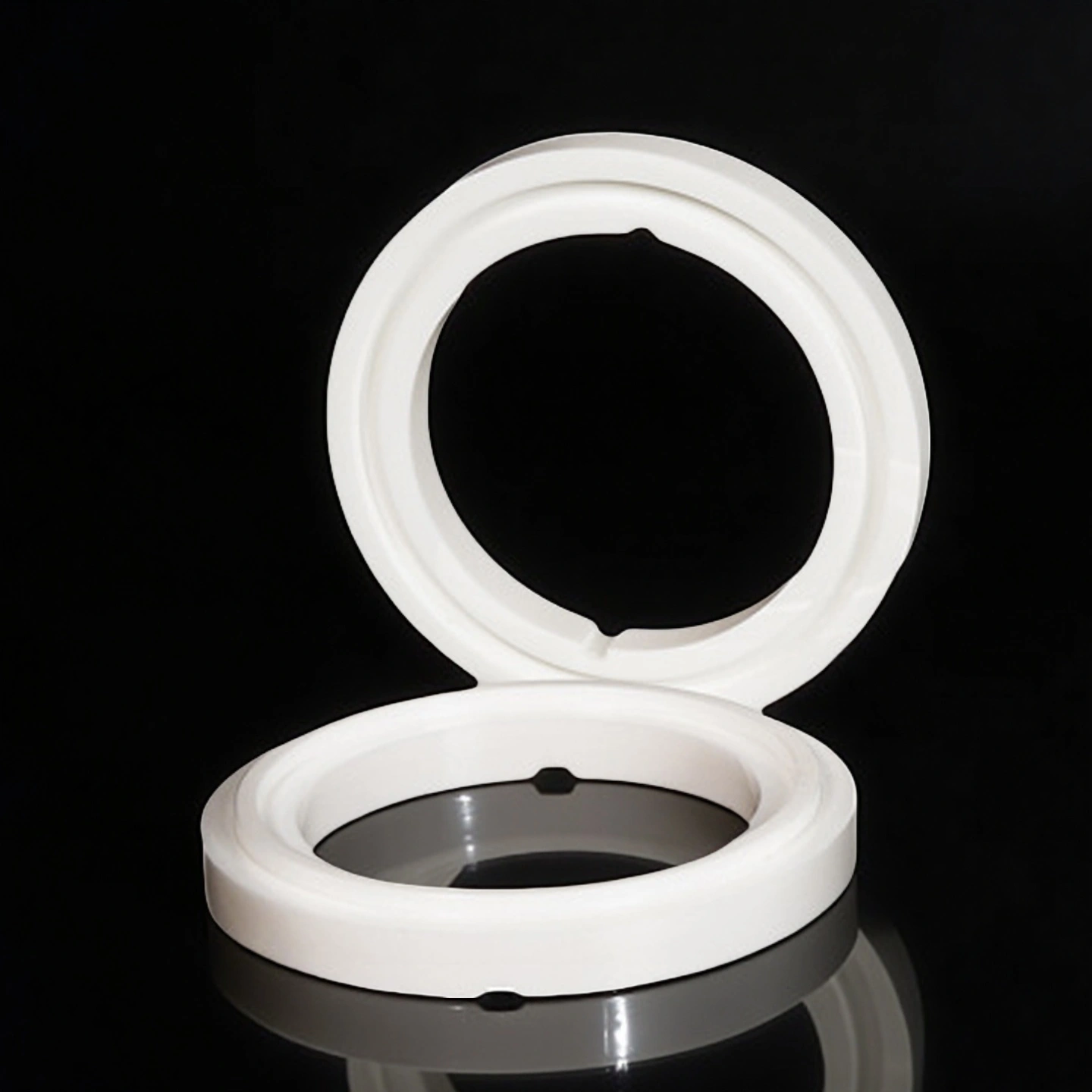
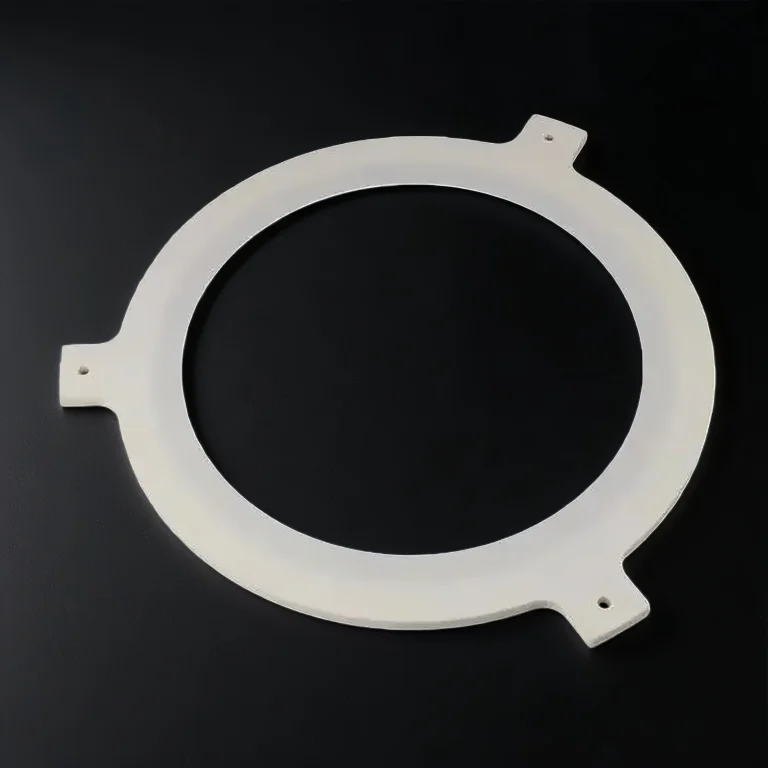
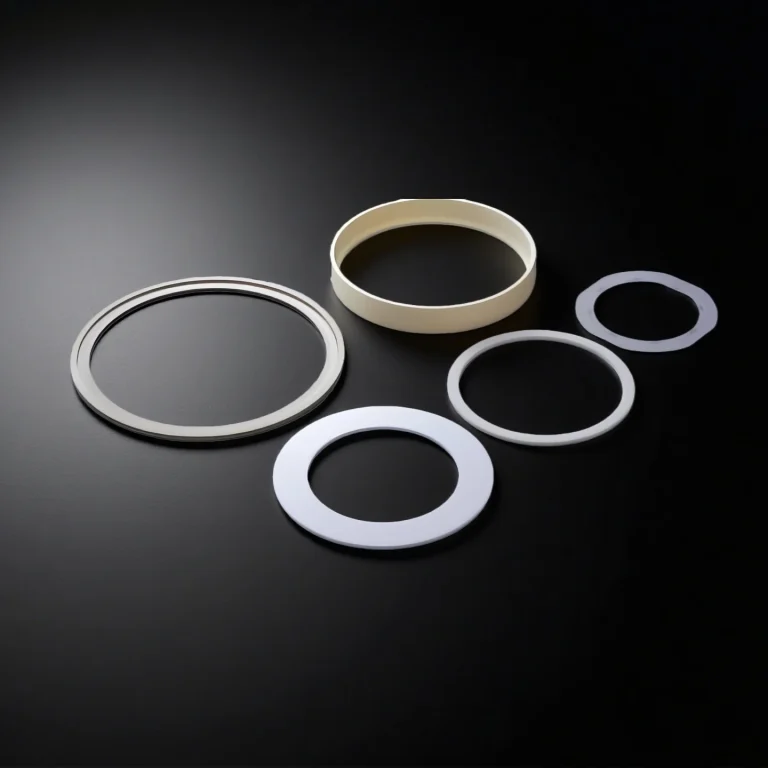
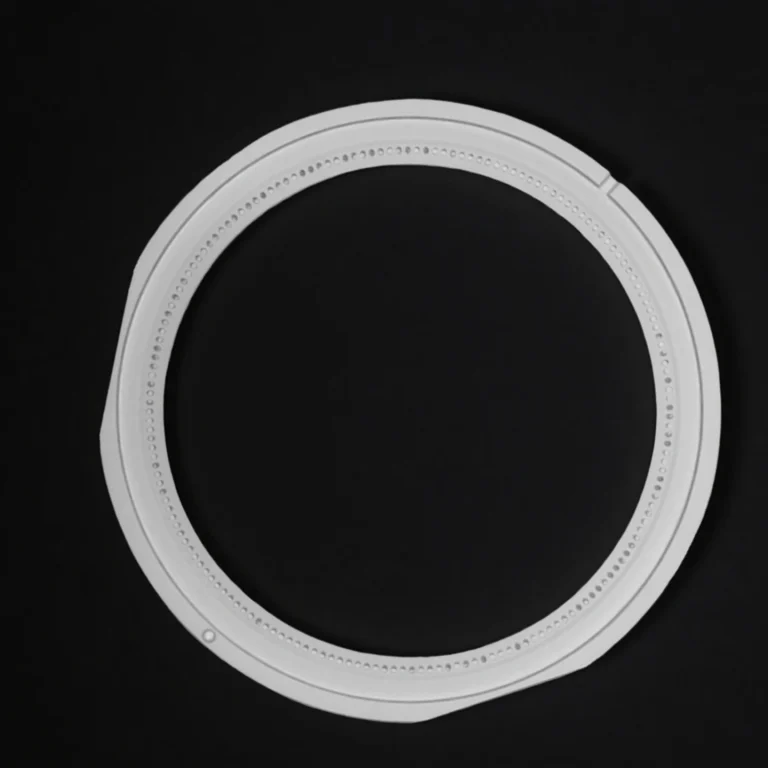
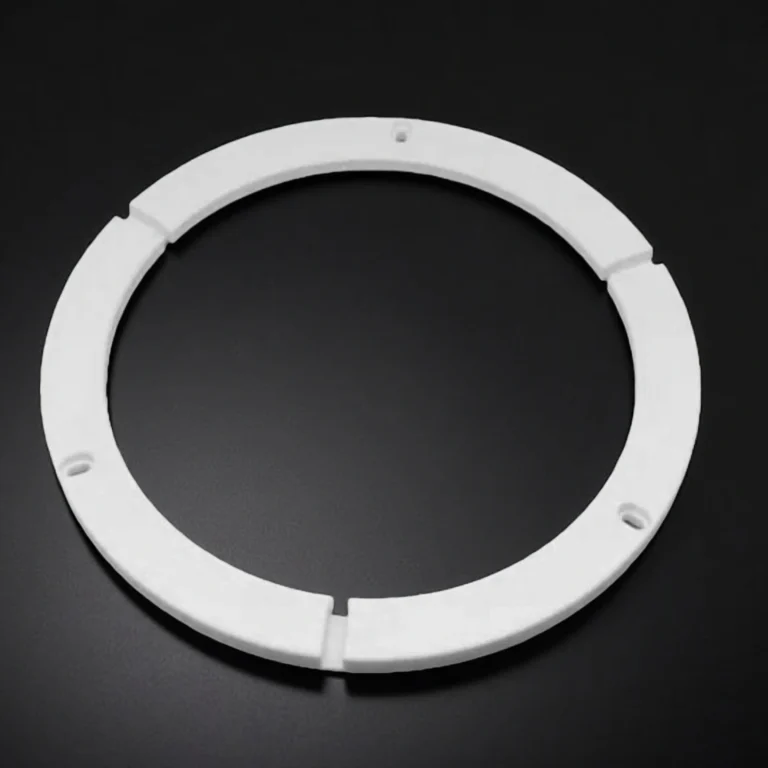
ADCERAX® Zirconia Ceramic Sealing Ring is engineered for demanding sealing applications in chemical processing, water treatment, and energy systems. It resists aggressive media, maintains sealing performance under high temperatures, and endures mechanical wear over long service cycles. With its stable material structure and high fracture toughness, Zirconia Ceramic Sealing Ring ensures reliable operation across dynamic and static interfaces. Its usage spans pumps, valves, and rotary equipment where leakage prevention and system uptime are critical.
Performance Characteristics of Zirconia Ceramic Sealing Ring
- Withstand pH range of 2–12: The ring maintains structural integrity and surface stability under exposure to corrosive process fluids such as sulfuric acid and sodium hydroxide.
- Inert against salt and oxidizers: Performance testing confirms zero measurable degradation after 200 hours in NaClO₃ solution at 80 °C.
- Compatible with CIP media: It resists common cleaning chemicals used in food, pharma, and water industries without surface pitting or loss of sealing capability.
- Vickers hardness of 1150–1300 HV10: This exceeds typical steel or alumina materials, reducing surface wear and deformation under rotary motion.
- Average wear rate <0.005 mm³/N·m: Lab tests under lubricated rotary conditions show less than 0.2% dimensional loss after 100,000 cycles.
- Extended seal life: Industrial use data indicates 35–50% longer operational lifespan compared to conventional ceramic sealing rings.
- CService temperature ≥1000 °C: Structural tests confirm reliable mechanical function and no microcracking after 100 cycles between 25–1000 °C.
- Thermal shock resistance ΔT >300 °C: Proven in rapid heat-up/cool-down applications, preventing catastrophic ring failure.
- Low thermal expansion mismatch: The CTE of 10.3×10⁻⁶ /K allows close fit with stainless steel hardware without inducing stress cracks.
Technical Properties of Zirconia Ceramic Sealing Ring
Zirconia Ceramic Sealing Ring exhibits a balanced combination of high mechanical strength, excellent thermal stability, and chemical inertness. These attributes ensure long-term operational reliability in fluid sealing systems exposed to mechanical load, high-temperature gradients, and corrosive media.
| Property |
Specification |
| Material Composition |
Yttria-Stabilized Zirconia (≥94% ZrO₂) |
| Density |
5.9–6.1 g/cm³ |
| Vickers Hardness (HV10) |
1150–1300 |
| Flexural Strength |
900–1200 MPa |
| Fracture Toughness (K_IC) |
8–10 MPa·m¹ᐟ² |
| Maximum Working Temperature |
≥1000 °C |
| Thermal Expansion Coefficient |
10.3 × 10⁻⁶ /K (RT–1000 °C) |
| Thermal Shock Resistance (ΔT) |
>300 °C |
| Chemical Stability Range |
pH 2–12 |
| Electrical Resistivity |
>10¹² Ω·cm |
| Surface Roughness (Sealing Face) |
Ra < 0.2 μm (after polishing) |
| Phase Stability (YSZ) |
Tetragonal stabilized, non-degradable |
| Porosity |
<0.1% (closed porosity) |
Specifications of Zirconia Ceramic Sealing Ring
Packaging of Zirconia Ceramic Sealing Ring
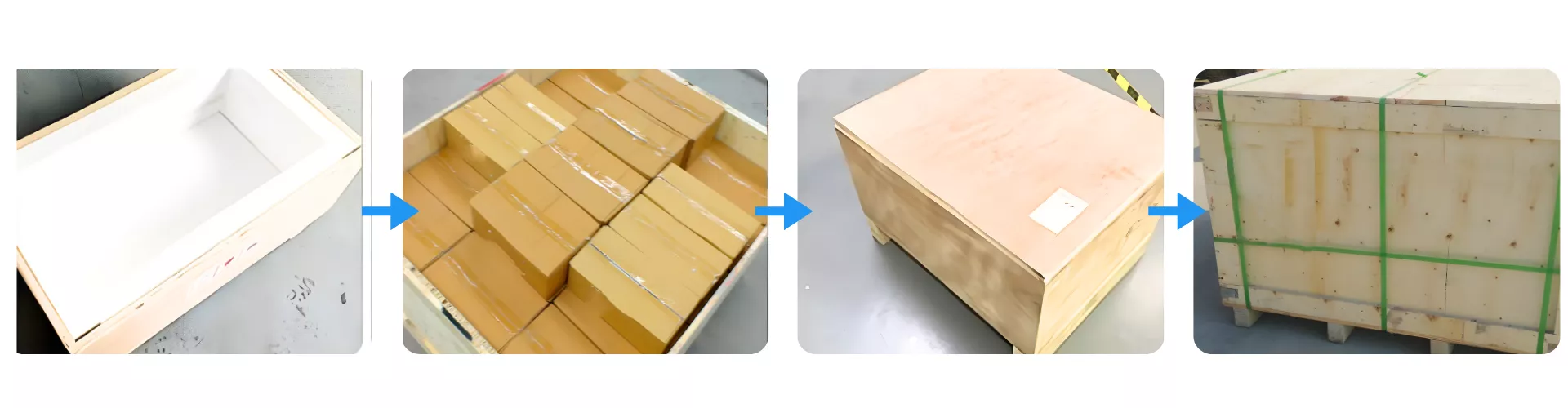
Zirconia Ceramic Sealing Ring is protected using foam inserts and air cushions inside a double-layered cardboard box to prevent shock during transit. Each box is then secured within a lined plywood crate to ensure stability and compression resistance. This multi-layer packaging design ensures safe delivery to industrial clients worldwide.
Solving Industry-Specific Sealing Failures with ADCERAX® Zirconia Ceramic Sealing Ring
ADCERAX® Zirconia Ceramic Sealing Ring addresses key reliability and durability issues in critical fluid-control components across precision manufacturing and harsh-process industries. Its resistance to thermal cycling, chemical degradation, and surface wear directly enhances uptime and sealing integrity in specialized mechanical systems.
-
High-Cycle Sanitary Pumps in Pharmaceutical Filling Lines
✅Key Advantages
1. High Chemical Inertness under CIP/SIP Cycles
Zirconia Ceramic Sealing Ring remains chemically stable through over 1000 cleaning and sterilization cycles involving caustic soda and peracetic acid. Its inert surface prevents ion migration and particle shedding, preserving sterility in high-purity pharmaceutical fluids.
2. Stable Performance at Elevated Temperatures
The material retains full mechanical integrity at temperatures up to 130 °C during repeated steam sterilization. Unlike polymer-based seals, it shows no dimensional distortion or loss of sealing force after long-term exposure.
3. Micro-Smooth Sealing Surface Finish
A precision-polished surface with Ra < 0.2 μm reduces bacterial retention and mechanical friction. The mirror finish ensures constant contact pressure and eliminates microleakage during continuous batch operation.
✅ ️Problem Solved
A European injectable drug manufacturer experienced seal degradation and contamination during weekly CIP/SIP cleaning. PTFE-based seals showed swelling and visible cracking after 200 sterilization cycles, causing product loss and downtime. ADCERAX® Zirconia Ceramic Sealing Rings were introduced in the sanitary pump heads, operating for over 18 months with zero contamination events. Process validation confirmed complete sealing integrity and compliance with EU GMP sterility standards.
-
Rotary Ink Pump Seals in Precision Printing Equipment
✅Key Advantages
1. Superior Abrasion Resistance in Pigment Fluids
The ring exhibits a wear rate below 0.005 mm³/N·m when tested with solvent-based ink mixtures under 50 N contact load. This property ensures long-term smooth rotation without sealing edge degradation.
2. Chemical Stability in Solvent-Rich Media
Zirconia maintains inertness against MEK, acetone, and ethanol-based inks after 1000 hours of continuous circulation testing, preventing seal delamination or solvent-induced corrosion.
3. Dimensional Consistency under Continuous Rotation
Under high-speed printing cycles exceeding 20,000 rpm, the ring maintains circular integrity and low friction torque, sustaining consistent pressure and ink flow with minimal mechanical drag.
✅ ️Problem Solved
A Japanese digital printing plant reported frequent ink leakage and print defects due to seal erosion in rotary pump systems using alumina rings. Each failure caused production losses exceeding 8 hours per line. After adopting ADCERAX® Zirconia Ceramic Sealing Rings, the system achieved a 45% increase in continuous operation time and eliminated color cross-contamination. Post-run inspection revealed no measurable wear on the sealing interface even after six months of nonstop operation.
-
Shaft Sealing in High-Temperature Chemical Reactors
✅Key Advantages
1. Exceptional Thermal Shock Resistance
Zirconia Ceramic Sealing Ring tolerates temperature differentials exceeding 300 °C without crack propagation or loss of sealing contact. It sustains stable operation through rapid heat-up and cool-down reactor cycles.
2. Corrosion Immunity in Acidic Gas Streams
The material withstands exposure to HCl and SO₂ atmospheres at 500 °C for over 500 hours with no measurable mass loss or structural degradation, providing a dependable seal for aggressive chemical reactions.
3. Mechanical Strength Retention at High Heat
Even at 600 °C, flexural strength remains above 900 MPa, allowing reliable sealing in rotating shafts subjected to high torque and pressure fluctuations.
✅ ️Problem Solved
A German chemical pilot plant operating hydrogen chloride reactors suffered seal failures every two months due to metal and graphite corrosion. Leakage risk forced repeated shutdowns and seal replacements. After integration of ADCERAX® Zirconia Ceramic Sealing Rings, the reactors ran continuously for 14 months, maintaining complete containment under cyclic temperature swings and acid gas exposure. Periodic inspection confirmed full microstructural stability and consistent sealing torque, reducing maintenance frequency by 80%.
User Guide for Zirconia Ceramic Sealing Ring
To ensure safe integration, optimal performance, and extended service life of Zirconia Ceramic Sealing Ring, industrial users should follow several key handling, installation, and maintenance recommendations. These guidelines help prevent sealing failure, equipment wear, and unplanned downtime under thermal, chemical, and mechanical load conditions.
-
Handling Precautions Before Installation
1. Always store Zirconia Ceramic Sealing Ring in its original packaging to prevent surface damage and contamination. Remove the protective material only in clean, dry environments to avoid dust or foreign particle adherence.
2. Avoid direct contact with sharp tools or hard surfaces when unpacking or transferring the ring. Chipping or microcracks from improper handling may compromise sealing function during high-pressure operation.
3. Inspect each ring for visible surface defects or edge irregularities before use. Only dimensionally intact rings with defect-free sealing faces should be installed, as minor imperfections may lead to early leakage or misalignment under load.
-
Mounting and Alignment Guidelines
1. Use soft-jaw fixtures or elastomeric clamps when positioning the Zirconia Ceramic Sealing Ring into its mating housing. Rigid or metallic contact tools may exert uneven stress that damages the sealing edge.
2. Ensure axial and radial alignment is within recommended mechanical tolerances for your specific assembly. Misalignment between rotating and stationary components can generate localized wear, heat spots, and surface deformation.
3. Apply uniform mounting force and avoid impact insertion methods. Use torque-controlled fastening if applicable to prevent distortion or breakage of the ceramic material during fixation.
-
Operating Conditions and Environmental Limits
1. Confirm that fluid media is chemically compatible with zirconia (pH range 2–12, resistant to most acids, alkalis, and solvents). Aggressive oxidizers outside this range may degrade ring performance over time.
2. Monitor system temperatures to remain below 1000 °C, the recommended continuous service limit for Zirconia Ceramic Sealing Ring. Short-term thermal shock tolerance is >300 °C, but repeated excursions beyond design range can lead to failure.
3. Prevent dry-run or partial-contact operation during startup, especially in rotary systems. Lack of lubrication or partial media flow may create localized hotspots and accelerate wear of the sealing face.
-
Maintenance and Replacement Best Practices
1. Include the sealing ring in your scheduled inspection cycle, checking for surface degradation, edge chipping, or polishing wear. Catching early signs prevents larger system failure.
2. When replacing, always use a ring of matching geometry and material grade to ensure consistent sealing behavior. Partial substitutions may cause sealing mismatch or uneven contact pressure.
3. Document operational hours and service environment for each sealing ring batch, enabling traceability and optimization of future replacement intervals. Proactive replacement planning minimizes unplanned downtime and extends equipment lifespan.